
Curious about the elegant and rich history of traditional Iranian clothing? You’re in the right place. Iran’s diverse cultural and historical backdrop has shaped its fashion, with each region offering distinct styles, materials, and designs that tell a unique story.
At a recent Iranian festival, I was captivated by the sight of women wearing Chadors, each adorned with intricate embroidery, and men proudly donning Kolāh hats.
The colorful Pirahan and Qaba garments were worn with such grace and elegance, each piece reflecting the deep cultural pride of the people. The vibrant festivities highlighted how Iranian clothing is more than just fashion—it’s an expression of heritage, identity, and community.
In this article, we’ll explore:
- The evolution of Iranian outfits over the centuries
- Key items of women’s and men’s attire
- Classic Persian styles, including the Qaba, Chador, and Turban
- Regional variations, from Northern to Southern Iran
- Memorable accessories like the Kolāh and Payab
Let’s start the world of traditional Iranian clothing and explore the beautiful patterns, cultural symbols, and stories woven into the fabric of these garments.
1. Historical Overview and Evolution of the Iranian Outfit

The evolution of traditional Iranian outfits reflects the country’s rich cultural history. During the Qajar period (1789–1925), Iranian clothing was characterized by intricate designs, bright colors, and elaborate embroidery.
Men wore long coats, kolah hats, and pirahan tunics, while women donned chadors and colorful skirts, often paired with ornate jewelry. The use of luxurious fabrics like silk and velvet was prevalent, showcasing both traditional Persian designs and the influence of foreign trade.
With the rise of contemporary fashion, especially in the 20th century, Iranian society saw a shift towards more modern attire. However, traditional clothing in Iran remained prominent during festivals, such as Nowruz.
According to The Position of Traditional Clothing in the Development of Cultural Tourism in Iran, traditional Iranian clothing is a key element of the country’s cultural identity. Vibrant and detailed garments, such as those from the Qajar period, continue to influence modern fashion, attracting tourists and highlighting Iran’s rich regional diversity.
Today, elements of the past are still evident in both modern Iranian fashion and the continued use of traditional garments during special occasions. This fusion of history and modernity continues to shape Iran’s cultural identity.
2. Classic Persian Style
Women’s Attire
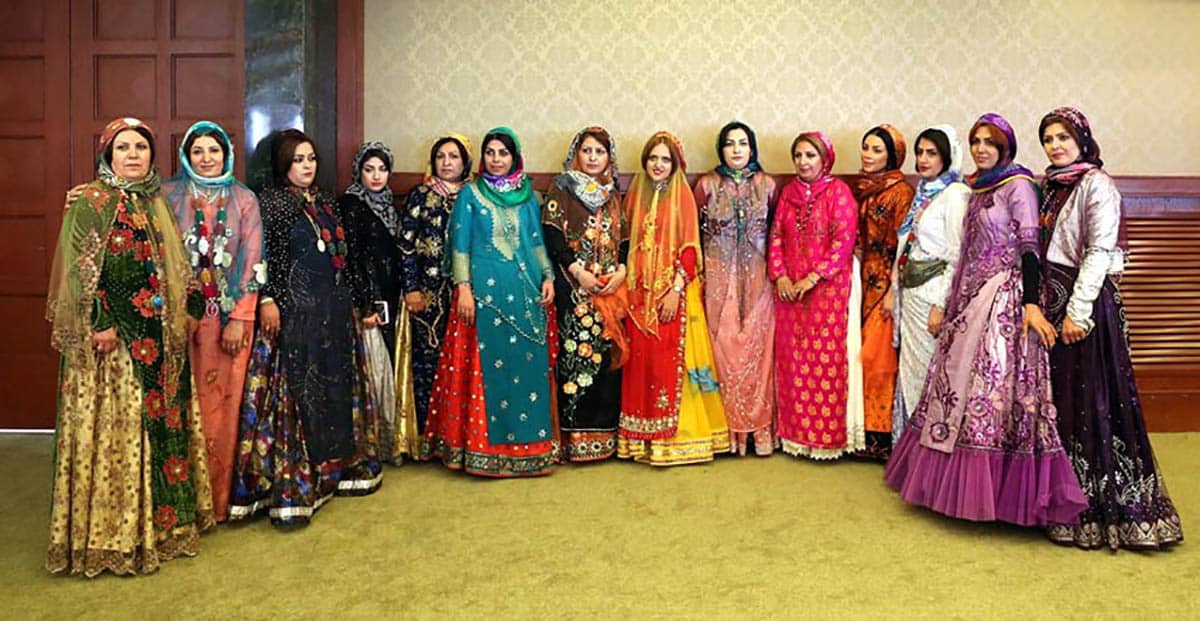
Traditional Iranian women’s attire is a beautiful reflection of the country’s cultural diversity and rich heritage. It has evolved over the centuries, incorporating elements from various dynasties and regions.
Key Traditional Iranian Women’s Attire:
- Chador: A full-body cloak that covers the body and leaves only the face exposed, symbolizing modesty and cultural identity.
- Manteau: A long overcoat or coat that is worn in public, often paired with a scarf or hijab for modesty.
- Tunic or Qaba: A long tunic, often with intricate embroidery, worn by women of all ages, representing tradition and elegance.
- Colorful Skirts: Worn as part of traditional attire, often paired with blouses, and known for their vibrant colors and floral patterns.
- Headscarf (Hijab): A scarf or shawl that covers the hair, reflecting the Iranian value of modesty.
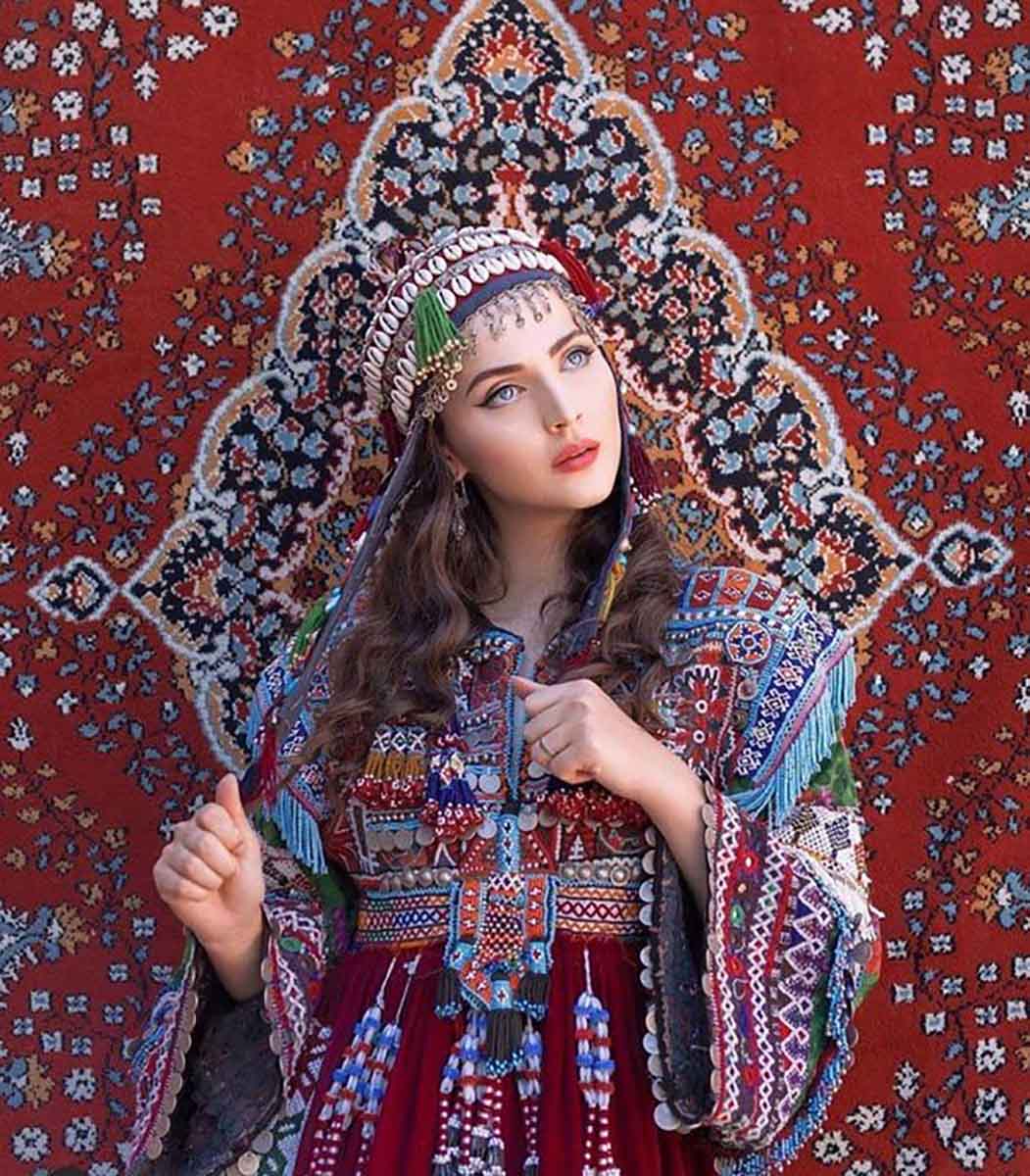
- Jewelry: Intricate silver or gold jewelry is worn as an important accessory, often representing cultural heritage and regional styles.
Traditional clothing is more than just fashion in Iran; it’s a deep part of its cultural fabric and societal values, symbolizing both national pride and personal identity.
Men’s Attire
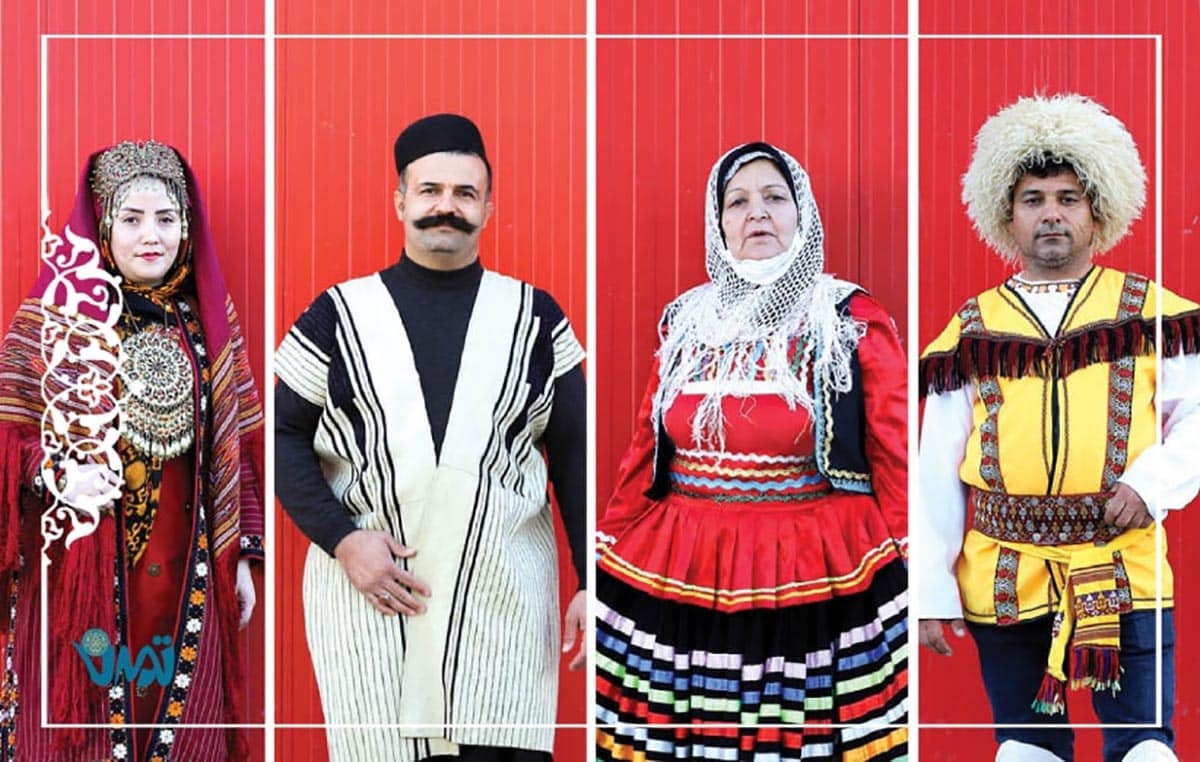
Traditional Iranian men’s attire showcases the rich cultural heritage of Iran, with influences from various regions and historical periods. From the opulent robes of the Qajar dynasty to the practical clothing worn in modern times, these garments symbolize Iranian identity and craftsmanship.
Key Traditional Iranian Men’s Attire:
- Pirahan: A long shirt, often made from cotton or silk, which forms the base of traditional Iranian men’s attire. It’s comfortable and typically paired with loose trousers.
- Qaba: A long robe worn over the pirahan, often made from fine fabrics like silk, and typically decorated with embroidery. It’s usually worn for formal events or ceremonies.
- Kolāh (Hat): A traditional felt or wool cap worn by men, often seen during cultural and formal occasions, symbolizing elegance and respect.
- Jubba: A long, wide-sleeved tunic often worn in Persian history, typically made of wool or cotton, and popular during the Safavid era.
These garments reflect the pride of Iranian culture and are seen on special occasions and cultural events. Each piece not only showcases a deep history but also serves a practical role in Iranian society, with elegance and comfort intertwined in its design.
See Also Traditional Syrian Clothing
3. Memorable Costumes in Iran
The Qaba
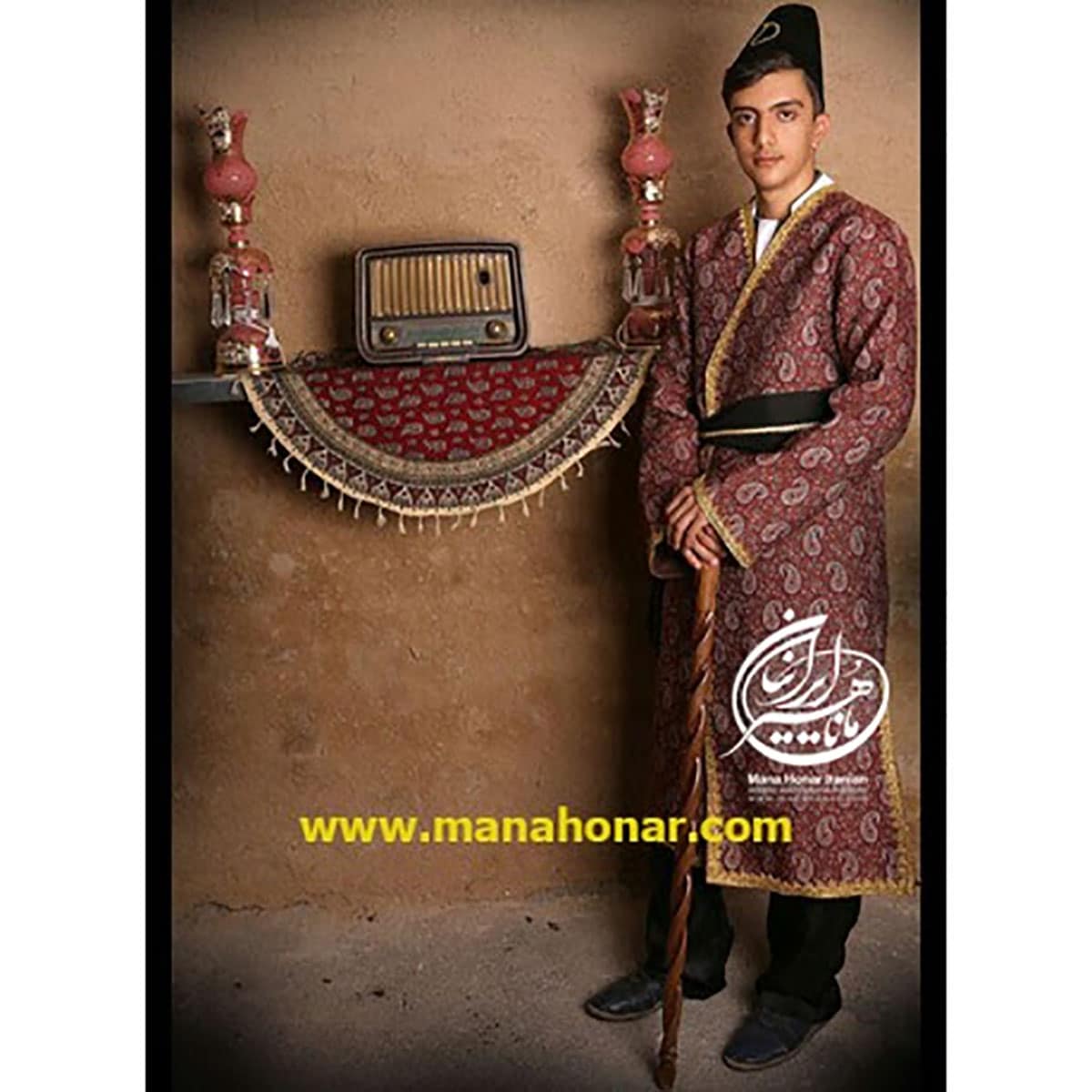
The qaba is a quintessential garment in traditional Persian clothing, historically worn by both men and women across Iran. This garment stands as a symbol of elegance, sophistication, and practicality. Made from luxurious fabrics like silk (Abrīsham), soft cotton (Pamuk), and cozy wool (Gaz), the qaba caters to various weather conditions and personal preferences.
Its loose-fitting silhouette provides comfort, while its flowing lines enhance movement. The garment is characterized by wide sleeves, often giving it a regal appearance.
A hallmark of its design is the use of intricate brocade (Majlesi) patterns or velvet (Qeicheh) accents, which elevate the qaba’s aesthetic and display the high level of craftsmanship involved in its creation.
The qaba is often worn over other garments, acting as an outer layer that not only offers warmth during cooler months but also adds layers of refinement. As a timeless piece, the qaba continues to represent the rich cultural and artistic traditions of Iran.
At a local cultural event, I saw individuals wearing the traditional qaba, beautifully crafted from rich fabrics, with intricate embroidery that showcased the elegance and sophistication of Persian heritage.
Pirahan
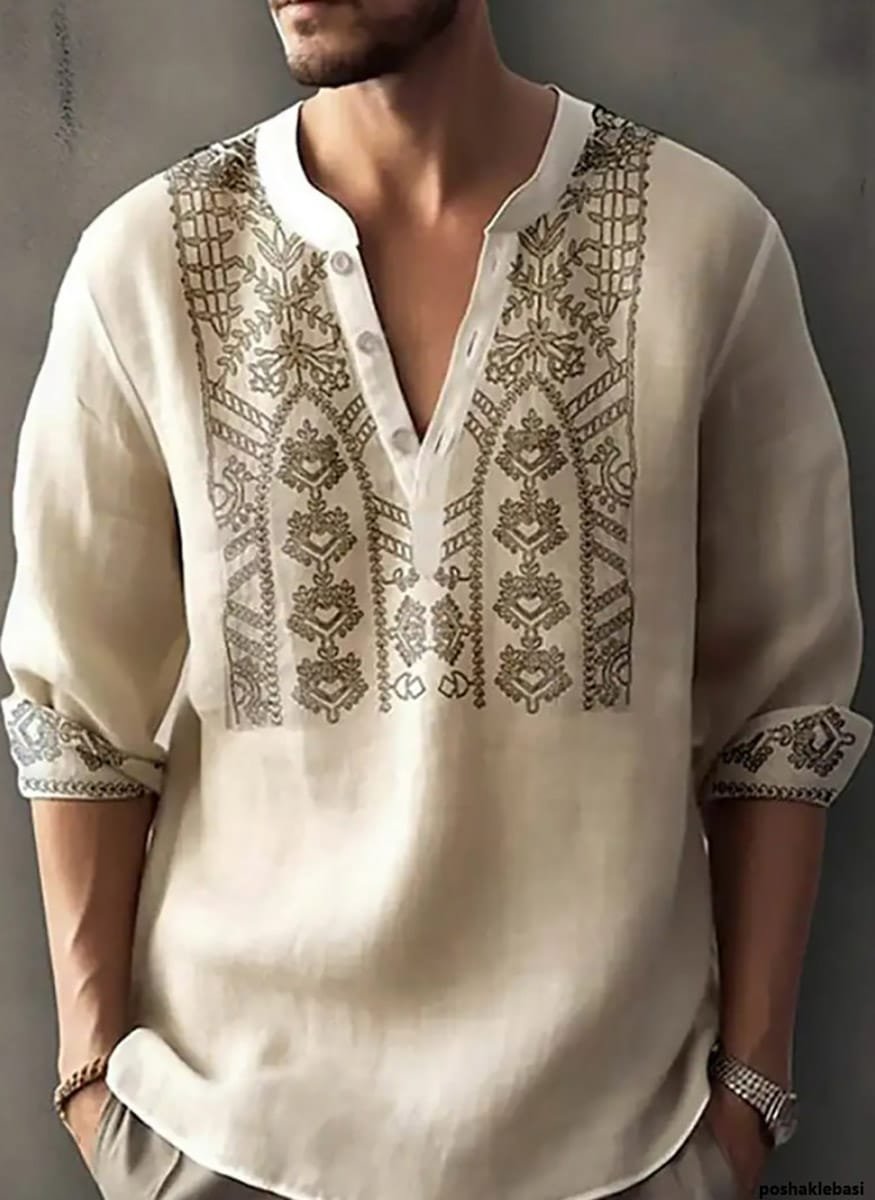
The pirhan is a traditional Iranian garment, worn by both men and women. It’s a long tunic or shirt, made from breathable fabrics like cotton, linen, or silk, and serves as a base layer for other clothing.
Known for comfort and versatility, the pirhan typically features long sleeves, a simple round neckline, and a straight-cut fit. Historically, it has been worn in both formal and casual settings, with regional variations in style.
Today, it remains a part of traditional attire in rural areas and during cultural events, symbolizing simplicity and functionality in Persian fashion.
The Kolāh (Hat)
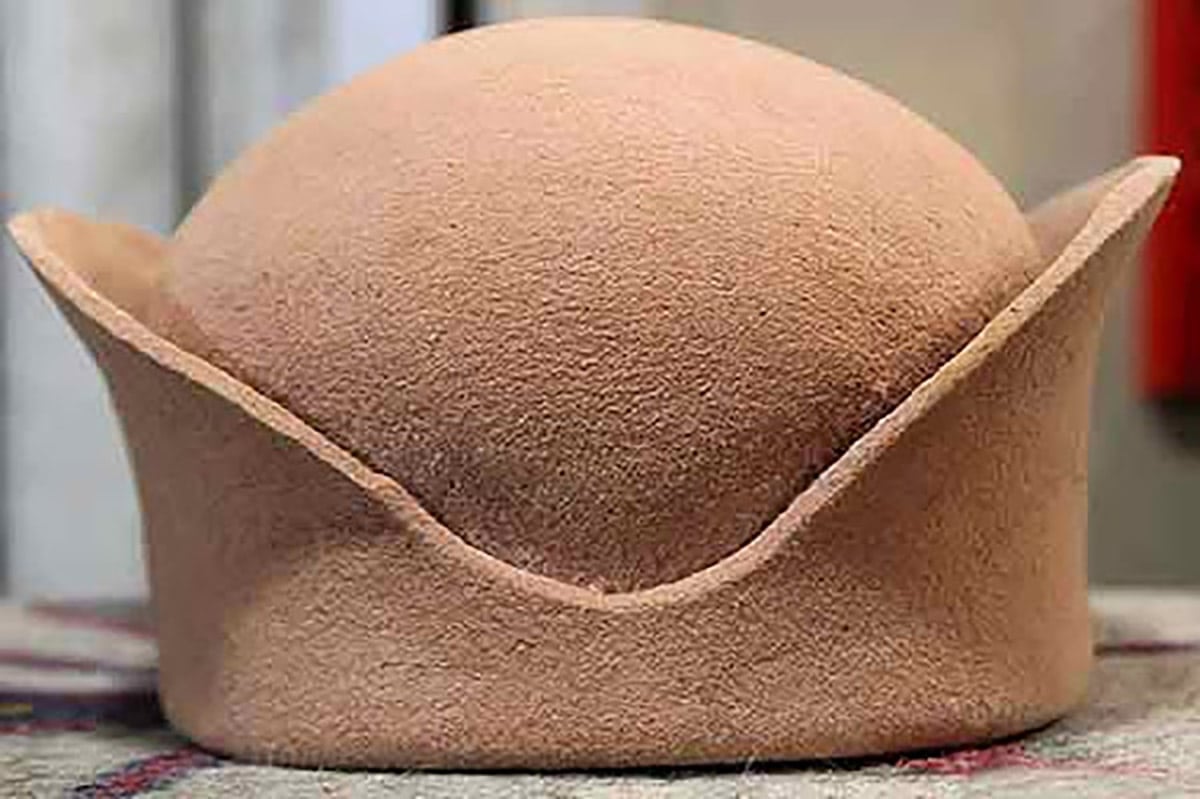
The kolāh, an integral aspect of Persian headwear, is primarily worn by men, especially in urban areas of Iran. Made from various materials such as felt, the kolāh comes in a range of styles, each unique in its design.
Whether as a part of formal attire or for everyday wear, the kolāh adds a touch of refinement to the wearer’s ensemble. Reflecting Iran’s rich cultural heritage, the kolāh symbolizes tradition and pride in Iranian identity.
Chador
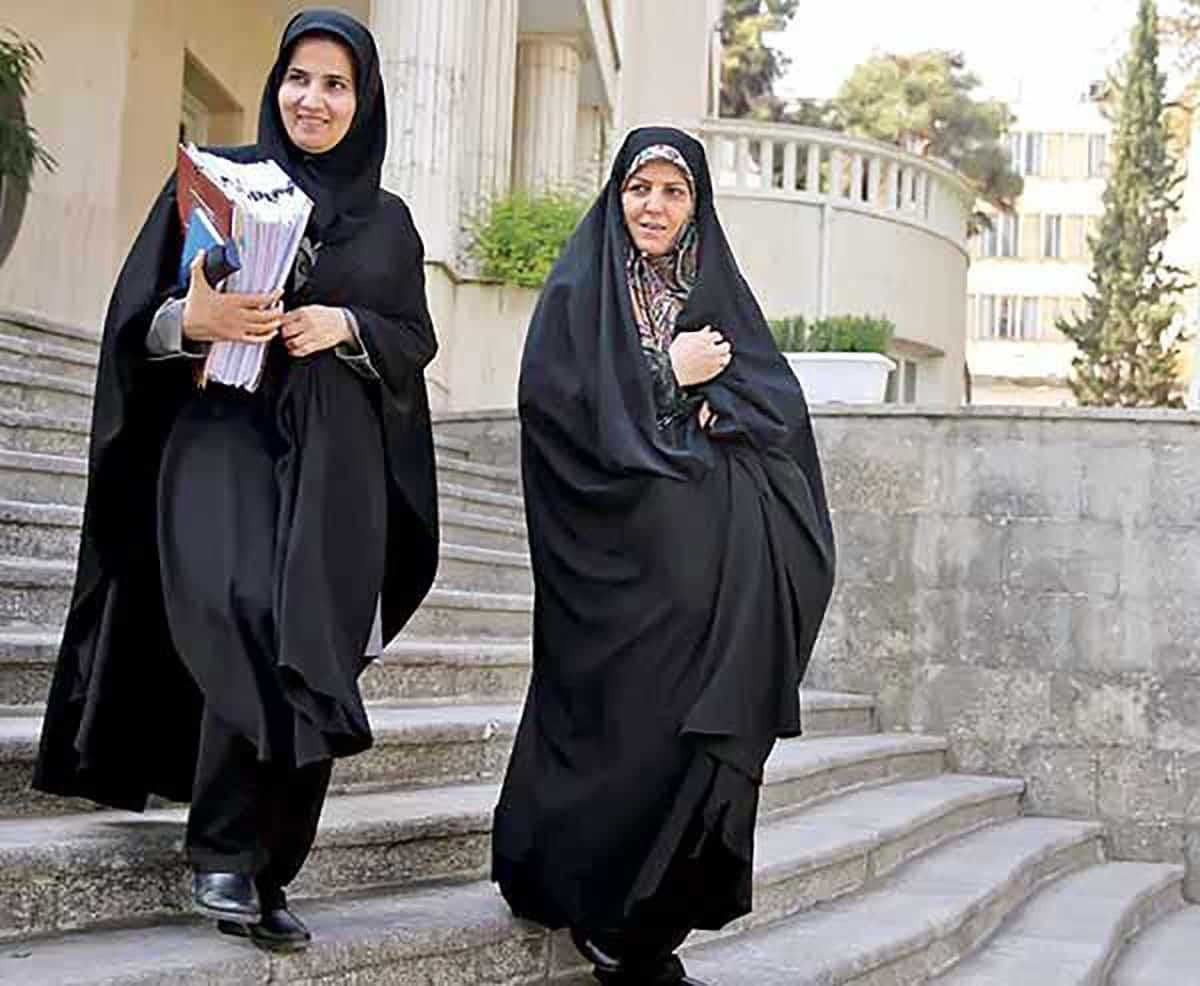
The chador, a fundamental aspect of Iranian women’s clothing, is a voluminous outer garment designed to cover the entire body. Typically made from lightweight materials like cotton or polyester, it is commonly worn in more conservative regions of Iran, where modesty is highly valued.
Draped over the head and fastened closed at the front, the chador is a daily attire choice for women of various ages. While black is a prevalent color choice, variations in colors and patterns allow for personalization and regional distinctions.
According to The Social Life of the Chador in Contemporary Iran, the chador serves as a symbol of cultural identity and tradition. It has evolved from being seen as a sign of backwardness to a powerful expression of Iranian heritage, embodying both resistance and societal values in modern Iran.
See Also Iranian Costumes
Turban

The turban, an essential element of men’s attire, is predominantly worn in rural areas across Iran. Fashioned by wrapping a lengthy cloth around the head in various styles, the turban symbolizes tradition and cultural identity.
Crafted from materials like cotton or silk fabric, it serves both practical and symbolic purposes. Beyond shielding from the elements, the turban often signifies the wearer’s social standing, religious beliefs, or tribal allegiance.
Its diverse wrapping techniques reflect regional customs and individual choices, adding depth to its significance.
Footwear (Payab)
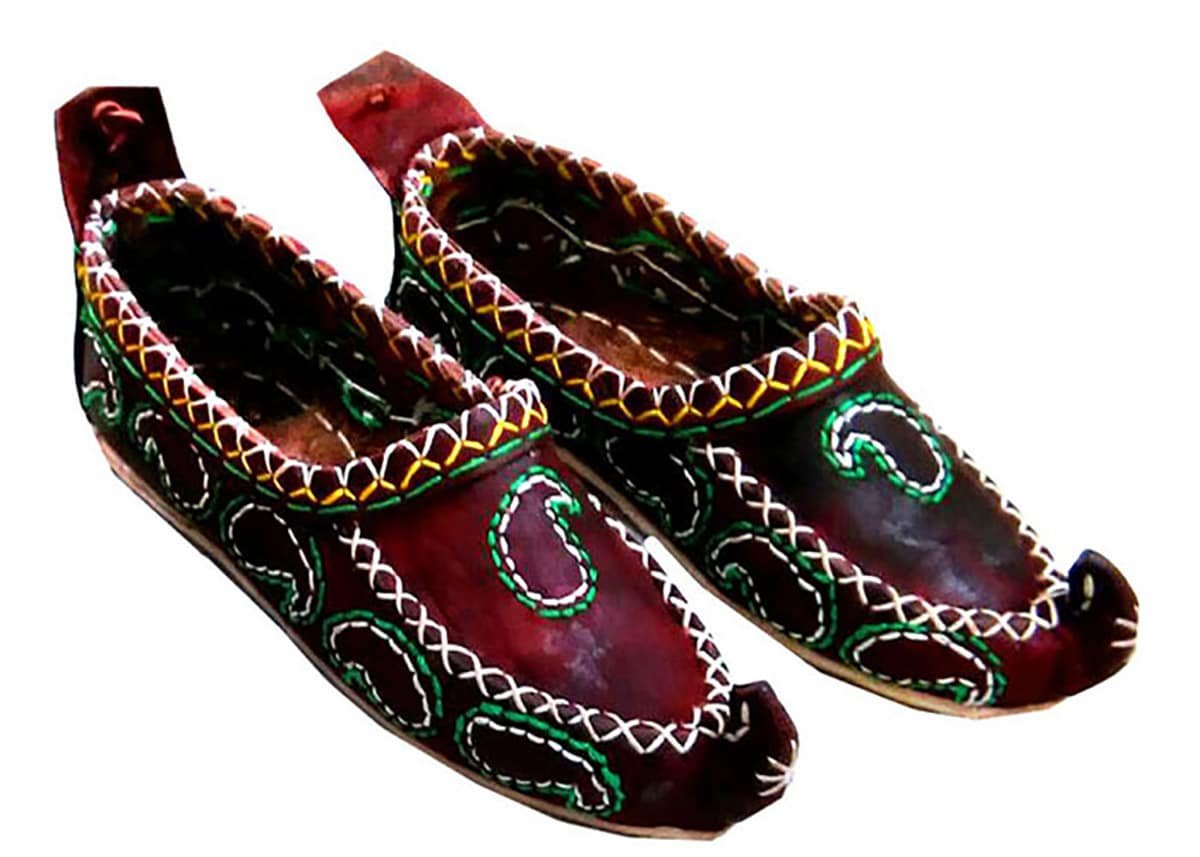
Footwear, known as Payab in Iranian culture, plays a vital role in traditional attire, complementing the ensemble with both functionality and elegance. Made from materials like leather, fabric, or traditional textiles such as kilim, Payab showcases the exquisite craftsmanship inherent in Persian culture.
From simple sandals with intricate patterns to more elaborate designs featuring leatherwork and embellishments, Payab caters to different occasions and tastes.
At a traditional Iranian festival, I was fascinated by the intricate designs of the footwear, with women wearing beautifully decorated sandals, while men wore sturdy, handcrafted leather shoes, reflecting cultural pride.
Accessories
- Belts (Kama): A simple leather belt worn by both men and women to cinch clothing around the waist.
- Shal (Scarf): A long piece of cloth, often worn by women around the neck or head for modesty.
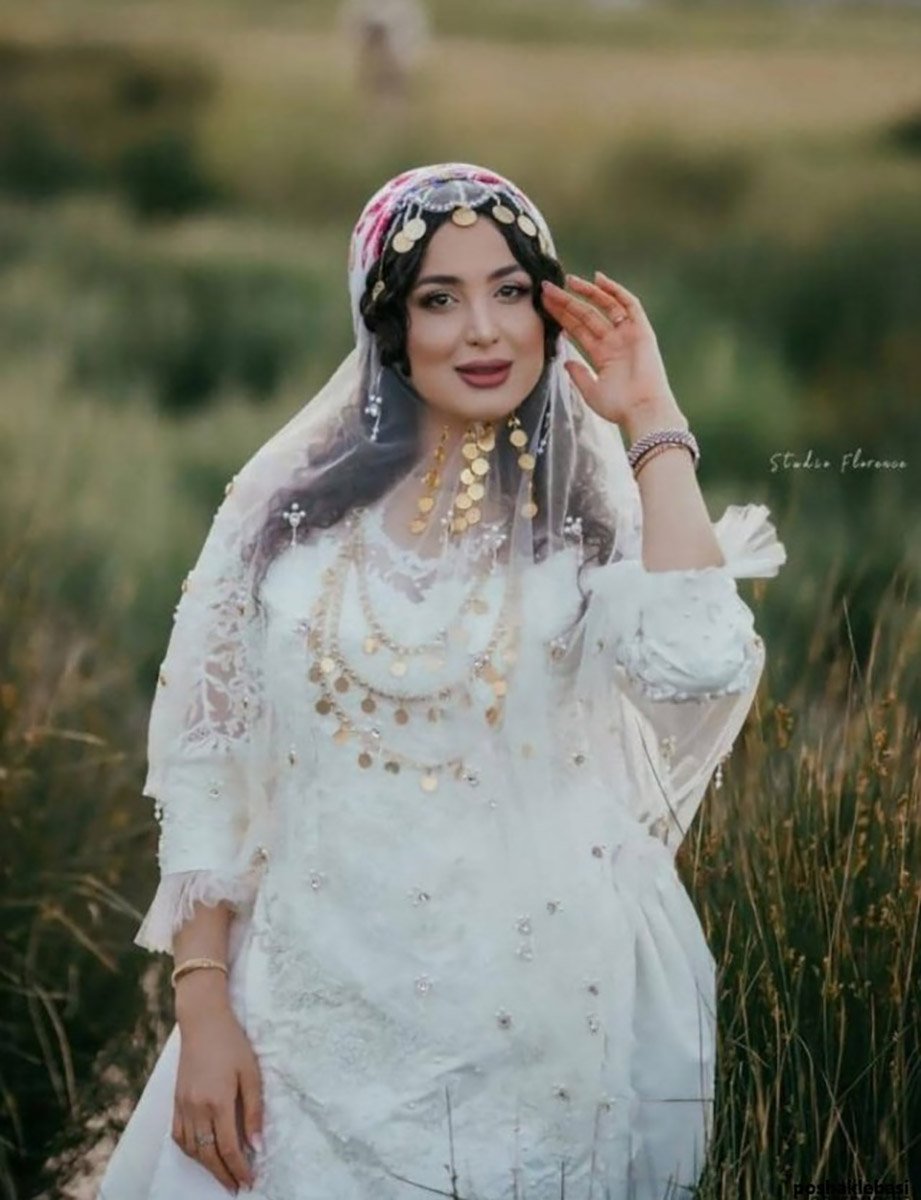
- Bangles and Bracelets: Commonly worn by women, made of gold, silver, or enamel, representing tradition and femininity.
- Necklaces: Elaborate jewelry, often worn during special occasions, featuring intricate designs.
- Rings: Ornate rings, often with gemstone accents, symbolizing wealth and status.
- Headbands: Decorative headpieces worn by women, often adorned with beads or jewels, adding elegance to traditional attire.
- Gold Jewelry: Gold jewelry holds a special place in traditional Iranian attire, especially for women. It is often worn during significant events like weddings, festivals, and religious ceremonies.
4. Sectional Vintage Persian Clothing
Northwest Iran
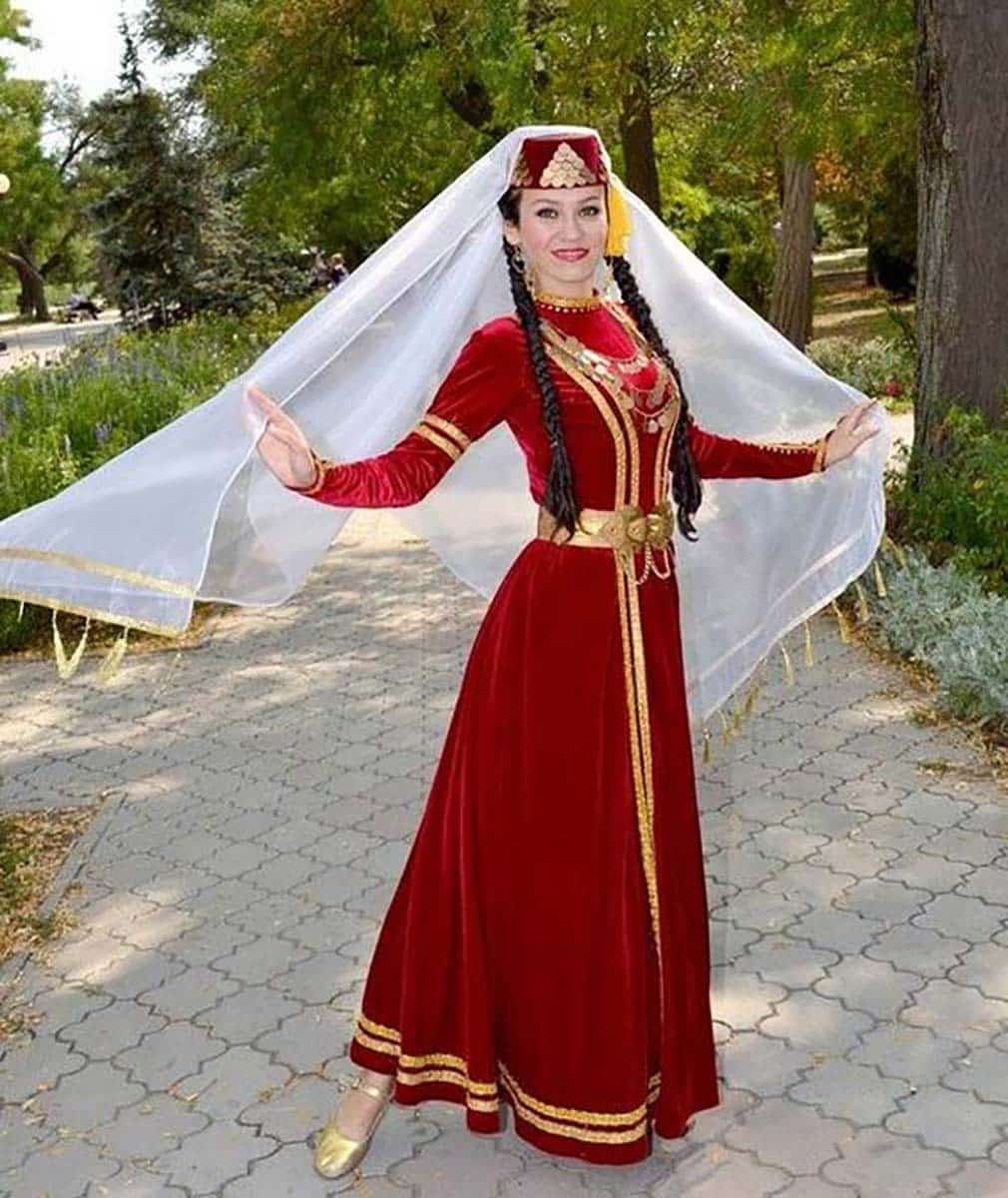
In Northwest Iran, particularly in Azerbaijan, traditional attire embodies the cultural vibrancy of the region. Women often wear brightly colored clothes with intricate embroidery, showcasing a celebration of color and artistry.
These clothes are commonly tailored from lightweight materials such as silk or cotton, allowing for comfortable wear in the diverse climates of the area.
Men in this region opt for a traditional long vest known as ‘Arkhalu,’ paired with baggy trousers called ‘Shalvar.’ These garments, typically made from sturdy fabrics like wool or cotton, reflect the enduring heritage of Northwest Iran, particularly among the Azerbaijani community.
See Also Famous Iranian Painters
Northern Iran

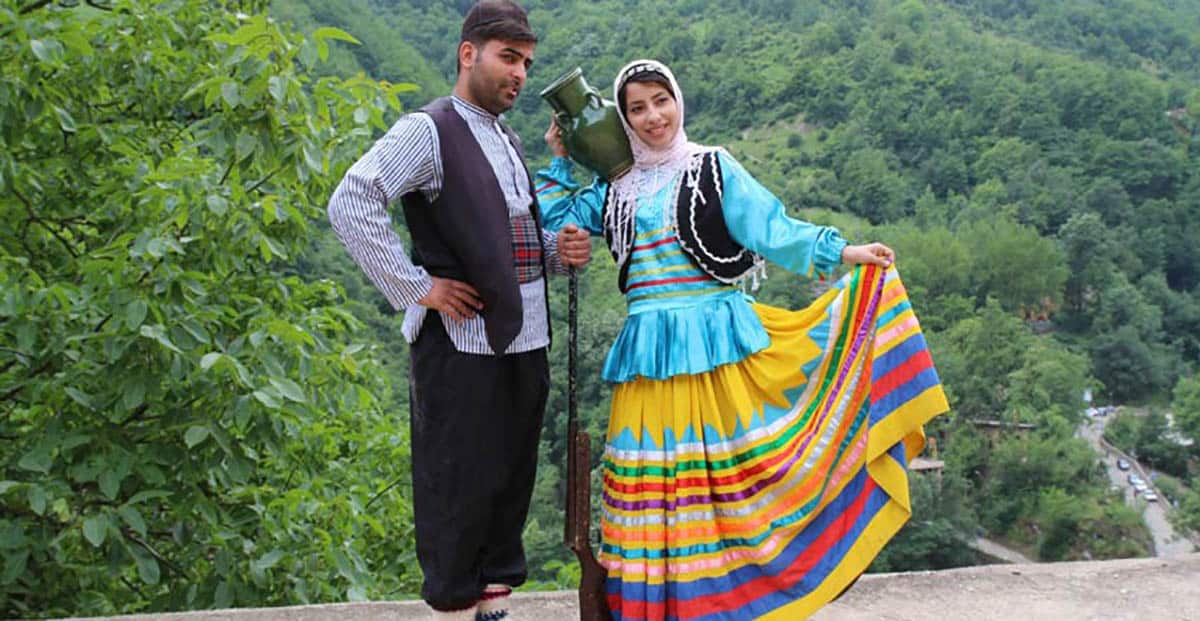
In the traditional attire of Northern Iran, particularly in the Caspian Sea Region, women often don long, flowing clothes tailored from lightweight fabrics, ideal for navigating the humid climate of the area. These clothes are typically made from materials such as cotton or linen, allowing for breathability and ease of movement.
Meanwhile, men may opt for loose-fitting trousers called “Tomban,” which they pair with a long coat or tunic. This ensemble, comprising both trousers and outerwear, is well-suited to the region’s diverse climate and showcases the enduring traditions of Iranian clothing.
Southern Iran
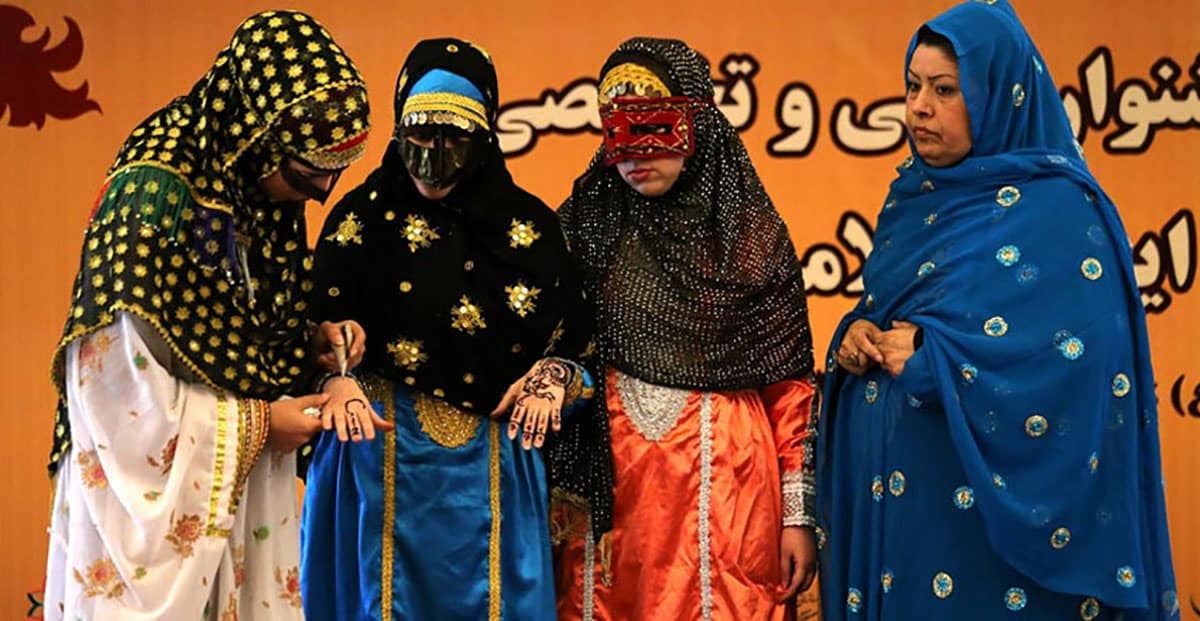
In the traditional attire of Southern Iran, particularly in the Persian Gulf Region, both men and women opt for lighter fabrics like cotton and linen to combat the hot climate. Women’s clothing often features colorful, embroidered dresses with intricate patterns, showcasing the vibrant cultural heritage of the region.
Meanwhile, men typically wear loose-fitting trousers called “Sirwal,” paired with a long, loose shirt. This traditional attire not only provides comfort in the warm weather but also reflects the enduring clothing traditions of the Persian Gulf Region in Iran.
Western Iran
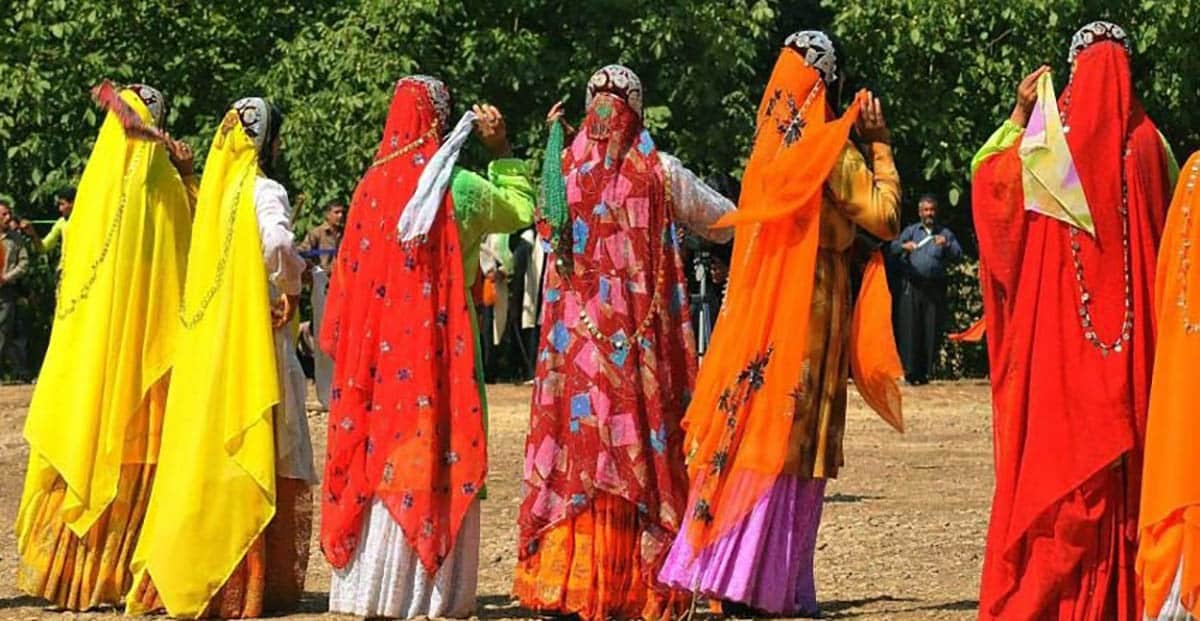
In Western Iran, particularly in Kurdistan and Luristan, traditional attire reflects the distinct cultural identity of the region. Women often wear vibrant dresses tailored from cotton or wool, featuring bold patterns, and complemented by colorful headscarves made of silk or chiffon, showcasing the rich Kurdish heritage.
Men in the region may opt for a long, belted robe known as “Jelick,” typically fashioned from sturdy materials like wool or linen. This robe is paired with baggy trousers made from similar materials and a turban woven from cotton or silk fabric.
Turkmen
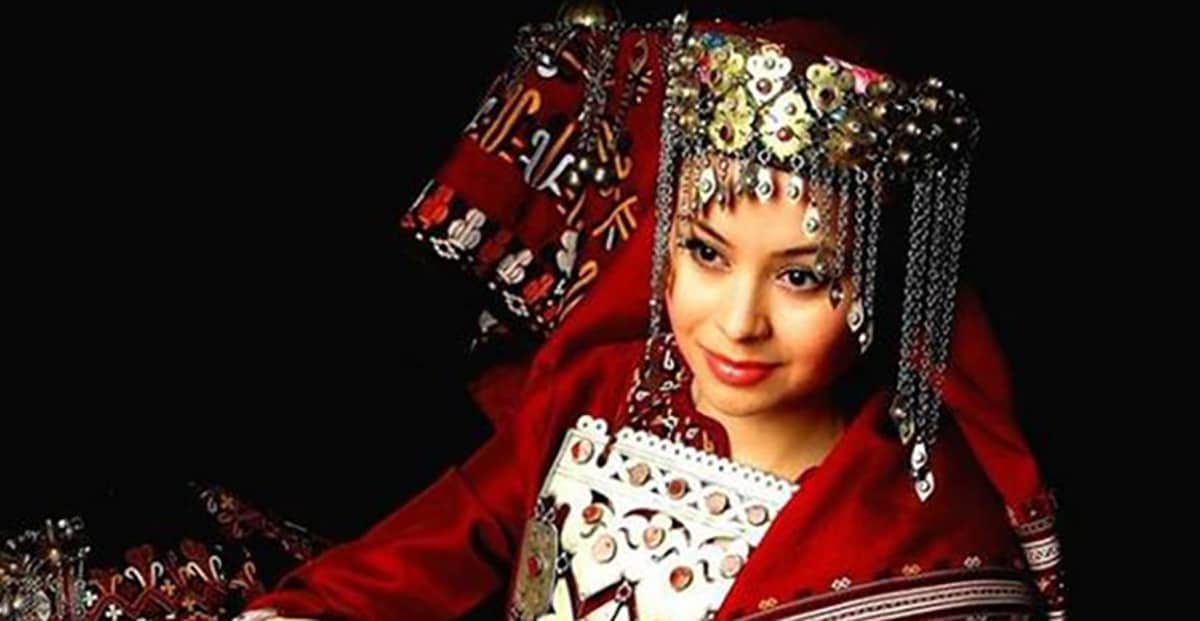
Traditional attire among the Turkmen community in Iran embodies a vivid display of cultural identity and heritage. Turkmen women often wear graceful dresses, meticulously designed from luxurious fabrics like silk or cotton, boasting intricate embroidery and vibrant hues.
These dresses, paired with ornate headscarves, symbolize the cultural richness of the Turkmen tradition. Conversely, Turkmen men opt for sturdy garments such as woolen coats and loose trousers, reflecting a fusion of functionality and tradition.
5. Pattern of Persian Attire
Persian attire is known for its intricate patterns and vibrant colors, often showcasing cultural significance, artistic expression, and regional identity. These patterns play a vital role in representing the rich cultural heritage of Iran and its diverse regions.
- Geometric Patterns: Often seen in men’s and women’s traditional garments, geometric shapes like squares, diamonds, and lines are commonly used. These shapes symbolize harmony and balance, reflective of Persian art and architecture. Geometric patterns are frequently incorporated in khabar, chador, and kaftans.
- Floral Patterns: Floral designs are commonly found in Persian clothing, symbolizing nature, beauty, and prosperity. These are popular in women’s chador, scarves, and velvet robes. The use of stylized flowers, roses in particular, is a mark of sophistication and cultural appreciation for nature.
- Paisley (Boteh): Often featured in Persian textiles, this intricate and stylized floral pattern has historical significance in Persia. The paisley design, known as boteh, originated in Persia and is considered a symbol of fertility and eternity.
- Tiled Motifs: Persian tile designs often appear in traditional clothing, inspired by the intricate patterns found in Persian mosques, palaces, and gardens. These designs feature symmetrical patterns, interlaced lines, and vibrant colors, contributing to the historical richness of the attire.
- Animal Motifs: Less common but significant in certain traditional garments, such as royal attire, Persian clothing can include animal motifs like lions and birds, symbolizing strength, royalty, and protection.
- Regional Patterns: Each region in Iran has its unique pattern that reflects its history and cultural influences. For instance, the Qashqai tribes have their signature patterns of diamond and zigzag motifs, while Kurdish attire often features bold geometric designs with distinct borders.
These patterns, deeply rooted in Persian history, contribute to the timeless elegance and symbolism of Iranian traditional attire, providing insight into the country’s rich culture, artistic traditions, and societal values.
According to Ancient Iranian Decorative Textiles, Iranian textiles are rich in symbolic motifs, with designs influenced by ancient Persian culture. Patterns often included floral and geometric shapes, reflecting the region’s aesthetic traditions. These motifs were used in clothing and textiles, representing cultural identity and the craftsmanship of ancient Iran.
Traditional Iranian Clothing: A Recap
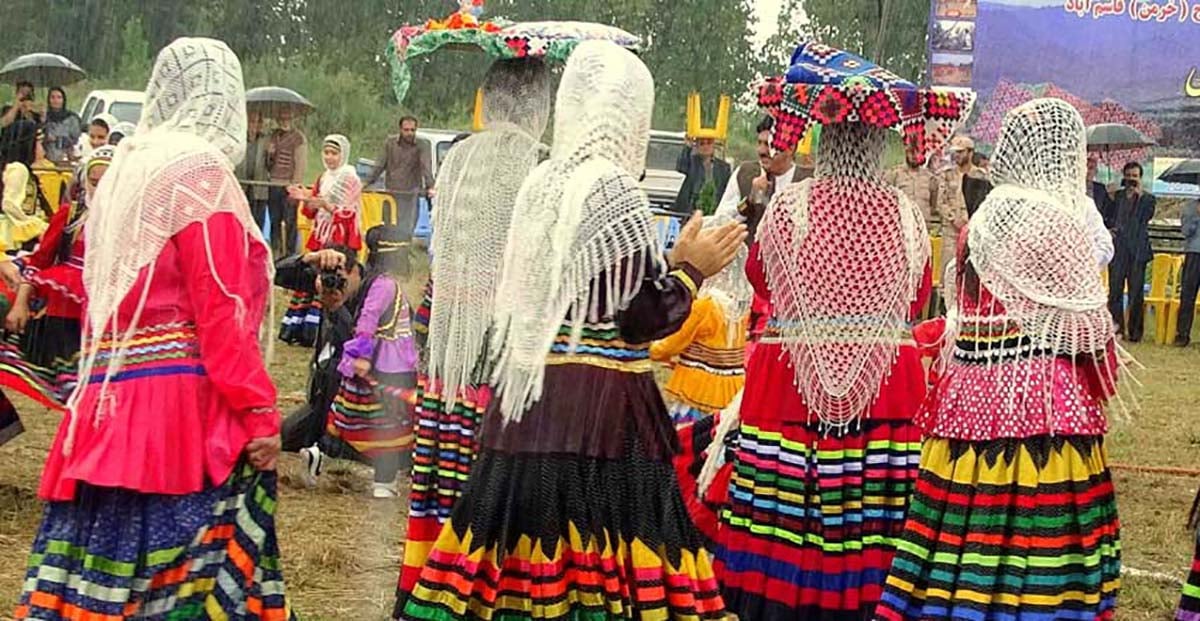
Traditional Iranian attire is a vibrant reflection of Iran’s rich cultural heritage, blending centuries-old customs with contemporary influences. From colorful skirts to intricately designed garments, Iranian clothing showcases the skillful craftsmanship of Persian women and the influence of Persian art.
The traditional Persian wedding dress, with its elaborate embroidery and luxurious fabrics, highlights the beauty of these time-honored designs.
Each region in Iran contributes unique styles, fabric choices, and embroidery techniques, making Persian clothing a true testament to the country’s varied traditions. These garments are not just about fashion; they embody history, art, and identity, preserving the essence of Iran’s cultural heritage.
As fashion trends evolve, traditional Persian clothing continues to play a significant role in maintaining a strong cultural connection. Whether in celebrations, ceremonies, or daily life, Iranian traditional dress stands as a symbol of pride, unity, and shared history among the people.