



Have you ever wondered how to say “Hello” in Portuguese? Whether you’re learning the language, planning a trip, or simply connecting with Portuguese-speaking communities, mastering greetings is key to effective communication.
In this article, we’ve explored 9 essential greetings and 15 additional ways to say “hello” in Portuguese. Each greeting not only conveys meaning but also reflects cultural nuances and social norms.
I remember my first visit to Lisbon when a friendly “Bom dia” from a local instantly made me feel at ease, showing how a simple greeting can create a warm connection.
Keep reading to discover how to confidently use these greetings in any Portuguese-speaking setting!



| Greeting | Meaning | Formality Level | When to Use | Time of Day |
|---|---|---|---|---|
| Olá | Hello | Informal | Anytime, to greet anyone in casual or friendly settings | Any time |
| Bom dia | Good morning | Formal | Used in the morning until noon | Morning |
| Boa tarde | Good afternoon | Formal | Used after noon until evening | Afternoon |
| Oi | Hi | Informal | Casual greeting among friends, family, or acquaintances | Any time |
| E aí? | What’s up? | Informal | Among friends or close acquaintances | Any time |
| Tudo bem? | Everything good? | Informal | Used to ask how someone is, commonly among friends | Any time |
| Como está? | How are you? | Formal | Used for polite inquiry in formal or respectful situations | Any time |
| Beleza? | All good? | Informal | Used to check on someone or ask how things are going | Any time |
| Fala aí | What’s up? | Informal | Casual, friendly greeting | Any time |
Main Ways to Say Hello in Portuguese
1. Olá
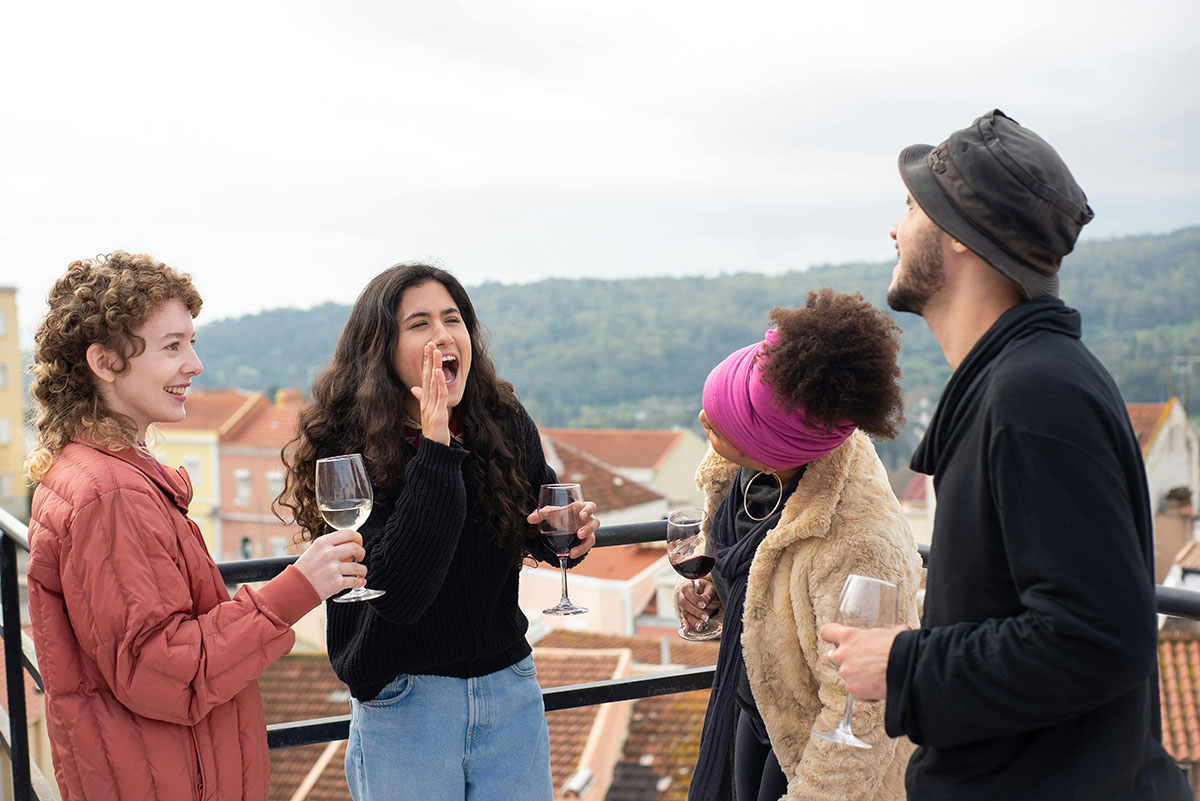
Olá is the most common way to say “Hello” in Portuguese. It is widely used in both formal and informal contexts and is equivalent to “Hi” or “Hello” in English. The pronunciation is oh-LAH, with emphasis on the second syllable.
Olá can be used at any time of the day when greeting someone, regardless of the time. It is a versatile greeting and is commonly heard in social interactions, both in Portugal and Brazil.
A common response to Olá is simply repeating the greeting, Olá! or responding with Oi, which is more casual. In more formal settings, you may hear Olá, como vai? meaning “Hello, how are you?”
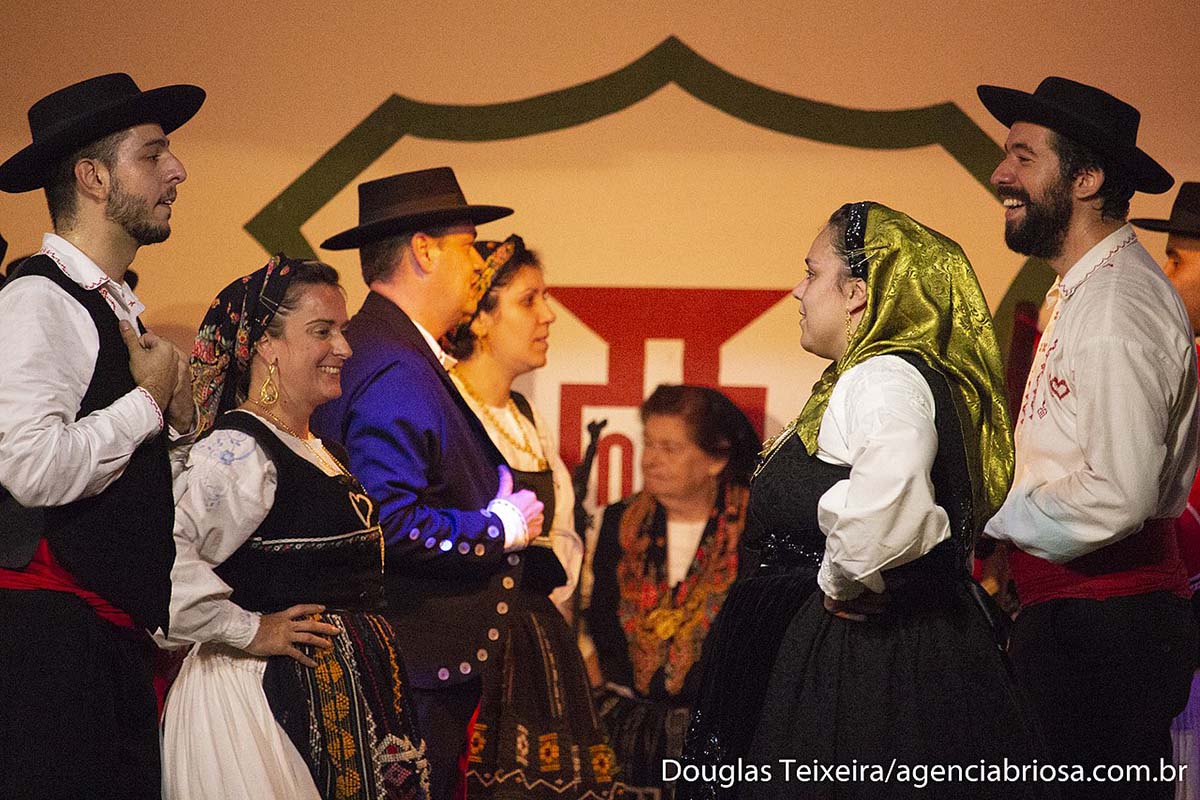
According to Portuguese Culture – Greetings and Etiquette, greetings in Portuguese cultures go beyond words — they are expressions of respect and hospitality. Common phrases like Olá, Bom dia, and Boa noite are paired with gestures such as handshakes or cheek kisses, reflecting the warmth and social norms of Portuguese‑speaking communities.
See Also Hello in Dutch
2. Bom dia

Bom dia is a common greeting in Portuguese that means “Good morning.” It’s typically used from the moment people wake up until around noon. Pronounced bohm JEE-ah, Bom dia is a formal yet friendly greeting, suitable for both professional and casual settings.
It is commonly used in Brazil and Portugal, making it a staple in the daily lives of Portuguese speakers. A typical response is simply Bom dia! or Tudo bem? (How are you?).
This greeting is an important part of Portuguese culture, showing politeness and respect when starting the day, especially in social and professional interactions.
3. Boa tarde
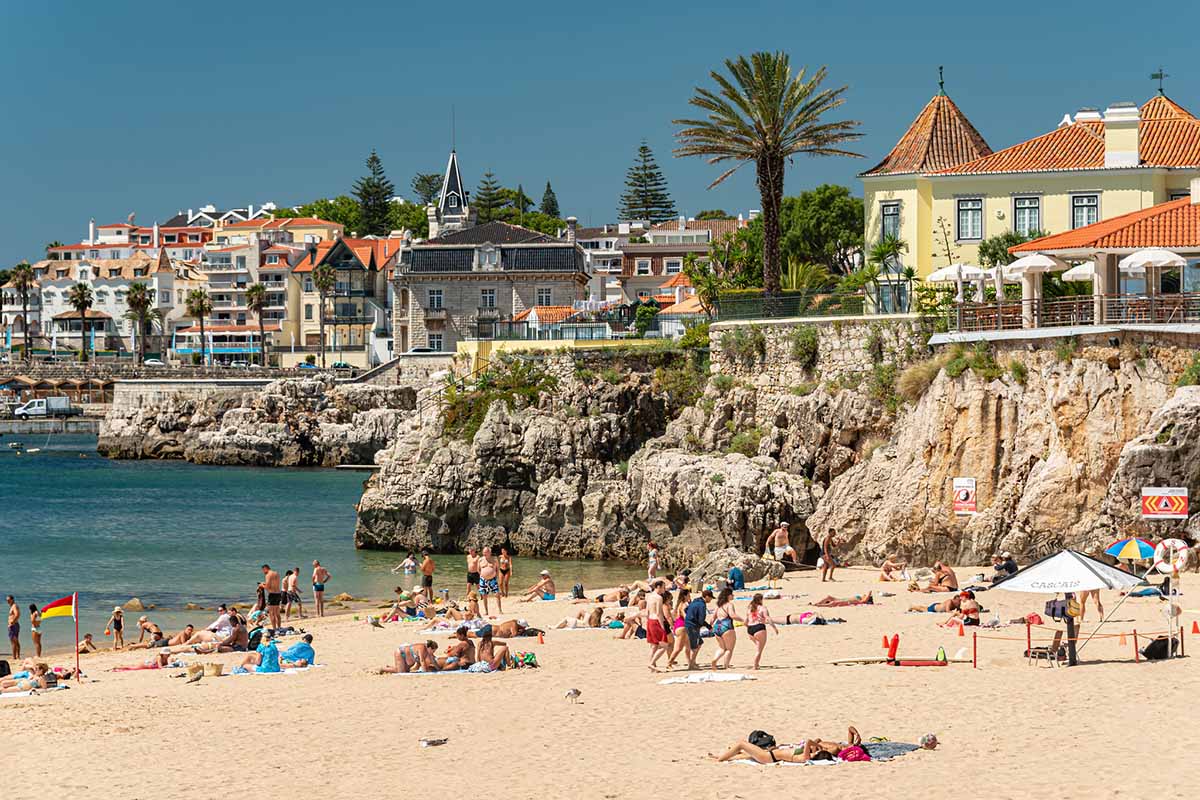
Boa tarde means “Good afternoon” in Portuguese. It’s used as a polite greeting from around noon until the early evening.
Pronounced BOH-ah TAR-jee, it’s a common greeting in both formal and informal settings, such as at work, social events, or when meeting someone in the afternoon. A typical response to Boa tarde is simply to repeat the greeting or ask Como vai? (How’s it going?).
Like other Portuguese greetings, it reflects the culture’s emphasis on politeness and warmth in social interactions.
Casual and Modern Ways to Say Hello in Portuguese
4. Oi
Oi is a casual and friendly way to say “Hi” in Portuguese. Pronounced oy, it’s a widely used greeting, particularly in Brazil, and is equivalent to “hello” or “hey” in English. It’s typically used among friends, family, and in informal situations.
What many might not know is that Oi is actually a simplified version of the Portuguese word “Olá”, which is more formal. While Olá is used in formal contexts, Oi has become the go-to greeting in everyday conversations across Brazil. It is especially popular among younger generations, in social settings, and even in certain regional dialects.
5. E aí?
E aí? is an informal, casual way of saying “What’s up?” or “How’s it going?” in Portuguese. Pronounced eh eye?, it is used to ask someone how they are or to check in on them in a relaxed manner. This greeting is most commonly used among friends or acquaintances in a laid-back context.
E aí? can be considered a more relaxed version of Como vai? (“How’s it going?”) or Tudo bem? (“Everything good?”). The response to E aí? is typically Tudo bem (“Everything’s good”) or simply E aí? in return, mirroring the question.
This phrase is highly common in informal interactions and reflects the easygoing nature of everyday conversations.
See Also Hello in Hindi
6. Tudo bem?
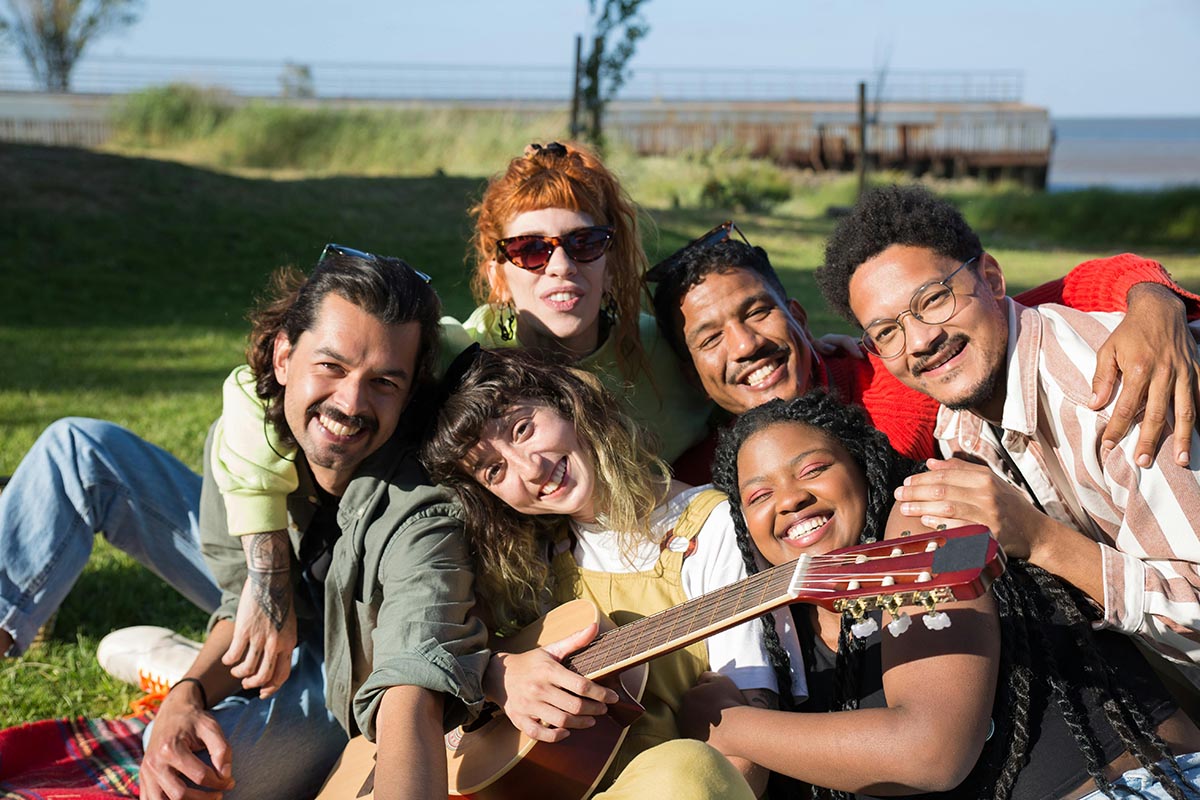
Tudo bem? translates to “Everything good?” or “How are you?” in Portuguese. Pronounced TOO-doo baym?, it is an informal and common way to greet someone, typically used in casual settings with friends, family, or acquaintances. The phrase is often used to inquire about someone’s well-being or to check how things are going in a friendly, relaxed manner.
The typical response to Tudo bem? is either Tudo bem (“Everything is good”) or Tudo ótimo (“Everything is great”). It can also be used as a way to ask someone if they are okay, making it an essential phrase in everyday Portuguese conversations.
Regional and Cultural Variants of Greetings in Portuguese
7. Como está?

Como está? translates to “How are you?” in Portuguese. Pronounced KOH-moo es-TAH?, it is a formal or polite way to inquire about someone’s well-being. It is commonly used in both Portugal and Brazil, especially when speaking with strangers, elders, or in professional contexts.
Unlike Tudo bem?, which is informal, Como está? is more respectful and is used when you want to show a higher level of courtesy. The response to Como está? is usually Estou bem, obrigado/obrigada (“I am good, thank you”) or Estou bem, e você? (“I’m good, and you?”).
8. Beleza?
Beleza? translates to “All good?” or “What’s up?” in Portuguese. Pronounced beh-LEH-zah?, it is a very casual and informal way to greet someone, often used between friends or people of the same age. It’s equivalent to asking “How’s it going?” or “Everything alright?” in English.
The phrase is typically used in a relaxed, friendly context and is popular in everyday conversations, particularly in Brazil. The response to Beleza? is usually Beleza! (meaning “All good!”) or something similar, depending on the situation. While informal, Beleza? is widely understood and commonly used, especially among younger people.
9. Fala aí
Fala aí is an informal Portuguese greeting that translates to “What’s up?” or “Hey, how’s it going?” It is commonly used in casual conversations between friends, peers, or acquaintances. The phrase is pronounced FAH-lah eye, and it is a friendly, relaxed way to check in with someone or initiate a conversation.
In response to Fala aí, people often reply with Fala (meaning “Hey”) or Tudo certo? (“Everything alright?”) depending on the level of familiarity. Fala aí is part of the informal, everyday vernacular and is particularly popular in Brazilian Portuguese.
According to Survival Phrases in Brazilian Portuguese, Fala aí! is a popular informal Portuguese greeting used to say “What’s up!” among peers and friends. It’s part of everyday conversational phrases and highlights relaxed, informal speech patterns in spoken Portuguese.
Additional Ways to Say Hello in Portuguese
- Saudações
Pronunciation: sow-dah-SOH-ees
Translation: Greetings
When to use: A formal greeting, often used in speeches or written communication. - Alô
Pronunciation: ah-LOH
Translation: Hello (on the phone)
When to use: Used when answering the phone or calling someone. - Oi, tudo certo?
Pronunciation: oy, TOO-doo SER-toh?
Translation: Hi, everything alright?
When to use: A casual greeting among friends or acquaintances. - Oi, como vai?
Pronunciation: oy, KOH-moo vah-ee?
Translation: Hi, how’s it going?
When to use: Informal greeting, commonly used in casual conversations. - Bom momento
Pronunciation: bohm moh-MEHN-too
Translation: Good moment
When to use: Used as a greeting in more formal contexts, wishing someone a pleasant experience. - Bem-vindo
Pronunciation: baym-VEEN-doo
Translation: Welcome
When to use: Used to greet someone who is arriving or joining an event. - Até logo
Pronunciation: ah-TEH LOH-goh
Translation: See you later
When to use: Informal goodbye, used when you expect to see someone soon. - Até mais
Pronunciation: ah-TEH MYE-sh
Translation: See you later
When to use: Informal way to say goodbye with the expectation of seeing the person again soon. - Tchau
Pronunciation: CHOW
Translation: Bye
When to use: Informal farewell greeting used with friends or acquaintances. - Que tal?
Pronunciation: kee TAH-o?
Translation: How’s it going?
When to use: Casual greeting used to check how someone is doing, similar to “What’s up?” - Como você está?
Pronunciation: KOH-moo voh-SEH es-TAH?
Translation: How are you? (formal)
When to use: Polite greeting for someone you don’t know well or in formal settings. - Que houve?
Pronunciation: kee OH-veh?
Translation: What’s going on?
When to use: Informal greeting used to ask about what’s happening or how things are going. - Oi, tudo bom?
Pronunciation: oy, TOO-doo bohm?
Translation: Hi, everything good?
When to use: Casual greeting, mostly used in Brazil to ask how someone is. - Vai bem?
Pronunciation: vy BEM?
Translation: All good?
When to use: Informal greeting used to check in on someone’s well-being. - Deixe-me cumprimentar você!
Pronunciation: DAY-shee-mee koom-pree-men-TAR voh-SEH
Translation: Let me greet you!
When to use: A formal or respectful greeting, especially when meeting someone new or in ceremonies.
See Also Hello in Tagalog
Hello in Portuguese: A Recap
Greetings in Portuguese are an essential part of daily communication, offering insights into the culture and social etiquette. From Olá for a simple “Hello” to more specific greetings like Bom dia (Good morning) or Como vai? (How’s it going?), each greeting reflects the level of formality and the relationship between speakers.
Understanding when to use these greetings, whether informal like Oi or formal like Como está?, is crucial for effective communication in Portuguese-speaking environments.
I remember when I first arrived in Portugal and was greeted with Bom dia by a local shopkeeper. It instantly made me feel respected and welcomed. Mastering these greetings will enhance your experience and help you connect meaningfully with native speakers.