

What Is the 7 Rule in Fashion? Have you ever struggled to make an outfit look complete or feel polished? You’re not alone — many people face this challenge every day.
At Civilisable, we explain the 7 Rule in fashion as a simple principle for creating balanced, polished outfits without overthinking what to wear.
Follow this guide, and you’ll create balanced, stylish outfits effortlessly, feeling confident and put-together every day.
- 1. What Is the 7 Rule in Fashion?
- 2. Philosophy Behind the Rule of Seven
- 3. The 7 Fashion Rules Explained
- 4. Outfit Elements in Traditional Rule of 7
- 5. How to Apply the 7 Rule in Everyday Outfits
- 6. Common Mistakes When Using the 7 Rule
- 7. Is the 7 Rule Meant to Be Broken?
- 8. Common Styling Mistakes to Avoid
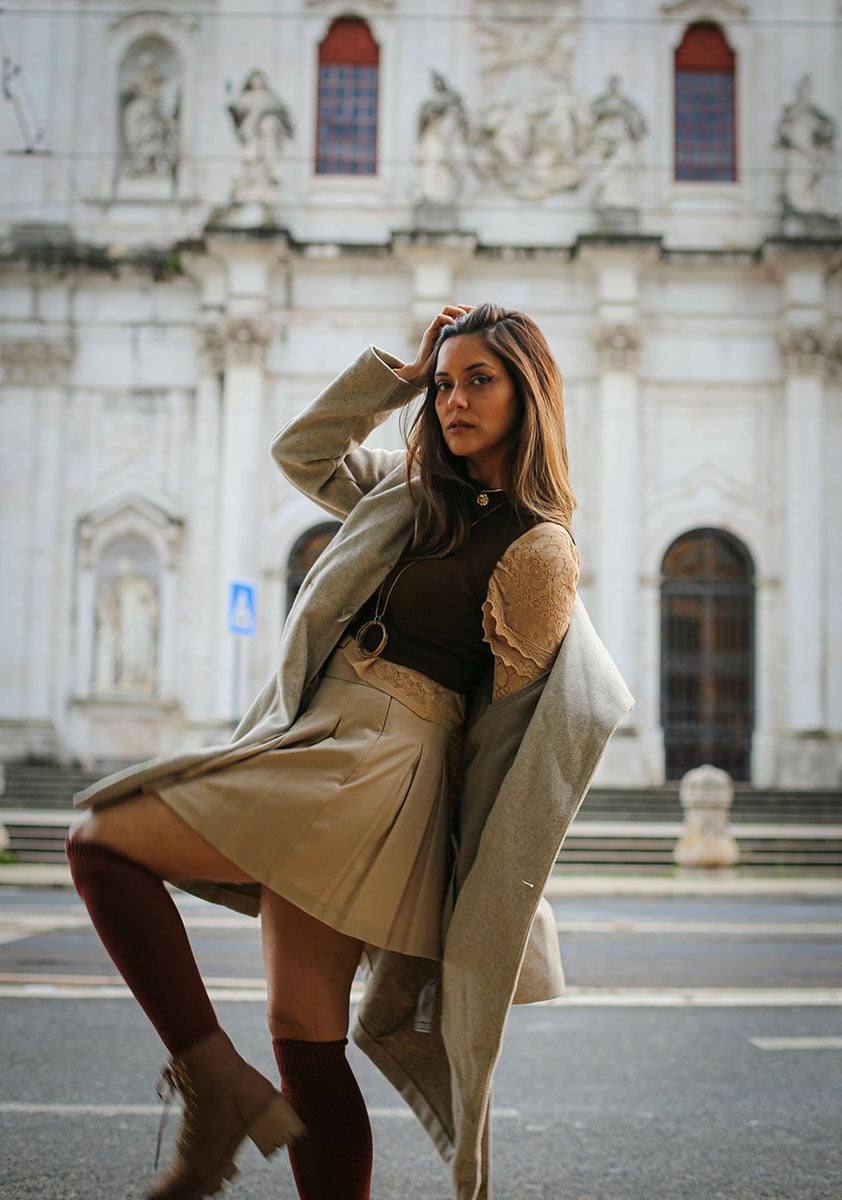
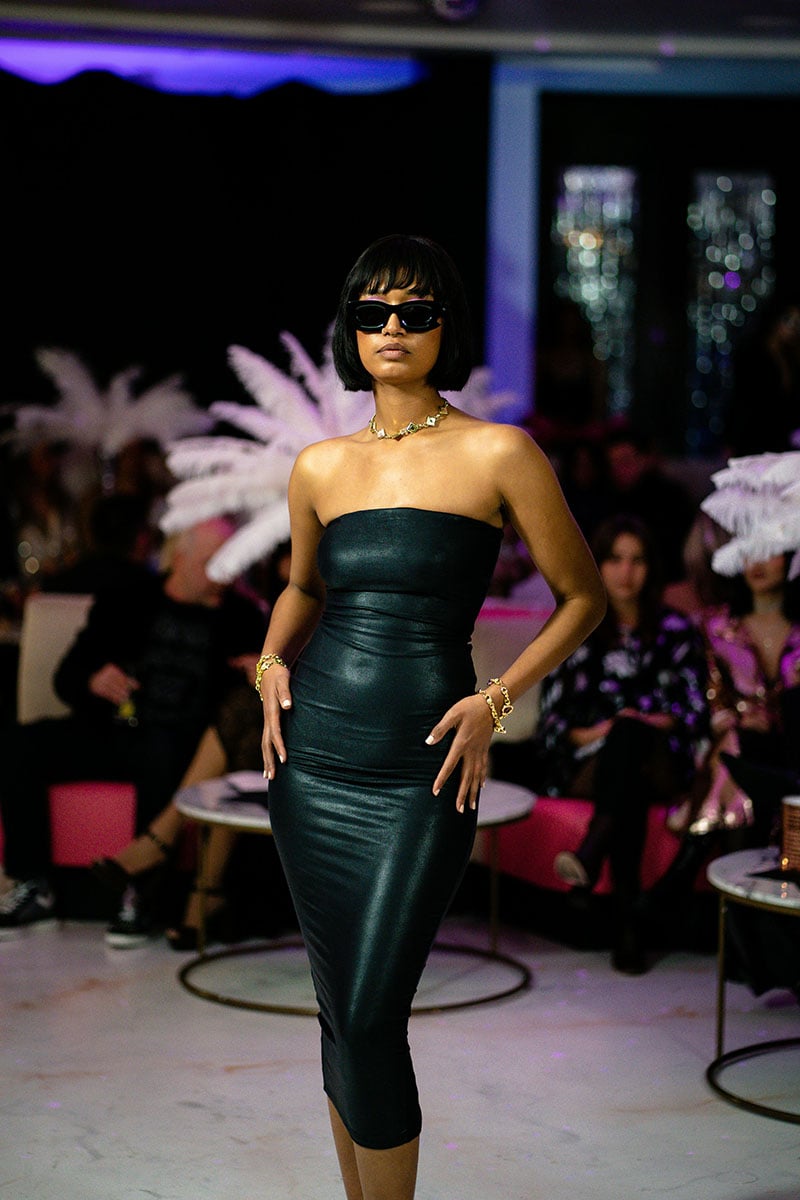
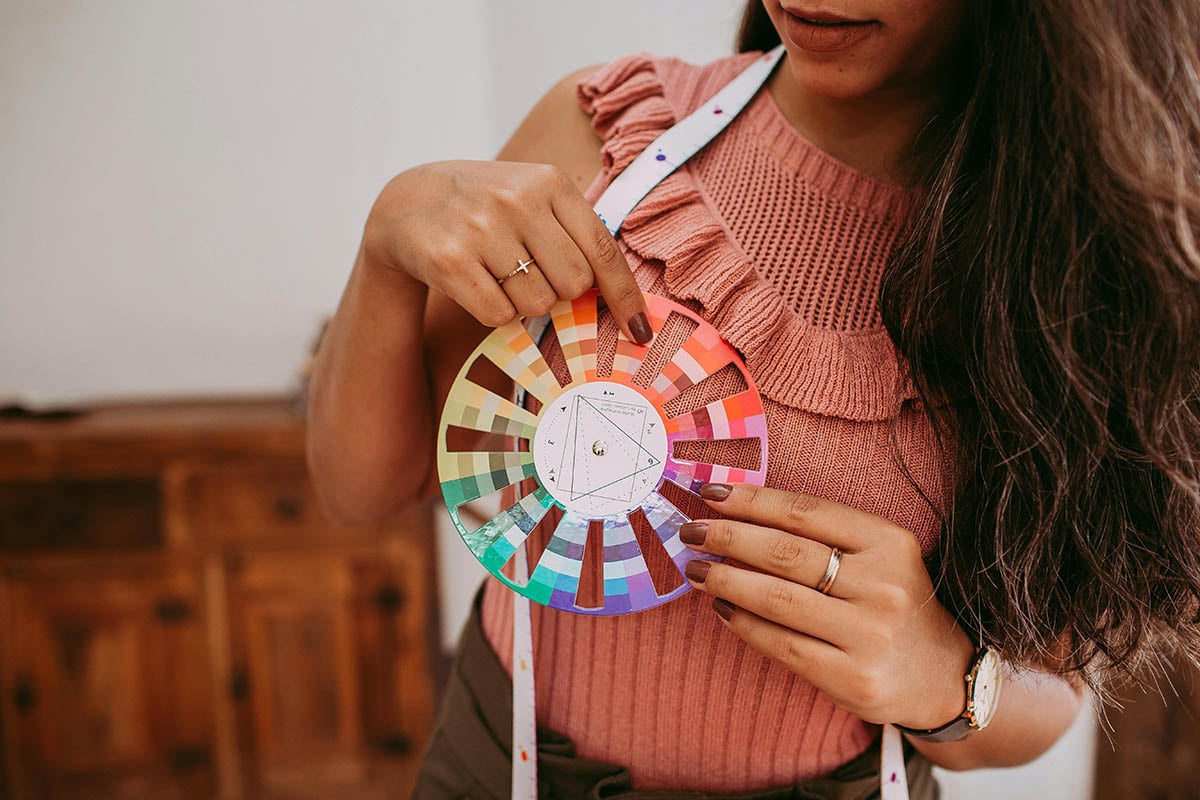
| Rule | Core Principle | Key Focus |
|---|---|---|
| 1. Fit Comes First | Proper fit creates a polished look | Shoulder seams, sleeve length, waist alignment, clean hems |
| 2. Balance Proportions | Visual balance improves silhouette | Loose vs fitted pieces, structured vs flowing shapes |
| 3. Color Harmony | Cohesive colors make outfits intentional | 2–3 colors, neutrals, monochrome outfits |
| 4. Texture & Fabric Mixing | Fabric contrast adds depth and interest | Soft vs structured, matte vs shine, layering fabrics |
| 5. Power of Accessories | Accessories complete the outfit | Statement pieces, minimalism, coordination of metals/colors |
| 6. Footwear Completes the Look | Shoes define the outfit’s mood | Formality, comfort, overall cohesion |
| 7. Personal Style Over Trends | Authenticity matters more than trends | Favorite colors, mixing classic/modern, confidence |
1. What Is the 7 Rule in Fashion?

The 7 Rule in fashion is a styling concept designed to help individuals create outfits that look intentional, balanced, and visually complete. Rather than focusing only on clothing, the rule encourages a holistic approach to dressing by considering fit, proportion, color, accessories, and personal expression.
The term “Rule of 7” is used in two main ways in fashion:
- As a traditional styling formula based on outfit elements
- As a modern interpretation referring to seven key fashion principles
Both interpretations aim to simplify styling decisions and reduce the stress of getting dressed while improving overall appearance.
Key ideas behind the Rule of 7 include:
- Visual balance
- Thoughtful layering
- Intentional styling
- Personal confidence
By understanding this rule, fashion becomes less about following trends and more about building outfits that consistently work.
See Also 10 Most Unique Fashion Styles From Around the World
2. Philosophy Behind the Rule of Seven
The philosophy of the Rule of Seven is rooted in balance and perception. When an outfit has too few elements, it may appear plain or unfinished. When it has too many, it can feel cluttered or overwhelming.
The number seven works because:
- It provides enough variety to create interest
- It avoids visual overload
- It helps the eye move smoothly across an outfit
From a styling perspective, the philosophy emphasizes:
- Intentional choices rather than random combinations
- Harmony between colors, textures, and silhouettes
- Confidence, which comes from feeling put together
Additional principles behind the rule include:
- Dressing with purpose rather than habit
- Using accessories strategically
- Understanding that every visible detail contributes to the overall look
The Rule of Seven is not about restriction. It is about awareness — knowing why an outfit works and how small details can elevate it.
3. The 7 Fashion Rules Explained
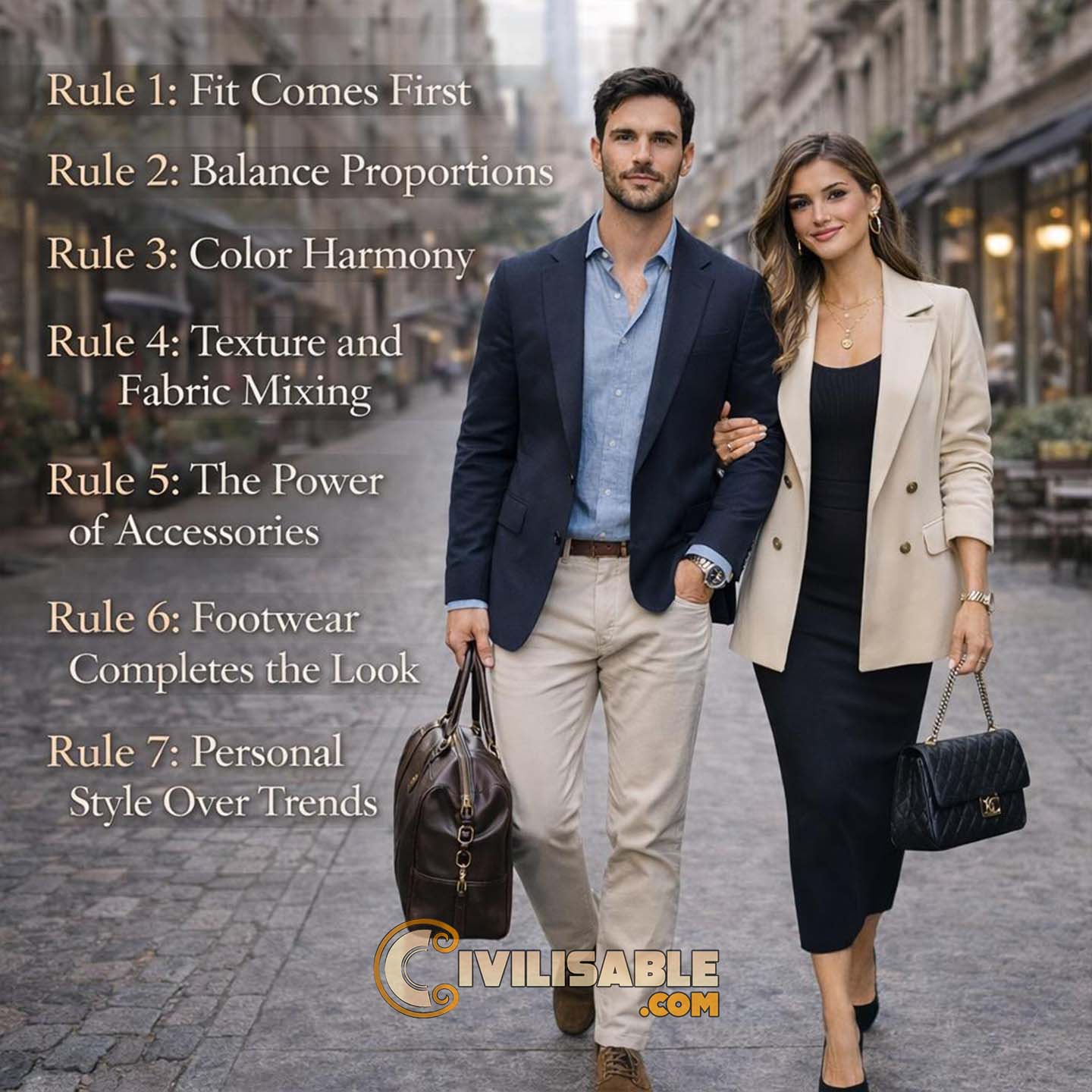
The modern version of the Rule of Seven focuses on seven essential fashion principles that guide everyday styling decisions.
- Rule 1: Fit Comes First
Fit determines how polished an outfit appears. Clothing that fits well enhances posture, highlights natural proportions, and boosts confidence. Important fit details to consider:- Shoulder seams sitting correctlySleeves ending at the right lengthWaistlines aligning with your body shapePants and skirts falling cleanly
- Rule 2: Balance Proportions
Proportion refers to how different parts of an outfit relate to each other visually. Common proportion-balancing techniques:- Loose tops with fitted bottomsWide-leg pants with structured topsCropped jackets with high-waisted bottoms
- Rule 3: Color Harmony
Color coordination creates visual calm and cohesion. Useful color tips include:- Limiting outfits to 2–3 main colorsUsing neutrals to support bold shadesTrying monochrome outfits for a refined lookBalancing prints with solid colors
- Rule 4: Texture and Fabric Mixing
Texture adds depth to an outfit. Mixing fabrics prevents flat or boring looks. Effective fabric combinations include:- Soft fabrics with structured onesMatte textures with subtle shineLightweight fabrics layered with heavier ones
- Rule 5: The Power of Accessories
Accessories complete an outfit and add personality. Smart accessorizing guidelines:- Choose statement pieces for simple outfitsKeep accessories minimal with detailed clothingCoordinate metals, colors, and materials
- Rule 6: Footwear Completes the Look
Shoes define the mood of an outfit Footwear choices influence:- Formality levelComfort and confidenceOverall style direction
- Rule 7: Personal Style Over Trends
Trends change quickly, but personal style remains consistent. Ways to express personal style:- Incorporating favorite colorsMixing traditional and modern piecesStyling outfits in a way that feels authentic
4. Outfit Elements in Traditional Rule of 7
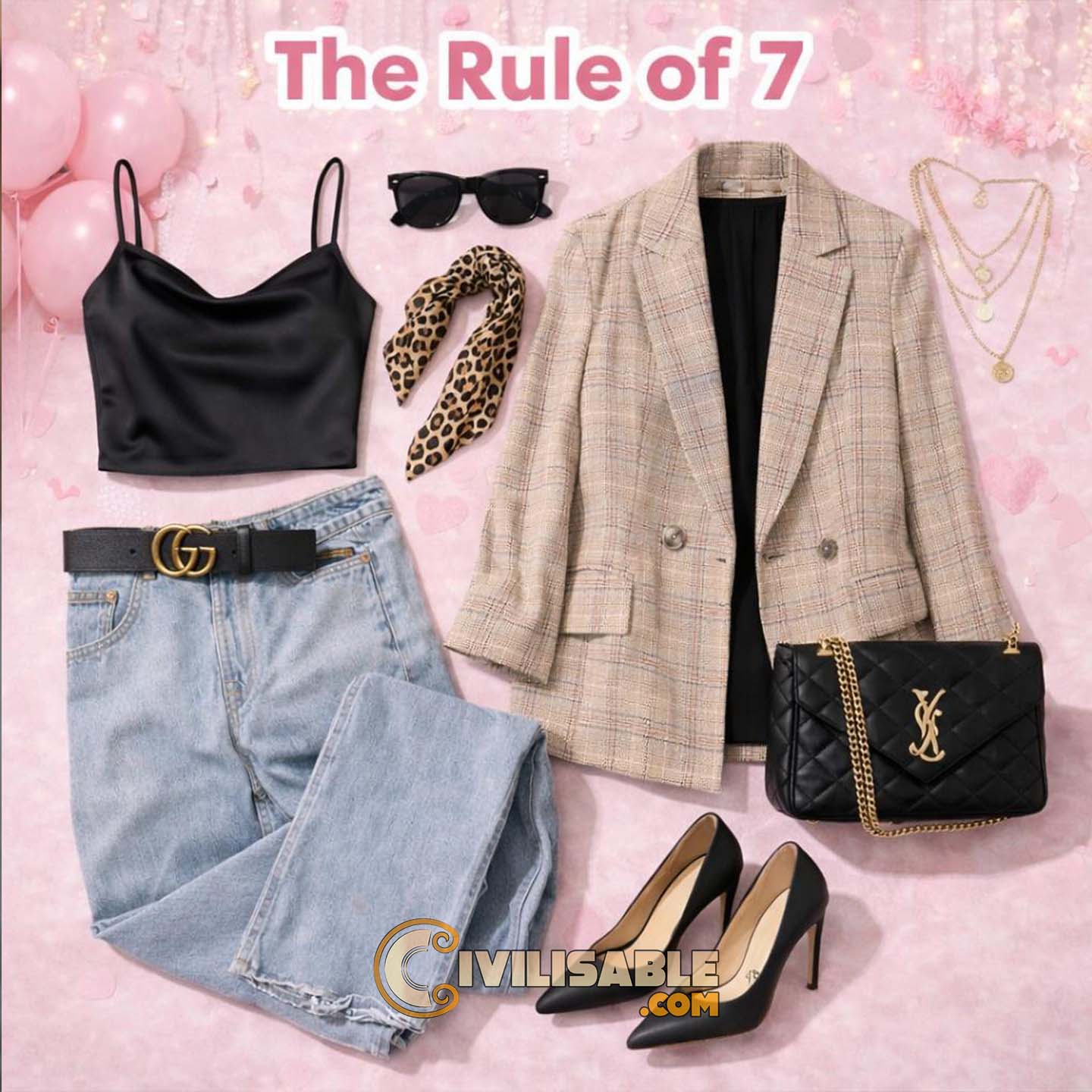
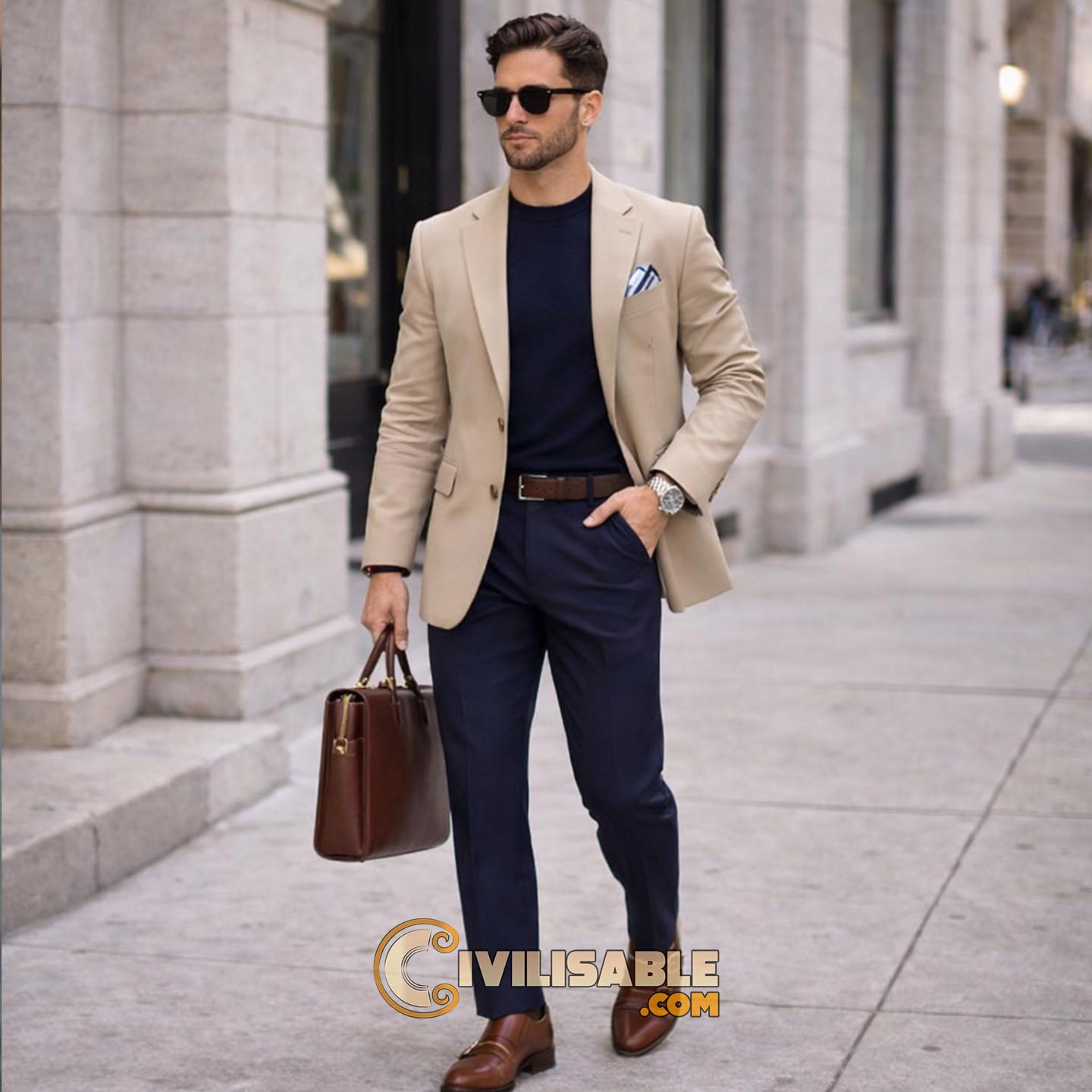
The traditional Rule of 7 focuses on visual elements rather than principles. A complete outfit usually includes around seven components.
- Top
Sets the tone through color, pattern, and silhouette. - Bottom
Anchors the outfit and defines its structure. - Layer (jacket, blazer, coat, dupatta)
Adds dimension, functionality, and style flexibility. - Shoes
Ground the outfit and reinforce its overall mood. - Bag
Combines practicality with style and balance. - Accessories (jewelry, belt, scarf, sunglasses)
Counted as one element, these add personality and detail. - Hair, Makeup, or a Finishing Detail
The final touch that completes the look and ensures polish.
Helpful notes about this rule:
- Multiple small accessories count as one element
- The goal is balance, not exact counting
- 6 to 8 elements still follow the rule’s intent
See Also Tomboy Fashion Style
5. How to Apply the 7 Rule in Everyday Outfits
Applying the Rule of Seven daily is about habit, not effort.
Practical ways to use the rule:
- Start with well-fitted basics
- Add one layer for structure
- Use accessories strategically
- Pay attention to footwear and grooming
Everyday styling tips:
- A belt can define proportions
- A layer can elevate a simple outfit
- Small details make outfits look intentional
Over time, the rule becomes instinctive and effortless.
6. Common Mistakes When Using the 7 Rule
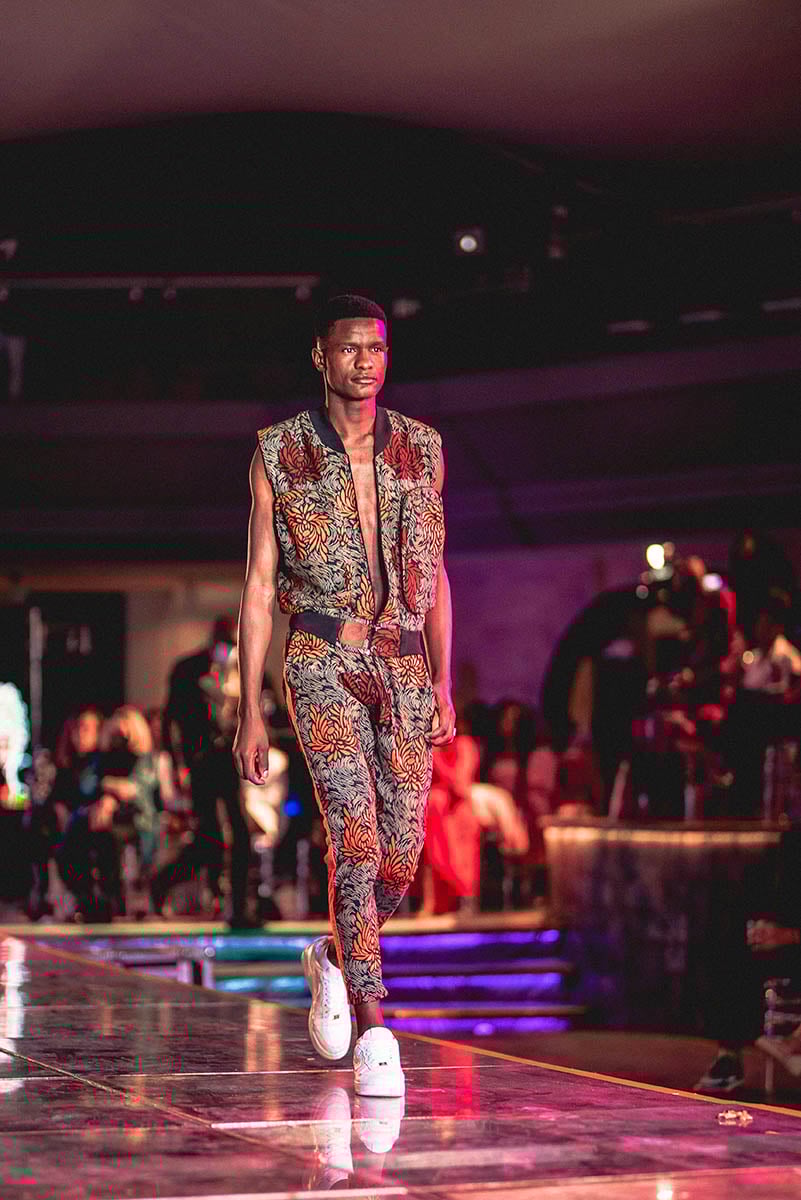
Even helpful rules can be misused.
Common mistakes include:
- Over-accessorizing to reach seven elements
- Ignoring comfort for appearance
- Following rules without considering personal style
- Mixing too many trends at once
The Rule of Seven works best when applied thoughtfully and flexibly.
7. Is the 7 Rule Meant to Be Broken?
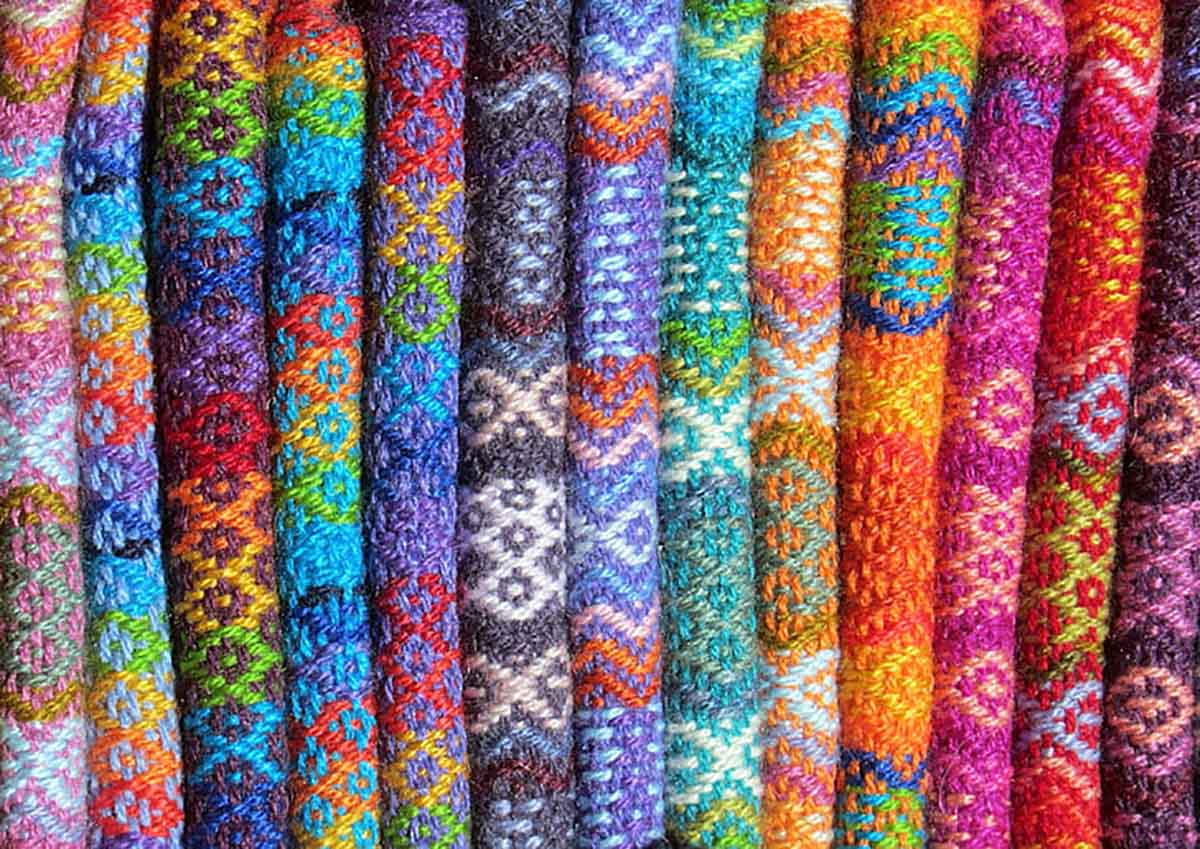
Yes, the Rule of Seven is meant to be broken — once understood. Fashion thrives on creativity and experimentation.
Reasons to break the rule:
- To express individuality
- To experiment with bold styling
- To adapt to unique occasions
The rule provides structure, but personal confidence is always the final measure of style. When you understand why the rule works, breaking it becomes a creative choice rather than a mistake.
8. Common Styling Mistakes to Avoid
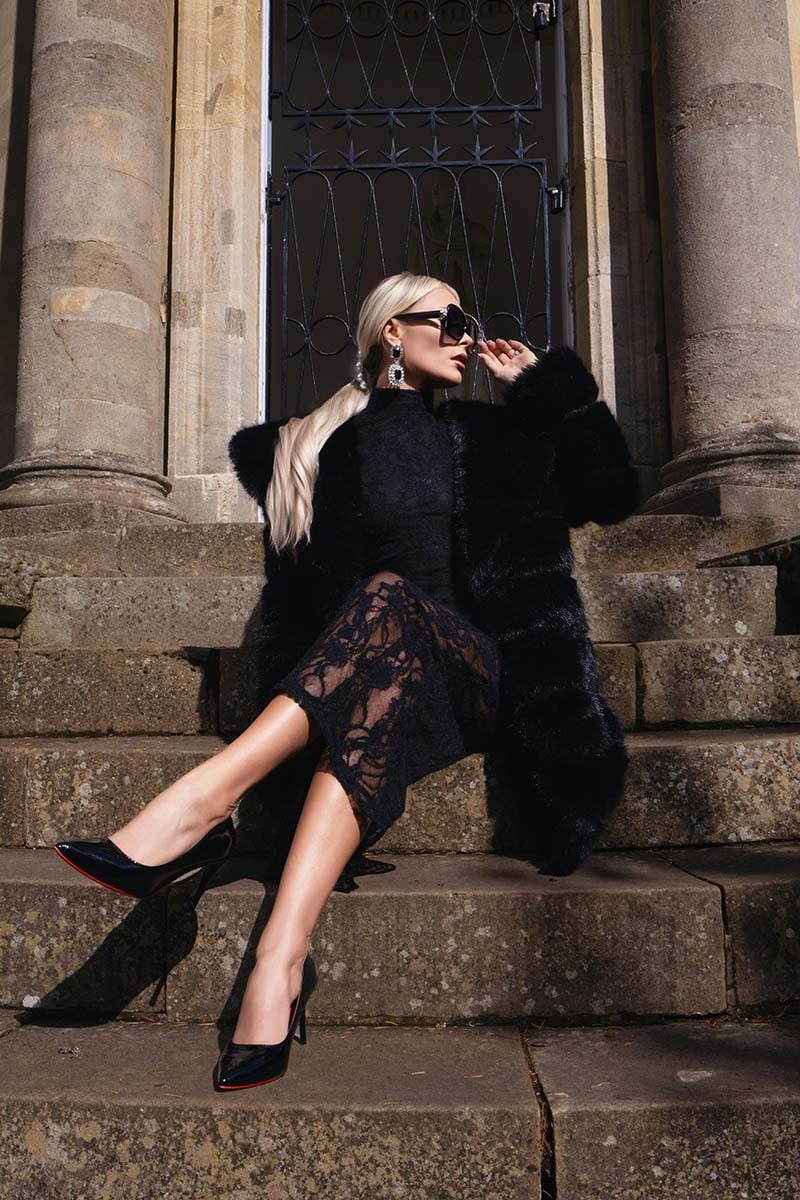
Ignoring Fit and Tailoring
One of the most common styling mistakes is wearing clothes that do not fit properly. Oversized or overly tight garments can distort proportions and reduce the overall impact of an outfit. Even simple tailoring adjustments can significantly improve how clothing looks and feels.
Over-accessorizing the Outfit
Accessories are meant to enhance an outfit, not overwhelm it. Wearing too many statement pieces at once can make a look feel cluttered and unfocused. It is better to choose a few complementary accessories that align with the outfit’s style and purpose.
Ignoring Color Balance
Combining too many bold or clashing colors can distract from the outfit’s overall appeal. Without a sense of color harmony, even well-designed garments can appear mismatched. Limiting the color palette helps create a cohesive and polished look.
Dressing Without Considering the Occasion
Wearing outfits that do not suit the setting or event can make a look feel out of place. Styling should always reflect the environment, level of formality, and cultural context to appear intentional and appropriate.
Following Trends Without Personal Relevance
Blindly copying trends without considering personal style or comfort often leads to outfits that feel forced. Fashion works best when trends are adapted thoughtfully to suit individual preferences and lifestyle.
See Also Acubi Fashion
What Is the 7 Rule in Fashion? A Recap
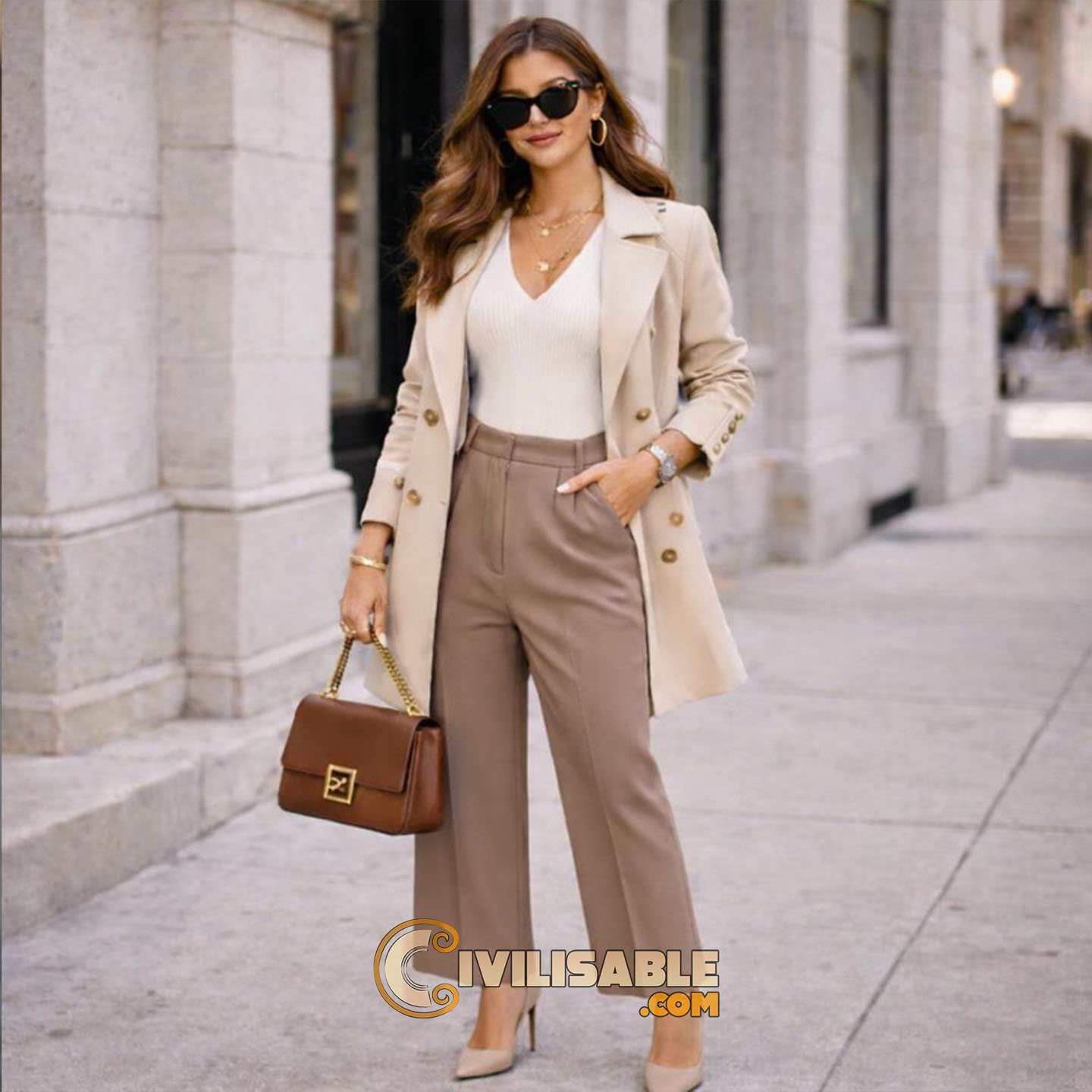
The Rule of 7 in fashion is not about strict formulas but about awareness, balance, and intentional styling. Whether viewed as seven outfit elements or seven guiding principles, the rule encourages thoughtful dressing rather than rushed choices.
It helps create outfits that feel complete, comfortable, and visually harmonious while leaving room for personal expression. I personally noticed the impact of this rule when I began paying attention to small details like footwear and accessories—simple outfits instantly looked more put together without adding extra effort.
Ultimately, the Rule of 7 serves as a practical guide, not a limitation. When understood correctly, it simplifies fashion decisions, builds confidence, and allows style to reflect individuality rather than fleeting trends.
FAQ