Have you ever wondered what Lithuanians look like? Many stand out with their tall stature, fair skin, and striking blue or green eyes, but of course, appearance is more than just genetics.
As a Northern European nation, Lithuanians share traits with their Baltic and Nordic neighbors, yet centuries of historical influences from Poland, Russia, and Germany have added fascinating variety to their looks.
I remember meeting a Lithuanian friend at university. Her bright green eyes and effortless style immediately caught my attention, and as we talked, I realized how much personality and culture shine through in the way people present themselves.
In this article, you’ll discover:
- Typical Lithuanian facial features
- Eye and hair color trends
- Traditional and modern Lithuanian fashion
Let’s explore what makes Lithuanian beauty so unique!


1. Lithuanian Appearance

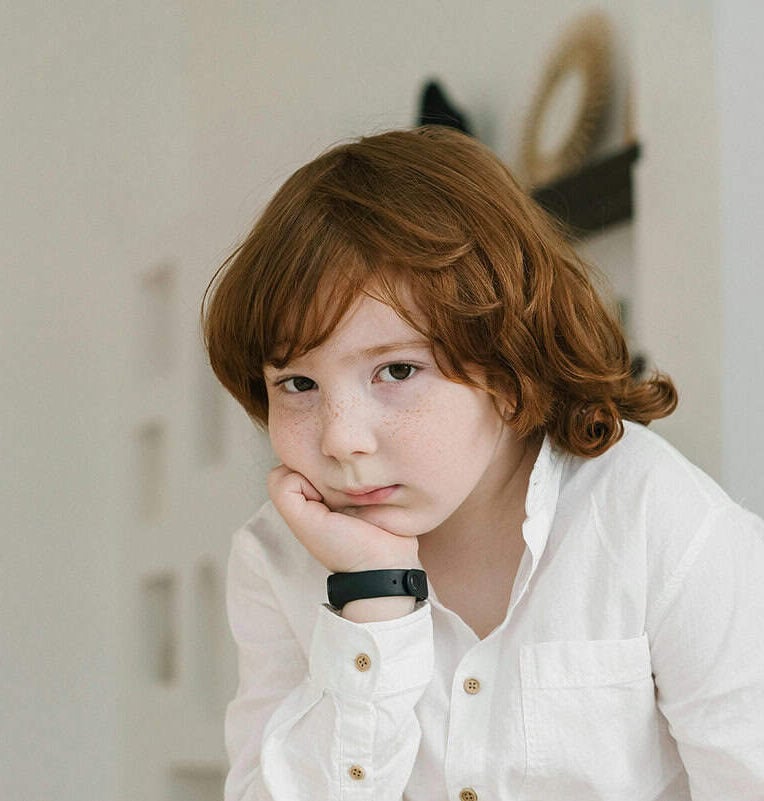
What do Lithuanians look like? Most individuals have fair skin, light hair, and blue or green eyes, although brown eyes are also common. The physical features of the Lithuanian people reflect a mix of Lithuanian heritage and influences from Poland, Germany, and the Soviet Union.
Lithuanian women’s facial features often include straight hair and soft shapes. Lithuanian skin tone is usually light, but the history with Belarus and other countries created some variety.
Here are some informations about them:
- Average height: close to Northern Europe standards
- Traditional Lithuanian dishes: potato dumplings, dairy products, and bacon
- Mushroom and berry picking: a common part of everyday life
- Catholic Church: important in Lithuanian society and family gatherings
The younger generation follows modern trends, such as makeup and new hairstyles, while the older generation keeps old traditions. Lithuanian language, literature, and arts reflect a rich history that survived soviet occupation and the former Soviet Union era.
Today, people in Kaunas and near the Baltic Sea enjoy an active lifestyle, respect their heritage, and build meaningful relationships with family members, friends, and communities.
According to the study “Genome‑wide landscape of North‑Eastern European populations: a view from Lithuania”, Lithuanians preserve a high proportion of Western, Scandinavian, and Eastern hunter‑gatherer ancestry, showing deep genetic continuity and a distinct population profile in Europe.
2. Lithuanian Physical Traits

Lithuanians carry a strong genetic continuity from ancient European populations, making their DNA distinct in Northern Europe. Their metabolism tends to efficiently process traditional diets rich in potatoes, dairy, and rye, reflecting adaptation to local foods over centuries.
Unique Traits and Adaptations:
- High prevalence of lactose tolerance compared with some neighboring populations
- Genetic variants linked to immunity, helping to resist certain regional infections
- Facial bone structure often includes prominent cheekbones and slightly wider jawlines
- Hair texture ranges from fine to slightly coarse, sometimes naturally wavy
Lifestyle and Health Influence:
- Metabolic adaptations support seasonal diets, including preserved and fermented foods
- Active outdoor traditions like mushroom and berry picking support cardiovascular health
See Also What Do Serbian People Look like?
3. Lithuanian Eyes & Hair Color

Lithuanian eyes and hair reflect both ancestral heritage and regional adaptations. While fair pigmentation is common, there is notable variation due to historical mixing with neighboring populations and centuries of genetic continuity.
Eyes:
- Most commonly blue or green, but grey and brown are also present
- Eye shape tends to be slightly almond or rounded, with a gentle tilt
- Genetic studies suggest iris pigmentation is influenced by multiple genes, contributing to diversity
Hair:
- Often fine or medium in texture, ranging from straight to slightly wavy
- Colors include blonde, light brown, and sometimes reddish hues
- Hair growth and thickness may be influenced by metabolic and hormonal adaptations
Additional Insights:
- Regional adaptation to Northern climates influences both hair and eye traits
- Genetic variants affect pigmentation, metabolism, and hair strength
4. How Tall Are Lithuanian People?

Lithuanians are among the taller populations in Europe, with height influenced by genetics, diet, physical activity, and living conditions.
Average Height:
- Men: 179–181 cm
- Women: 166–167 cm
Factors Affecting Height:
- Socioeconomic Factors: Urban and rural differences in diet and activity can slightly influence average height
- Genetics: Strong ancestral Northern and Eastern European genes contribute to a naturally taller stature
- Diet: Traditional Lithuanian foods—dairy, potatoes, rye, fish—provide essential protein and calcium for growth
- Physical Activity: Active lifestyles, including sports, mushroom and berry picking, and outdoor work, promote bone strength
- Healthcare & Living Conditions: Access to prenatal care, childhood nutrition, and safe environments supports healthy development
According to the study Body size indices for growth monitoring of Lithuanian children and adolescents, data collected from ~9,000 children aged 0–18 across major Lithuanian cities were used to create local growth charts.
The study defines cut‑off points for shortness (3rd percentile) and tallness (97th percentile) in Lithuanian youth, showing that both very short and very tall Lithuanian children rank among the tallest relative to children in 13 comparison countries.
See Also What Do Spanish People Look Like?
5. What Do Lithuanians Wear?

Traditional Lithuanian clothing is colorful and celebrated for its patterns. Each region has a distinct style. Women wear long skirts, decorated blouses, and aprons. They wrap scarves or bonnets over their heads.
Men wear long shirts, trousers, waistcoats, and wide belts. Bright colors like red, green, and yellow highlight the designs.
Today, traditional clothes are worn mostly during festivals or special trips. In daily life, Lithuanians dress independently, stylishly, and coolly. Men often wear dark suits with ties; women wear smart dresses or suits.
Everyday clothes are comfortable, simple, and in neutral tones like grey, black, and brown. Lithuanian dressing shows resilience and care for appearance, combining modern trends with respect for tradition. Clothing in Lithuania applies to work, family gatherings, and public events, balancing comfort, elegance, and practicality.
I once saw my friend wearing a lietuvių tautinis kostiumas at a festival. Her embroidered blouse, colorful skirt, and woven belt were stunning. Seeing her in this traditional outfit gave me a real sense of Lithuania’s rich cultural heritage and craftsmanship.
See Also What Do Austrian People Look Like?
6. Lithuanian Beauty Standards
- Fair Skin: Light skin is often considered attractive, reflecting Northern European heritage.
- Natural Hair: Blonde or light brown hair, often straight or slightly wavy, is preferred.
- Symmetrical Facial Features: Balanced facial proportions, including high cheekbones and soft jawlines, are valued.
- Slender Build: A lean, toned physique is traditionally admired, reflecting health and fitness.
- Tall Stature: Height is associated with elegance and Northern European beauty ideals.
- Clear Skin: Minimal blemishes and a natural complexion are emphasized.
- Natural Makeup: Subtle, understated makeup is preferred over heavy cosmetics.
- Well-Groomed Hair: Clean, healthy, and neatly styled hair is important.
- Poise and Posture: Good posture and graceful movements contribute to overall beauty perception.
- Fashion Awareness: Tasteful clothing, often blending traditional and modern styles, reflects cultural pride and aesthetic sense.

What Do Lithuanian People Look Like? A Recap
Lithuanians have a distinct Northern European appearance, with fair skin, light hair, and blue or green eyes. Their physical features are often long and narrow, with pronounced brow ridges, reflecting their Baltic ancestry. While blonde hair and blue eyes are most common, darker shades also exist due to historical influences.
Height is another defining trait—Lithuanians are among the tallest populations globally. Genetics, diet, and an active lifestyle contribute to their stature. Traditional Lithuanian clothing is colorful and patterned, worn mainly during cultural events, while modern fashion remains practical, stylish, and well-groomed.
I once met my friend Eglė and her family in Vilnius. Their fair skin, light hair, and high cheekbones reflected typical Lithuanian features, while their healthy, natural look and graceful demeanor truly embodied the country’s beauty standards.
Beauty standards value symmetry, fair skin, tall and slim bodies, and natural elegance. Women often wear fitted, modern clothing that balances fashion with cultural pride. Overall, Lithuanian appearance, style, and beauty ideals reflect a strong connection to heritage, cultural identity, and a sense of grace and resilience in everyday life.