Have you ever wondered what stories are told through traditional Turkish clothing? I remember seeing an old Ottoman kaftan for the first time. Its rich colors and fine patterns looked like they came straight from history.
Every piece has meaning. From the loose şalvar pants to the elegant kaftan and red fes, each one shows culture and local tradition. These clothes were made to look beautiful and show who people were.
What I find interesting is how old designs still influence Turkish fashion today. Many modern styles include touches of the past, mixing old ideas with new ones.
In this article, we’ll look at:
- The history of Turkish clothing
- Well-known items like the Şalvar, Kaftan, and Fes
- Traditional outfits for men and women
- Local styles from Anatolia to the Mediterranean
- Patterns and symbols that share stories without words
Let’s see how every stitch holds a piece of Turkey’s long and beautiful history—and how that spirit continues to shape today’s fashion.

1. Historical Roots
History of Traditional Turkish Clothing
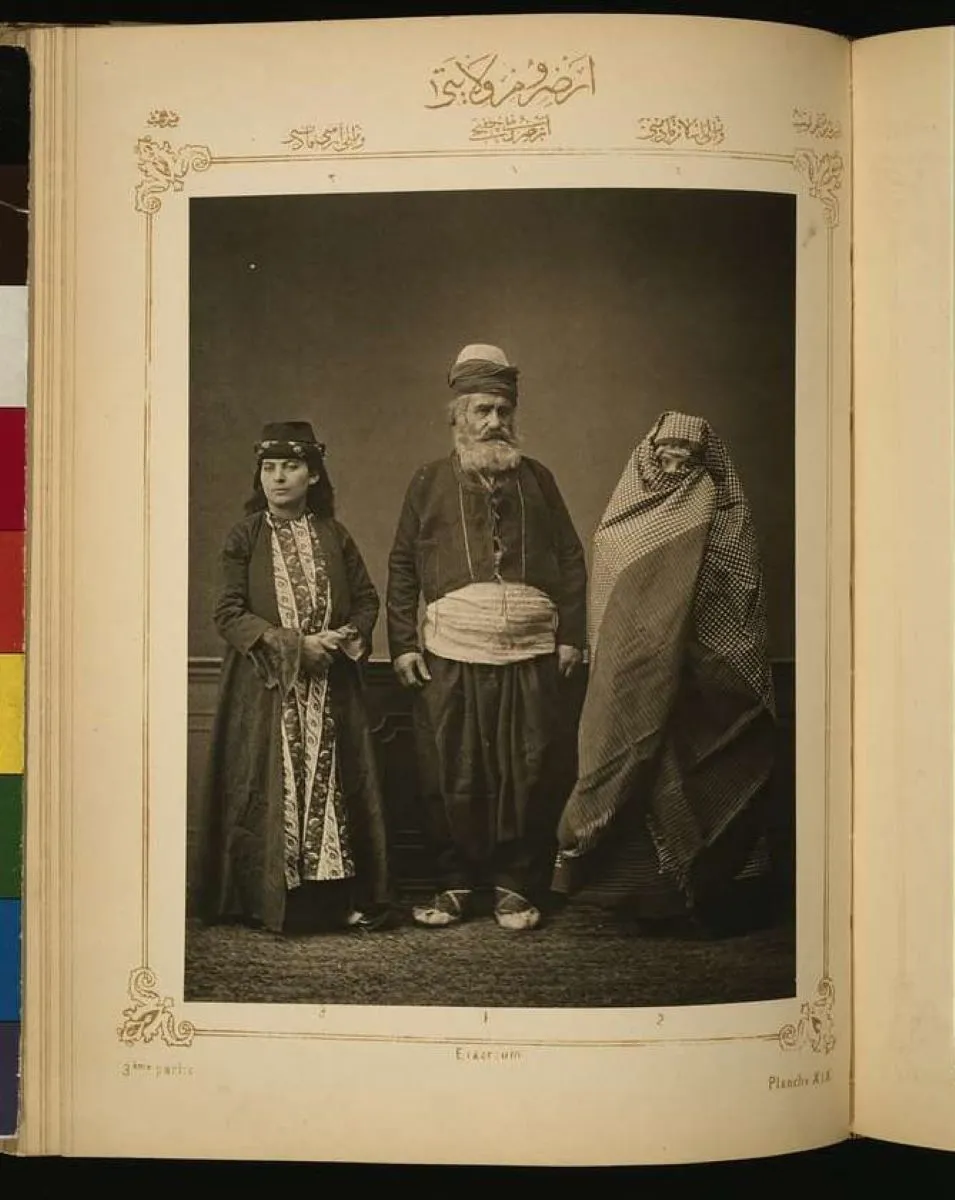
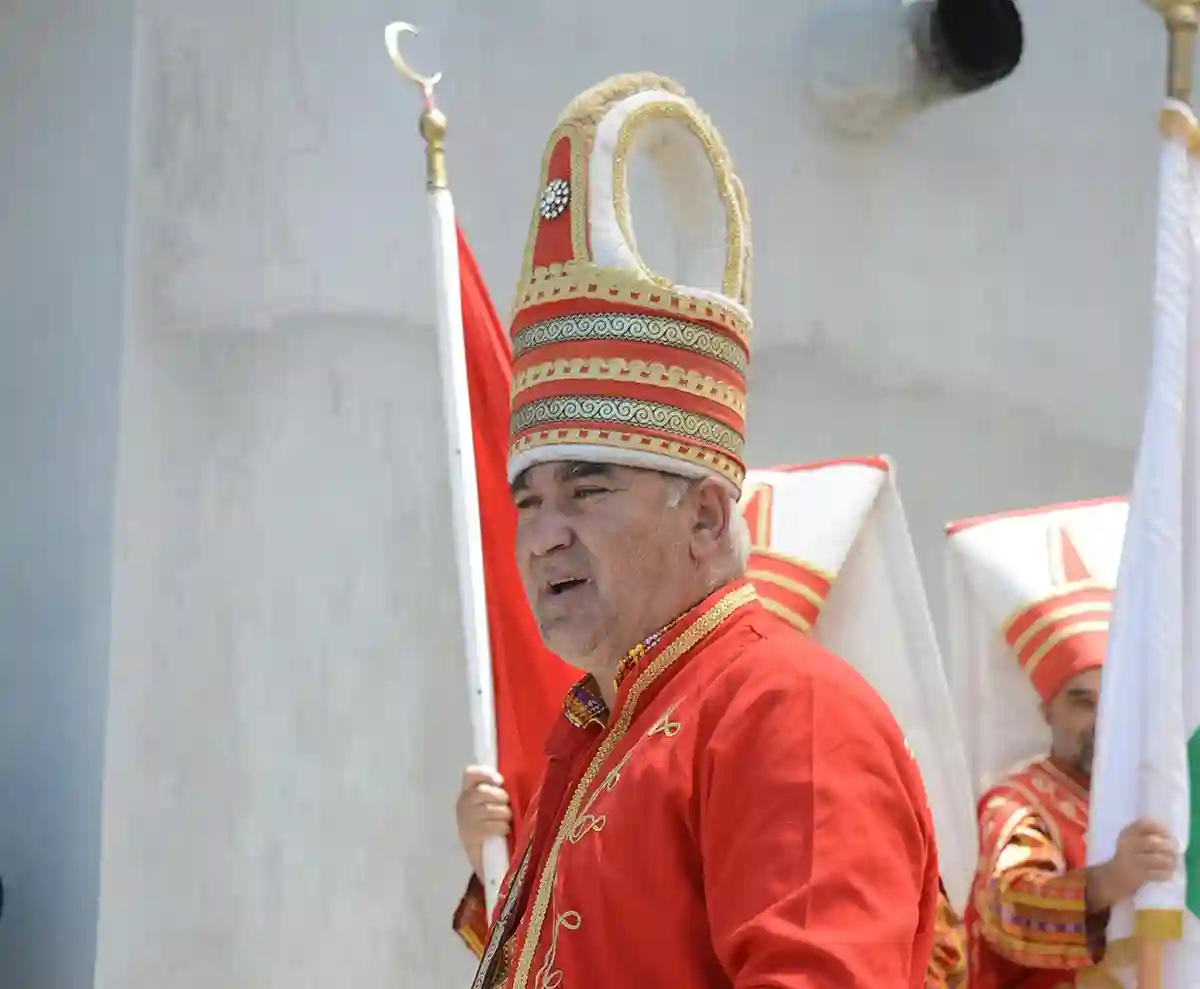
Turkey’s traditional costume has changed over many centuries. It was shaped by daily needs, culture, and history. During the Ottoman Empire, clothes were made to be practical and comfortable. Both men and women wore designs made from leather or felt.
When new tribes came to Anatolia, clothing styles changed. People added items like removable fur coats to stay warm. Textile work grew, and rich families and sultans wore fine, detailed clothing.
In 1923, Mustafa Kemal Atatürk started modern reforms in Turkey. He encouraged people to wear Western-style clothes to show progress. This marked a clear shift from Ottoman traditions.

2. Turkish National Costume
Turkish National Costume for Women

Turkish national costume for women reveals an enchanting narrative of heritage and grace. From the flowing şalvar to the regal Entari, each dress reflects tradition and elegance, mirroring the wearer’s identity and cultural heritage.
Throughout history, women in Turkey have cherished their attire as symbols of self-expression and societal roles. The şalvar embodies modesty and practicality, while the Entari signifies status and celebration during special occasions.
Turkish National Costume for Men

Turkish national costume for men reflects a rich legacy of heritage and masculinity. From the dignified “şalvar” to the distinguished “Cepken,” each outfit embodies a fusion of tradition and strength, representing the wearer’s identity and cultural heritage.
Throughout history, Turkish men have valued their clothing as symbols of heritage and societal roles. The “şalvar” epitomizes practicality and freedom of movement, while the “Cepken” exudes elegance and status, especially during ceremonial occasions.
3. Notable Vintage Turkish Outfits
The Şalvar

Classic Turkish attire unveils the enduring charm of the Şalvar, loose-fitting trousers that have stood the test of time. Symbolizing practicality and comfort, the Şalvar embodies a cultural heritage that resonates through generations.
Şalvars are made from materials like silk, wool, and velvet. Each pair has its own textures and designs, making it unique.
The Şalvar comes from Anatolia and has changed over time. It keeps a loose shape for comfort in daily life and on special occasions. Some have beadwork, brass details, or leather parts, showing the mix of different cultural styles.
The Kaftan

In Turkey’s traditional dress, the Kaftan symbolizes regal elegance and timeless sophistication. Worn by Ottoman nobility during the Ottoman Empire, these robes embody centuries of cultural heritage and aristocratic splendor.
The Kaftan showed power and respect. It was made from fine materials like silk and velvet. Each Kaftan reflected the wearer’s status and good taste.
The Kaftan had a long, flowing shape with detailed decorations. Its wide sleeves and bright colors made it stand out at special events. People noticed it wherever it was worn.
The Fes

In Turkish societal norms, the Fes stands as a symbol of tradition and historical significance. Worn for centuries, this distinctive headwear carries with it a rich heritage and cultural identity.
The Fes, made from soft felt, often showed a person’s rank or job. Some had small brass decorations or beadwork, adding a touch of elegance.
Its cone shape and tassel gave it a strong presence. Worn by statesmen, scholars, and ordinary people, it signaled respect and authority. In the streets of the Ottoman Empire, it reflected the many kinds of people who wore it.
The Yelek
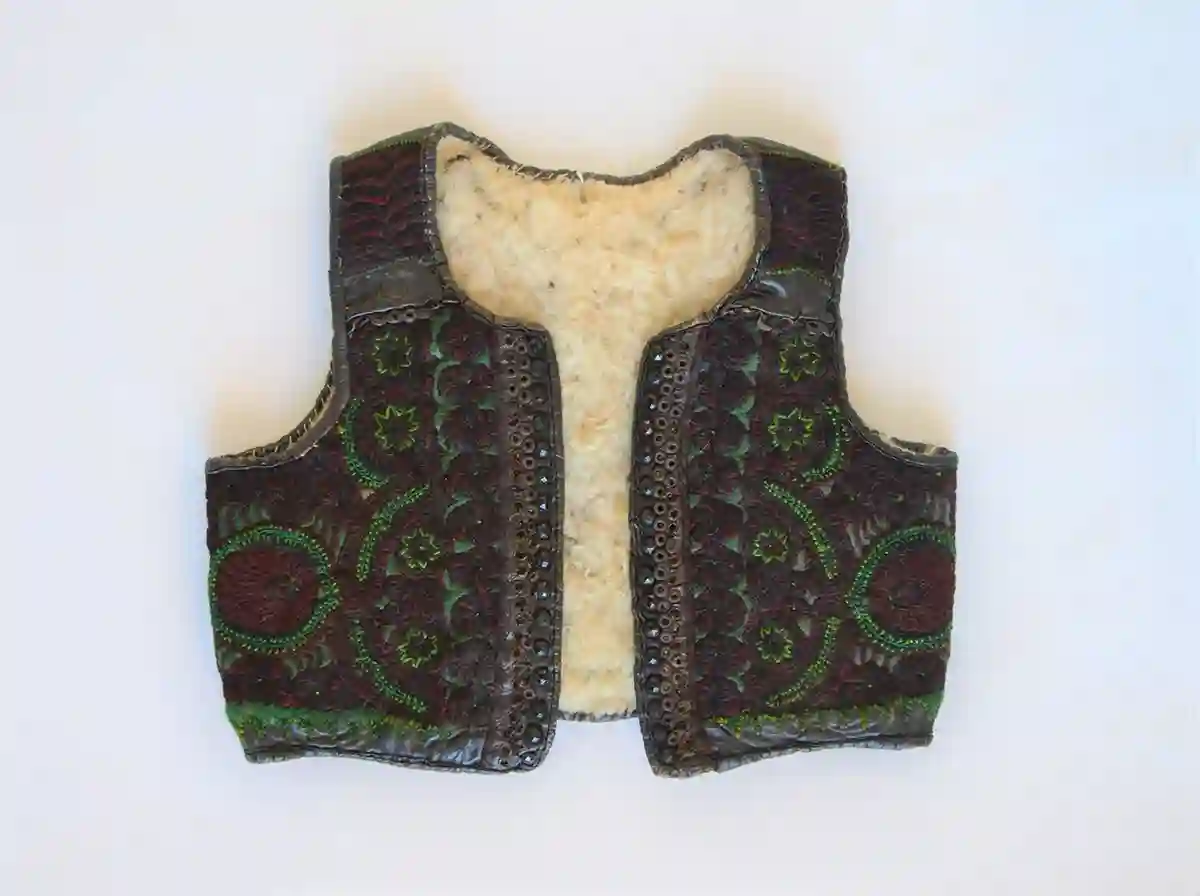
The Yelek is a traditional vest for men in Turkey. It adds style and character to any outfit. People have valued these vests for their detailed designs and cultural meaning for many years.
The Yelek comes from Anatolia and has been worn for centuries. It is made from wool, silk, or velvet. Each vest shows the skill of its maker. Many have embroidery with patterns inspired by local traditions and history.
Yeleks are both stylish and practical. They can be worn for special events or casual occasions. Paired with traditional pants or modern clothes, they bring charm and elegance to any outfit.
See Also Turkish Folk Art
The Şal

Within the Turkish community, the Şal adds elegance and flair to women’s attire. These scarves and shawls have been cherished for their functionality and beauty, serving as essential pieces in ancestral attire in Turkey.
Originating from Anatolia, the Şal has been an integral part of Turkish traditional dress for generations. Crafted from a variety of materials such as silk, wool, and cotton, each Şal showcases the rich textile heritage of Turkey. Whether adorned with intricate patterns or vibrant colors, these scarves and shawls exhibit the creativity of Turkish artisans.
With their adaptable design, Şals can be worn in various ways to complement different outfits and occasions. Whether draped loosely over the shoulders as a shawl or wrapped elegantly around the head as a scarf, these accessories add a touch of style to any ensemble.
The Bindallı

In Turkish culture, the Bindallı holds a significant place as an intricate and ornate bridal ensemble worn on special occasions. These elaborate wearables are cherished for their beauty and cultural significance, symbolizing the beauty and tradition of Turkish weddings.
Crafted from luxurious textiles such as silk, velvet, and satin, each Bindallı is meticulously designed and tailored to perfection. Adorned with exquisite embroidery, beadwork, and lace, these ensembles reflect the rich textile heritage and artistry of Turkey.
The Abaya

The Abaya holds a significant place in Turkish clothes, symbolizing modesty and elegance. These flowing cloaks are valued for their practicality and grace, serving as essential wearables.
Crafted from lightweight textiles such as cotton or linen, each Abaya provides comfort while maintaining modesty. Its loose-fitting silhouette allows for ease of movement, suitable for various occasions.
With its simple yet elegant design, the Abaya embodies timeless style. Whether worn daily or for special events, its flowing fabric drapes gracefully, adding sophistication to any outfit.
Accessories

The Tesbih, or prayer beads, is a symbol of devotion and faith. It is made from materials like wood, amber, or precious stones. Muslims use Tesbih beads for prayer and meditation.
The Evil Eye, or Nazar Boncuğu, is a protective charm. People believe it can stop bad energy and bring good luck. It is found in homes, cars, jewelry, and keychains. The Evil Eye is common in Turkey and adds style to daily life.
The Yemeni is traditional silver jewelry worn by both men and women. It often has detailed patterns and semiprecious stones. Yemeni jewelry shows elegance and careful work.
See Also Traditional Hungarian Clothing
4. Regional Turkish Traditional Attire
Traditional Dress in Central Anatolia

In Central Anatolia, traditional clothing shows a long heritage from nomadic life and rural living. The style is practical and reflects local culture. Wool and cotton are common because they are strong and work well in the local climate and farming life.
Clothes often have detailed embroidery and bright patterns. These decorations show cultural traditions and personal style passed down through generations.
Traditional Dress in Eastern Anatolia

In Eastern Anatolia, the traditional Turkey’s dress epitomizes resilience and endurance, tailored to withstand the region’s rugged terrain and harsh climates. Eastern Anatolian fashion features elements of the neighboring Kurdish, Armenian, and Persian cultural heritage, with a predominant influence from Kurdish and Arab cultures.
Crafted from durable textiles such as wool and felt, traditional wearables in Eastern Anatolia offer protection against the elements, including extreme cold and searing heat.
Simple yet sturdy attire is crafted to suit the rigors of rural life and agricultural tasks, while subtle embroidery and motifs showcase the region’s cultural richness and skilled craftsmanship.
See Also Traditional Chinese Clothing
Traditional Dress in Mediterranean Flair

In Southern Turkey, traditional clothing shows a bright Mediterranean style influenced by the coast and local culture.
Fabrics are light and breathable, good for the warm Mediterranean climate. Colors like turquoise, azure, and coral are common, reflecting the sea and sky.
Clothes often have flowing shapes and detailed decorations, such as embroidery, beads, and bold patterns. Accessories like jewelry, scarves, and headpieces complete the outfits, adding elegance and Mediterranean charm.
Traditional Dress in the Black Sea

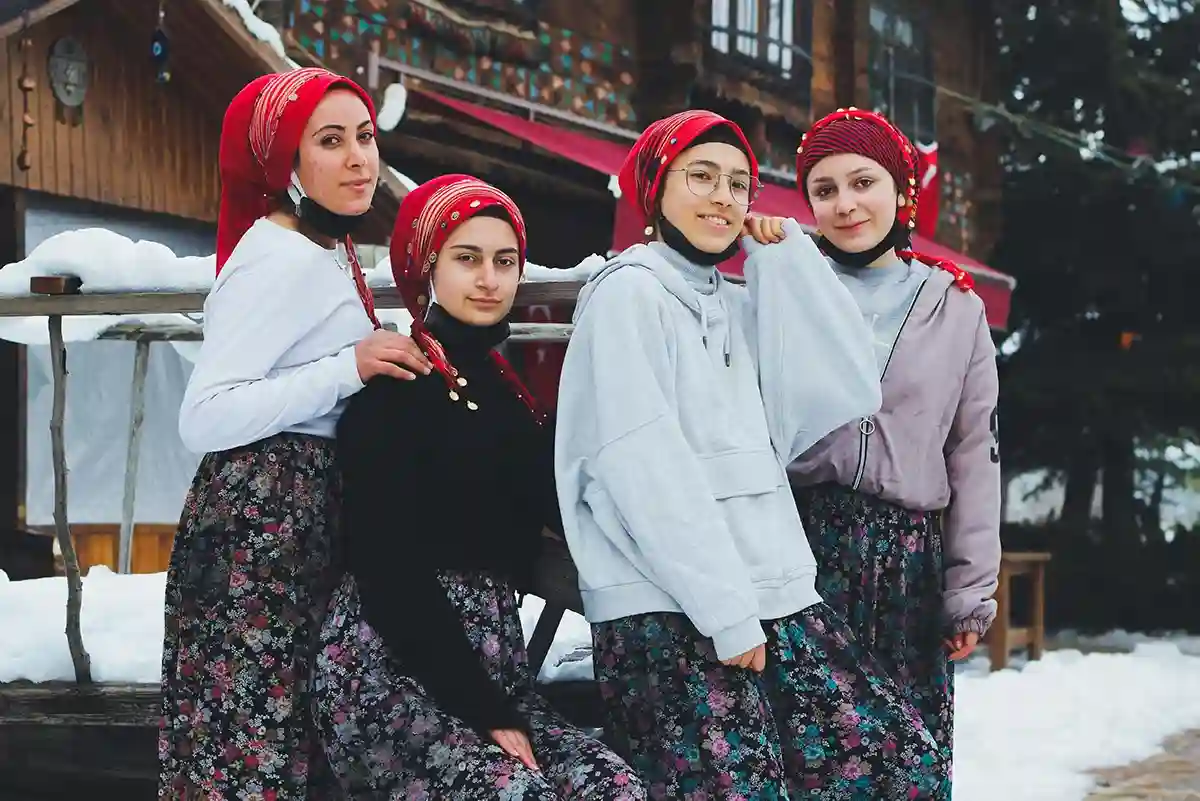
In the Black Sea region of Turkey, traditional clothing mirrors the influence of the northern climate and the unique cultures of the area.
Garments in this region are crafted from heavier textiles like wool and thick cotton, designed to provide warmth and protection against the colder temperatures and frequent rainfall characteristic of the Black Sea climate.
Colors often echo the natural surroundings, with earthy tones and deep blues evoking the sea and forests prevalent in the region. Practicality and functionality define traditional Black Sea clothing, with attire tailored to meet the demands of rural life and agricultural work.
5. Pattern of Turkish Attire

Turkey’s traditional clothing has a bright mix of patterns and textures. Designs like diamonds, stars, and crescents are carefully woven or embroidered onto the cloth. These patterns often show unity and culture.
As Turkish designer Rıfat Özbek once said: “Adornment is a reflection of culture and identity.” His work mixes traditional Turkish designs with modern fashion, showing the connection between clothing and cultural heritage.

Traditional Turkish Clothing: A Recap
Traditional Turkish clothing shows Turkey’s rich culture and history. I have always been amazed at how each piece tells a story. Even today, these clothes are important. People value their craft and meaning.
Different regions have their own styles and designs. Walking in Anatolia, you can see how patterns and weaving change from place to place. Each style shows local culture and history.
Seeing people wear and keep these clothes alive makes me feel connected to the past. It helps honor history and keeps Turkish culture alive. It also gives people pride and a sense of belonging.