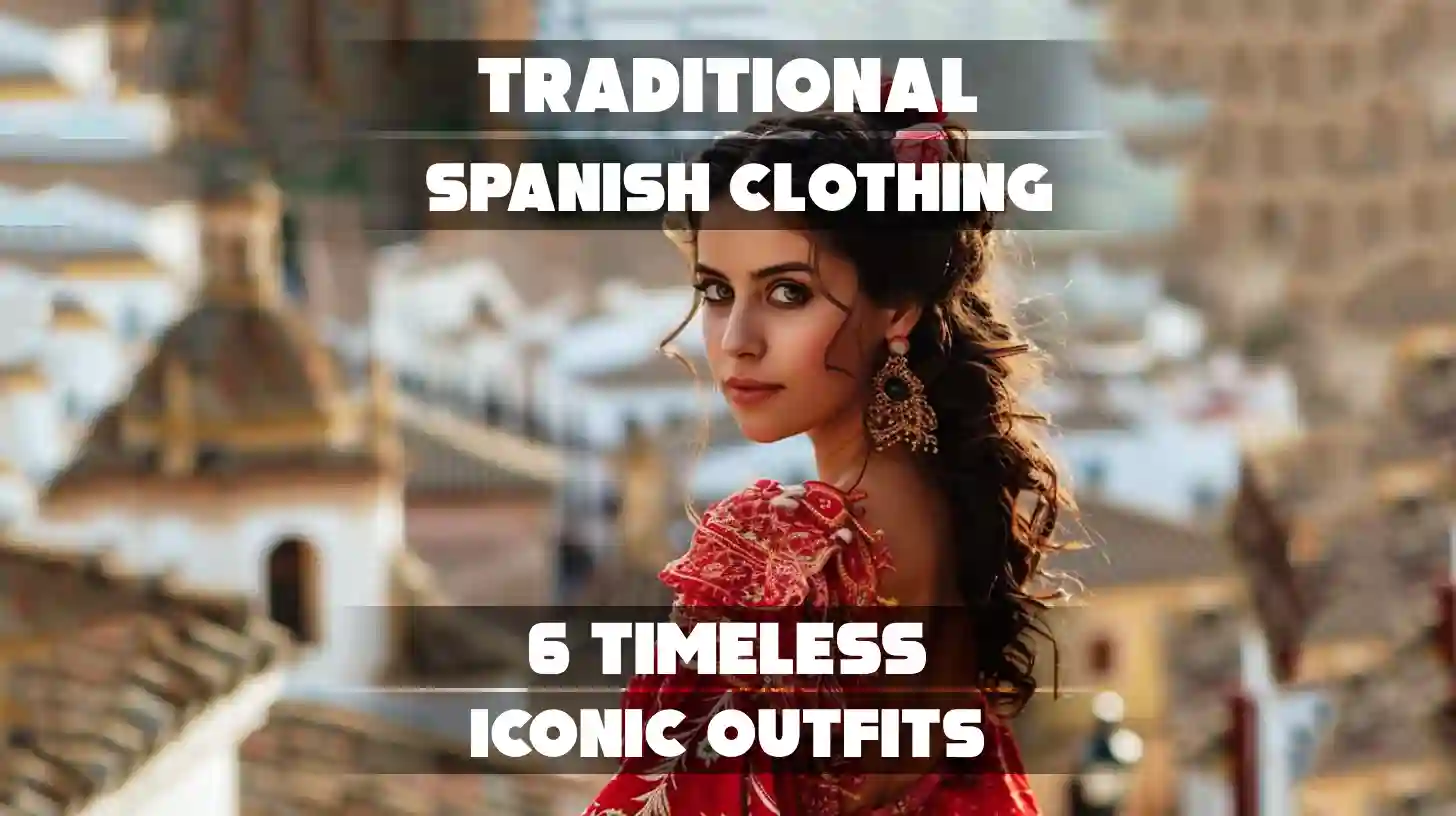

Have you ever wondered why traditional Spanish clothing is still admired around the world? From fashion shows to lively festivals, these outfits stand out because they represent Spain’s rich culture and long history.
I’ve always been amazed by how Spanish clothing shows the country’s spirit. The bright Flamenco dress, the stylish Sombrero Cordobés, and the colorful regional outfits each tell a special story. They connect the past with the present and show the pride of the people who wear them.
In this article, you will:
- Discover six famous traditional outfits from Spain
- Learn the history and meaning behind each one
- See how different regions have their own unique styles
- Find out how these classic designs still inspire fashion today
By the end, you’ll see that Spanish clothing is not only beautiful — it’s also a way for people to express who they are. Let’s explore together and enjoy the charm of Spain’s traditional fashion!

1. Historical Roots
History of Spanish Clothing Styles

Exploring traditional Spanish clothing shows a long and rich history. Spanish clothes are shaped by many years of traditions and local customs. They tell the story of the Iberian Peninsula.
Each piece, from the mantilla worn at religious events to the colorful traje de flamenca used in dance, shows Spanish identity. These clothes appear at festivals and special occasions. They help keep Spain’s culture alive for future generations.
2. Spanish National Costume
Spain’s Clothes for Women

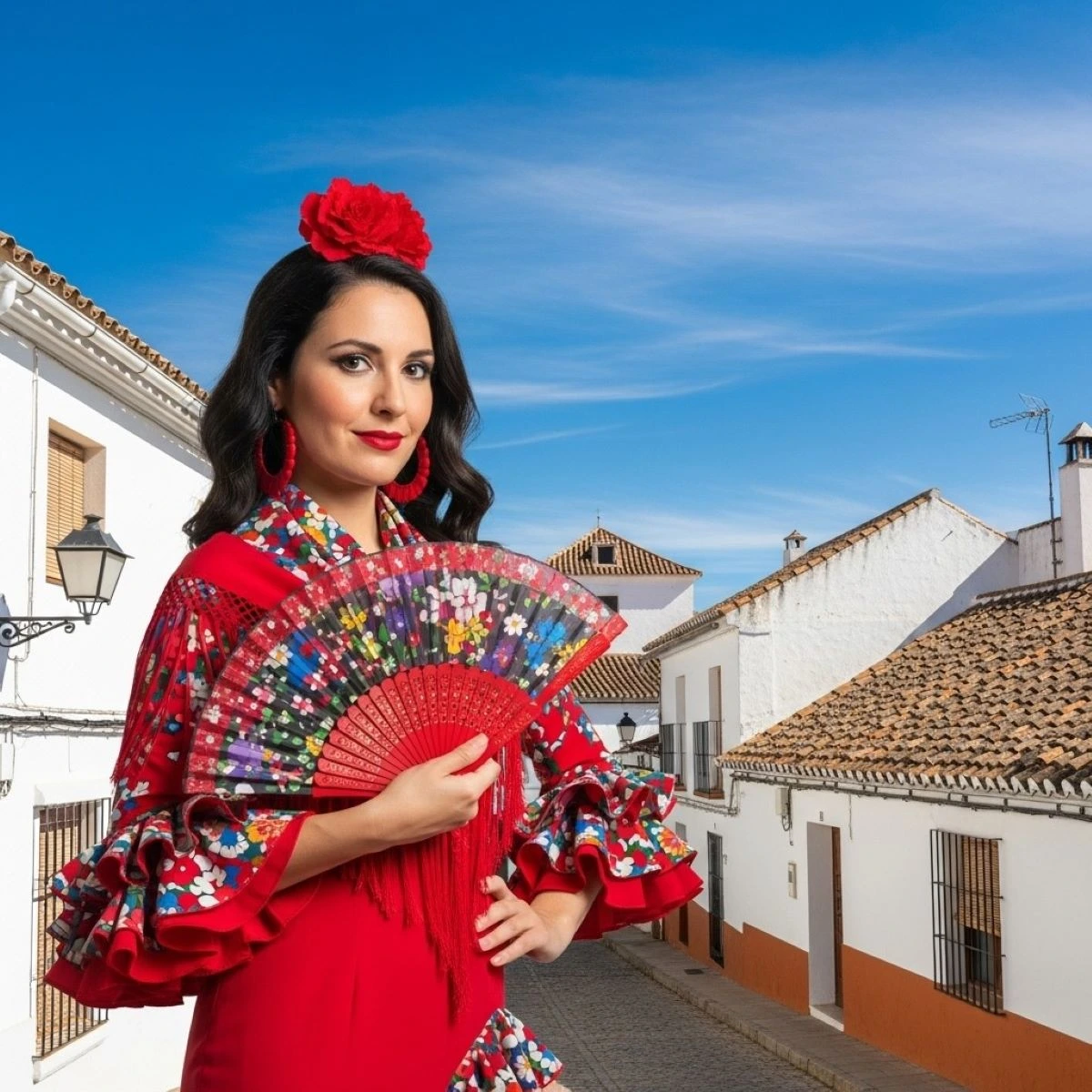
Spanish national costume for women comes in many colorful styles. These outfits show the traditions of different regions of Spain. The flamenco dress and the delicate mantilla are two of the most well-known. Each piece tells a story about Spanish culture.
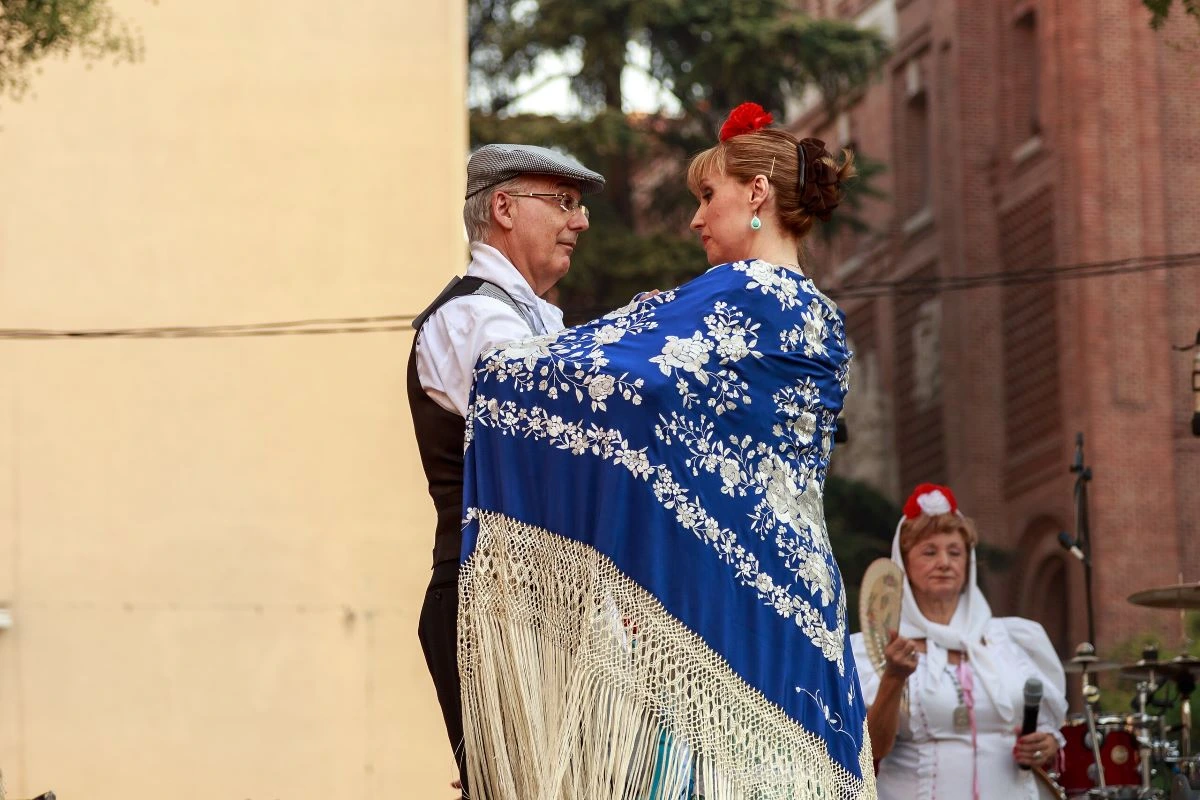
Women also wear traditional accessories with these outfits. The Peineta is a decorative comb often worn with the mantilla. The mantón de Manila is a colorful shawl that adds style and shows Spanish femininity.
Spain’s Clothes for Men
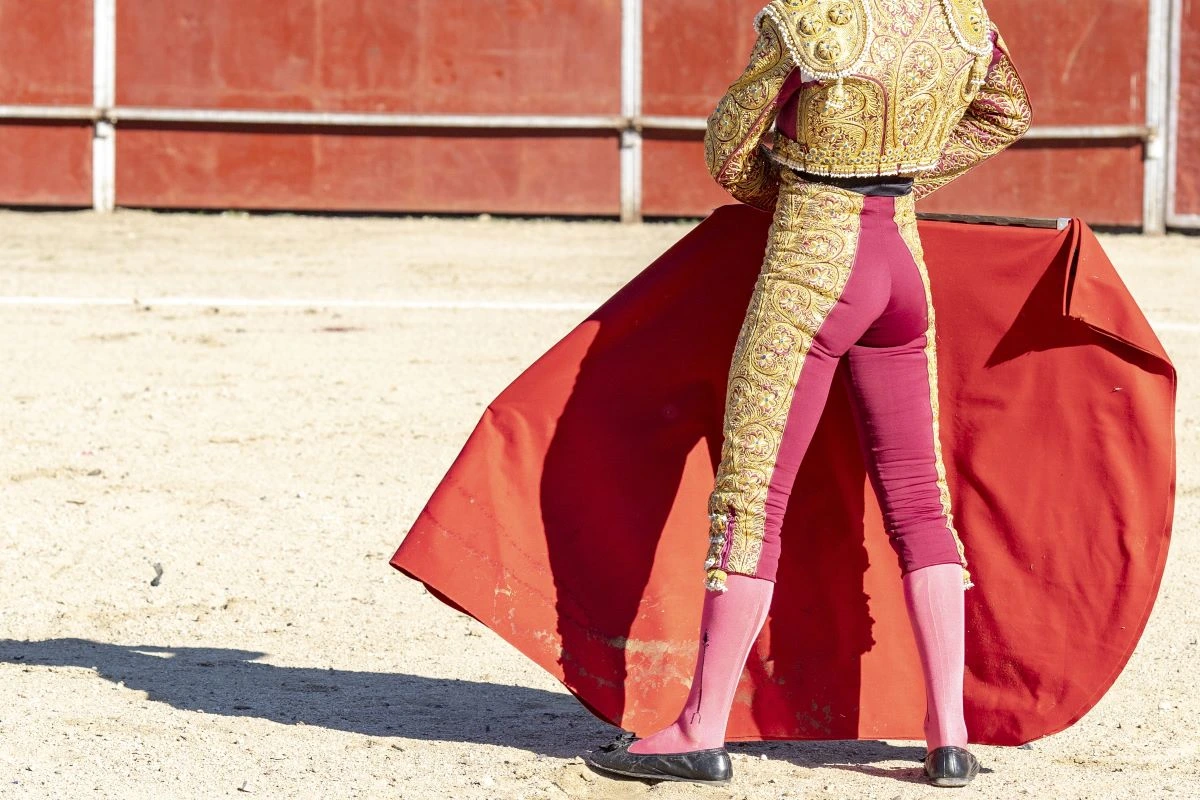
Spanish national costume for men shows Spain’s culture and traditions. The Traje de luces is the famous outfit worn by matadors. The Traje corto is a classic outfit often worn in Andalusia. Both show tradition and masculinity.
Men also wear accessories with these clothes. The wide-brimmed hat, often worn with a bolero jacket, adds style and provides shade. The Faja sash goes around the waist. It is both useful and decorative, with bright colors and patterns.
In regions like Asturias, men may wear Albarca sandals. These leather sandals have a special design that reflects local traditions.
See Also Traditional Spanish Wedding Dress
Notable Vintage Spanish Outfits
1. Flamenco Dress

The flamenco dress shows Spanish culture, passion, and tradition. Its bright colors, detailed designs, and flowing shape match the energy of flamenco music and dance. Dancers and fans wear it, and it looks graceful and elegant. It is a lasting symbol of Spain’s culture.
As Spanish singer Rosalía says: “Flamenco is the most honest and visceral music. You have to be sincere when you sing it. If you’re not, it doesn’t work.” This shows that both the flamenco dress and flamenco music need feeling and honesty to shine.
2. Mantilla

An epitome of elegance and tradition, the mantilla is a cherished piece of Spanish dress. This delicate lace veil, worn gracefully, adds a touch of refinement to formal occasions, especially during religious ceremonies.
With its enduring charm and intricate craftsmanship, the mantilla symbolizes the rich cultural heritage of Spain, embodying grace and beauty that transcends generations.
3. Castilian Dress

This attire embodies the essence of Spanish tradition, exuding classic charm. Favored in the central region of Spain, it boasts a modest yet elegant silhouette, reflecting the rustic beauty of the countryside. With its tailored fit and timeless appeal, the Castilian dress symbolizes cultural heritage, celebrating the enduring legacy of Spanish craftsmanship and style.
4. Traditional Gilet

Reflecting Spain’s cultural heritage, this garment holds a special place in Spanish costume. With its classic design and timeless appeal, the traditional gilet is a staple in men’s wardrobes across the country. Adding a touch of refinement to any ensemble, its simplicity and versatility make it suitable for various occasions, from casual gatherings to formal events.
5. Cantabrian Albarca

Rooted in Spanish heritage, the Cantabrian Albarca stands as a testament to tradition and practicality. These sturdy wooden sandals, worn by men in northern regions like Cantabria, seamlessly blend with the rugged environment.
Offering both comfort and durability, the Albarca is an essential component of Spanish traditional clothing, reflecting the lifestyle and values of the region.
6. Sombrero Cordobés

A hallmark of Spanish tradition, the Sombrero Cordobés holds a revered place in the country’s cultural heritage. This wide-brimmed hat, hailing from the city of Córdoba, embodies the essence of Spanish style and charm. Worn by men during festivals and special occasions, the Sombrero Cordobés adds a touch of elegance and flair to attire.
See Also Traditional Colombian Clothing
Regional Spanish Traditional Attire
Valencia

During the Fallas festival in Valencia, people wear traditional Spanish clothing. Men wear Fallero outfits. These include a fitted jacket with details, trousers, a sash around the waist, and the special Fallero hat.
Women wear Fallera outfits. They have a fitted top and a full skirt with ruffles and lace. They also wear jewelry and a traditional shawl. These clothes show Valencia’s culture and make the festival colorful and lively.
Madrid

In Madrid’s classic attire, the Chulapo and Chulapa costumes epitomize traditional Spanish clothing. The Chulapo ensemble for men typically includes a flat cap, a vest, a white shirt, a colorful scarf tied around the neck, dark trousers, and espadrilles or boots.
Meanwhile, the Chulapa attire for women consists of a floral-patterned or polka-dotted dress with a fitted bodice and full skirt, paired with a lace-trimmed apron, a shawl worn over the shoulders, and a comb or flower ornament adorning the hair.
Cataluña

In Cataluña’s pride, the Hereu and Pubilla costumes exemplify Spain’s traditional attire. The Hereu ensemble for men typically features a sash worn over the shoulder, a white shirt, dark trousers, a beret or flat cap, and espadrilles or boots. Meanwhile, the Pubilla attire for women consists of a blouse with puffed sleeves, a full skirt adorned with floral patterns, a sash around the waist, and espadrilles or heels.
See Also Spanish Music History
Clerical Spanish Traditional Dress
Monastic
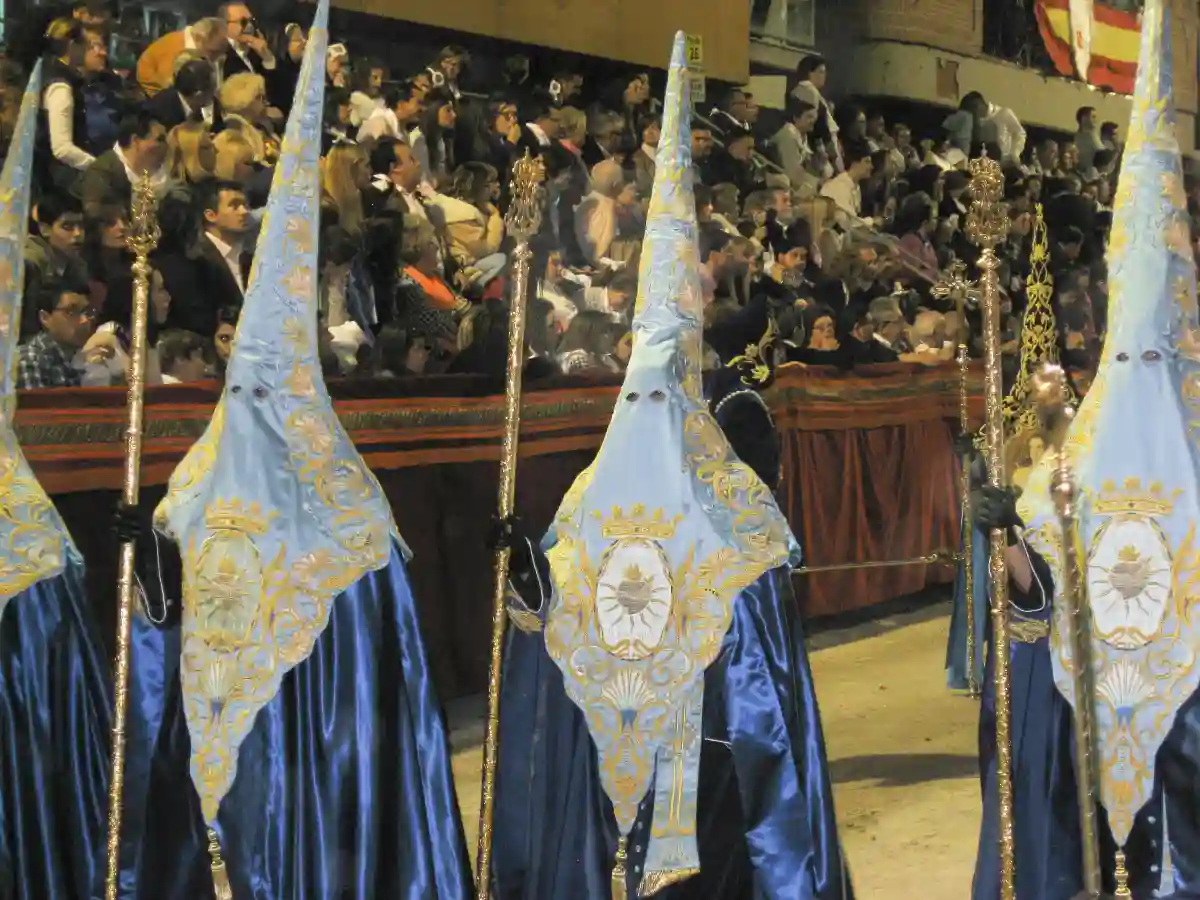
In Spain, monastic attire embodies solemnity and reverence. Monks and nuns wear simple, humble robes in muted tones, often paired with a hood or veil, signifying their devotion and detachment from worldly matters. This traditional style reflects their commitment to a life of prayer and service, symbolizing the spiritual values of Spain’s monastic tradition.
These garments have been an important part of Spanish fashion for centuries, standing as a testament to the timeless elegance and humility of monastic life.
Romani Gypsy

In Spain, Romani Gypsy clothing is full of bright colors and cultural style. Women wear layered skirts with patterns. They pair them with decorated blouses and shawls. Accessories like coin belts, beaded jewelry, and floral headscarves add extra color and style.
Men wear loose trousers, embroidered vests, and wide hats. Their outfits mix Spanish and Romani traditions.
Islamic

Spain’s national costume for Muslims reflects its rich cultural heritage. Women wear modest garments like hijabs, abayas, or jilbabs, which cover the body with lace and fabric that vary in style and color, heavily influenced by regional and cultural factors. These garments, often worn on special occasions or celebrations, represent both elegance and modesty.
Men typically wear thobes or dishdashas, long robes, paired with a headscarf or cap, a style familiar across the Iberian Peninsula. These traditional Spanish clothes are an important part of the fashion landscape for Muslim communities in Spain.
See Also What Do Spanish People Look Like?
Pattern of Spanish Dress

Traditional Spanish clothing is full of life, color, and history. The flamenco dress shines with bright floral embroidery, while the delicate mantilla adds a touch of elegance and grace. Every stitch and pattern tells a story, showing the culture and pride of the people who wear it.
These designs are more than decoration. They bring each region to life, from the festive costumes of the Fallas festival in Valencia to the playful Chulapo and Chulapa outfits in Madrid. Each outfit shows the unique character of its region and keeps Spain’s traditions alive in a way that is both beautiful and meaningful.

Traditional Spanish Clothing: A Recap
Traditional Spanish clothing brings Spain’s culture to life. A bright Flamenco dress twirling in Andalusia or a delicate mantilla draped across a woman’s shoulders tells a story passed down for generations. These outfits show the pride, history, and spirit of the people who wear them.
What fascinates me is how these garments have changed over time. They mix old traditions with modern touches but keep their character. The Sombrero Cordobés in Córdoba or the lively Chulapo and Chulapa costumes of Madrid celebrate life and a strong connection to heritage.
For me, seeing or wearing these styles feels like a link to the past. It’s a way to honor roots, feel the rhythm of Spanish culture, and appreciate the beauty created by generations of creativity. Spanish fashion is timeless, full of heart, and alive with the stories of its people.