
Are you looking to honor your heritage with the perfect traditional Persian wedding dress while blending it with modern style? It’s a challenge many brides face, trying to fuse cultural significance with contemporary design.
I’ve been there myself, helping my friend find her dress, and I completely understand how meaningful this choice is.
As someone deeply rooted in Iranian culture and bridal fashion, We are here to guide you through this special process.
In this article, we’ll explore:
- Origins of the traditional Persian wedding dress
- Cultural symbolism
- Crafting techniques
- Must-have accessories
- Regional styles
With our expert tips, you’ll discover the dress that truly reflects your identity as an Iranian bride, making your wedding day unforgettable and full of meaning.
Let’s start this beautiful journey and celebrate your unique transformation!
- 1. Origins of the Traditional Persian Wedding Dress
- 2. Cultural Symbolism in Persian Wedding Dresses
- 3. Traditional Craftsmanship and Techniques in Persian Wedding Dresses
- 4. Must-Have Accessories in Persian Bridal Fashion
- 5. Regional Styles of Persian Wedding Dresses
- 6. Modern Brides and Traditional Persian Attire
- Traditional Persian Wedding Dress: A Recap
- FAQ
1. Origins of the Traditional Persian Wedding Dress
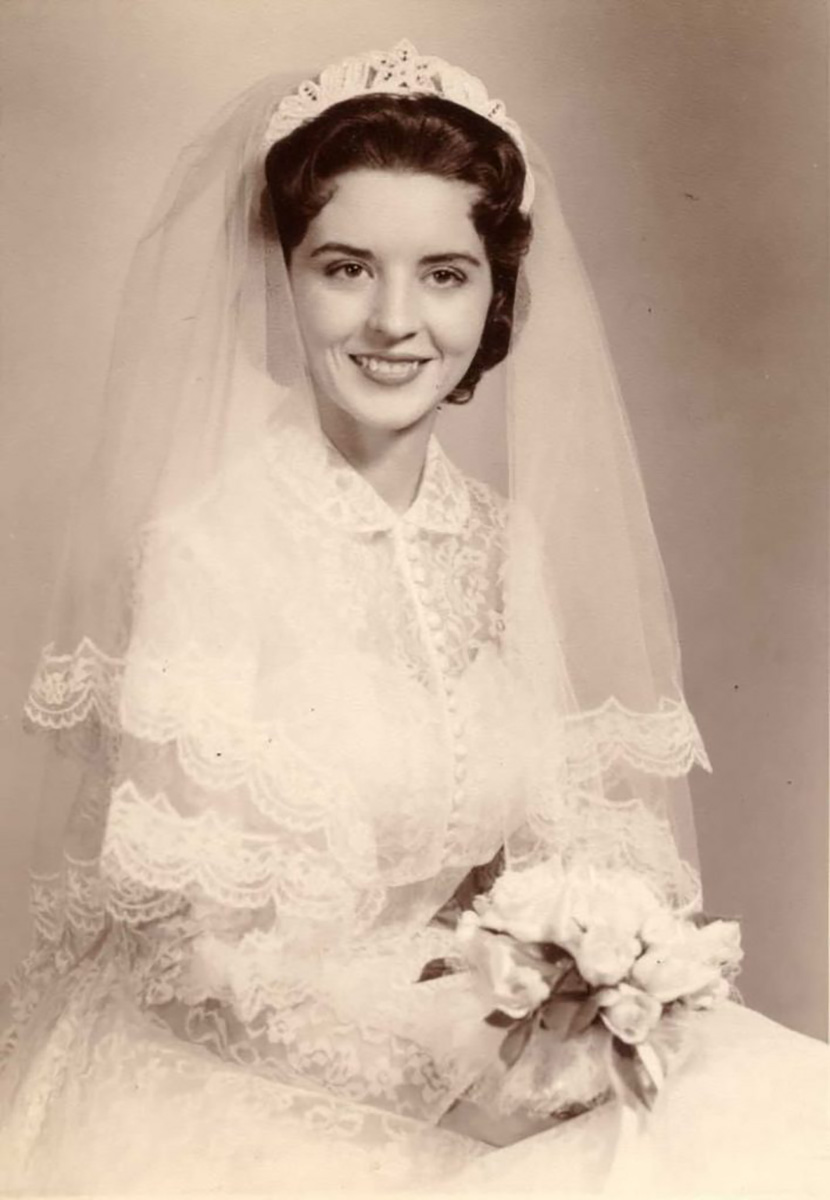
The Origins of the traditional Persian wedding dress are rooted in centuries of history, blending Persian royal traditions with regional influences. In ancient Persia, wedding attire symbolized not only social status but also spiritual and cultural values.
Wealthy brides often wore garments made from luxurious fabrics such as silk and satin, showcasing their family’s wealth and connection to the royal court.
During the Qajar dynasty (1789-1925), Persian brides wore intricately designed silk gowns with detailed embroidery, often decorated with gold and silver thread, reflecting the extravagant Iranian fashion of the time. The dress was commonly long-sleeved, with a full skirt and sometimes floral patterns, representing fertility and prosperity.
The Sassanian Empire (224-651 AD) also influenced the wedding dress, where Persian brides would wear elaborate headpieces and jewelry to signify their role in society and their connection to the divine.
Regional variations played a key role in shaping the Persian wedding dress. In Kurdish and Baluchi cultures, for example, brides often wore more colorful, richly embroidered garments, reflecting the unique traditions of those areas. Traditional Persian embroidery such as khatam (metal-inlay work) and safavid-style motifs still adorn many modern wedding gowns.
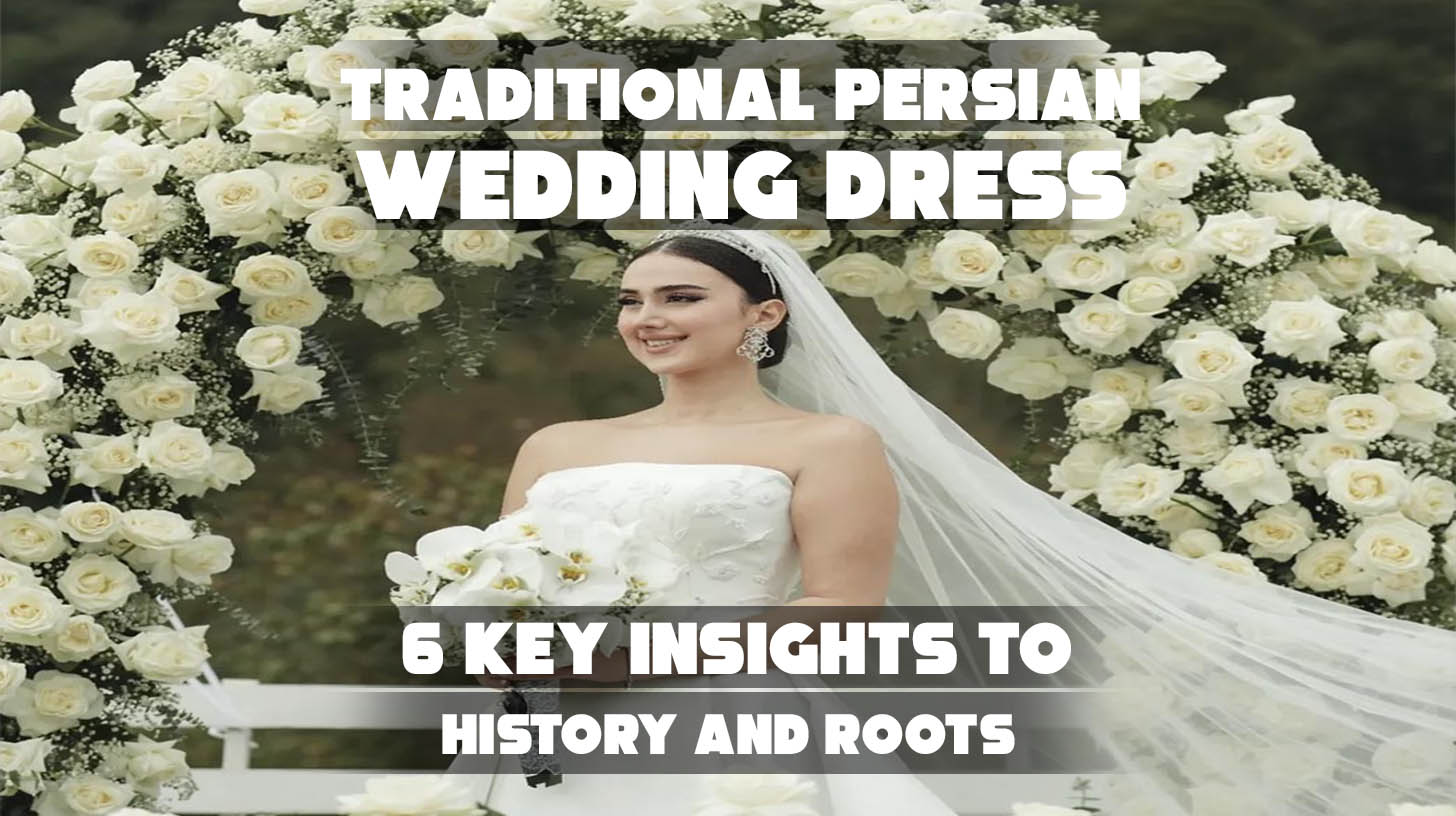
The tradition of the bride’s veil, often a sheer mantilla, symbolizes modesty and purity. In modern times, Persian wedding dresses have evolved, yet these historical influences remain present, combining ancient craftsmanship with contemporary design to create an ensemble that is both elegant and culturally rich.
According to the article “Traditional Persian Wedding Dress” from Destination Iran, Persian wedding attire has evolved from the royal court’s extravagant gowns to regional variations reflecting culture and tradition. The use of luxurious fabrics like silk and intricate embroidery has remained central, which aligns with the historical details in my article.
Influences from Ancient Persia
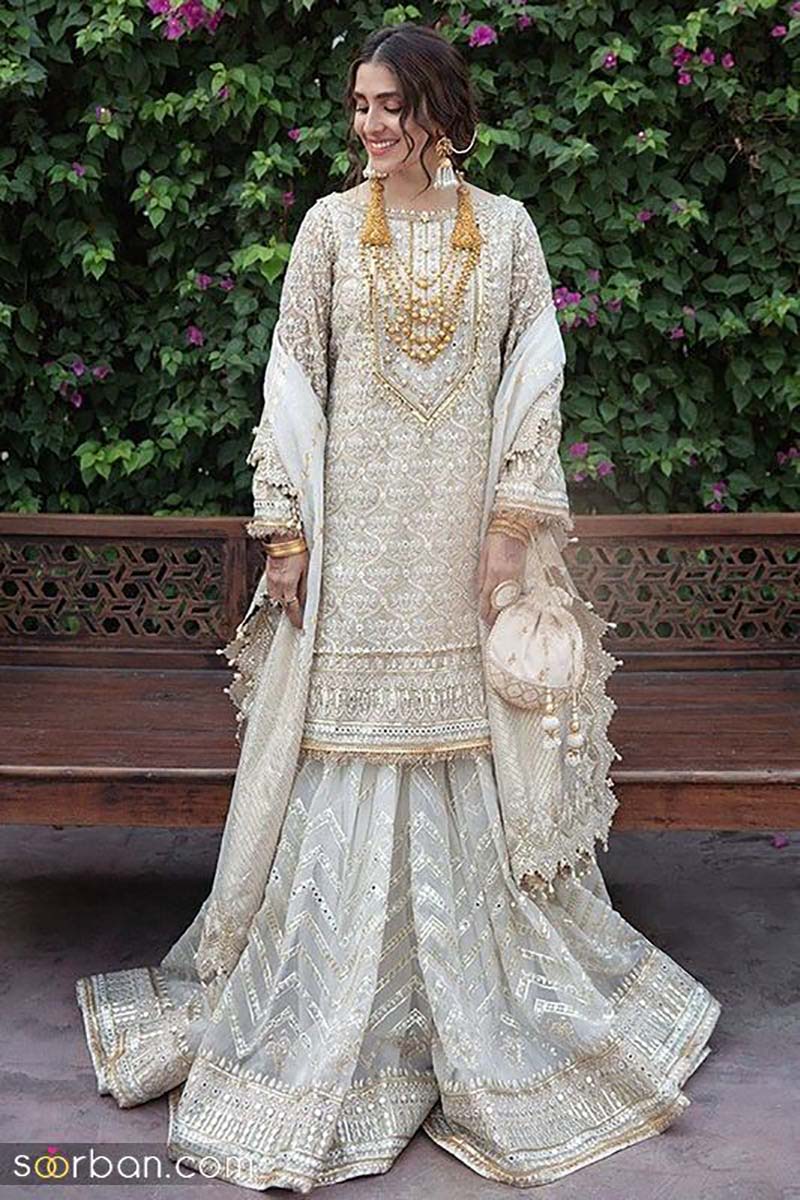
The traditional Persian wedding dress has deep roots. It goes back to ancient times when Persian royalty and nobility wore elaborate and extravagant clothes. During the Achaemenid Empire (550-330 BC), rich clothing made of silk, gold thread, and jewels was worn by queens.
This style also became an important part of wedding traditions. These garments symbolized wealth, power, and beauty, characteristics still cherished by brides today.
Transition Through Historical Eras
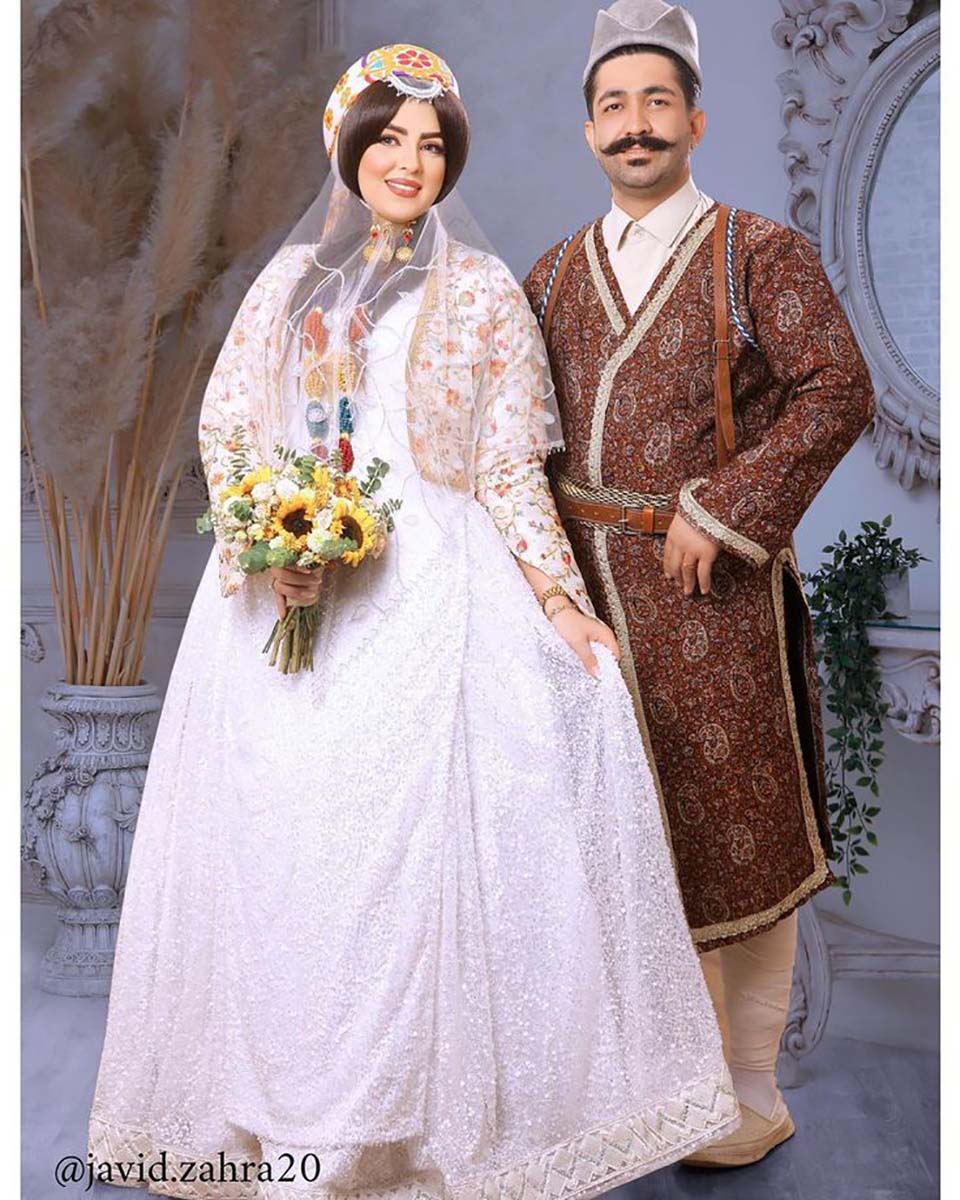
As Persian culture evolved through the Safavid and Qajar dynasties, the traditional wedding dress took on new forms. The Safavid era (1501–1736) is famous for its focus on embroidery, delicate designs, and bright colors.
These features still inspire modern designs today. During the Qajar period (1789–1925), brides wore many layers of clothing. They paid close attention to every detail, from fancy headpieces to intricate gowns. These layers represented protection, prosperity, and purity. These ideas are very important in Persian wedding traditions.
See Also Iranian Folk Art
2. Cultural Symbolism in Persian Wedding Dresses
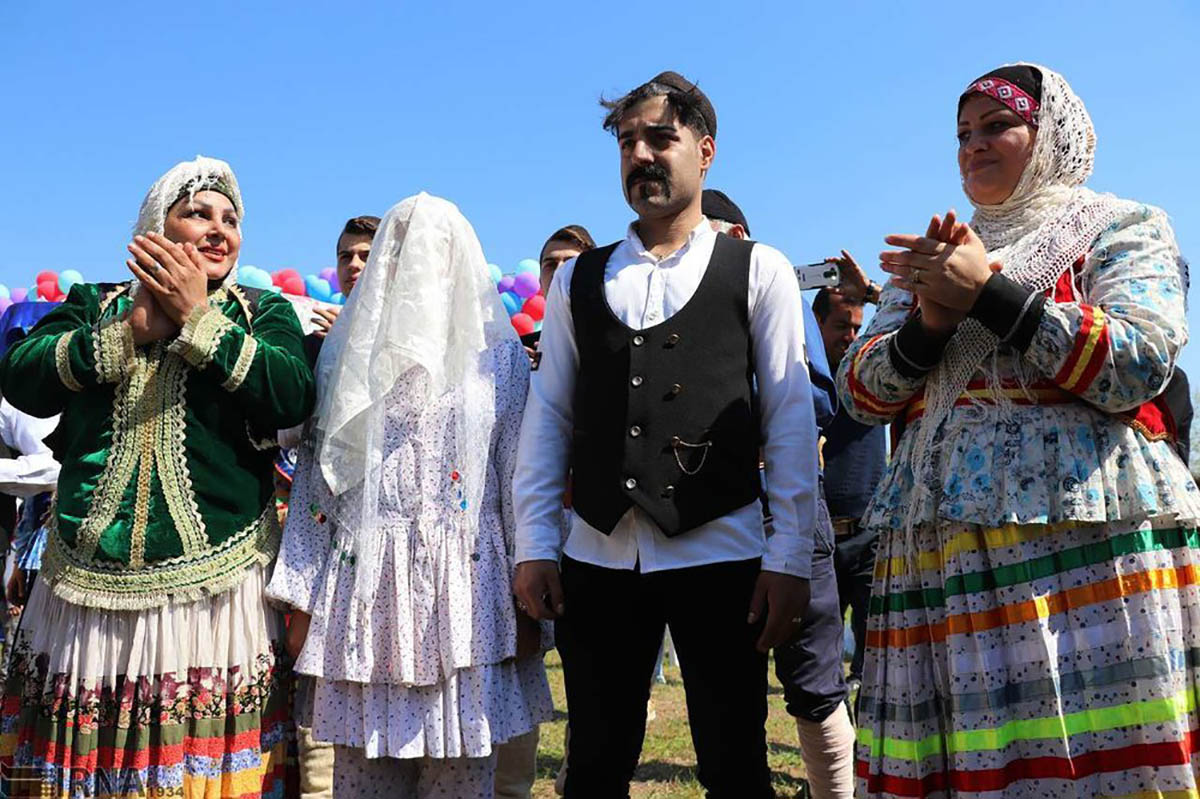
Persian wedding dresses are full of cultural symbols. These symbols show the important traditions, beliefs, and history of Persian culture. Every detail, from the colors to the decorations, is important. This makes the dress a strong expression of the bride’s heritage and identity.
Colors with Meaning in traditional wedding dress:
- White: In many cultures, white in a Persian wedding dress means purity, innocence, and new beginnings. It shows that the bride is starting a new chapter in her life.
- Red: Red represents love, passion, and energy. It is often used in Persian wedding dresses to celebrate the strength of the marriage.
- Gold: Symbolizing wealth, prosperity, and happiness, gold is a popular choice, adding a touch of grandeur to the bridal attire.
- Green: In Persian culture, green represents growth, fertility, and harmony. It shows the bride’s hopes for a happy and thriving marriage.
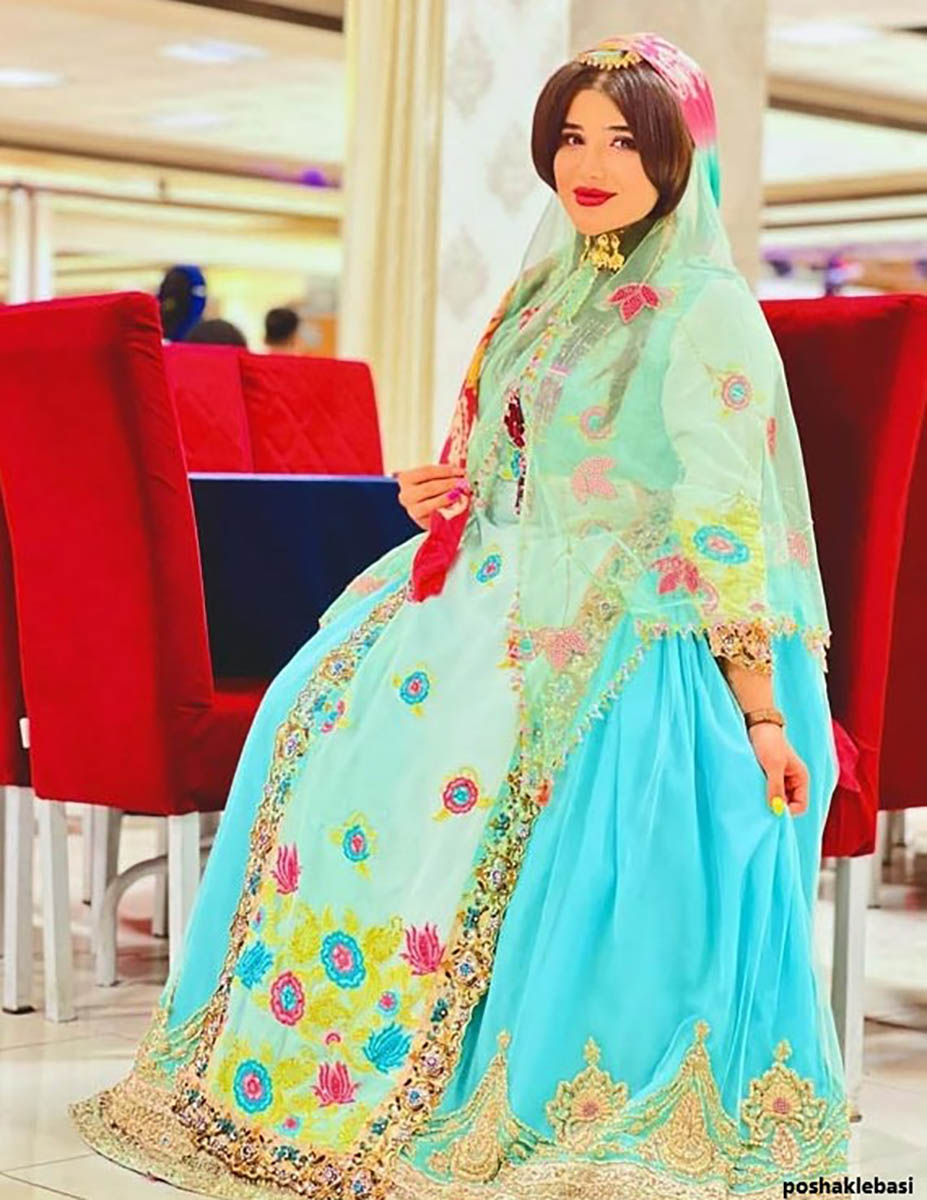
Patterns and Embroidery in tradtional Persian wedding dress:
- Floral Motifs: Flowers like roses and jasmine are often stitched onto the dress. They stand for beauty, fertility, and new beginnings. These motifs symbolize the bride’s hopes for a joyful and fruitful life ahead.
- Geometric Patterns: Embroidered shapes like diamonds and circles represent protection. They also show the endless cycle of life. These designs remind the couple to maintain balance and unity in their relationship.
- Birds and Animals: Designs featuring birds, such as doves, symbolize peace and harmony. These motifs carry messages of hope, spiritual blessings, and prosperity for the couple’s shared future.
Fabrics with significance:
- Silk: Silk is known for being smooth and luxurious. It shows elegance and beauty. On her wedding day, the bride shines in this timeless fabric.
- Velvet: Historically, velvet was worn by Persian royalty and symbolizes opulence and status. Its use in wedding gowns highlights the bride’s regal qualities and the richness of the occasion.
- Handwoven Fabrics: Traditional handwoven fabrics have beautiful patterns. They show the bride’s connection to her culture and the skill of Persian artisans.
In Persian weddings, the dress is more than just clothes. It shows cultural pride and reflects the couple’s wishes for a happy and loving future. Every stitch and detail tells a story, linking old customs with modern celebrations.
3. Traditional Craftsmanship and Techniques in Persian Wedding Dresses
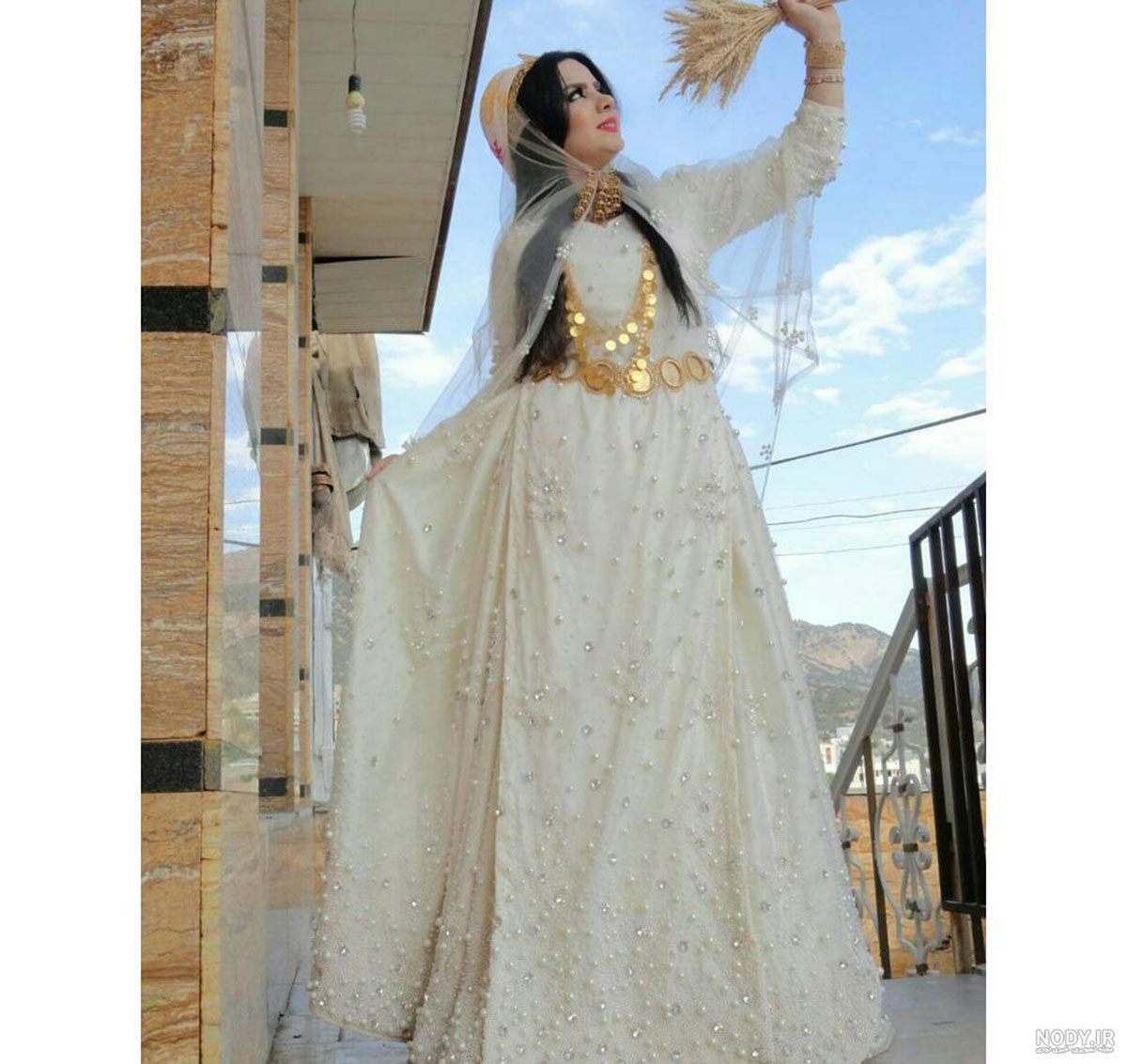
The making of a traditional Persian wedding dress is rooted in ancient craftsmanship, reflecting the rich cultural heritage of Persia. Here are some key techniques used in creating these stunning garments:
- Handwoven Fabrics
- Tweed, silk, satin, brocade, and velvet are commonly used, with Harris Tweed being a popular fabric. These fabrics are carefully handwoven by artisans using locally sourced wool and other fibers, creating intricate patterns that reflect regional significance.
- Persian Embroidery (Khatam)
- Khatam is one of the most prominent types of Persian embroidery. It involves intricate geometric patterns, often created with gold and silver threads, symbolizing prosperity, wealth, and spiritual connection. This delicate craft is a hallmark of Persian bridal wear.
- Needlepoint Embroidery
- Needlepoint embroidery uses small, precise stitches to create detailed floral or geometric motifs, often found on the borders or accents of wedding dresses.
- Satin Stitch Embroidery
- This type of embroidery creates smooth, satin-like finishes on fabrics. It is used to form floral designs or rich borders on Persian wedding dresses.
- Gold Thread Embroidery
- Gold thread is used to stitch elaborate designs onto wedding dresses, often representing spiritual symbolism and royalty. This luxurious technique adds an opulent touch to the attire.
- Beadwork and Jewels
- Persian wedding dresses are often adorned with pearls, diamonds, or precious stones sewn into the fabric. These embellishments symbolize purity, beauty, and prosperity, and often form intricate designs or motifs across the garment.
- Handcrafted Veils
- Persian wedding veils are often made from silk or lace, decorated with hand-stitched embroidery or tiny pearls, signifying modesty and elegance.
- Silk and Cashmere Lining
- Many Persian wedding dresses are lined with luxurious silk or cashmere, which adds both comfort and a rich aesthetic to the garment, ensuring that the dress feels as exquisite as it looks.
- Leather and Decorative Trims
- Leather trims are sometimes used on the edges of dresses, adding durability and an additional layer of elegance. These can also be seen in traditional wedding accessories like belts and capes.
- Gold Leaf Work
- Some wedding dresses incorporate gold leaf work in their designs, where thin sheets of gold are applied to certain sections of the garment. This traditional technique adds an extra layer of glamour and reflects the regal symbolism.
These crafting techniques make each Persian wedding dress unique, not only as a fashion statement but also as a cultural symbol of heritage, love, and timeless beauty.
See Also Tallest Buildings in Iran
4. Must-Have Accessories in Persian Bridal Fashion
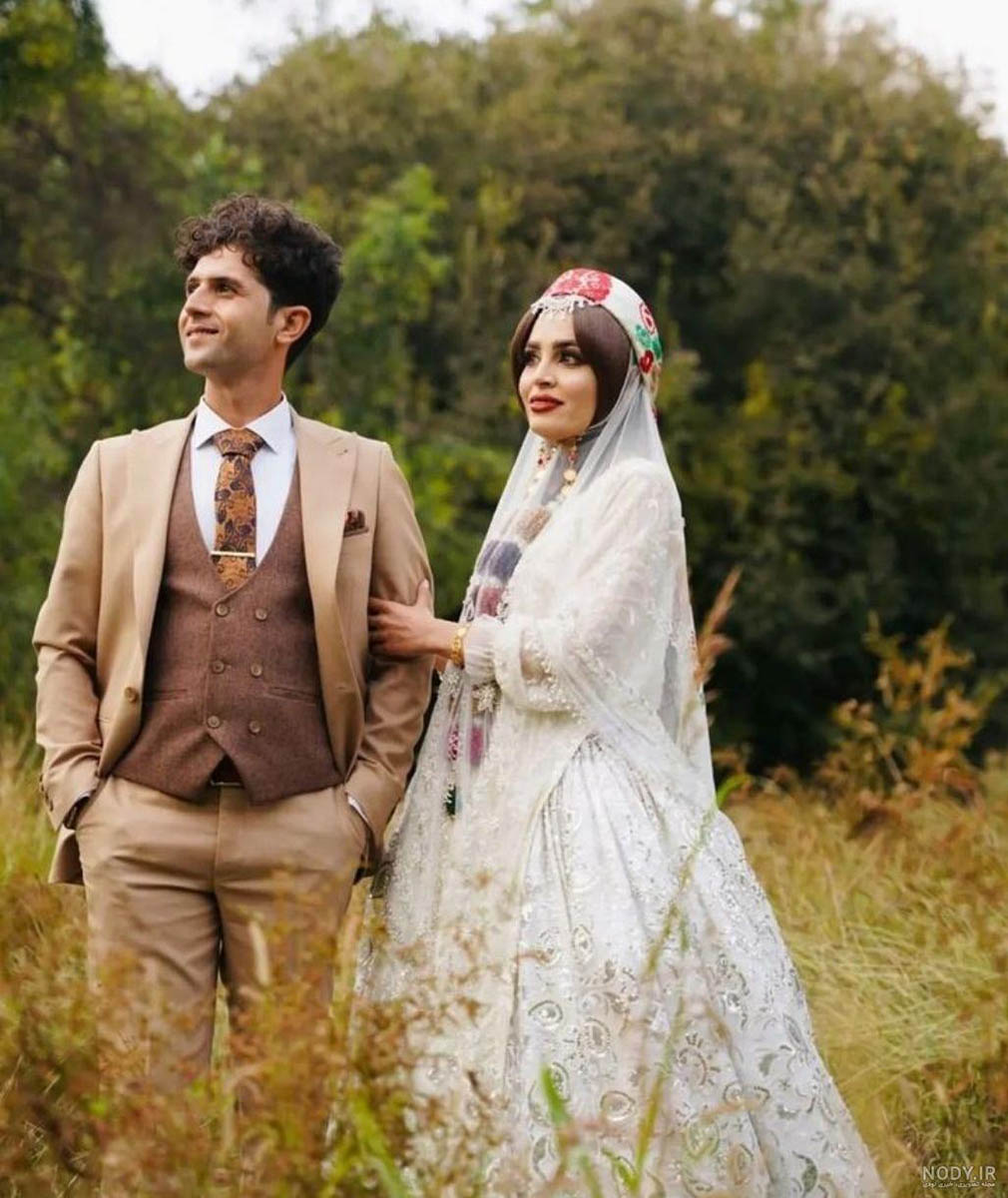
In Persian wedding traditions, accessories carry deep cultural meaning. They add both beauty and symbolism to the bride’s outfit, enriching the overall significance of the attire. These pieces are carefully chosen to reflect the bride’s heritage and enhance the overall elegance of her wedding day look. Here are five must-have accessories in traditional Persian bridal fashion:
Gold Jewelry
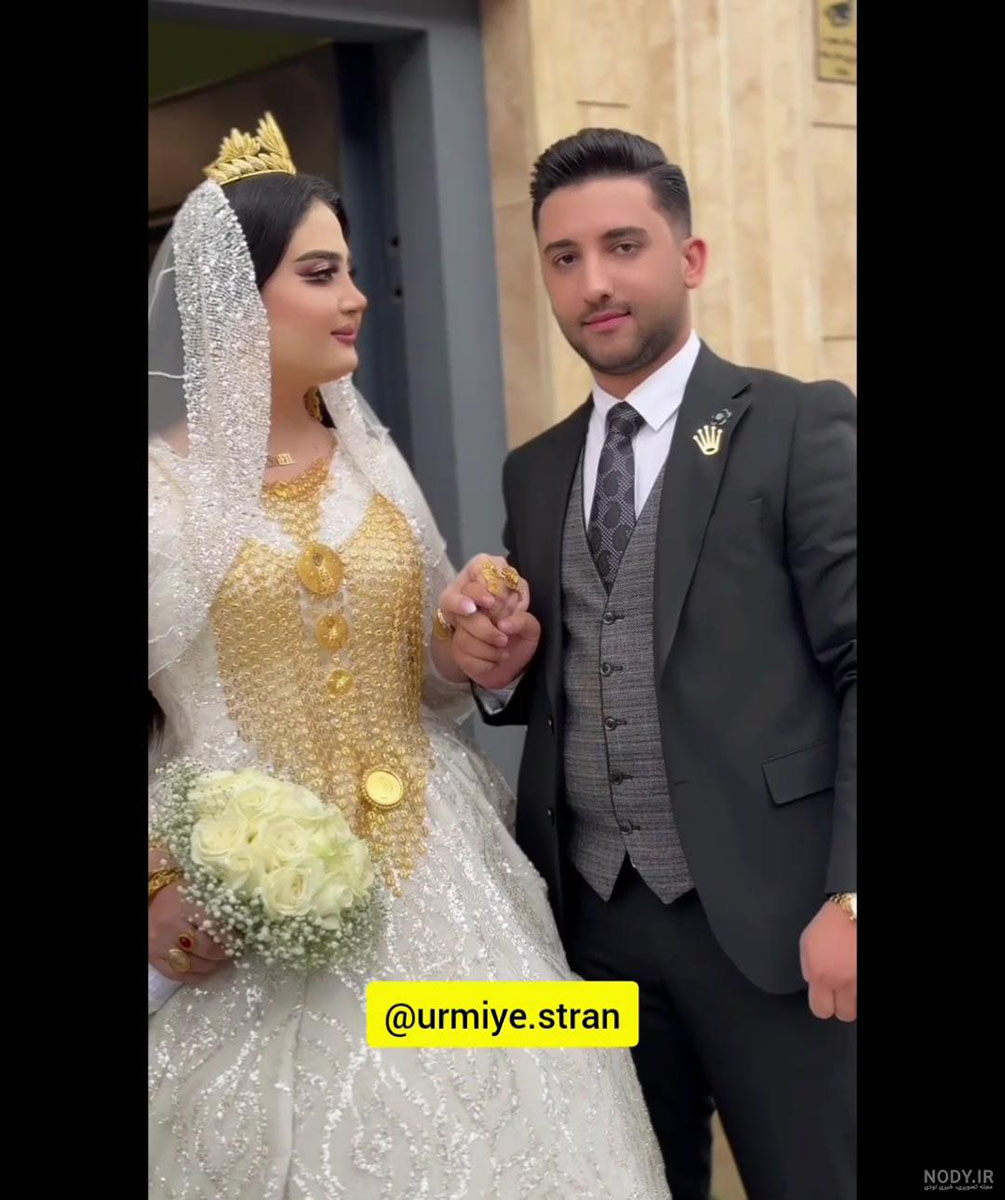
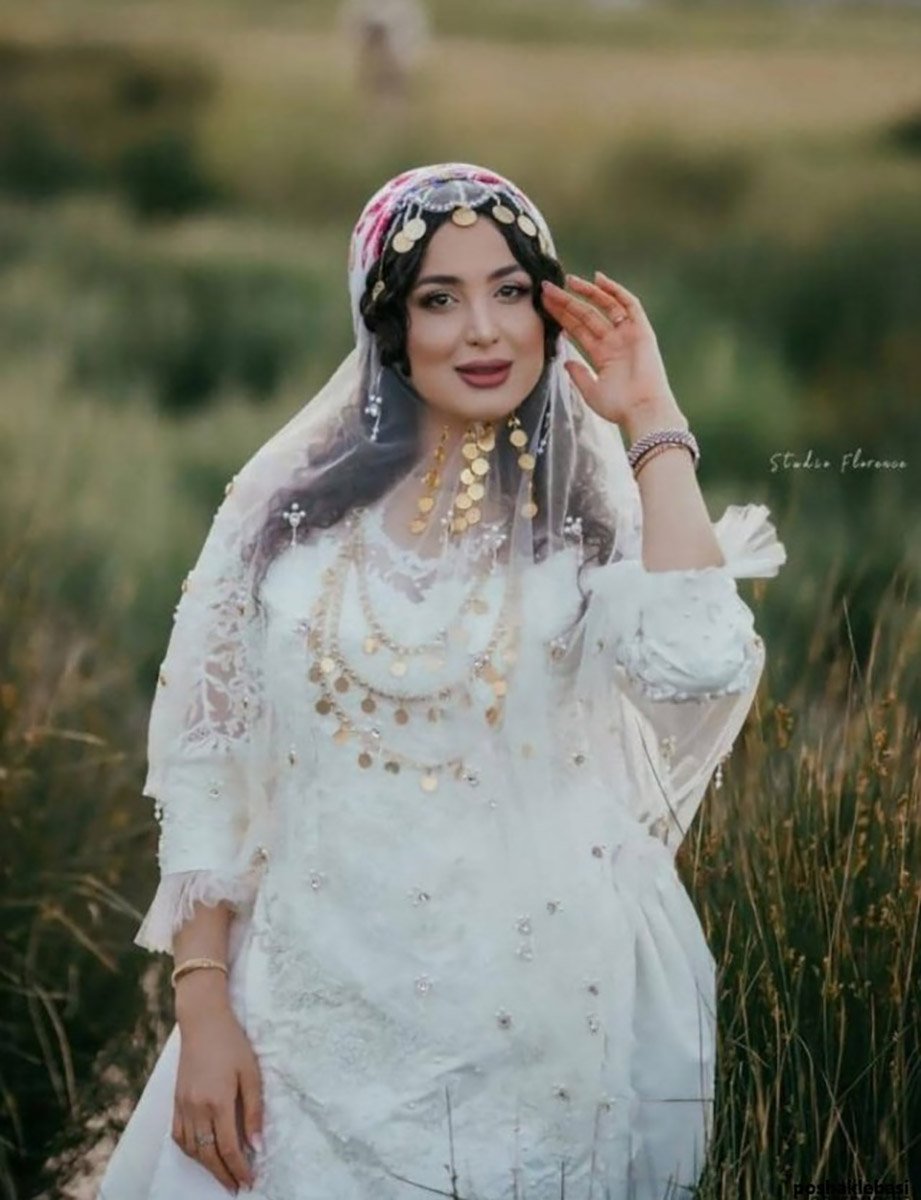
Gold jewelry is a key part of Persian bridal fashion, symbolizing wealth, prosperity, and strong family ties. These pieces are often passed down through generations, carrying emotional and cultural weight.
- Gold Earrings: Brides wear gold earrings to show good fortune. They also celebrate the wealth and happiness that marriage brings.
- Necklaces and Bracelets: Gold necklaces and bracelets have special designs. They show the bride’s connection to her family and traditions.
Embroidered Veil (Rooband)
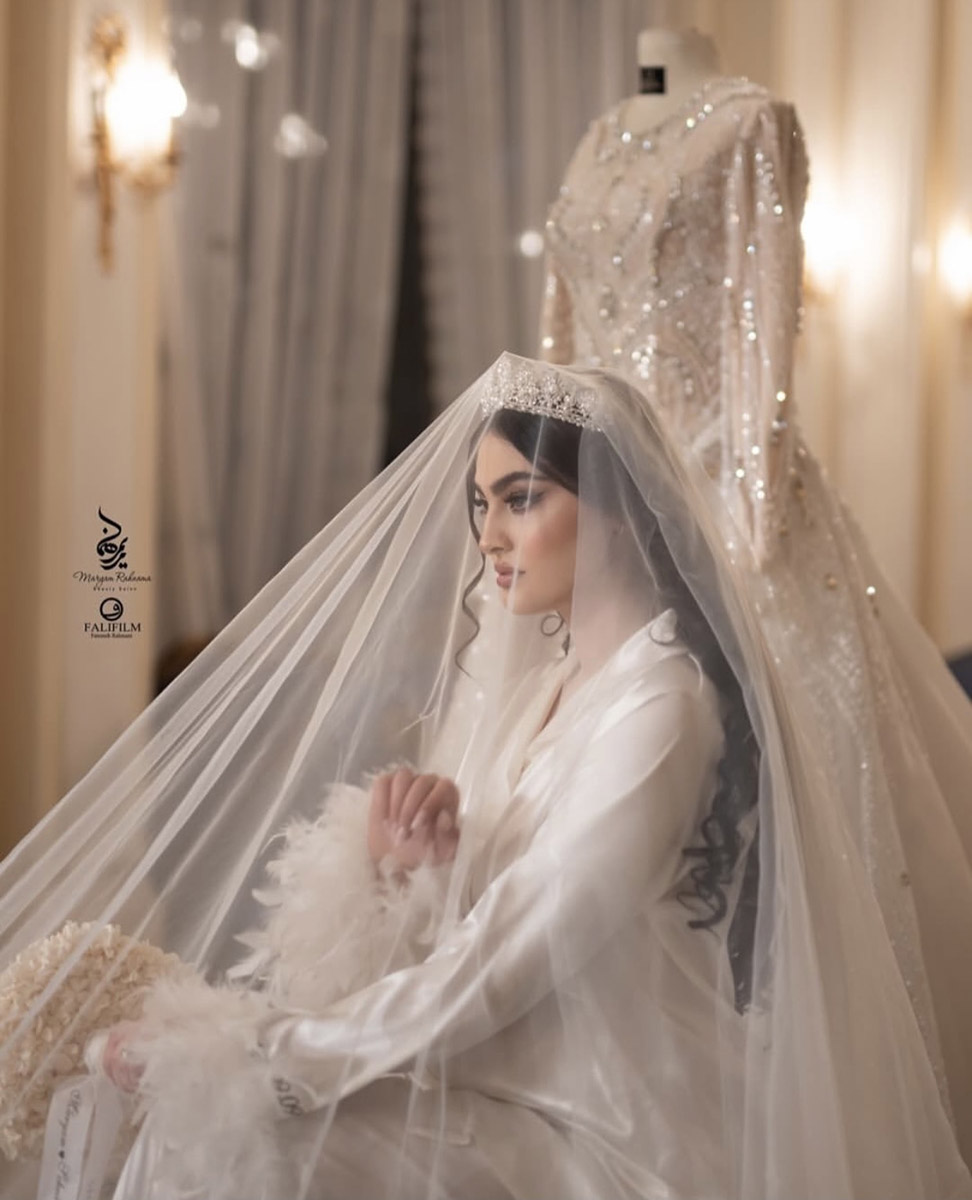
The embroidered veil, called Rooband, is a traditional Persian accessory. It adds beauty and special meaning to the bride’s outfit. It represents modesty and the bride’s transition into married life.
- Intricate Embroidery: Persian veils often have hand-embroidered designs. This makes them a special and meaningful part of the bride’s outfit.
- Cultural Symbol: The veil is not just decorative; it symbolizes the purity and respect central to Iranian costumes.
See Also Traditional Indonesian Wedding Dress
Headpieces and Crowns
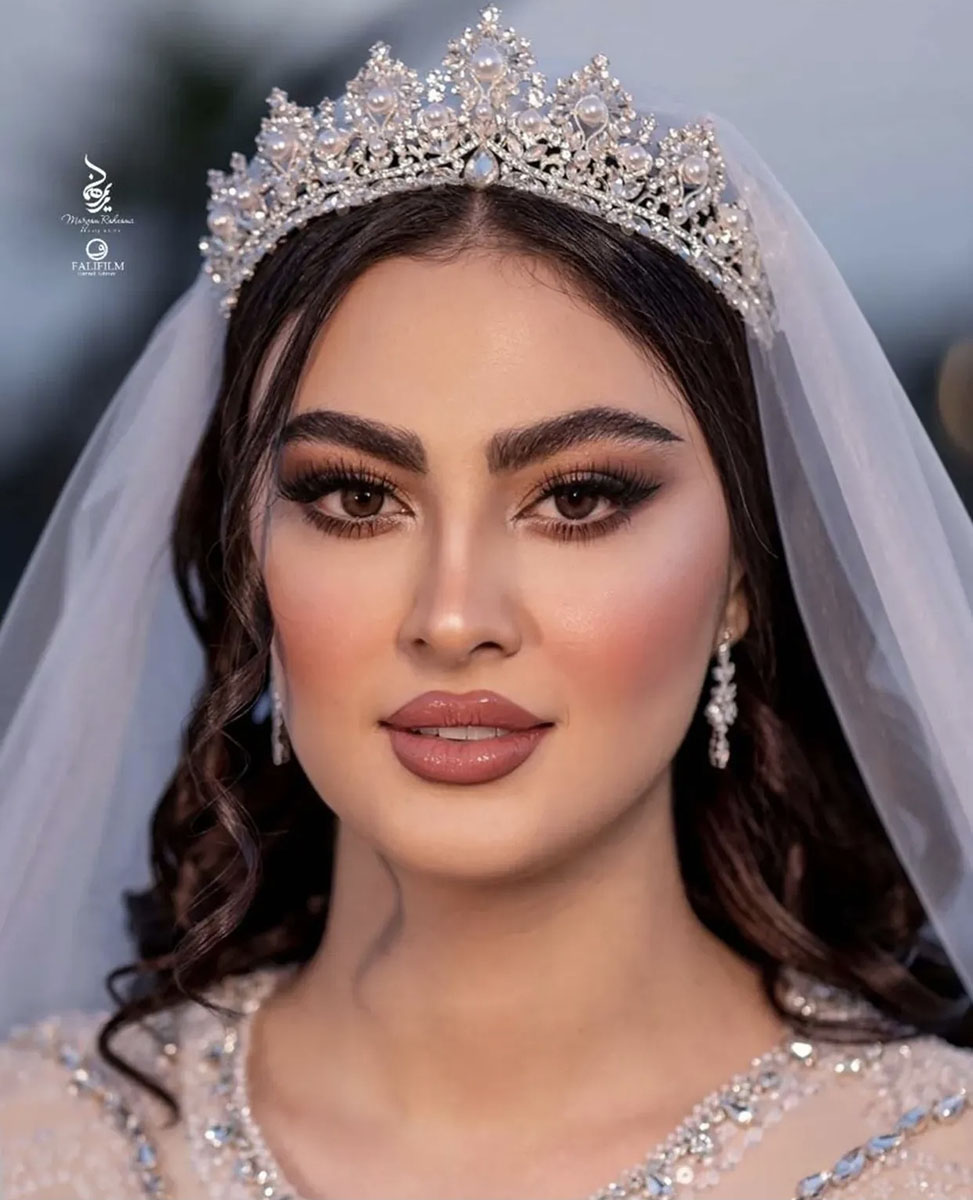
Headpieces, often decorated with jewels or pearls, are a key accessory in Persian bridal fashion. These pieces highlight the bride’s beauty and add a regal touch to her look.
- Jeweled Crowns: Brides may wear small crowns or tiaras to show they are the “queen” of the ceremony. These crowns represent elegance and nobility.
- Decorative Headpieces: Sometimes, brides wear floral or beaded headpieces. These headpieces go well with the gown and add traditional beauty.
At a recent wedding, I saw a bride wearing a beautiful crown, adorned with jewels and gold. It perfectly complemented her dress, adding a regal touch and making her feel like royalty on her special day.
Henna (Mehndi)
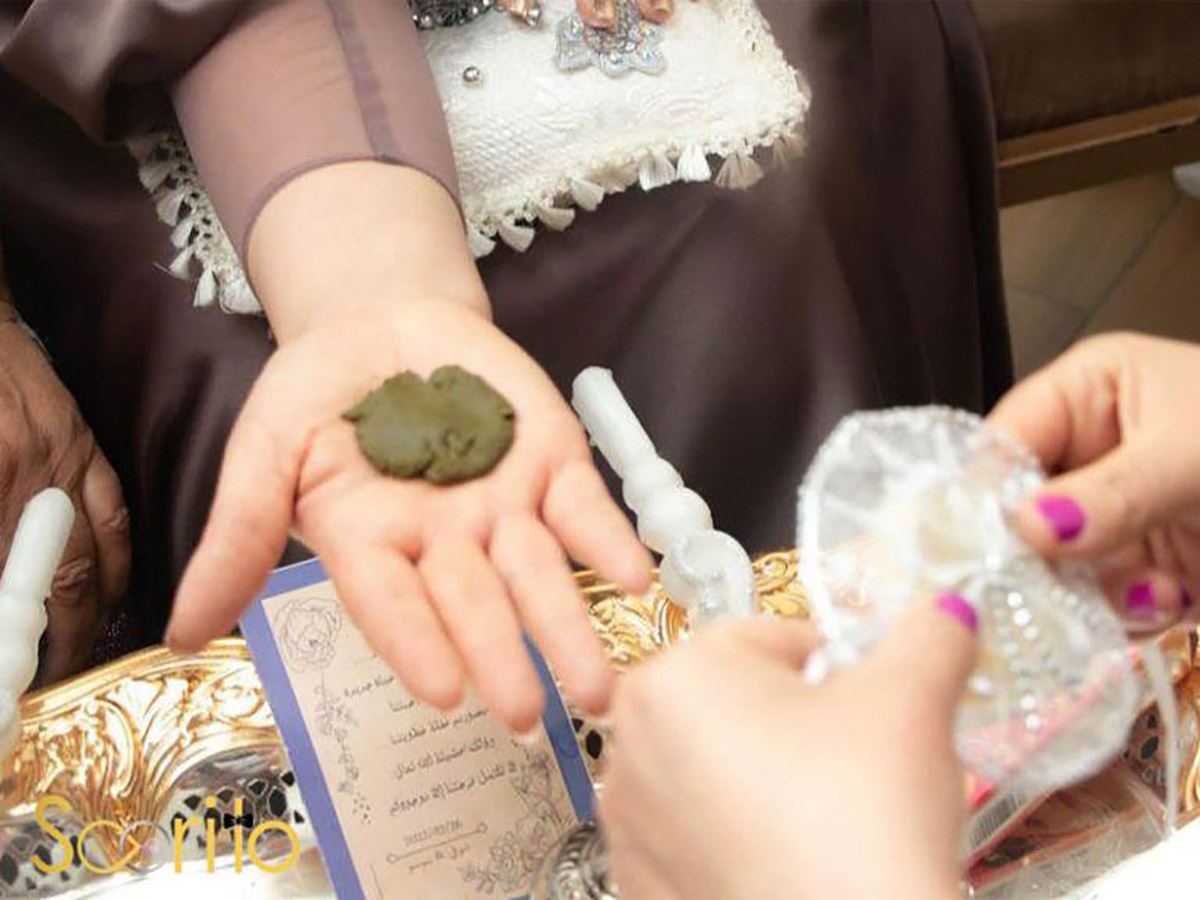
Applying henna is a cherished tradition in Persian weddings. Brides have intricate henna designs painted on their hands and feet before the wedding as a symbol of joy and good luck.
- Floral and Geometric Designs: These patterns are pretty. They also have deep cultural meaning. They often symbolize love and protection.
- Blessings for the Future: The application of henna represents blessings for the bride’s new life and her marriage journey.
According to the article Henna in Encyclopædia Iranica, Hanā Bandān, or Henna Night, is a significant pre‑wedding ritual in Iran. It involves applying henna to the bride’s hands and sometimes her feet, symbolizing prosperity, good fortune, and protection for the couple’s future.
The ceremony is often accompanied by music, celebration, and lighting candles, marking the beginning of the wedding festivities. The tradition continues to be a vibrant part of Iranian weddings.
Shawl (Shawl-e Aroos)
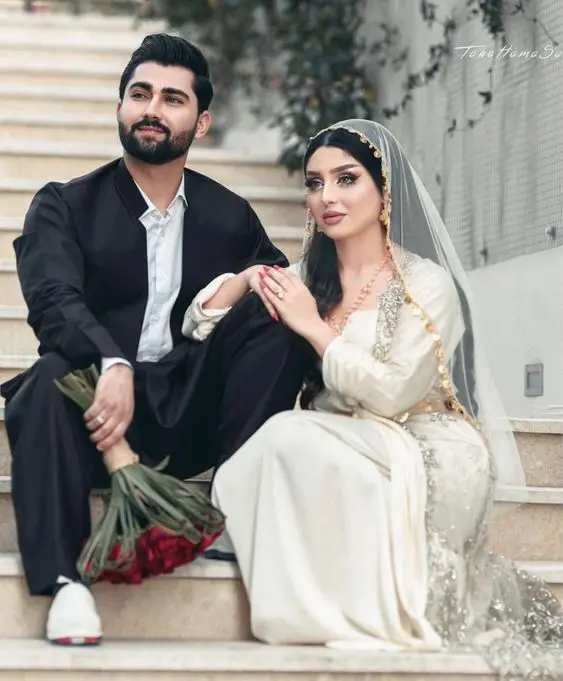
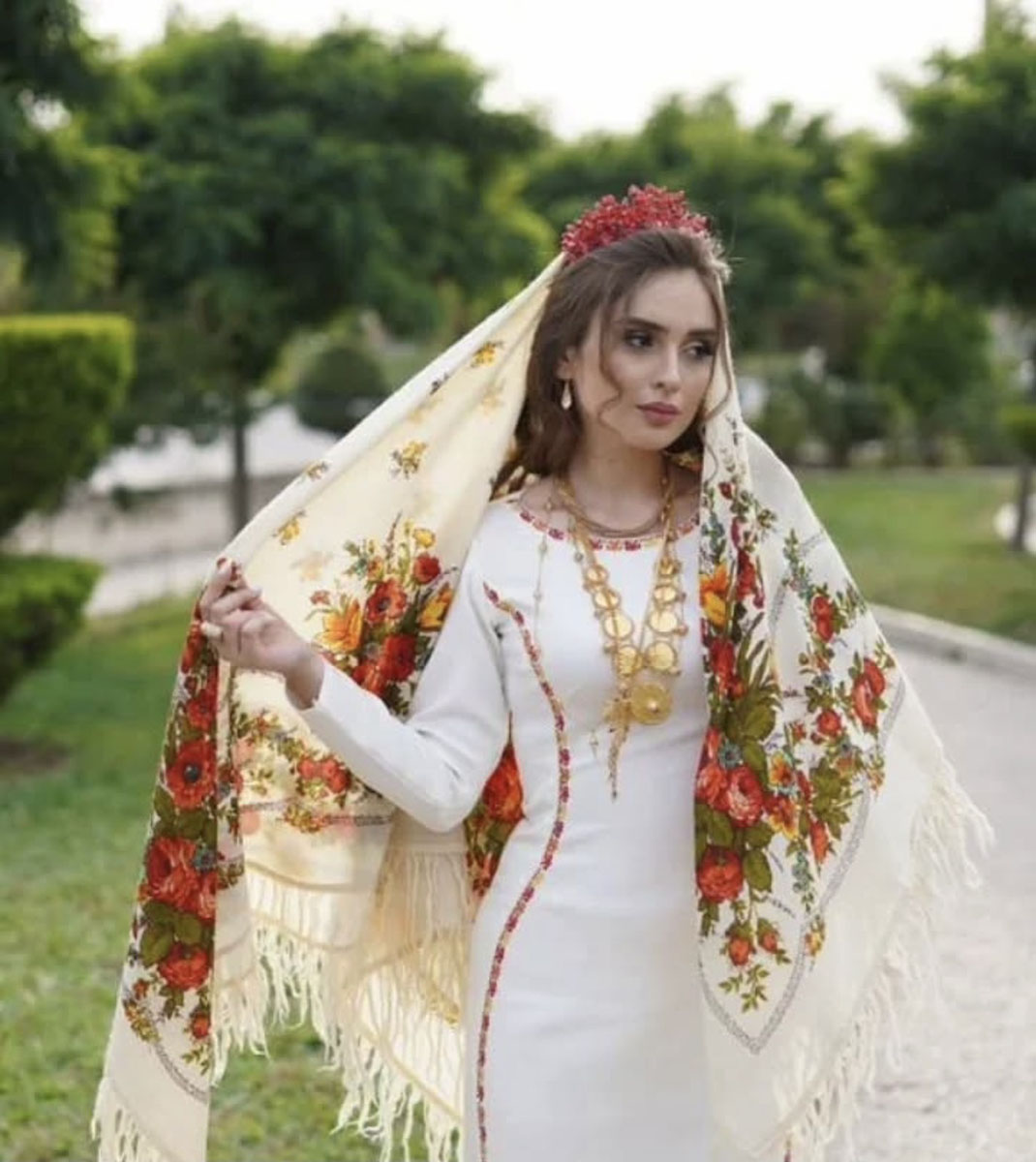
A decorative shawl is a must-have for Persian brides, adding elegance and cultural depth to the wedding attire.
- Luxurious Fabrics: Shawls are usually made from rich materials like silk or velvet. They are often embroidered to show traditional designs.
- Symbol of Tradition: The shawl is draped over the bride’s shoulders. It adds elegance and shows the family’s pride and the bride’s cultural connection.
These five accessories are very important in Persian bridal fashion. They mix beauty with tradition. This makes the bride look elegant and gives her a meaningful appearance on her wedding day.
5. Regional Styles of Persian Wedding Dresses
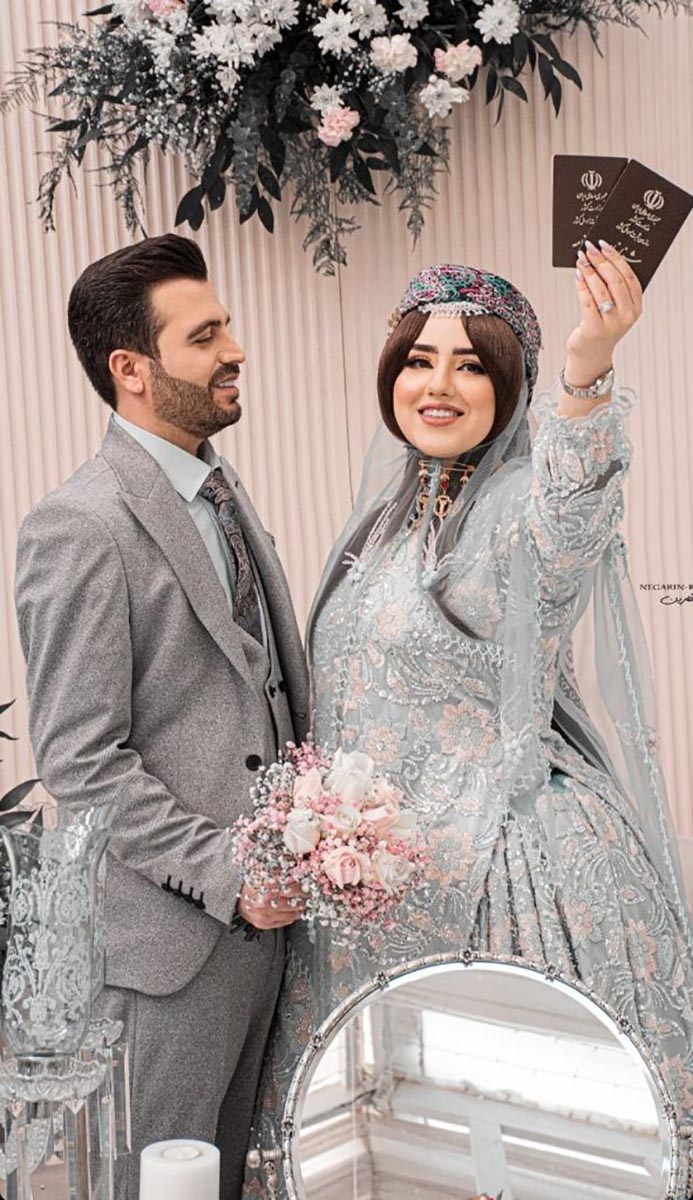
Persian wedding dresses are very different in various parts of Iran. This shows the many cultural influences, traditions, and climates in the country. Each area adds its special style to bridal fashion. This includes different fabric choices and decorations.
These unique styles highlight the rich traditions of Iranian weddings. Here are some of the notable regional styles that contribute to the beauty of Persian weddings.
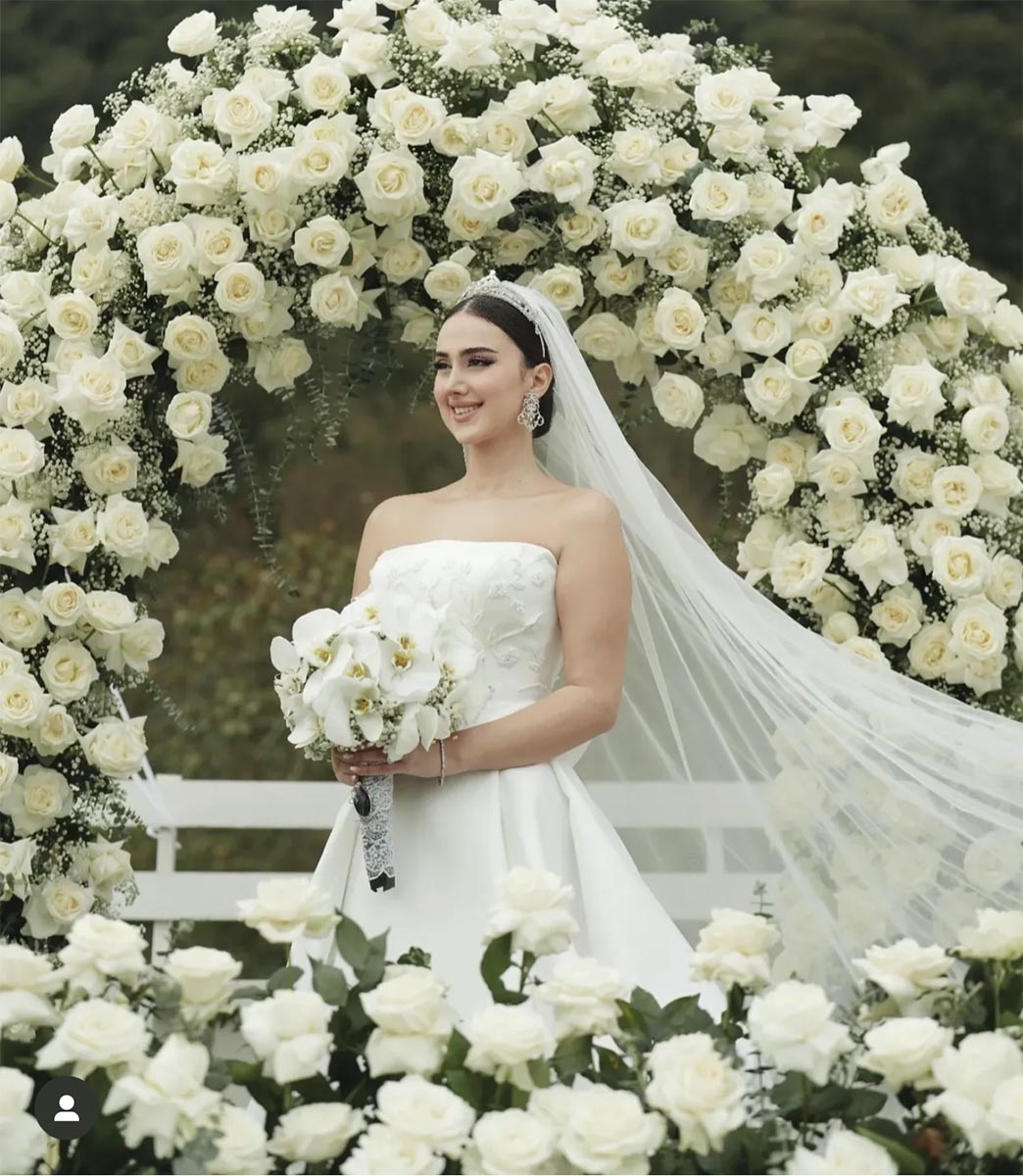
- Tehran and Urban Centers: In cities like Tehran, Persian brides blend traditional and modern styles for their wedding dresses. Many opt for classic Western gowns but incorporate Persian details, like intricate embroidery and meaningful jewelry. These elegant dresses are often made of luxurious fabrics like silk and satin, featuring long trains and fitted silhouettes that reflect both contemporary fashion and traditional customs.
- Kurdish Regions: Brides in Kurdish areas wear bright, heavily embroidered gowns in vivid colors like red, green, and gold, symbolizing fertility and prosperity. These layered dresses are paired with fancy jewelry, including large necklaces and headpieces, and often include silver coins for good luck.
- Azeri Regions: In Azeri regions, bridal fashion combines Iranian and Turkic influences. Azeri brides typically wear fitted gowns adorned with rich embroidery and bright silk scarves. Their dresses feature elegant shapes and floral designs symbolizing unity. Gold jewelry, like necklaces and bracelets, is also common, showcasing wealth.
- Southern Coastal Areas: In southern Iran, wedding dresses are lighter to suit the warm climate. Brides often wear flowing cotton or linen gowns with colorful patterns and local embroidery. The Bandari style features brightly patterned dresses with vibrant scarves, inspired by the sea’s blues and greens.
- Lorestan and Bakhtiari Tribes: In Lorestan and Bakhtiari regions, brides wear modest gowns that reflect their nomadic heritage. These dresses have long sleeves and layered skirts, made from thick fabrics for warmth. Bold colors and embroidered belts accentuate the waist, while handmade jewelry, often passed down through generations, completes their look.
See Also Famous Buildings in Iran
6. Modern Brides and Traditional Persian Attire
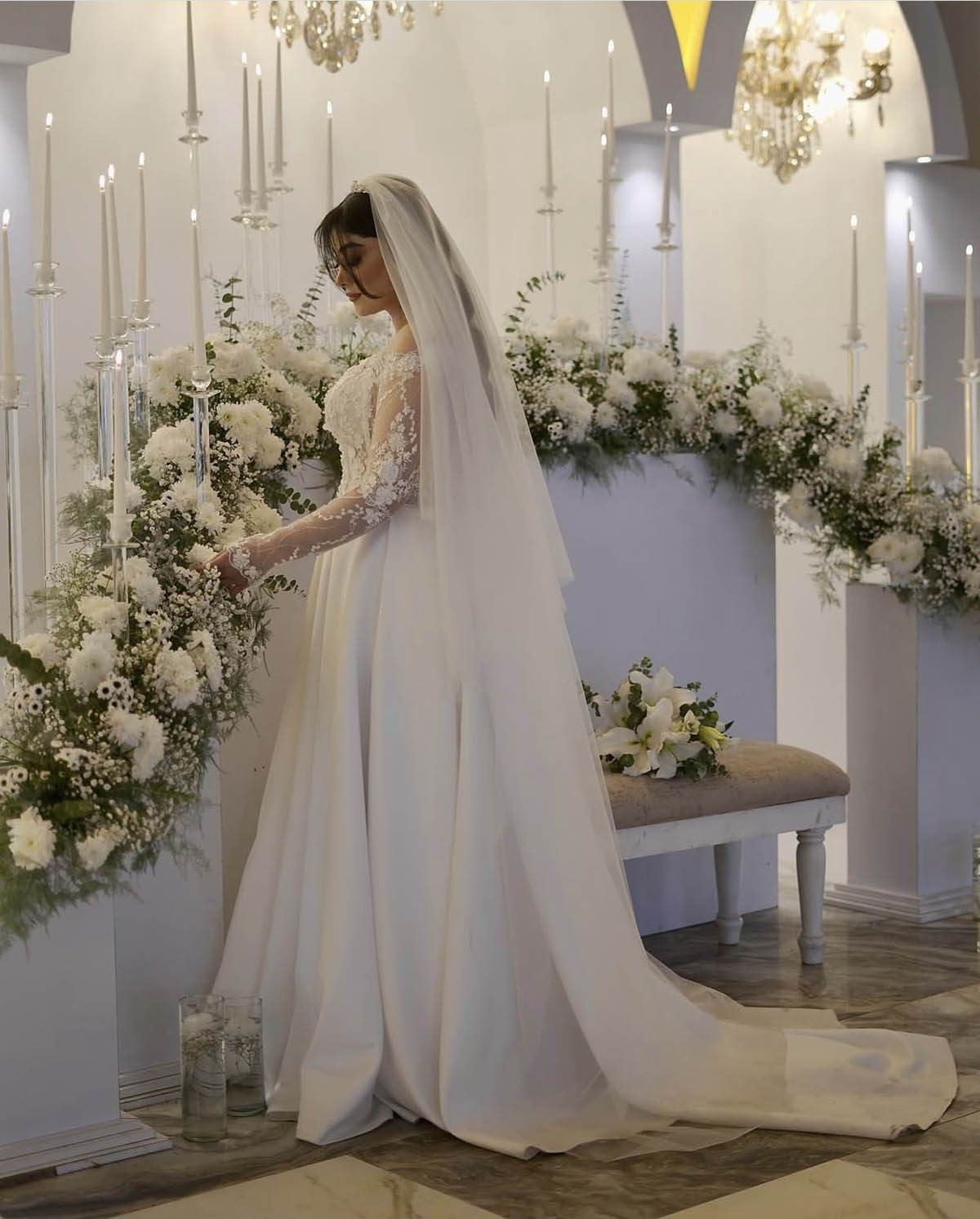
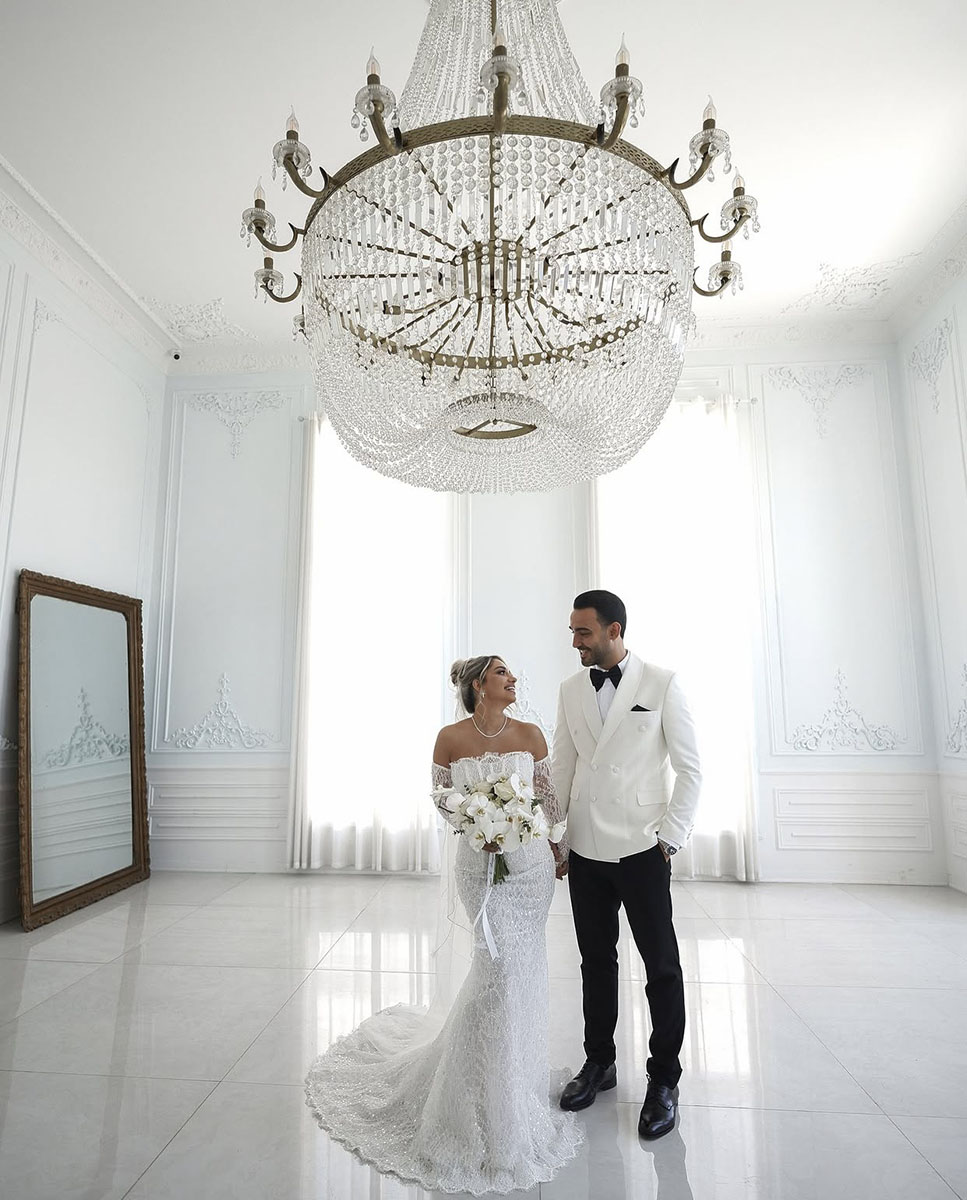
Modern Brides and Traditional Persian Attire are blending timeless tradition with contemporary elegance. Today’s brides often combine traditional Persian wedding dresses with modern elements such as minimalist designs and modern fabrics.
While many still opt for the luxurious silk and intricate embroidery of traditional dresses, others integrate contemporary styles like A-line silhouettes and streamlined veils. The result is a fusion of cultural heritage and modern bridal trends, allowing brides to honor their Persian roots while embracing current fashion.

Traditional Persian Wedding Dress: A Recap
The traditional Persian wedding dress is far more than just an outfit—it embodies Iranian women’s fashion, culture, and heritage. Rooted in ancient Persian traditions, each gown tells a story through intricate embroidery, handwoven fabrics, and gold jewelry, symbolizing love, prosperity, and harmony.
Whether it’s a rich silk dress or an embroidered veil, every detail reflects a deep connection to Iranian identity.
Today, modern brides skillfully blend traditional Iranian clothing with contemporary styles, honoring both history and modernity. I recently saw a bride wear a stunning dress that combined vibrant Persian motifs with a sleek modern cut, and it was a beautiful fusion of past and present.
As Persian weddings are known for their elegant attire and rich celebrations, the wedding dress remains a central symbol of the bride’s heritage and the couple’s future together.