

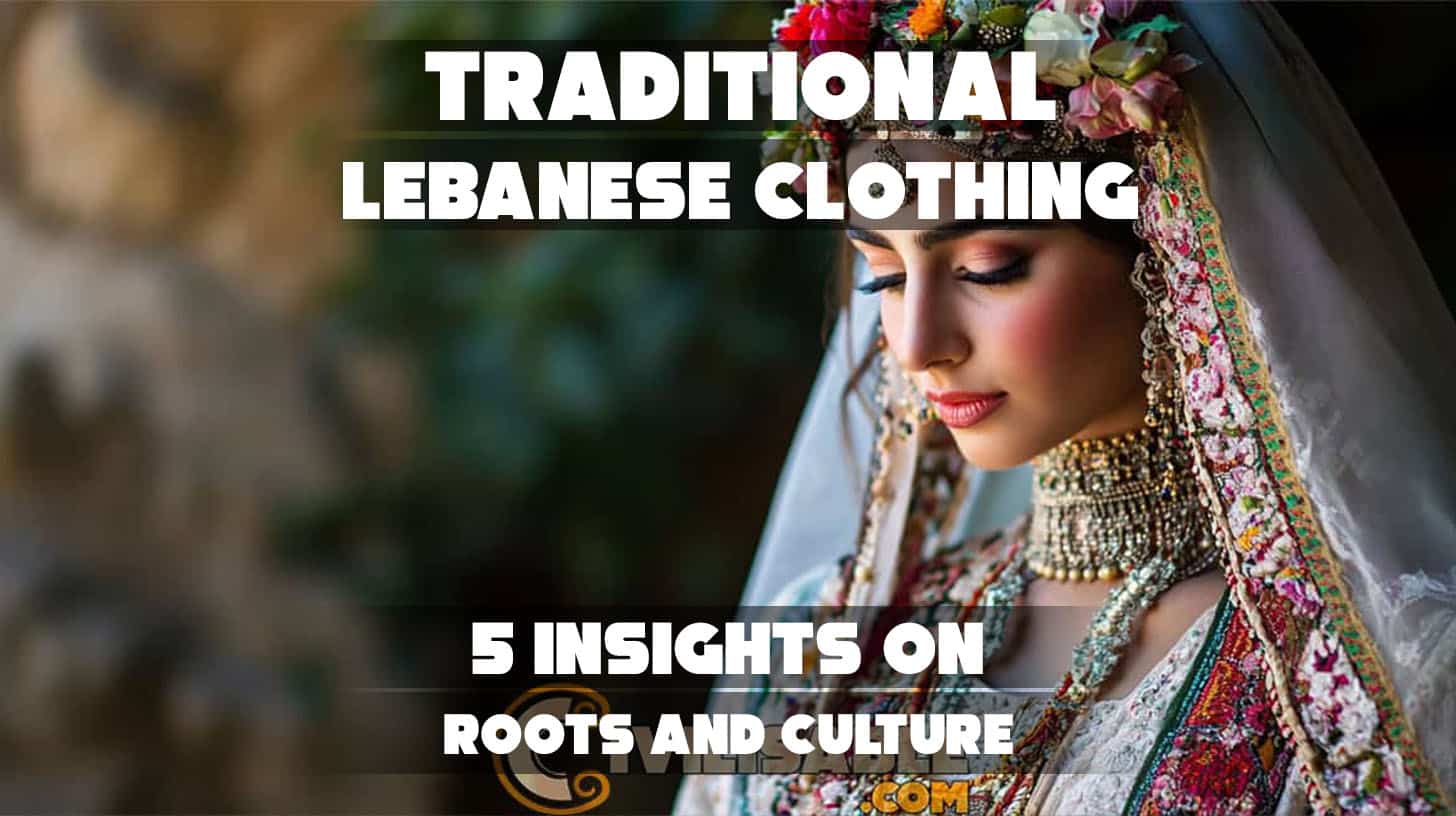

Are you struggling to express your cultural identity through fashion? You’re not alone. Many individuals seek to connect with their heritage while navigating modern trends.
At a Lebanese festival, I noticed women wearing bright Taraz and Jabiyah dresses and men in Sherwal and thobes—their clothes full of color and detail, truly bringing the tradition to life.
As a passionate advocate for traditional Lebanese attire, We understand the complexities of blending cultural pride with contemporary style. With years of experience, I can guide you through this path.
In this article, we’ll explore:
- The historical roots of Lebanese clothing
- Classic styles for men and women
- Notable vintage outfits and regional variations
By the end, you’ll appreciate how traditional garments can enrich your style, fostering a deeper connection to your roots.


1. History and Influence of Lebanese Clothing Styles

Lebanese clothing has evolved through centuries of cultural exchange, shaped by the many civilizations that passed through or settled in the region. Because Lebanon sits at the crossroads of Asia, Africa, and Europe, its clothing styles naturally became a blend of Arab, Ottoman, and Mediterranean influences. What people wore often reflected their village, religion, social status, and even the seasons.
Traditional Lebanese garments were usually made from natural materials like silk, cotton, and wool, often woven by local artisans. These fabrics came to life with rich colors, geometric patterns, and detailed embroidery that carried symbolic meanings.
For men, the iconic Sherwal was paired with a fitted vest or jacket, reflecting both practicality and elegance. Women wore long, flowing dresses decorated with taraz, the intricate hand embroidery that differs from one region to another. Each stitch and pattern could tell a story about the wearer’s family, heritage, or village.
One of the most striking traditional accessories is the Tantour, a tall silver cone worn by women during the 18th and 19th centuries, often symbolizing wealth or marital status. Other garments such as the Abaya, Kaftan, and elaborately embroidered coats also played important roles in daily life and celebrations.
According to 365 Days of Lebanon – “The Traditional Dress”, Lebanese clothing reflects diverse influences, featuring sherwal trousers, embroidered gowns, and regional headpieces like the tantour. These garments highlight Lebanon’s heritage, identity, and the cultural stories woven into traditional attire.
While modern Lebanese fashion blends contemporary tastes with global trends, many designers continue to draw inspiration from these historical elements. Today, a mix of old and new styles lives on, whether in embroidered evening gowns, revived Sherwal designs, or accessories that echo traditional craftsmanship. Every piece carries a thread of Lebanon’s cultural identity, keeping its heritage alive through the art of clothing.
See Also Traditional Saudi Arabian Clothing
2. Classic Lebanese Style
Women’s Clothing

Lebanese traditional clothing for women reflects Middle East heritage, blending Ottoman period influences. The traditional dress often includes embroidered gowns, colorful fabrics, and ornate accessories. Each Lebanese costume varies by region, showcasing local identity and craftsmanship while preserving cultural history through elegant, symbolic attire of the Lebanese people across generations.
Lebanese women’s traditional clothing is colorful and detailed. The Taraz is a fitted dress with bright colors like red, pink, and yellow. Lebanese women’s clothing varies between urban and rural styles, with common features like covering most of the body. It is made from silk or cotton and has beautiful, richly embroidered sleeves that can be detached and reattached.
The abaya is a loose robe, often worn to show modesty and elegance. Women also wear embroidered scarves. In the past, some women wore the tantour, a tall, cone-shaped headdress that showed status. Women used to wear silky veils as part of their attire in the nineteenth century. These clothes and accessories are important in Lebanese culture.
Men’s Clothing

Lebanese man attire long ago drew on Phoenician times, featuring tunics with fitted legs for mobility and dignity. Garments often incorporated silver thread to signify status and craftsmanship. This traditional male clothing reflected regional identity, practicality, and enduring cultural aesthetics that shaped Lebanon’s evolving dress heritage over many past centuries.
Men’s traditional clothing in Lebanon includes the sherwal, which are loose pants made of cotton or wool. These pants are worn with a long shirt and a vest or jacket. A notable garment is the hip-length jacket, prevalent among the Bedouin community, characterized by its length and lack of fastenings.
The outfit usually has dark colors and patterns. The Gambaz is a loose shirt often worn over the Sherwal. For special occasions, men wear a kufiya, a traditional headscarf. Belts and shoes are also worn to complete the look. These clothes are practical but also show style and culture.

3. Notable Vintage Outfits
Thobe and Abaya

The thobe is a long, loose dress worn by women in Lebanon. It has bright colors and detailed embroidery. The abaya is also a loose robe for women, often worn with a scarf. Both outfits show cultural pride and are worn during festivals and special events. These clothes are important in Lebanese traditions.
Last spring, while walking through a busy Middle Eastern market, I noticed a group of women wearing beautifully colorful abayas. The fabrics moved like soft waves, bright turquoise, deep plum, and warm gold. Their abayas transformed the entire street, adding a quiet, effortless elegance to the lively scene.
Tantour
The tantour is a distinctive headdress worn by women in Lebanon, particularly in rural areas. It has a cone shape that sits on top of the head. The tantour can be made from fabric or metal, including an ornate silver cone that symbolizes rank and wealth. It is often adorned with intricate beadwork or embroidery. Wearing a tantour signifies a woman’s status, including her marital status.
Women used to wear silky veils as part of their attire, adding to the elegance of their traditional clothing. The tantour complements traditional Lebanese clothing and showcases the artistry and craftsmanship of local artisans. The tantour reflects cultural heritage and remains an important symbol in Lebanese traditions.
Sherwal
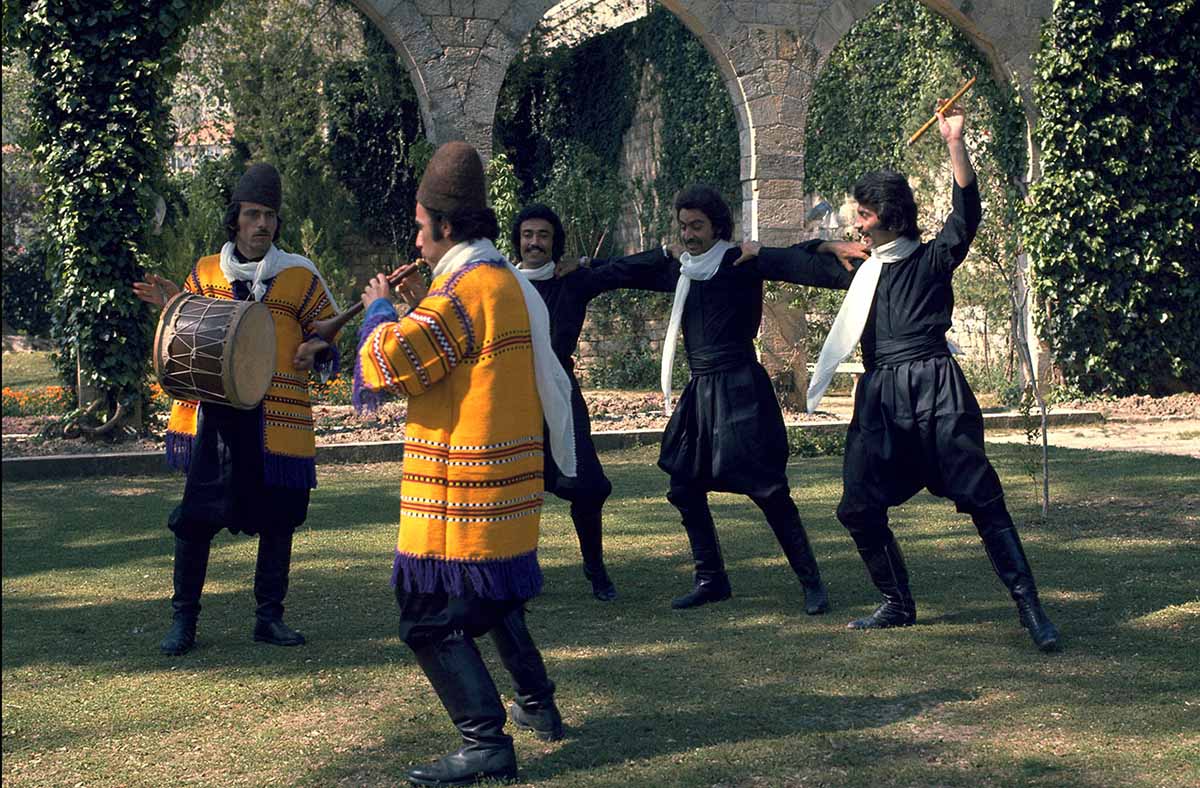
The Lebanese sherwal is a traditional garment distinguished by its loose, draped form and tapered ankles. Historically worn across Lebanon and the wider Levant, it offered comfort and mobility for daily work, travel, and dance. Made from cotton, wool, or linen, the sherwal was often paired with a vest or embroidered jacket.
Its design varies by region, some styles are baggier, while others are more fitted. During the Ottoman era, the sherwal became even more widespread, symbolizing both practicality and cultural identity. Today, it appears in folkloric dance, cultural festivals, and modern fashion, preserving a strong connection to Lebanese heritage.
Fez
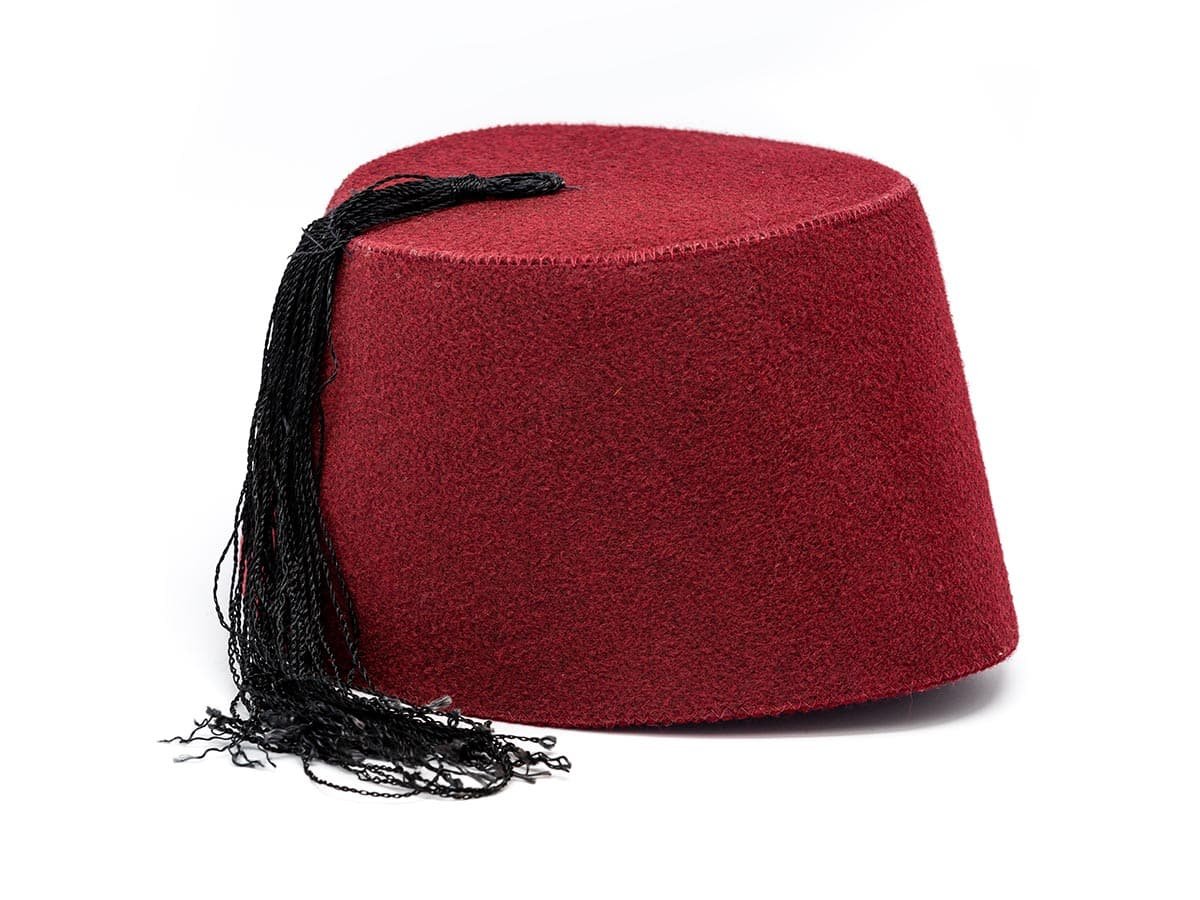
The Fez is a distinctive part of Lebanese traditional clothing, commonly worn by Lebanese men in past centuries. This red, cylindrical hat with a black tassel was popular among Arabs across the Middle East, symbolizing social status and cultural identity.
In Lebanon, the Fez complemented long robes, sherwals, and embroidered jackets, completing the traditional male attire. Though less common today, it remains an iconic representation of Lebanese heritage and Arab influence in historical dress, often seen in cultural festivals and folkloric performances.
According to the article “The Fez and the Ottoman Path to Modernity” on the Fashion History Timeline, the fez was introduced in the 19th century as part of a wide‑ranging effort to modernize fashion across the Ottoman Empire, in replacing complex traditional turbans, the fez became the emblematic headgear of almost all male citizens, uniting social classes under a shared sartorial identity.
Traditional Lebanese Bridal Wear

Traditional bridal attire in Lebanon is colorful and beautifully designed. Bridal dresses are made with layers of shiny silk and lace, often decorated with detailed embroidery. A key part of the outfit is the mahr, a special belt worn around the waist that shows wealth and family ties.
Brides also wear a stunning headdress with flowers and intricate designs. These elements are important in Lebanese wedding traditions, representing cultural heritage and family unity through skilled craftsmanship.
Footwear and Accessories
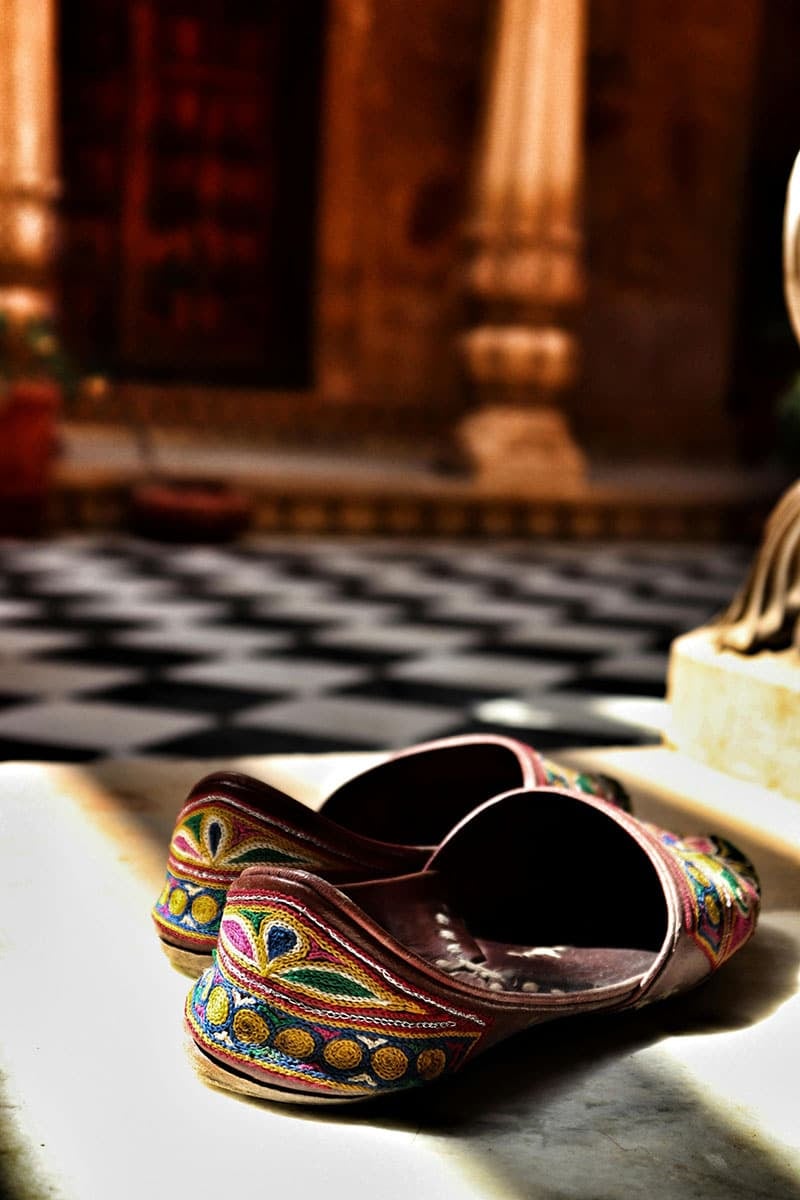
Men and women historically wore Kab-Kab (clogs), wooden-soled shoes ideal for everyday use, along with leather sandals for warmer climates. Boots were common in rural areas for protection, while modern western shoes gradually became part of daily attire.
Accessories included embroidered belts, jewelry like necklaces, bracelets, and rings, as well as headpieces and scarves that complemented outfits. Handbags and ornate pouches were also used for carrying essentials. Together, these items highlight Lebanon’s rich craftsmanship and the seamless fusion of traditional and contemporary influences in dress.
See Also Traditional Qatari Clothing
4. Folk Costumes in Different Regions
North Lebanon

In North Lebanon, traditional costumes are colorful and detailed. Women often wear the taraz, a dress with beautiful embroidery. Common colors include red, blue, and yellow, which have special meanings.
Men wear Sherwal trousers, which are baggy, and a decorative vest or jacket. These clothes are made from lightweight materials for the warm climate. Men also wear a keffiyeh, a traditional headscarf that adds to the outfit.
South Lebanon

In South Lebanon, traditional clothing reflects the area’s agricultural roots. Women wear the Jabiyah, a long gown that is often embroidered and made from cotton or linen. They usually pair it with a matching scarf.
Men typically wear a thobe or dishdasha, which is a loose robe suitable for hot weather. This garment is made from lightweight fabrics and often comes in muted colors like black or brown. Leather belts and traditional shoes are important accessories for both men and women.

5. Pattern of Lebanese Attire

Lebanese clothing shows many patterns and styles that reflect the country’s rich culture. Men’s traditional wear includes Sherwals, which are baggy trousers often worn in dark colors with stripes. They are paired with a shirt, vest, or jacket and sometimes a headdress.
Bright colors are used for festive outfits. For women, the Gambaz is a long dress with side slits that show baggy pants underneath. Women often have beautiful embroidery on their dresses. Another popular garment is the Taraz, a form-fitting dress made from silk or cotton in bright colors like red and pink, usually worn with a matching headscarf. Patterns in Lebanese clothing can show social status and regional identity.
Traditional clothing, including accessories like kabkabs, belts, and jewelry, often features intricate patterns and luxurious embellishments that reflect cultural significance and social status. Traditional clothing has changed over time but still connects to its heritage, using locally sourced fabrics.
See Also Traditions of Lebanon
Traditional Lebanese Clothing: A Recap
Traditional Lebanese clothing beautifully reflects the country’s rich culture and history. Each region has its own unique outfits, telling stories of identity and heritage through bright colors and intricate designs.
I remember walking through a village festival and seeing women in flowing Taraz and Jabiyah dresses, their embroidery glowing in the sunlight, while men wore Sherwal and thobes with pride.
Accessories like the tantour and mahr add special meaning. Worn during festivals and important events, these garments make people feel deeply connected to their roots and keep cultural traditions alive for future generations.