Ever wondered about the history behind traditional French clothing? You’re not alone. Many are fascinated by how French fashion reflects the country’s culture, heritage, and regional identity.
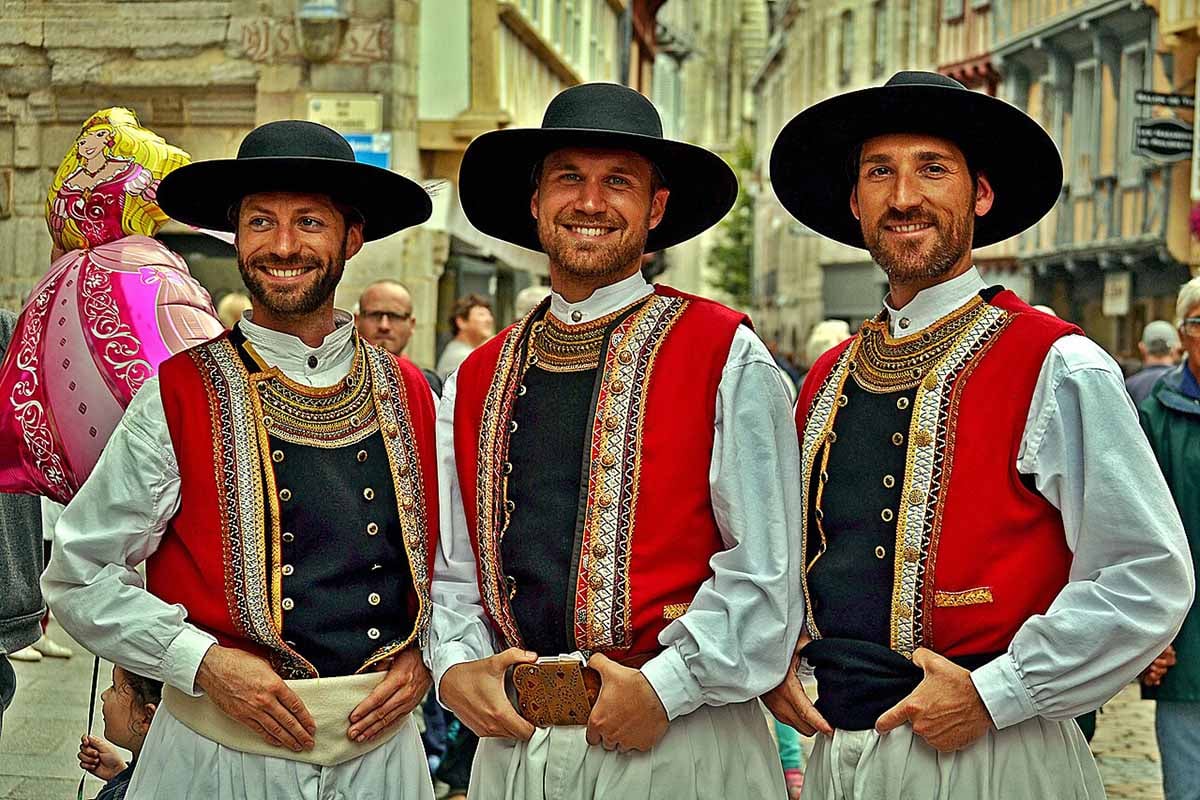
I once attended a festival in Brittany, where I saw locals in their traditional French attire, and I was amazed by the intricate embroidery and bold colors. It wasn’t just clothing; it was a direct connection to France’s rich cultural history.
Whether you’re planning to attend a cultural event, preparing for a school project, or simply curious about France’s fashion history, this article will guide you.
In this article, you’ll learn:
- The evolution of traditional French clothing
- Regional styles like Basque and Brittany
- The symbolism behind colors and patterns
Keep reading to dive into this fascinating part of France’s heritage, and discover why traditional French clothing remains so significant today.
1. Historical Context and Origins of French Fashion

The historical context and origins of traditional French clothing are deeply rooted in the country’s diverse regional costumes, which evolved over centuries. During the Roman Empire, the influence of Roman fashion spread across France, contributing to the early development of garments like tunics and cloaks.
In the Middle Ages, traditional French attire became more distinct, with each region developing its own unique styles. For instance, in the Basque Country, traditional clothing is marked by vibrant colors and distinctive accessories.
The influence of the Mediterranean Sea also shaped the clothing of coastal regions, including Nouvelle Aquitaine, where lighter, breezier fabrics were favored. Over time, these regional variations influenced the overall spectrum of traditional clothes in France.
Today, these garments, such as the iconic beret and coats, remain symbols of French heritage, often showcased in the traditional dresses of France.
According to Stitch in time: A quick guide to French folk costumes, traditional French clothing reflects the country’s regional diversity, with each area developing distinct folk costumes. These garments serve as cultural symbols, showcasing historic local identities, materials, and craftsmanship that evolved long before national fashion trends emerged.
See Also French Wedding Traditions
2. Time-honored French Style
Female’s Clothing
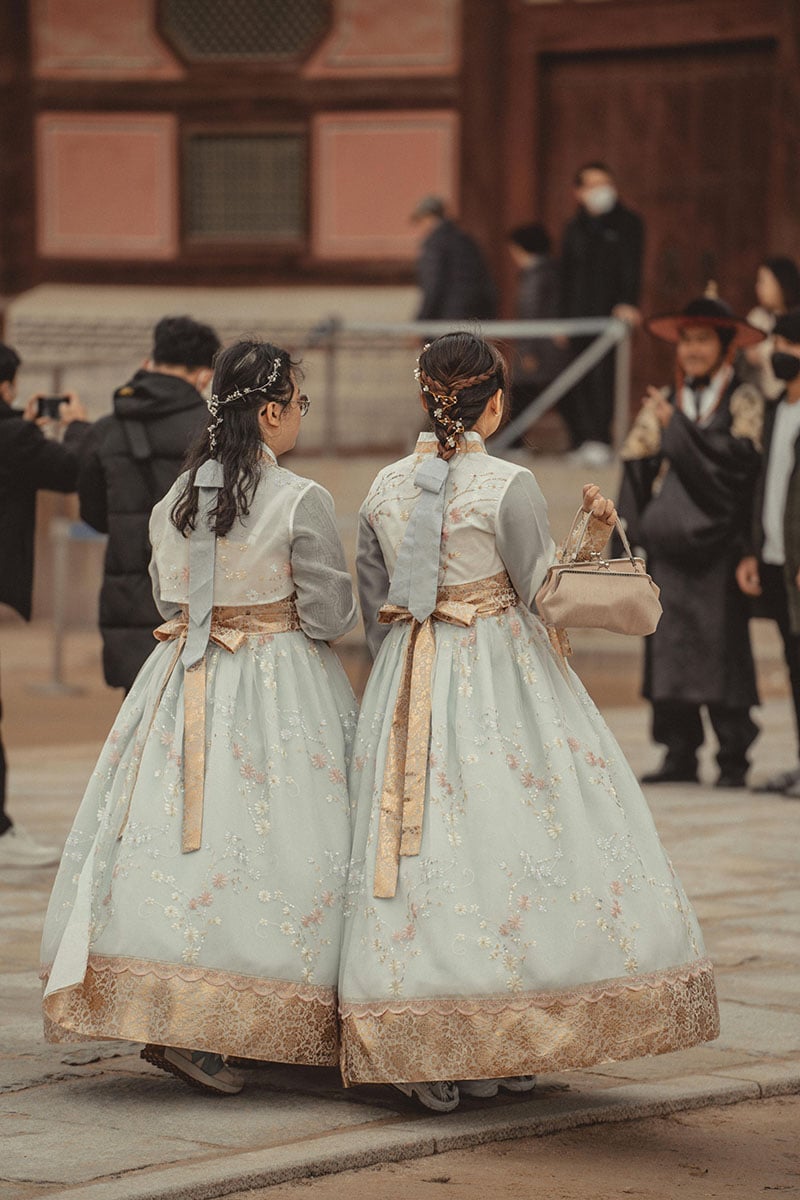
Here’s a list of traditional French clothing for women:
- Petticoat: A full underskirt worn under dresses and skirts, popular during the Victorian era.
- Bretton Stripe Shirt: Classic striped shirt from Brittany, originally worn by sailors, now an iconic casual wear piece.
- Basque Dress: Worn in the Basque Country, featuring a fitted bodice, full skirt, and colorful embroidery.
- Coat (Caban): A woolen, double-breasted coat from Brittany, designed for coastal protection.
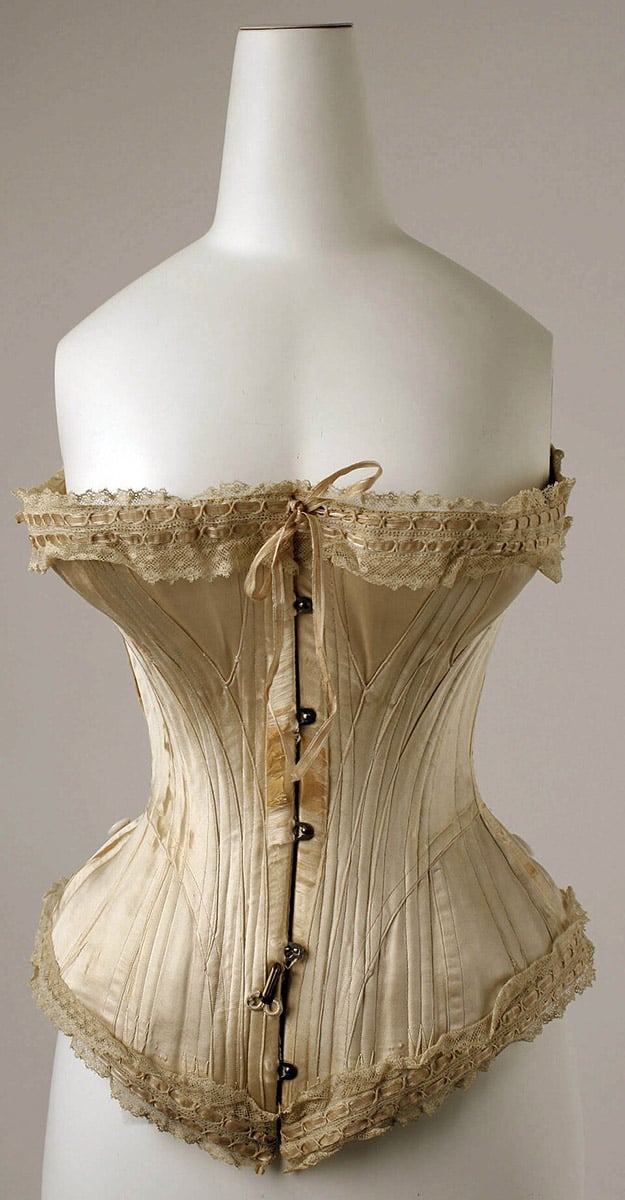
- Corset: Tight-fitting garment from the Middle Ages and Renaissance, shaping the waist and enhancing posture.
- Fichu: A triangular scarf or shawl worn around the neck, popular in the 18th century.
- Chapeau (Hat): Traditional French women’s hats, including the iconic beret.
- Dirndl: A dress from Alsace and Lorraine, featuring a tight bodice, full skirt, and apron.
- Camisole: A traditional undershirt worn beneath dresses, later worn as a standalone piece.
- Provencal Dress: A floral-patterned dress from Provence, made of cotton or linen.
Male’s Clothing
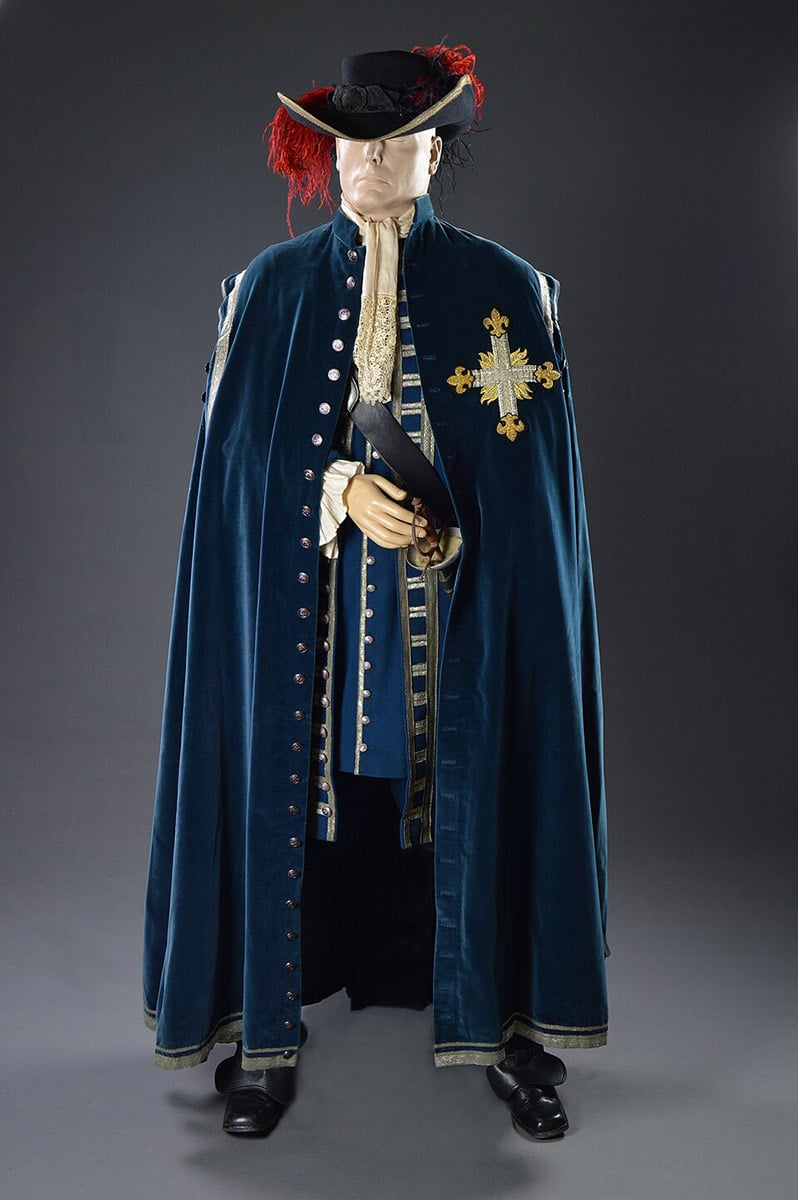
Here’s a list of traditional French clothing for men:
- Gilet: A waistcoat worn under coats, common in 18th-century French formalwear, adding a layer of warmth and style.
- Beret: A soft, round hat, iconic in southern France, symbolizing French identity and worn casually or formally.
- Caban Coat: A woolen, double-breasted coat, traditionally worn by sailors and coastal workers, especially in Brittany.
- Breeches: Knee-length pants worn during the 18th and 19th centuries, often paired with stockings, common in historical French attire.
- Frock Coat: A formal, knee-length coat, popular in the 18th and 19th centuries, worn by French aristocracy.
- Tunic: A simple, loose-fitting garment worn in Medieval France, often paired with a belt.
- Crispin: A traditional hat worn by peasants, usually made from wool or felt, particularly in rural French regions.
- Moleskin Trousers: Heavy, durable pants made from moleskin fabric, worn by working-class men in rural France.
- Chaussettes: Stockings worn by men in Medieval France, often paired with breeches or tunics.
- Veste de Travail: A practical work jacket, often worn by farmers and artisans in Provence and other rural regions.
According to the study The Birth of a Fashion Heritage Consciousness in France, traditional French clothing, including men’s costumes, began being systematically documented in the 19th century. The study highlights how French historical garments, both male and regional, were considered part of material culture, reflecting evolving fashion and regional identities.
3. Traditional French Clothing in Different Eras
The Medieval Era
During medieval times in France, clothing reflected practicality, social standing, and cultural influences. Men typically wore tunics, hose, and cloaks, with styles varying based on their position in society. Nobles favored elaborate designs and rich colors, while commoners dressed in simpler attire made from linen or wool.
Women’s clothing consisted of long dresses with fitted bodices and full skirts, with variations in style depending on social class. Nobility adorned their garments with complex stitching patterns, while commoners wore more modest attire in subdued colors.
Both men and women wore head coverings, such as hoods, veils, or hats, for both practical and symbolic reasons. Footwear ranged from basic leather shoes to more ornate boots with decorative elements.
The Renaissance
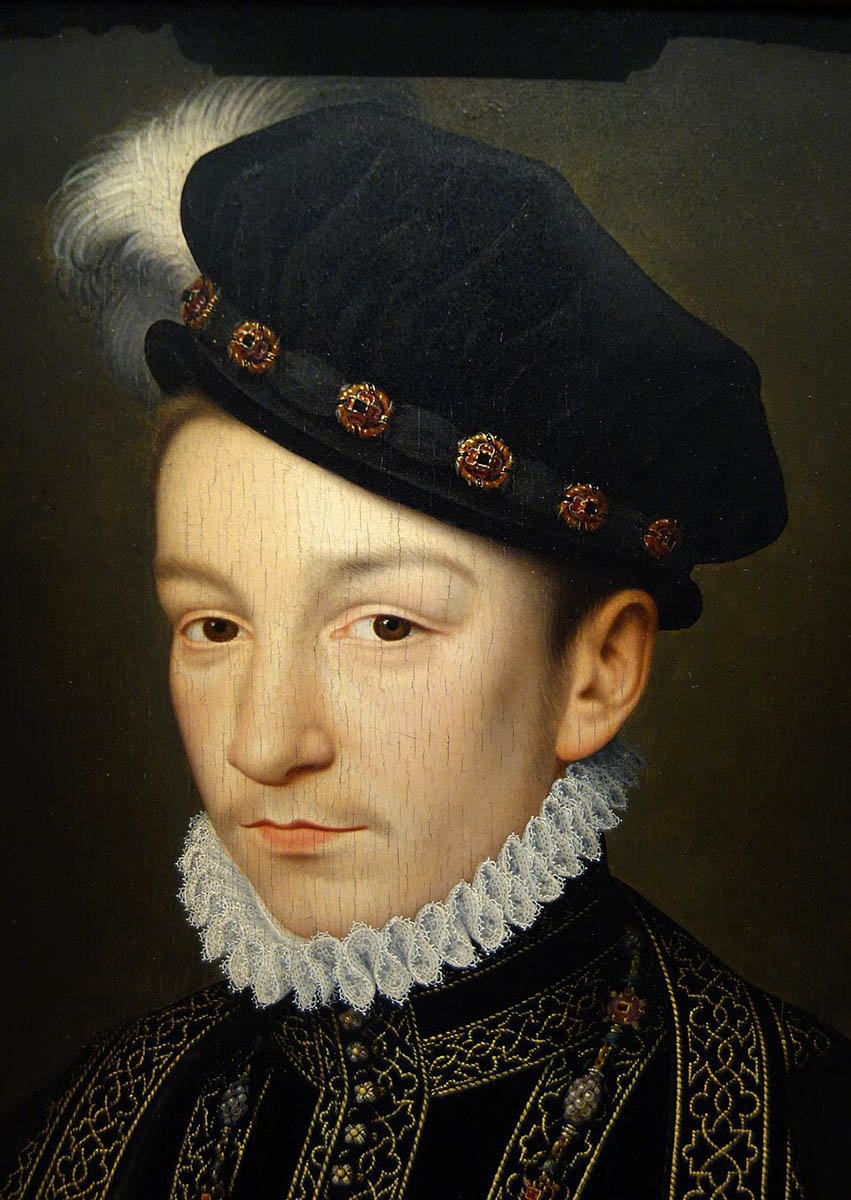
During the French Renaissance, clothing underwent a significant evolution, reflecting the cultural and artistic revival of the era. Fashion became more intricate and refined, showcasing wealth, status, and artistic sensibilities.
Men wore lavish doublets and jackets in silk and velvet, adorned with intricate embroidery. Women donned opulent gowns of silk and satin, embellished with detailed beadwork and lace. They finished their look with elaborate headdresses like the French hood, adorned with jewels and feathers.
Both men and women accessorized their attire with opulent jewelry, including rings, necklaces, and earrings, further enhancing their status and affluence.
According to studies on French Renaissance clothing, the 16th century saw men’s fashion characterized by padded doublets and fitted hose, emphasizing a broad, powerful silhouette. Rich fabrics like silk and velvet were used, reflecting social status and wealth. French fashion was heavily influenced by Italian styles, symbolizing sophistication and power.
The Baroque Era


During the Baroque era in France, attire epitomized opulence and extravagance. Vintage French clothing became increasingly elaborate, showcasing wealth, status, and artistic flair.
In the Baroque era, men donned richly paletot coats, waistcoats, and breeches in luxurious fabrics like silk and brocade, showcasing their social status. Women wore intricate gowns with voluminous skirts and fitted bodices, crafted from opulent materials such as silk and velvet.
Both men and women adopted extravagant fashion to express their status and appreciation for luxury.
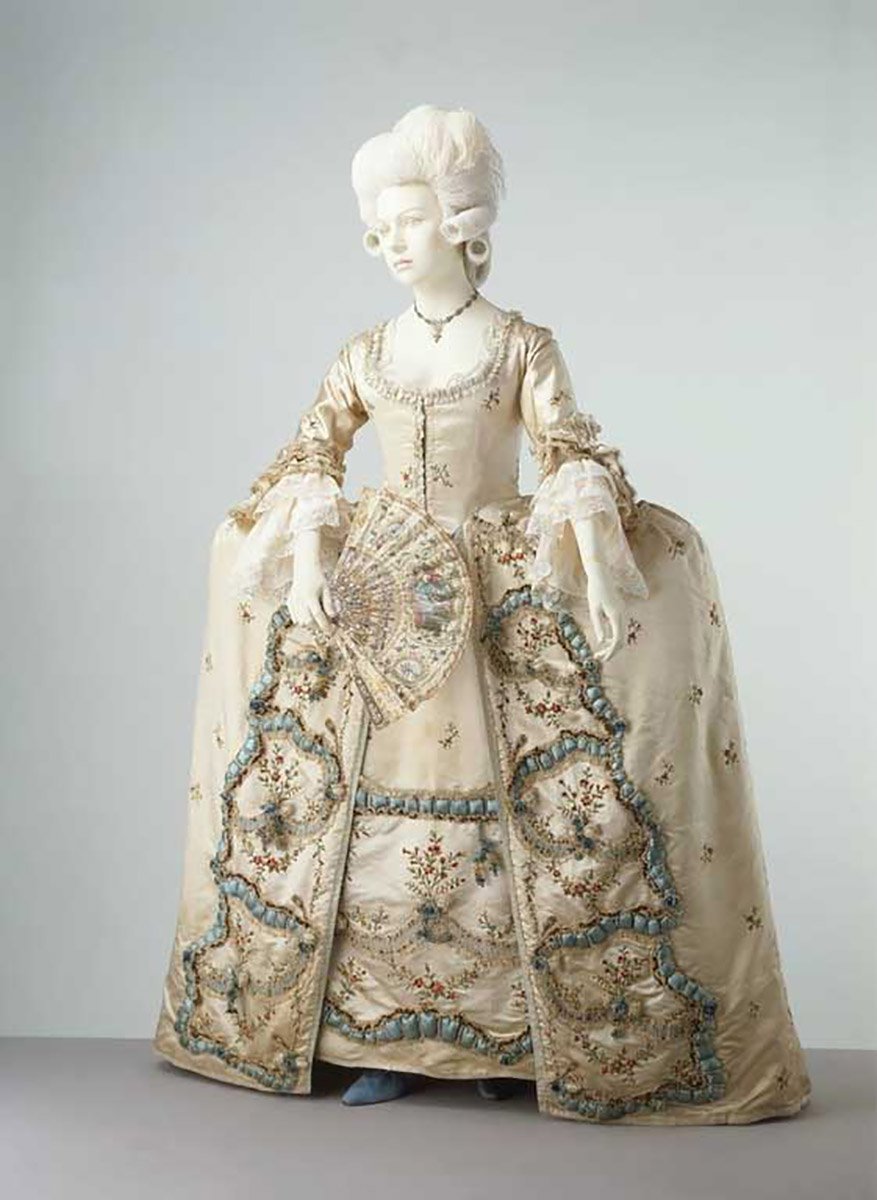
The Rococo Era
In the Rococo era, Vintage French clothing epitomized elegance and extravagance. Fashion became increasingly ornate, showcasing wealth, refinement, and artistic sensibilities.
Men wore finely crafted coats, waistcoats, and breeches in sumptuous fabrics like silk and satin, showcasing intricate details like lace and trimmings. Women’s fashion featured tailored gowns with delicate embellishments, adorned with luxurious materials like silk and lace.
Accessories included opulent jewelry and delicate fans, enhancing elegance.
See Also Traditional Belgian Clothing
4. Sectional Traditional Clothing
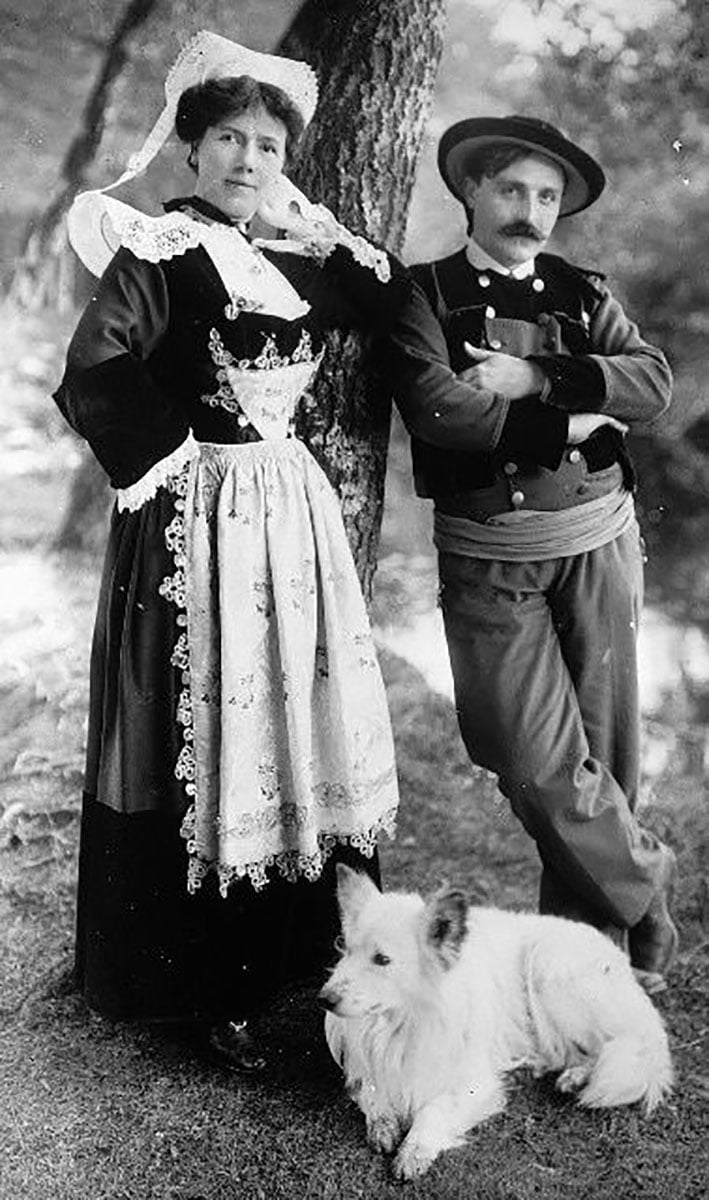
Northern France
In northern France, traditional clothing reflects the region’s heritage and climate. Men wear practical garments like wool coats and trousers, often with traditional headwear. Women opt for dresses or skirts with blouses or sweaters, accessorizing with scarves or shawls.
Fabrics like wool and cotton are common, showcasing traditional patterns unique to the region.
Southern France

In southern France, traditional attire reflects the region’s vibrant culture and Mediterranean climate. For men, lightweight garments like linen shirts and trousers are common, while women often wear colorful dresses or skirts with cotton or silk fabrics.
Accessories such as scarves and hats add flair to the ensemble, embodying the region’s ease and elegance.
5. Religious Traditional Clothing
Protestant

In French Protestant communities’ outfits reflect religious values and regional customs with an emphasis on modesty and simplicity. Men often wear simple suits or trousers with shirts, while women prefer modest dresses or skirts paired with blouses.
Accessories such as scarves or hats may be worn to add a touch of personal style while still adhering to simplicity and modesty.
See Also Traditional Italian Clothing
The Jews
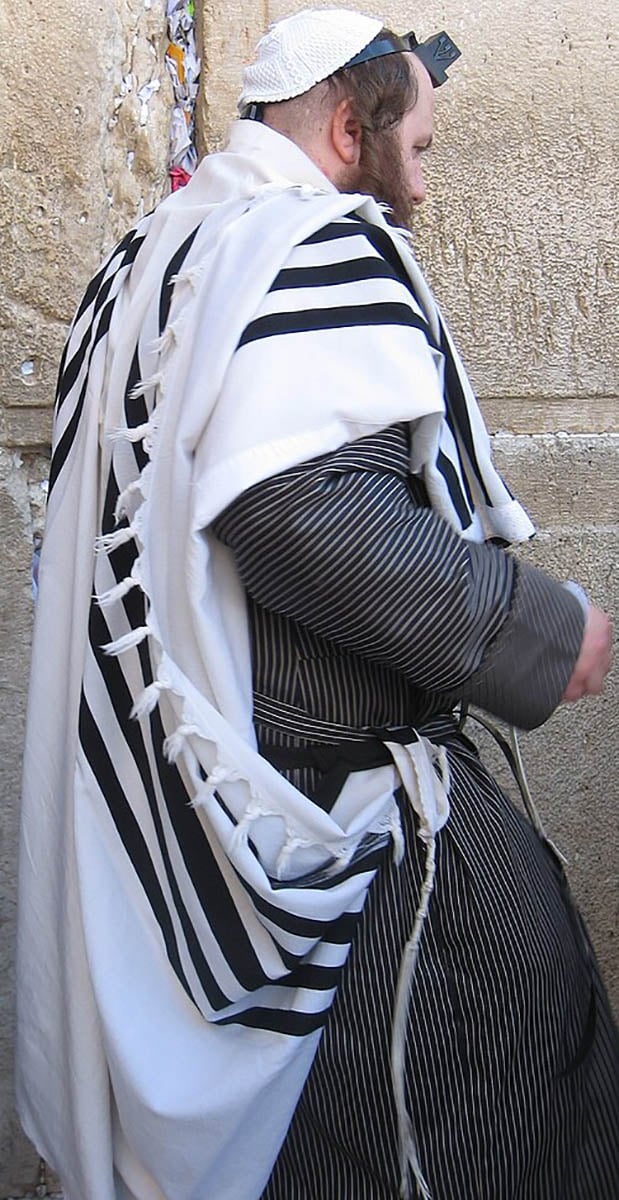
In French Jewish communities’ clothing echoes religious traditions and cultural legacy, emphasizing adherence to religious laws and traditions. Men often wear traditional garments like the tallit and kippah for religious ceremonies, along with suits or blemishes for formal occasions.
Women’s attire typically includes simple dresses or skirts with high necklines and sleeves that cover the elbows, according to religious guidelines. Married women may also wear head coverings such as scarves or wigs as part of their religious observance.
Orthodox Christian Vestments
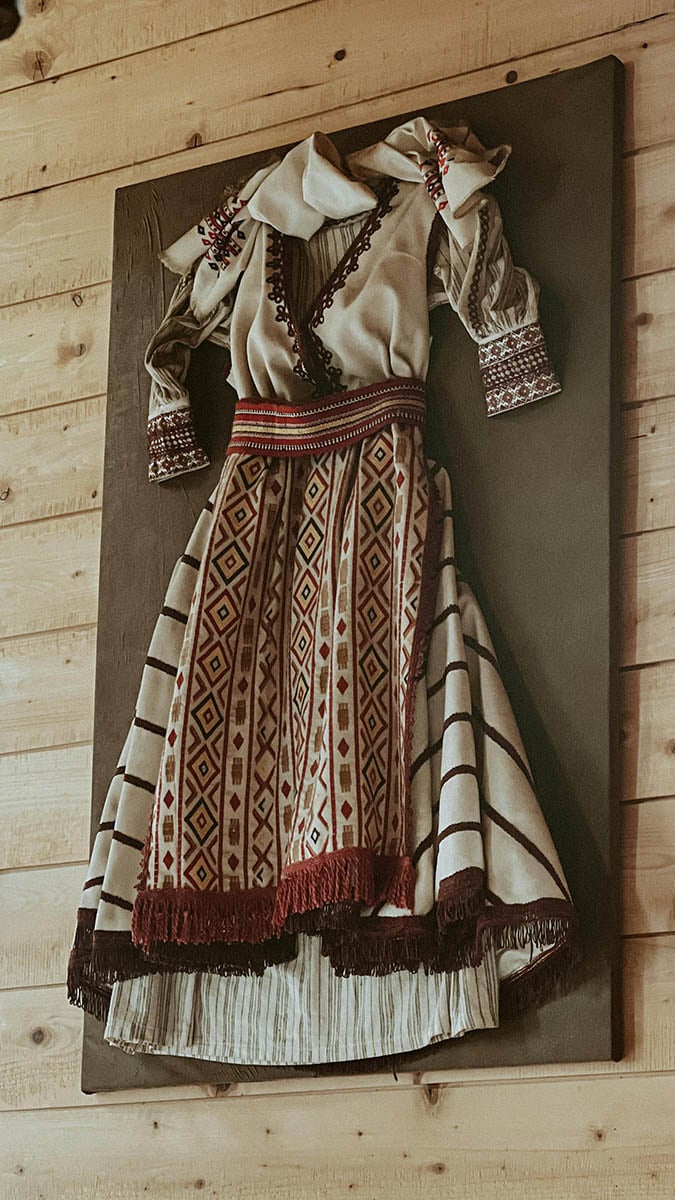
In French Orthodox Christian communities, traditional clothing, referred to as vestments, carries profound religious and cultural significance. These garments, worn by clergy members during religious ceremonies and rituals, symbolize their roles and authority within the church.
For priests, traditional vestments may include the sticharion (a long robe), epitrachelion (stole), and Phelonion (chasuble), often featuring symbolic motifs and crosses. Accessories such as the epimanikia (cuffs) and epigonation (vestment worn on the right side) complete their attire.
Women in Orthodox Christian communities typically wear simple dresses or skirts with high necklines and long sleeves, adhering to cultural and religious norms. Head coverings like scarves or veils are commonly worn as symbols of respect and humility.
6. Pattern of French Attire
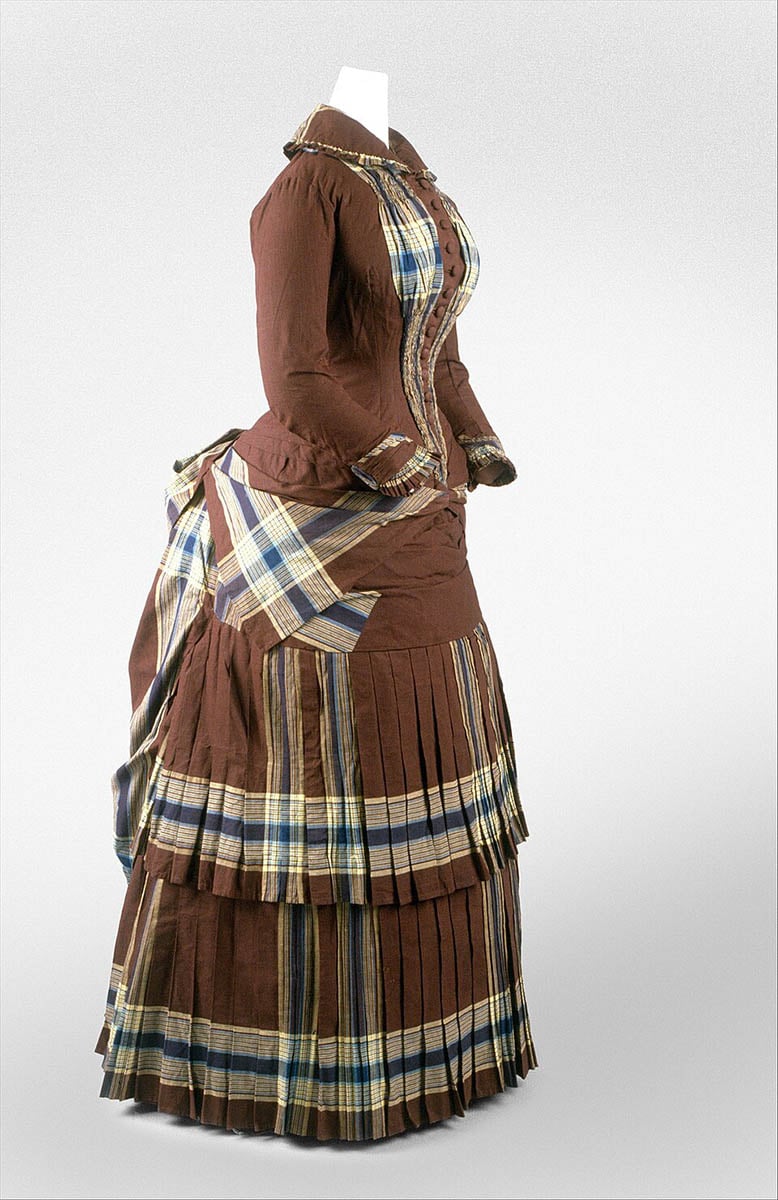
Traditional French clothing is characterized by a variety of detailed patterns and textures. These patterns, often inspired by historical narratives and regional traditions, are visually striking and carry deep cultural significance. In the opulent gowns of the aristocracy, intricate beadwork and embroidery adorn luxurious fabrics like silk and satin, showcasing the skill of French artisans.
Here are some key patterns commonly seen in traditional French attire:
- Stripes: Iconic in the Brittany region, the Bretton stripe (horizontal stripes) is most famously seen in the classic Bretton stripe shirt. This pattern is typically navy and white and has become a symbol of French casual fashion.
- Floral Prints: Common in Provence, floral patterns are often seen in Provencal dresses and headscarves, representing the region’s sunny, agricultural lifestyle.
- Plaid: In Basque Country, traditional clothing often features plaid patterns, especially in shirts and scarves, symbolizing the region’s rugged, pastoral heritage.
- Paisley: Worn in the Basque Country and Provence, paisley patterns are often featured in shawls, scarves, and some dresses, symbolizing the region’s history of trade and textile craftsmanship.
- Checkered Patterns: These are seen in work jackets and shirts worn by farmers and artisans, especially in Nouvelle Aquitaine and Provence, combining function with style.
- Geometric and Diamond Shapes: Found in traditional dresses and embroidered textiles from various regions, these patterns often carry symbolic meanings, such as protection or fertility.
- Embroidery: Intricate floral or geometric embroidery can be found in Basque dresses and headdresses, showcasing a rich tradition of needlework and craftsmanship passed down through generations.
These patterns not only reflect France’s regional diversity but also its historical connection to various European and Mediterranean influences.
According to Stitch in time: A quick guide to French folk costumes, traditional French attire incorporates regional motifs, embroidery, lace, and distinctive accessories that vary by province. These patterns reflect local history and identity, with elements like Breton stripes or Alsatian bows showing how clothing designs symbolize cultural heritage in France.
See Also Modern French Fashion
Traditional French Clothing: A Recap
French traditional clothing offers a fascinating glimpse into the nation’s rich cultural heritage. From the iconic French folk dress to the Alsatian costume, every piece tells a story of regional identity and craftsmanship.
The fitted bodice and full skirt of traditional dresses reflect elegance, while bright colors and intricate embroidery symbolize the warmth and vibrancy of French culture.
In coastal regions, garments like the Bretton stripe shirt emphasize practicality and local history, while also showcasing the influence of the Mediterranean climate. The traditional clothes of France continue to inspire modern fashion while preserving the artistry and tradition of their origins.
During a trip to Brittany, I had the chance to see locals wearing French traditional clothing, the intricate details and vibrant colors truly brought the region’s heritage to life.
Understanding these garments not only connects us to the past but also highlights the enduring significance of French traditional dress in today’s world.