
Traditional Finnish clothing has a remarkable way of connecting people to their culture and history, revealing stories woven into every pattern and stitch. If you’ve ever wondered how clothing can reflect identity, landscape, and tradition, you’re certainly not alone.
As your guide, We’ll help you explore 8 outfits of Finnish attire, showing how these garments embody the spirit and lifestyle of the people who wore them.
I still remember the first time I saw an authentic Finnish folk costume, its colors and textures felt like a window into another time.
In this article, you will discover:
• The origins and materials used
• Key styles for men and women
• Regional and cultural variations
Let’s begin this journey together to celebrate Finland’s unique traditions and deepen your appreciation for the meaning behind cultural clothing!


Origin and Historical Context of Finnish Traditional Clothing

Traditional Finnish clothing has grown out of centuries of living closely with the land, shaped by the forests, long winters, and natural resources that defined everyday life. Early garments were crafted from sturdy materials like wool, flax, and leather, chosen not just for comfort, but for survival in Finland’s harsh Nordic climate. Decorative elements often drew inspiration from nature, reflecting the deep bond Finns held with their surroundings.
Over time, Finland’s clothing traditions absorbed influences from beyond its borders. Viking-age trade routes introduced new techniques and patterns, while centuries of Swedish rule left a lasting imprint on design, tailoring, and color choices. These outside influences blended with local craftsmanship, resulting in two major cultural styles: the more Western-rooted costumes of West Finland and the distinct, richly decorated Karelian attire in the east.
Together, these threads form a story of adaptation, identity, and cultural exchange woven into every Finnish garment.
A valuable resource that deepens this understanding is the open-access study Traditional Costume Innovations – Karelian Costume from Finland. It explores how Finnish folk dress evolved through shifting cultural identities, regional craftsmanship, and practical needs, offering meaningful insight into the historical development of Finland’s traditional attire.
Finnish Traditional Clothing for Women

Traditional Finnish women’s attire beautifully reflects regional identity and centuries of craftsmanship. In western Finland, women typically wore high-collared smocks paired with striped wool skirts, aprons, and fitted wool jackets designed for warmth and durability. Their outfits were often completed with lace or delicately embroidered bonnets and long flowing skirts that showcased both modesty and elegance.
Karelian women’s clothing, by contrast, is known for its rich decoration and cultural symbolism. These garments feature intricate patterns, vibrant colours, and detailed embellishments. Married women traditionally wore smaller, beautifully adorned head coverings, adding distinction to their attire. Together, these regional styles highlight Finland’s diverse textile traditions and deep cultural pride.
A Finnish friend once showed me her grandmother’s traditional women’s costume from Karelia, carefully wrapped and preserved. She pointed out the tiny embroidered patterns on the skirt, each symbol carrying a story from her family’s past. Hearing her talk with such pride made me appreciate how these garments are far more than clothing, they are living pieces of Finland’s history.
Traditional Finnish Clothing for Men

Traditional Finnish clothing for men reflects practicality, regional identity, and the craftsmanship that has shaped Finland’s cultural heritage. In western Finland, men traditionally wore long waistcoats or tailored frock coats paired with knee breeches and woolen stockings, creating a structured and dignified look suited to both work and festive occasions.
Footwear typically included wooden clogs or sturdy leather shoes, designed to withstand the Nordic climate.
In Karelia, men’s attire took on a slightly different character. Shorter waistcoats and long trousers were common, often featuring decorative regional patterns that highlighted local artistry. Their shoes resembled those worn by women, emphasizing shared cultural traditions across the region and reinforcing a unified sense of Finnish identity.
See Also Traditional Iraqi Wedding Dress
Notable Vintage Finnish Outfits
1. Finnish National Costume (Kansallispuku)

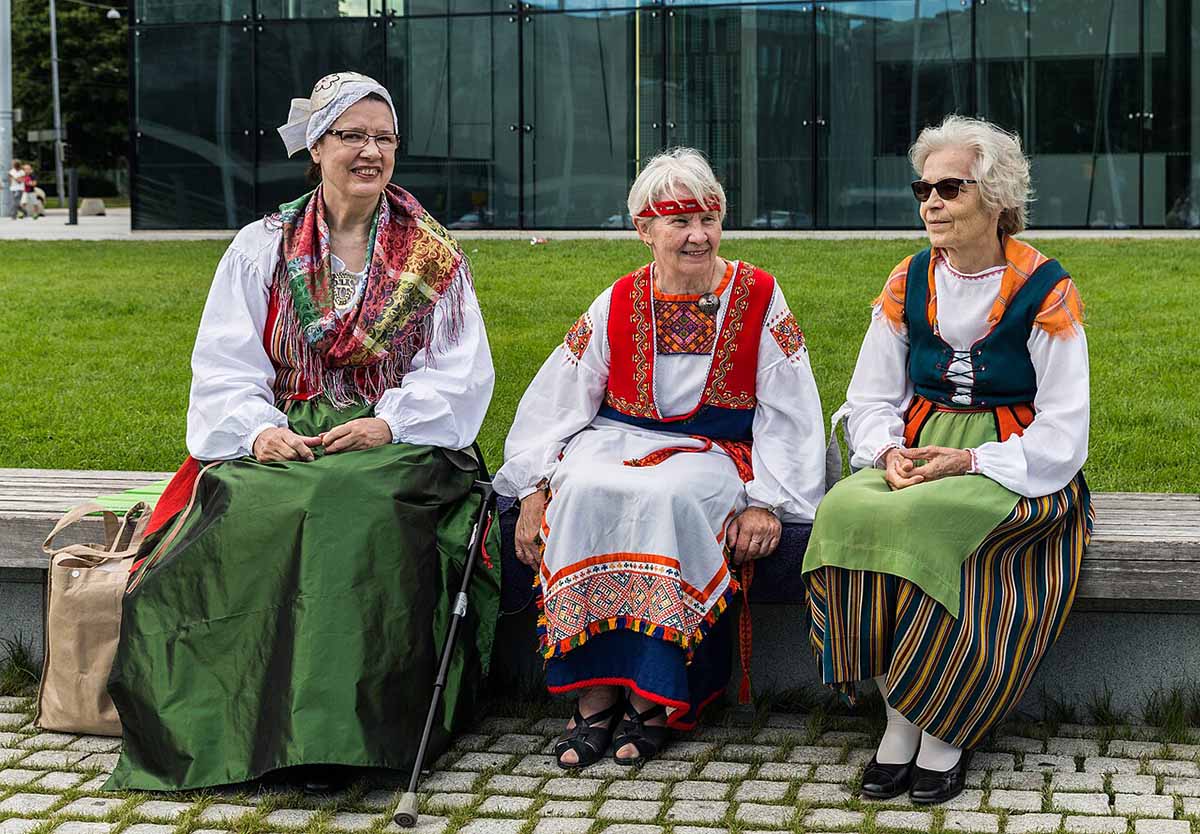
Traditional Finnish clothing, known as the Finnish national costume or Kansallispuku, varies beautifully from region to region and is most often worn during festivals, cultural celebrations, and important family occasions. Each piece tells a story of heritage, craftsmanship, and local identity.
One of the most recognizable elements is the vest, called Liivi or Liivari. These vests often feature detailed embroidery or woven patterns and can be made from wool, cotton, silk, or even polyester depending on the region’s traditions.
Women’s blouses, known as Paita, are typically made of cotton and decorated with fine lace or embroidery along the collars and cuffs. The styles differ across Finland, some regions prefer puffed sleeves, while others favor soft ruffled necklines.
The Hame, or traditional skirt, is another essential component. These skirts are long, full, and often pleated or gathered at the waist, creating a graceful silhouette. Worn over the skirt is the Esiliina, or apron, usually crafted from strong, durable fabrics and often decorated with regional patterns.
Headpieces, called Päähine, may include scarves, kerchiefs, or embroidered headbands, each reflecting local customs. Accessories such as belts, brooches, and traditional jewelry, made from metal, wood, leather, or rayon, add the finishing touch, often showcasing cherished Finnish motifs and symbols.
2. Kalevala Costume

Inspired by Finland’s national epic, the Kalevala, this traditional attire beautifully captures the spirit of Finnish folklore and mythology. Women’s colorful skirts and men’s finely embroidered shirts form the heart of the costume, each piece telling a story that has been cherished for generations.
For centuries, the Kalevala costume has stood as a symbol of national pride. The vibrant skirts, made from sturdy yet elegant fabrics, highlight the creativity and craftsmanship of Finnish artisans. The embroidered shirts, often decorated with scenes from the epic, create a powerful link between the wearer and their cultural roots.
Every stitch carries meaning. Every pattern preserves memory. Through the Kalevala costume, people across Finland continue to celebrate and share their heritage with the world.
3. Sami Clothing

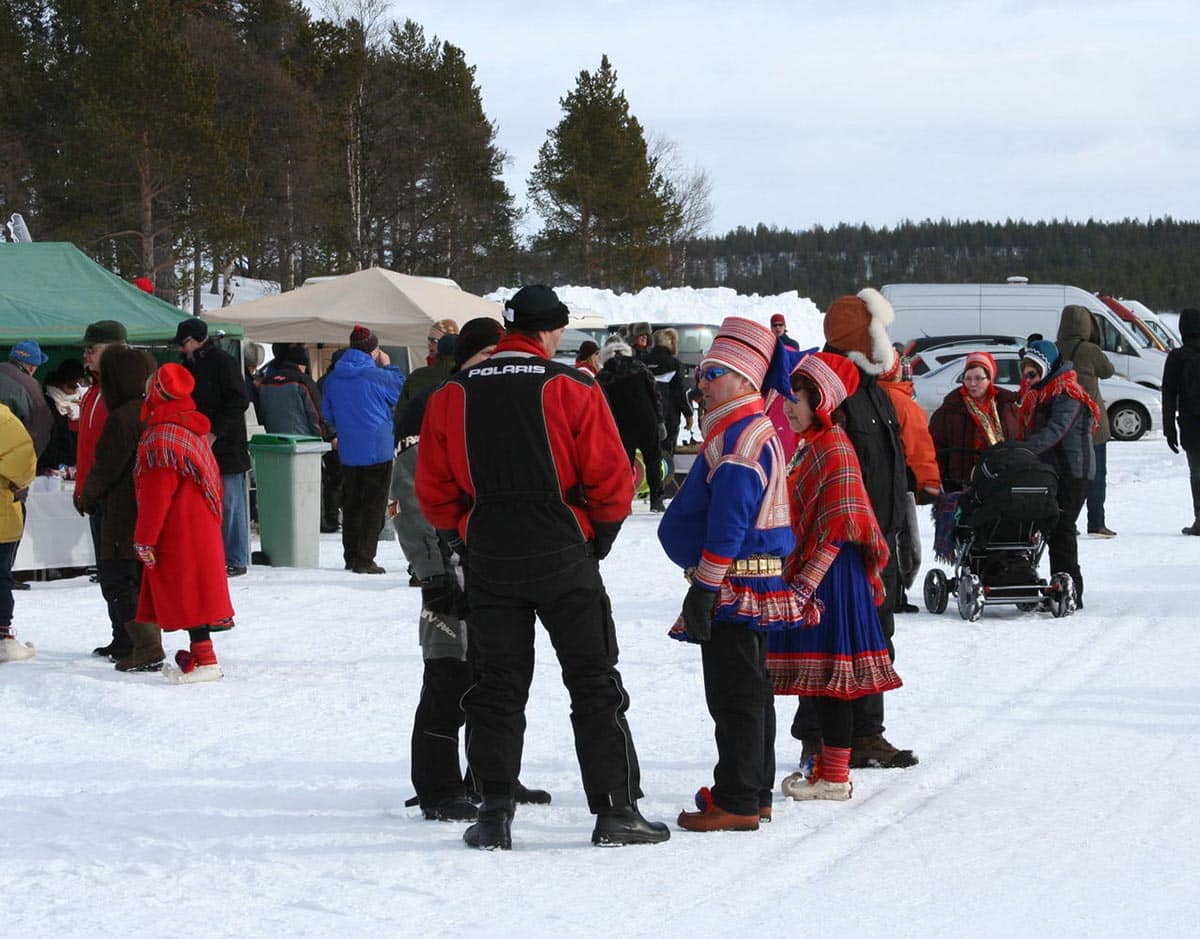
The Sami people, living across the northern regions of Finland, Norway, Sweden, and Russia, have a traditional wardrobe that is both striking and deeply meaningful. Their clothing is known for vibrant colors, intricate patterns, and careful craftsmanship using materials like reindeer leather, fur, wool, silk, or cotton.
Built to endure the harsh Arctic climate, Sami attire includes essential pieces such as the gákti—the traditional Sami dress—along with mittens, fur boots with woven laces, and sturdy footwear. Women’s gákti typically feature long tunics, fringed shawls, and fur capes in winter, while men wear shorter tunics in a similar style. Sámi hats, made from wool, leather, or fur, complete the outfit.
Beyond practicality, these garments carry deep symbolic meaning: patterns and trims indicate family, region, and social status, reflecting artistic expression, cultural identity, and the resilience required to thrive in one of the world’s most challenging environments.
4. Folk Dance Costumes

Folk dances are a cherished part of Finnish culture, bringing communities together while celebrating tradition through music, movement, and attire. Each dance tells a story, and the costumes worn add depth and color to the performance, varying between regions yet always radiating joy and festivity.
Typical elements include flowing skirts that twirl with every step, tailored vests that lend elegance, scarves that dance through the air, and hats decorated with ribbons or flowers, all enhancing the beauty of each movement.
As dancers spin and glide across the floor, their costumes create a living tapestry of Finnish heritage, reflecting both the artistry of the clothing and the lively, spirited nature of the Finnish people.
5. Bridal Attire

In Finland, weddings are deeply cherished celebrations, and the traditional bridal attire is rich with symbolism and regional style. For women, it often includes a flowing white or ivory gown featuring delicate lace and detailed embroidery, embodying grace and cultural heritage. In many areas, the bride wears a veil that the groom lifts after the vows—a touching moment that adds to the ceremony’s emotional resonance.
Men typically wear a well-tailored suit or tuxedo, often paired with a waistcoat or traditional Finnish waistcoat to honor regional costume traditions. The look is polished yet deeply rooted in heritage.
A study titled “Tradition in Action – Traditional Costume Innovations” (MDPI) highlights Finnish bridal and folk attire, particularly from the Karelian region. It shows how these garments, crafted from wool and linen, preserve cultural heritage while adapting to modern celebrations, reflecting the enduring significance of traditional Finnish clothing.
See Also Traditional Russian Clothing
6. Leather Boots (Poronkengät)

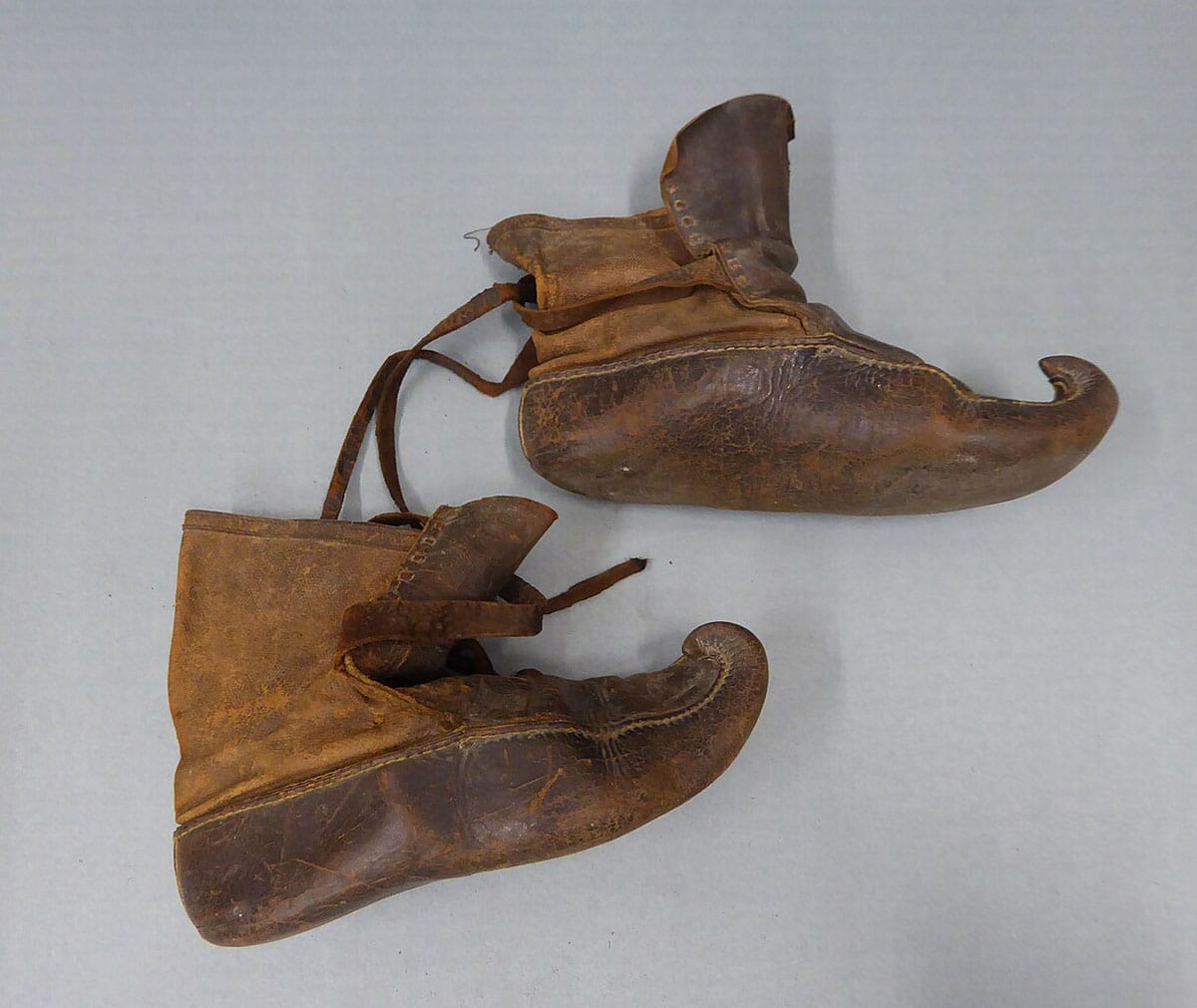
Leather boots have been a cornerstone of Finnish footwear for centuries. These traditional boots, known as “poronkengät,” are meticulously crafted from reindeer leather, prized for their durability and resilience against the harsh Nordic climate.
Designed to withstand the elements, poronkengät features sturdy soles with deep treads for traction on snow and ice. The boots typically rise to mid-calf or higher, providing ample coverage and protection from the cold. Some variations may include additional insulation or fur lining for extra warmth in extreme conditions.
I remember a Finnish classmate once bringing his father’s old poronkengät to school for a cultural presentation. He let us hold them, and I was amazed at how soft yet sturdy the reindeer leather felt. He explained how his family still wears them during winter trips up north, and it gave me a real sense of how deeply connected these boots are to everyday life in Finland’s colder regions
7. Lukko


The “Lukko” is a traditional woolen hat with earflaps worn in eastern Finland to combat the biting cold of the region’s winters. Crafted from warm and insulating wool, the Lukko features a unique design with earflaps that can be tied securely under the chin to provide additional warmth and protection from chilly winds.
Some Lukko hats may also incorporate decorative elements such as braided cords or tassels, adding a touch of traditional flair to the practical design. Worn by both men and women, the Lukko is not only a functional accessory but also a symbol of resilience and adaptation to the harsh Nordic climate.
8. Accessories
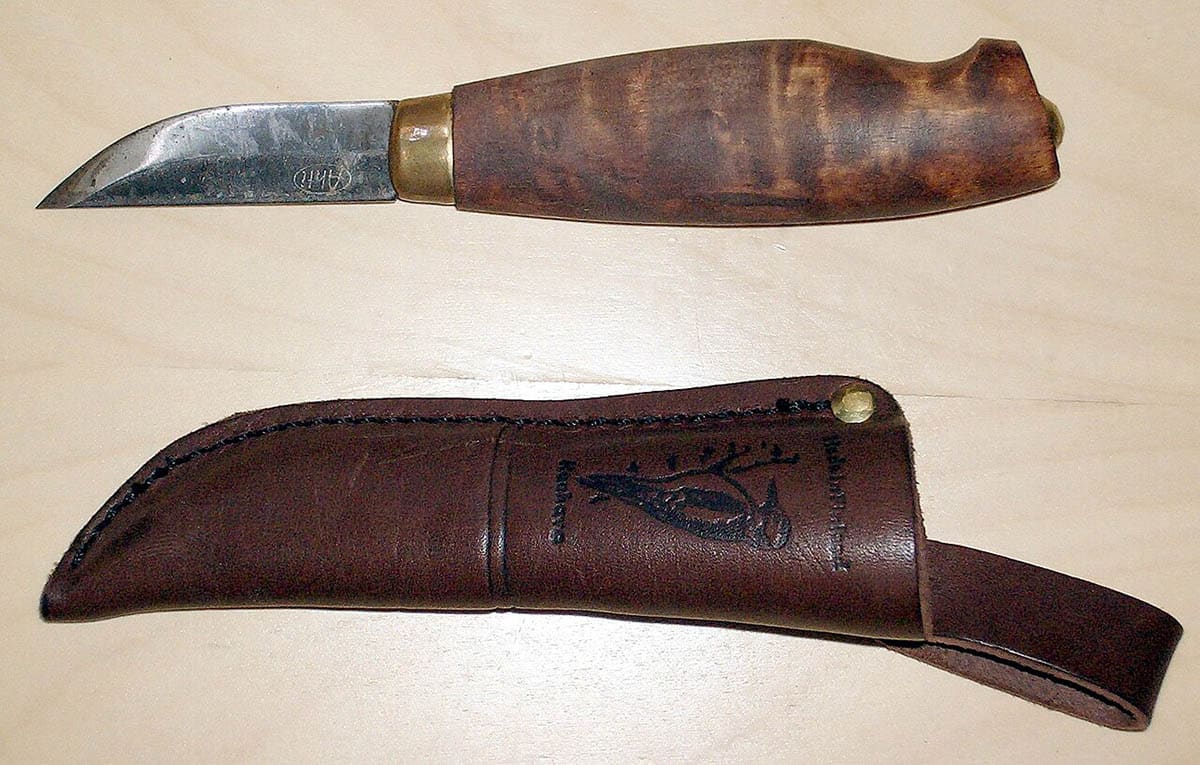

Finnish fashion features a rich array of traditional accessories that blend practicality with heritage, each reflecting the country’s history, climate, and craftsmanship. These include:
- Sami Jewelry: Crafted by the Sami people, these pieces showcase intricate designs inspired by nature and mythology, often made from silver, reindeer antlers, and colorful beads.
- Puukko (Knife): A versatile Finnish knife with a single-edged blade and wooden handle, used for everyday tasks and outdoor activities.
- Birch Bark Items: Lightweight, water-resistant containers and baskets made from abundant Finnish birch, often adorned with traditional patterns.
- Woolen Scarves and Shawls: Essential in winter, these insulating wool pieces come in a variety of colors and traditional motifs.
- Nappivyö (Belt): Functional yet decorative, often featuring woven designs.
- Hattu (Hat): Worn by men and women, typically in bold colors.
- Jalkineet (Footwear): Leather boots and woven shoes crafted for durability and style.
- Korut (Jewelry): Silver brooches and woven bands reflecting regional traditions and heritage.
Together, these accessories tell a vivid story of Finnish culture, combining utility, artistry, and regional identity.
See Also Finnish Folk Art
Folk Costumes in Different Regions
Northern Finland

In Northern Finland, particularly in Lapland, traditional clothing reflects both practical needs and cultural heritage. The attire of the indigenous Sami people is deeply rooted in tradition and adapted for the harsh Arctic climate.
Traditional Lapland attire includes garments made from wool, fur, and leather for warmth and protection. These garments typically include long coats, pants, and boots, often with intricate embroidery or decorative elements inspired by nature.
For the Sami people, traditional clothing varies but commonly includes the gákti, a woolen dress with colorful patterns symbolizing cultural identity.
Accessories such as hats and scarves are crafted from materials like reindeer leather and fur to provide additional warmth and insulation in the harsh Arctic environment.
Coastal Regions

In the coastal regions of Western and Southern Finland, traditional clothing reflects the impact of maritime activities and lifestyles, embodying both practicality and cultural heritage.
Garments in these areas are crafted from lightweight and breathable materials such as cotton and linen to suit the mild coastal climate, facilitating ease of movement for fishing, sailing, and other maritime pursuits. Traditional attire typically consists of loose-fitting shirts and trousers for men, while women may wear dresses or skirts paired with blouses or tops.
Traditional coastal attire often incorporates striped patterns reminiscent of nautical themes, echoing the deep connection to the sea and maritime traditions. Accessories like hats, scarves, and shawls may also feature maritime motifs or colors, further underscoring the influence of the sea on coastal fashion.
Eastern Finland

In Eastern Finland, particularly in the regions of Karelia and Savonia, traditional clothing showcases unique elements that reflect the distinct cultural heritage of these areas.
Karelian clothing is characterized by vibrant colors and intricate embroidery. Traditional Karelian attire for women typically includes long skirts paired with fitted blouses or vests, while men may wear loose-fitting trousers with embroidered shirts.
Savonian clothing tends to be more understated, with earthy tones and simpler designs. Women’s attire in Savonia often consists of knee-length skirts paired with aprons and plain blouses, while men may wear trousers with shirts or tunics.
Both Karelian and Savonian dresses may incorporate elements such as woven belts, decorative sashes, and embroidered headscarves, adding layers of cultural symbolism to the outfits.
Rural Regions

In rural areas of Finland, traditional clothing reflects both the practical needs and rich cultural heritage of local communities. Crafted from durable materials like wool, linen, and leather, these garments are designed to withstand the demands of agricultural work and outdoor life. Men typically wear sturdy pants, shirts, and jackets, while women may don dresses or skirts paired with aprons for ease and comfort.
Accessories such as hats, scarves, and mittens, made from warm, insulating fabrics, provide protection against the cold Finnish climate.
Beyond daily wear, special garments are worn for festivals and celebrations: light, airy attire with flower wreaths for Midsummer, warm and vibrant clothing for snowy Laskiainen (Shrovetide) festivities, and the elegant Kansallispuku, Finland’s national dress, reserved for weddings and other important occasions.
These garments not only serve practical purposes but also celebrate Finnish tradition, bringing communities together and connecting wearers to their cultural roots.
Pattern of Finnish Attire
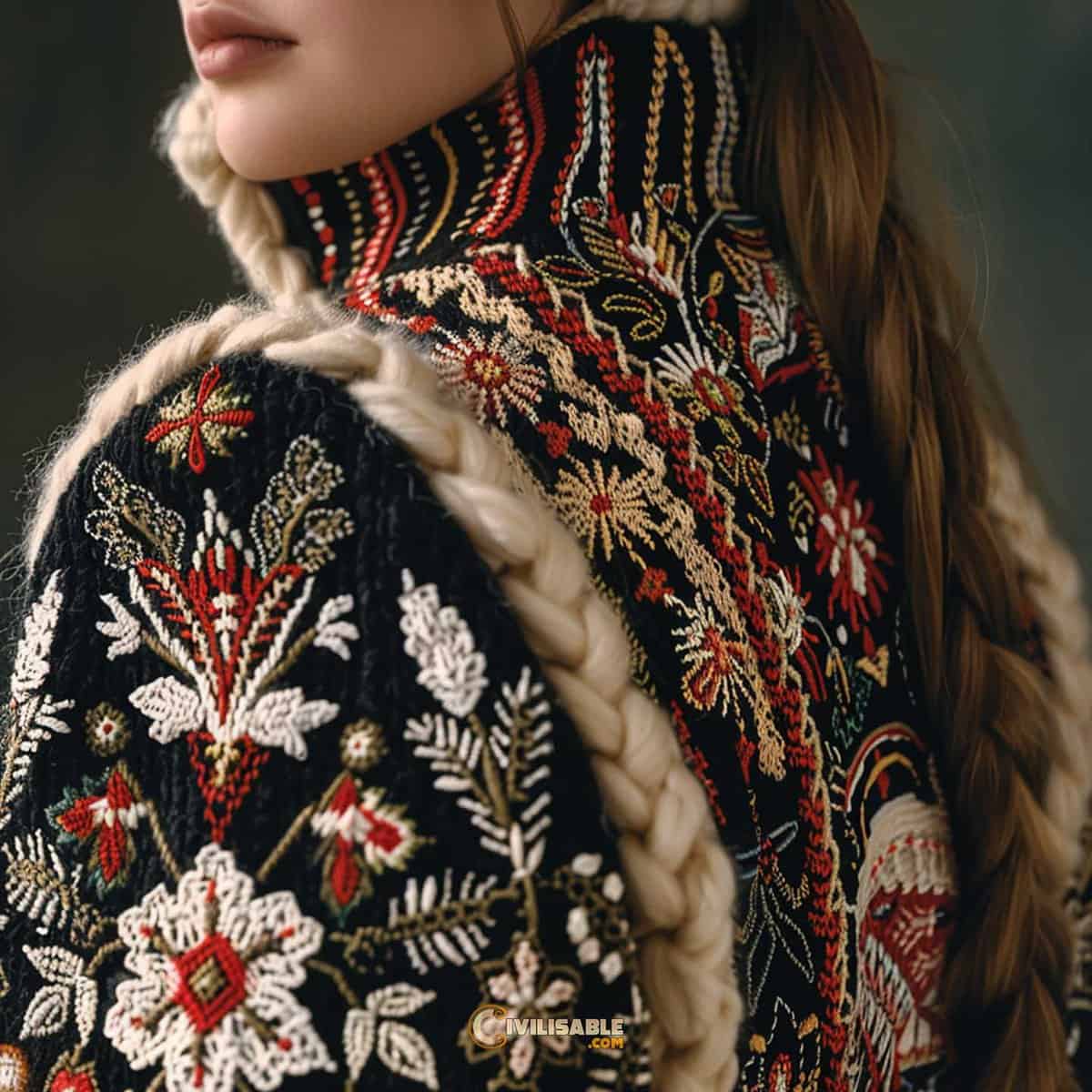
Traditional Finnish clothing is celebrated for its rich textures and intricate patterns, each reflecting the country’s cultural heritage. Inspired by nature and folklore, garments like Karelian dresses and coastal attire often feature geometric motifs, floral designs, and symbolic embroidery, connecting wearers to Finnish mythology and storytelling.
Crafted from natural materials such as wool, linen, and leather, these textures not only provide warmth and durability but also showcase Finland’s long-standing traditions and exceptional craftsmanship, turning each piece into a wearable work of art.

Traditional Finnish Clothing: A Recap
Traditional Finnish clothing offers a remarkable window into Finland’s rich cultural heritage, combining practicality, artistry, and storytelling. From the intricate patterns of Karelian dresses to the robust garments of coastal and rural communities, each piece of Finland traditional clothing reflects the environment, history, and identity of its region.
Festivals, folk dances, and celebrations further showcase the beauty and symbolism woven into these garments, keeping cultural traditions alive.
A Finnish friend once showed me her family’s Kansallispuku, carefully stored and passed down through generations. Seeing how proudly she spoke about its history helped me understand how deeply traditional Finnish clothing connects people to their roots.
A particularly striking example is the traditional Finnish wedding dress, which embodies elegance, heritage, and ceremonial significance. Whether worn during weddings, regional festivities, or other cultural events, Finnish costumes continue to serve as a powerful expression of national pride. Traditional Finnish clothing not only honors the past but also inspires appreciation for Finland’s unique artistry, craftsmanship, and enduring cultural identity.