
Have you ever wondered what makes traditional Danish clothing so distinctive and meaningful? Whether your curiosity lies in history, fashion, or Danish culture, you’re not alone.
You are at the heart of this journey, exploring the stories behind these garments. With our expertise in Danish fashion, we’ll guide you through the unique blend of tradition, craftsmanship, and culture that brings these outfits to life.
I remember being amazed at the intricate details of a Folkedragt, it’s incredible how much history a single piece of clothing can hold.
In this article, we explore 5 must-know elements of Danish traditional clothing, including:
- Iconic garments like the Folkedragt and regional styles
- The materials and craftsmanship behind the clothes
- How designs and styles have evolved over time
- Symbolism and cultural significance
- Modern adaptations and continued relevance
Keep reading to discover how these garments tell the story of Denmark’s past and why they remain cherished today.

1. History and Cultural Roots of Traditional Danish Clothing

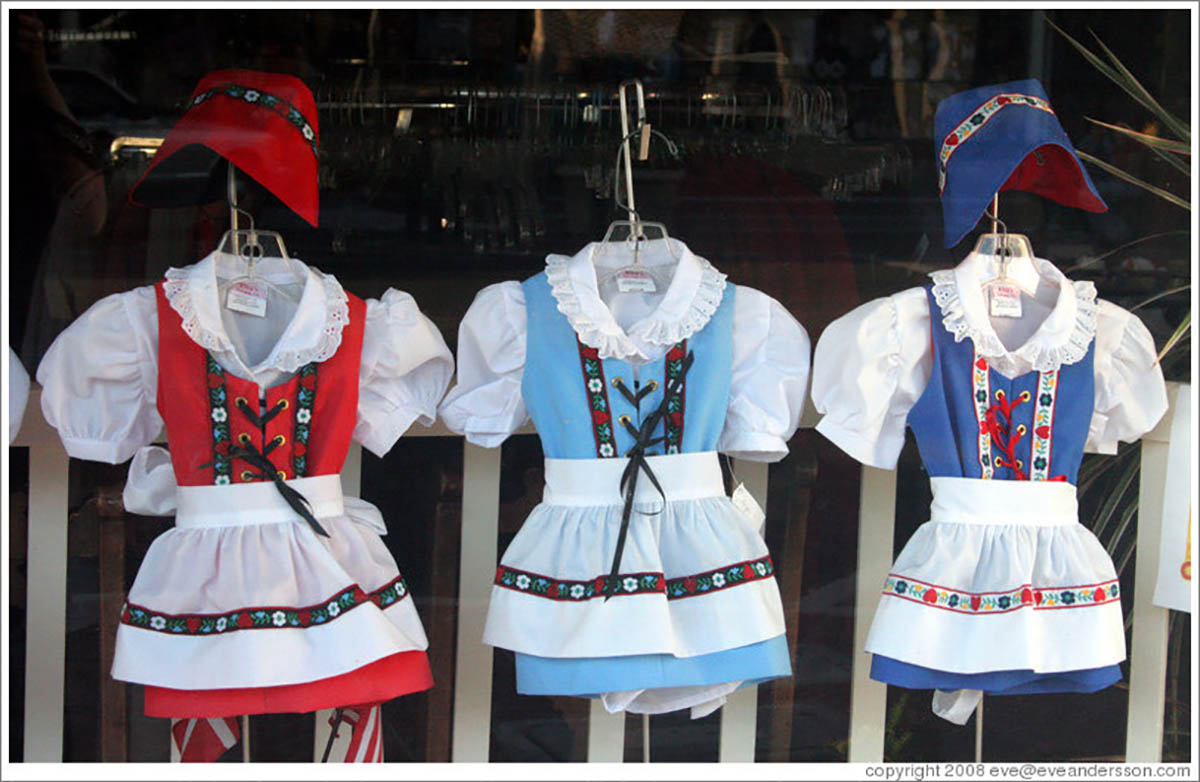
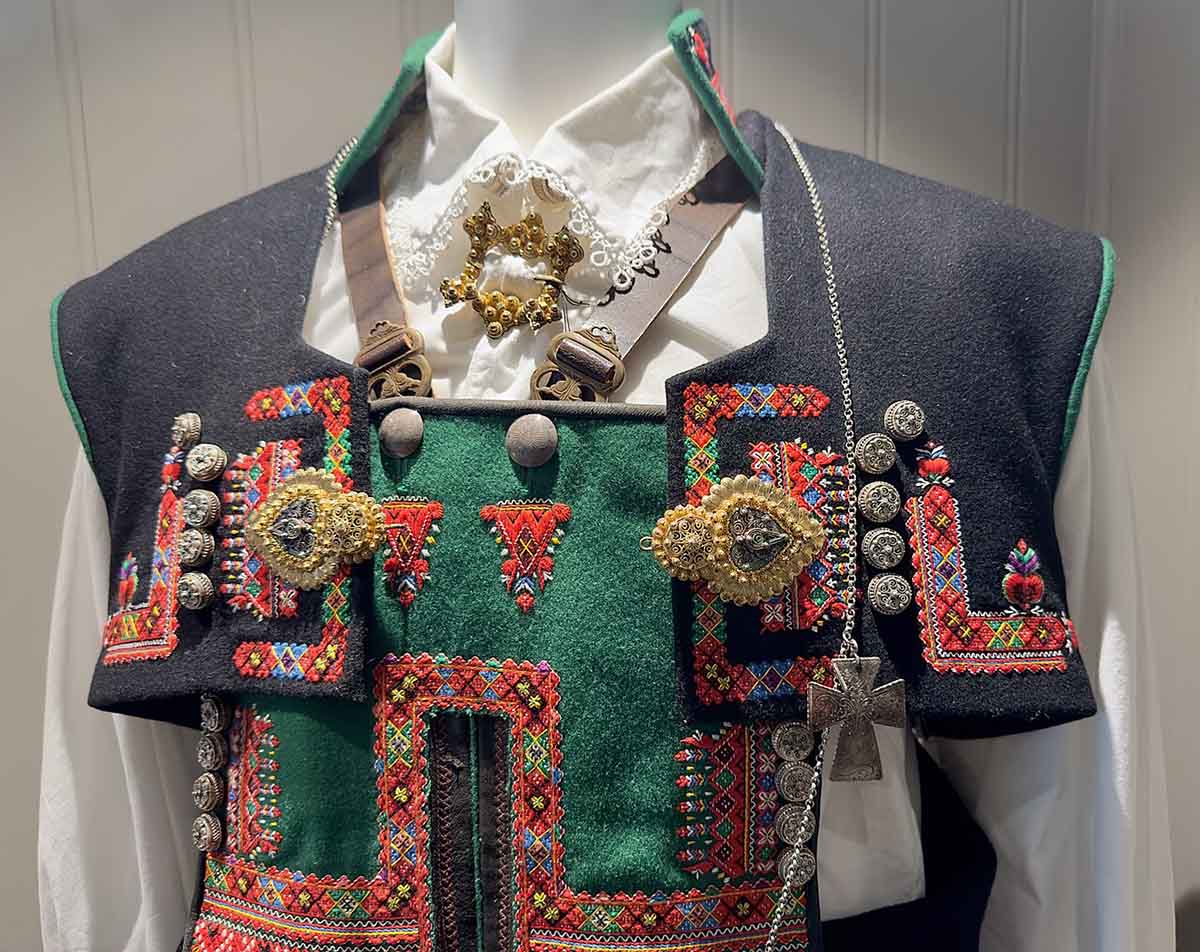
Traditional Danish clothing has its roots deep in rural life, especially between 1750 and 1900, when most garments were made at home from natural fibers like wool and flax (linen). In small villages, women spun yarn and wove it into “hvergarn”, a linen-wool blend, which became the basis for many festive costumes.
Regional dresses developed distinct identities. For instance, in Vestjylland, the local costume included wool-linen dresses and simple headwear, while in Himmerland, striped fabrics and lace details reflected both local resources and skilled craftsmanship.
The study “Danish Textiles and Costumes from the Early Iron Age” from the Centre for Textile Research at the University of Copenhagen examines prehistoric and Early Iron Age Danish textiles. It provides evidence of local weaving techniques, showing how early fabrics laid the foundation for the regional costumes central to Denmark’s folk clothing traditions.
Over time, cross-cultural exchange and trade brought new materials and influences into Danish dress, while home production remained a strong tradition. By the 19th century, regional costumes were viewed as symbols of national identity, a concept reinforced by local folk dance societies.

2. Danish National Costume
Danish National Costume for Women

Danish traditional female clothing beautifully reflects Denmark’s cultural heritage, where practicality and artistry come together in every stitch. Women’s national costumes often feature delicately embroidered blouses paired with long, layered skirts, creating an elegant silhouette that feels both timeless and meaningful.
In Denmark’s colder seasons, women historically turned to warmer garments like thick knitted sweaters, woolen skirts, and woven aprons. These weren’t just functional; they showcased the incredible craftsmanship found in Danish rural communities, where spinning, weaving and knitting were essential parts of daily life.
Accessories such as hand-woven shawls, silver brooches, and artisanal jewelry add warmth and character, completing an outfit that speaks of tradition, identity, and community pride.
Danish National Costume for Men

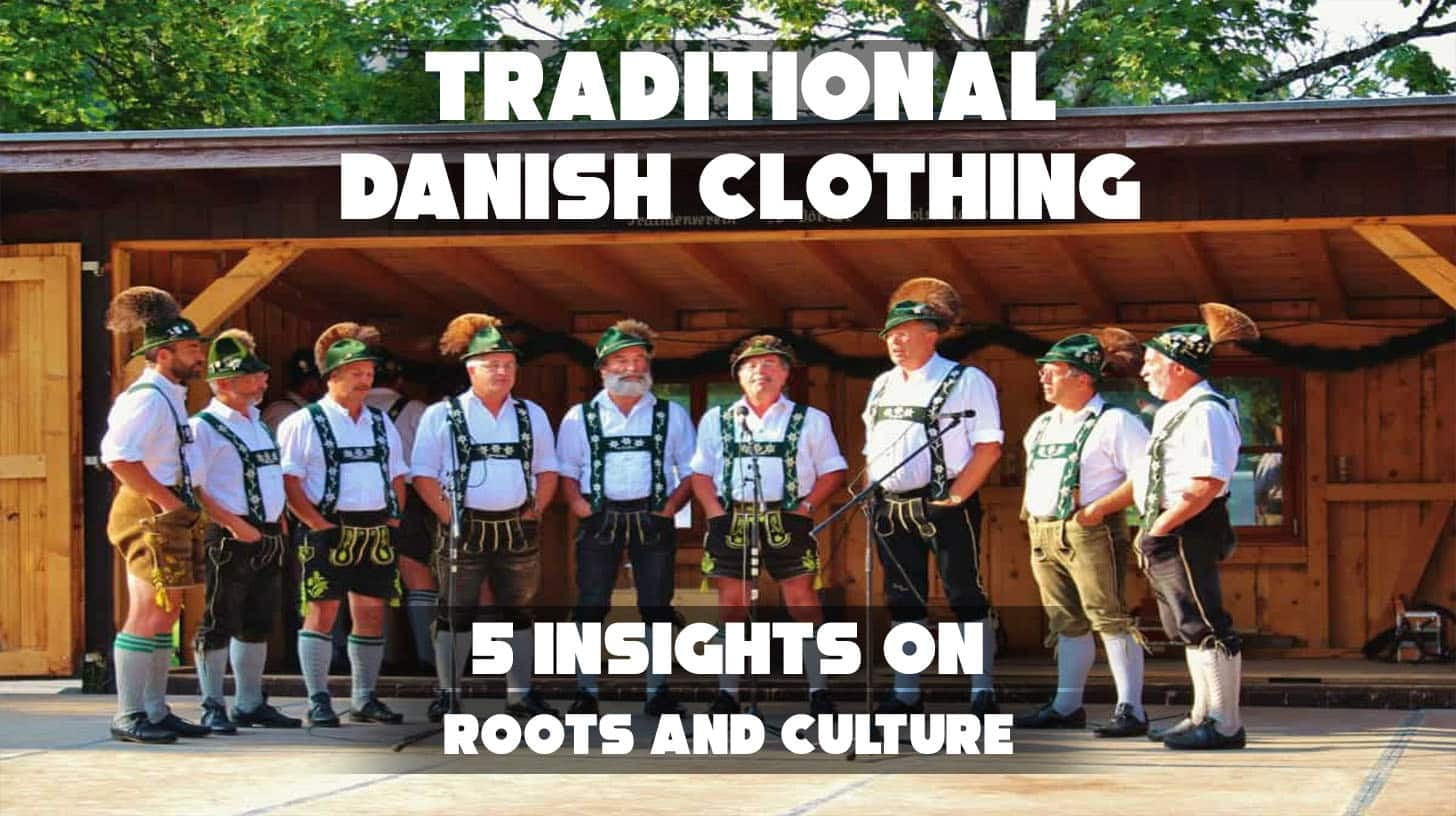
Danish traditional male clothing reflects the heart of Denmark’s cultural heritage, blending everyday practicality with a quiet sense of elegance. Men’s national costumes often feature well-tailored jackets and straight-cut trousers, simple yet refined pieces designed for comfort, movement, and durability.
During colder months, heavier knitted sweaters, woolen trousers, and layered vests offered warmth and protection, each item showcasing the craftsmanship that Danish communities were known for. Many of these garments were handmade, often passed down through generations, carrying stories and family traditions within their stitches.
Accessories such as handcrafted leather belts, sturdy boots, and sometimes even decorative buttons completed the look, highlighting the balance between function and subtle artistry in Danish men’s attire.
3. Notable Vintage Danish Outfits
The Skjorte

The Skjort, meaning “shirt” in English, is an essential part of traditional Danish clothing. Usually made from linen or cotton, it often features delicate details like embroidery, lace, or pleats along the collar, cuffs, and front placket, giving it a simple yet refined appearance.
In rural communities, the Skjorte could be worn daily or saved for festivals, while in urban areas it was more commonly reserved for special occasions such as weddings. It’s typically paired with other traditional pieces—vests, aprons, skirts, or trousers for women, and trousers and jackets for men—completing the classic Danish folk costume.
See Also Tallest Buildings in Denmark: Exploring 12 Most Iconic Buildings
The Læderbukser

Traditional Danish clothing beautifully reflects the country’s heritage, and one standout piece is the Læderbukser—traditional leather trousers once commonly worn in rural areas. Made from thick, durable leather, they offered both insulation and protection, making them ideal for farmers, laborers, and hunters who relied on practical, long-lasting clothing.
Their sturdy design allowed people to work comfortably in harsh conditions, and learning about them reminded me of seeing similar handcrafted leatherwear at a small Nordic heritage fair, each piece felt like a story stitched into history.
While Læderbukser are no longer everyday attire, they still appear in cultural festivals and certain subcultures. Leather, in general, continues to influence modern Danish fashion, proving that tradition and contemporary style can coexist beautifully.
The Kyse

National Danish clothing weaves together heritage and regional identity, and the Kyse is a perfect example of how tradition is carried through everyday garments. This close-fitting headwear, typically made from linen or cotton, was commonly worn by women in rural communities.
Tied neatly under the chin, the Kyse’s shape and decoration often varied from one region to another, giving each area its own recognizable style. Historically, it wasn’t just practical, offering protection from wind and weather, but also a symbol of Danish culture, cultural pride, and local identity.
The Trøje

In Danish tradition, the Trøje stands out as a garment that blends practicality with cultural charm. Usually crafted from wool or other warm materials like cotton or fleece, it has long served as a reliable layer during Denmark’s chilly seasons. Whether featuring classic cable-knit textures or detailed Nordic patterns, each Trøje reflects generations of craftsmanship and regional identity.
Originally worn by farmers, fishermen, and rural workers, the Trøje has evolved into a beloved piece of everyday fashion, useed in both countryside communities and modern Danish cities.
The Nederdel
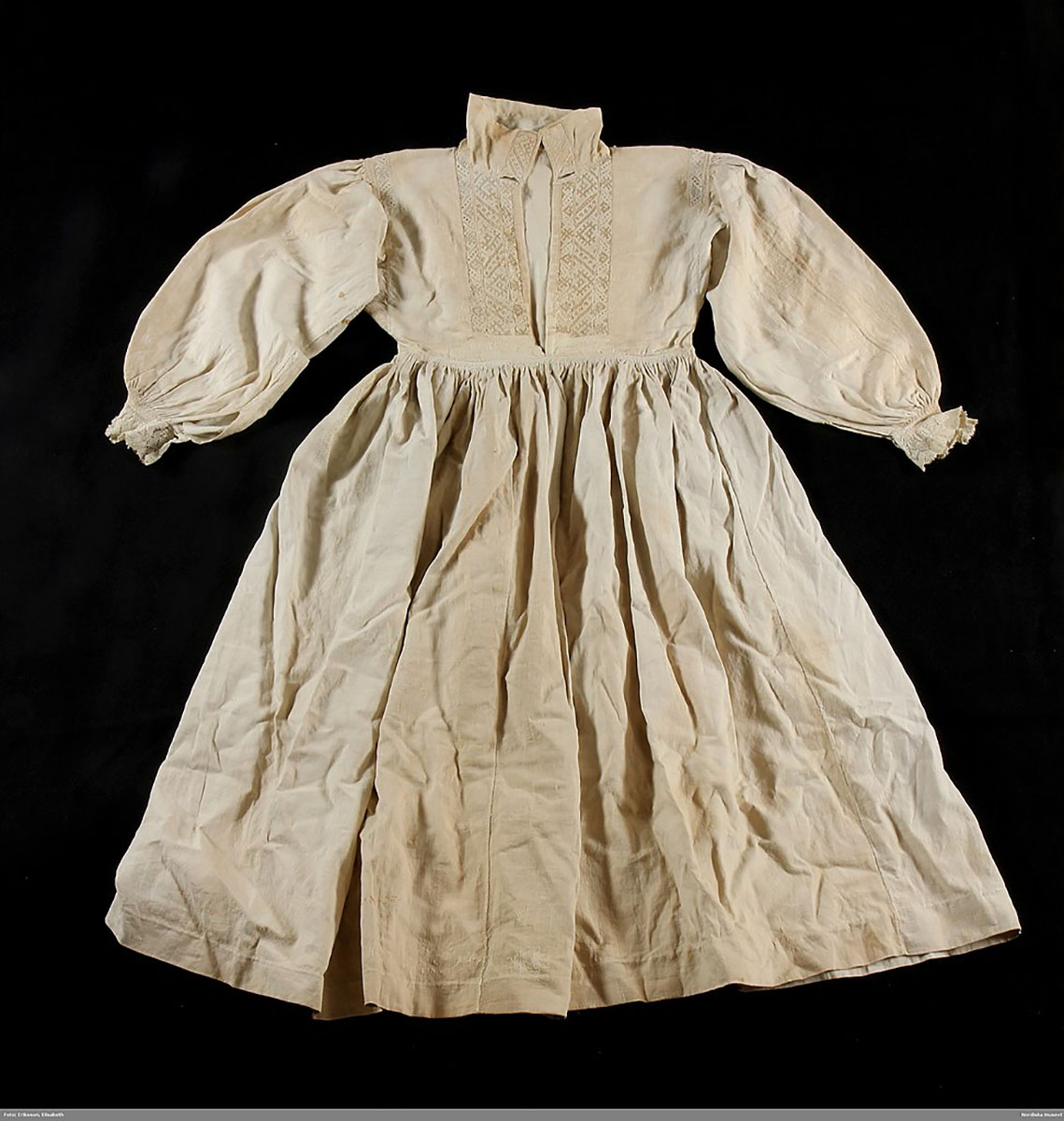
In traditional Danish clothing, the Nederdel plays a central role, combining functionality with cultural expression. Women in rural Denmark wore skirts made of wool, cotton, or linen, tailored for comfort and daily activity. They varied in length and style, reflecting the season, region, and occasion.
The study “Costumes, Clothing, Consumption, and Culture” by the Centre for Textile Research in Copenhagen examines how Danish folk dress from 1600 to 1900 reflected social structures, economic conditions, and regional identity. It highlights how garments like the Nederdel were more than clothing, they were symbols of heritage, craftsmanship, and community.
Patterns, fabrics, and styles were influenced by local resources and traditions, showing how daily wear conveyed cultural meaning. This research helps us understand why the Nederdel remains a cornerstone of Danish folk costume today.
See Also Famous Buildings in Denmark
The Strømper
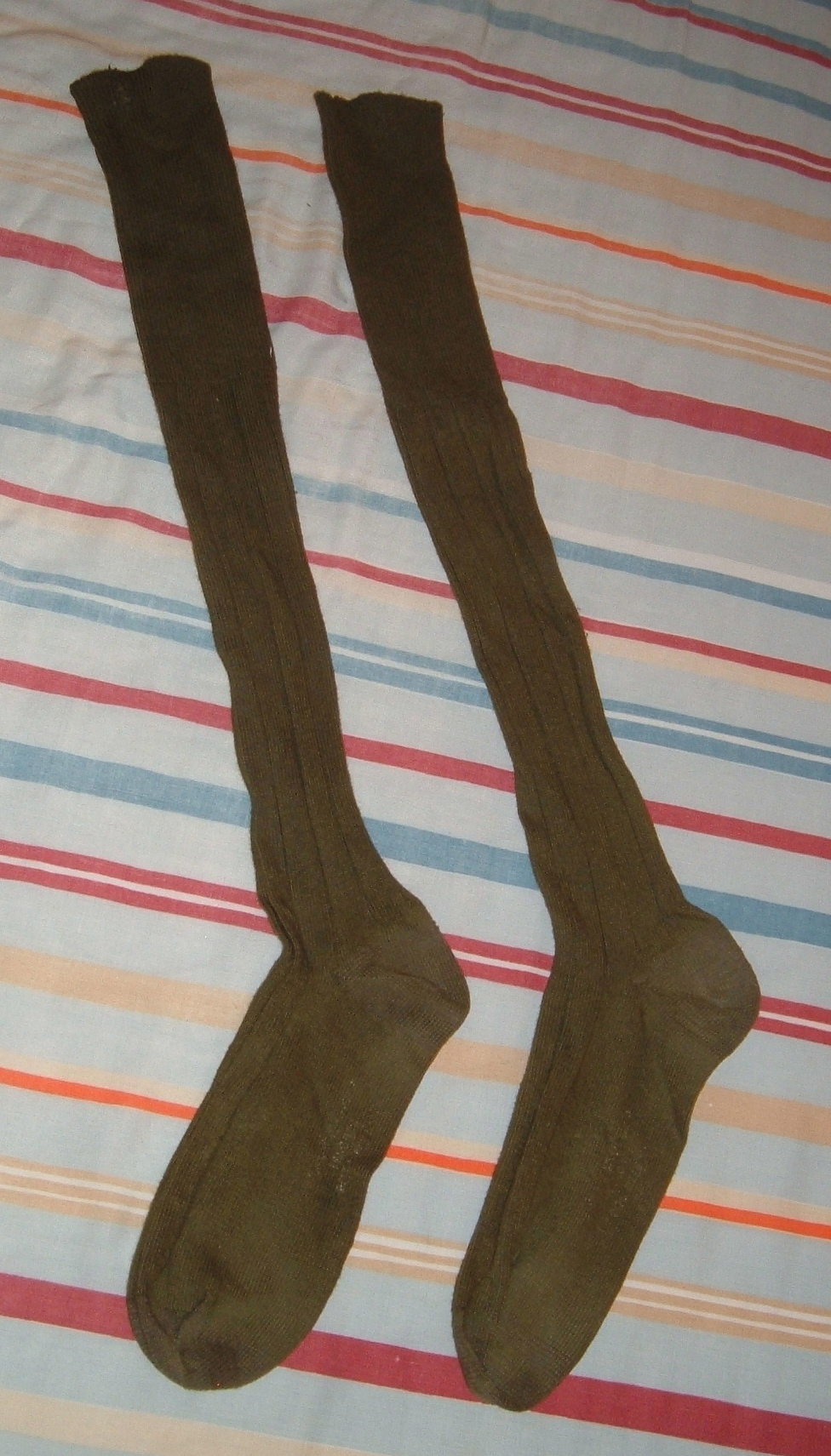
Strømper encompasses a range of garments, including socks, stockings, and tights, crafted from various materials such as wool, cotton, or synthetic blends. These materials are chosen for their comfort, durability, and suitability for different weather conditions.
Historically, Strømper was essential for providing warmth and protection to the feet and legs, particularly during harsh weather conditions. They were often knitted by hand using traditional techniques passed down through generations.
The Klompen

A key part of Denmark’s national costume is the Klompen, traditional wooden clogs with a distinctly Danish character. Made mostly from wood, these clogs stand out for their unique design and craftsmanship.
In Danish life, Klompen serves both practical and cultural purposes. They offer strong support and protection, making them perfect for walking on rough paths or working outdoors. Beyond their functionality, these clogs carry rich symbolic meaning, reflecting rural traditions, folk culture, and the skill of local artisans who have preserved this craft for generations.
Accessories
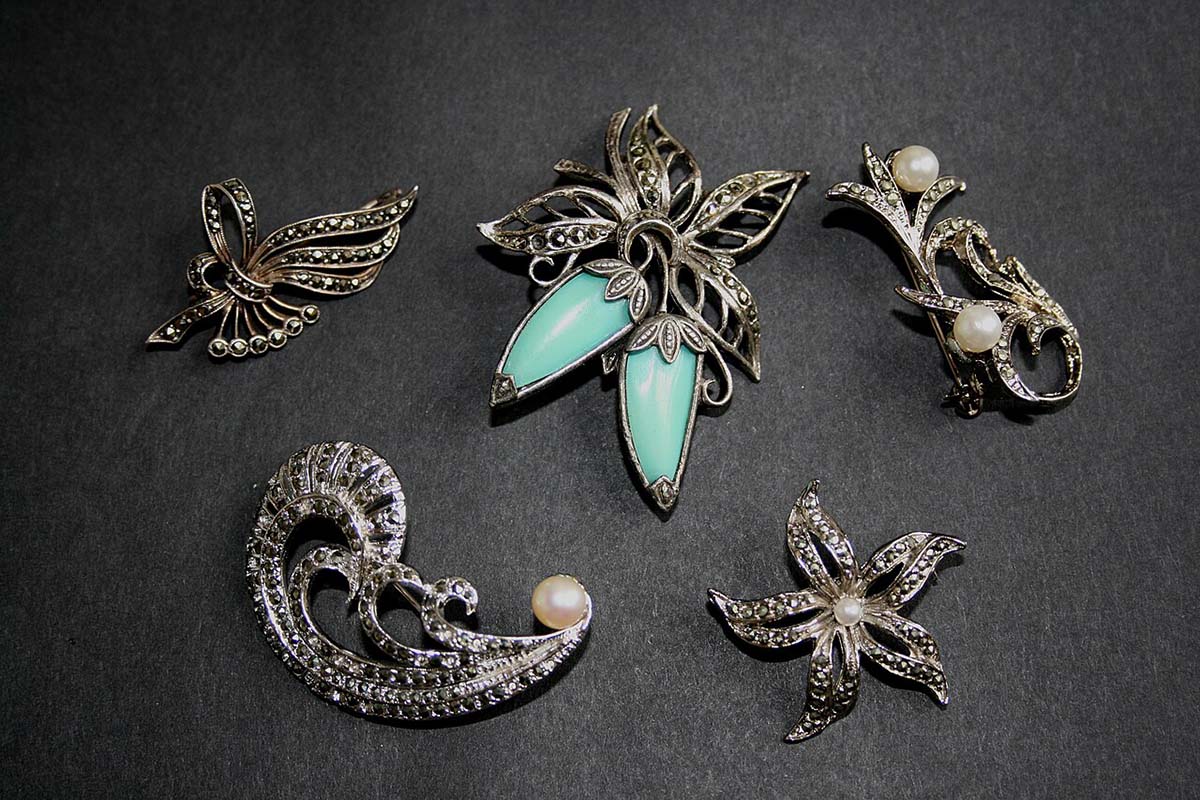
Traditional Danish accessories offer a window into the country’s rich cultural heritage, blending practicality with artistry.
Jewelry often draws inspiration from nature, featuring motifs like leaves, flowers, and animals. Silver and amber are common materials, adding a subtle elegance to traditional Danish outfits. Brooches are another staple, used both to fasten garments and to decorate them. Their designs range from simple geometric shapes to intricate floral or Celtic-inspired patterns, reflecting regional styles and craftsmanship.
Belts serve a practical purpose by cinching the waist, but they also add visual interest to an ensemble. Often made from leather, they may feature detailed stitching or decorative metal buckles.
Handsker, or gloves, complete the traditional look, especially during colder months. Made from leather or knitted fabrics, they can be simple or adorned with embroidery, combining warmth with style.
See Also Traditional Danish Wedding Dress
4. Regional Danish Traditional Attire
Traditional Costume in Bornholm

Traditional clothing from Bornholm, known as the “Sunshine Island,” boasts distinctive characteristics that set it apart. Bornholm’s attire reflects the island’s maritime heritage and rural lifestyle, designed to be practical yet stylish.
Materials like wool and linen, locally sourced, are common in Bornholm’s clothing, reflecting its agricultural and textile industries. The color palette tends to be earthy and muted, reflecting the island’s natural landscape of forests, fields, and coastline.
Decorative elements inspired by nature, such as embroidery featuring flowers and animals, add charm and individuality. The silhouette is relaxed and loose-fitting, allowing for ease of movement, essential for outdoor activities like farming and fishing.
Traditional Costume in Funen and the Islands

In Funen and the surrounding islands, traditional Danish clothing beautifully reflects the region’s strong maritime heritage. The garments honor a seafaring way of life, designed to balance practicality with style for those living close to the coast.
Durable, weather-resistant fabrics like wool and heavy cotton were commonly used, providing warmth and protection against the often harsh coastal climate. The colors of these outfits frequently echo the natural surroundings, with shades of blue and green mirroring the sea and sky.
Decorative touches often include nautical motifs, such as anchors and ships, adding a subtle maritime flair to the traditional Danish costume and celebrating the islands’ close connection to the ocean.
Traditional Costume in Jutland

In Jutland, Denmark’s largest peninsula, traditional clothing reflects a harmonious mix of heritage and practicality. Influenced by the region’s rural landscapes and agricultural way of life, these garments were designed to endure long days of outdoor work while maintaining a sense of style.
Sturdy fabrics such as wool and heavy cotton were commonly used, providing warmth and protection against changing weather conditions. The colors often draw inspiration from the natural surroundings, with earthy tones dominating the palette.
Decorative details frequently include geometric patterns or nature-inspired motifs, adding a touch of charm to Jutland’s traditional Danish costumes while celebrating the region’s cultural identity.
Traditional Costume in Skåneland

In Skåneland, traditional Danish clothing tells a story of cultural exchange and border influences. The region’s attire reflects centuries of interaction between Denmark and Sweden, creating a unique blend of styles and traditions.
Fabrics like wool, linen, and cotton were commonly used, chosen both for their durability and their ability to protect against the Scandinavian climate. Colors and patterns often draw from Danish and Swedish aesthetics, featuring earthy tones and simple geometric motifs. Decorative elements may also incorporate designs from both cultures, highlighting the region’s rich cultural diversity.
Seeing these garments in a local museum once made me appreciate how clothing can capture the history and connection between neighboring nations, turning fabric into a living record of cultural heritage.
See Also Traditional Scottish Clothing
5. Pattern of Danish Attire
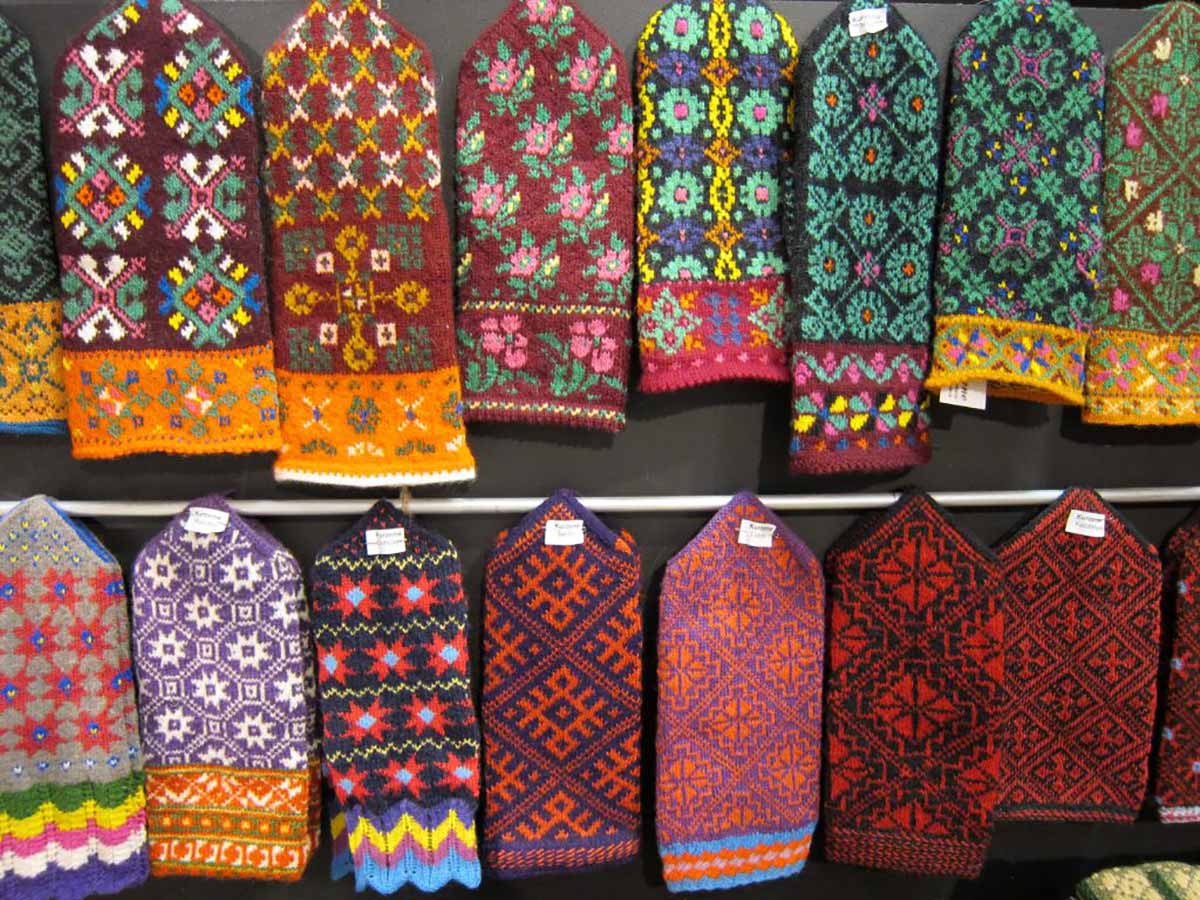
Traditional Danish costumes are a celebration of the country’s rich cultural heritage, featuring a variety of patterns and textures that tell a story with every stitch. Geometric shapes like diamonds and stripes sit alongside delicate floral designs, symbolizing strength, unity, and a deep connection to Denmark’s natural landscapes.
The fabrics used are equally expressive, ranging from sturdy wool to soft, fine linen. Each piece not only serves practical needs but also highlights the skill and artistry of Danish craftsmanship, making every costume a reflection of tradition and care.

Traditional Danish Clothing: A Recap
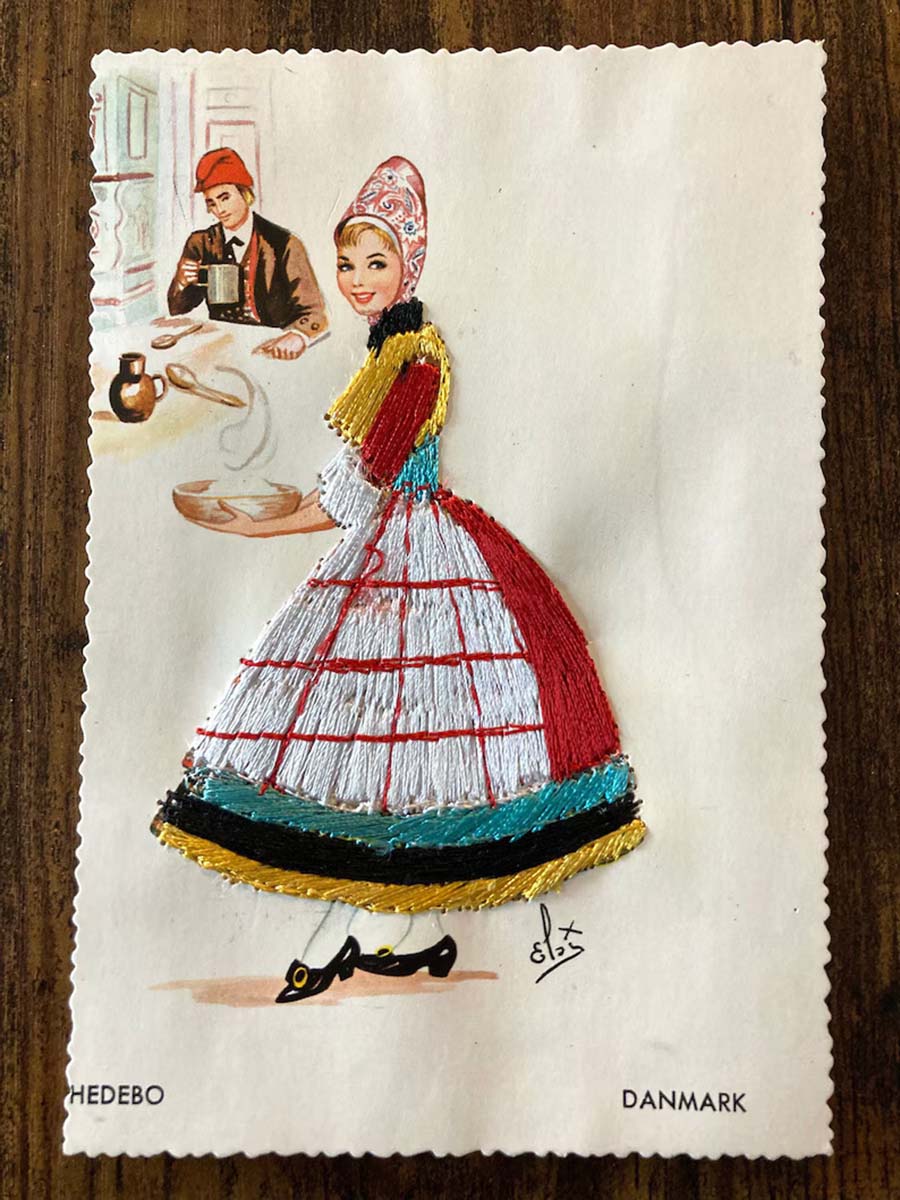
Traditional Danish clothing offers a fascinating window into the country’s rich cultural heritage. From the bold embroidery on the Skjorte to the sturdy craftsmanship of the Læderbukser and the elegance of the Nederdel, every garment tells a story of centuries of tradition, skill, and creativity.
Blending practicality, style, and a deep connection to nature, Denmark’s national costume reflects the diversity of its regions and the historical influences that shaped them.
These clothes do more than showcase artistry, they have a sense of unity and pride among Danes. Seeing a local festival where people wore these costumes reminded me how powerful clothing can be in connecting people to their roots and keeping cultural heritage alive for future generations to cherish.