How does traditional Colombian clothing show the country’s regional and cultural variety?
For me, learning about Colombian clothing has been exciting and full of surprises. The clothes are bright, colorful, and full of meaning. Every area of Colombia has its own style and story to share.
When I first started learning, I didn’t know much. I only noticed the colorful skirts, white blouses, and wide-brimmed hats. But soon I realized that each outfit is connected to local music, weather, and daily life.
In this article, I’ll share what I’ve found out:
- What traditional Colombian clothing looks like
- Why it’s an important part of Colombian life
- How styles change from one region to another
By the end, I hope you’ll see what I’ve come to understand — that these clothes help people show who they are and where they come from. They keep old traditions alive and help tell the story of Colombia through color and design.

1. Historical Roots of Traditional Clothing in Colombia

Traditional Colombian clothing shows the mix of Indigenous, Spanish, and African cultures. Each color and detail tells a part of the country’s story.
Before the Spanish arrived, Indigenous people made clothes from natural materials. They wore light clothes in the hot lowlands and thicker clothes in the cold mountains. Their clothing was simple but meaningful. It showed respect for nature and their way of life.
In the 1500s, Spanish colonization brought new clothing styles. People added lace, embroidery, and new shapes. These styles mixed with local traditions and created something unique to Colombia.
African culture also influenced clothing, especially along the Caribbean coast. People wore bright colors, patterned skirts, and headwraps. These clothes showed energy, joy, and pride in their heritage.
2. Colombia’s National Costumes
Colombian National Costumes for Men
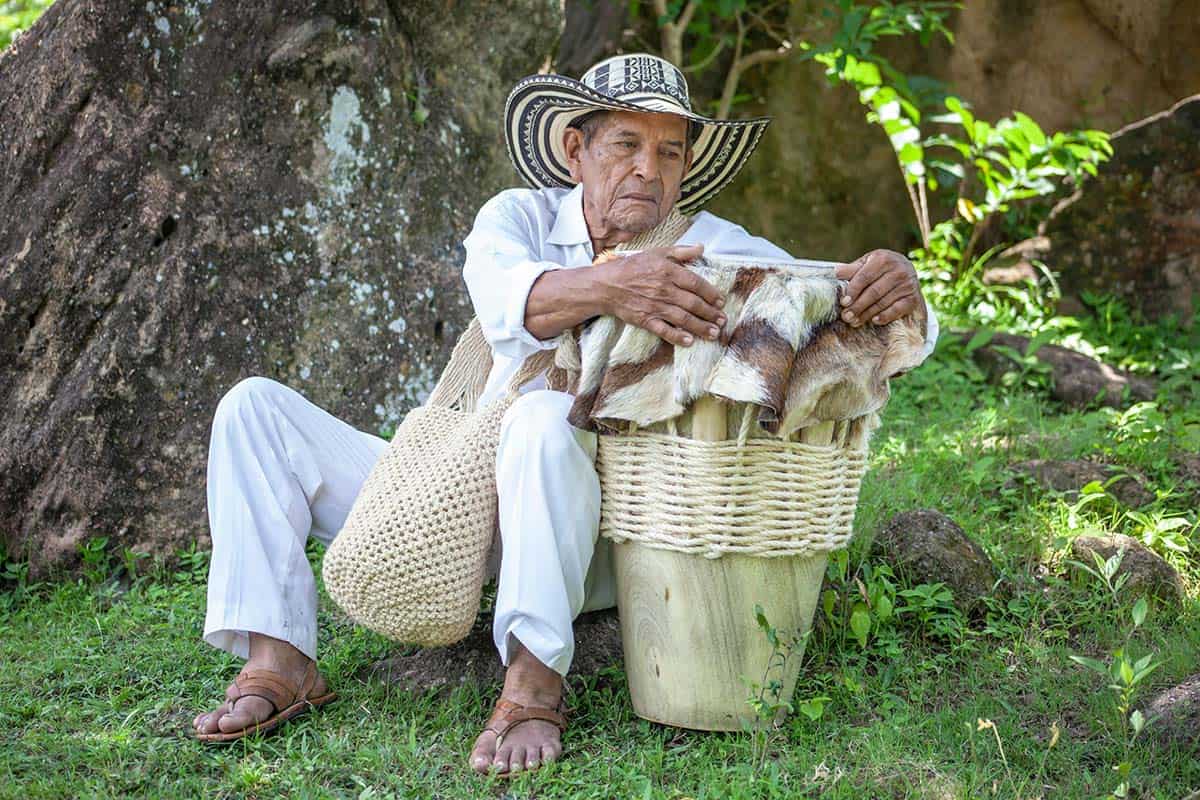
Colombia’s national costumes for men encompass a variety of garments deeply rooted in the country’s heritage. Among these, the iconic poncho and the traditional straw hat, known as the Sombrero Vueltiao, hold significant prominence.
The poncho, with its varied designs and practicality, serves as a staple in Colombian men’s wardrobes, reflecting both style and functionality. Similarly, the Sombrero Vueltiao adds a touch of tradition and cultural identity to men’s attire, symbolizing Colombia’s rich heritage.
Colombian National Costumes for Women
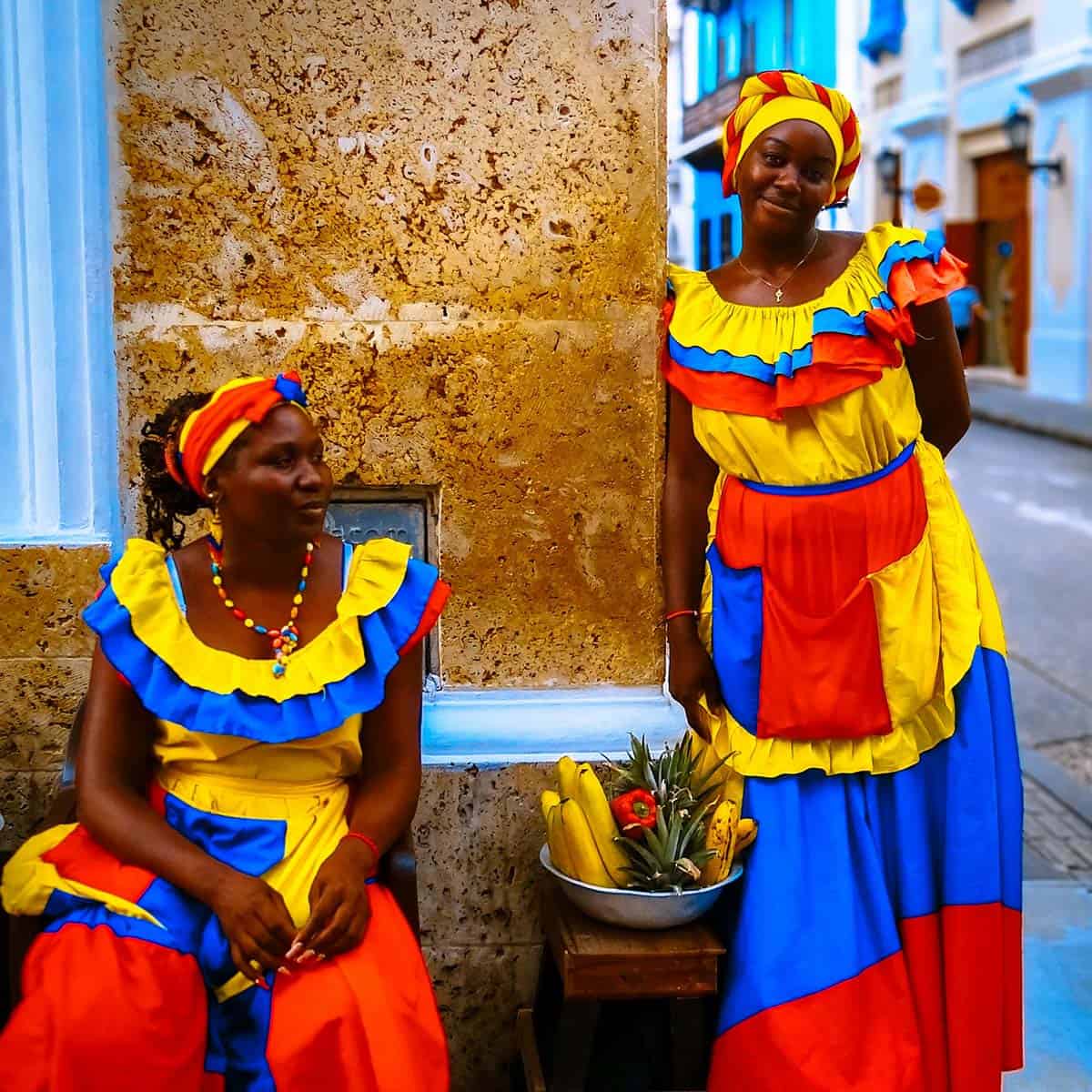
Colombia’s national costumes for women reflect a rich cultural heritage and regional diversity. Among the notable garments are the pollera, a brightly colored skirt often intricately embroidered, and the ruana, a versatile poncho-like garment worn for warmth and style.
Additionally, women may accessorize their attire with elaborate headpieces, such as the mantilla or the Sombrero Vueltiao, adding flair to their traditional ensembles. These garments not only mirror Colombia’s cultural history but also embody the elegance and grace of Colombian women.
3. Notable Vintage Colombian Outfits
Poncho
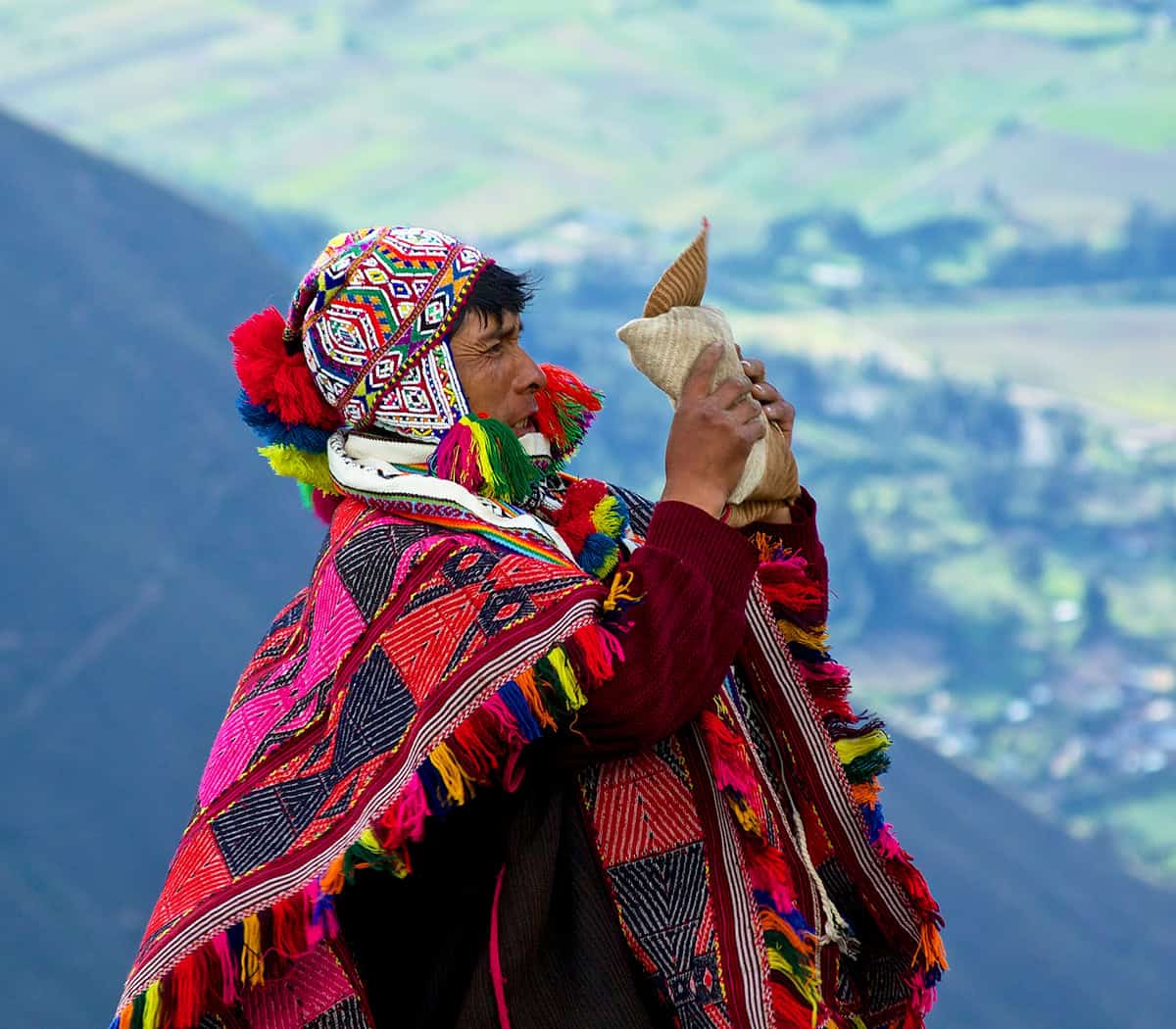
Traditional Colombian clothing, especially the poncho, is very important in Colombia. The cotton poncho and the Boyacá poncho are the most well-known. They are made from natural materials like cotton, wool, and alpaca.
The cotton poncho, made from local cotton, is simple and practical. Its design changes in different regions. Each poncho shows local customs and the skill of the people who make it. Woven by hand, the cotton poncho often has detailed patterns that show the talent of Colombian artisans.
The Boyacá poncho comes from the Boyacá region. It is known for bright colors and beautiful designs. Made from wool or alpaca, each poncho has unique patterns. The weaving is taught from one generation to the next.
As mentioned in Vogxu, “Each poncho design carries symbolic meaning specific to the indigenous community or region it represents. The colors, patterns, and motifs often convey stories, spiritual beliefs, and historical narratives.” This shows that ponchos carry stories and traditions. They help people share their history and culture.
Pollera
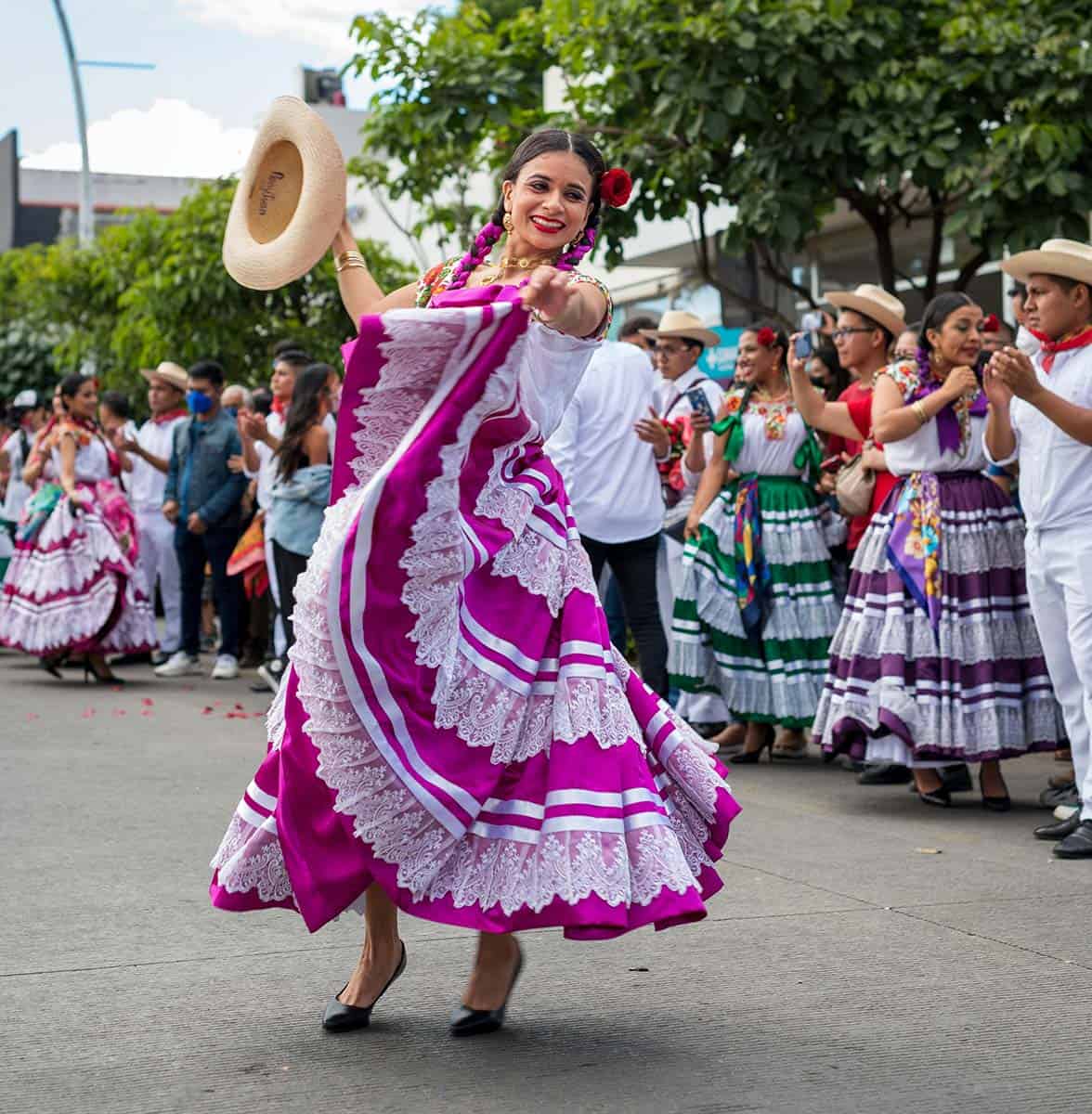
The pollera is a bright symbol of Colombia’s national clothing. Its colorful skirts reflect the country’s rich cultural heritage. These skirts, decorated with detailed patterns and lively colors, show the spirit of Colombian tradition and identity.
La Pollera Colorá is Colombia’s classic formal dress. It is worn during national festivals and special events. This famous outfit shows elegance and style, with bright colors and detailed designs that celebrate Colombian culture.
Guayabera Shirt
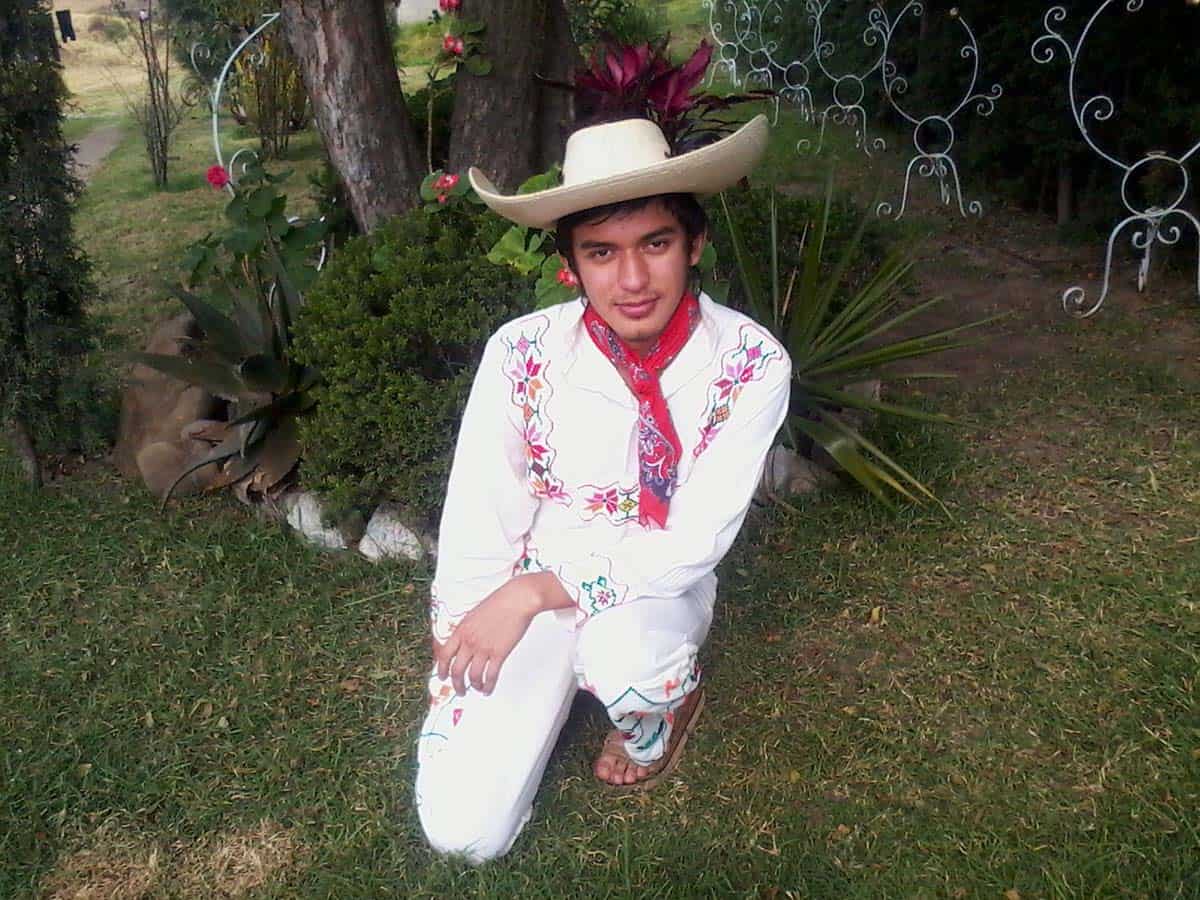
The Guayabera shirt, called “Guayabara” in Colombia, is an important part of traditional clothing. It is both stylish and comfortable. Guayabé, also called camisa Yucatan or Yucatán t-shirts, are summer shirts for men. They are usually worn over jeans.
This shirt has special pleats and pockets. It looks neat and classic, but it is also practical for daily use. People wear it across Colombia for casual events and formal occasions, like national festivals.
The shirt is made from light material and has a loose fit. It is perfect for Colombia’s hot and tropical climate. It keeps people cool while looking smart. The Guayabera also shows Colombia’s tradition and culture.
The Guayabera is sometimes called the Mexican ‘wedding shirt’ or ‘Cuban shirt.’ It started in coastal Colombia but later became popular in many parts of Latin America.
Ruana
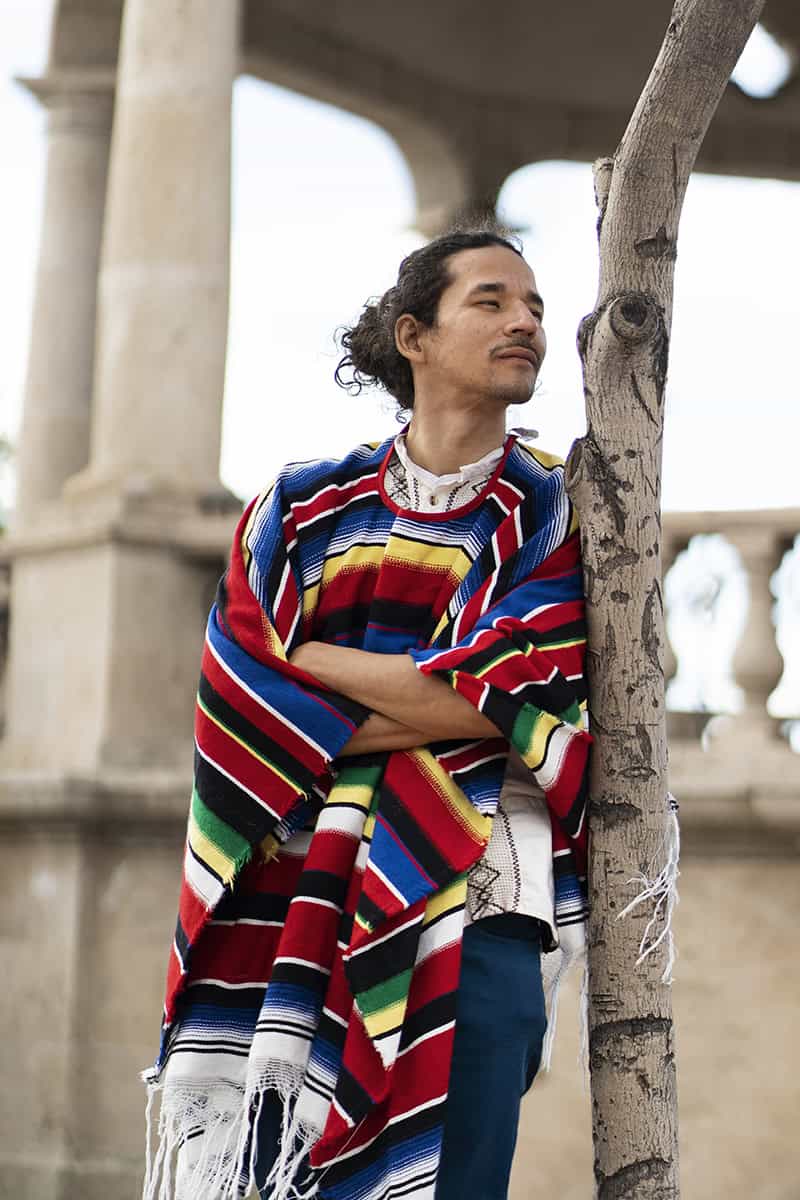
The Ruana is an important part of traditional Colombian clothing. It is made from natural materials like cotton, wool, and alpaca. People in the Andes region often wear it.
The Ruana is square or rectangular with a hole for the head. It is warm and practical for the cool mountain weather. At the same time, it looks stylish.
Ruanas are usually handwoven using traditional methods. They give warmth and protection from the cold. The designs are different in each region. Many have bright colors and patterns that show local culture.
Mochila Bags
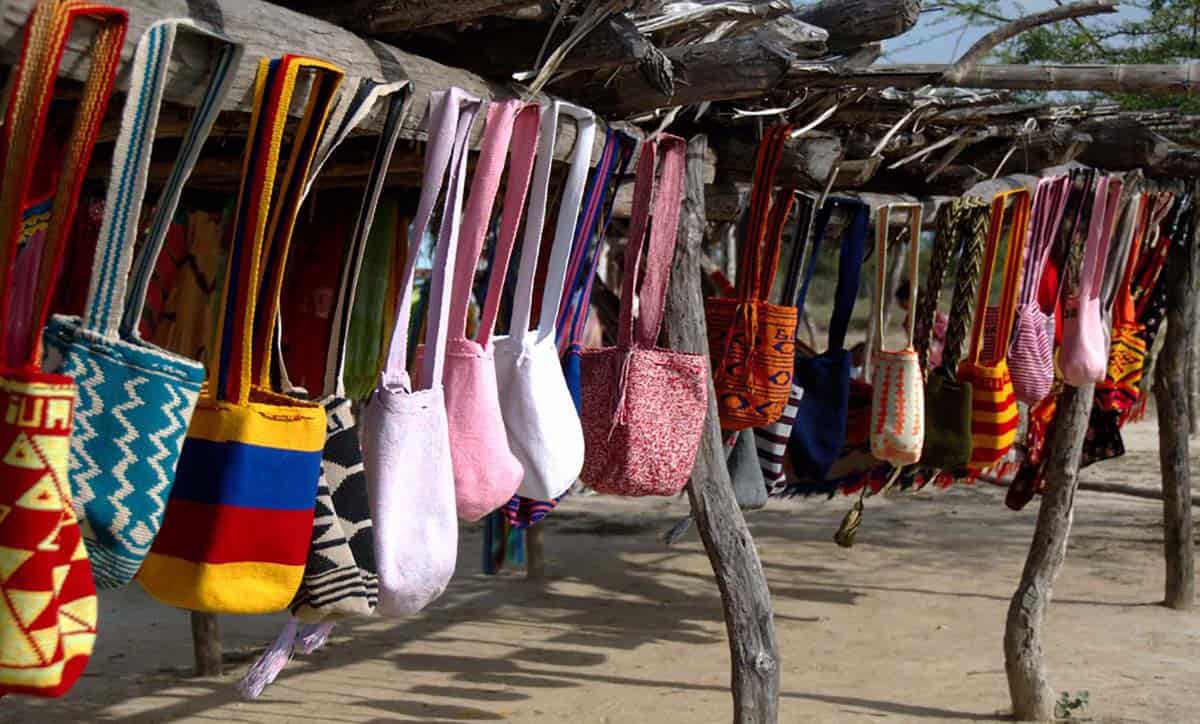
Mochila bags epitomize Colombia’s traditional costume, showcasing indigenous artistry woven into everyday activities. Crafted by local artisans using age-old techniques, these bags reflect Colombia’s rich cultural heritage.
With vibrant colors and intricate designs, each mochila bag is a unique masterpiece, symbolizing the artistic expression and storytelling of indigenous communities.
Made from natural fibers such as cotton or agave, these bags are not just practical but also carry profound cultural significance, representing Colombia’s diverse indigenous traditions.
Carrizo
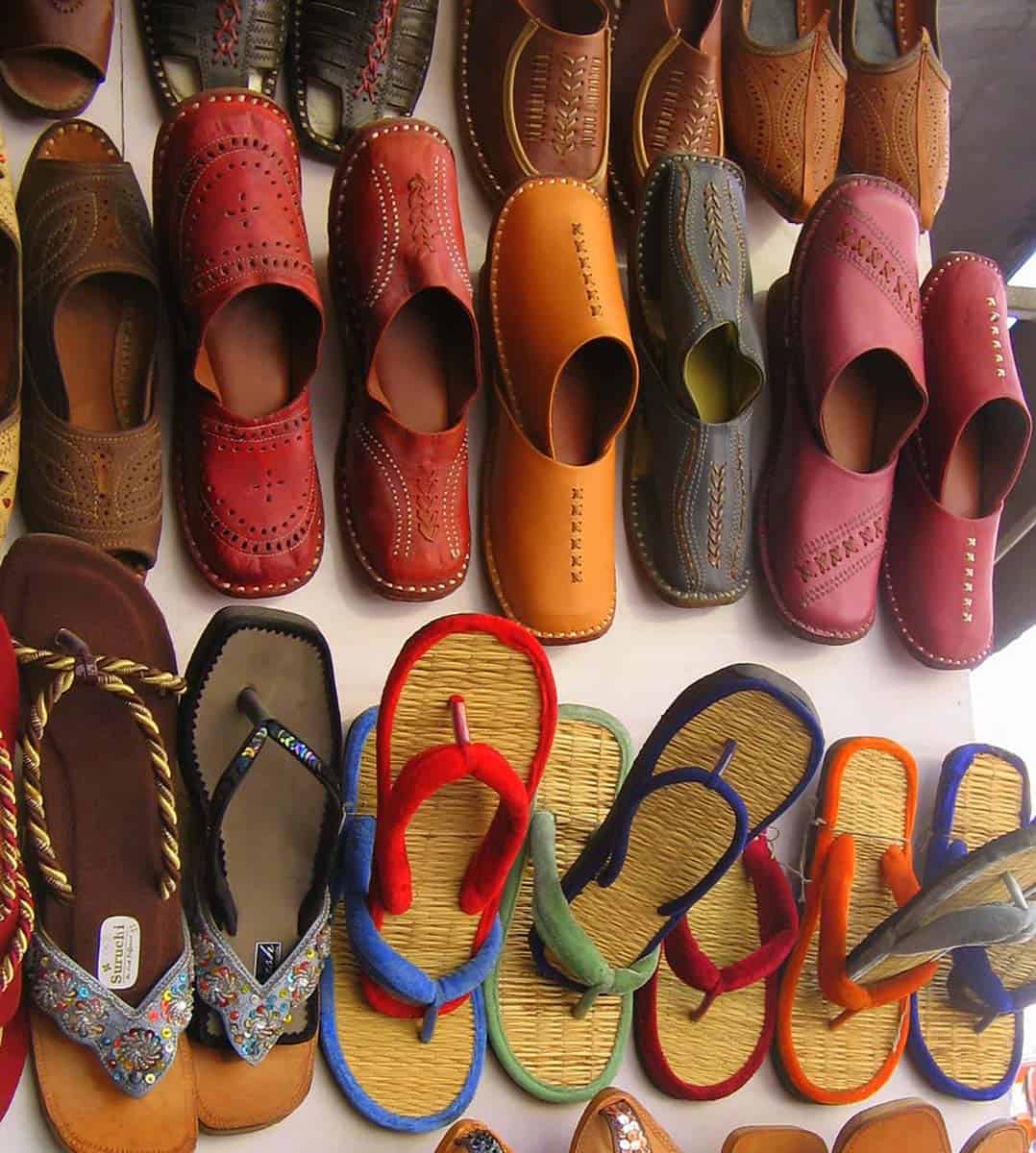
Carrizos are traditional shoes from Colombia. They are an important part of the country’s clothing and culture. Local artisans make them carefully by hand. These shoes show skill and tradition.
Carrizos are made from natural materials, like leather or woven fibers such as fique. They are strong and comfortable. People wear them to walk on Colombia’s different types of land.
The shoes usually have strong soles and simple, neat designs. Some have patterns that show Colombian culture and add extra style.
Sombrero Vueltiaor
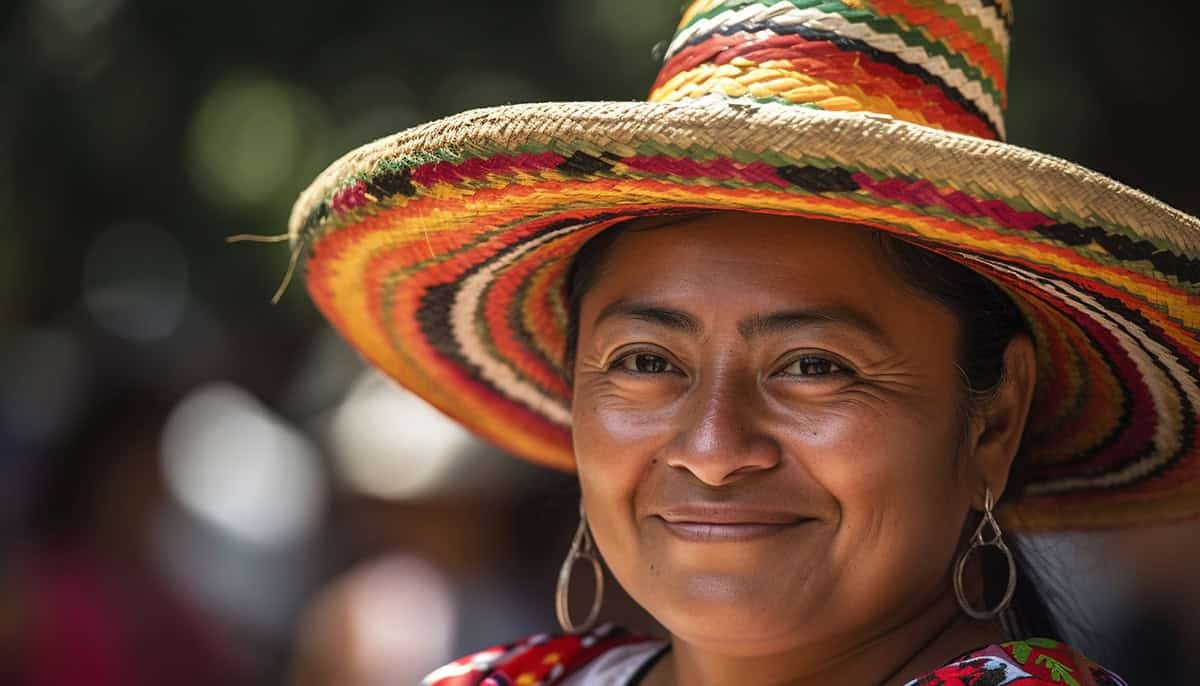
The Sombrero Vueltiao is an important part of Colombia’s traditional clothing. It combines folklore and style and reflects Colombia’s cultural heritage.
Skilled artisans make this hat by hand using old weaving techniques. It is made from natural materials like cane or palm leaves. The hat has a spiral pattern carefully woven into it.
The Sombrero Vueltiao is light and breathable. It protects the wearer from the sun and is comfortable in Colombia’s tropical climate.
See Also Traditional Guatemalan Clothing
4. Regional Colombian Traditional Attire
Traditional Costumes of the Caribbean

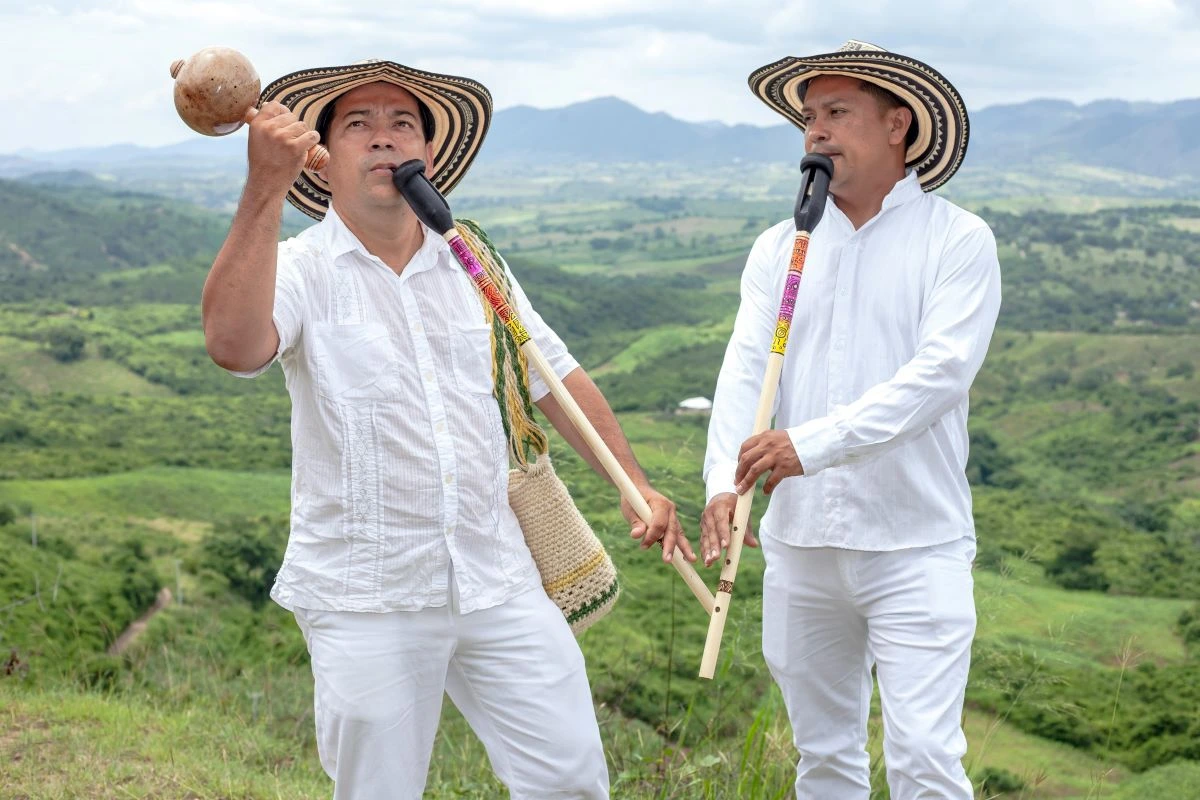
On Colombia’s Caribbean coast, traditional clothing is bright and practical. Men often wear colorful shirts with linen pants. These clothes are comfortable in hot and humid weather.
Another common style is white shirts and pants. Men sometimes carry woven bags over one shoulder. This style mixes tradition and practicality. Women wear skirts and lightweight dresses. The flowing clothes move with the breeze and look graceful.
Coastal artisans also make clothing from dried cane. The black-and-white-brimmed hats are well known and have been cultural symbols since 2004.
Traditional Costumes of the Amazon Region

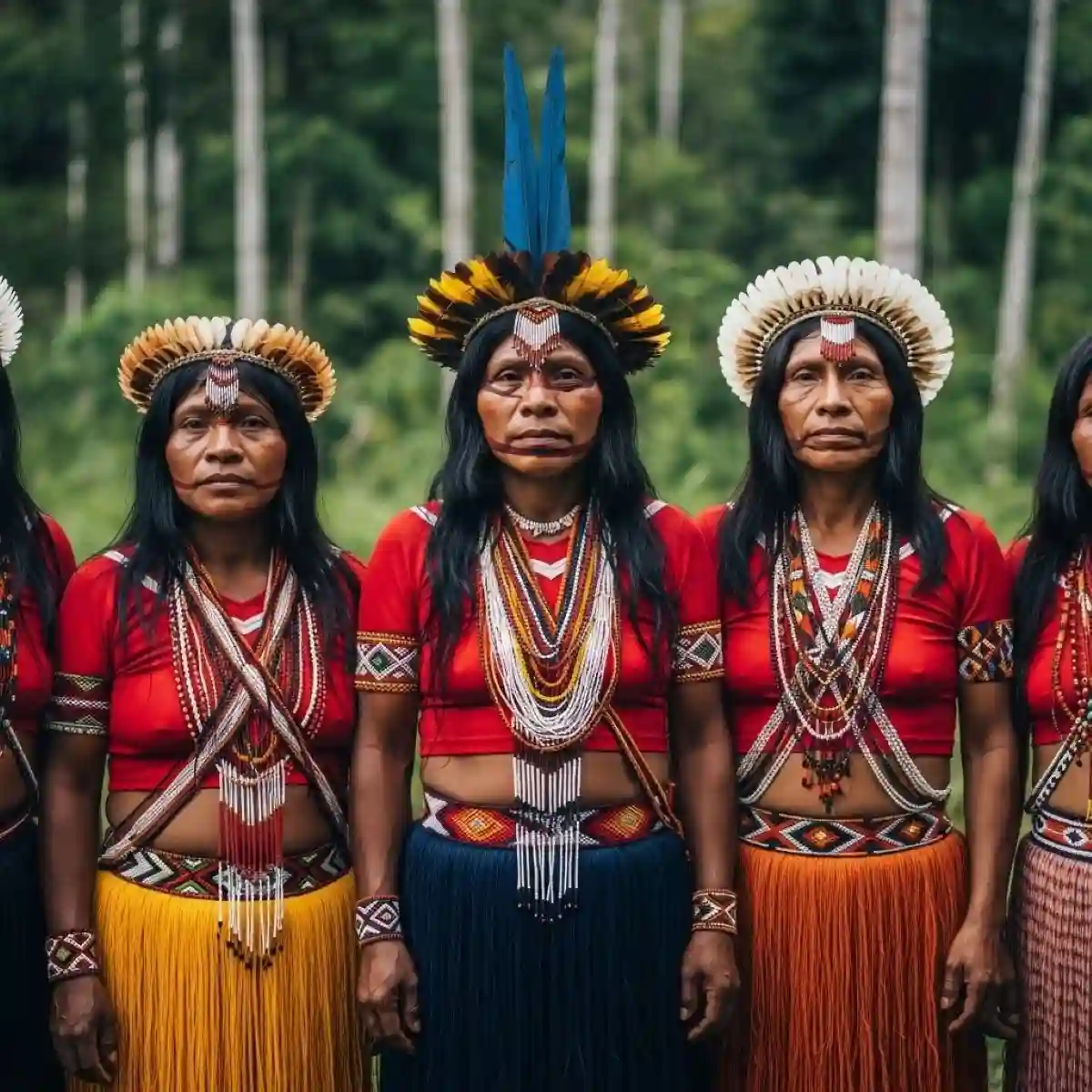
In Colombia’s Amazonian rainforest, national dress shows local culture and daily life. Each piece is carefully made and tells stories from the past.
Men often wear loincloths made from natural fibers, like palm leaves or woven cotton. They may also wear chest plates or necklaces made from seeds, feathers, or other local materials.
Women wear skirts or dresses made by hand. These clothes have bright colors and patterns that show local symbols.
See Also Traditional Portuguese Clothing
Traditional Costumes of the Muisca Region

Traditional clothing of the Muisca people shows a strong connection to nature and culture. This indigenous group from the Andean region wore it for both practical and symbolic reasons.
Men wear tunics made from woven cotton or wool. The tunics often have geometric patterns with spiritual meaning. Men also wear woven belts and sandals made from natural materials.
Women wear long dresses or skirts with bright colors and traditional designs. They often add shawls or mantles for extra style and comfort.
Accessories are important. People wear jewelry made from gold, silver, or semi-precious stones. These items show status, protection, and a connection to nature.
Traditional Costumes of the Andean Region

In the Andean region of Colombia, traditional outfit shows the local culture. It is practical and helps people stay warm.
Men wear wool or alpaca ponchos. The ponchos have detailed patterns made by local artisans. Women wear colorful skirts and shawls with embroidery. The clothes are made from local materials that suit the cold mountain weather.
Accessories, like hats with feathers or decorative bands, are also common. They show cultural pride and tradition.
5. Pattern of Colombian Attire

Traditional Colombian clothing tells stories through its patterns and textures. Bold symbols show indigenous traditions, while delicate embroidery reflects colonial influence. Each design shows a piece of Colombia’s history.
Many patterns come from nature—leaves, flowers, and animals—and often have spiritual meaning. The textures show the care and skill of local artisans who make each piece by hand. Wearing these clothes is like wearing a story. Every stitch connects the present with centuries of culture and creativity.
As the Colombian government notes, “Traditional Colombian costumes vary by region and reflect the country’s cultural and historical diversity. The garments are a living expression of local traditions, ancestral influences, and the festive spirit of each community.”

Traditional Colombian Clothing: A Recap
Traditional Colombian clothing caught my eye with its bright colors and beautiful designs. The polleras from the Caribbean coast and the woven clothes of the Andes show Colombia’s culture and history.
Each garment is made with care. Seeing people wear them makes me feel connected to old traditions. It shows how proud Colombians are of their past. I once watched a festival where everyone wore these clothes. The joy and energy showed me how special they are.
These clothes also show values shared across communities. Wearing them keeps traditions alive while people live in a modern world.