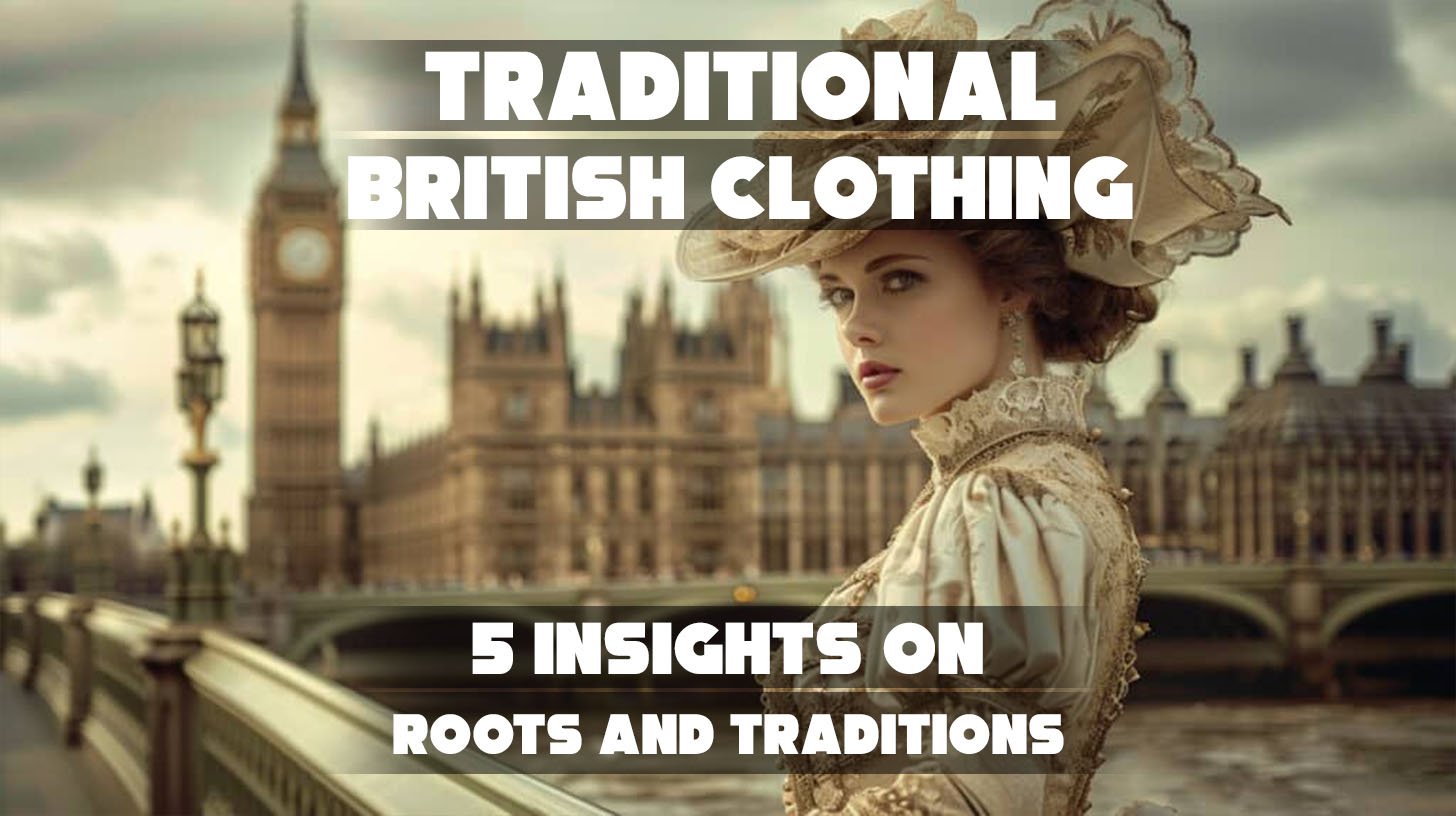

Have you ever wondered what people wore in Britain centuries ago? Traditional British clothing is more than just fabric—it reflects history, class, and culture. Clothing has always played a vital role in showing identity, and understanding it can offer fascinating insights into how people lived.
If you’re curious about British style from the past, you’re in the right place.
I remember visiting a museum in London where they displayed Victorian-era clothing, each piece seemed to tell a story of social status and everyday life. It was eye-opening to see how fashion reflected societal values.
In this article, you will:
- Discover the evolution of British clothing for both men and women
- Learn how fashion symbolized class and occupation
- See how these historic styles continue to influence modern fashion
Keep reading to uncover the history of British fashion and its lasting impact on today’s trends.


1. History of Traditional British Clothing

British country clothing has long been associated with practicality and elegance, reflecting the rural lifestyle and history of England. Traditional dress in England often included garments suited for outdoor activities, like hunting, shooting, and farming.
Tweed suits, a hallmark of British country clothing, became popular in the 19th century, favored by the country gent for their durability and warmth. These suits were typically paired with flat caps and waistcoats, creating a stylish yet functional look. Over time, country clothing became a symbol of British rural tradition, often seen at country estates or in rural villages.
While national dress is not officially defined, elements of these traditional styles are still followed today in both casual and formal settings, keeping the essence of the countryside alive in modern fashion.
According to the article “Timeless Appeal of Traditional English Clothing,” the evolution of British country clothing is deeply tied to practicality and outdoor pursuits. It highlights how garments like tweed suits and country gent attire became symbols of British heritage, a key theme reflected in the history of England’s traditional dress.
See Also Famous British Painters
2. British National Costume
British National Costume for Women
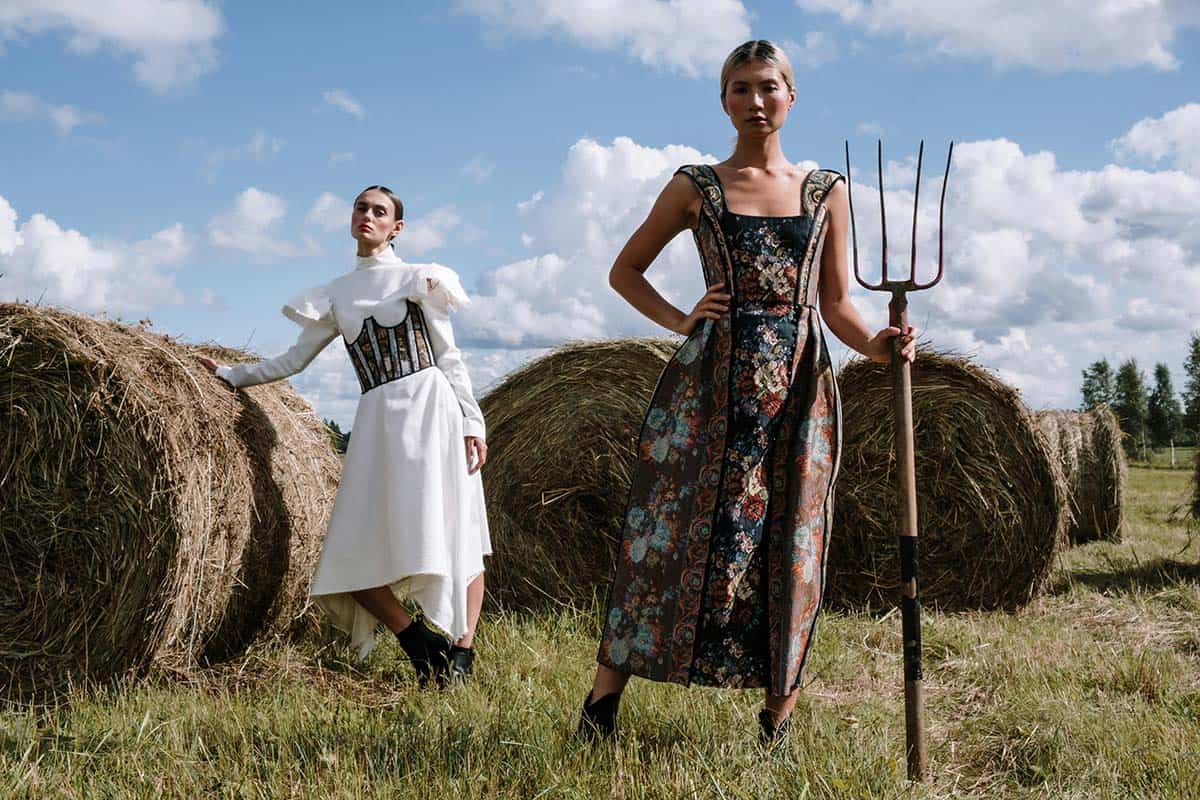
The British national costume for women beautifully combines elegance and practicality, offering a tour into the country’s rich cultural history. Over time, it has evolved, from the flowing, graceful lines of Edwardian dresses to the sharply tailored, refined looks of the Victorian-era.
Key pieces like tweed jackets, tartan skirts, and leather boots have become iconic elements of traditional British attire. For women across the British Isles, these garments aren’t just about fashion—they represent a deep connection to their heritage and identity.
The history of British women’s clothing is not only about style but also about how traditions and cultural influences have shaped everyday fashion choices through the centuries.
British National Costume for Men

The British national costume for men showcases a timeless blend of heritage and style, drawing inspiration from the country’s vast countryside landscapes and dynamic urban environments. Over time, British men’s clothing has evolved through a rich history, from the refined tailoring of Victorian suits to the rugged charm of tweed jackets, which remain iconic today.
Influenced by various cultural movements and historical periods, this style tells a story of practicality and elegance, designed to stand the test of time. Rooted in skilled tailoring and attention to detail, traditional men’s clothing in the UK is known for its lasting quality. Whether crafted by renowned fashion houses or local artisans, it represents a deep appreciation for craftsmanship, offering sophistication that adapts to both formal and everyday wear.
See Also Traditional Scottish Clothing
3. Notable Vintage British Outfits
The Tweed Jacket
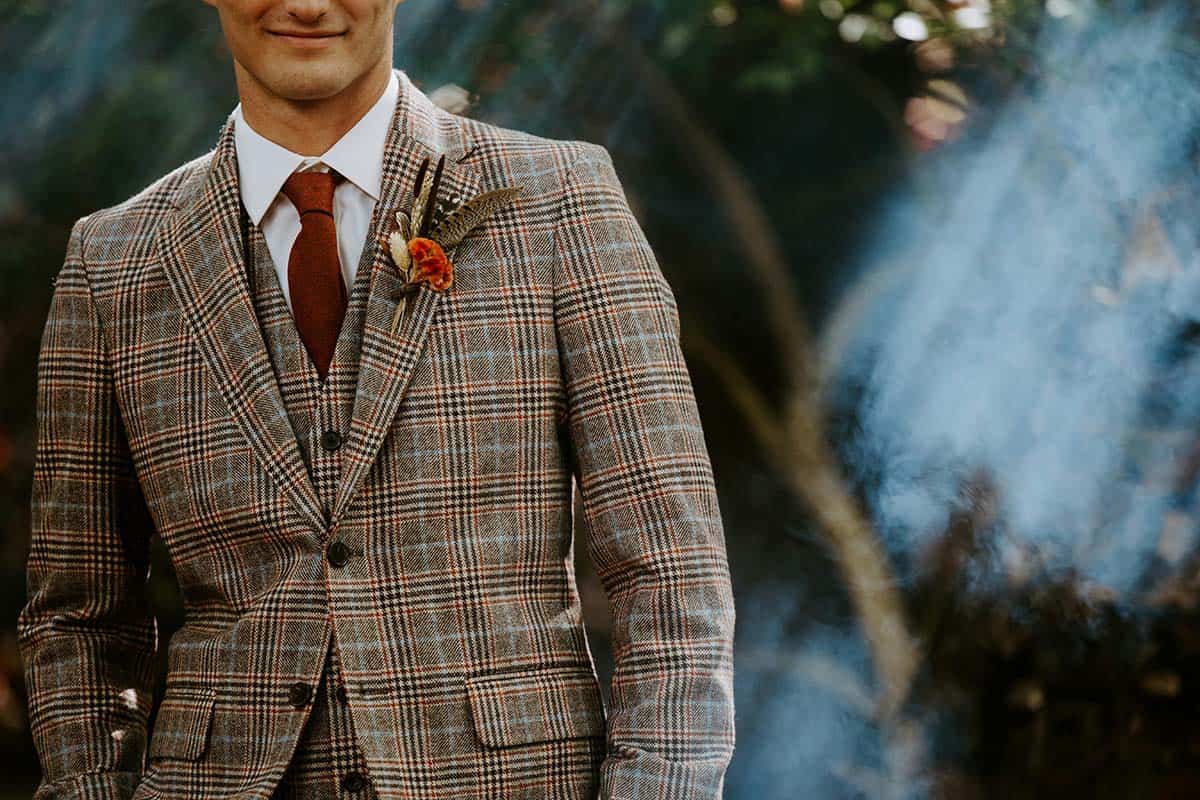
The tweed jacket stands as a timeless symbol of British craftsmanship and culture, representing both practicality and refined elegance. Originating from the rugged landscapes of Scotland and Ireland, tweed fabric was traditionally handwoven by artisans who sourced wool from local sheep, with each weave carrying distinct regional significance.
This deeply rooted heritage of tweed reflects the connection between the land and its people, with variations of the fabric reflecting unique local traditions.
Once a practical garment for outdoor activities like hunting and shooting, the tweed jacket has evolved into a symbol of aristocratic sophistication. Crafted from luxurious materials like Harris Tweed—a fabric known for its durability and beauty—or waxed cotton, the jacket embodies both functionality and refinement.
Often lined with silk or cashmere and adorned with leather trims, the tweed jacket remains an essential piece of British fashion. Its enduring appeal lies in its versatility: it seamlessly transitions from the countryside to city streets, offering a balance of timeless style and unmatched durability, making it a revered staple in British heritage and fashion today.
According to the article “This Sporting Cloth: Tweed, Gender and Fashion 1860–1900”, tweed fabric has long been associated with British countryside life, symbolizing both practicality and elegance. The tweed jacket, made from this durable cloth, embodies British heritage, offering timeless style with connections to outdoor activities and rural tradition, as explored in my article.
The Barbour Jacket
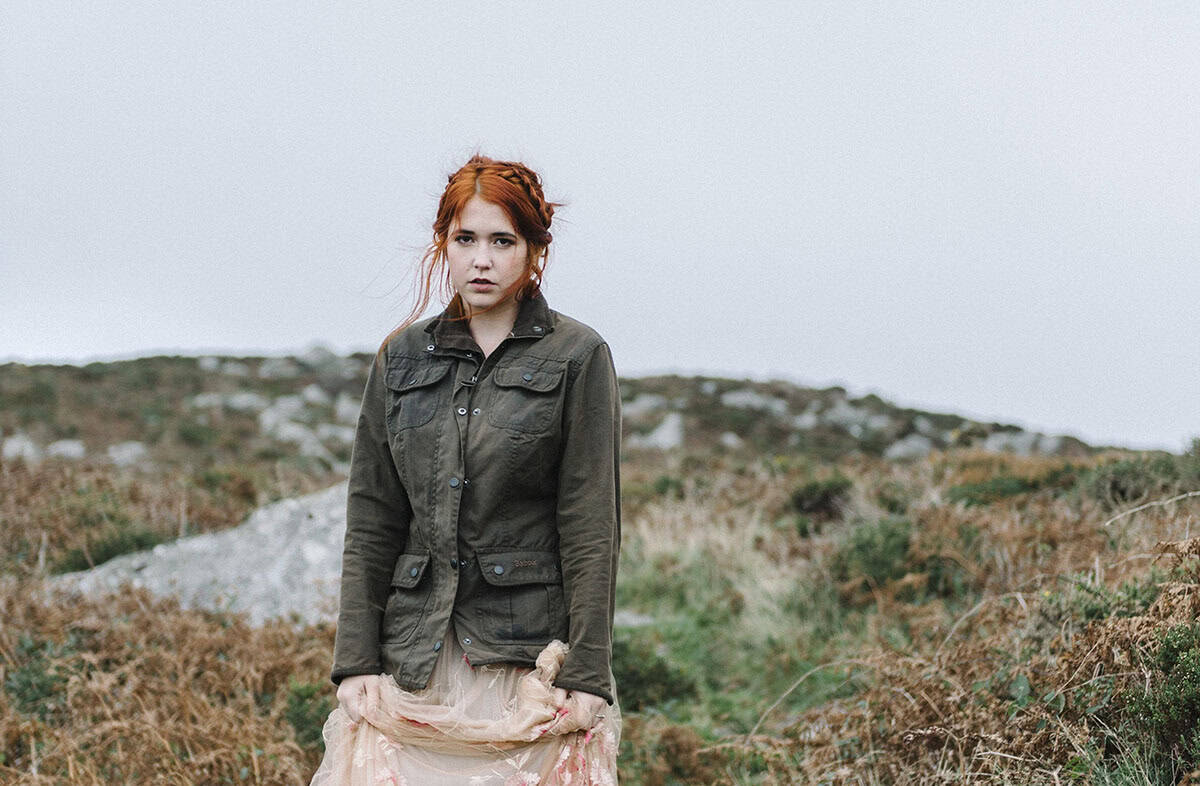
The Barbour jacket is a quintessential piece of traditional British attire, renowned for its durability and timeless style. Made from waxed cotton, it represents the heart of British countryside life, designed for outdoor activities and the unpredictable weather that defines rural Britain.
Originally created by John Barbour in the late 19th century, the jacket was intended to withstand the tough demands of rural life, offering both comfort and protection for outdoor workers. Its signature waxed cotton construction ensures superb water resistance, making it a reliable choice for all seasons.
Characterized by practical features like multiple pockets and a corduroy collar, the Barbour jacket has evolved over time, adapting to changing tastes while maintaining its core functionality.
Whether in its classic form or as a modern adaptation, it remains a staple in British fashion, celebrated for its rugged elegance and connection to the country’s outdoor heritage. Today, it continues to symbolize the balance between heritage, utility, and style in British culture.
The Burberry Trench Coat
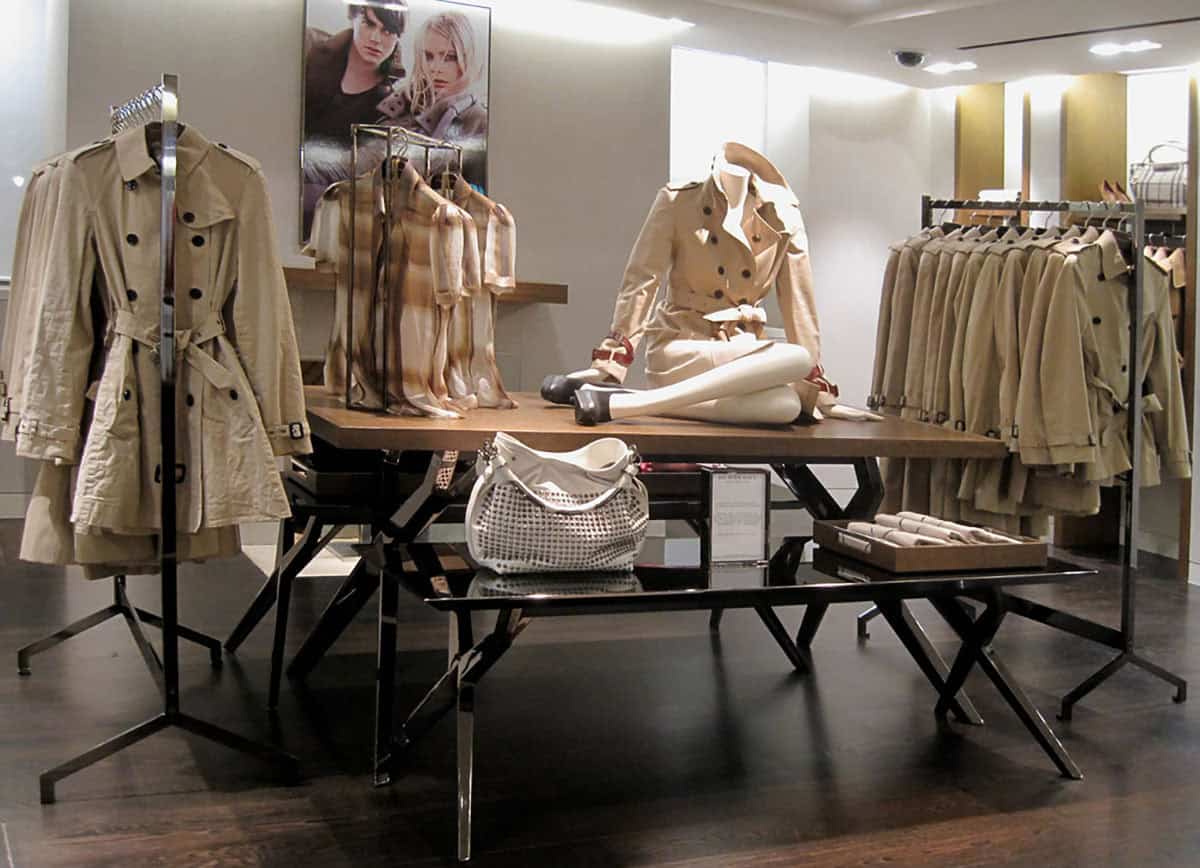
The Burberry trench coat, a hallmark of British fashion, has endured through generations as a symbol of heritage and style. Crafted by Thomas Burberry in the early 20th century for British military officers, it boasts a classic design tailored for both functionality and elegance.
Made from innovative gabardine fabric, the coat offers weatherproofing without sacrificing breathability, perfect for rainy British weather. Transitioning from military to civilian wear post-war, the trench coat became a staple in British outfits, favored by men and women alike.
Over time, Burberry has introduced variations while preserving the coat’s core design, ensuring its timeless appeal.
The Tartan Skirt
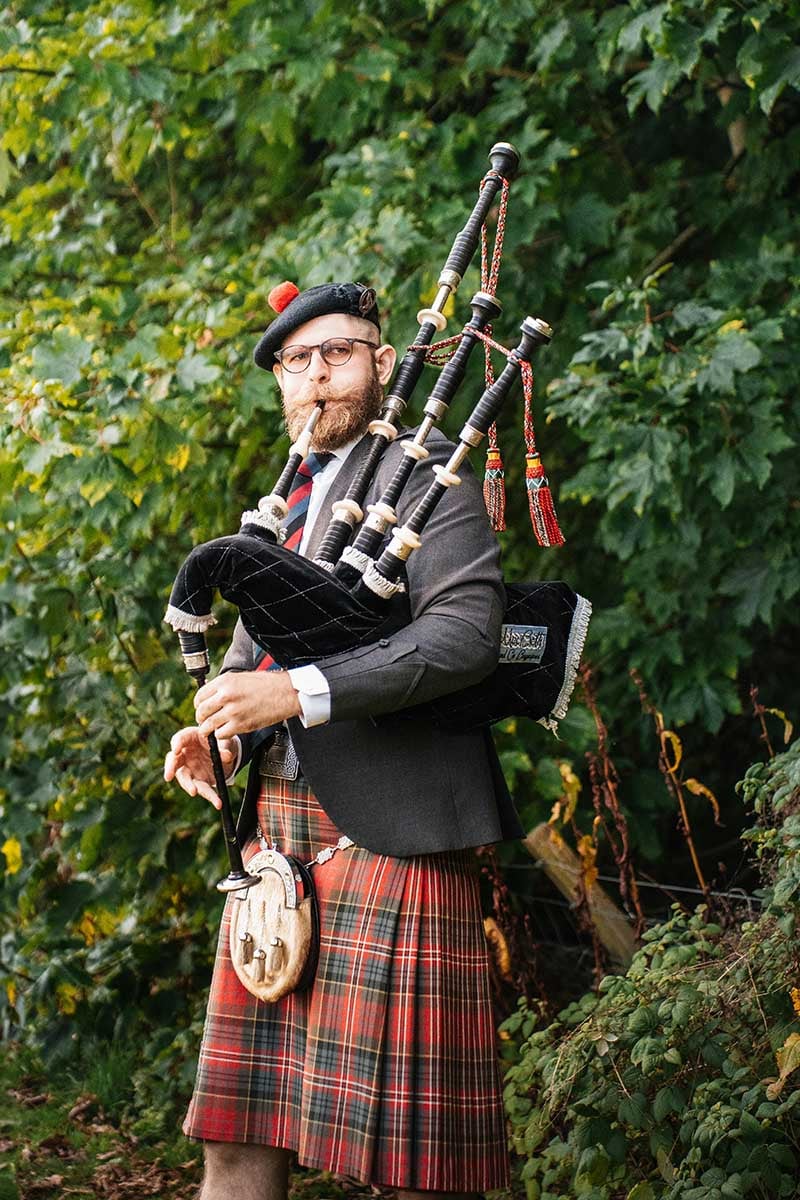
The tartan skirt embodies British countryside fashion, resonating with Scottish heritage through its distinctive tartan fabric. Often chosen for formal occasions, it’s a timeless piece that blends tradition with modern flair.
Crafted from tartan fabric, each skirt showcases intricate patterns and colors, reflecting Scotland’s rich culture. Some variations incorporate luxurious materials like silk, Harris Tweed, wax cotton, cashmere, or leather for added opulence.
Synonymous with traditional style in Britain, the tartan skirt offers a touch of charm to any wardrobe. Its versatility makes it suitable for both country gatherings and urban affairs.
The Wellington Boots
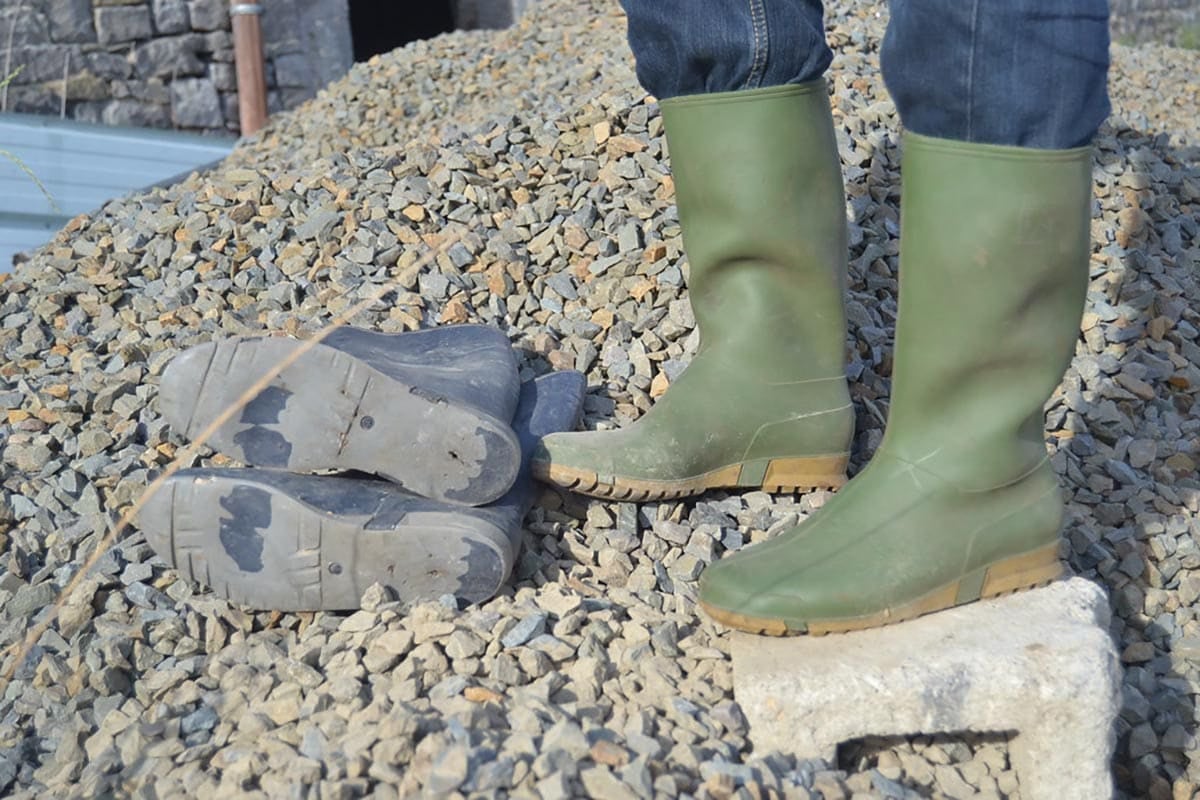
Wellington boots, affectionately known as “wellies,” are a cornerstone of British countryside attire, offering protection against wet weather and muddy conditions.
Crafted from durable rubber, these boots are designed to withstand the rigors of the British countryside, ensuring feet stay dry and comfortable in any environment. Originally crafted for practicality, Wellington boots have seamlessly integrated into British outfits, becoming a beloved choice for outdoor activities and casual wear.
Their timeless design and sturdy construction make them a staple of British country clothing, favored by both rural residents and urban dwellers seeking to have the countryside aesthetic.
The Flat Cap

The flat cap, with its distinctive rounded shape and small stiff brim, is a true icon of British men’s style. Traditionally crafted from wool or tweed, it has long been favored by British men, especially in rural areas, where it served both practical and fashionable purposes.
Renowned for its versatility, the flat cap effortlessly transitions between country and urban fashion, adding a touch of quintessential British charm to any outfit. Whether paired with a tweed jacket or a casual ensemble, it completes the look with understated elegance.
With its enduring popularity and timeless silhouette, the flat cap remains a beloved staple in British fashion, symbolizing the heritage and traditional clothing that define the nation’s sense of style. Its continued relevance proves that true classics never fade.
The Bowler Hat
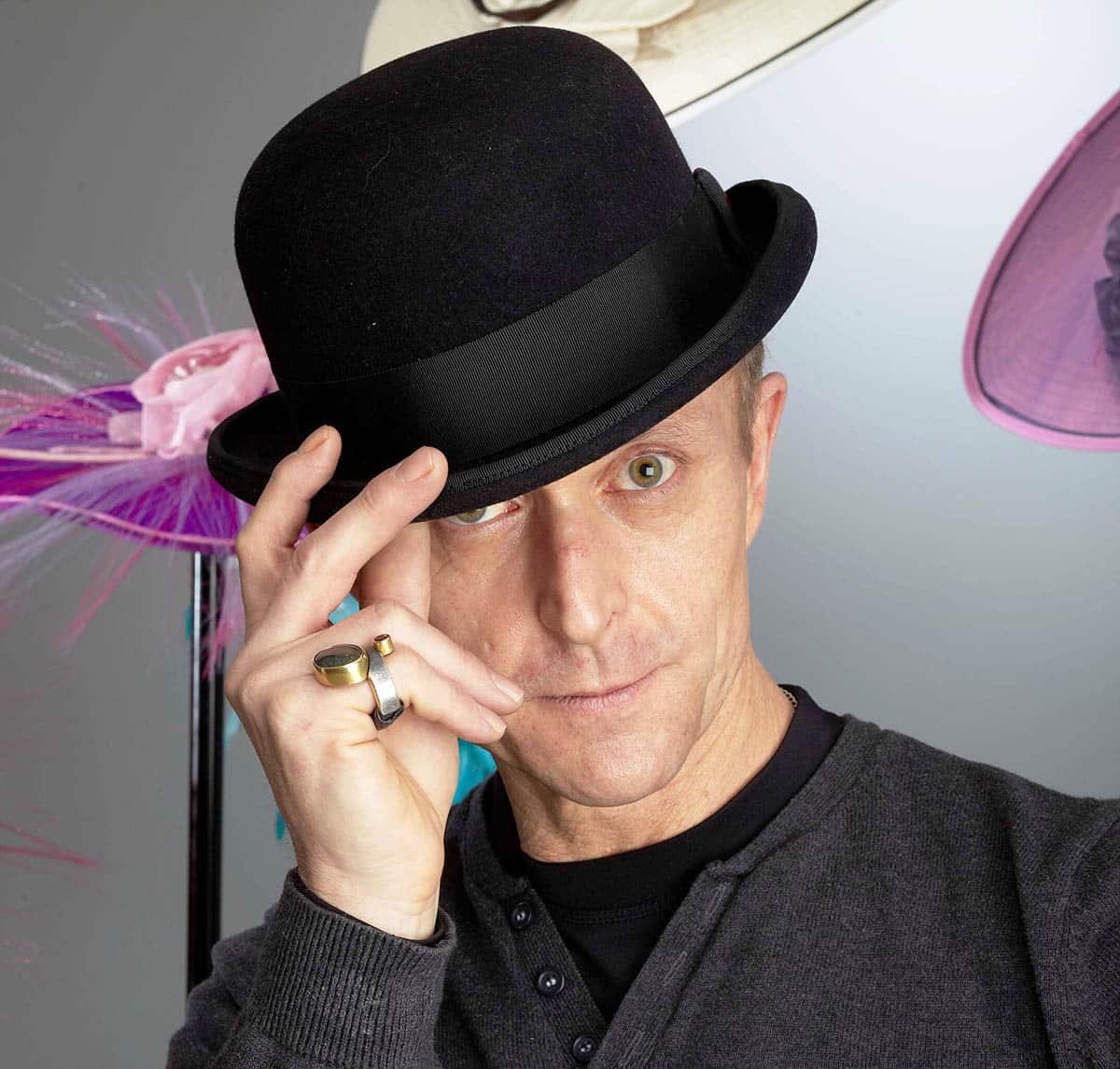
In the world of British country clothing, few accessories stand out quite like the bowler hat. This quintessential piece of British countryside attire has stood the test of time, retaining its classic charm and timeless appeal.
In the rolling hills of the British countryside, where classic attire reigns supreme, the bowler hat finds its natural habitat. Paired with tweed jackets, sturdy boots, and other traditional country clothing, it adds a touch of elegance to any outfit.
For those who appreciate the charm of British country clothing, the bowler hat is a must-have accessory. Its classic silhouette and enduring popularity make it a versatile piece that can be worn with confidence in any setting.
The Fair Isle Sweater
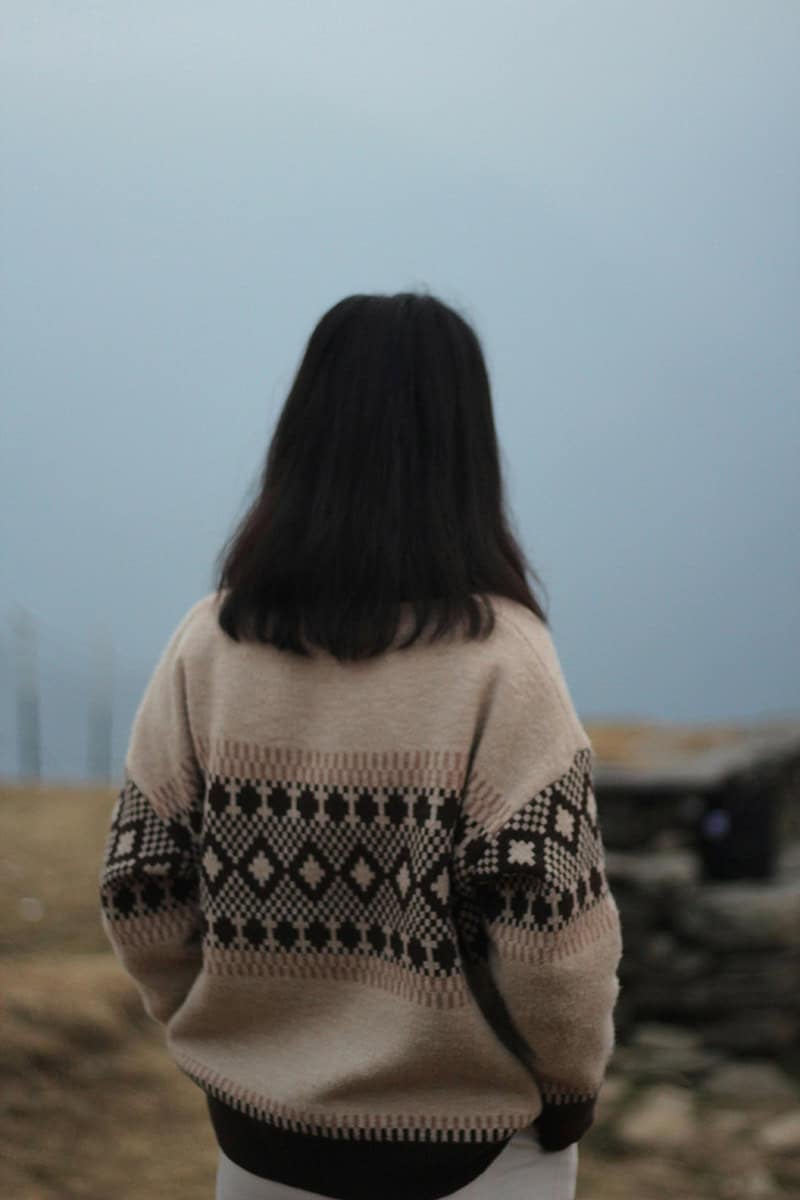
Traditional British clothing offers a rich array of styles, and the Fair Isle sweater stands out as a true symbol of British countryside charm. Originating from Scotland’s Fair Isle, this distinctive knitwear is known for its intricate patterns and vibrant colors, representing the essence of rural life.
Crafted from soft wool, the Fair Isle sweater is versatile, seamlessly transitioning from casual to formal wear. When paired with leather boots or tweed trousers, it adds a layer of timeless elegance to any outfit.
Renowned British brands like Barbour offer their interpretations of this classic garment, but its deep association with British tradition remains unmistakable. A Fair Isle sweater is not just a piece of clothing—it’s a statement of heritage and style that endures through the decades.
Accessories
- Tweed Scarf – Tweed Shawl: Worn for warmth and style, often made from the same fabric as tweed jackets, reflecting British countryside life.
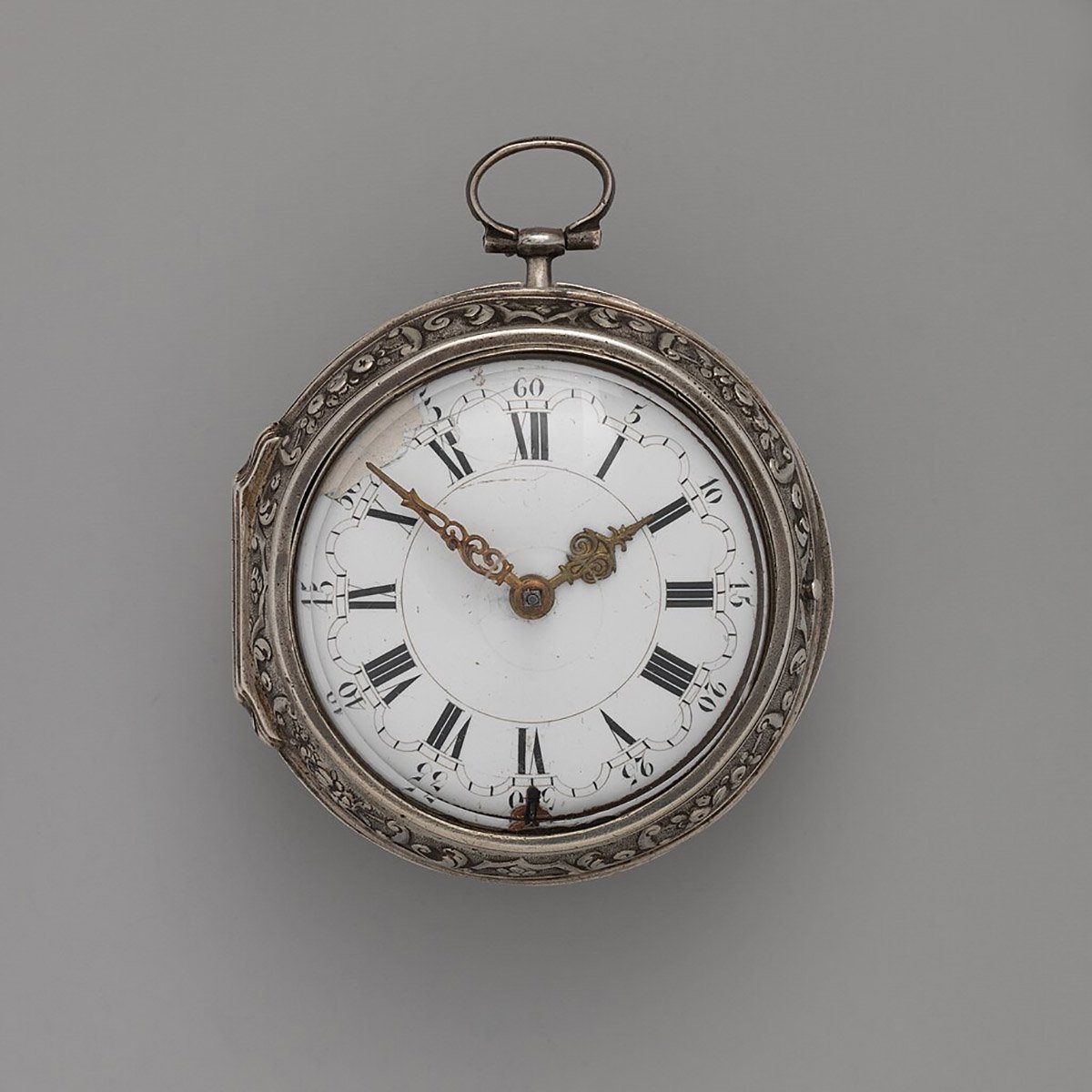
- Pocket Watch – Fob Watch: A symbol of elegance and status, once essential for gentlemen, crafted from fine metals.
- Walking Stick – Cane: Used by older British men as a symbol of authority and class, often with ornamental handles.
- Tweed Gloves – Driving Gloves: Worn as part of country attire, designed for warmth during outdoor activities like hunting.
- Cravat – Neckcloth: A precursor to modern ties, worn in the 18th and 19th centuries as a symbol of refinement.
- Harris Tweed Bag – Tweed Satchel: Durable and practical, these bags are often used in rural Britain and add traditional style.
- Sporran – Kilt Pouch: A small pouch worn with a kilt, serving both ornamental and functional purposes, made from leather or fur.
- Woolen Socks – Knee-high Woolen Socks: Often paired with boots or wellingtons for warmth during outdoor activities.
4. Regional British Traditional Attire
Traditional Costume in the Scottish Highlands Style

In Scottish Highland dress, traditional British clothing takes on a distinct character with kilts, tartans, and rich clan traditions. These elements intertwine to form a heritage and identity deeply rooted in Scottish culture.
Worn by men, kilts are pleated skirts made from tartan fabric, each design representing a specific clan or region. Clan traditions are integral to Scottish Highland dress, influencing the choice of tartan and accessories like sporrans, Sgian Dubhs (small knives), and brooches.
Tartan, the colorful woven fabric used for kilts, is a hallmark of Scottish fashion. Each tartan pattern is associated with a particular clan or family, with variations in color and design reflecting unique lineage and history.
See Also British Artists in the 21st Century
Traditional Costume in the Irish Tweed Style

Irish tweed elevates traditional British dress with its durable, timeless appeal, showcasing heritage weaving in the Emerald Isle. Reflecting the rugged beauty of Ireland, this fabric blends warmth and style effortlessly, making it a staple of classic attire.
Crafted with centuries-old techniques, Irish tweed garments exude elegance and heritage, perfect for any occasion.
Traditional Costume in the Cornish Seafaring Style

In the Cornish seafaring style, the traditional British outfit adapts practically to coastal living. Shaped by maritime demands, it blends heritage and necessity, deeply rooted in Cornish culture.
Prioritizing durability, Cornish seafaring attire withstands harsh coastal conditions, from sturdy jackets to weather-resistant trousers. Color choices, mirroring the sea and sky, provide both camouflage and coastal harmony.
Functionality is key, with reinforced stitching and ample pockets ensuring practicality on ships and boats. Essential accessories like sturdy boots and weatherproof hats complete the Cornish seafaring look, embodying tradition and innovation for coastal life.
Traditional Costume in the Yorkshire Knitwear Style

In Yorkshire knitwear, traditional British clothing shines with cozy sweaters and fine woolens crafted in the heart of the North. Renowned for softness and durability, each piece reflects a blend of warmth and timeless style, perfect for braving the chilly Northern climate.
Every stitch is a testament to generations of skill, ensuring garments of the highest quality and enduring appeal. Yorkshire knitwear remains a beloved staple, exuding British charm for both locals and fashion enthusiasts worldwide.
5. Pattern of British Attire
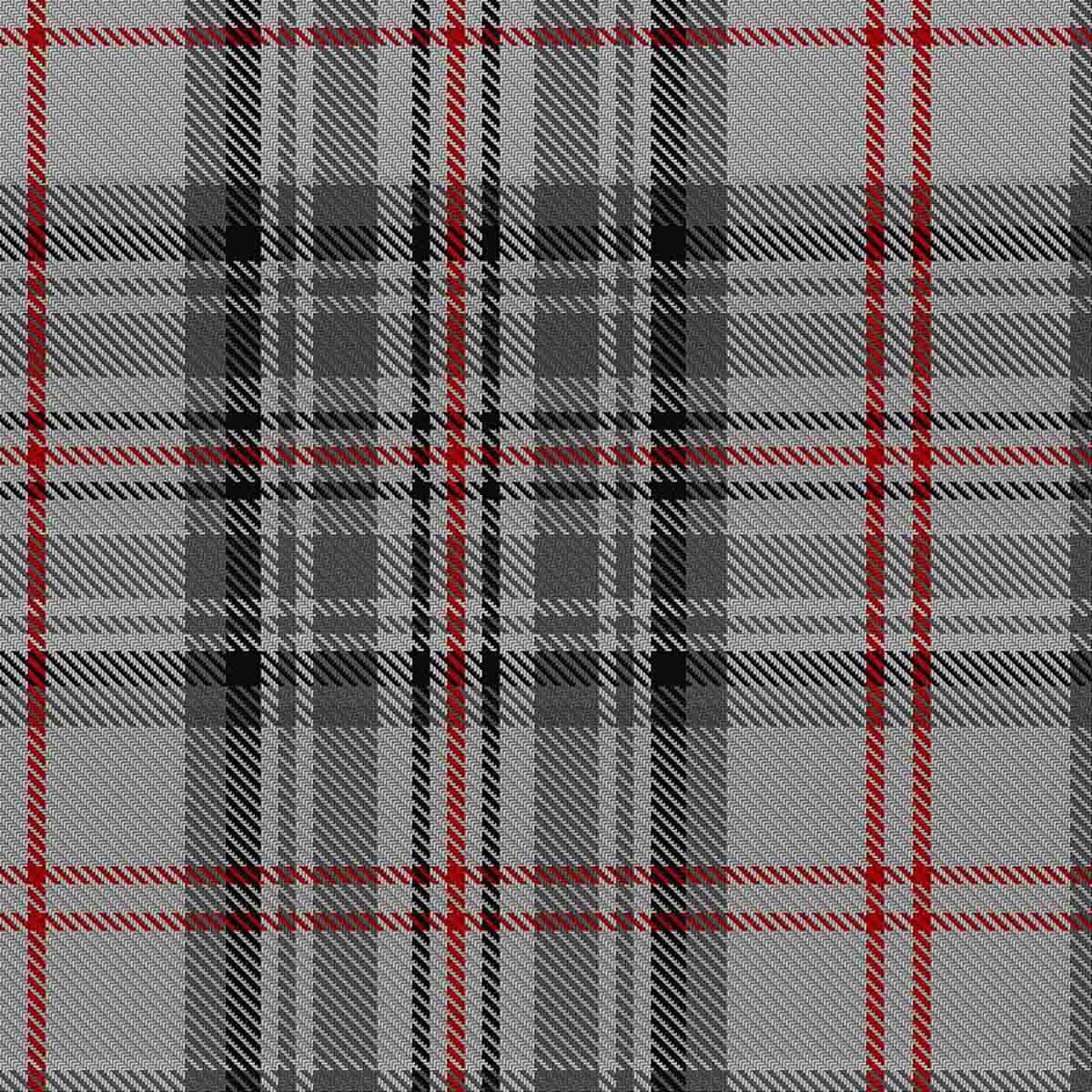
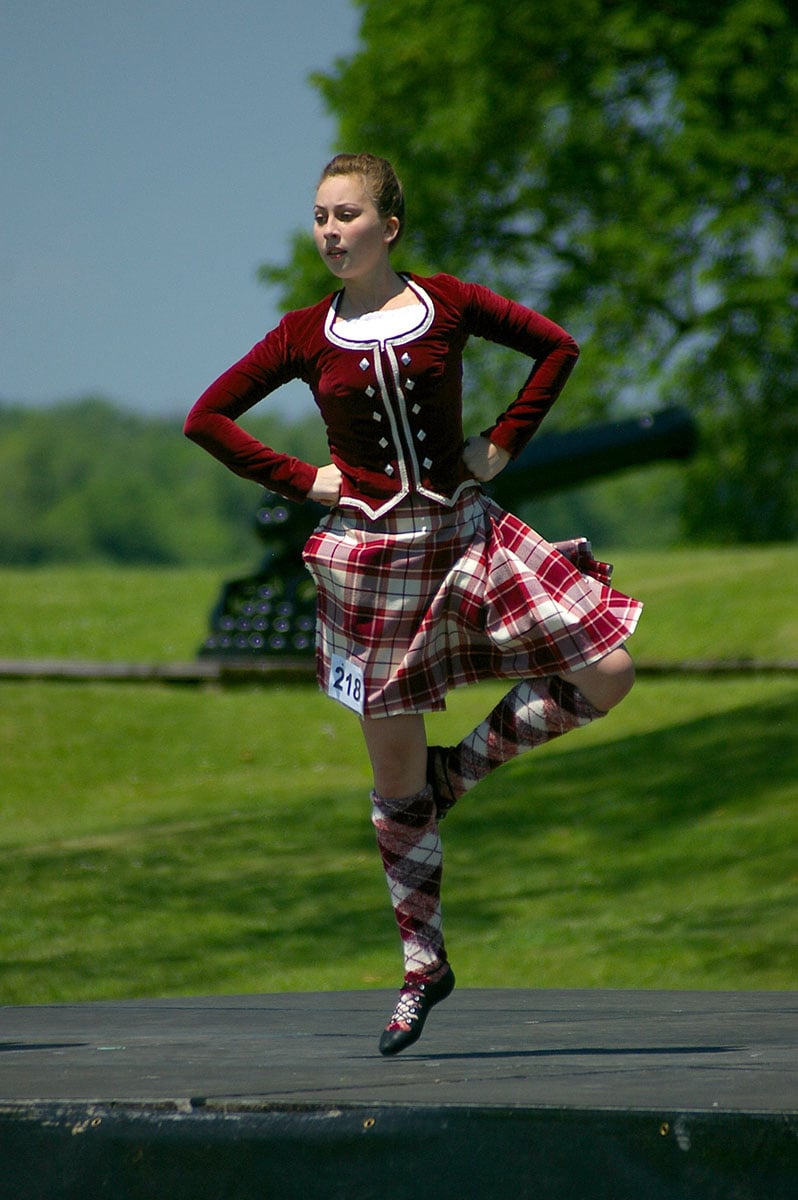
Traditional British clothing features a variety of distinctive patterns and textures. Tartan, with its crisscrossed bands of colors, is closely associated with Scottish attire and clan identity.
Floral motifs are also prevalent, representing Britain’s love for gardens and nature. Additionally, textured fabrics like houndstooth, herringbone, and tweed are commonly used in classic British menswear, such as suits and overcoats.

Traditional British Clothing: A Recap
Traditional British clothing captures the essence of the United Kingdom’s rich heritage, blending timeless elegance with contemporary influences. Rooted in centuries of craftsmanship, England traditional clothing reflects the sophisticated charm of the countryside, from tweed suits to sturdy boots.
These garments symbolize national pride and the country’s connection to nature, with intricate patterns shaped by regional influences. Country clothing, often including pearl buttons and worn by the country gent, highlights the enduring appeal of traditional English clothing.
I recall attending a local festival where my friend wore a classic tweed jacket and woolen scarf, perfectly embodying traditional British attire. The authenticity and pride in his look, rooted in centuries of tradition, made the experience even more special.
This style celebrates not only the history and natural beauty of the UK but also its ability to adapt to modern trends, captivating fashion lovers worldwide. The United Kingdom traditional dress continues to be admired for its refined elegance and timeless functionality.