Have you ever looked at a traditional Brazilian costume and wondered what story it carries? I used to feel the same way. The bright colors, light fabrics, and carefully crafted designs always caught my attention, yet I didn’t fully understand the meaning behind them.
Brazil’s traditional clothing reflects the country’s rich cultural heritage, shaped by Indigenous traditions, African creativity, and European influences.
As I began studying these garments more closely, a friend from Salvador once showed me her grandmother’s Baiana dress, explaining how every layer symbolized family, spirituality, and history. That moment helped me see how clothing is more than fabric; it is a connection to ancestry and community.

1. History of Traditional Brazilian Clothing

The history of traditional Brazilian clothing is a vibrant reflection of the country’s cultural traditions and diverse origins. Long before European arrival, Indigenous communities crafted garments from cotton, straw, feathers, and plant fibers. These early outfits featured bold patterns and symbolic designs that expressed identity, social roles, and a deep connection to nature.
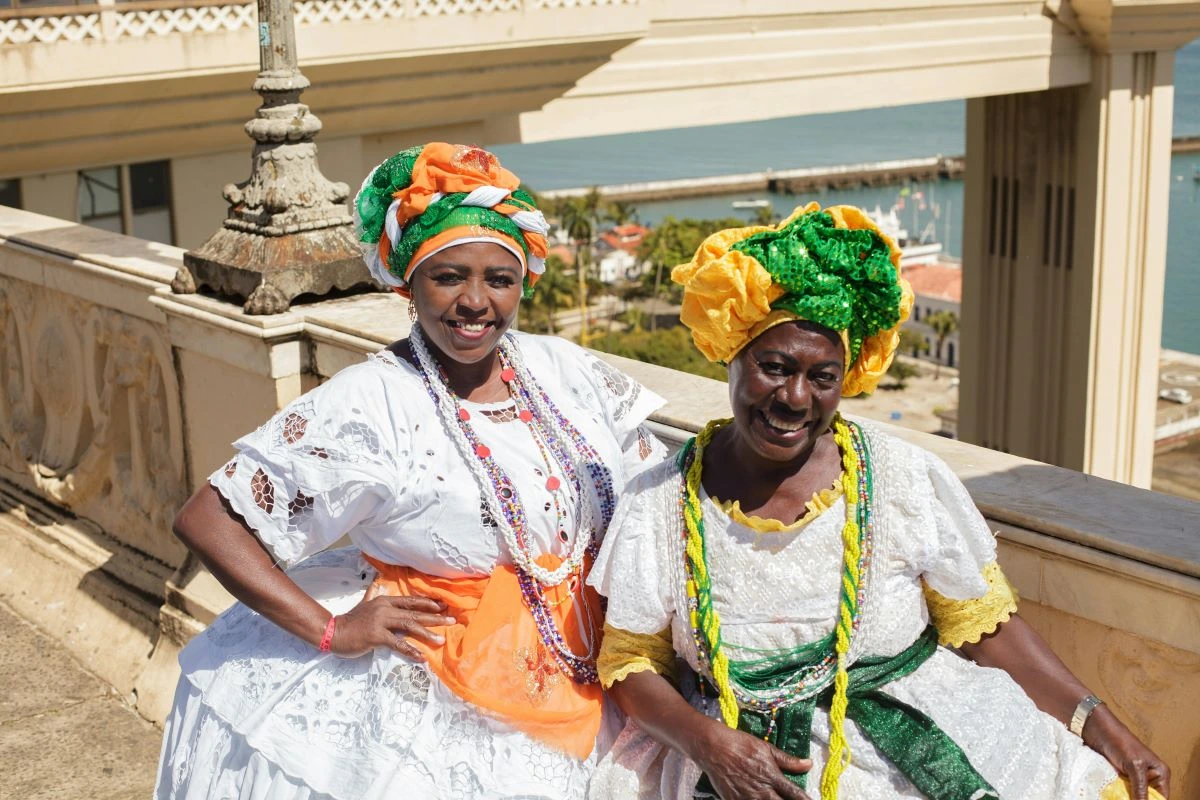
With Portuguese colonization and the arrival of African cultures, Brazil’s wardrobe transformed. European fabrics, lace, and tailoring blended with African textile techniques, beadwork, and colorful patterns. This fusion gave rise to iconic traditional elements such as the Baiana dress in Bahia, known for its wide skirts, layered fabrics, and African-inspired accessories.
In the South, European settlers influenced the creation of Gaucho clothing, which often included durable pants, boots, and wide-brimmed hats suited for ranch work. In rural areas across Brazil, straw hats remain a key clothing item, offering protection from the sun while representing the lifestyle of farmers and folk communities.
Many of these garments became essential during festivals. Carnival costumes, for example, evolved from older traditions and now blend feathers, sequins, masks, and rhythmic cultural symbolism. While modern Carnival looks are extravagant, they retain inspirations from Indigenous, African, and European roots.
In a study titled “The Enigma and Dress of an Afro-Brazilian Gentlewoman”, scholars examine how traditional Brazilian costumes, like Carnival dresses, bold patterns, and wide-brimmed straw hats, reflect rich cultural traditions.
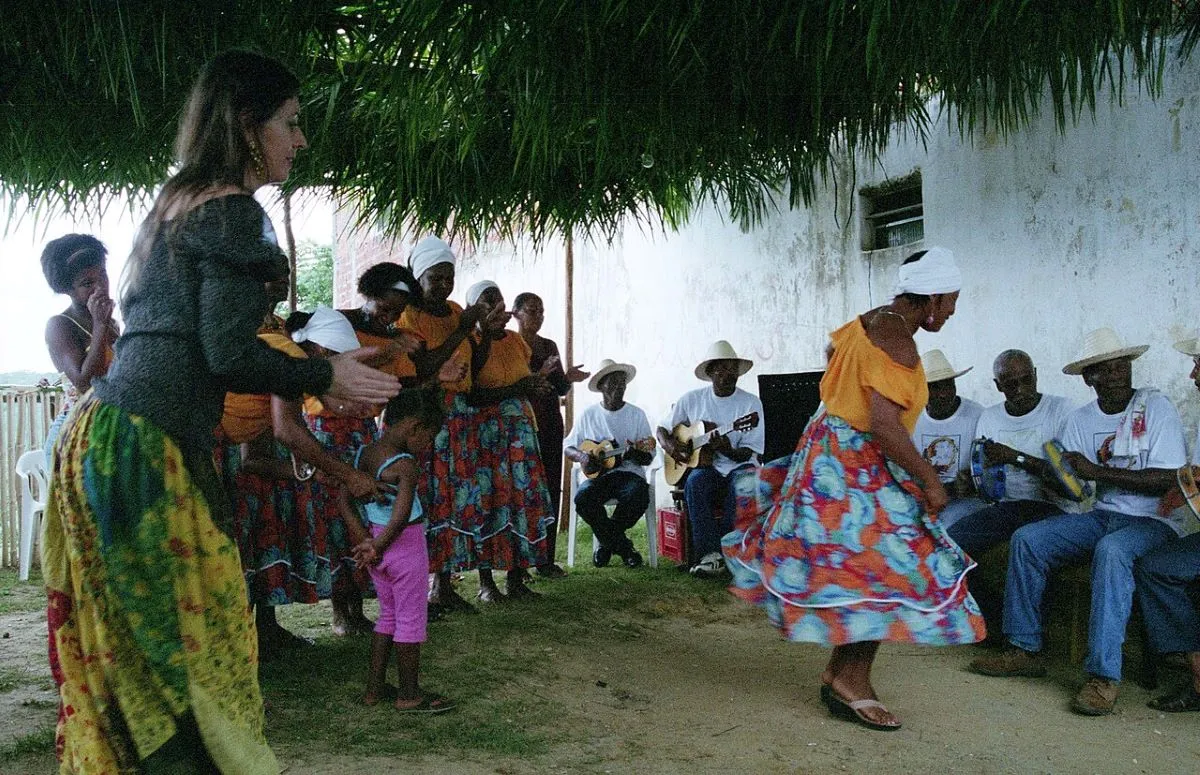
Today, Brazil’s traditional clothing continues to shift with time. Designers incorporate historical motifs into contemporary fashion, while communities preserve classic outfits during religious ceremonies, folk dances, and cultural celebrations. These styles remain key characteristics of Brazil’s identity, a lively fusion of heritage, beauty, and storytelling woven into every thread.
2-Brazil National Costume
Brazilian National Costume for Women
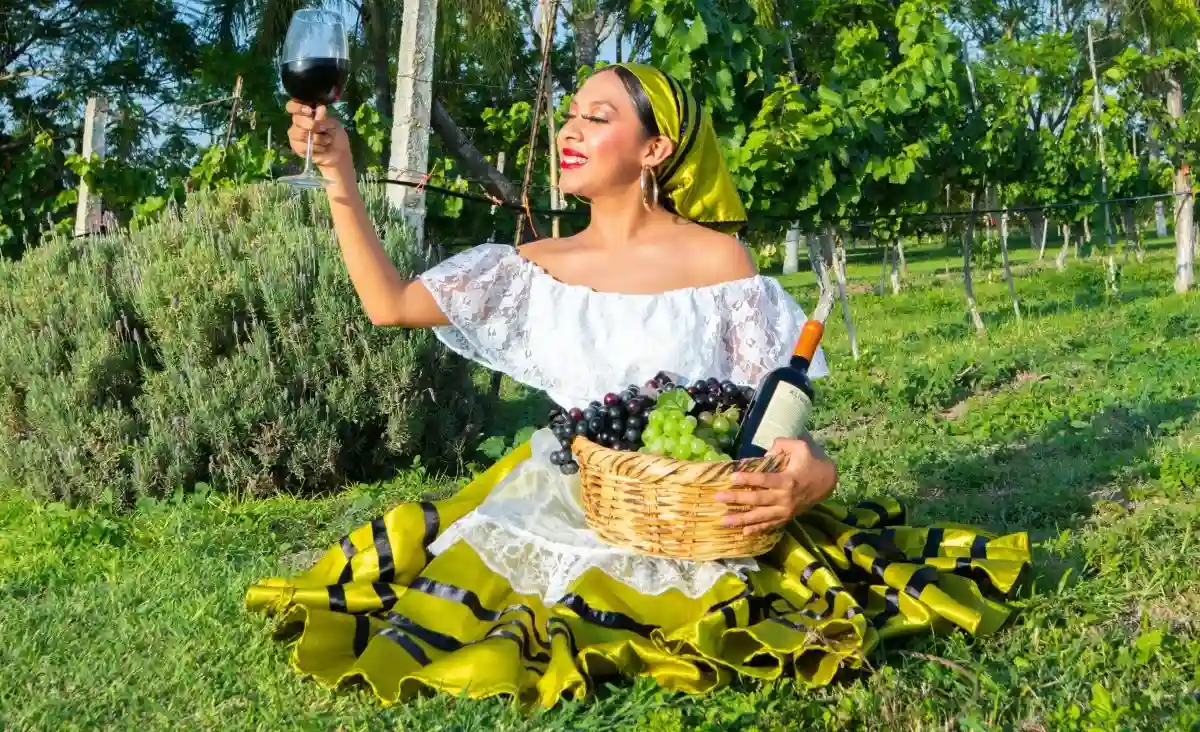
Traditional Brazilian clothing for women beautifully reflects the country’s rich cultural heritage. Rooted in centuries of history and shaped by Indigenous, African, and European traditions, these garments highlight the strength, identity, and artistry of Brazilian women. Whether in the vibrant neighborhoods of Salvador or the quiet villages of the Amazon, traditional outfits serve as symbols of pride and cultural memory.
Crafted with great care, these garments feature flowing fabrics, bold patterns, and detailed embroidery. Many designs draw inspiration from Brazil’s landscapes—its forests, beaches, and colorful city life—giving each piece a story of its own.
One of the most iconic examples is the Bata de Baiana, a garment that blends African and Brazilian influences. With its wide skirts, lace details, and layered accessories, it represents elegance, spirituality, and resilience. Women wear it during festivals, religious ceremonies, and cultural celebrations, where it continues to shine as a timeless symbol of Brazilian identity.
See Also Brazilian Wedding Traditions
Brazilian National Costume for Men

Traditional Brazilian clothing for men reflects the country’s rich cultural traditions, shaped by African, Indigenous, and European influences. Beyond simple description, each garment carries historical meaning and practical purpose, showing how Brazilian men adapted clothing to climate, work, and regional lifestyle.
In rural southern regions, for example, Gaúcho attire—including bombacha pants, leather boots, and wide-brimmed hats—developed from the lifestyles of cattle herders. This clothing is designed for comfort, durability, and mobility, and remains an important cultural symbol during festivals and rodeos.
In the Northeast, African-influenced garments such as loose cotton trousers and embroidered shirts reflect both spiritual traditions and the hot tropical climate. In Afro-Brazilian religious communities, white cotton outfits are worn during ceremonies to symbolize purity and ancestral respect.
The popular Camisa de Botão, often made from lightweight cotton or linen, shows how traditional elements evolved into modern fashion. Its bright patterns and breathable fabrics reflect Brazil’s warm weather and love for bold, tropical designs. Whether worn with tailored trousers or casual shorts, it represents a balance of cultural identity, practicality, and everyday elegance.
3. Notable Vintage Brazilian Outfits
The Baiana Dress
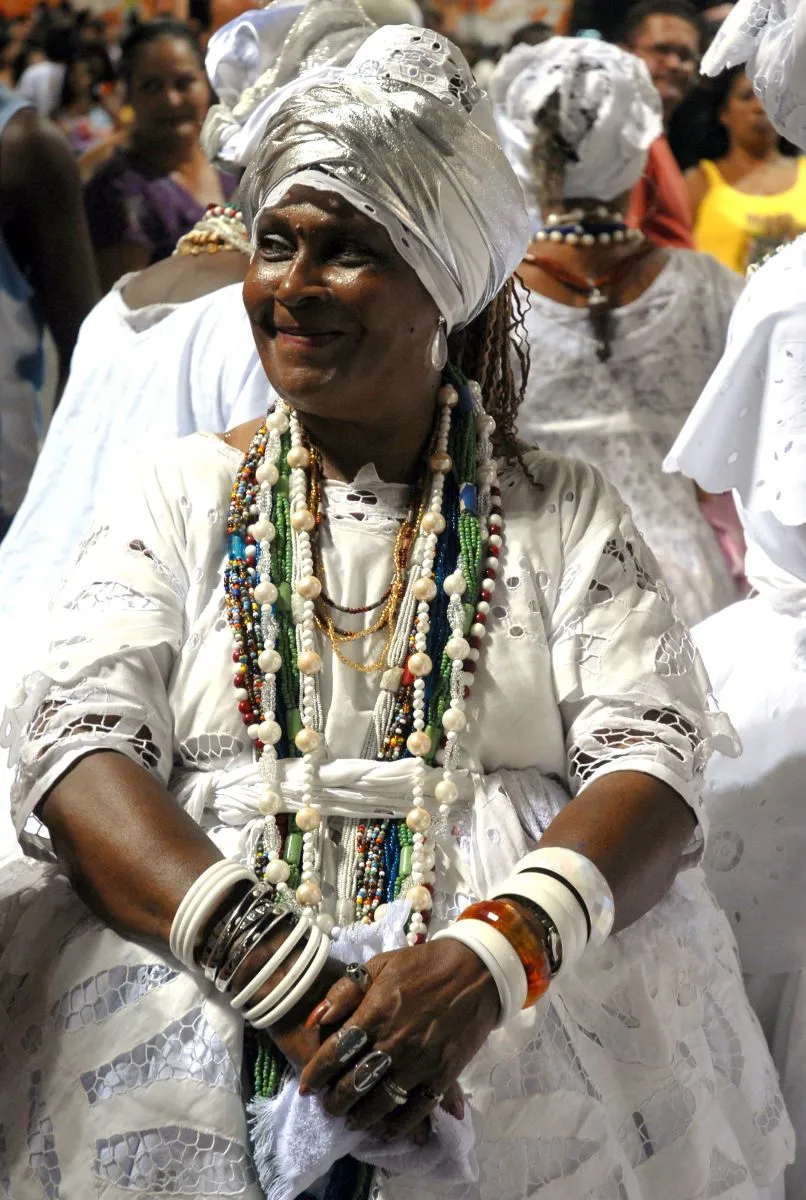
The Baiana dress comes from the Northeast of Brazil and is deeply rooted in cultural traditions, especially within Afro-Brazilian communities. It represents the strength, faith, and lively spirit of the women who wear it. In cities like Salvador, seeing a Baiana dressed in white with her wide skirt and layered fabrics is almost like witnessing a living symbol of Brazil’s cultural heritage.
These dresses are crafted from materials such as silk for elegance, jute and hemp for a natural, earthy feel, cotton for everyday comfort, and linen to keep cool in the tropical heat. Every piece is made with intention, featuring details that honor history and community.
A Baiana dress usually includes a wide, flowing skirt and a fitted top, often decorated with lace, embroidery, or soft ruffles. I once worked with a colleague from Salvador who told me how her grandmother still sews Baiana dresses by hand for local festivals. She said each stitch carries a story, reminding families of their roots and the pride of their traditions.
The Bombacha

The Bombacha is an important part of the Gaucho lifestyle in southern Brazil. It is made for comfort and easy movement, especially for people who work with horses and cattle.
These trousers are made from strong materials like wool or leather, which help protect the wearer while working outside. A Bombacha has wide legs, a gathered waistband, and tight cuffs. This design keeps the person cool in warm weather and safe from wind or dust.
Because of its practical design, the Bombacha can be worn for work or casual use. It shows the strong and relaxed character of the Gaucho people.
The Canga
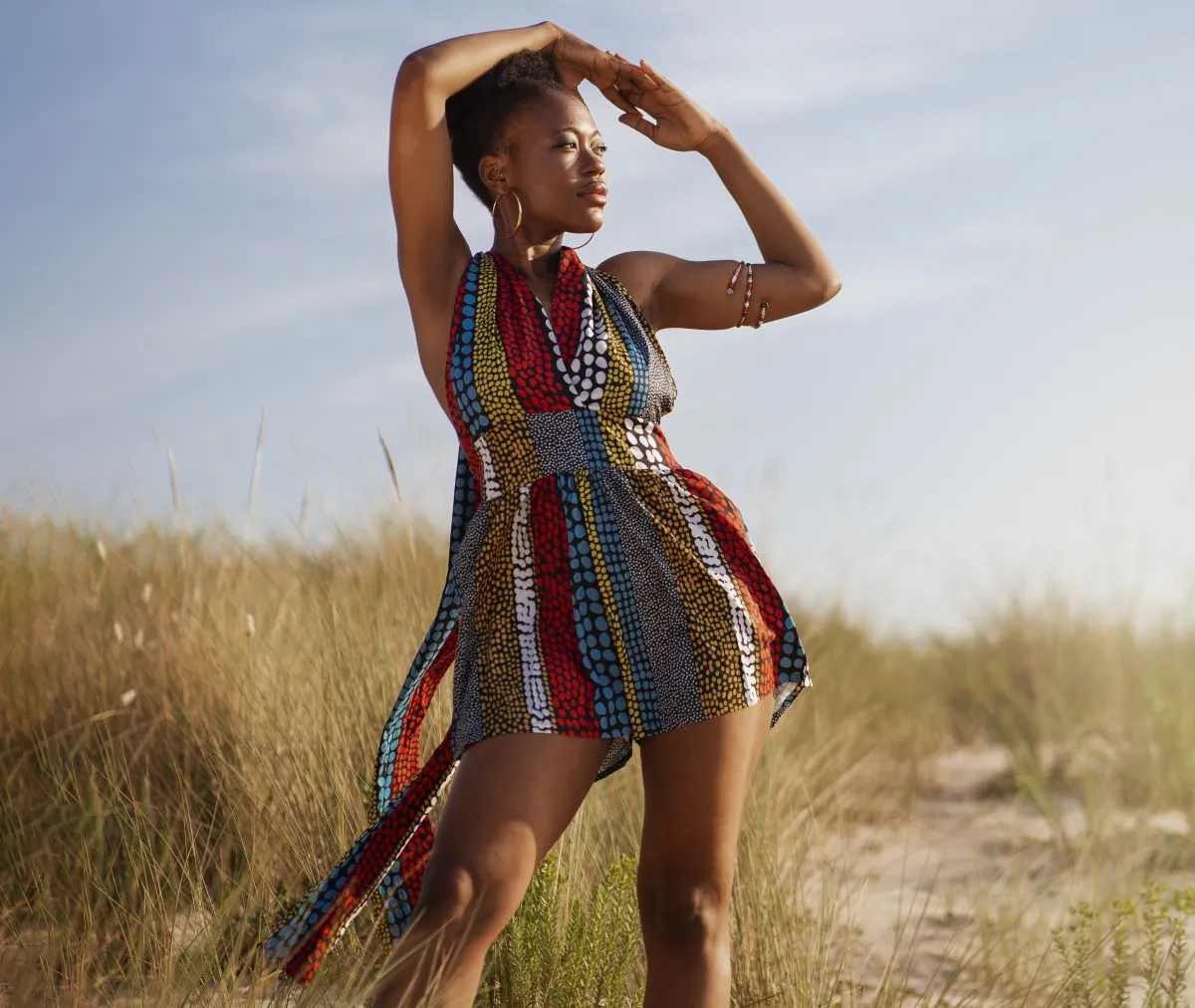
The Canga comes from old Brazilian traditions. It’s made from light materials like rayon, which keep the body cool and comfortable in Brazil’s warm weather.
Its simple design makes it easy to wear. People can use it as a shawl over the shoulders or tie it around the waist like a skirt. Cangas come in many colors and patterns. Some have bright flowers, while others show geometric designs. Each one shows a part of Brazilian culture and style.
The Camisa de Botão

Camisa de Botão is a traditional Brazilian shirt made from light materials like linen or silk. These help keep you cool and comfortable.
The shirt has a collar and buttons down the front. You can wear it for casual or formal events. It comes in many colors and patterns — from plain to bright designs. Whether fitted or loose, the Camisa de Botão gives a stylish and easy look to any outfit.
As Gisele Bündchen once said, “Brazil has its own fashion identity. Many very talented Brazilian designers show every season at São Paulo and Rio fashion weeks.” This shirt is a great example of that unique Brazilian style.
The Chapéu de Couro
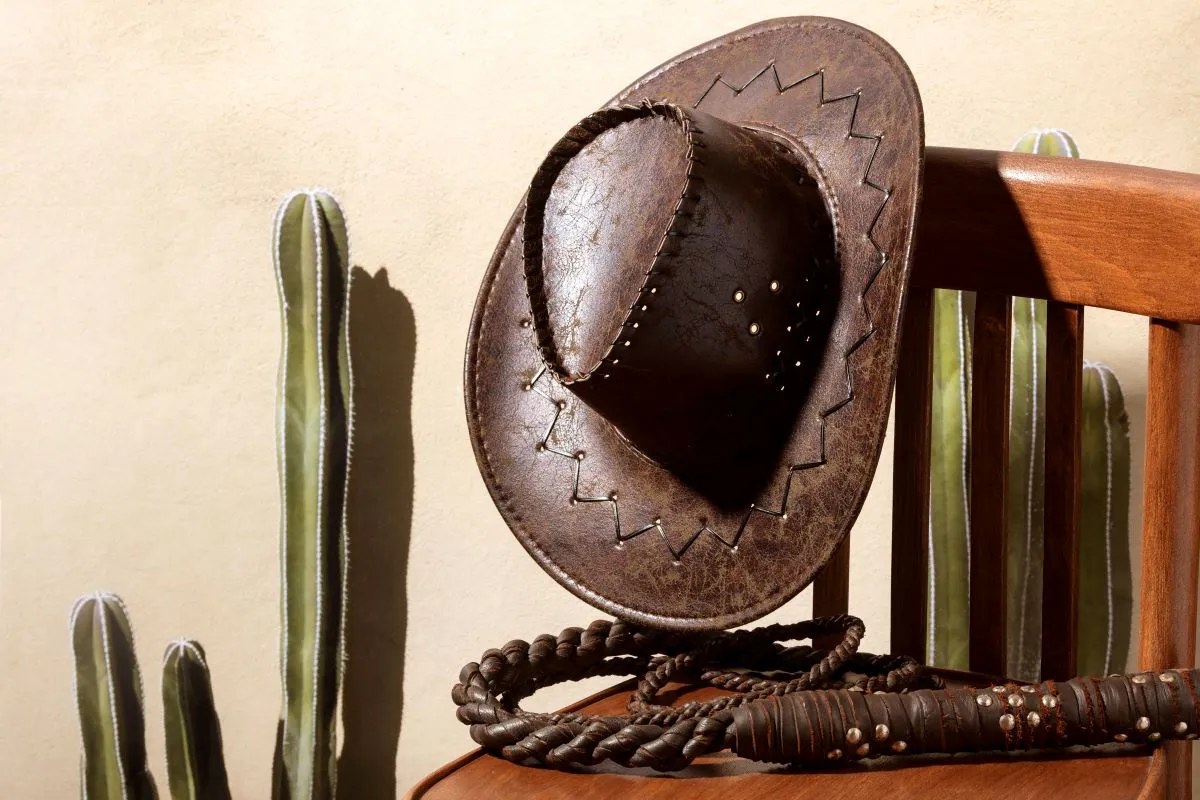
The Chapéu de Couro is a traditional Brazilian leather hat. Farmers, ranchers, and cowboys wear it every day. It protects them from the sun and rain while working in the fields or on horseback.
The hat has a wide brim and a strong crown. Some hats have braided bands or metal studs. These details show the skill of Brazilian artisans.
In a historical article, Clerisvaldo B. Chagas, O Chapéu de Couro no Nordeste: História e Tradição, explains that the chapéu de couro, crafted from deer or goat leather, was essential for vaqueiros working in Brazil’s caatinga. Its wide brim and sturdy crown protected them from harsh sun and rain, showcasing both practicality and the skill of traditional Brazilian artisans.
The Pilão
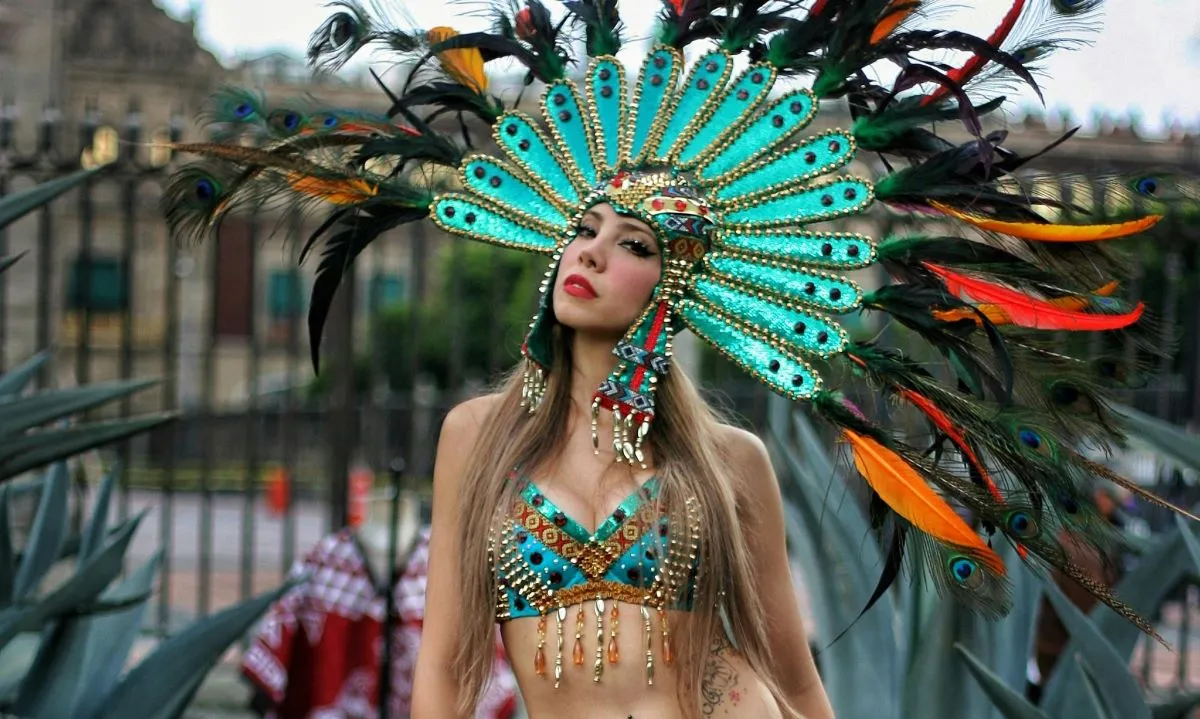
The Pilão is a traditional Brazilian garment made from natural materials found in the Amazon, like palm leaf fibers or local cotton. It is usually a sleeveless tunic or wrap, designed to be comfortable and flexible in the hot, tropical climate.
The Pilão often has patterns and designs inspired by the plants and animals of the Amazon. Each one shows the connection of local communities to nature and their traditions.
The Chinelo

Chinelo are traditional Brazilian sandals made for comfort and everyday use. They are usually made from rubber or leather found in Brazil. The sandals have a soft sole and a simple strap, making them easy to wear on the beach or in the city.
Chinelo comes in many colors and patterns inspired by Brazilian culture. They can be worn with jeans and a T-shirt for a relaxed day or with a casual dress at the beach. These sandals show the simple and relaxed style that Brazilians enjoy.
The Bata de Gala

The Bata de Gala is a bright and colorful Brazilian dress. It has bold colors, detailed designs, and decorations that show the lively spirit of Carnival. The dress is made from light and flowing materials like satin, chiffon, or silk. This makes it easy to move in during dances and parades.
The Bata de Gala is decorated with sequins, beads, feathers, and other elements. Many dresses also have ruffles, large sleeves, and low necklines. Each one is made by skilled artisans and shows creativity.
Accessories
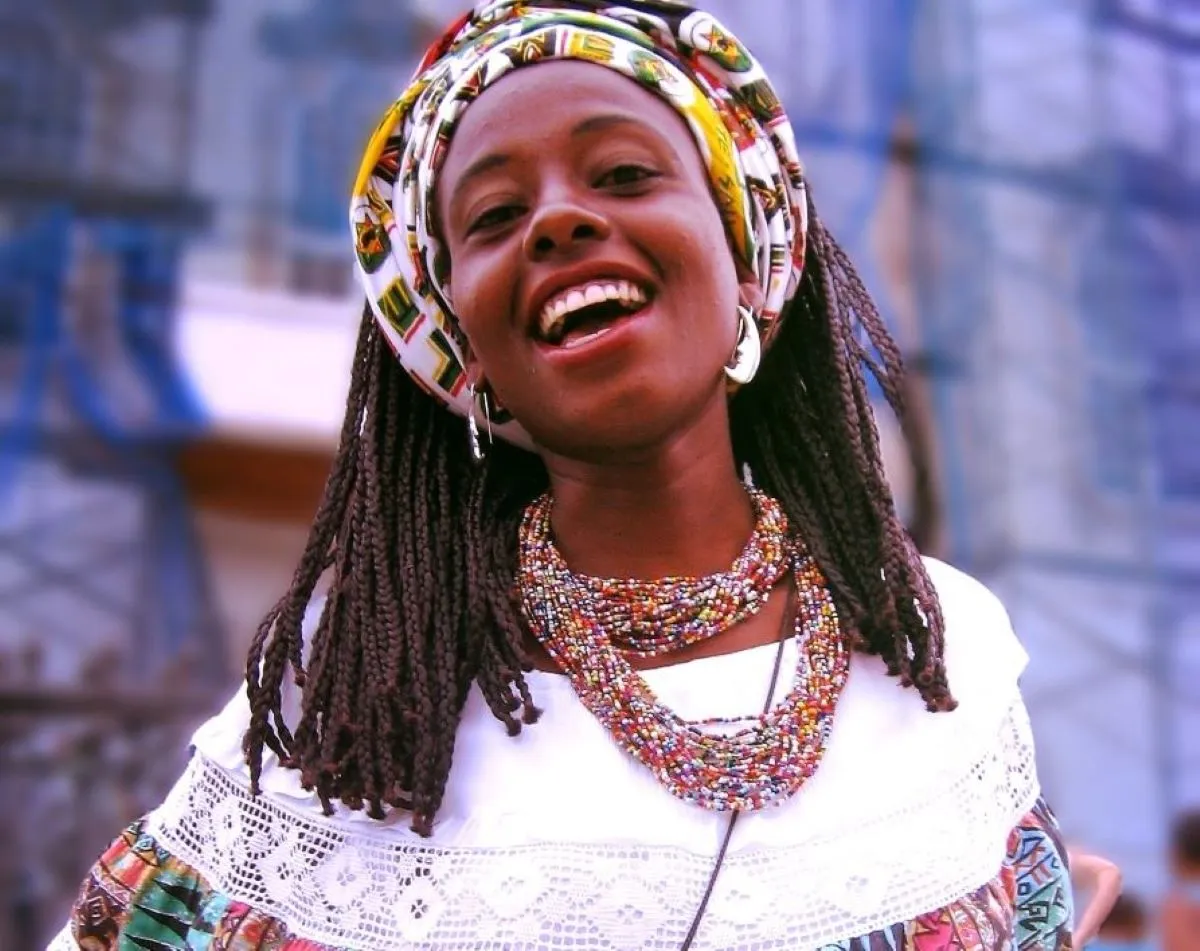
Accessories in Brazil’s traditional dress help complete the look.
Handbags can be leather clutches or woven straw bags. Jewelry is inspired by nature and local traditions. Belts and sashes add shape, while ribbons and bows give a decorative touch.
Headwear can be simple straw hats or elaborate headdresses for Carnival. These accessories make each outfit unique and lively.
See Also Traditional Dutch Clothing
4. Regional Brazilian Traditional Attire
Brazilian Traditional Dress in the Central-West Region

In Brazil’s Central-West, clothing combines cowboy and rural styles, showing the charm and traditions of country life. Iconic outfits include wide-brimmed hats, leather boots, and denim jeans.
These items reflect the cowboy roots of the region. Rural clothing also includes T-shirts, strong trousers, and woven ponchos. These pieces are practical and comfortable for farm and outdoor work.
See Also What do Brazilian People Look Like?
Brazilian Traditional Dress in the South Region

In Brazil’s South Region, traditional dress mixes European styles with local folk clothing. This creates a unique style for the region.
Women often wear elegant dresses made from silk or satin. These dresses can have lace and embroidery. Folk costumes use bright colors and strong materials like wool. They include woven shawls and embroidered blouses.
See Also Brazilian Folklore: 5 Portals to the Myths, Legends, and Traditions
Brazilian Traditional Dress in African Descent

Afro-Brazilian clothing often uses bright fabrics and detailed patterns. Women wear flowing dresses, skirts, and loose shirts. Each piece shows a connection to African roots.
Accessories like head wraps, beaded jewelry, and woven baskets are also worn. They add style and cultural meaning to the outfits.
See Also Traditional Spanish Clothing
Brazilian Traditional Dress in the Amazon Rainforest

In the Amazon Rainforest, Brazil’s traditional clothes is made from local materials like organic cotton, hemp, and bamboo. These materials are comfortable, breathable, and eco-friendly.
Clothes are usually loose and light, making it easy to move and stay cool in the humid rainforest. Earthy colors and natural dyes from plants and minerals are often used. Accessories include woven bags, seed jewelry, and palm leaf hats with feathers. These items show a strong connection to nature and local traditions.
5. Pattern of Brazilian Attire

Brazil’s traditional clothing features a vibrant mix of patterns and textures that reflect the country’s rich cultural heritage. In Rio de Janeiro, festival outfits often include bold geometric prints and layered fabrics, influenced by European tailoring techniques introduced during the colonial period.
In the Bahia region, patterns draw heavily from African traditions, with swirling motifs and colorful embroidery that tell stories of local legends and beliefs.
These garments are typically made from natural fibers like cotton, linen, and silk, giving them comfort while showcasing intricate craftsmanship. Key characteristics include bright contrasts, flowing silhouettes, and detailed textures that celebrate Brazil’s traditional clothing. Each design reveals a deep connection to the land, local rituals, and centuries of cultural exchange, making every outfit a work of wearable history.

Traditional Brazilian Clothing: A Recap
Traditional Brazilian clothing is a vibrant celebration of culture, blending history, art, and daily life. From the bold patterns of festa junina outfits in Rio Grande to the elegance of haute couture inspired by local styles, each traditional Brazilian costume tells a unique story.
Wide-brimmed hats and straw hats are not just practical; they carry cultural significance, symbolizing heritage and craftsmanship. Seeing the colorful layers of skirts and embroidered details in Bahia and Rio de Janeiro, I felt the energy of Brazil’s people and traditions firsthand.
These garments showcase resilience, creativity, and unity, connecting wearers to their past while celebrating the present. Traditional clothing is more than fashion—it is a living expression of pride, culture, and Brazilian identity.