Curious about traditional Belgian clothing and the rich stories woven into every thread? You’re not alone! These garments aren’t just fabric—they’re a living connection to heritage, history, and identity.
Attending a Belgian folk festival, I was immediately captivated by the sight of women in delicate lace coiffes, vibrant skirts, and embroidered bodices, while men wore simple wool berets and smocks. Experiencing it firsthand showed me how these garments tell the story of a people and their traditions.
In this guide, we’ll explore:
- The historical origins of Belgian attire
- Distinct regional costumes across Flanders, Wallonia, and beyond
- The meaning behind patterns, fabrics, and accessories
Join me as we uncover the fascinating world of Belgium’s traditional clothing, where every piece carries a story of culture, tradition, and identity.


Historical Roots of Belgian Clothing

Belgian clothing has evolved over centuries, deeply rooted in history and influenced by regional customs. Belgium’s traditional dress reflected the local customs, with attire used for specific tasks or events. Social rank was often visible through decorations and styles.
Today, the national costume continues to be worn at festivals, with school children and older women often wearing variations of traditional Belgian clothing.
Traditional outfits were crafted from locally sourced materials like wool and linen. These fabrics were common in rural areas where farming played a big role. In the 1800s, mass production made clothing more affordable, expanding access to these garments for a wider population.
Regional Differences:
- Flanders: Known for vibrant colors and intricate lace designs.
- Wallonia: Preferred darker, simpler garments that suited their lifestyle.
According to the Fashion & Lace Museum in Brussels, its “Lace Room” displays remarkable pieces of historic Belgian lace — including garments, accessories and traditional costumes — showing how lace, handcrafted in cities like Brussels, Mechelen, Bruges and elsewhere, was once central to Belgian textile heritage and fashion.
See Also Traditional Norwegian Clothing
Classic Belgian Style For Men and Women
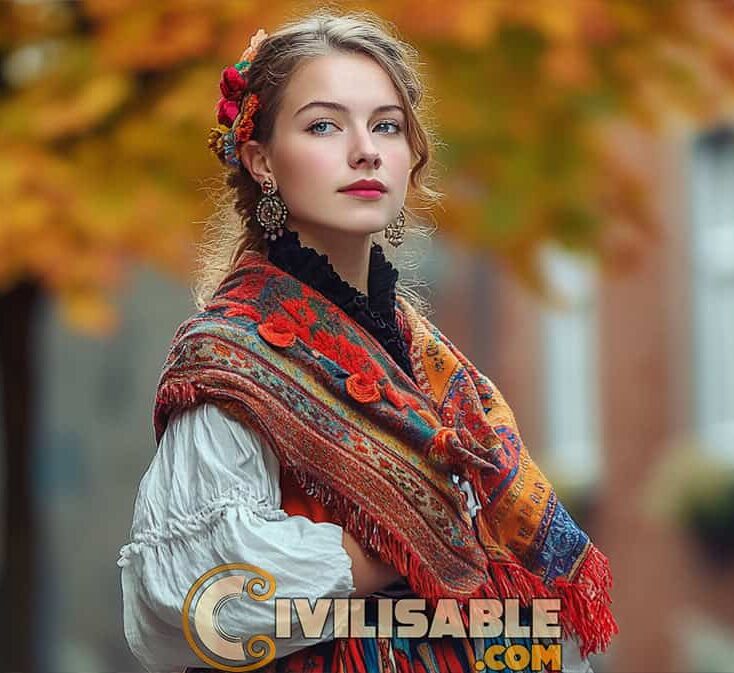
Belgian women’s traditional clothing is known for its intricate details and regional variety.
- Lace and Embellishments: Lace plays a key role, particularly in Brussels, inspired by medieval styles.
- Wide Skirts & Blouses: These are central to women’s traditional outfits, offering both elegance and comfort.
- Accessories: Large shawls, white aprons, and headpieces complete the look.
- Regional Colors: Dark dresses are popular in some regions, while others opt for brighter colors.
- Occasions: These dresses were often worn during special events, with simpler versions for everyday use.
- Cultural Influence: A blend of local and Dutch traditions adds to the uniqueness of the outfits.
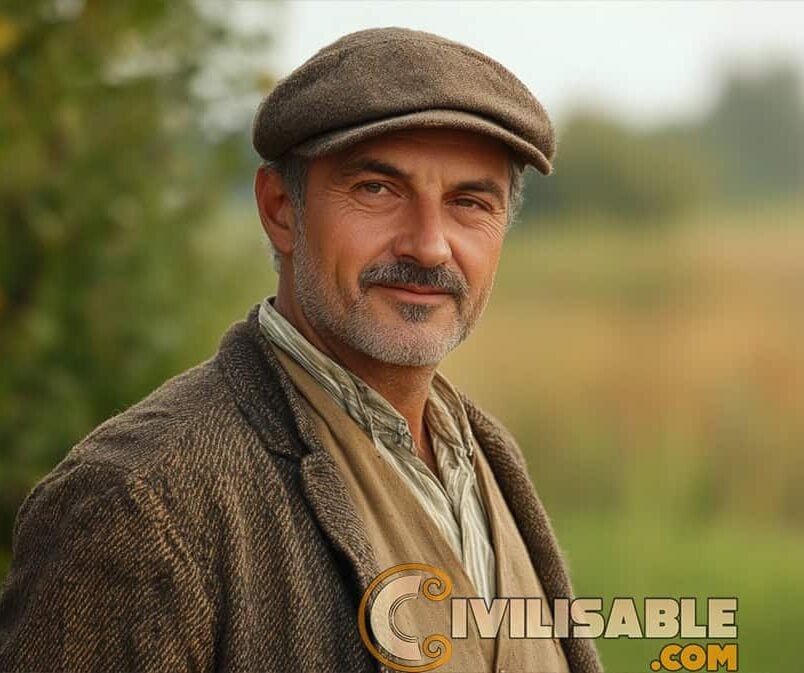
Men’s traditional clothing in Belgium is both functional and fashionable.
- Practicality & Style: These outfits are designed for both work and social events.
- Comfortable Smocks: In Wallonia, men often wear smocks for ease of movement.
- 19th Century Suits: French fashion influenced the introduction of suits, though traditional styles remain.
- Wool Jackets & Hats: These are typical in rural areas, often worn with regional hats.
- Embroidery & Detail: Embroidered trousers or jackets reflect local craftsmanship.
See Also Traditional Hungarian Clothing
Notable Vintage Outfits in Belgium
1. Smocks and Berets

Smocks are traditional clothes worn by Belgian farmers. They are loose, comfortable, and made from strong fabric. These clothes are perfect for long hours of work, offering both comfort and freedom of movement.
Smocks often have colors and patterns that show where the wearer is from, reflecting the regional culture. The beret, a classic hat often worn with smocks, is made from wool or felt. It fits snugly on the head and protects from the weather.
In Flanders, the beret holds cultural significance. Today, these traditional garments are still worn in modern Belgium, connecting the country’s history with its present identity.
2. Huntress Gown

The huntress gown is a well-known vintage dress worn by Belgian women. It is recognized for its square neckline, flaring sleeves, and fine details like lace, embroidery, and Celtic trimming. The gown is made from rich, heavy fabrics, combining both style and function.
Traditionally, it was worn for hunting and outdoor activities, reflecting a connection to nature. The design of the gown changes by region, showcasing the unique traditions of different areas in Belgium.
The use of bright colors and intricate decorations highlights the artistic and cultural importance of this traditional Belgian clothing.
3. Coiffe

The coiffe, or lace cap, is one of the most iconic elements of traditional Belgian women’s clothing, particularly in Flanders and Wallonia. It is a delicate headpiece, typically made from fine white or off-white lace, often hand‑crafted using intricate needlework techniques.
The shape, size, and decoration of a coiffe can indicate the wearer’s regional origin, marital status, and social class, with some areas favoring tall, elaborate lace structures and others simpler, smaller styles. Coiffes were worn over neatly tied hair and sometimes secured with pins or ribbons.
Beyond their practical use as head coverings, they became symbolic of cultural identity and pride, often passed down through generations as family heirlooms or used during festivals, weddings, and ceremonial occasions.
According to The History Behind Belgium’s Extravagant Carnival Celebrations, Belgium’s carnivals evolved from ancient seasonal rituals and medieval festivities that mixed satire, community identity, and symbolic costumes. Over centuries, traditions like masks, feathered headdresses, and wooden clogs developed into today’s elaborate celebrations, especially in Binche, where heritage and craftsmanship remain central.
4. Klompen
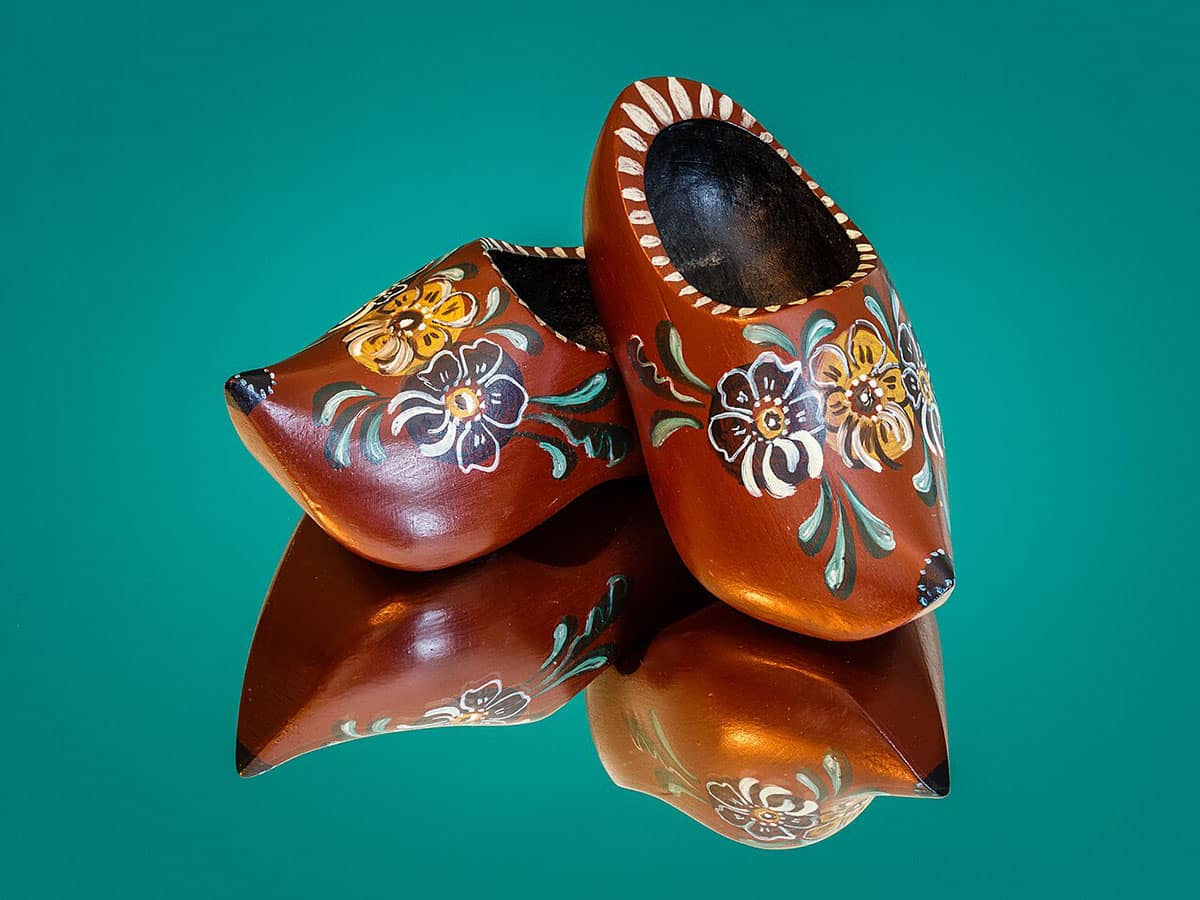
Klompen, or wooden clogs, are traditional footwear commonly associated with the Netherlands but also historically worn in rural regions of Belgium, especially in Flanders.
Made from carved blocks of wood—often willow or poplar—they protected feet from mud, cold, and heavy labor in farming and workshops. Belgian klompen were typically unpainted, sturdy, and shaped for practical daily use. They were worn with traditional Flemish clothing, including wool trousers or skirts, linen shirts, and aprons.
Klompen symbolized rural craftsmanship and working-class life, reflecting the durability and simplicity of Belgian folk traditions. Today, they are mostly seen in cultural festivals and heritage displays.
Folk Costumes in Different Regions
5. Flanders (Northern Belgium)

In Flanders, particularly in Antwerp province, traditional dress is colorful and detailed, showcasing local pride. Women typically wear long dresses made from thick fabrics, decorated with lace and embroidery. Men often wear short trousers, vests, and feathered hats.
These traditional clothes in Belgium are worn on special occasions like festivals, where people celebrate with dance and music. The fabrics used, such as wool and linen, reflect the area’s farming heritage.
Even in modern Belgium, these traditional Belgian clothes are still a key part of cultural events, linking past traditions to current regional identity.
6. Carnival Costumes (Binche and Other Locations)

Belgian traditional clothing during Carnival, especially in Binche, is famous for its vivid colors and historical significance. The Gille of Binche, a well-known figure, wears an elaborate costume and a special mask.
These costumes represent Belgium’s cultural identity during Carnival, with lively parades where participants throw oranges for good luck. Each costume has a story, reflecting the local culture and history.
These festive clothes bring communities together every year and attract many tourists, keeping Belgium’s traditional dress alive and well.
During the Carnival of Binche, seeing the Gilles in vibrant costumes and clogs made Belgium’s traditions feel alive, showing how deeply people cherish their cultural clothing and regional heritage.
See Also Traditional Senegalese Clothing
Pattern of Belgian Traditional Dress

Belgian national dress varies across regions, each with its own unique patterns. In Brussels, lace patterns are famous, often found in women’s dresses, adding a touch of elegance. Bright colors are common, especially in traditional costumes, symbolizing local celebrations.
Rural areas often feature geometric patterns in smocks, showcasinglocal craftsmanship. Some patterns carry special meanings, inspired by nature and local legends. Wedding dresses and traditional clothing in Belgium also carry distinct patterns, representing cultural heritage.
While traditional styles remain strong, younger people in modern Belgium mix these patterns with modern clothing, blending the old with the new. This fusion allows Belgian traditional clothing to evolve while keeping its cultural roots intact.

Traditional Belgian Clothing: A Recap
Traditional Belgian clothing reflects the rich culture and diverse history of the country, with each region, from Flanders to Wallonia, shaped by its own traditions. Women’s detailed dresses and lacework, as well as men’s practical smocks, express regional identity and are proudly worn during festivals.
Children, too, continue these customs, embodying centuries of heritage influenced by neighboring nations like France, Germany, the Netherlands and Poland.
I remember seeing a Flemish parade where families wore beautifully crafted outfits; the pride and unity in their clothing made the past feel alive. In this way, traditional Belgian dress remains a cherished, living expression of history.