Are you a fan of Italian-American cinema? Italian-American films have had a huge impact on global cinema, combining rich Italian heritage with Hollywood storytelling.
In this article, we’ll explore:
- 38 top Italian-American movies
- Famous Italian-American directors
- Iconic Italian actors and actresses
Watching The Godfather for the first time was unforgettable. The intense characters and gripping story made me feel like I was part of that world.
Keep reading to discover more about these legendary films!
- 4 Best Italian-American Movies Of All Time
- Top 6 Italian American Romance Movies
- 6 Hilarious Italian-American Comedy Movies
- 4 Italian American Mafia Movies
- 6 Must-Watch Italian American TV Shows
- 5 Most Famous Italian-American Classic Movies
- 7 Enchanting American Movies Filmed in the Heart of Italy
- 8 Most Famous Italian-American Film Directors According to IMDB
- 10 Most Famous Italian Actors and Actresses
- Top 38 Italian-American Movies of All Time: A Recap

| Movie Title | Genre | Release Year | IMDb Ranking | Famous Actor/Actress |
|---|---|---|---|---|
| The Godfather | Crime/Drama | 1972 | 9.2 | Marlon Brando |
| Rocky | Sports Drama | 1976 | 8.1 | Sylvester Stallone |
| My Cousin Vinny | Comedy/Crime | 1992 | 7.5 | Joe Pesci |
| Donnie Brasco | Crime/Drama | 1997 | 8.2 | Johnny Depp, Al Pacino |
| Moonstruck | Romance/Comedy | 1987 | 7.1 | Cher, Nicolas Cage |
| The Godfather Part II | Crime/Drama | 1974 | 9.0 | Al Pacino, Robert De Niro |
| Only You | Romance/Comedy | 1994 | 6.4 | Marisa Tomei, Robert Downey Jr. |
| Brooklyn | Romance/Drama | 2015 | 7.5 | Saoirse Ronan, Emory Cohen |
| Mystic Pizza | Romance/Drama | 1988 | 6.3 | Julia Roberts |
| Cinema Paradiso | Drama/Romance | 1988 | 8.5 | Philippe Noiret, Enzo Cannavale |
| My Blue Heaven | Comedy/Crime | 1990 | 6.3 | Steve Martin, Rick Moranis |
| Johnny Dangerously | Comedy/Crime | 1984 | 6.6 | Michael Keaton |
| Marriage Italian Style | Comedy/Drama | 1964 | 7.5 | Sophia Loren, Marcello Mastroianni |
| The Whole Nine Yards | Crime/Comedy | 2000 | 6.7 | Bruce Willis, Matthew Perry |
| Analyze This | Comedy/Crime | 1999 | 6.7 | Robert De Niro, Billy Crystal |
| Saturday Night Fever | Drama/Comedy | 1977 | 6.8 | John Travolta |
| The Godfather Trilogy | Crime/Drama | 1972-1990 | 9.0 | Marlon Brando, Al Pacino |
| The Sopranos (TV Series) | Crime/Drama | 1999-2007 | 9.2 | James Gandolfini, Lorraine Bracco |
| Scarface | Crime/Drama | 1983 | 8.3 | Al Pacino |
| A Bronx Tale | Crime/Drama | 1993 | 8.0 | Robert De Niro |
| The Italian Americans (Documentary) | Documentary | 2015 | 7.6 | Stanley Tucci (Narrator) |
| Growing Up Gotti | Reality TV | 2004-2005 | 4.7 | Victoria Gotti |
| Blue Bloods | Drama/Crime | 2010-Present | 7.6 | Tom Selleck, Donnie Wahlberg |
| Everybody Loves Raymond | Comedy/Family | 1996-2005 | 7.1 | Ray Romano, Patricia Heaton |
| Ugly Betty | Comedy/Drama | 2006-2010 | 6.9 | Tony Plana, America Ferrera |
| Jersey Shore | Reality TV | 2009-2012 | 3.9 | Nicole “Snooki” Polizzi |
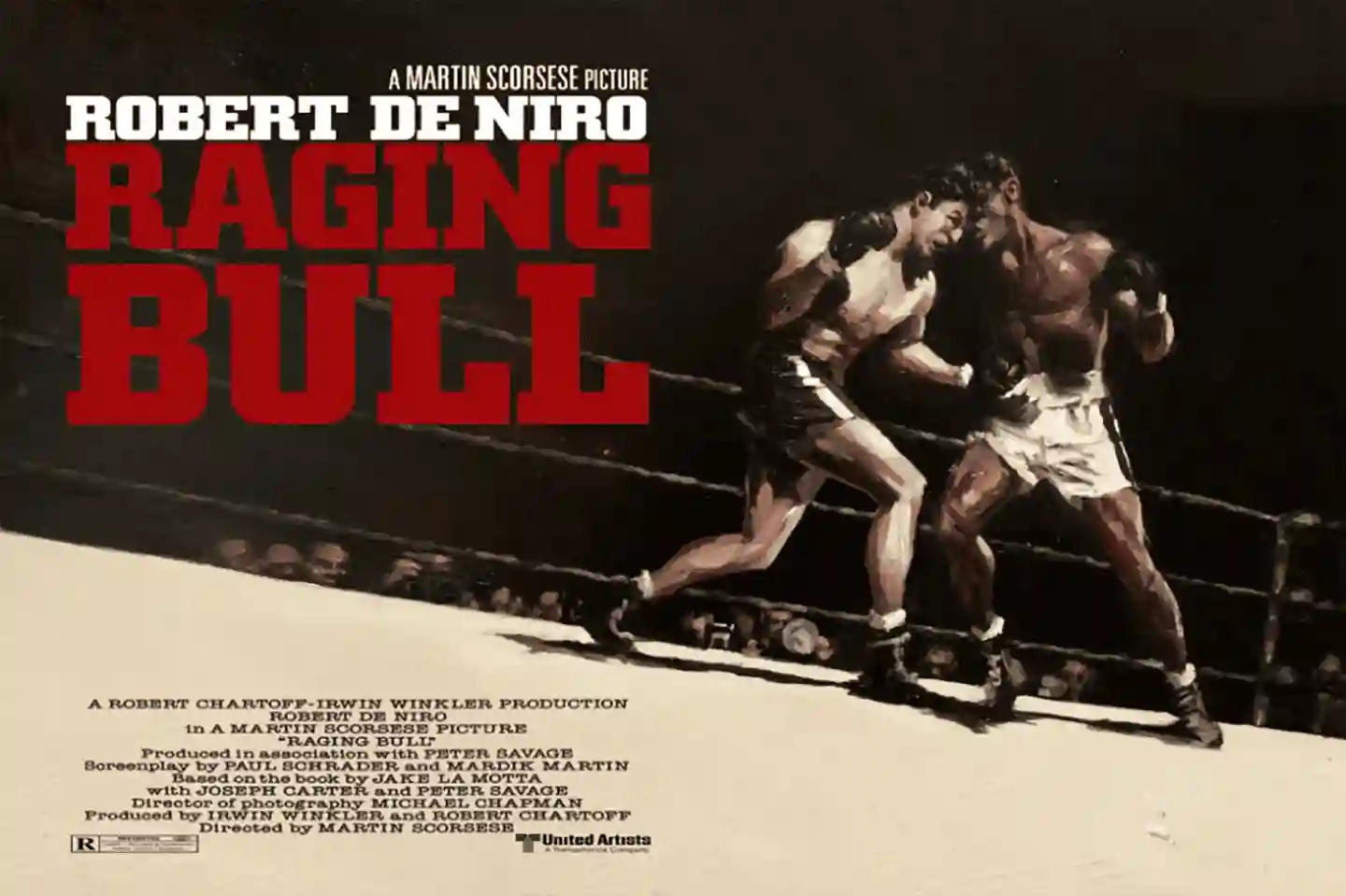
| Raging Bull | Biography/Drama | 1980 | 8.2 | Robert De Niro |
| Goodfellas | Crime/Drama | 1990 | 8.7 | Ray Liotta, Robert De Niro |
| Marty | Drama/Romance | 1955 | 7.6 | Ernest Borgnine |
| The Big Night | Comedy/Drama | 1996 | 7.3 | Stanley Tucci, Tony Shalhoub |
| On the Waterfront | Drama | 1954 | 8.1 | Marlon Brando |
| The Talented Mr. Ripley | Thriller/Drama | 1999 | 7.4 | Matt Damon, Jude Law |
| The English Patient | Romance/Drama | 1996 | 7.4 | Ralph Fiennes, Juliette Binoche |
| Letters to Juliet | Romance/Drama | 2010 | 6.5 | Amanda Seyfried |
| The Lizzie McGuire Movie | Comedy/Family | 2003 | 5.5 | Hilary Duff |
| Roman Holiday | Romance/Comedy | 1953 | 8.0 | Audrey Hepburn, Gregory Peck |
| The Tourist | Thriller/Drama | 2010 | 6.0 | Johnny Depp, Angelina Jolie |
| Under the Tuscan Sun | Romance/Drama | 2003 | 6.8 | Diane Lane |
4 Best Italian-American Movies Of All Time
1. The Godfather (1972)
Directed by Francis Ford Coppola, The Godfather is a groundbreaking crime drama based on Mario Puzo’s novel. The film follows the Corleone family, led by patriarch Vito Corleone (Marlon Brando), as they navigate power, betrayal, and family loyalty within the Mafia.
It revolutionized cinematic storytelling, with iconic performances and unforgettable lines. Considered one of the greatest films ever made, it won three Academy Awards, including Best Picture.
Fun Fact:
Marlon Brando’s famous “I’ll make him an offer he can’t refuse” line was almost improvised. In fact, Brando’s improvisation on set was a key part of his performance, and much of his acting in the film was unplanned. Additionally, the cat he holds in his lap during the opening scene was found on set, not planned, making it a spontaneous addition that became iconic.
2. Rocky (1976)
Written by and starring Sylvester Stallone, Rocky tells the story of a small-time boxer, Rocky Balboa, who gets a once-in-a-lifetime chance to fight for the world heavyweight title. Directed by John G. Avildsen, the film highlights themes of perseverance, self-discovery, and the human spirit. Stallone’s gritty performance and the iconic training montage made it an instant classic, winning the Academy Award for Best Picture.
Backstage Fact:
Sylvester Stallone faced a major challenge while filming the famous training montage, where Rocky runs up the steps of the Philadelphia Museum of Art. The crew had limited time and resources, and Stallone had to run up those steps multiple times while wearing heavy clothing. The exhaustion seen in his face was real — a perfect example of the raw emotion that added to the authenticity of the film.
3. My Cousin Vinny (1992)
My Cousin Vinny is a comedic take on the legal genre, starring Joe Pesci as Vinny Gambini, a novice lawyer from Brooklyn who is tasked with defending his cousin and his friend, wrongfully accused of murder in rural Alabama.
Directed by Jonathan Lynn, the film is celebrated for its humor, witty script, and standout performances, especially from Joe Pesci and Marisa Tomei, who won an Academy Award for Best Supporting Actress for her role as Vinny’s fiancée, Mona. The film cleverly combines courtroom drama with comedy, making it a cult classic and a fan favorite in legal comedy.
Backstage Fact:
Joe Pesci’s iconic portrayal of Vinny was influenced by his own experiences with the law — he initially wanted to make the character more like a “shark” lawyer, but his natural comedic timing and improvisation led him to play Vinny with a more lovable, bumbling quality. Additionally, the courtroom scenes were filmed on an actual set built to resemble a small-town Alabama courthouse.
See Also 10 Scariest Movies of All Time
4. Donnie Brasco (1997)
Directed by Mike Newell, Donnie Brasco is a crime drama based on the true story of Joe Pistone (Johnny Depp), an FBI agent who infiltrates the Mafia under the alias Donnie Brasco. As Pistone develops a close bond with mobster Lefty Ruggiero (Al Pacino), the film delves into themes of loyalty, betrayal, and the personal toll of leading a double life.
Backstage Fact:
Johnny Depp underwent extensive preparation for his role as an undercover FBI agent, spending time with real-life agents and learning the nuances of mob culture. The bond between Johnny Depp and Al Pacino grew so strong during filming that Pacino admitted to being deeply moved by Depp’s commitment to his role. The film’s tension-filled scenes were often shot in a documentary style, with minimal rehearsals to keep the performances raw and authentic.
Top 6 Italian American Romance Movies
1. Moonstruck (1987):
Directed by Norman Jewison, Moonstruck is a charming romantic comedy that tells the story of Loretta Castorini (Cher), an Italian-American widow who unexpectedly falls in love with her fiancé’s estranged brother, Ronny (Nicolas Cage).
The film explores themes of love, family, and fate, and Cher’s iconic performance won her an Academy Award for Best Actress. The film’s witty dialogue, memorable characters, and iconic New York setting made it a beloved classic.
Fun Fact:
The famous scene where Cher slaps Nicolas Cage wasn’t scripted. Cher decided to improvise the slap during the filming of that moment, and director Norman Jewison loved it so much that it became one of the most memorable scenes in the movie. Cage’s shocked expression was completely real!

2. The Godfather Part II (1974):
Directed by Francis Ford Coppola, The Godfather Part II is both a continuation and prequel to the original film, diving deeper into the saga of the Corleone family. The film explores the rise of Vito Corleone (played by Robert De Niro) in flashbacks, while Michael Corleone (Al Pacino) struggles with his role as the new family patriarch.
The movie not only examines the brutal world of organized crime but also highlights Michael’s personal and emotional turmoil, showcasing the complexity of his relationships, especially with his wife, Kay (Diane Keaton).
Fun Fact:
The famous opening scene in which young Vito Corleone (Robert De Niro) walks through the streets of New York was shot with minimal lighting to preserve the historical accuracy of the time period. Coppola wanted to capture the authentic look of early 1900s New York, so he used mostly natural lighting, giving the scene a more intimate and realistic feel.
Backstage Insight:
The iconic moment when Michael says “Just when I thought I was out, they pull me back in” almost didn’t happen. This line was improvised by Al Pacino, and Coppola loved it so much that it made it into the final cut.

3. Only You (1994):
Directed by Norman Jewison, Only You is a heartwarming romantic comedy starring Marisa Tomei and Robert Downey Jr. The story follows Faith Corvatch (Tomei), a woman who has spent her life searching for her soulmate, believing that a man with a specific name, whom she met as a child in Italy, is her true love.
The film beautifully combines elements of romantic fantasy and comedy, exploring themes of fate, destiny, and the search for love in unexpected places.
Fun Fact:
The iconic Italian villa in the film wasn’t just a set piece – it was actually a real villa in Rome! The production crew loved the setting so much that they incorporated the villa’s stunning architecture and vibrant scenery into several key scenes, giving the film an authentic Italian charm that added to its romantic allure.

4. Brooklyn (2015)
Directed by John Crowley, Brooklyn is a poignant drama set in the 1950s, following Eilis Lacey (Saoirse Ronan), a young Irish immigrant who moves to Brooklyn for a better life. As she navigates the challenges of settling into a new country, she falls in love with an Italian-American plumber, Tony Fiorello (Emory Cohen).
The film beautifully explores themes of immigrant experience, identity, and love, as Eilis is torn between her roots in Ireland and her new life in America.
Fun Fact:
The film’s final scene, in which Eilis returns to Ireland, was kept secret from most of the cast until the day of filming to preserve its emotional impact. Saoirse Ronan was particularly moved by this moment, as it reflected her character’s complex journey of identity and belonging.

5. Mystic Pizza (1988)
Directed by Donald Petrie, Mystic Pizza is a coming-of-age film set in the picturesque town of Mystic, Connecticut. The story follows Jojo (Lili Taylor), Daisy (Julia Roberts), and Kat (Annabeth Gish), three young women who work at a local pizza parlor while navigating love, friendship, and their dreams for the future. The film beautifully captures the struggles and aspirations of youth, with Julia Roberts’ breakout performance making her a star.
Fun Fact:
Julia Roberts was relatively unknown at the time, but Mystic Pizza played a major role in launching her career. Interestingly, she initially auditioned for the role of Kat, but after being cast as Daisy, she went on to win a Golden Globe and later earned an Academy Award nomination for her role in Pretty Woman.
Backstage Insight: Filming in the actual town of Mystic added an authentic charm to the movie. The cast and crew fell in love with the small town’s serene atmosphere, which perfectly mirrored the film’s theme of self-discovery. Julia Roberts and Lili Taylor developed a strong bond during filming, and their friendship translated onto the screen, giving the film a real sense of camaraderie and authenticity.

6. Cinema Paradiso (1988):
Directed by Giuseppe Tornatore, Cinema Paradiso is a heartwarming Italian film that serves as a tribute to the magic of cinema. Set in a small Italian village, the story follows a young boy, Salvatore (Salvatore Cascio), who forms a deep bond with Alfredo (Philippe Noiret), the projectionist at the local theater.
As Salvatore grows up, the film explores his love for cinema and his emotional journey, capturing the transformation of both his life and the village. The film’s nostalgic tone and powerful storytelling earned it an Academy Award for Best Foreign Language Film.
Fun Fact:
The film’s emotional ending, which features a montage of censored love scenes, was a tribute to the long-lost art of film editing and the censorship of cinema in Italy during the 20th century. It’s one of the most memorable and tear-jerking moments in film history.
Backstage Insight:
Giuseppe Tornatore drew inspiration from his own childhood experiences at the cinema, and many of the scenes were influenced by his memories of watching films as a young boy in Sicily. The film’s iconic score by Ennio Morricone further enhanced the emotional depth of the story, with the music evoking a sense of longing and nostalgia that perfectly complements the film’s themes of love, loss, and the passing of time.

6 Hilarious Italian-American Comedy Movies
1. My Blue Heaven (1990):
Directed by Herbert Ross, My Blue Heaven is a comedy that stars Steve Martin as Vincent Antonelli, a former mobster placed in the Witness Protection Program. Trying to adjust to suburban life, Vincent struggles with the mundane aspects of civilian living, all while being pursued by his old Mafia associates.
With the help of his quirky therapist, played by Rick Moranis, Vincent must navigate his past and find a way to settle into a normal life. The film’s light-hearted tone and Martin’s comedic timing made it a memorable 90s comedy.
Fun Fact:
Steve Martin had previously worked with director Herbert Ross on the film “Roxanne” (1987), and the two developed a strong creative bond. This collaboration led to the casting of Martin as a former mobster in My Blue Heaven, where his comedic timing and slapstick humor brought a new spin to the mobster genre.
2. Johnny Dangerously (1984)
Directed by Amy Heckerling, Johnny Dangerously is a hilarious spoof of gangster films, starring Michael Keaton as Johnny Kelly, an honest man who is forced to take up a life of crime to pay for his mother’s medical treatment.
The film parodies classic gangster tropes with over-the-top humor, as Johnny rises through the ranks of the mob while trying to keep his identity secret from his family. Known for its witty script and Keaton’s energetic performance, the film cleverly mocks the conventions of the gangster genre while still paying homage to it.
Fun Fact:
Michael Keaton initially struggled with the comedic timing required for the role, but his improvised lines ended up being some of the funniest in the film. One of his most iconic moments — where he delivers the line, “I’m Johnny, and I’m your friend!” — was completely improvised on set, adding an extra layer of charm and humor to the character.
3. Marriage Italian Style (1964)
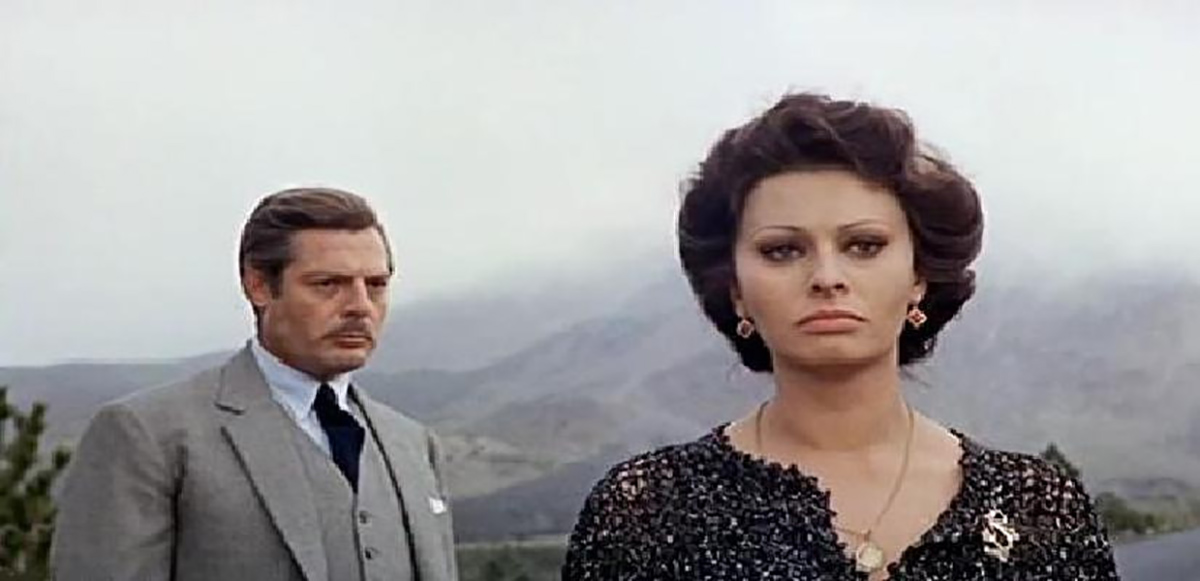
Directed by Vittorio De Sica, Marriage Italian Style is a classic blend of comedy and drama, starring Sophia Loren and Marcello Mastroianni. The film tells the story of Filumena (Loren), a passionate woman who has been in a long-term affair with a wealthy businessman, Domenico (Mastroianni).
After being left for a younger woman, Filumena pretends to be dying in an attempt to manipulate Domenico into marrying her. The film explores themes of love, deception, and the complexities of relationships, all set against the vibrant backdrop of Italian society. Loren’s performance earned her a nomination for an Academy Award.
Fun Fact:
Sophia Loren and Marcello Mastroianni had undeniable chemistry, which translated into their electric performances. Interestingly, their relationship on screen wasn’t just limited to the characters; they were close friends off-camera as well, and their real-life friendship deepened during the filming of this movie. Their natural camaraderie helped elevate the film’s humor and emotional depth.
Backstage Insight:
Sophia Loren’s iconic “death scene” was shot with minimal makeup to make her appear as realistic and vulnerable as possible. Loren, known for her striking beauty, wanted to show the rawness of the character, which added a sense of authenticity and depth to the film. De Sica’s decision to combine comedy with dramatic moments was revolutionary at the time, giving the film a timeless appeal that continues to resonate with audiences.
4. The Whole Nine Yards (2000)
Directed by Jonathan Lynn, The Whole Nine Yards is a crime-comedy that stars Bruce Willis as Jimmy “The Tulip” Tudeski, a hitman in witness protection, and Matthew Perry as his mild-mannered, financially struggling neighbor, Nicholas “Oz” Oseransky.
The film follows Oz as he gets tangled in a plot involving organized crime after discovering that Jimmy is living next door. While the film is not exclusively focused on Italian-American culture, it brings humor and wit to the crime genre by blending thrilling moments with comedy, making it a fun and unpredictable ride.
Fun Fact:
Bruce Willis and Matthew Perry had great on-screen chemistry, but it wasn’t all smooth sailing. In fact, Perry often joked that his comedic timing was influenced by Willis’ serious approach to acting. The contrast between Willis’ deadpan delivery and Perry’s slapstick humor became a key part of the film’s charm.
5. Analyze This (1999):
Directed by Harold Ramis, Analyze This is a hilarious comedy that pairs Robert De Niro with Billy Crystal. De Niro plays Paul Vitti, a powerful Mafia boss who is struggling with anxiety and other psychological issues. Seeking help, he visits a neurotic therapist, Dr. Ben Sobel (Crystal), who is completely out of his depth.
The film explores their unconventional relationship, blending psychological therapy with Mafia drama, and features a great mix of humor and heart, thanks to the sharp performances of both leads. De Niro’s turn as a comedic mob boss was a refreshing departure from his usual tough-guy roles.
Fun Fact:
Robert De Niro, famous for his intense, serious roles in Mafia films, had to relearn how to portray a gangster character in a comedic light. De Niro was initially hesitant to take on the role, but he quickly realized how much fun it was to play a mob boss with a sensitive side, and his comedic timing in this film received widespread praise.
6. Saturday Night Fever (1977)
Directed by John Badham, Saturday Night Fever is a drama that also blends comedic moments, starring John Travolta in a career-defining role as Tony Manero, a young Italian-American man from Brooklyn who escapes his harsh reality through his passion for disco dancing.
The film follows Tony as he battles personal struggles, including a difficult family life and the pressures of his community, all while becoming a disco sensation. With its iconic soundtrack and Travolta’s unforgettable performance, the film became a cultural phenomenon, representing the spirit of the late 70s.
Fun Fact:
The film’s iconic “disco dancing scene” was one of the most challenging parts to film. John Travolta had no formal dance training before the film but spent months practicing. He had to perfect his moves to be as smooth and confident as his character, leading to his Oscar nomination for Best Actor. The “Stayin’ Alive” dance scene is considered one of the most iconic moments in cinema history.
4 Italian American Mafia Movies
1. The Godfather Trilogy (1972, 1974, 1990)
Directed by Francis Ford Coppola, The Godfather Trilogy is a cinematic masterpiece that chronicles the rise and fall of the Corleone family within the Mafia. The first two films (1972 and 1974) focus on Vito Corleone (Marlon Brando) and his son Michael Corleone (Al Pacino), depicting the complex dynamics of family, loyalty, power, and crime.
The third installment (1990) revisits Michael’s life as he struggles to distance himself from the criminal world. With performances by Robert De Niro and Al Pacino, the trilogy is considered one of the greatest film sagas ever made, with themes of betrayal, moral conflict, and the cost of power.
Fun Fact:
During the making of The Godfather, Marlon Brando famously didn’t memorize his lines. Instead, he used cue cards for most of his scenes, including the iconic “I’ll make him an offer he can’t refuse” line. This unconventional approach was a result of Brando’s desire to avoid over-rehearsing and to keep his character’s performance as fresh and spontaneous as possible.
2. The Sopranos (TV Series, 1999-2007)
Created by David Chase, The Sopranos is a groundbreaking TV series that blends crime drama with psychological complexity. It follows Tony Soprano (James Gandolfini), a powerful mob boss, who struggles to balance his duties to his Mafia family with his personal life and psychological turmoil.
The show explores themes of loyalty, family, and identity, while also delving deep into Tony’s therapy sessions with Dr. Melfi (Lorraine Bracco) to address his mental health issues. Widely regarded as one of the greatest TV series of all time, The Sopranos revolutionized television with its nuanced storytelling, morally complex characters, and powerful performances.
Fun Fact:
James Gandolfini, who played Tony Soprano, was initially reluctant to take the role. He felt the character’s violent nature was too far removed from his usual roles, but ultimately he agreed after reading the script. Gandolfini’s portrayal of Tony became iconic, and he earned multiple Emmy Awards for the role.
Backstage Insight:
One of the series’ most famous scenes, Tony’s dream sequences, was a pivotal part of the show’s exploration of his psyche. These surreal, symbolic moments were influenced by David Chase’s love for Italian cinema, particularly works by Federico Fellini. The creative team used these sequences to highlight Tony’s internal struggles, making the show as much about psychology as it was about organized crime.
3. Scarface (1983)
Directed by Brian De Palma, Scarface is a powerful crime drama that tells the story of Tony Montana (Al Pacino), a Cuban immigrant who rises to power in the Miami drug trade. The film explores themes of ambition, greed, and the corrupting influence of power as Montana ascends from a lowly criminal to a feared drug kingpin.
Despite not being specifically Italian-American, the film draws heavily from the gangster genre, with Pacino’s unforgettable performance and the film’s intense violence making it a cult classic. Scarface became a defining movie of the 1980s, known for its iconic lines and memorable scenes.
Fun Fact:
Al Pacino’s portrayal of Tony Montana was so intense that many of his lines became iconic. However, one of the most famous scenes – when Tony shouts “Say hello to my little friend!” – was almost improvised. The line, which became a staple of the film, was born from Pacino’s spontaneous addition to the script while filming the climactic scene.
4. A Bronx Tale (1993)
Directed by Robert De Niro, A Bronx Tale is a powerful coming-of-age film that takes place in the 1960s in the Bronx, New York. It follows Calo, a young boy torn between the influence of his hard-working father (De Niro) and the allure of the local Mafia boss, Sonny (Chazz Palminteri).
The film explores themes of loyalty, family, and the choices that define one’s life, all while navigating the complexities of growing up in a neighborhood dominated by organized crime. De Niro’s directorial debut is a heartfelt exploration of morality and identity.
Fun Fact:
The film is based on Chazz Palminteri’s own childhood experiences. He originally wrote the story as a one-man show, and it was later adapted into a film. Interestingly, Robert De Niro bought the rights to the script for $1 after seeing the show, wanting to bring Palminteri’s authentic story to the big screen.
See Also Black History Movies
6 Must-Watch Italian American TV Shows
1. The Italian Americans (2015)
Directed by John Maggio and narrated by Stanley Tucci, The Italian Americans is a PBS documentary series that delves into the history, culture, and contributions of Italian-Americans to American society. The series chronicles the immigration of Italians to the United States, the challenges they faced, and their impact on American culture, from the arts and politics to food and music.
By exploring the complex stories of Italian-American communities, the documentary highlights their journey from being marginalized to becoming an integral part of America’s cultural fabric.
Fun Fact:
Stanley Tucci, known for his deep connection to Italian culture, grew up in an Italian-American family and brought a personal touch to narrating the series. His family’s own immigrant story gave him a unique perspective on the subject, which made his narration deeply emotional and relatable.
Backstage Insight:
The documentary was created using a mix of archival footage, interviews, and personal stories from Italian-Americans across the U.S. One of the most interesting parts of production involved interviewing people from various generations, allowing viewers to witness how Italian-American identity has evolved over the decades. The production team worked closely with historians and cultural experts to ensure the accuracy and authenticity of the portrayal.
2. Growing Up Gotti (2004-2005)
Growing Up Gotti is a reality TV series that aired on A&E and follows the lives of Victoria Gotti, the daughter of infamous mob boss John Gotti, and her three sons. The show offers an inside look at their family dynamics, showcasing the challenges they face living under the constant scrutiny of the public eye, with the shadow of their father’s criminal legacy hanging over them.
While it primarily focuses on the family’s day-to-day life, it also explores the pressures of maintaining privacy and identity when constantly in the media spotlight.
Fun Fact:
Despite being the daughter of a notorious mob boss, Victoria Gotti quickly became a media personality after the show aired. She was known for her candidness and fiery personality, which made her one of the most talked-about figures of the time. In fact, she even penned a memoir about her life, “This Family of Mine”, providing further insight into the family’s life behind the cameras.
3. Blue Bloods (2010-present)
Created by Robin Green and Mitchell Burgess, Blue Bloods is a police procedural drama that follows the Reagan family, a multi-generational family of law enforcement officers in New York City. The show focuses on the personal and professional lives of Frank Reagan (Tom Selleck), the police commissioner, and his children, who are also part of the NYPD.
While not exclusively focused on Italian-American culture, the series highlights the Reagan family’s strong sense of tradition, duty, and family bonds, making it a tribute to the Italian-American community’s long-standing relationship with law enforcement.
Fun Fact:
Tom Selleck, who plays Frank Reagan, initially turned down the role of Reagan because he didn’t want to commit to a long-running TV series. However, after meeting with the show’s creators and understanding the family dynamics at the heart of the series, he agreed to take on the role. His portrayal of a tough, moral police commissioner with a strong family ethos became one of his most beloved roles.

4. Everybody Loves Raymond (1996-2005)
Created by Philip Rosenthal, Everybody Loves Raymond is a beloved sitcom that centers around Ray Barone (Ray Romano), a sports writer, and his close-knit Italian-American family. The show humorously explores the dynamics between Ray, his wife Debra (Patricia Heaton), and his often-interfering parents, Marie (Doris Roberts) and Frank (Peter Boyle), who live across the street.
The series focuses on the humorous challenges of family life, offering a lighthearted yet relatable look at marriage, parenthood, and sibling rivalry within an Italian-American household. The show became a massive hit, thanks to its witty writing and fantastic performances from the entire cast.
Fun Fact:
In “Everybody Loves Raymond”, the character of Marie was based on Philip Rosenthal’s own mother. Rosenthal, who wrote the show, used his real-life experiences growing up with his Italian-American family to create the character of Marie, whose overbearing nature became one of the show’s central comedic elements.
Backstage Insight:
Ray Romano’s real-life experiences as an Italian-American influenced his portrayal of Ray, especially his interactions with his on-screen family. The show’s writers often used real-life family situations, like the Sunday dinners Ray’s family had, to create authentic, relatable storylines. Interestingly, Ray Romano and Patricia Heaton’s chemistry on screen was so strong that many of their interactions were improvised, contributing to the show’s natural, conversational humor.
5. Ugly Betty (2006-2010)
Ugly Betty, created by Silvio Horta, is a comedy-drama series that follows Betty Suarez (America Ferrera), a fashion-obsessed, yet socially awkward young woman who lands a job at the high-fashion magazine Mode. While the series primarily focuses on Betty’s journey through the fashion world, it also touches on family dynamics and personal growth.
One significant character is Ignacio Suarez (Tony Plana), Betty’s father, an immigrant from Mexico with Italian roots. The show highlights themes of family, ambition, and acceptance, with Ignacio’s character embodying the values of hard work and love within a multicultural, immigrant family.
Fun Fact:
Tony Plana, who played Ignacio Suarez, was so beloved by the cast and crew that his role as Betty’s father became one of the most important emotional anchors of the show. Plana, who was of Cuban descent, brought authenticity to the character of Ignacio, particularly through his portrayal of the immigrant experience and the importance of family.
6. Jersey Shore (2009-2012)
Jersey Shore is a reality TV series that follows a group of Italian-American friends as they spend their summers living together at the Jersey Shore. The show, created by Anthony Beltempo and Jonathan Murray, became a massive cultural phenomenon, known for its over-the-top personalities, drama, and memorable catchphrases.
While it faced criticism for perpetuating stereotypes of Italian-Americans, it undeniably captured the public’s attention, turning its cast members — especially Snooki (Nicole Polizzi) and The Situation (Mike Sorrentino) — into pop culture icons. The series combined humor, conflict, and party-filled escapades, becoming a defining reality TV show of the late 2000s and early 2010s.
Fun Fact:
Snooki’s iconic “Jersey Shore” moments were often improvised. In fact, she wasn’t originally supposed to be the breakout star of the show, but her larger-than-life personality and “cannonball” entrances quickly made her a fan favorite. The scene where she gets punched in the face in the first season became one of the most memorable moments in reality TV history.
See Also American History Movies
5 Most Famous Italian-American Classic Movies
1. Raging Bull (1980)
Directed by Martin Scorsese, Raging Bull is a biographical drama that tells the powerful and harrowing story of Jake LaMotta (Robert De Niro), a boxer whose personal demons and volatile relationships are as intense as his career in the ring. The film portrays LaMotta’s rise to fame and his struggles with jealousy, violence, and self-destruction.
Scorsese captures not only the Italian-American experience but also the price of fame and the complexities of masculinity. The film is widely regarded as one of the greatest movies ever made, with De Niro’s transformative performance earning him an Academy Award for Best Actor.
Fun Fact:
Robert De Niro gained over 60 pounds to portray Jake LaMotta in his later years, going from a lean, muscular boxer to an overweight, older version of the character. His extreme dedication to the role earned him widespread acclaim and demonstrated the lengths he was willing to go for authenticity.
2. Goodfellas (1990)
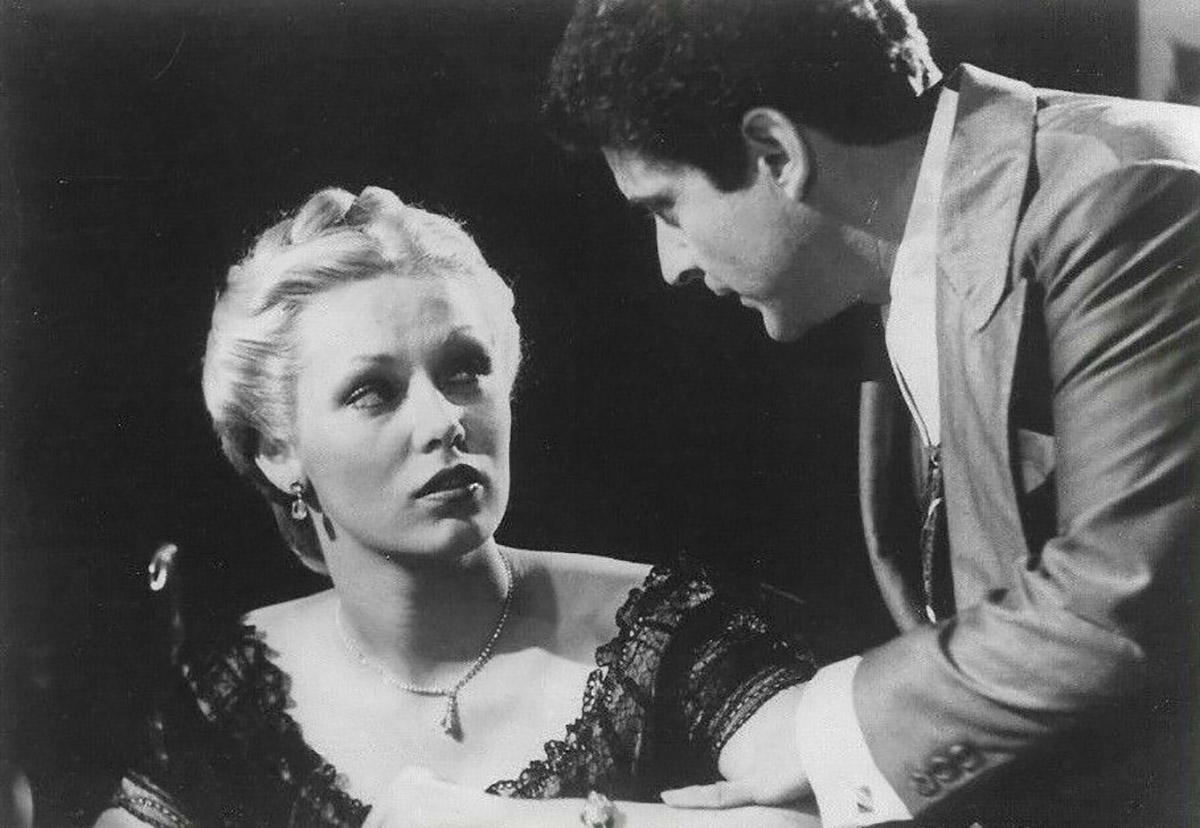
Directed by Martin Scorsese, Goodfellas is a gritty, realistic portrayal of the rise and fall of Henry Hill (Ray Liotta), a young man who becomes involved with the Mafia. Based on the true story written by Nicholas Pileggi, the film chronicles Hill’s life in the mob, his relationship with his partners, and his eventual betrayal.
With standout performances by Robert De Niro and Joe Pesci, the film dives deep into the dangerous, morally complex world of organized crime. It is widely regarded as one of the greatest films ever made, with its fast-paced narrative, compelling characters, and unforgettable lines.
Fun Fact:
The famous scene where Joe Pesci says, “You think I’m funny?” to Ray Liotta was unscripted. Pesci improvised the line during a dinner scene, and the tension in the moment felt real, which added an authentic, terrifying edge to the character. It became one of the most memorable moments in film history.

3. Marty (1955)
Directed by Delbert Mann, Marty is a touching romantic drama about a lonely butcher, Marty Piletti (Ernest Borgnine), who struggles with self-esteem and the societal pressures of being a bachelor in his 30s. Set in New York, Marty meets Clara (Betsy Blair), a schoolteacher with similar insecurities, and the film follows their budding relationship as they try to overcome their own doubts and the judgment of others.
The film explores themes of loneliness, self-worth, and the simple yet powerful connection between two people who find solace in each other. Marty won four Academy Awards, including Best Picture and Best Actor for Borgnine’s poignant performance.
Fun Fact:
Ernest Borgnine was not the first choice for the role of Marty. The film’s producers originally wanted a more traditionally handsome actor, but Borgnine’s raw vulnerability and authenticity brought an emotional depth to the character that made the film a classic. His performance in Marty is often cited as one of the most genuine portrayals of love and loneliness in film history.

4. The Big Night (1996)
Co-directed by Stanley Tucci and Campbell Scott, The Big Night is a heartfelt blend of comedy and drama that tells the story of two Italian brothers, Primo (Tony Shalhoub) and Secondo (Stanley Tucci), who run a struggling Italian restaurant in 1950s New Jersey. Despite their culinary skills, they face financial difficulties and competition from a nearby rival restaurant.
The film focuses on the tension between the brothers’ dreams and reality, leading up to a crucial “big night” where they plan to cook a lavish dinner for a famous guest in hopes of saving their business. The film beautifully captures the immigrant experience, family bonds, and the pursuit of success in the face of adversity.
Fun Fact:
The famous “timpano” scene, where the brothers prepare the elaborate pasta dish, was real! The filmmakers went to great lengths to make the cooking process authentic, and the timpano (a large pasta-filled dish) was actually cooked on set. The dish was so complex that it took several hours to prepare, and it became one of the most iconic moments in the film.
Backstage Insight:
The actors, particularly Stanley Tucci and Tony Shalhoub, spent time researching Italian cuisine and learning cooking techniques to ensure authenticity. In fact, the film’s recipe for timpano was passed down through generations of Italian families, and the directors wanted to capture that sense of tradition in their work.

5. On the Waterfront (1954)
Directed by Elia Kazan, On the Waterfront is a powerful drama that stars Marlon Brando as Terry Malloy, a longshoreman who is torn between his loyalty to his corrupt union bosses and his growing conscience. Set on the docks of New Jersey, the film explores themes of corruption, redemption, and moral integrity.
While it’s not exclusively about Italian-American culture, it offers a gritty portrayal of the working-class Italian-American experience, particularly through the lens of Terry’s inner struggle and his relationship with his brother, a priest who urges him to do the right thing. Brando’s iconic performance earned him an Academy Award for Best Actor, cementing his place as one of Hollywood’s greatest stars.
Fun Fact:
Marlon Brando’s line “I coulda been a contender” is one of the most iconic in cinematic history. Interestingly, Brando’s delivery of the line was so raw and emotional that it became one of the most quoted lines in movie history. The scene was completely improvised, showcasing Brando’s incredible ability to bring depth and spontaneity to his characters.

7 Enchanting American Movies Filmed in the Heart of Italy
1. The Talented Mr. Ripley (1999):
Directed by Anthony Minghella, The Talented Mr. Ripley is a psychological thriller based on Patricia Highsmith’s novel. The film follows Tom Ripley (Matt Damon), a charming but troubled young man who is hired to retrieve a wealthy man’s son, Dickie Greenleaf (Jude Law), from Italy.
However, Ripley becomes obsessed with Dickie’s life and begins to impersonate him, leading to a web of deceit, crime, and moral ambiguity. Set against the stunning backdrops of Rome, Venice, and the Italian coastline, the film combines suspense, beautiful cinematography, and outstanding performances, especially from Damon and Law.
Fun Fact:
The iconic Venice scenes were filmed in the real city, but the filmmakers faced several challenges due to the complexity of filming in Venice’s narrow canals. Matt Damon had to learn how to row a gondola for the film, but the tight filming schedule didn’t leave him much time for practice. The result was a beautiful, yet somewhat chaotic, gondola scene that added authenticity to Ripley’s increasingly frantic mindset.
2. The English Patient (1996)
Directed by Anthony Minghella, The English Patient is an epic romantic war film set during World War II. It follows the intertwined stories of Count László de Almásy (Ralph Fiennes), a severely burned patient being cared for in an Italian villa, and his passionate affair with Katharine Clifton (Kristin Scott Thomas).
As Almásy’s past is revealed through flashbacks, the film explores love, loss, and the complexities of identity and betrayal in the midst of war. The movie was filmed in breathtaking Tuscany, Italy, adding to its rich visual storytelling. It won 9 Academy Awards, including Best Picture and Best Director.
Fun Fact:
Ralph Fiennes, who portrayed László Almásy, performed many of his own stunts, including the scenes where his character is burned. The makeup and prosthetics used for the burn scenes took hours to apply, making them both physically demanding and emotionally intense for Fiennes. His commitment to the role earned him critical acclaim.
3. Letters to Juliet (2010)
Directed by Gary Winick, Letters to Juliet is a romantic drama set in the stunning Italian countryside, primarily in Verona, the home of Juliet Capulet from Shakespeare’s famous play. The film follows Sophie Hall (Amanda Seyfried), a young American who discovers an unsent letter to Juliet that was written by a woman named Claire (Vanessa Redgrave) over 50 years ago.
Sophie goes on a journey to reunite Claire with her long-lost love, resulting in a heartwarming adventure filled with romance and self-discovery. The film beautifully showcases the allure of Italy, as well as the timeless power of love.
Fun Fact:
The famous Juliet’s House in Verona, featured in the film, is a popular tourist destination where visitors leave letters to Juliet seeking advice on love. In reality, the tradition of writing to Juliet has been a part of Verona’s culture for decades, and the movie helped further cement its role in popularizing this charming practice worldwide.
4. The Lizzie McGuire Movie (2003)
Directed by Jim Fall, The Lizzie McGuire Movie is a teen comedy and a spin-off from the popular Disney Channel TV series. The film follows Lizzie McGuire (Hilary Duff) as she travels to Rome with her school group, only to find herself caught up in an adventure of a lifetime.
After being mistaken for a famous Italian pop star, Lizzie starts on a journey of self-discovery, friendship, and romance in the enchanting city of Rome. The film captures the excitement of exploring new places and the challenges of growing up, with Lizzie navigating her first real crush and her newfound confidence.
Fun Fact:
During the filming of the iconic Trevi Fountain scene, where Lizzie performs a song, Hilary Duff was actually singing live on set! The scene was filmed on location in Rome, and the crew managed to capture the magic of the moment as Lizzie dances around the fountain. This impromptu performance became one of the film’s most memorable and beloved moments.
5. Roman Holiday (1953)
Directed by William Wyler, Roman Holiday is a timeless romantic comedy that stars Audrey Hepburn as Princess Ann, a young royal who escapes her duties to experience freedom in Rome. She meets an American journalist, Joe Bradley (Gregory Peck), and the two spend a day exploring the city, unaware of the media frenzy awaiting them.
The film beautifully showcases Rome’s iconic landmarks, such as the Spanish Steps and Vatican City, as the backdrop to a heartwarming and romantic story. Hepburn’s portrayal of Princess Ann won her an Academy Award for Best Actress, cementing her status as an iconic Hollywood star.
Fun Fact:
Audrey Hepburn’s performance in Roman Holiday was groundbreaking. Her portrayal of the innocent yet adventurous princess was so natural that Audrey performed much of her own stunts, including riding a scooter through Rome.
The famous scene where she rides the scooter with Gregory Peck was completely spontaneous, the two actors improvised the moment, making it one of the film’s most unforgettable scenes.
Backstage Insight:
The film was shot entirely on location in Rome, giving it an authentic feel that perfectly captured the charm of the city. Interestingly, Gregory Peck and Audrey Hepburn didn’t initially get along due to their contrasting acting styles.
6. The Tourist (2010)
Directed by Florian Henckel von Donnersmarck, The Tourist is a thrilling romance that stars Johnny Depp as Frank Tupelo, an American tourist who gets caught up in a web of intrigue after meeting Elise Clifton-Ward (Angelina Jolie) in Venice, Italy.
As the story unfolds, Frank finds himself entangled in a complex case of mistaken identity, deception, and betrayal, with Venice’s picturesque canals and historic landmarks playing a significant role in the narrative. The film is a glamorous blend of suspense and romance, with stunning visuals and a captivating plot that keeps audiences guessing until the very end.
Fun Fact:
The film’s famous chase scene through Venice’s canals involved extensive preparation. The filmmakers used a mix of real boats and CGI to create a thrilling yet picturesque sequence. Johnny Depp and Angelina Jolie had limited time to rehearse the intense chase, so the filmmakers relied on their natural chemistry and ability to improvise under pressure, creating an exciting and seamless moment.
Backstage Insight:
Filming in Venice posed unique challenges, especially since the city is a UNESCO World Heritage site with strict regulations on filming in public areas. To capture the beauty of Venice, many scenes were shot in iconic locations, like the Rialto Bridge and St. Mark’s Square, while the filmmakers also made sure to keep the romantic allure of the city at the forefront. The film’s smooth mix of elegance, mystery, and tension was enhanced by the stunning Italian backdrop, giving it an unforgettable atmosphere.
7. Under the Tuscan Sun (2003)
Directed by Audrey Wells, Under the Tuscan Sun is a romantic drama based on Frances Mayes’ memoir. The story follows Frances (Diane Lane), a recently-divorced woman who buys and renovates an abandoned villa in the picturesque countryside of Tuscany, Italy.
As she navigates the challenges of restoring the villa and rebuilding her life, Frances embarks on a journey of self-discovery, learning about love, friendship, and the beauty of embracing life’s unexpected changes. The film beautifully captures the charm of Tuscany’s landscapes, offering viewers a visual escape into the heart of Italy.
Fun Fact:
The stunning Tuscan villa featured in the film is actually a real property located in Tuscany. Filming took place on-site, and the villa itself became so popular after the film’s release that it sparked a wave of tourists wanting to visit the location, making it an unexpected tourist attraction.
8 Most Famous Italian-American Film Directors According to IMDB
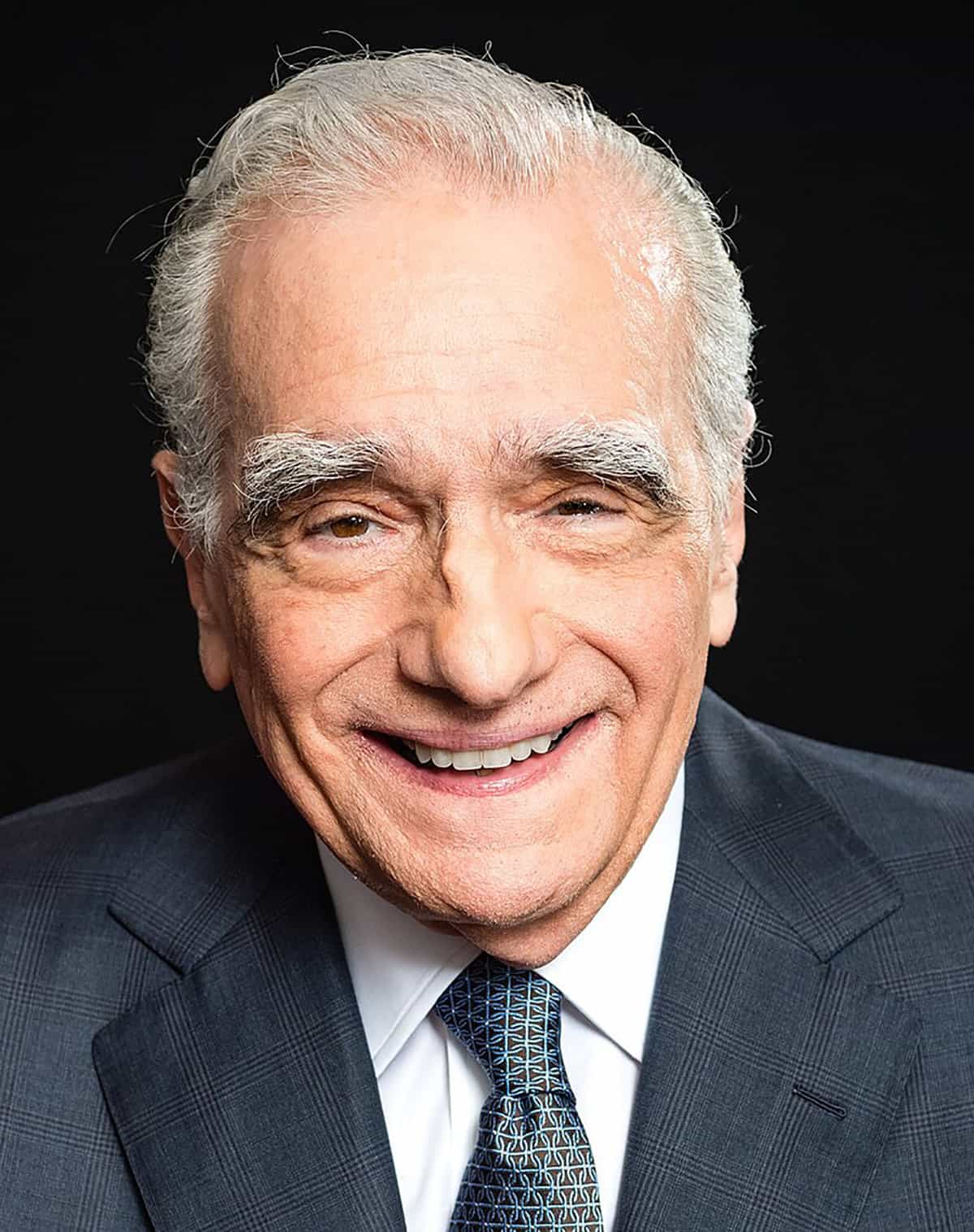
Background: Born on November 17, 1942, in Queens, New York, Scorsese was raised in Little Italy. His parents hailed from Palermo, Sicily, and worked in Manhattan’s garment district.
Notable Work: Director of “Taxi Driver.”
Background: Born in 1939 in Detroit, Michigan, Coppola grew up in a creative Italian-American family in a New York suburb. His father, Carmine Coppola, was a composer, and his mother, Italia Coppola, had been an actress.
Notable Work: Producer of “Apocalypse Now.”

3. Sergio Leone
Background: Born to cinema pioneers, Leone entered films in his teens. His work, including “Once Upon a Time in America,” has left a lasting impact.
Notable Work: Writer of “Once Upon a Time in America.”

Background: Inspired by the women and the political climate of his youth in Italy, Fellini’s dreams shaped his films.
Notable Work: Writer of “Amarcord.”

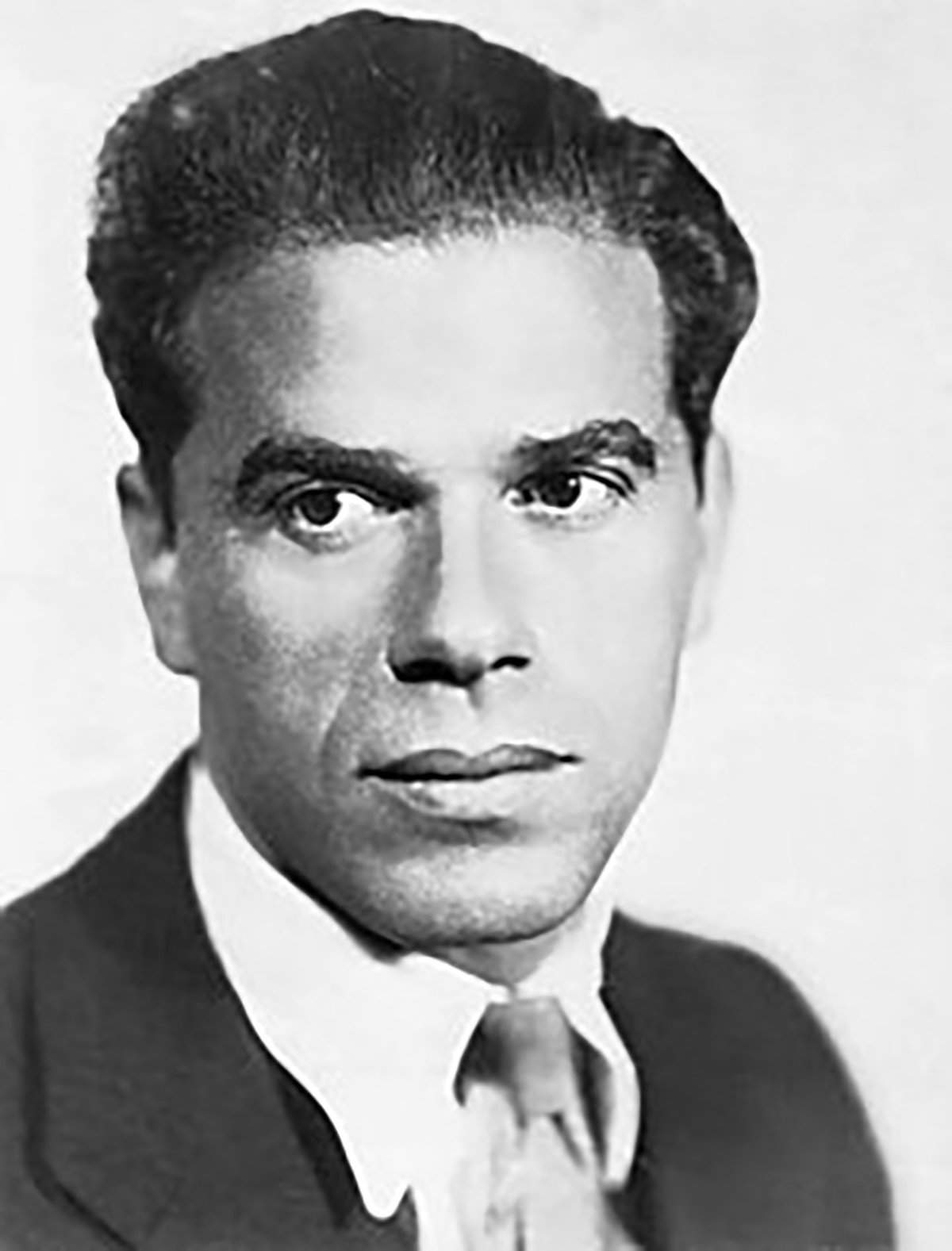
5. Frank Capra
Background: Born in Sicily, Capra arrived in America in 1903. He became a renowned director known for classics like “It’s a Wonderful Life.”
Notable Work: Director of “It’s a Wonderful Life.”
Background: Born in Newark, New Jersey, De Palma is known for his diverse films, ranging from violence to Hitchcock-like thrillers.
Notable Work: Director of “Body Double.”

7. Danny DeVito
Background: Born in Neptune, New Jersey, to Italian-American parents, DeVito is a versatile figure on stage, television, and film.
Notable Work: Actor in “Matilda.”

Background: Award-winning cinematographer born in Rome. He won Oscars for his work on “Apocalypse Now,” “Reds,” and “The Last Emperor.”
Notable Work: Cinematographer for “Apocalypse Now.”

10 Most Famous Italian Actors and Actresses
Actors:
- Robert De Niro: One of the most respected actors in the industry, known for his roles in films like “The Godfather Part II,” “Taxi Driver,” and “Goodfellas.”
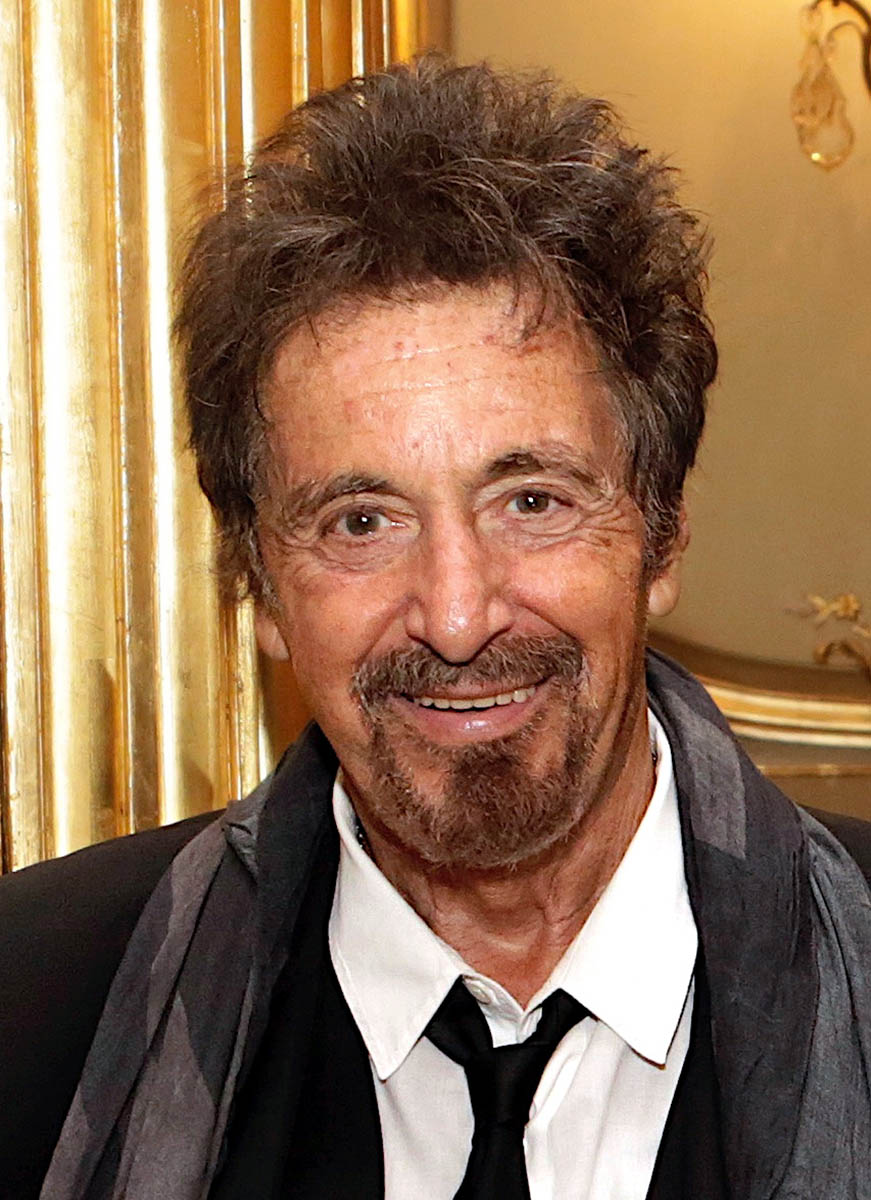
- Al Pacino: Renowned for his powerful performances, Pacino is famous for roles in “The Godfather,” “Scarface,” and “Scent of a Woman.”
- Marlon Brando: While not exclusively Italian-American, Brando had Italian heritage and delivered iconic performances in “The Godfather” and “A Streetcar Named Desire.”
- Joe Pesci: Known for his roles in mob films like “Goodfellas” and “Casino,” as well as the comedy “Home Alone.”
- James Gandolfini: Achieved fame for his portrayal of Tony Soprano in the critically acclaimed TV series “The Sopranos.”
Actresses:
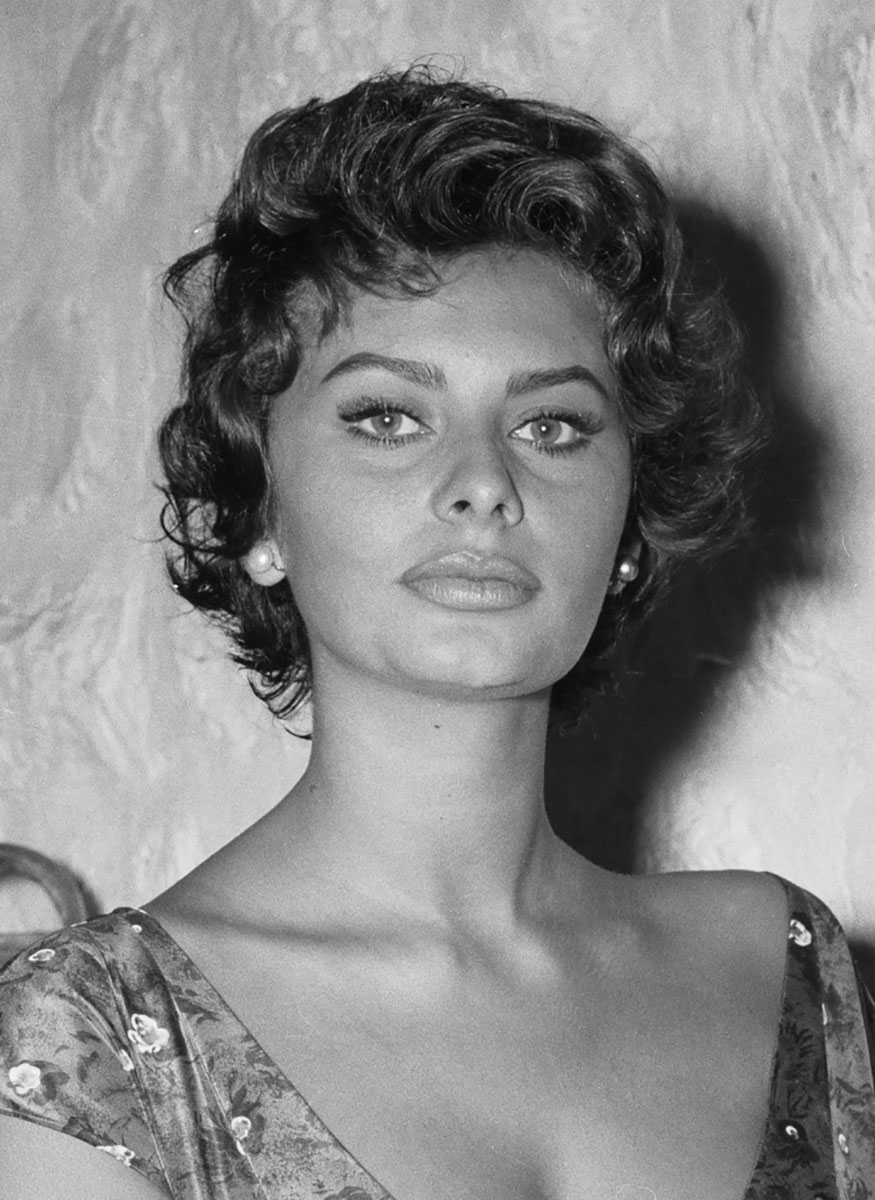
- Sophia Loren: An Academy Award-winning actress, Loren is one of the most acclaimed Italian actresses, with a career spanning several decades.
- Marisa Tomei: Known for her roles in films like “My Cousin Vinny,” for which she won an Academy Award, and “The Wrestler.”
- Isabella Rossellini: Daughter of actress Ingrid Bergman and director Roberto Rossellini, Isabella has had a successful career in films like “Blue Velvet” and “Crime of the Century.
- Lorraine Bracco: Notable for her roles in “Goodfellas” and her Emmy-nominated performance in “The Sopranos.”
- Annabella Sciorra: Known for her work in films like “Jungle Fever” and her role in “The Sopranos.”
Top 38 Italian-American Movies of All Time: A Recap
The world of Italian-American films is rich with emotion, drama, and humor, offering a unique look into the complexities of family, culture, and identity. From iconic classics like The Godfather to heartfelt stories in Moonstruck and gripping tales in Goodfellas, these Italian-American movies have shaped cinematic history.
They explore everything from Mafia families to immigrant experiences, often with deep cultural undertones and powerful performances. Watching Italian-American films is like taking a journey through time, culture, and emotion.
I still remember watching The Godfather for the first time, and the gripping intensity of the opening scene had me hooked. These movies about Italians resonate universally, making us reflect on family, love, and the pursuit of dreams.