
Are you curious about pagan holidays and why they are still talked about today, centuries after they first appeared?
You’re not alone — with unfamiliar names, seasonal meanings, and ancient roots, the Wheel of the Year can feel complex at first.
We’re here to guide you. In this article, you’ll explore:
- What pagan holidays are and where they come from
- The eight seasonal Sabbats and what each one represents
- How these celebrations connect humans to nature and time
Along the way, you’ll also get a sense of the experience itself.
Attending a small autumn gathering during Samhain, with candles flickering and leaves falling quietly around us, made the changing season feel meaningful, calm, and deeply connected to nature rather than just another date on the calendar.
Join us as we explore the meaning and seasonal rhythm of pagan holidays.
- What Are Pagan Holidays?
- Origins of Pagan Holidays and Nature-Based Beliefs
- 8 Seasonal Sabbats in the Pagan Wheel of the Year
- 1. Yule (Winter Solstice – approx. Dec 21)
- 2. Imbolc (Early Spring – approx. Feb 1–2)
- 3. Ostara (Spring Equinox – approx. Mar 20–21)
- 4. Beltane (Mid-Spring – approx. May 1)
- 5. Litha (Summer Solstice – approx. Jun 20–21)
- 6. Lughnasadh / Lammas (First Harvest – approx. Aug 1)
- 7. Mabon (Autumn Equinox – approx. Sep 22–23)
- 8. Samhain (End of Harvest – approx. Oct 31)
- Pagan Holidays: A Recap
- FAQ
What Are Pagan Holidays?
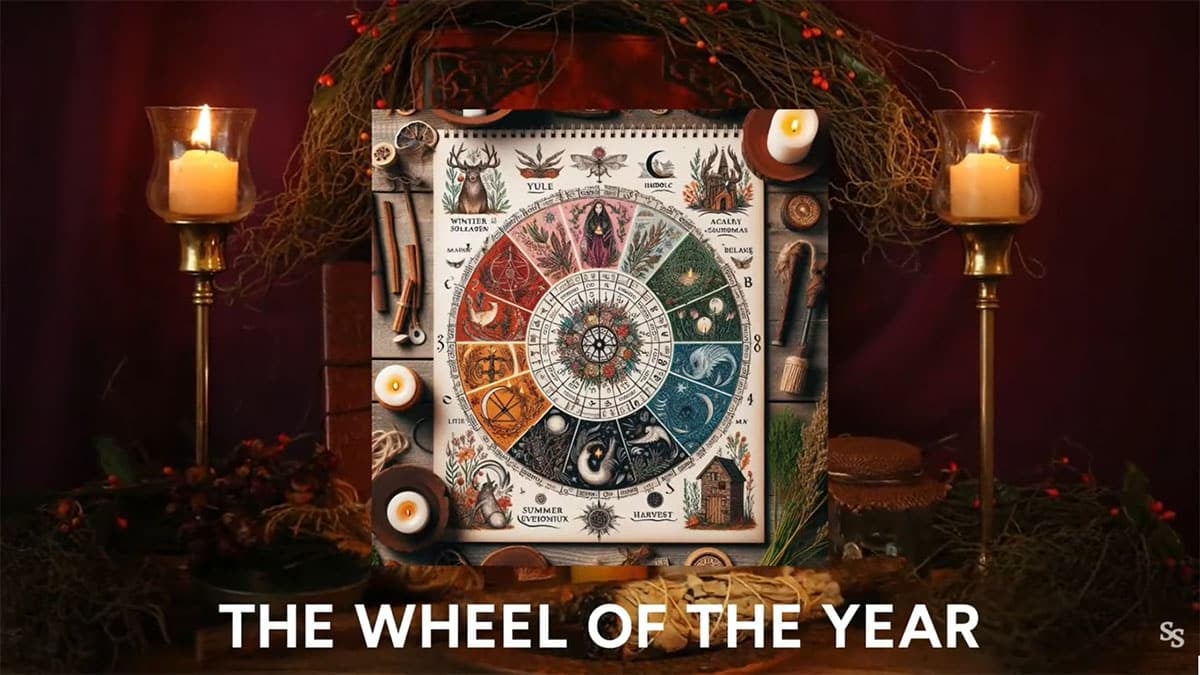
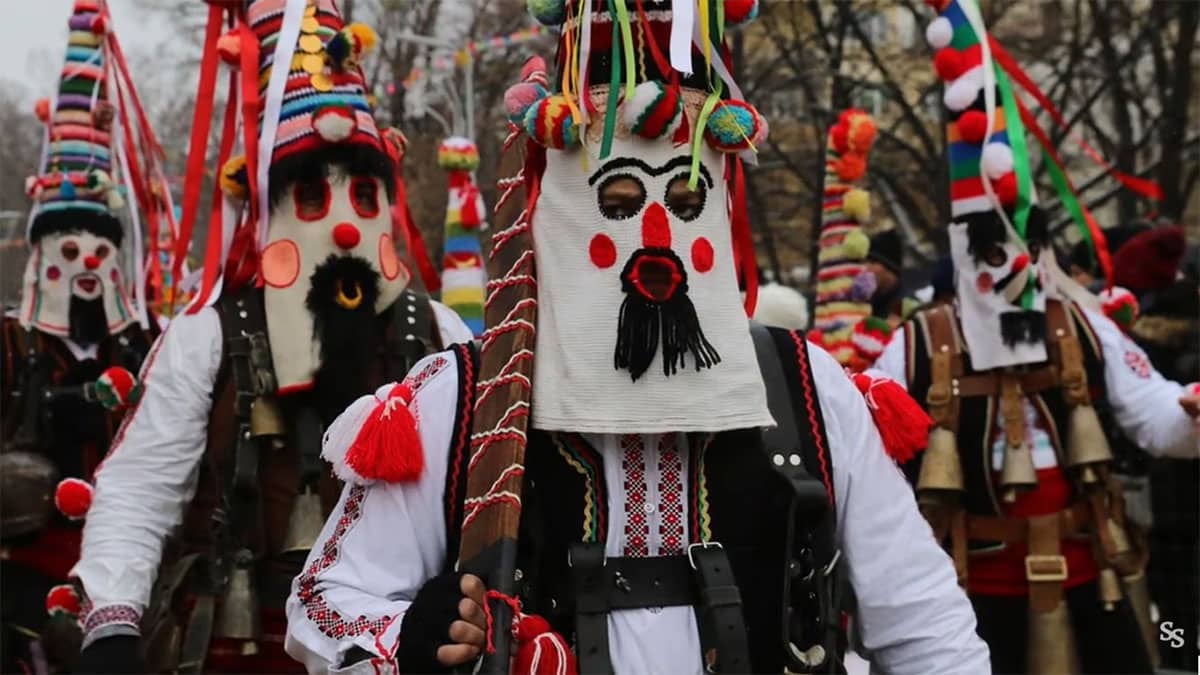
Pagan holidays are seasonal celebrations rooted in pre-Christian, nature, agriculture, and astronomical events such as solstices and equinoxes.
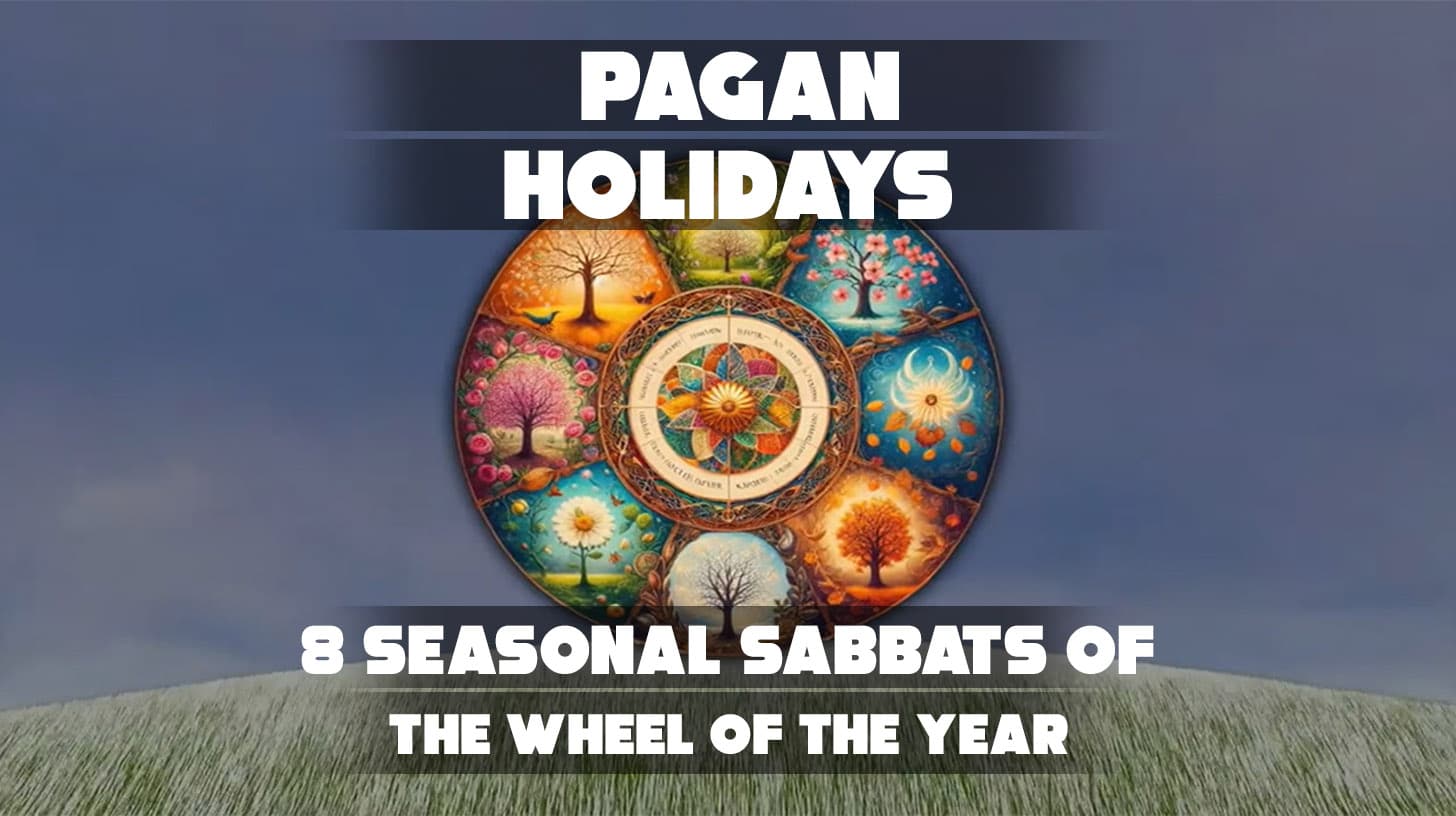
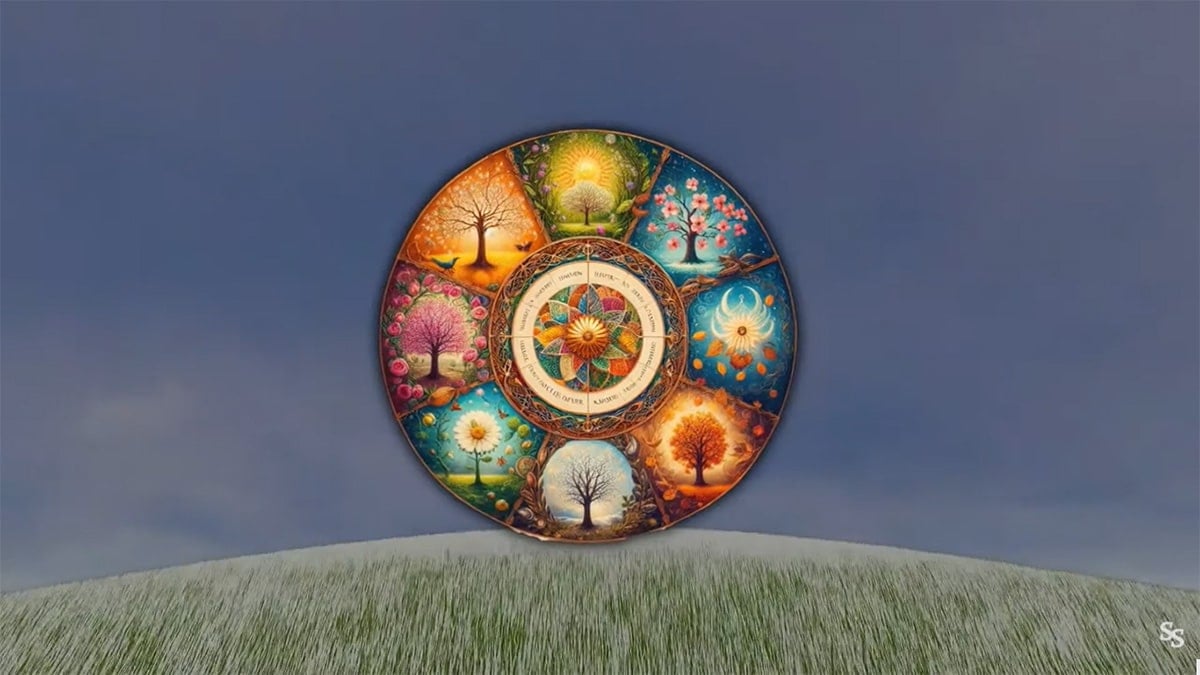
Instead of being tied to a single holy book or a single country, they follow the rhythm of the natural world—light and darkness, planting and harvest, birth and rest. In modern usage, many people refer to a structured cycle called the Wheel of the Year, which organizes eight major festivals (often called “Sabbats”).
They originate from various ancient European cultures, including Celtic, Germanic, Norse, and Slavic traditions.
These holidays are typically timed by:
- Solar events: solstices and equinoxes (astronomical points that shift slightly each year)
- Seasonal turning points: early spring, early summer, first harvest, and the start of winter
- Agricultural life: food preservation, livestock cycles, and harvest gratitude
Today, pagan holidays may be observed as:
- Cultural heritage (folk customs, festivals, storytelling)
- Spiritual practice (modern pagan paths such as Wicca, Druidry, Heathenry)
- Seasonal mindfulness (connecting life routines to nature’s cycles)
See Also Holiday Traditions in Korea
Origins of Pagan Holidays and Nature-Based Beliefs
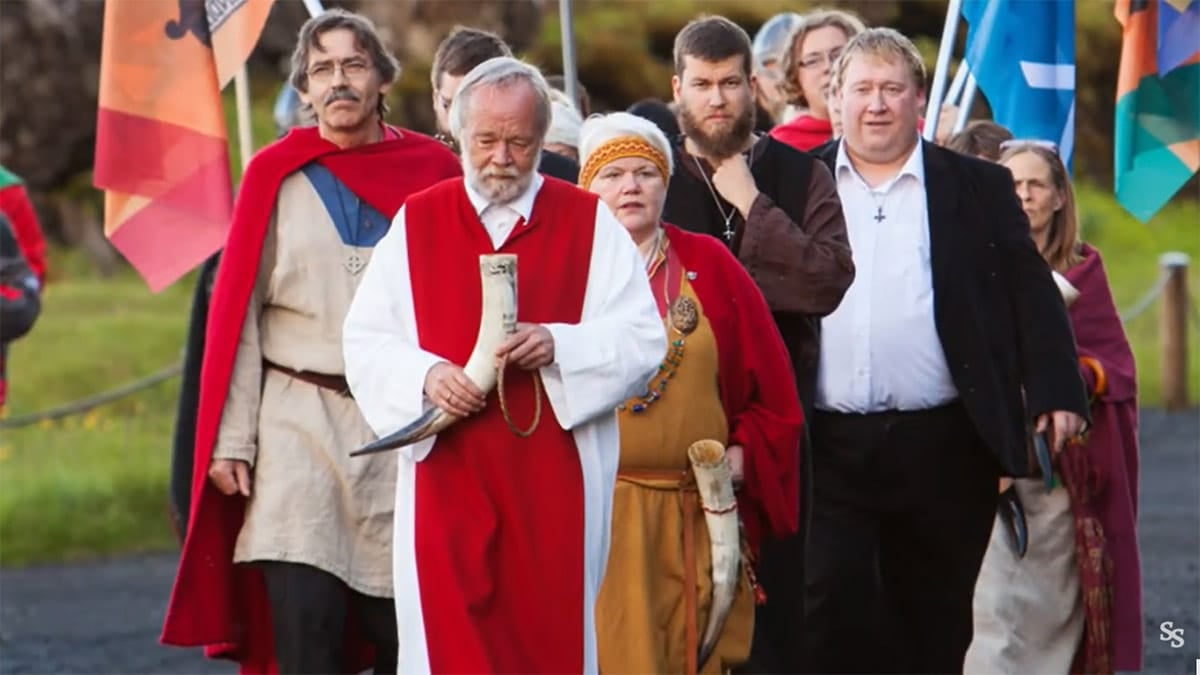
The eight-holiday “Wheel of the Year” is a modern framework that blends older folk festivals with solstice/equinox observances into one calendar. The term and the common modern naming became widely used in the 20th century, influenced heavily by modern pagan movements, especially in Britain.
Historically, the roots come from multiple regional traditions, including:
- Gaelic/Celtic seasonal festivals in places such as Ireland, Scotland, and Isle of Man (notably Imbolc, Beltane, Lughnasadh, Samhain).
- Germanic/Norse seasonal traditions across parts of Germany and Scandinavia (many midwinter and midsummer customs).
- Anglo-Saxon England and later folklore, where some spring imagery and naming traditions became influential in modern interpretations.
Modern celebration is global, but the imagery remains strongly seasonal: bonfires, candles, greenery, flowers, grain, apples, and remembrance rituals—each reflecting what the land is doing at that point in the year.
Because solstices and equinoxes are astronomical, their exact dates can shift by a day depending on the year and time zone. Cross-quarter festivals (Imbolc, Beltane, Lughnasadh, Samhain) are often kept on traditional dates (Feb 1–2, May 1, Aug 1, Oct 31), but some modern groups align them to seasonal “midpoints.”
See Also Holiday Traditions In Bolivia
8 Seasonal Sabbats in the Pagan Wheel of the Year
| Sabbat | Approximate Time | Seasonal Point | Core Meaning | Key Symbols |
|---|---|---|---|---|
| Yule | Dec 21 | Winter Solstice | Rebirth of light, renewal, hope | Evergreens, candles, Yule log |
| Imbolc | Feb 1–2 | Early Spring | Purification, preparation, new beginnings | Candles, milk, seeds |
| Ostara | Mar 20–21 | Spring Equinox | Balance, growth, fertility | Eggs, flowers, hares |
| Beltane | May 1 | Mid-Spring | Vitality, creativity, abundance | Flowers, ribbons, fire |
| Litha | Jun 20–21 | Summer Solstice | Peak energy, joy, gratitude | Sun symbols, herbs |
| Lughnasadh / Lammas | Aug 1 | First Harvest | Gratitude, effort, reward | Grain, bread, wheat |
| Mabon | Sep 22–23 | Autumn Equinox | Balance, reflection, thanksgiving | Apples, leaves, baskets |
| Samhain | Oct 31 | End of Harvest | Transformation, remembrance, closure | Candles, ancestors, lanterns |
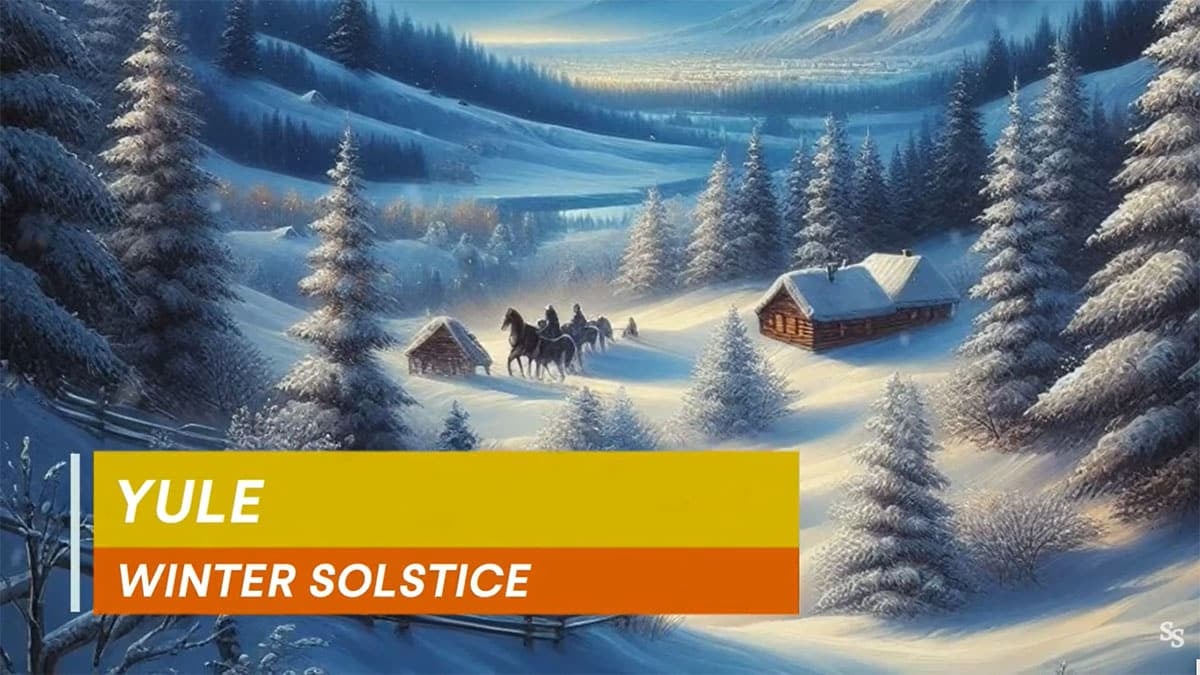
1. Yule (Winter Solstice – approx. Dec 21)
Meaning (what it represents):
- The longest night and the “return of the light”
- Rest, reflection, renewal, and hope after darkness
Key symbols:
- Evergreen branches (endurance through winter)
- Yule log (warmth, continuity, protection)
- Candles and lanterns (light returning)
Common colors:
- Red, green, gold, white, silver (varies by tradition).
Traditional-feeling practices (old + modern inspired):
- Lighting candles at dusk
- Decorating with evergreen
- Quiet meals and storytelling
- Setting intentions for the coming year
Countries and cultural roots:
- Midwinter customs appear across northern Europe, especially in parts of Scandinavia (Norway, Sweden, Denmark, Iceland) and the British Isles, though modern “Wheel” Yule is a modern pagan form of midwinter observance.
See Also Holiday Traditions in Russia
2. Imbolc (Early Spring – approx. Feb 1–2)
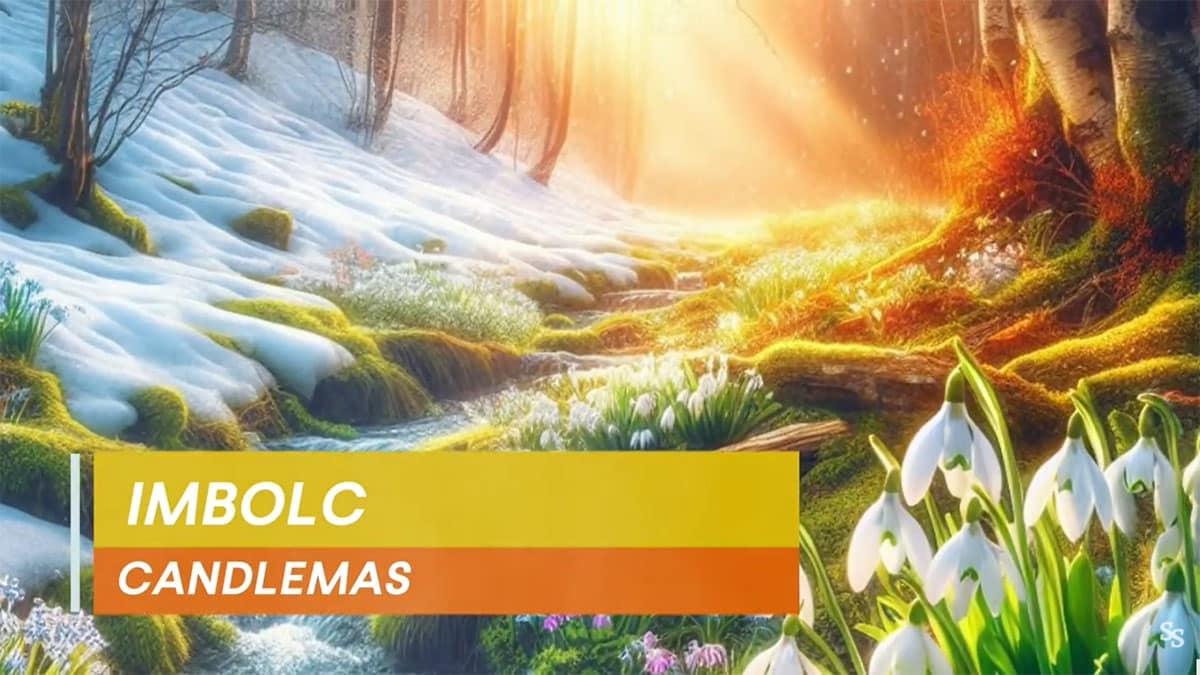
Meaning:
- Early spring beginning; “first thaw” energy
- Purification, returning light, and new growth preparing beneath the surface
Key symbols:
- Candles and small flames (returning light)
- Brigid’s cross (in Irish tradition)
- Milk, lambs, seeds (life returning)
Common colors:
- White, cream, pale yellow, light green
Typical practices:
- Lighting candles throughout the home
- Cleaning and “resetting” spaces (spring cleaning as a symbolic act)
- Simple offerings of milk, bread, or seasonal foods
- Planning goals (not forcing action yet—more like preparing the ground)
Countries and roots:
- Historically a Gaelic seasonal festival observed across Ireland, Scotland, and the Isle of Man.
See Also Holiday Traditions in Poland
3. Ostara (Spring Equinox – approx. Mar 20–21)
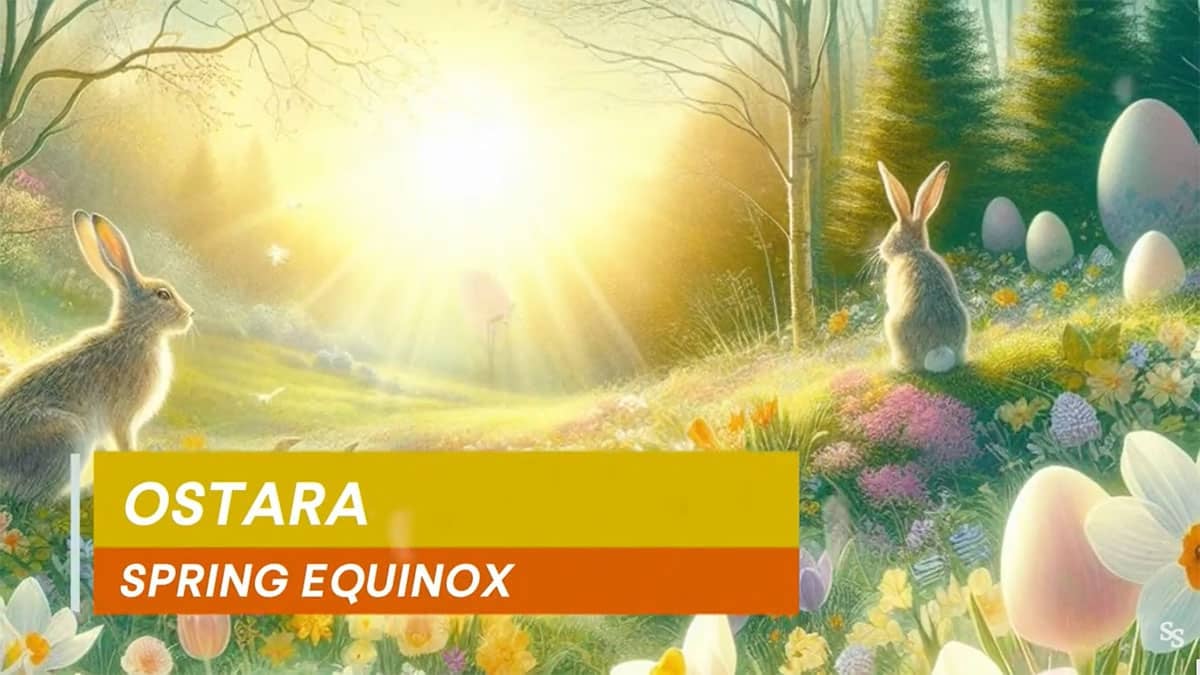
Meaning:
- Balance of day and night, then the steady rise of light
- Renewal, fertility, and visible awakening of nature
Key symbols:
- Eggs (potential, new life)
- Buds and spring flowers
- Hares/rabbits (spring imagery)
Common colors:
- Pastel green, yellow, pink, lavender
Typical practices:
- Nature walks focused on signs of change
- Planting herbs or early seeds (even in pots)
- Simple altar/seasonal displays with eggs, flowers, and fresh greenery
- Personal “fresh start” rituals (decluttering habits, routines, goals)
Countries and context:
- The equinox is universal, but “Ostara” as a widely-used Wheel-of-the-Year name is primarily modern pagan usage, drawing on reconstructed/interpretive links in English-language tradition.
See Also Holiday Traditions in Greece
4. Beltane (Mid-Spring – approx. May 1)
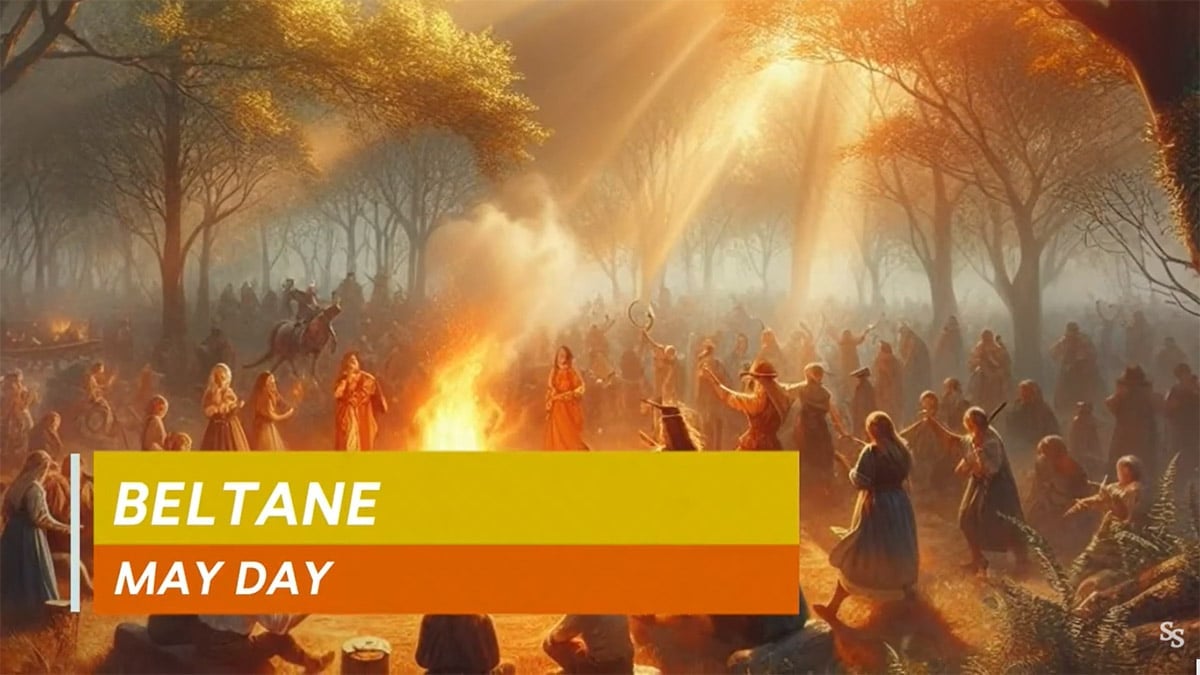
Meaning:
- Fertility, vitality, blossoming life, and the approach of summer
- Celebration of passion, creativity, and abundance
Key symbols:
- Maypole ribbons (union, community weaving)
- Flowers and crowns
- Bonfires (energy, protection, transformation)
Common colors:
- Bright green, red, pink, white
Typical practices:
- Community dancing or outdoor gatherings
- Bonfire celebrations (where culturally and legally appropriate)
- Decorating with flowers and fresh branches
- Creative work: art, music, making something new
Countries and roots:
- Closely tied to Gaelic May Day tradition (Beltane/Bealtaine), historically significant in Ireland and Scotland, with related May Day customs across Europe.
See Also Holiday Traditions in El Salvador
5. Litha (Summer Solstice – approx. Jun 20–21)
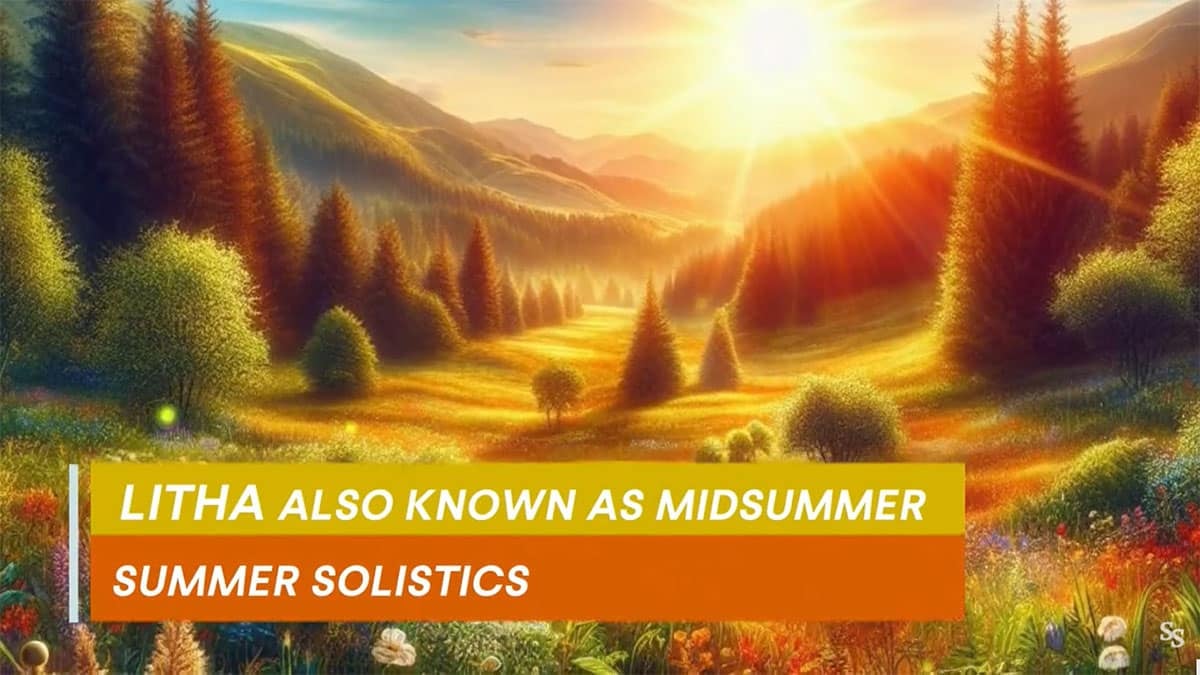
Meaning:
- The longest day; the sun at peak strength
- Joy, confidence, gratitude, and fullness of life
Key symbols:
- Sun wheels and solar imagery
- Wildflowers and herbs
- Fire and sunlight
Common colors:
- Gold, yellow, orange, bright green
Typical practices:
- Sunrise or sunset observances
- Herbal gathering (where allowed), drying herbs for later seasons
- Outdoor feasts and shared meals
- Gratitude rituals: naming what’s flourishing in your life
Countries and context:
- Midsummer traditions are widespread across Europe (especially in Scandinavia and parts of northern Europe), while “Litha” as a standard Wheel-of-the-Year label is modern popular usage.
See Also Holiday Traditions in Scotland
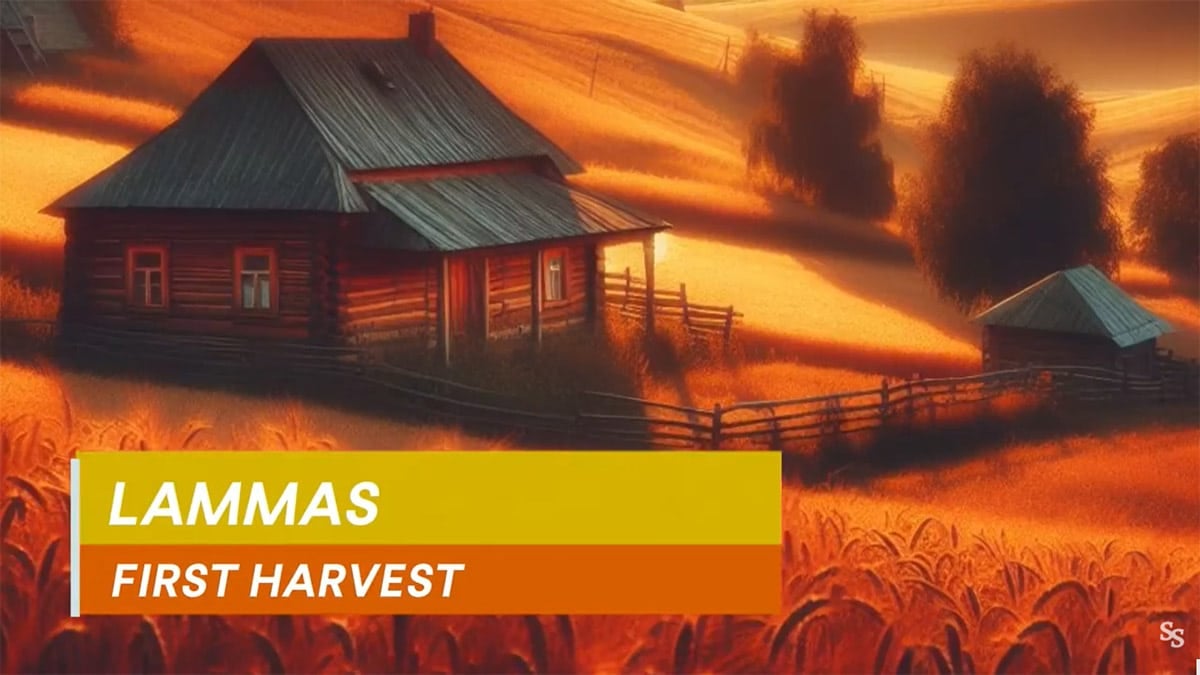
6. Lughnasadh / Lammas (First Harvest – approx. Aug 1)
Meaning:
- First harvest: the beginning of reaping what was planted
- Gratitude, effort, craft, and the reality of change (summer slowly turning)
Key symbols:
- Grain, bread, wheat sheaves
- Sickles/harvest tools (symbolic)
- Sunflowers and late-summer produce
Common colors:
- Gold, amber, brown, warm green
Typical practices:
- Baking bread (a classic Lammas theme)
- Sharing food with family/community
- Reviewing goals and “what’s working”
- Honoring skills: learning, practicing, finishing a project
Countries and roots:
- Lughnasadh is part of the Gaelic seasonal festival pattern (with deep Irish associations), while “Lammas” is an English word historically connected to harvest bread customs; the Wheel of the Year commonly blends both names.
See Also Holiday Traditions in Netherlands
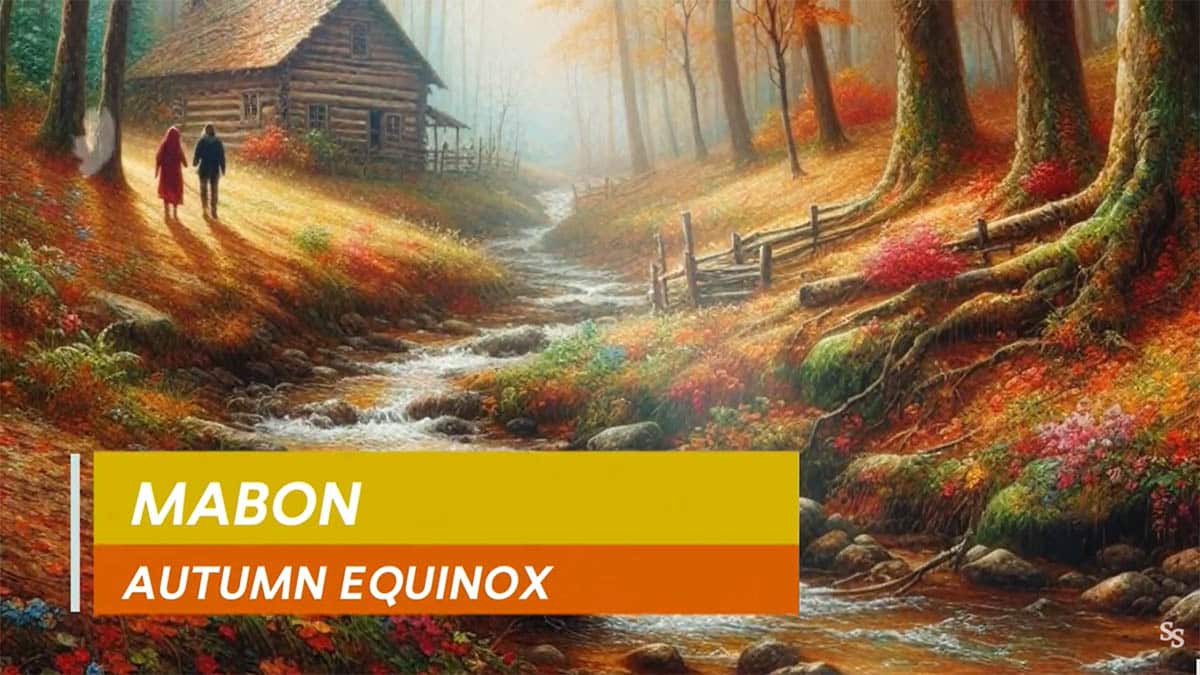
7. Mabon (Autumn Equinox – approx. Sep 22–23)
Meaning:
- Balance returns: equal day and night, then darkness grows
- Thanksgiving, reflection, and preparing for colder months
Key symbols:
- Apples, grapes, corn, late harvest produce
- Leaves turning color
- Baskets and shared meals
Common colors:
- Orange, burgundy, deep red, brown, dark green
Typical practices:
- Harvest-style dinners and gratitude lists
- Preserving foods (jams, pickles) as a seasonal symbol
- Home organization and preparation
- Reflection: what to keep, what to release before winter
Countries and context:
- The equinox is astronomical and global; “Mabon” as a common Wheel-of-the-Year equinox name is modern usage popularized in the late 20th century.
See Also Holiday Traditions in Japan
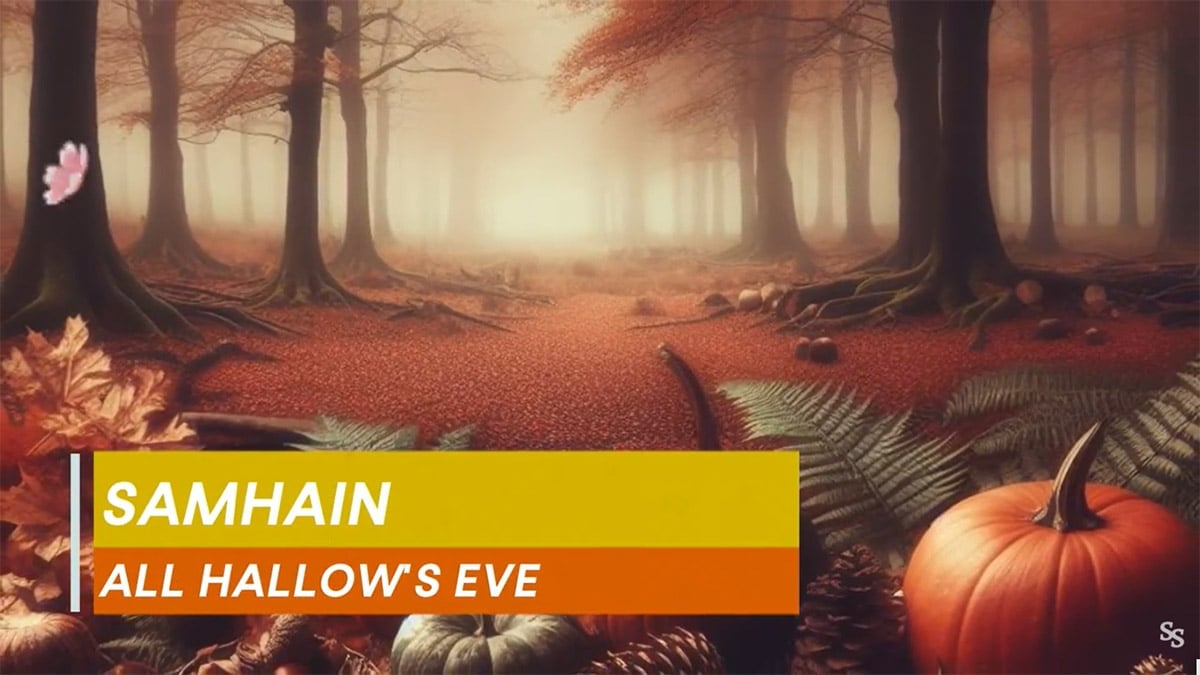
8. Samhain (End of Harvest – approx. Oct 31)
Meaning:
- End of harvest, beginning of winter’s “dark half”
- Ancestors, remembrance, mortality, and transformation
Key symbols:
- Candles for the dead
- Ancestor photos, offerings, memorial tables
- Turnips/pumpkins as lantern traditions (regionally varied)
Common colors:
- Black, deep purple, dark orange, rust, gray
Typical practices:
- Ancestor honoring (names spoken, stories shared)
- Quiet meals with symbolic offerings
- Reflection on endings and new beginnings
- Protective rituals in traditions that include them
Countries and roots:
- Historically observed in Gaelic regions including Ireland, Scotland, and the Isle of Man, beginning at sunset on Oct 31 in traditional reckoning.
According to Modern Pagan Festivals, contemporary pagan celebrations such as the Wheel of the Year function as living traditions that connect seasonal cycles with cultural identity and personal meaning.
These festivals emphasize nature, community, and ritual continuity, showing how ancient seasonal observances have been adapted into modern contexts while preserving their symbolic relationship with time, land, and human experience.
See Also Weird Holiday Traditions
Pagan Holidays: A Recap
Pagan holidays are seasonal celebrations rooted in nature, agriculture, and ancient European traditions, organized today into the Wheel of the Year. These eight Sabbats mark solstices, equinoxes, and key seasonal transitions, reflecting cycles of light, growth, harvest, rest, and renewal.
Each Sabbat carries its own meaning, symbols, colors, and traditional practices, many of which continue to influence modern customs. Experiencing these holidays creates a deeper awareness of seasonal change; attending a quiet autumn gathering during Samhain, surrounded by candlelight and falling leaves, made the transition into winter feel reflective and grounding rather than abrupt.
Together, the Sabbats offer a structured yet flexible way to understand how human life has long been shaped by the rhythms of the natural world.