Michelangelo’s influence on the Renaissance continues to shape the art world today. Have you ever wondered how one artist’s work could revolutionize an entire era?
You’re not alone. Michelangelo’s masterpieces, from the Sistine Chapel to the iconic David, have inspired countless generations, setting a standard for both artistic excellence and emotional depth. You, as an art lover or historian, may struggle to fully grasp the extent of his genius, but don’t worry; you’re about to start an adventure through his transformative impact.
In this article, we’ll guide you through 7 key ways Michelangelo shaped the Renaissance, showing how his groundbreaking techniques and visionary approach redefined not just art, but the heart of humanism.
By the end, you’ll discover the lasting legacy Michelangelo left behind and how it continues to inspire today’s artists. Ready to engage fully? Let’s explore!
- Michelangelo: The Genius of the Renaissance
- Michelangelo’s Enduring Masterpieces
- Michelangelo’s Artistic Revolution
- A Symbol of Renaissance Ideals and Innovation
- Michelangelo’s David: Symbol of Renaissance Philosophy
- Michelangelo: Merging Science and Art in the Renaissance
- Inspiring Generations Beyond the Renaissance
- Key Takings about How Did Michelangelo Influence The Renaissance?
- FAQ
Michelangelo: The Genius of the Renaissance

Michelangelo had a huge impact on the Renaissance because he mastered many types of art and used new, bold techniques. He is known as one of the greatest artists in history. His art showed deep emotions and realistic human forms, setting new standards for how art could look and feel. He studied the human body closely, which helped him make his sculptures and paintings look incredibly lifelike.
Michelangelo believed he was not just shaping marble but “freeing” the figures inside it. This idea shows his careful attention to detail and strong dedication to his work.
Michelangelo’s art was more than just a skill; it was powerful because he showed complex feelings and deep spirituality. His famous works, like David and the Sistine Chapel ceiling, show movement, realism, and a focus on human and individual worth, ideas that were important during the Renaissance.
By painting scenes from the Bible with intense emotion, Michelangelo made these stories feel alive and meaningful. His work was not only amazing for his time but set a high standard for art that still inspires today.
Michelangelo’s Enduring Masterpieces

Michelangelo changed art and culture in a big way. He set new standards that inspired many artists during the Renaissance and even after. He was known for showing the human body with great detail and deep emotions.
Famous works like his sculptures David and Pieta and his paintings on the Sistine Chapel ceiling show his skill in making people look real and full of feeling. Michelangelo’s art was new because it mixed lifelike expression with beauty, leaving a strong impact on Western art.
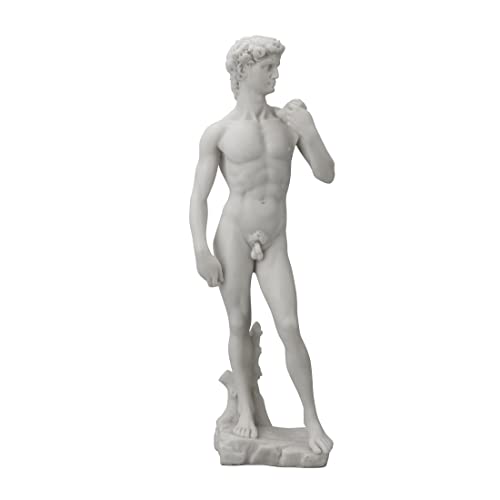
His sculpture David is one of his most famous pieces. It shows human strength, bravery, and deep thought. Made in 1504, David shows the moment before he fights Goliath, with a mix of strong muscles and calm focus. Other famous works include the Sistine Chapel ceiling paintings and the dome of St. Peter’s Basilica in Rome.
Michelangelo worked in sculpture, painting, and architecture, showing the Renaissance idea of a “universal man.” Each of his works shows his dedication to art that joined human skill with divine inspiration.
See Also What Did Renaissance Mean?
Michelangelo’s Artistic Revolution

Michelangelo changed art by making it look more real. He added depth, lifelike details, and emotions that were new and exciting at the time. His famous works, like the ceiling of the Sistine Chapel, turned flat paintings into something that looked almost 3D.
Michelangelo studied the human body closely. This helped other artists understand how to show the human form more realistically. His paintings and sculptures showed people with both strong bodies and deep emotions. This made him an inspiration for artists who wanted to show real life and strength in their art.
The “God’s Artist” exhibition uses new technology to help people enjoy Michelangelo’s art. It includes holograms, digital fixes, and animated displays. These allow visitors to see his work up close like they would if they visited Italy.
Digital images of his works like David, Pietà, and the Sistine Chapel frescoes show how he created each piece. This technology helps people today understand the amazing detail in Michelangelo’s art. It also shows how his creativity continues to inspire us.
A Symbol of Renaissance Ideals and Innovation

The Sistine Chapel is a key work of Renaissance art and architecture. It shows the era’s focus on human ideas, new styles, and spirituality. At first, the chapel ceiling was painted with a starry night sky. Later, Michelangelo changed it into a colorful scene of Bible stories, showing the beauty of the human form and a link to God.
His work on the ceiling covers over 5,000 square feet. It includes famous scenes like The Creation of Adam, where God reaches out to touch Adam. This scene shows Renaissance ideas about human worth and personal expression.
Michelangelo was asked to paint the ceiling by Pope Julius II, but he added much more than planned. His paintings on the ceiling show the shift from older, strict art to a more active and bold style of the Renaissance.
Michelangelo’s style grew over time, adding sculptural details and complex storytelling. With figures of prophets, Bible scenes, and Christ’s ancestors, the chapel shows the deep faith, big dreams, and fresh ideas that marked the Renaissance.

Michelangelo’s David: Symbol of Renaissance Philosophy

Michelangelo’s David is a strong symbol of Renaissance Humanism. Humanism values each person’s strength, dignity, and potential. The statue shows David, a biblical hero, calm and thinking before his battle. This stands for confidence and thoughtfulness.
David’s body and expression show Humanism’s belief that each person can think, feel, and make choices. Michelangelo’s careful work on David’s body also shows the Renaissance love for the beauty and strength of the human form.
For the people of Florence, David was more than a statue. It stood for their city’s strength and pride. It showed Florence as strong and independent. Thinkers like Niccolò Machiavelli even saw David as a symbol of a confident city.
Michelangelo’s work went beyond art. It connected with ideas of pride and beliefs, helping to shape Renaissance art and values.
Michelangelo: Merging Science and Art in the Renaissance

During the Renaissance, Michelangelo brought together art and science in a new way. He studied human anatomy closely by examining real bodies. This helped him make sculptures that show the body with amazing accuracy, capturing realistic muscles and deep emotions.
Michelangelo’s focus on the human body was both artistic and scientific. He believed the body was important for showing feelings and intelligence, which were key ideas of the Renaissance.
He also used math and geometry to make his art feel balanced and well-proportioned. This mix of careful planning and artistic skill is clear in his Sistine Chapel ceiling, where he painted in a way that made flat surfaces look three-dimensional.
Michelangelo’s work showed a Renaissance belief in bringing knowledge together. He showed how learning in one area, like geometry, could improve another, like art. His legacy as a master of both art and science helped make the Renaissance a time of amazing ideas and creativity.
Inspiring Generations Beyond the Renaissance

Michelangelo’s influence on Western art is huge. People love his work for its deep feeling, real details, and strong emotion. Famous pieces like the Sistine Chapel ceiling and the statue of David show his amazing skill with the human body and his ideas about human strength.
The Sistine Chapel paintings, like the Creation of Adam, show his precise knowledge of the body and his talent for expressing deep emotion. Through these works, Michelangelo showed both the physical and spiritual sides of people, leaving a lasting effect on art.
Michelangelo’s influence was not only in his art pieces but also in architecture. His design of the Laurentian Library in Florence brought new ideas, and his work on St. Peter’s Basilica added greatness and new ideas to a famous building.
His style, known for its strong sense of awe, continues to inspire. Michelangelo set a high standard for emotion, realistic details, and skill in art.
Key Takings about How Did Michelangelo Influence The Renaissance?
1. Raising Art Standards: Michelangelo improved the way artists showed the human body and deep emotions. Many artists after him tried to follow his style in sculpture and painting.
2. Showing Renaissance Humanism: In works like David and the Sistine Chapel, he showed the ideas of humanism, focusing on human strength, potential, and complexity.
3. Combining Art and Science: Michelangelo studied anatomy and used math in his art, mixing science with creativity and creating a new level of skill in his work.
4. Making Religious Art More Emotional: His religious paintings brought a new, strong sense of emotion, making biblical stories feel more real and human.
5. Changing Architecture: Michelangelo also worked in architecture. His designs, especially for St. Peter’s Basilica, changed the field and influenced buildings after him.
6. Inspiring Future Artists: His powerful style, called terribilità, influenced artists in his time and even centuries later, shaping Western art.
7. A Lasting Impact: Michelangelo’s art remains a symbol of great skill. His masterpieces continue to inspire and amaze people everywhere.