
Ever wondered how to greet someone in Arabic the right way? You’re not alone! When I first visited Cairo, I nervously greeted a local with “Hello,” but when I switched to السلام عليكم (As-salamu alaykum), the friendly response made me feel instantly at home.
Learning Arabic greetings can be tricky, as they change depending on the time of day, formality, and the relationship you have with the person. However, mastering these greetings will help you navigate social interactions with respect and ease.
In this article, we’ve covered 9 essential Arabic greetings and 10 additional ways to say hello, empowering you to connect with Arabic speakers confidently.
Read on to enhance your understanding of Arabic greetings and dive deeper into the culture!


Main Ways to Say Hello in Arabic
When meeting someone in Arabic-speaking countries, greetings are an essential part of showing respect and building connections. Here are the main ways to say hello in Arabic, each with its own cultural significance.
1. مرحباً (Marhaban)

مرحباً (Marhaban) is a common Arabic greeting that translates to “Hello” or “Welcome.” It is widely used across the Arab world to greet friends, family, or even strangers in a warm and friendly manner. The word Marhaba comes from the Arabic root “رحب” (Rahb), meaning spacious or welcoming, emphasizing hospitality and friendliness.
Pronounced as “Mar-ha-ba,” it’s informal yet polite, suitable for various settings. While it’s used in many Arab countries, its usage is more common in the Levant, particularly in countries like Lebanon, Syria, and Jordan. Over time, Marhaba has evolved into a symbol of hospitality and openness in Arab culture.
According to What Does “Marhaban” Really Mean?, Marhaban (مَرْحَبًا) comes from the Arabic root ر‑ح‑ب (r‑h‑b), meaning “spaciousness.” The word evolved to signify warm welcome and hospitality, embodying generosity and friendliness in Arab culture when greeting guests, friends, and even strangers.
See Also Hello in Dutch
2. السلام عليكم (As-salamu alaykum)
السلام عليكم (As-salamu alaykum) is a traditional Arabic greeting, meaning “Peace be upon you.” It’s a common salutation in Islamic culture, symbolizing peace and goodwill. The phrase is derived from the root word “سلام” (salam), which means peace.
Pronounced as “As-sa-la-mu alay-kum,” it is widely used in many Arabic-speaking countries, as well as by Muslims globally, in both formal and informal contexts. The appropriate response is “وعليكم السلام” (Wa alaykum as-salam), meaning “And upon you be peace.” Historically, it represents the spirit of Islam, emphasizing peace, unity, and respect among people.
3. أهلاً وسهلاً (Ahlan wa sahlan)

أهلاً وسهلاً (Ahlan wa sahlan) is a warm and welcoming Arabic greeting, commonly translated as “Welcome” or “Hello.” The phrase literally means “Welcome, and may your arrival be easy.” It is often used to greet guests or newcomers, reflecting the Arabic culture’s strong emphasis on hospitality and friendliness.
Pronounced as “Ah-lan wa sah-lan,” it combines two words: أهلاً (Ahlan) meaning “hello” or “welcome,” and سهلاً (Sahlan) meaning “easy” or “smooth.” This greeting is widely used in various Arab countries and is a symbol of warmth and respect, often used in both formal and informal contexts.
Casual and Modern Ways to Say Hello in Arabic
In today’s fast-paced world, casual and modern greetings have become more common in Arabic-speaking countries. These greetings reflect a more informal approach while still maintaining respect and warmth in social interactions.
4. هاي (Hi)

هاي (Hi) is a casual and informal greeting commonly used in many Arabic-speaking countries, particularly in urban areas and among younger generations. It has become widespread in the Arab world, especially with globalization and the influence of social media.
Though not originally an Arabic greeting, it’s often used as an alternative to traditional Arabic greetings like السلام عليكم (As-salamu alaykum), especially in less formal contexts. The response is typically “Hi” or “Hello”, depending on the social setting.
While it carries no specific religious or gender connotations, it lacks the deeper cultural and respectful tone of more formal Arabic greetings, reflecting the evolution of Arabic dialects in modern society.
5. أهلاً (Ahlan)
أهلاً (Ahlan) is a popular Arabic greeting, often used to say “Hello” or “Welcome.” It literally means “Hello” and is commonly used by Arabic speakers in both formal and informal contexts. Pronounced as “Ah-lan,” it’s easy to say for beginners learning Arabic.
Unlike more formal greetings like السلام عليكم (As-salamu alaykum), Ahlan is a more casual way to greet someone. It’s frequently followed by أهلاً وسهلاً (Ahlan wa sahlan), which further emphasizes the warm welcome. As part of learning Arabic, mastering greetings like Ahlan can help in creating a friendly, respectful atmosphere when communicating with Arabic speakers.
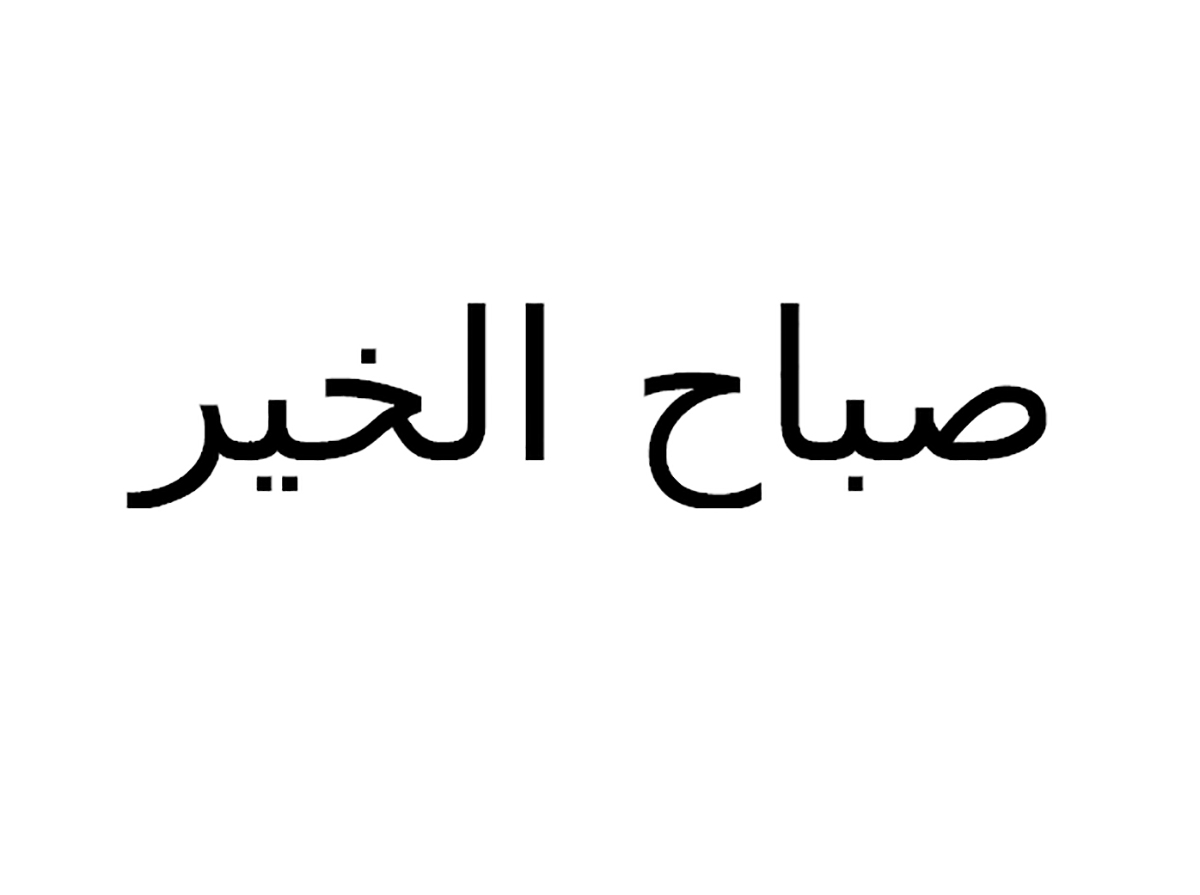
6. صباح الخير (Sabah al-khayr)
صباح الخير (Sabah al-khayr) is a common Arabic greeting that translates to “Good morning.” It is widely used by Arabic speakers to greet each other at the start of the day. The phrase literally means “Morning of goodness,” reflecting the positive wishes for the day ahead.
Pronounced as “Sa-bah al-khayr,” it’s easy for learners of Arabic to use. The typical response to this greeting is صباح النور (Sabah al-noor), meaning “Morning of light,” offering a reciprocal expression of goodwill. Sabah al-khayr is a friendly and respectful greeting that holds cultural significance in Arabic-speaking communities, symbolizing warmth and kindness.
According to the article 8 Ways to Say Good Morning in Arabic & 6 Common Greetings, صباح الخير (Sabah al-khayr) means “Good morning” and is commonly used across the Arab world. The response صباح النور (Sabah al-noor) means “Morning of light,” reflecting positivity and goodwill in Arabic culture.
See Also Hello in Tagalog
Regional and Cultural Variants of Greetings in the Arab World
Greetings in the Arab world vary by region, reflecting the diverse cultures, traditions, and dialects across different countries. These regional greetings carry unique meanings and are important in building rapport and showing respect in local communities.
7. يا هلا (Ya Hala)

يا هلا (Ya Hala) is an informal and friendly Arabic greeting, often used to say “Welcome” or “Hello.” It’s commonly heard in the Levantine region, particularly in countries like Lebanon, Syria, and Jordan. The phrase literally means “Oh, welcome” or “You are welcome,” reflecting warmth and hospitality.
Pronounced as “Ya Ha-la,” it’s typically used to greet close friends, family, or guests, conveying a sense of familiarity and warmth. It’s a casual greeting used in social settings, often when someone is arriving or joining a group.
In response, people might say “Ya Hala fiik” (for males) or “Ya Hala fiiki” (for females), meaning “Welcome to you.”
8. كيف حالك؟ (Kayfa halak?)
كيف حالك؟ (Kayfa halak?) translates to “How are you?” and is a common Arabic greeting used to inquire about someone’s well-being. It is widely used in both formal and informal settings and is a way to express care and interest in the other person.
The phrase is pronounced as “Kay-fa ha-lak” (for males) and “Kay-fa ha-lik” (for females). It is typically followed by a response like “الحمد لله” (Alhamdulillah), meaning “Praise be to God,” or other variations based on the person’s condition. This greeting plays an important role in establishing a connection and showing respect in Arabic culture.
9. مساء الخير (Masa’ al-khayr)
مساء الخير (Masa’ al-khayr) means “Good evening” and is a widely used greeting in Arabic-speaking countries, especially in the evening hours. The phrase is derived from مساء (Masa), meaning “evening,” and خير (khayr), meaning “goodness” or “well-being.”
It is a polite and respectful way to greet someone after the day’s activities have begun to wind down. The typical response to Masa’ al-khayr is “مساء النور” (Masa’ al-noor), meaning “Evening of light.” This exchange is common among friends, family, and acquaintances, and reflects the importance of maintaining positive, warm social connections in Arabic culture.
According to the study Arabic Greeting Etiquette: A Linguocultural Aspect, مساء الخير (Masa’ al-khayr), meaning “Good evening,” is a common time-based greeting in Arabic culture. It reflects politeness and social bonding. The typical response, مساء النور (Masa’ al-noor), meaning “Evening of light,” reinforces mutual respect in daily interactions.
Additional Ways to Say Hello in Arabic

- أهلاً بك (Ahlan bik) – “Welcome (to you)”
Pronunciation: Ah-lan beek - مرحبا بكم (Marhaban bikum) – “Welcome (to you all)”
Pronunciation: Mar-ha-ban bi-kum - السلام عليكم ورحمة الله وبركاته (As-salamu alaykum wa rahmatullahi wa barakatuh) – “Peace be upon you and the mercy and blessings of Allah”
Pronunciation: As-sa-la-mu a-lay-kum wa rah-ma-tu-llah-i wa bar-ka-tu-hu - يا أهلاً (Ya Ahlan) – “Oh, welcome”
Pronunciation: Ya Ah-lan - أهلاً وسهلاً فيك (Ahlan wa sahlan fik) – “Welcome to you”
Pronunciation: Ah-lan wa sah-lan feek - كيف الحال؟ (Kayfa al-hāl?) – “How’s the situation?”
Pronunciation: Kay-fa al-hāl - تشرفت بلقائك (Tasharraftu biliqa’ik) – “It’s a pleasure meeting you”
Pronunciation: Ta-shar-raftu bil-i-qa-ik - أهلاً وسهلاً بكم في (Ahlan wa sahlan bikum fi) – “Welcome to (place)”
Pronunciation: Ah-lan wa sah-lan bi-kum fee - على الرحب والسعة (Ala al-rahb wa al-sa’a) – “With pleasure”
Pronunciation: A-la al-rahb wa al-sa-‘a - منور (Manawar) – “You light up the place”
Pronunciation: Ma-naw-ar
These greetings help broaden the understanding of Arabic social etiquette, emphasizing hospitality and respect across various cultures in the Arab world.
See Also Hello in Nihongo
Hello in Arabic: A Recap
Arabic greeting is much more than simple words; they reflect a deep sense of respect, culture, and warmth. From السلام عليكم (As-salamu alaykum) to صباح الخير (Sabah al-khayr), these greetings serve as bridges, connecting people and fostering strong social bonds across the Arab world.
Whether it’s the formality of السلام عليكم or the casual يا هلا (Ya Hala), each phrase carries its unique cultural weight and significance. I remember a colleague teaching me the proper way to greet someone in Arabic during a business meeting.
The moment I said مرحبا (Marhaban) confidently, I saw how it instantly created a more welcoming atmosphere. Arabic greetings truly set the tone for respectful and meaningful interactions, highlighting the importance of language in connecting people.