Have you ever wondered what makes Famous Argentine Painters so special? Their bold colors and emotional stories attract people from all over the world.
My first encounter with Argentine art was in a small gallery, where a painting by Antonio Berni caught my attention with its raw, honest detail. That moment sparked my curiosity about the artists behind these powerful works.
In this guide, you’ll discover:
- The names of top Argentine painters
- The styles and techniques they used
- Why their art remains important today
Let’s explore the world of Argentine culture, art and see why it continues to inspire so many.


History and Overview of Argentine Painters
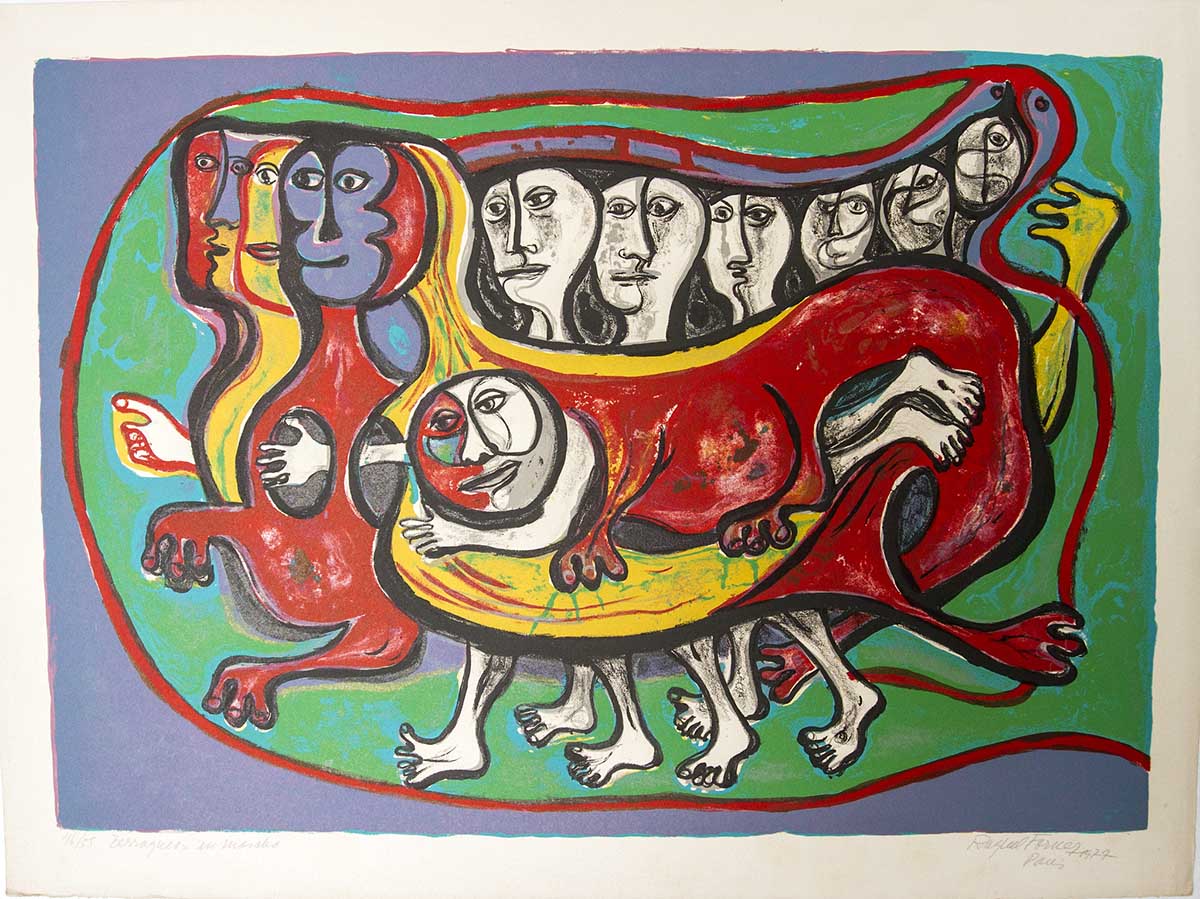
Argentine painting has evolved through a rich blend of Indigenous traditions, European influence, and the country’s own social and political history. In the late 19th and early 20th centuries, artists began shaping a national visual identity by moving away from purely European styles and focusing on local landscapes, daily life, and cultural traditions.
One key figure, Eduardo Sívori, helped introduce realism to Argentina, capturing scenes that reflected the country’s growing modern society. By the mid-20th century, painters such as Antonio Berni brought attention to social struggles, using art to comment on poverty and urbanization.
Argentina has many notable female painters. Emilia Bertolé is famous for her poetic portraits, while Raquel Forner is known for expressionist works on war and space. Other significant Argentinian artists include Sara Facio and Marta Minujín. Raquel Forner is often highlighted as the most influential.
Together, these developments created a diverse artistic legacy that continues to influence Argentine culture and inspire new generations of painters.
| Painter | Birth–Death | Era (Old / Modern / Contemporary) | Painting Style | Notable Works |
|---|---|---|---|---|
| Xul Solar | 1887–1963 | Modern (Early–Mid 20th century) | Surrealism / Metaphysical Symbolism / Watercolor & Abstract | Sol (c. 1920), Adan y Eva, Panácea |
| Raúl Soldi | 1905–1994 | Modern to Contemporary (Mid 20th century) | Figurative Realism / Theatre and Scenic Design / Portrait & Landscape | Sarita (1947), The Musicians (1956), Alfonsina Storni |
| Jorge de la Vega | 1930–1971 | Modern (Mid 20th century, Neo-Figuration) | Neo-Figuration / Mix of Abstract & Figurative Art | El Rescate (1961), Rompecabezas (1969–70) |
| Emilio Pettoruti | 1892–1971 | Modern (Early–Mid 20th century) | Cubism / Avant-Garde / Figurative & Abstract | The White Horse (1916), Composition with Red (1925) |
| León Ferrari | 1920–2013 | Contemporary (Mid–Late 20th century) | Conceptual Art / Political Art / Mixed Media & Collage | Western and Christian Civilization, La civilización occidental y cristiana |
| Luis Felipe Noé | 1933– | Contemporary (Mid–Late 20th century) | Neo-Figuration / Abstract Expressionism / Political Themes | Cerrado por brujería (1965), La política es un campo de batalla |
| Antonio Seguí | 1934–2022 | Contemporary (Late 20th century) | Figurative Surrealism / Caricature & Urban Scenes | Crowd in the City, The March |
| Gyula Kosice | 1924–2016 | Contemporary (Mid–Late 20th century) | Kinetic Art / Concrete Sculpture & Installation | Hydrospatial City, Meteoros |
| Luis Seoane | 1910–1979 | Modern (Mid 20th century) | Social Realism / Engraving & Painting | The Working People, El Pueblo |
| Norah Borges | 1901–1998 | Modern (Early–Mid 20th century) | Figurative / Modernism / Illustration & Painting | Portraits, Illustrations for Argentine literature |
See Also Famous Baroque Painters
Top 6 Argentine Painters and Their Artworks
1. Antonio Berni

Antonio Berni (1905-1981) was a famous Argentine painter, engraver, and sculptor, celebrated for his innovative contributions to Latin American art. Based in Rosario, Argentina, his work, notably the series featuring Juanito Laguna, offered poignant social commentary on urban struggles in Buenos Aires.
Influenced by modern art movements and Argentina’s rich traditions, Berni’s pieces resonate globally, advocating for social justice. Today, his revered masterpieces are part of Argentina’s artistic legacy, continuing to inspire audiences worldwide.
Berni remains a renowned figure in 20th-century Argentine art.
According to Antonio Berni: Paper Revelations 1922–1981, the catalogue highlights Berni’s evolution from early surrealist experiments to socially engaged works, focusing on Juanito Laguna and Ramona Montiel, and offering insights into his techniques, creative process, and impact on Argentine art.


Antonio Berni’s paintings often depicted social and political scenes, reflecting his dedication to addressing the realities of Argentina’s working class. Some of his renowned artworks include:
“Manifestación” (Demonstration): Portrays the collective voice of marginalized groups in Buenos Aires.
“Desocupados” (The Unemployed): Reflects the economic struggles during downturns in Argentina.
“Ramona en la fábrica” (Ramona in the Factory): Chronicles the plight of female workers in urban settings.
“Callejón” (Alleyway): Illustrates the poverty experienced by those on society’s margins in Buenos Aires.
2. Marta Minujin

Marta Minujín, a renowned Argentine artist born in Buenos Aires in 1943, is celebrated for her avant-garde contributions to modern art. Her bold installations and performances challenge conventions, earning her global recognition.
Minujín’s fearless approach to art has solidified her status as one of the world’s most renowned contemporary artists.


While Marta Minujin is best known for heravant-garde installations and performances, her paintings are significant in the Argentine art world. Some of Minujín’s notable artworks include:
“The Parthenon of Books”: This iconic installation, showcased at Documenta 14 in 2017, featured a full-scale replica of the Parthenon constructed from banned books. It symbolized the power of knowledge and resistance against censorship.
“Simultaneidad en simultaneidad”: An experimental work incorporating mirrors and neon lights, inviting viewers to explore concepts of perception and simultaneity.
“La Menesunda”: An interactive installation from 1965, simulating various urban environments and challenging viewers to engage with everyday experiences in new ways.
“The Payment of the External Debt with Maize”: A provocative piece proposing to pay off Argentina’s external debt with maize, critiquing economic policies and priorities.
See Also Traditional Argentine Clothing
3. Benito Quinquela Martín

Benito Quinquela Martín, born in Buenos Aires in 1890, was an Argentine painter celebrated for his depictions of the vibrant La Boca neighborhood. Martín’s works often focused on the lives of the working class and the maritime industry.
He played a significant role in revitalizing La Boca and transforming it into a cultural hub. Martín’s colorful and expressive paintings showcased the essence of life in the Buenos Aires port area, earning him recognition as one of Argentina’s most beloved artists.
His legacy lives on through the Museo Benito Quinquela Martín, dedicated to preserving his artworks and celebrating his contributions to Argentine art and culture.


Benito Quinquela Martín’s notable artworks often portray scenes from the bustling port neighborhoods of Buenos Aires, encapsulating the essence of the working-class community. Some of his renowned paintings include:
“La Boca”: This artwork portrays the vibrant colors and lively activity of the La Boca neighborhood, showcasing its distinctive architecture and bustling streets.
“Puerto de Buenos Aires”: Martín’s depiction of the Buenos Aires port highlights the industrial landscape and maritime activities, featuring ships, docks, and dockworkers.
I saw a Benito Quinquela Martín painting of the Puerto de Buenos Aires in a small La Boca museum. Its bold colors and heavy strokes made the port feel alive, and stepping back, the harbor scene suddenly appeared vivid outside.
“Los Trabajadores del Puerto” (The Port Workers): This painting focuses on the laborers who toil in the port, emphasizing their resilience and strength as they carry out their daily duties.
“El Riachuelo”: Martín frequently depicted the Riachuelo River, which flows through the La Boca neighborhood, illustrating its industrial character and its significance in the community’s life.
4. Martín Malharro

Martín Malharro, born in Buenos Aires in 1865, was a notable Argentine painter and a leading figure in the country’s art scene during the late 19th and early 20th centuries. He made significant contributions to the Impressionist and Post-Impressionist movements in Argentina.
As a teacher, he played a crucial role in shaping the next generation of Argentinian artists. Today, his influence on Argentine art remains profound, and his works are celebrated as important contributions to the country’s cultural heritage.

Martin Malharro’s paintings depicted serene landscapes and coastal scenes with vibrant colors and dynamic brushwork. Some notable works include:
“Atardecer en la Playa” (Sunset at the Beach): Tranquil sunset over the ocean with rich hues reflecting off the water.
“Paisaje de la Pampa” (Landscape of the Pampas): Vast Argentine pampas under a blue sky, evoking solitude and vastness.
“Río de la Plata” (River Plate): A Wide expanse of the River Plate with boats and distant shores fading into the horizon.
“Campos de Trigo” (Wheat Fields): Golden wheat fields stretching to the horizon under a sunny sky.
5. Eduardo Sívori

Eduardo Sívori, born in Buenos Aires in 1847, was a prominent painter in Argentina known for his significant contributions to the country’s art scene during the late 19th and early 20th centuries. He played a crucial role in developing Argentine realism, focusing on everyday life and landscapes.
He was also a founding member of the Society for the Stimulus of Fine Arts, an organization dedicated to promoting the arts in Argentina. Sívori’s legacy continues to influence Argentine art, with his paintings celebrated as important representations of the country’s cultural heritage.
According to Eduardo Sívori: A Modern Artist Between Paris and Buenos Aires, the Museo Nacional de Bellas Artes in Buenos Aires showcased Sívori’s evolution from Paris-trained naturalism to pioneering Argentine modern art, highlighting landscapes, portraits, etchings, and his institutional influence.

Eduardo Sívori’s notable paintings often depicted scenes from everyday life and landscapes of Argentina:
“La Barranca” (The Ravine): This painting portrays a rural scene with peasants working in the fields, capturing the simplicity and beauty of Argentine countryside life.
“Puerto de Buenos Aires” (Port of Buenos Aires): Sívori’s depiction of the bustling port captures the energy and dynamism of the city’s maritime activities, showcasing his mastery of urban landscapes.
“Los Indios Ranqueles” (The Ranquel Indigenous People): This painting depicts the indigenous peoples of Argentina, highlighting Sívori’s interest in portraying the cultures of his homeland.
“Retrato de la Sociedad” (Portrait of Society): Sívori’s portrayal of urban life reflects his observation of the people and culture of Buenos Aires during his time, offering insight into the social dynamics of the era.
See Also Famous Colombian Painters
6. Ángel Della Valle

Ángel Della Valle, born in Buenos Aires in 1852, was a distinguished Argentine painter known for his significant contributions to the country’s art scene during the late 19th and early 20th centuries.
He played a pivotal role in developing Argentine impressionism, renowned for his vibrant and colorful landscapes.
He was also a founding member of the Argentine Academy of Fine Arts and played a crucial role in promoting the arts in Argentina. Della Valle’s legacy continues to influence Argentine art, with his paintings celebrated for their unique blend of impressionistic style and Argentine subject matter.


Ángel Della Valle’s notable artworks often portrayed vibrant and colorful landscapes, depicting the essence of Argentine scenery. Some of his renowned paintings include:
“El Río de la Plata” (The River Plate): This artwork illustrates the majestic River Plate, showcasing Della Valle’s skill in portraying the shimmering waters and expansive sky above.
“Campos de Trigo” (Wheat Fields): In this painting, Della Valle depicts the golden wheat fields of the Argentine countryside, conveying the abundance and fertility of the land.
“Vista de la Ciudad” (City View): This artwork offers a panoramic view of Buenos Aires, showcasing the city’s bustling streets and iconic landmarks against the vast Argentine sky.
“Atardecer en la Pampa” (Sunset on the Pampas): Della Valle portrays the tranquility of the Argentine pampas at dusk, with warm hues illuminating the vast expanse of grasslands as the sun sets on the horizon.
I saw Ángel Della Valle’s work in a quiet gallery, and his scene of gauchos instantly drew me in. The earthy tones and precise detail felt almost cinematic, making Argentina’s rural life seem close and real for a moment.

Famous Argentine Painters: A Recap
Exploring the legacies of famous Argentine painters reveals Argentina’s vibrant artistic lineage. From Benito Quinquela Martín to Martín Malharro, each artist adds a unique voice to the nation’s visual story.
Seeing Quinquela Martín’s depiction of the Buenos Aires port in person was unforgettable—the bold colors and lively brushstrokes made the harbor feel alive, as if the city itself were moving before my eyes. Similarly, Malharro’s landscapes, with their mastery of light and color, transported me to the vast Argentine countryside.
Together, these artists weave a compelling narrative of Argentine creativity. Their works, displayed in galleries like the Museo Nacional de Bellas Artes, continue to inspire new generations and stand as enduring testaments to Argentina’s cultural heritage.