
Curious about Chinese greetings and how to use them naturally in daily life? You, as a learner or traveler, can navigate social interactions confidently.
This article is your trusted guide, exploring 9 greeting occasions including basic hellos, responses, morning, afternoon, evening, nighttime, birthdays, festive celebrations, and traditional blessings.
By following our simple explanations and examples, you will understand pronunciation, meaning, and context for each greeting. A friend once taught me 早啊 (zǎo a) during a casual morning chat, instantly making me feel included in the local culture.
Keep reading to master these greetings and impress anyone with your cultural awareness.


Cultural Roots of Chinese Greetings

Chinese greetings have ancient roots reaching back over 3,000 years to the Zhou dynasty. Early records describe how nobles bowed with clasped hands, a gesture known as 作揖 (zuò yī), symbolizing humility and respect. These rituals reflected Confucian teachings, where social harmony depended on manners and hierarchy.
During the Han dynasty, formal address terms became common, and greetings marked one’s moral character. The Tang and Song dynasties refined this further, linking greetings to status and education. Even simple phrases conveyed a balance between respect and warmth. In modern China, greetings still mirror this tradition, people express kindness through tone, posture, and modest wording, preserving the spirit of ancient courtesy while adapting to global influence.
A 2022 study titled “A Comparative Study of Chinese and Western Greetings from the Perspective of Politeness” by X. Zhang explains how Chinese greetings continue to prioritize hierarchy, empathy, and social balance over equality.
See Also Hello in Different Languages
Everyday Chinese Greetings and Their Meanings
1. Saying Hello in Chinese — “你好 nǐ hǎo” and Variations
In China, saying hello goes beyond a simple 你好 (nǐ hǎo) — “hello.” Polite speakers often use 您好 (nín hǎo), meaning “hello” to someone respected or older. Among friends, casual forms like 嗨 (hāi) or 嘿 (hēi), borrowed from English “hi” or “hey,” are common. You might also hear 喂 (wéi), originally a phone greeting, now used playfully in casual settings.
In northern regions, 哈喽 (hā lóu), another loan from English, appears in modern conversation. Each greeting reflects tone and familiarity. I still remember the first time hearing nǐ hǎo — it sounded simple yet carried such genuine warmth.
| Chinese Greeting | Pinyin | English Meaning | Usage / Context |
|---|---|---|---|
| 你好 | nǐ hǎo | Hello | Standard, friendly greeting used in everyday situations. |
| 您好 | nín hǎo | Hello (formal) | Used to show respect to elders, teachers, or authority figures. |
| 嗨 | hāi | Hi | Informal, casual greeting among friends, especially younger people. |
| 嘿 | hēi | Hey | Playful and casual, often between close friends or peers. |
| 喂 | wéi | Hello (on the phone) | Originally used for answering calls, now sometimes used jokingly in person. |
| 哈喽 | hā lóu | Hello | Modern, borrowed from English; common in urban or online contexts. |
2. Responding to Greetings — Common Replies and Polite Forms
When someone greets you with 你好 (nǐ hǎo), the most natural reply is simply repeating it back — 你好! A more polite response to 您好 (nín hǎo) is 您也好 (nín yě hǎo), meaning “hello to you too.” In casual settings, people may answer 嗨 (hāi) or 嘿 (hēi) with the same word and a smile. Over the phone, 喂 (wéi) is often followed by 你好, forming a friendly double greeting.
Some Chinese respond with warmth by asking, 你好吗? (nǐ hǎo ma?) — “How are you?” or simply 好久不见! — “Long time no see!” Each response shows friendliness and respect, balancing formality with human warmth in daily interactions.
| Chinese Reply | Pinyin | English Meaning | Usage / Context |
|---|---|---|---|
| 你好 | nǐ hǎo | Hello | Repeat of standard greeting; simple, friendly response. |
| 您也好 | nín yě hǎo | Hello to you too | Polite response to formal greeting nín hǎo; shows respect. |
| 嗨 / 嘿 | hāi / hēi | Hi / Hey | Casual reply among friends or peers; informal and friendly. |
| 你好 (after 喂) | nǐ hǎo | Hello | Common over phone; follows wéi for friendly double greeting. |
| 你好吗? | nǐ hǎo ma? | How are you? | Adds warmth; often used after the initial greeting. |
| 好久不见! | hǎo jiǔ bú jiàn | Long time no see! | Informal, friendly, used when meeting someone after a while. |
3. Regional or Dialect Differences in Chinese Greetings
In China, regional greetings reflect local culture, sounds, and dialects. In Shanghainese, people say 侬好 (nóng hǎo), while in Hokkien-speaking areas, 你好 (lí hó) is common. Informal words like 哈咯 (hā ló) or playful rhymes often appear among friends in casual conversation.
Some greetings shorten phrases for efficiency, like 你啊 (nǐ a). Even the tone of Chinese characters changes meaning subtly across regions. In northeastern China, people sometimes add 呀 (ya) or 啊 (a) for warmth.
A native Chinese speaker adapts greetings to context, the person’s age, or social setting, showing the delicate balance of respect and friendliness in local culture.
| Greeting / Phrase | Pinyin | English Meaning | Usage / Context |
|---|---|---|---|
| 侬好 | nóng hǎo | Hello | Common in Shanghainese; polite greeting in local conversation. |
| 你好 (Hokkien) | lí hó | Hello | Used in Hokkien-speaking areas; informal and friendly among friends. |
| 哈咯 | hā ló | Hi / Hello | Playful, casual greeting in informal situations; adds cheerful tone. |
| 你啊 | nǐ a | Hi / Hello | Shortened phrase for casual chat; common among close friends. |
| 你好呀 | nǐ hǎo ya | Hello | Northeastern China; adds warmth using particles for friendliness. |
| 你好啊 | nǐ hǎo a | Hello | Slightly playful or informal; subtle tone differences depending on person. |
Greetings in Chinese for Different Times of Day
4. Morning Greetings
In China, morning greetings start with the classic 早上好 (zǎo shang hǎo) — “Good morning.” In informal situations, friends may say 早啊 (zǎo a) or 早呀 (zǎo ya), adding warmth with friendly particles. In northern regions, playful rhymes like 早晨好 (zǎo chén hǎo) are common.
Among close friends, 吃了吗? (chī le ma?) — “Have you eaten?” — serves as a caring morning check-in. My Chinese friend greets me with 早上好! and a bright smile, instantly making me feel part of their day. Morning greetings in China combine friendship, culture, and genuine care.
| Greeting / Phrase | Pinyin | English Meaning | Usage / Context |
|---|---|---|---|
| 早上好 | zǎo shang hǎo | Good morning | Standard formal greeting used in schools, workplaces, and polite settings. |
| 早啊 | zǎo a | Good morning / Hi | Informal, casual greeting among friends; adds warmth with particle “啊.” |
| 早呀 | zǎo ya | Good morning / Hi | Friendly variation of 早啊, common in northern regions or close friends. |
| 早晨好 | zǎo chén hǎo | Good morning | Slightly playful or poetic; used regionally, often in small towns or among neighbors. |
| 吃了吗? | chī le ma? | Have you eaten? | Casual morning greeting among close friends, expressing care rather than literal inquiry. |
See Also Irish Greetings
5. Afternoon and Evening Greetings
In China, afternoon and evening greetings follow the same concept as morning greetings. The standard good afternoon is 下午好 (xià wǔ hǎo), while good evening is 晚上好 (wǎn shàng hǎo). In informal situations, friends often shorten these basic Chinese phrases to 下午啊 (xià wǔ a) or 晚上呀 (wǎn shàng ya).
When learning through a Chinese course, students quickly realize that these greetings are versatile, showing respect and warmth depending on tone and context. Among peers, casual expressions like 嗨 (hāi) or 嘿 (hēi) still appear in the afternoon or evening. Each phrase is both practical and culturally meaningful.
| Greeting / Phrase | Pinyin | English Meaning | Usage / Context |
|---|---|---|---|
| 下午好 | xià wǔ hǎo | Good afternoon | Standard, polite greeting in formal or professional settings. |
| 下午啊 | xià wǔ a | Good afternoon / Hi | Informal, friendly variation used among friends. |
| 晚上好 | wǎn shàng hǎo | Good evening | Standard greeting in formal or social evening situations. |
| 晚上呀 | wǎn shàng ya | Good evening / Hi | Informal, casual greeting among friends or peers. |
| 嗨 / 嘿 | hāi / hēi | Hi / Hey | Casual expressions that can be used any time in the afternoon or evening with friends. |
6. Nighttime and Goodbye Expressions
In China, nighttime greetings and farewells go beyond 晚安 (wǎn ān) — “Good night.” People often use 回头见 (huí tóu jiàn), “See you later,” or 明天见 (míng tiān jiàn), “See you tomorrow,” for casual partings. In informal settings, friends say 拜拜 (bài bài), borrowed from English “bye-bye,” or 走啦 (zǒu la) — “I’m off.”
Online conversations often include playful emojis alongside 早点休息 (zǎo diǎn xiū xi) — “Rest early.” These phrases balance politeness and warmth, showing care for the other person. I remember my Chinese friend waving and saying 回头见! — it felt friendly and deeply personal.
Chinese Greetings for Special Occasions
7. Birthdays and Family Celebrations
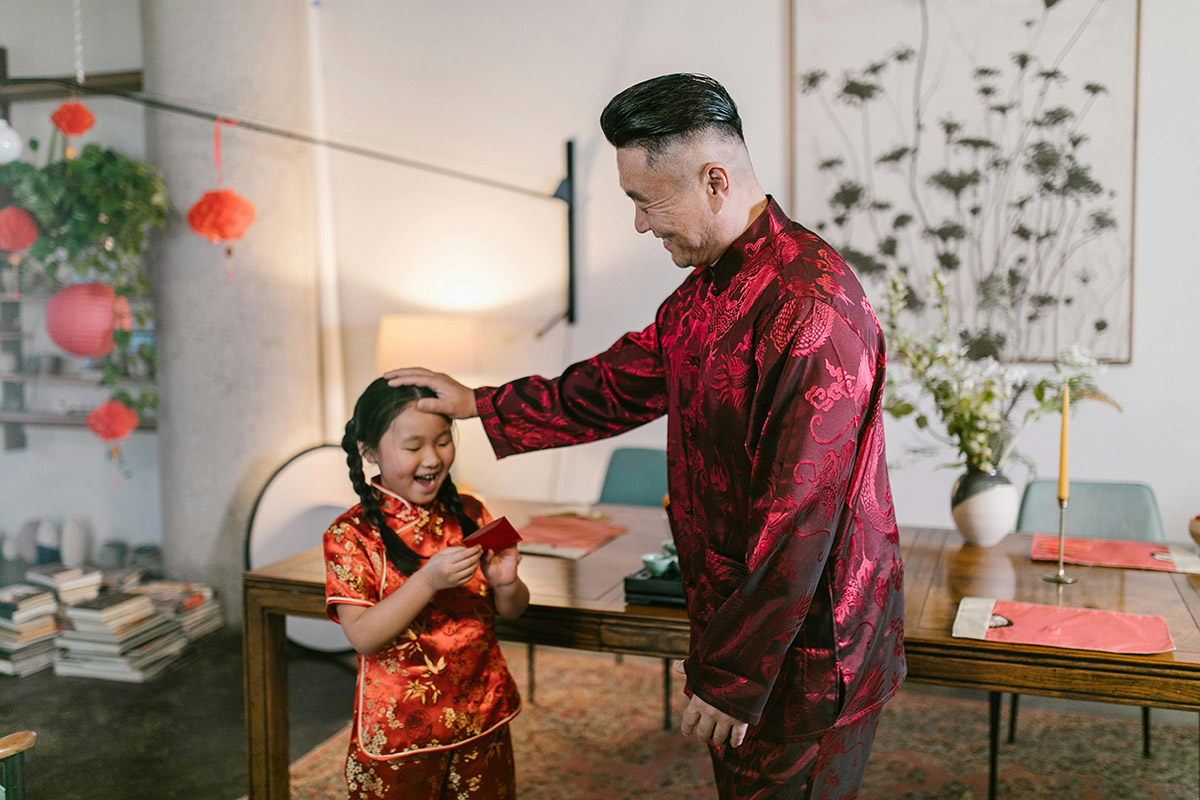
In Chinese culture, birthday greetings are rich with meaning. Common phrases include 生日快乐 (shēngrì kuàilè) meaning “Happy Birthday” and 祝你生日快乐 (zhù nǐ shēngrì kuàilè) meaning “I wish you a happy birthday.”
For elders or close family, people often say 健康长寿 (jiànkāng chángshòu) meaning “Good health and long life” or 福如东海 (fú rú dōng hǎi) meaning “Blessings as vast as the Eastern Sea.”
Another traditional phrase is 年年有今日,岁岁有今朝 (nián nián yǒu jīn rì, suì suì yǒu jīn zhāo) meaning “May you always have today, year after year.” These greetings convey respect, warmth, and family closeness.
| Greeting / Phrase | Pinyin | English Meaning | Usage / Context |
|---|---|---|---|
| 生日快乐 | shēngrì kuàilè | Happy Birthday | Standard greeting for friends, peers, and casual birthdays. |
| 祝你生日快乐 | zhù nǐ shēngrì kuàilè | I wish you a happy birthday | Polite and friendly greeting, suitable for friends and acquaintances. |
| 健康长寿 | jiànkāng chángshòu | Good health and long life | Common for elders, expressing respect and longevity wishes. |
| 福如东海 | fú rú dōng hǎi | Blessings as vast as the Eastern Sea | Used in formal or family celebrations to show honor and goodwill. |
| 年年有今日,岁岁有今朝 | nián nián yǒu jīn rì, suì suì yǒu jīn zhāo | May you always have today, year after year | Traditional phrase emphasizing longevity and happiness in family celebrations. |
8. Holiday and Festive Greetings (Chinese New Year, Mid-Autumn Festival, Lunar Celebrations)
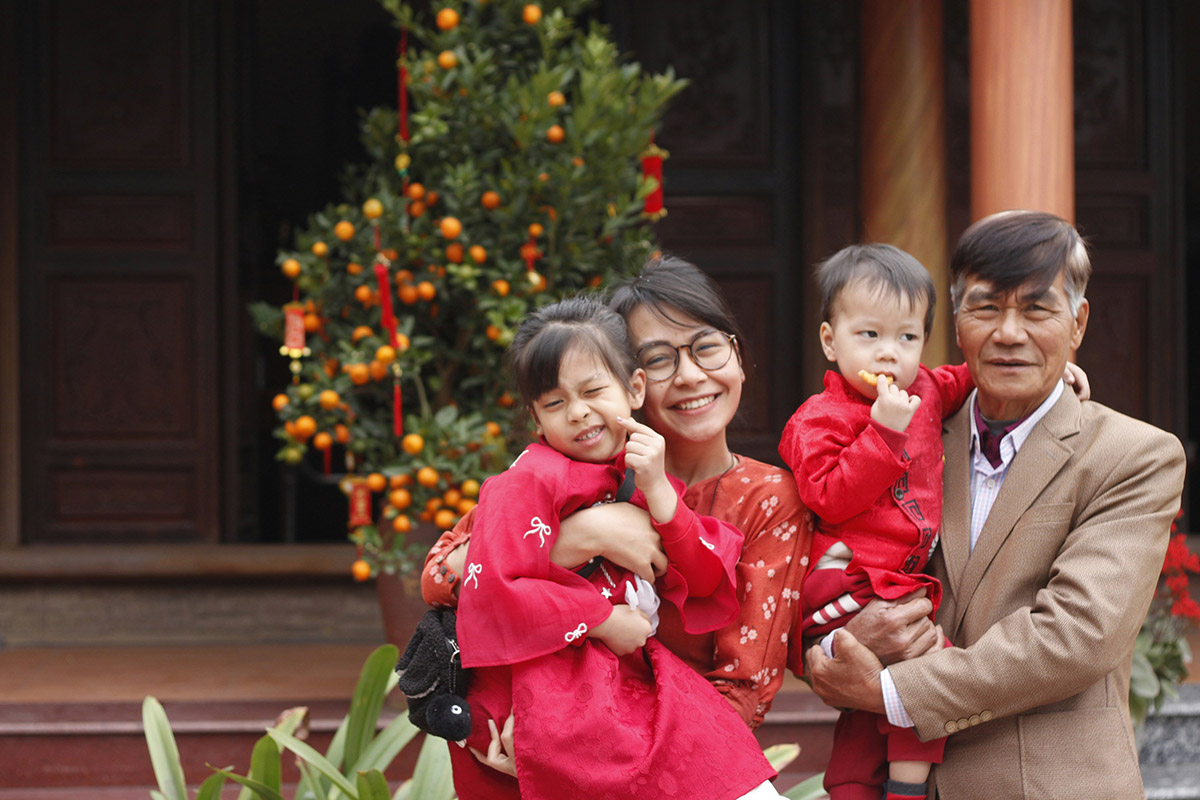
During China’s festive seasons, greetings overflow with symbolism and warmth. At Chinese New Year, you’ll commonly hear 新年快乐 (xīn nián kuài lè) — “Happy New Year” and 恭喜发财 (gōng xǐ fā cái) — “Wishing you wealth and prosperity.”
During the Mid‑Autumn Festival, people say 中秋快乐 (zhōng qiū kuài lè) — “Happy Mid‑Autumn Festival” or 月圆人团圆 (yuè yuán rén tuán yuán) — “May the moon be full and family united.” For other lunar celebrations, you might hear 万事如意 (wàn shì rú yì) — “May all your wishes come true” and 身体健康 (shēn tǐ jiàn kāng) — “Wishing you good health.”
These phrases are often written on red banners or shared in messages, reflecting cultural values of harmony, fortune and family. Every greeting carries deeper meaning beyond words.
| Greeting / Phrase | Pinyin | English Meaning | Usage / Context |
|---|---|---|---|
| 新年快乐 | xīn nián kuài lè | Happy New Year | Standard New Year greeting for friends, family, and colleagues. |
| 恭喜发财 | gōng xǐ fā cái | Wishing you wealth and prosperity | Common in Chinese New Year, often used among peers and family. |
| 中秋快乐 | zhōng qiū kuài lè | Happy Mid-Autumn Festival | Used during Mid-Autumn Festival for friends and family. |
| 月圆人团圆 | yuè yuán rén tuán yuán | May the moon be full and family united | Expresses family reunion and harmony during festivals. |
| 万事如意 | wàn shì rú yì | May all your wishes come true | Used in various lunar celebrations to convey good luck. |
| 身体健康 | shēn tǐ jiàn kāng | Wishing you good health | Appropriate for all festivals and formal greetings. |
9. Traditional Chinese Blessings and Well-Wishes
In Chinese culture, blessings often convey deep wishes for prosperity, health and long life. One heartfelt phrase is 百年好合 (bǎi nián hǎo hé) meaning “A harmonious union for a hundred years,” commonly used at weddings. Another is 岁岁平安 (suì suì píng ān) meaning “May you have peace year after year,” ideal for family gatherings and reunions.
To wish someone success and fulfilment, people say 事业有成 (shì yè yǒu chéng) meaning “May your career be successful.” A gentle expression of care is 身体健康 (shēn tǐ jiàn kāng) meaning “Wishing you good health.”
For overall good fortune one might use 吉祥如意 (jí xiáng rú yì) meaning “May good luck match your wishes.” Each of these blessings carries cultural depth and emotional warmth.
The study “Non‑Verbal Communication in Greetings in Chinese: A Pedagogical Proposal” by Xianghong Qu Lu highlights how gestures, facial expressions, and body language complement verbal greetings and blessings, enhancing sincerity, respect, and emotional connection in Chinese social interactions.
The study Strategies of L1 and L2 Greeting and Small Talk in Chinese by Ying Wu shows how native Chinese speakers and learners use greetings differently, highlighting variations in tone, word choice, and politeness strategies, which helps readers understand proper use of Chinese greetings in real-life interactions.
See Also Daily Life in China
Chinese Greetings: A Recap
Chinese greetings are deeply rooted in culture, history, and social etiquette, reflecting respect, warmth, and connection. From most common chinese greetings like 你好 (nǐ hǎo) and 您好 (nín hǎo) to informal expressions among friends such as 嗨 (hāi) and 嘿 (hēi), each phrase conveys meaning beyond words.
Regional and dialect differences, from 侬好 (nóng hǎo) in Shanghainese to lí hó in Hokkien, show China’s linguistic richness. Morning, afternoon, evening, and nighttime greetings, as well as birthday, family, and festive expressions, reveal the culture’s emphasis on harmony, health, and happiness.
Traditional blessings like 百年好合 (bǎi nián hǎo hé) enrich these exchanges. During a casual conversation in a local café, a Chinese friend greeted everyone warmly with 早啊 (zǎo a), creating an instant atmosphere of friendliness and inclusion.