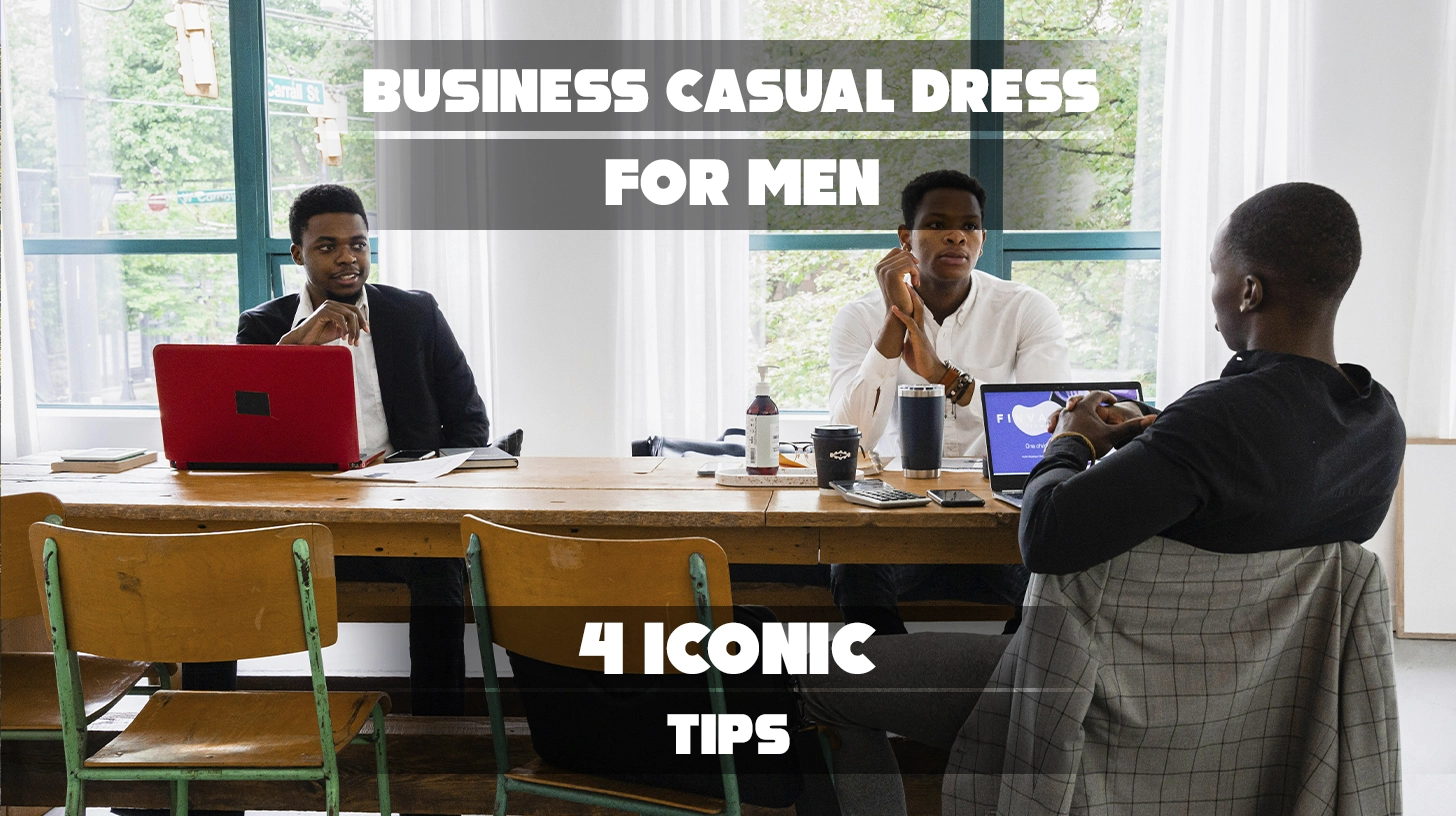

Business Casual Dress for Men can feel confusing. Many men want to look professional while staying comfortable.
This guide from Civilisable will make it easy to learn the key pieces, get simple tips, put outfits together, and feel confident dressing smartly for the office while keeping your own style.
Let’s begin!
1. What Is Business Casual Dress for Men?
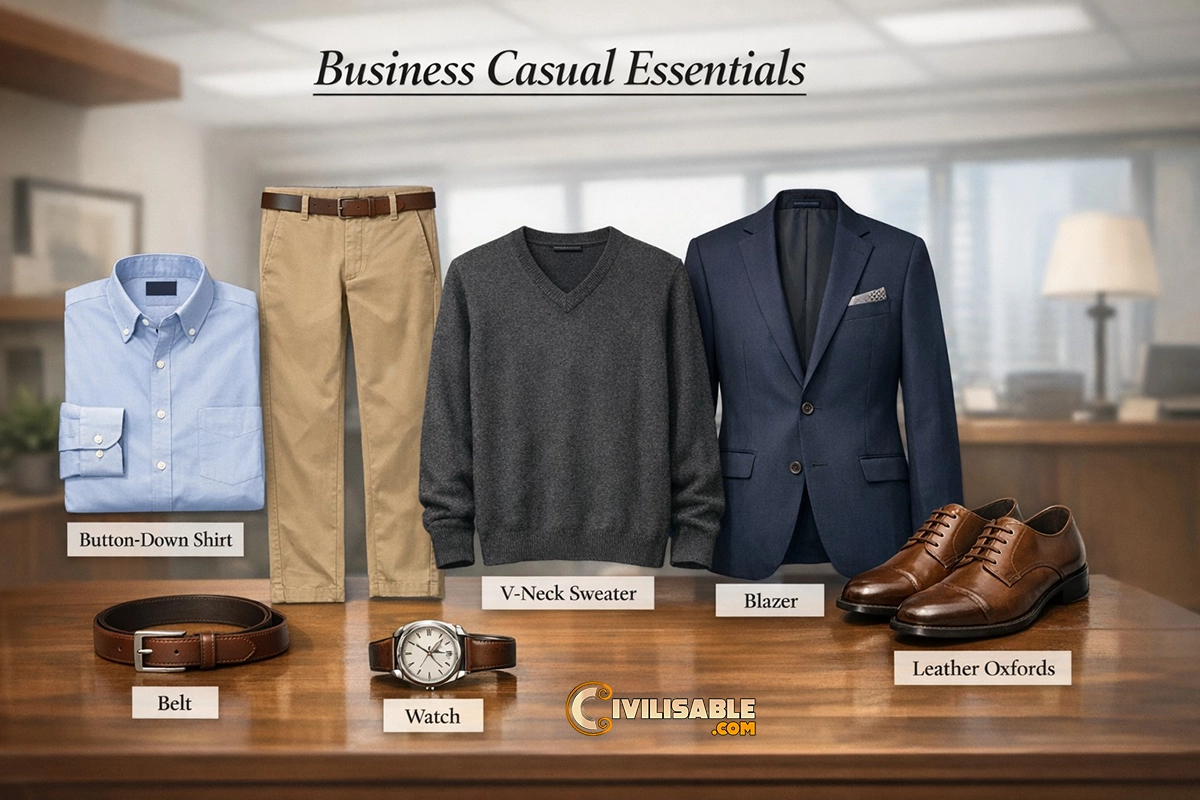
Business casual is a style that is less formal than a suit and tie but still professional. Men can wear it at the office, in client meetings, on business trips, or at after-work events. It lets you look professional while staying comfortable.
A tie is usually not required, but a blazer or suit jacket is often an important piece. Neutral and simple colors help you look neat and put together.
The rules of business casual are flexible. What you wear depends on your style, your industry, and your company’s culture. The main idea is simple: look professional to show respect, but casual enough to show your personality.
2. Key Pieces in Men’s Business Casual
Business casual for men means looking professional while staying comfortable. It is less formal than a full suit but still neat and office-appropriate. Here are the main pieces:
Shirts

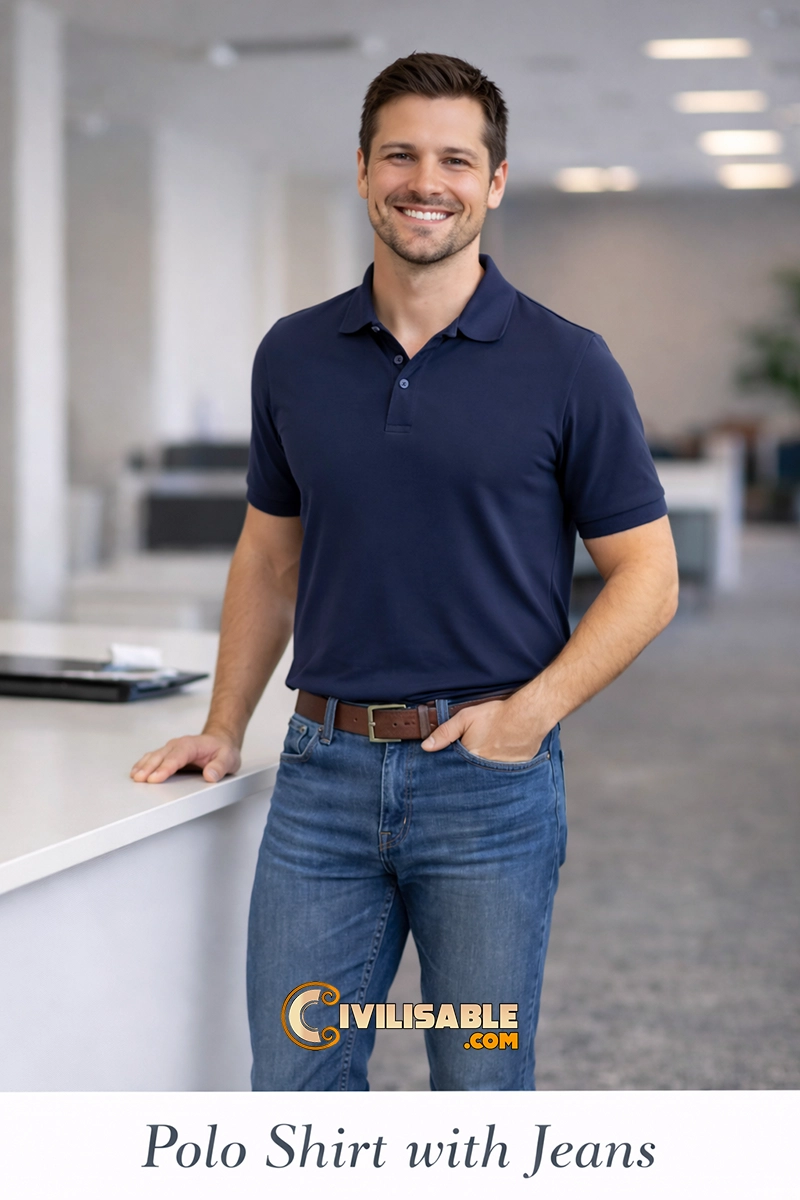
Men can wear a designer shirt in white or light blue for a clean appearance. Polo shirts or T-shirts are acceptable if the workplace allows them. Shirts can have a button-down collar. T-shirts should be solid colors, such as white, cream, off-white, or navy, to maintain a neat look.
Suit or Blazer

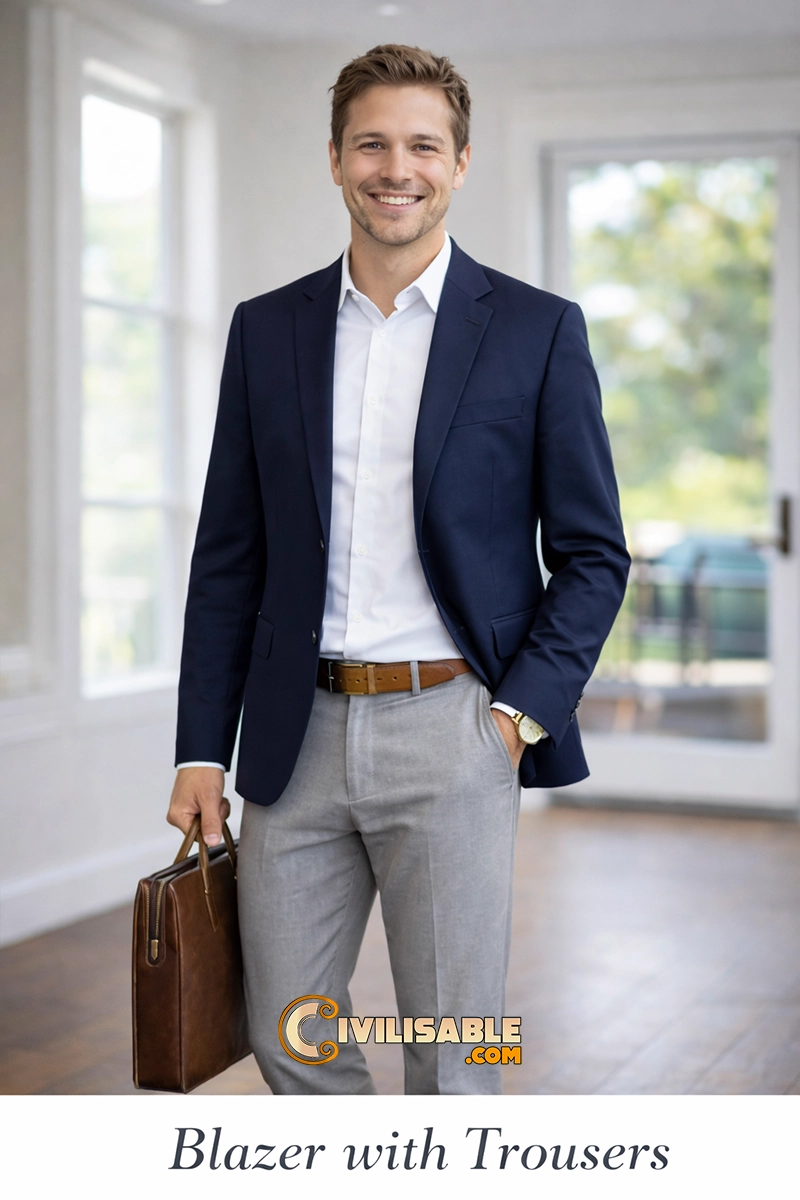
A designer suit is a classic choice for a stylish business casual outfit. A blazer paired with trousers also works well. The blazer and trousers can be different colors, but they should coordinate for a polished look.
Trousers
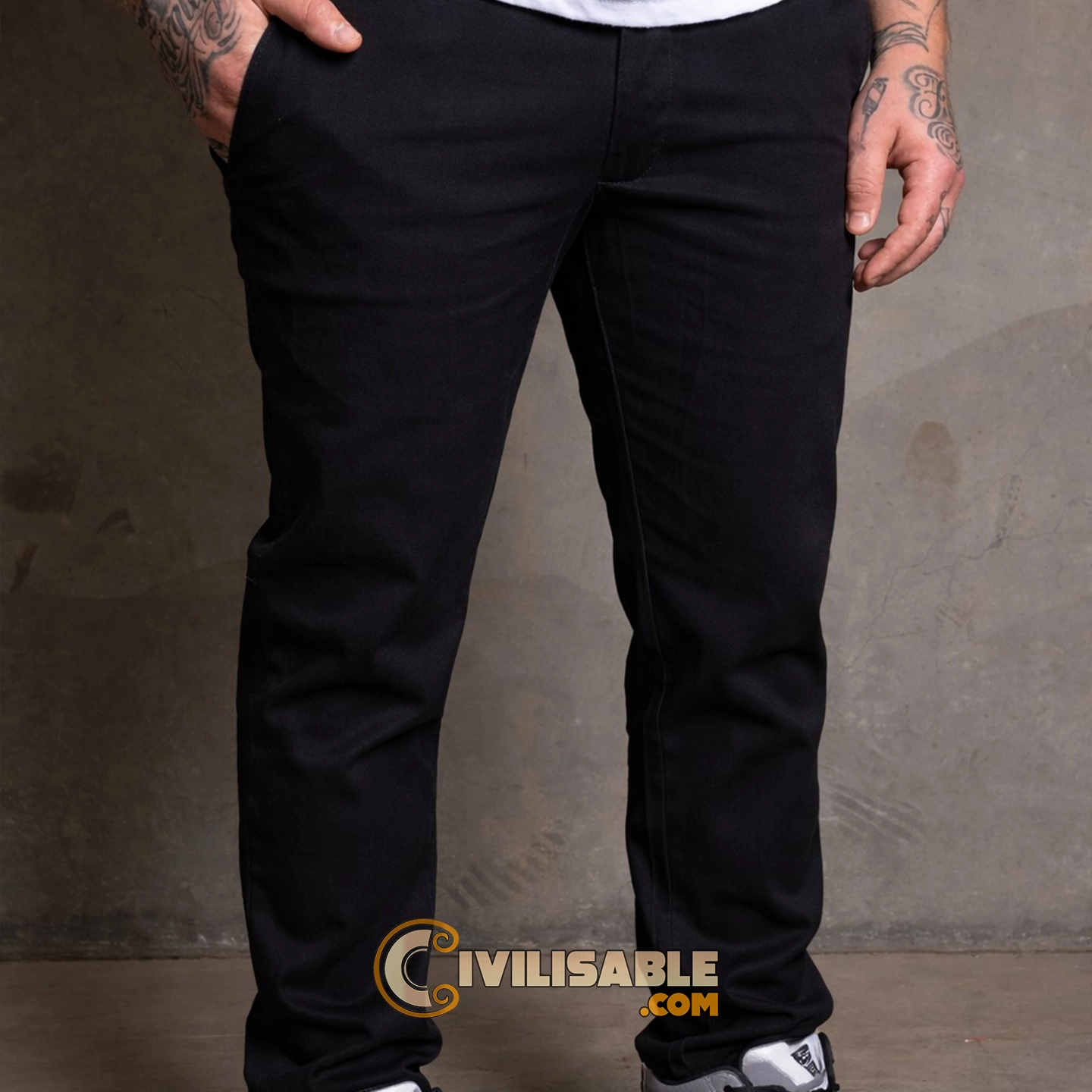
Chinos are the main option for business casual pants. Wool trousers, cotton pants, or slim-fit chinos are also suitable. Worn-out pants or trousers with large pockets should be avoided. Colors like black, gray, navy, or tan work best.
Sweaters

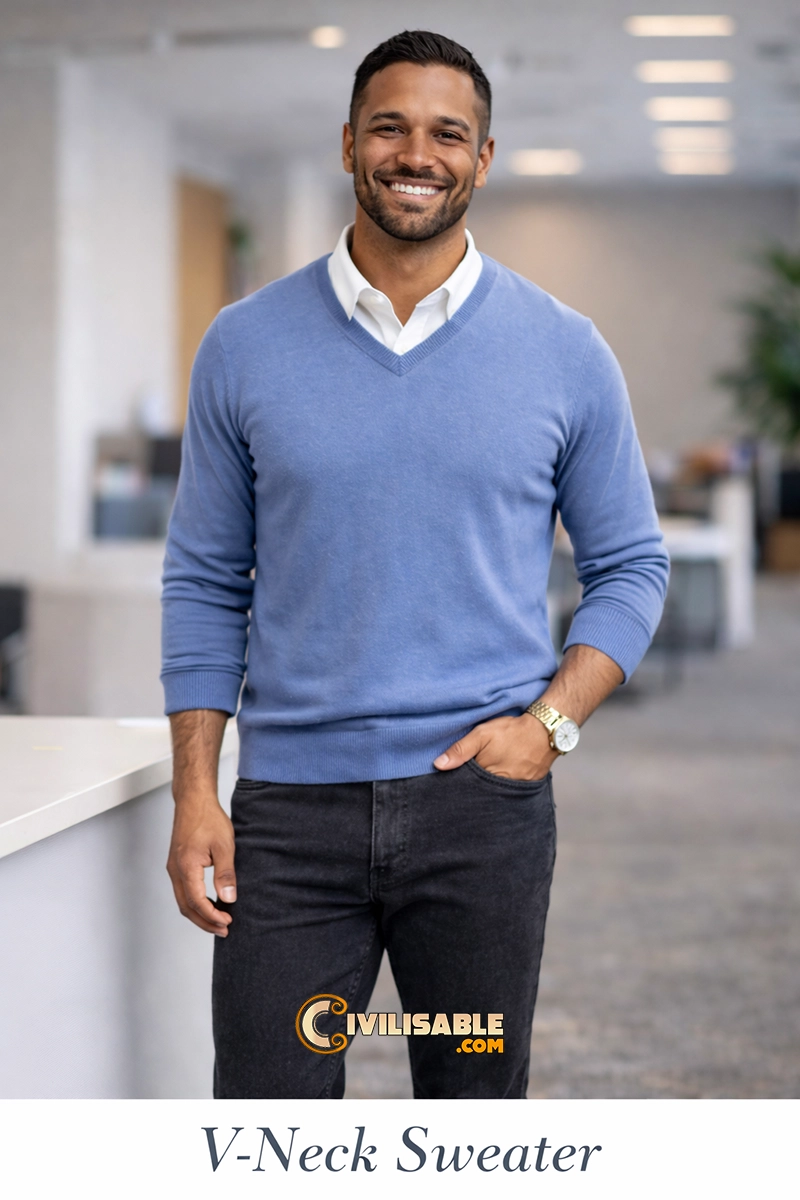
In colder months, men can layer a V-neck sweater or vest over a shirt or blazer. A turtleneck sweater can replace a shirt for a professional look. Neutral colors such as black, navy, gray, green, brown, or dark red are recommended.
Outerwear

Outerwear completes a business casual outfit and provides warmth. Suitable options include:
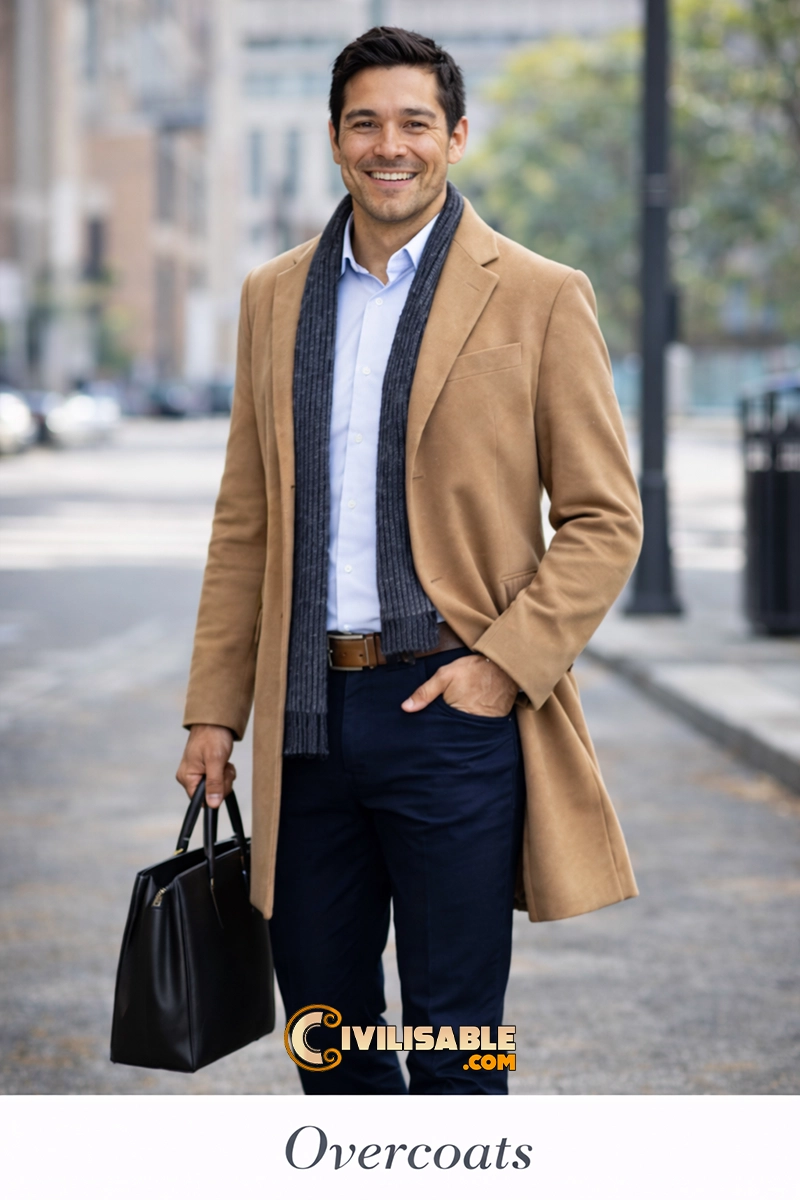
- Overcoats: Single or double-breasted, classic and professional.
- Pea coats & Duffle coats: Formal and stylish.
- Trench coats: Practical for rain or wind.
- Leather bomber jackets: Pair well with T-shirts, sweaters, chinos, and loafers.
- Field jackets: Combine nicely with button-down shirts, trousers, and boots.
- Denim or leather jackets: Suitable for a more casual look.
Shoes

Shoes play an important role in business casual. Leather Oxfords, Derbies, and Monk Strap shoes are classic choices. Loafers, including horsebit, penny, or tassel styles, work well with chinos or jeans. Minimalist leather sneakers are also acceptable. Dark Chelsea boots are a good option in winter.
Accessories
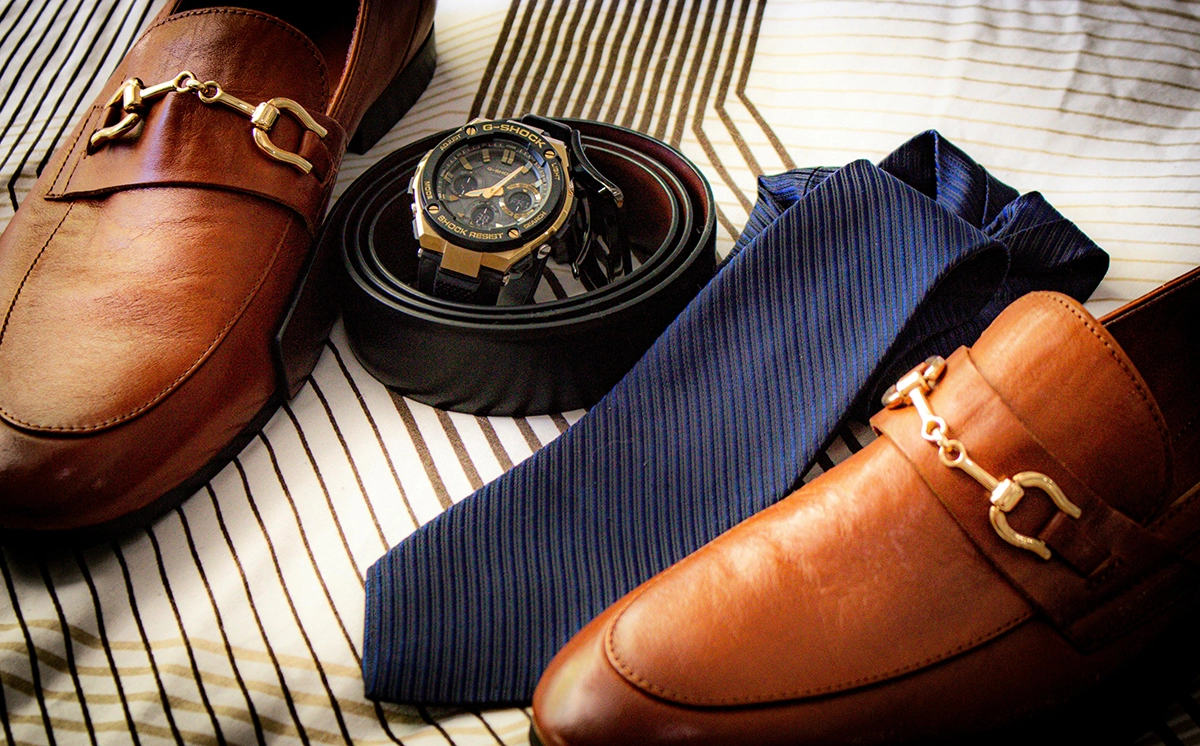
Accessories should be minimal. Belts should match the shoes in color and texture. Ties are optional, and pocket squares or cufflinks are usually not necessary. Socks should be neutral, such as gray, black, or navy. Bright or patterned socks should be avoided.
See Also Summer Chic Attire
3. Business Casual in Different Situations
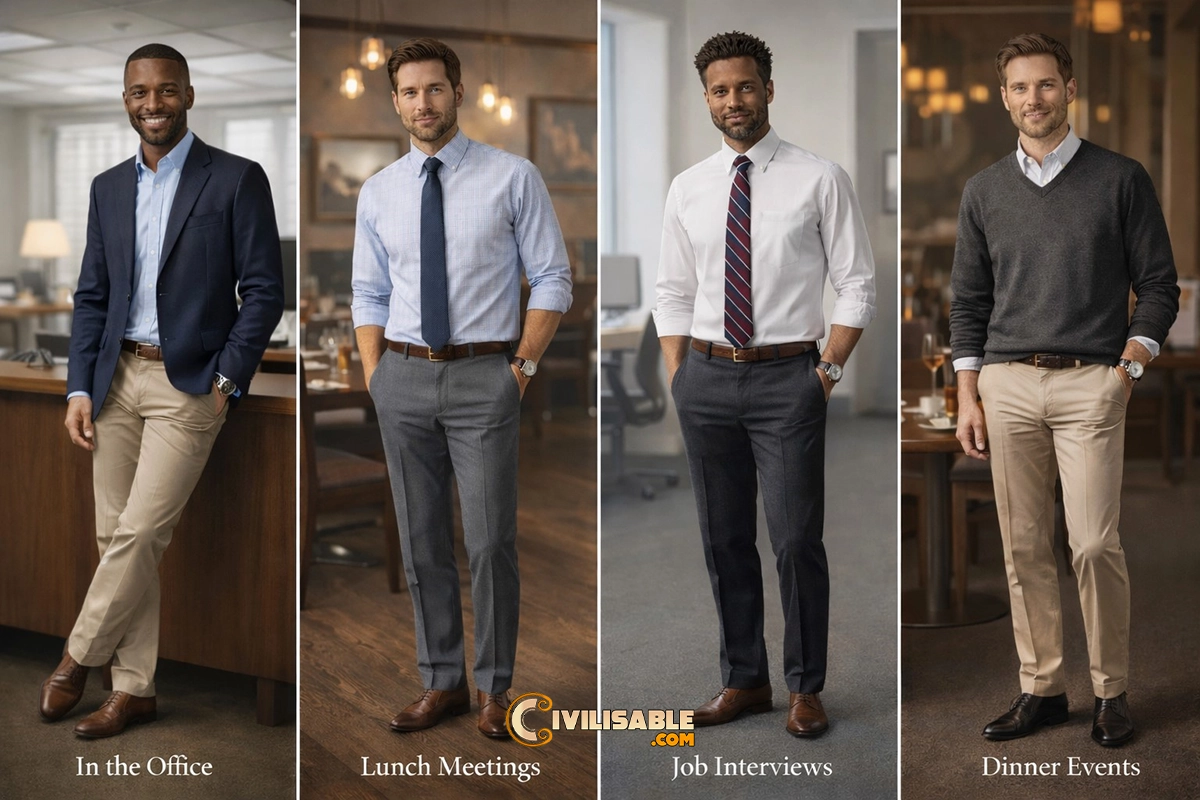
Business casual changes depending on the setting. The right outfit helps men look professional. Different situations call for slightly different choices, from the office to dinners with colleagues.
- In the Office: A sport coat adds style. Pair it with chinos or khakis. Dark jeans and a polo work on casual Fridays.
- Lunch Meetings: A tie makes the look formal; no tie keeps it relaxed. The location matters. Casual restaurants allow more freedom.
- Job Interviews: A button-down shirt, chinos, and a tie leave a strong impression. Being underdressed can hurt your chances.
- Dinner Events: Men have more freedom at a friend’s home, but dinners with coworkers usually call for chinos or dress pants.
4. Men’s Business Casual Don’ts
Business casual rules are different in every workplace. What works in one office may not be right in another. Each company has its own standards. Always understand the dress code before choosing what to wear.
Jeans
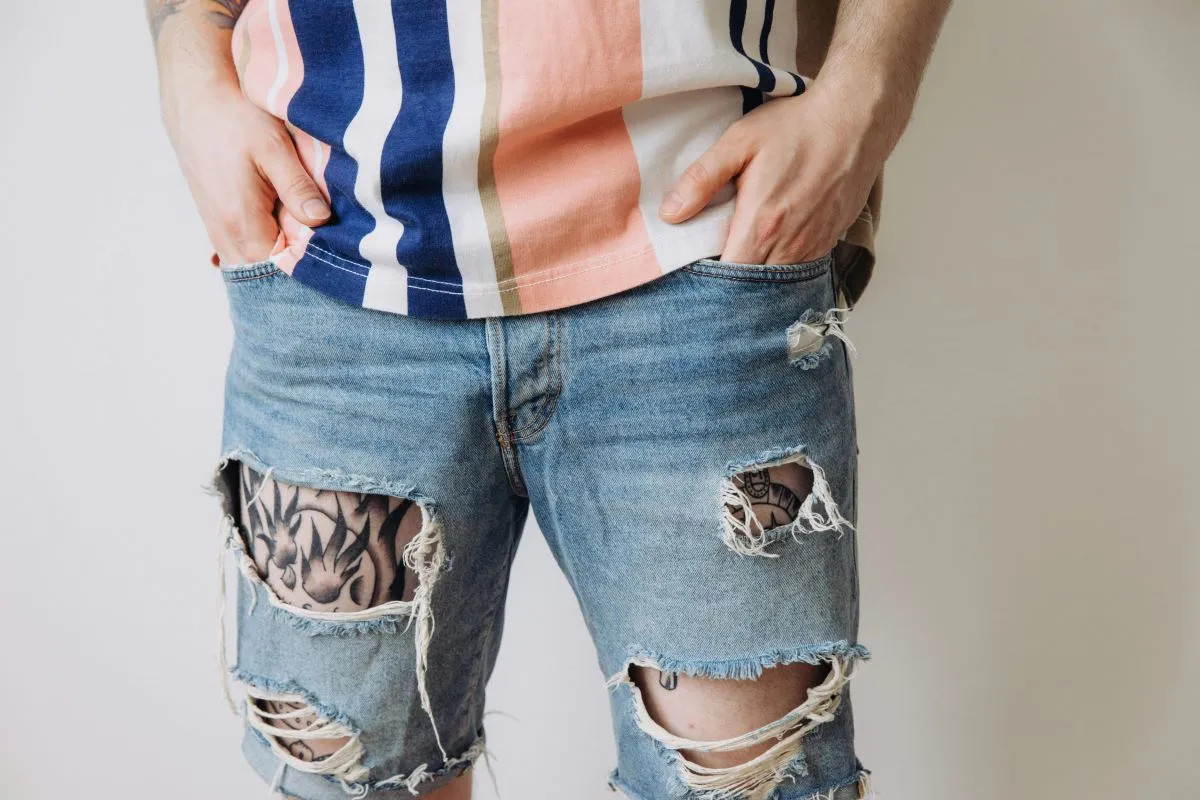
Choose simple, dark jeans only. Do not wear light, ripped, or faded styles. Slim-fit denim chinos in dark navy are a safer option. In many offices, jeans are better for your free time.
Shoes and Sneakers
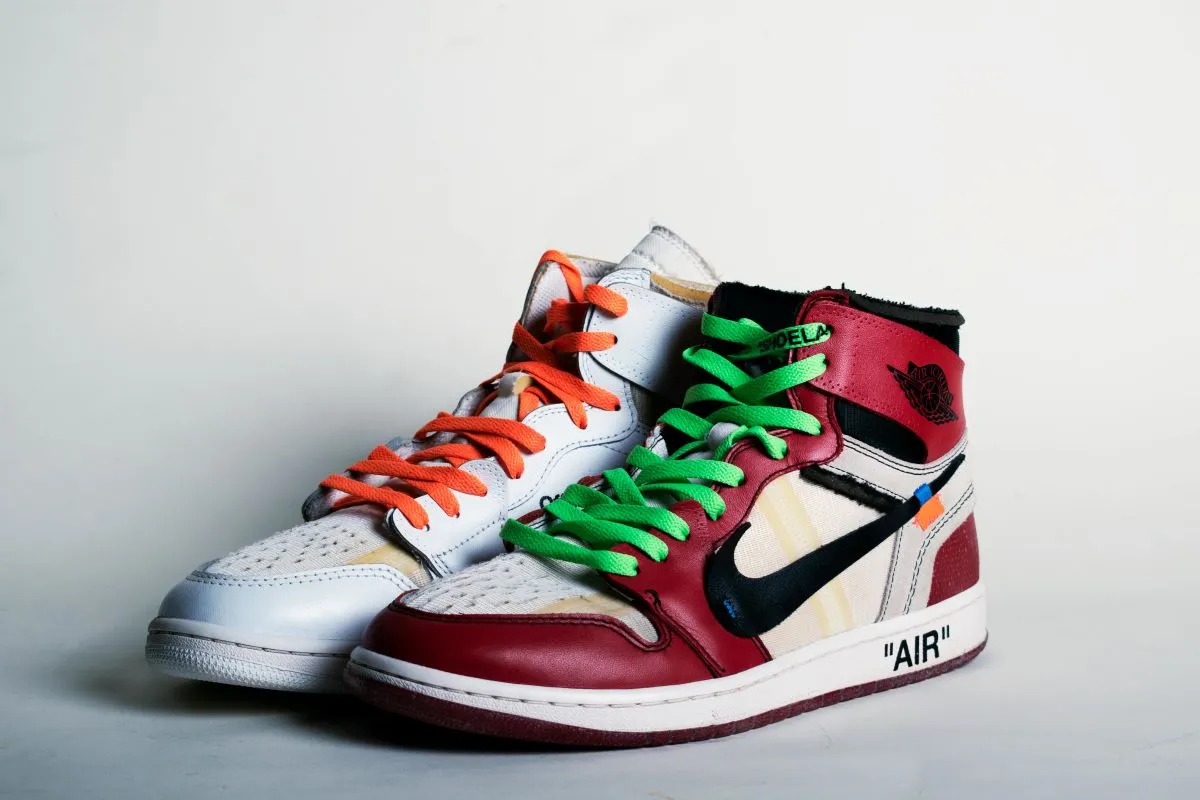
Do not wear worn-out or very sporty sneakers. High-top sneakers are too casual for work. Old loafers or damaged dress shoes can ruin your outfit. Your shoes should always be clean and polished. Good shoes improve your whole look.
Patterns and Prints
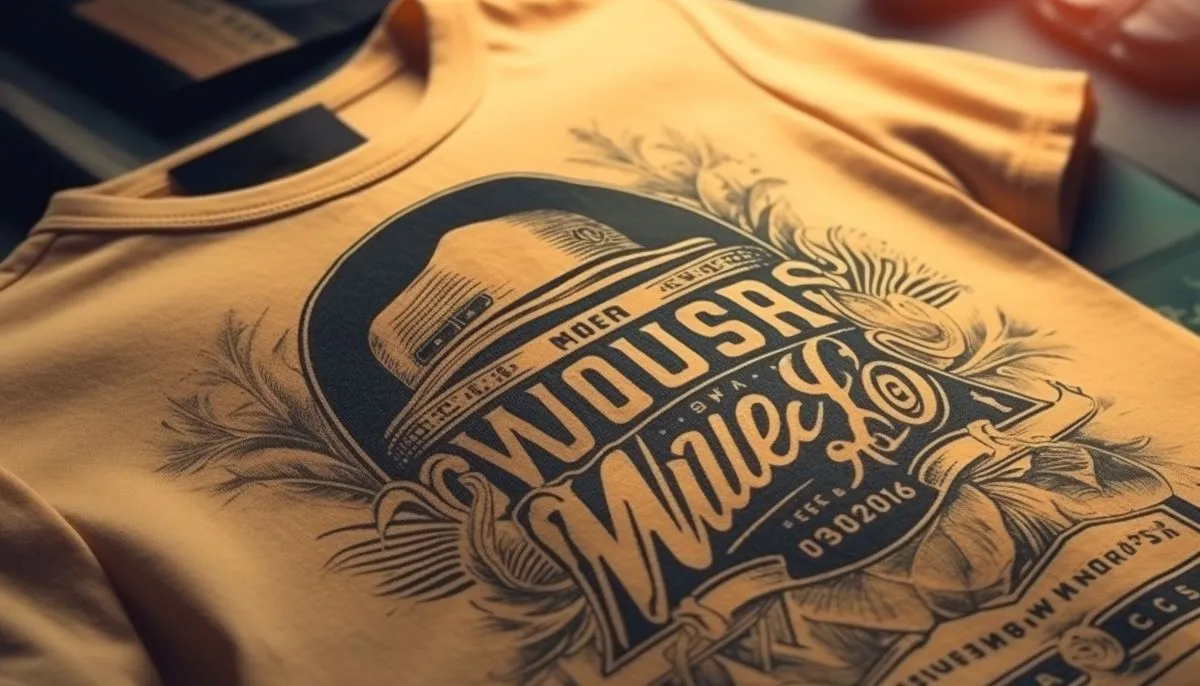
Avoid large prints and bold logos. Loud patterns can look unprofessional. Keep shirts, suits, and sweaters simple.
Fit Matters

Your clothes should fit well. They should not be too tight or too loose. Even your favorite faded shirt may not be right for work.
Casual Fabrics
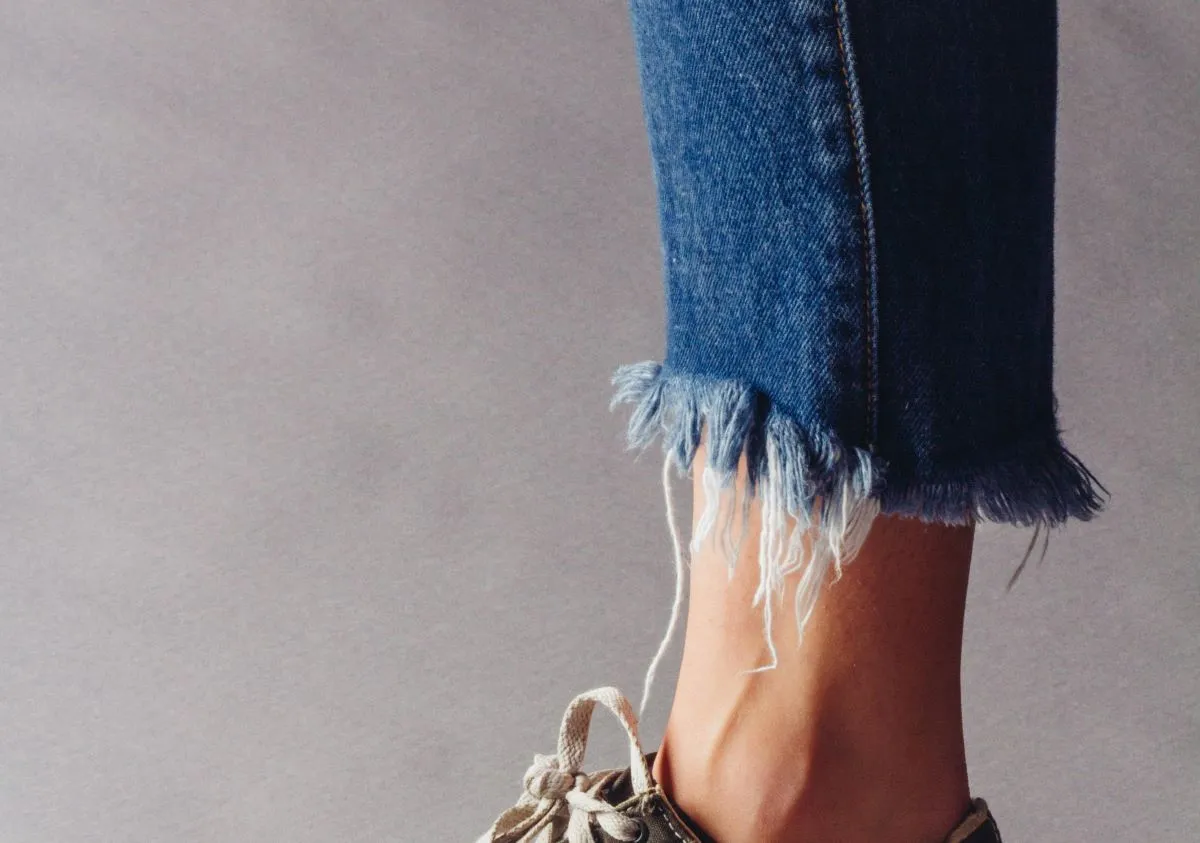
Do not wear clothes with holes or frayed edges. Very light or worn fabrics look too relaxed. Trendy clothing does not always look professional.
See Also Business Attire Shoes
Business Casual Dress for Men: A Recap
Business casual for men is about looking professional while showing personal style. Clothes should be clean, neat, and ready for work.
The best part of business casual is its flexibility. Men can mix classic and relaxed pieces and still look sharp. A blazer with chinos, a crisp shirt without a tie, or clean shoes with tailored pants all work. Small details, like a watch or a simple layer, can make an outfit look complete.
From my experience, dressing in business casual does more than look good—it boosts confidence. Well-fitting clothes help you walk taller, think clearly, and feel ready. It is practical, professional, and stylish, showing you take work seriously while staying yourself.
FAQ