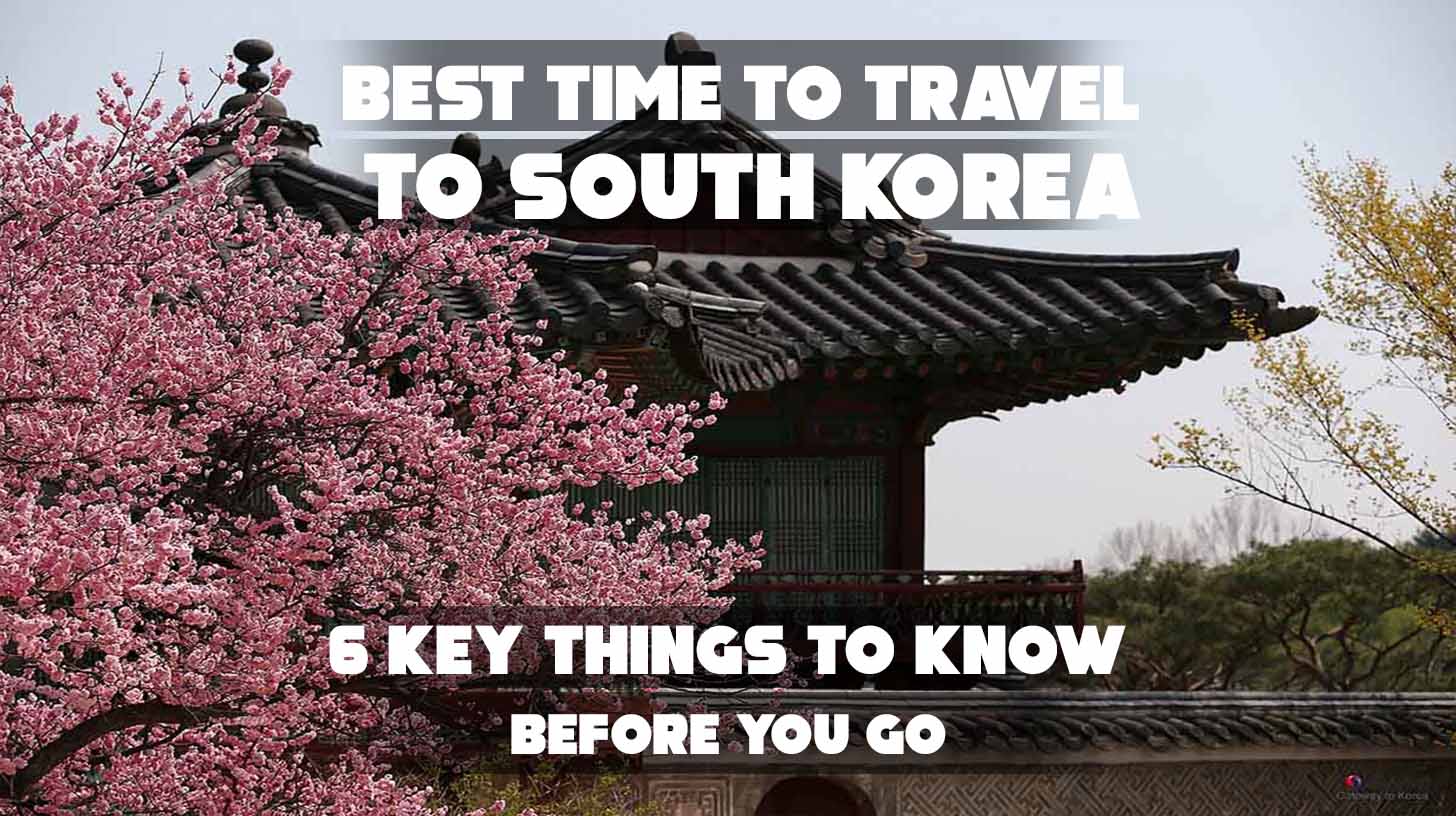

Are you wondering when is the best time to travel to South Korea to enjoy changing seasons, cultural landmarks, and breathtaking natural scenery?
You’re not alone — with four distinct seasons and so much to explore, choosing the right time can feel overwhelming.
At Civilisable, we provide expert insight into the best time to travel to South Korea, helping you choose the ideal season based on weather, festivals, scenery, and travel comfort, so you can plan a well-timed, culturally rich, and unforgettable journey.
Follow this guide, and you’ll experience Korea at its most beautiful and rewarding. Lets start!
1. Understanding Korea’s Climate
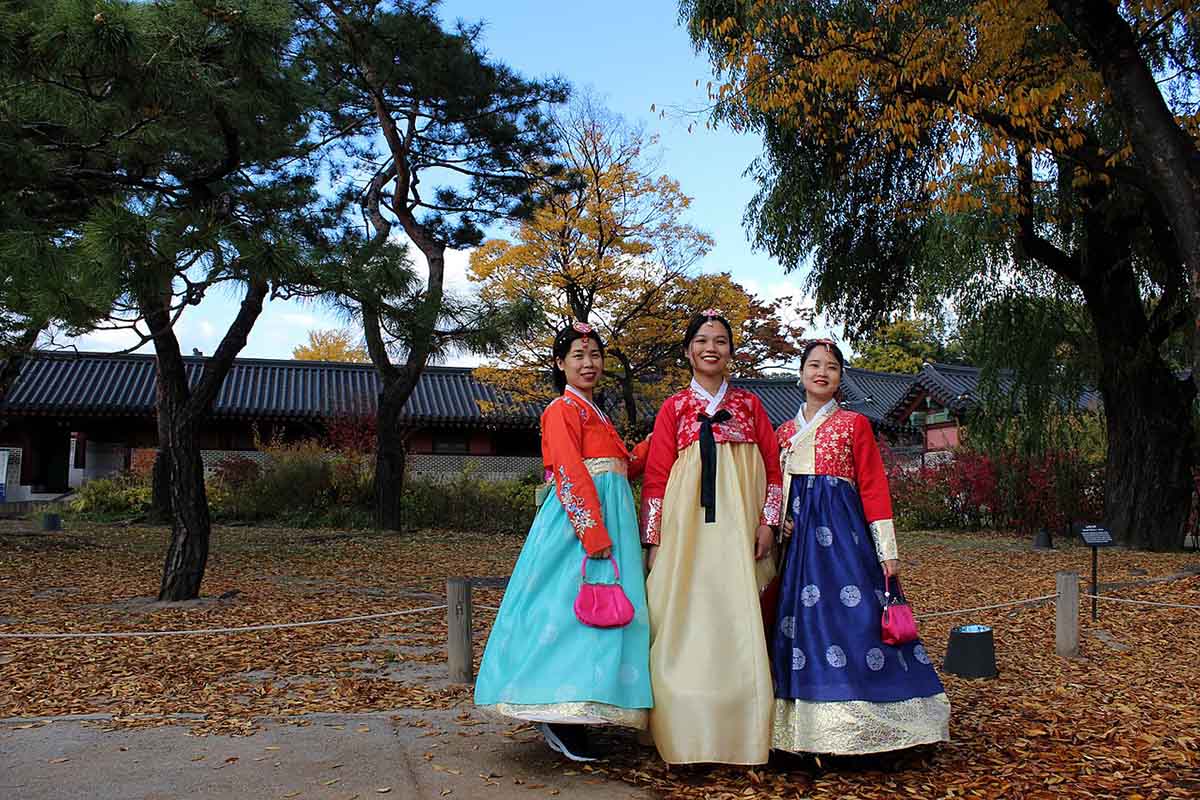
South Korea has a diverse climate shaped by geography, latitude, and seasonal wind patterns. While the country is relatively compact, weather conditions vary noticeably between regions, especially between coastal areas, mountainous zones, and major cities.
South Korea has a temperate climate with four very distinct seasons, which makes timing your trip especially important. Unlike tropical destinations, Korea’s weather changes dramatically throughout the year, influencing everything from outdoor activities to festivals, prices, and even food culture.
Key climate characteristics:
- Four distinct seasons with clear temperature changes
- Hot, humid summers and cold, dry winters
- Short but intense spring and autumn transitions
- Regional variations influenced by sea proximity and elevation
How climate differs by region:
- Seoul & Gyeonggi Province (North): Colder winters, noticeable seasonal contrast
- Busan & Southern Coast: Milder winters, warmer and more humid summers
- Jeju Island: Subtropical influence, warmer winters, higher rainfall
- Gangwon Province: Mountainous, coldest winters, best for snow activities
- Inland Cities (Daegu, Daejeon): Hot summers, dry winters
Why climate matters for travelers:
- Outdoor sightseeing comfort depends heavily on the season
- Festivals and natural scenery are season-specific
- Packing needs vary significantly by time of year
- Travel costs fluctuate with climate-driven demand
Understanding these regional and seasonal differences helps travelers choose destinations within Korea that best match their expectations and comfort level.
The best time to travel to South Korea is spring (April–May) and autumn (September–October). During these months, the weather is mild, skies are clear, and the natural scenery is at its best, making sightseeing, cultural exploration, and outdoor activities comfortable and enjoyable across the country.
See Also Best Time to Travel to Egypt
2. Monthly Weather and Seasons in South Korea
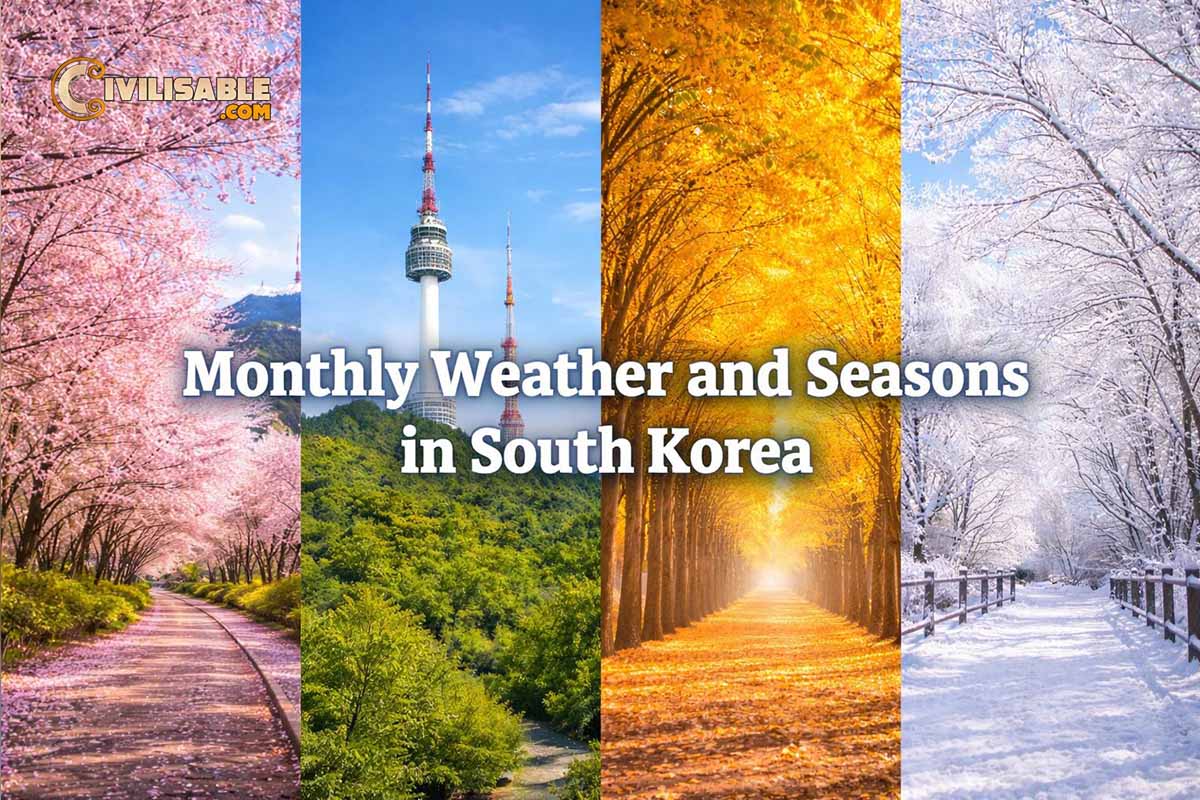
South Korea experiences four distinct seasons, each shaping travel conditions differently. Understanding monthly weather patterns helps travelers choose the best time for sightseeing, festivals, outdoor activities, and overall comfort during their trip.
Spring Months (March – May)
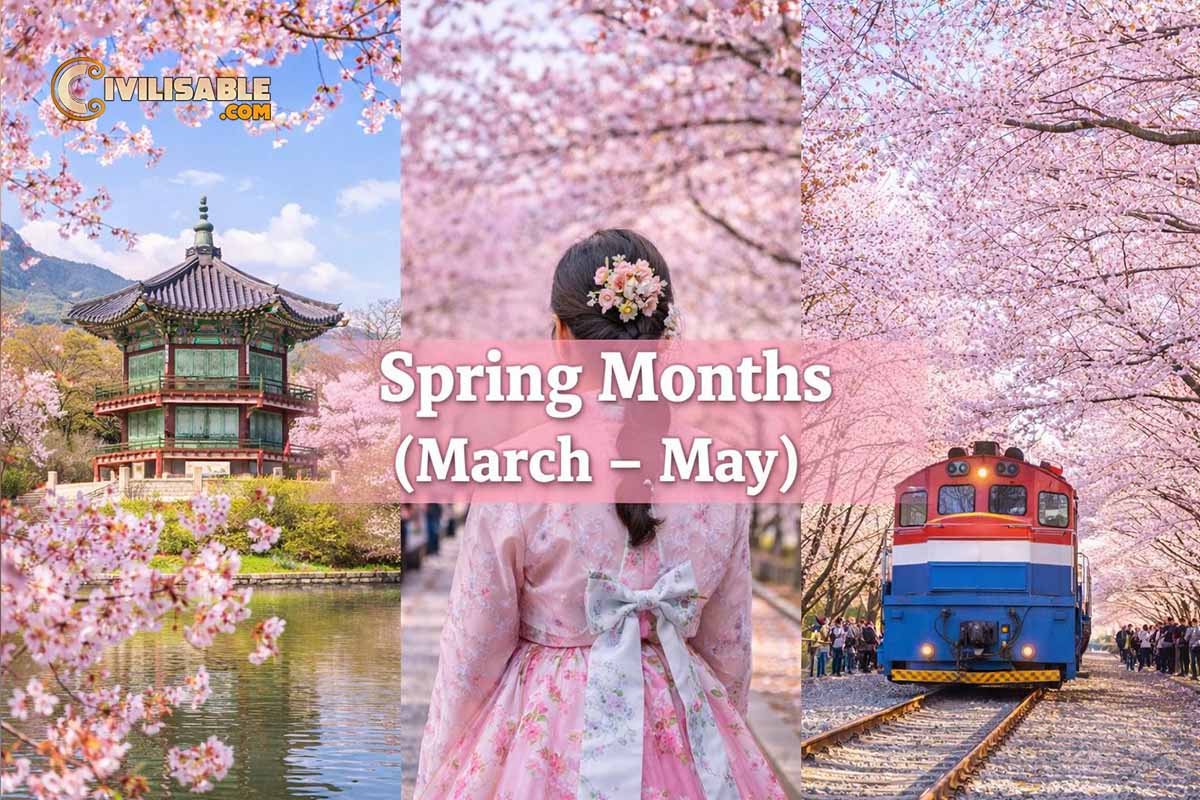
Spring represents renewal and visual beauty across Korea, making it one of the most desirable travel periods.
Weather overview:
- March: Cool mornings, increasing sunshine
- April: Mild temperatures, low humidity
- May: Warm days, ideal outdoor conditions
- Around 10°C to 20°C, mild and comfortable with low humidity
Things to do in spring:
- Visiting palaces and historical districts
- Cherry blossom viewing in urban parks and riversides
- Walking tours in old neighborhoods
- Hiking in national parks
- Outdoor photography and cultural exploration
Spring allows travelers to explore cities on foot comfortably while enjoying Korea’s most photogenic season.
Spring in South Korea feels light and unhurried, with soft sunshine, blooming cherry trees, and long walks through palace grounds and riverside parks. Cafés open their terraces, mountains turn green, and the cities feel calm yet alive, making everyday exploration genuinely enjoyable.
Summer Months (June – August)
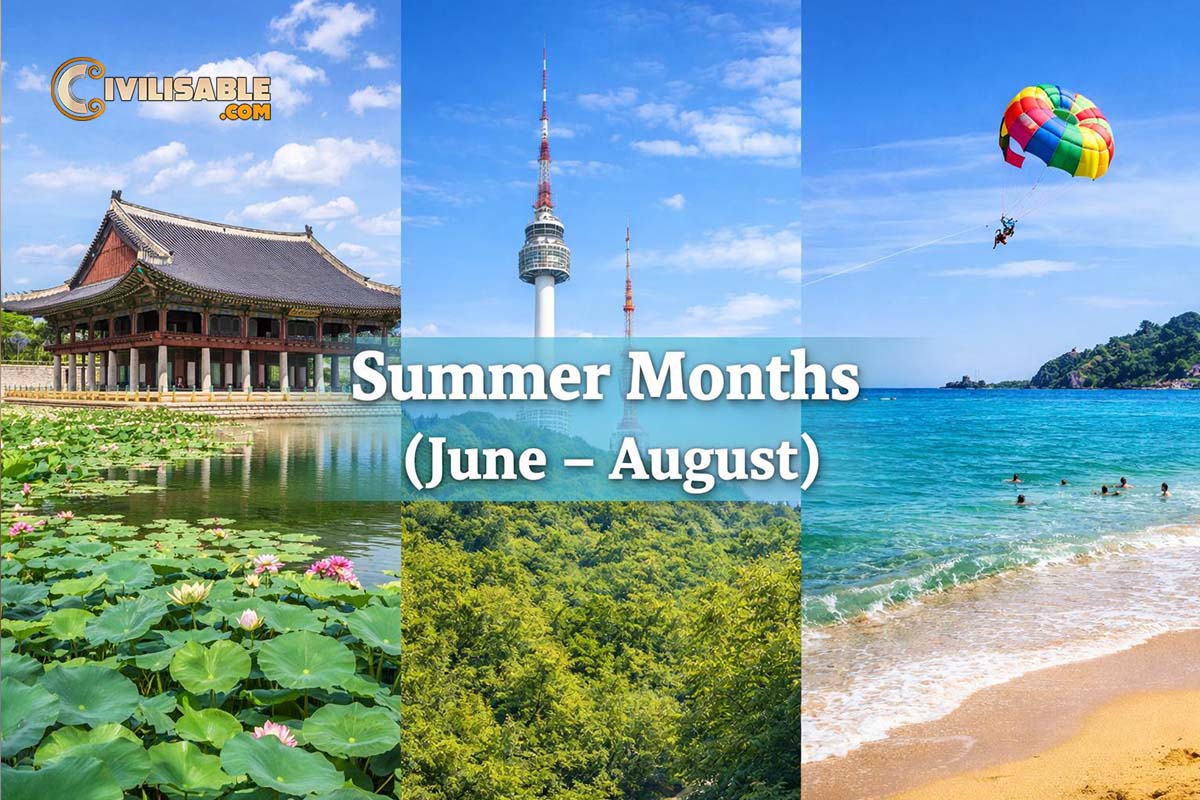
Summer is energetic and vibrant but comes with higher temperatures and humidity.
Weather overview:
- June: Warm with occasional rain
- July: Monsoon season, frequent showers
- August: Hot, humid, peak summer heat
- Around 23°C to 32°C, hot and humid with occasional rain
Things to do in summer:
- Beach holidays in coastal cities
- Night markets and evening street food tours
- Summer festivals and live performances
- Island trips and water activities
- Exploring cities after sunset
Summer is best for travelers who enjoy lively atmospheres and don’t mind heat or rain.
Autumn Months (September – November)
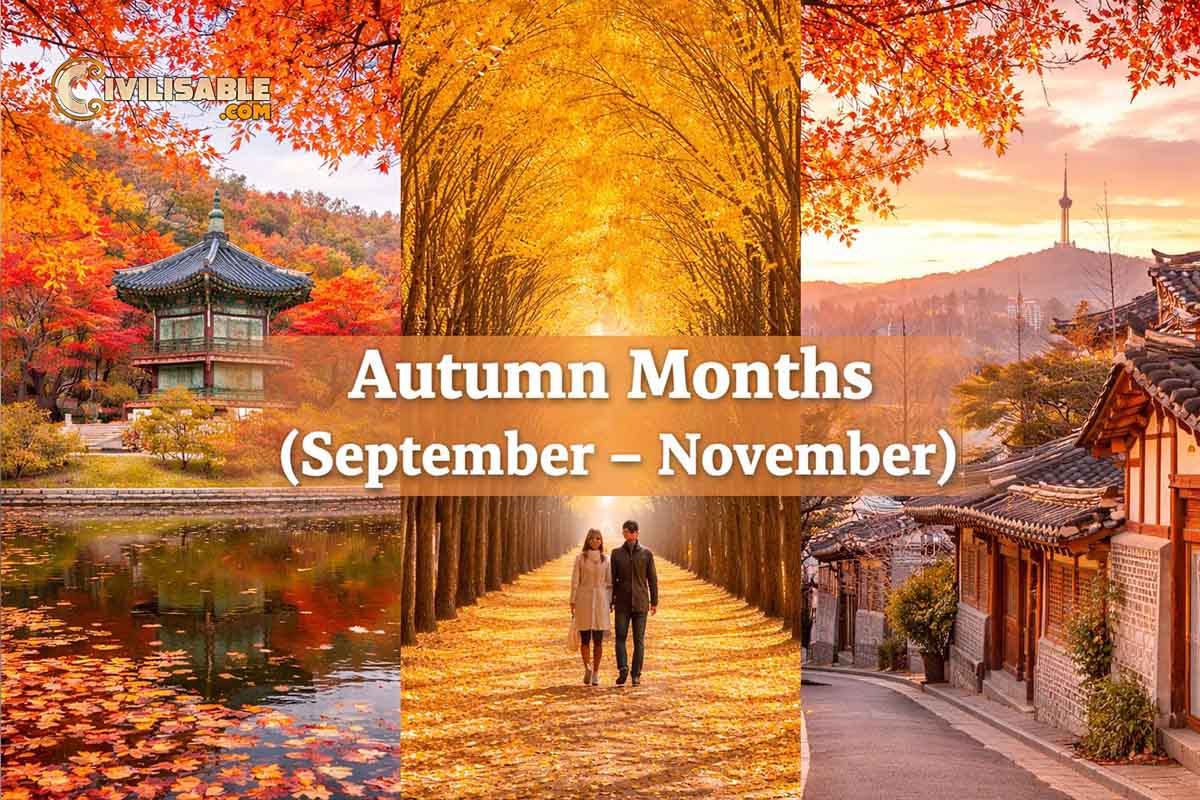
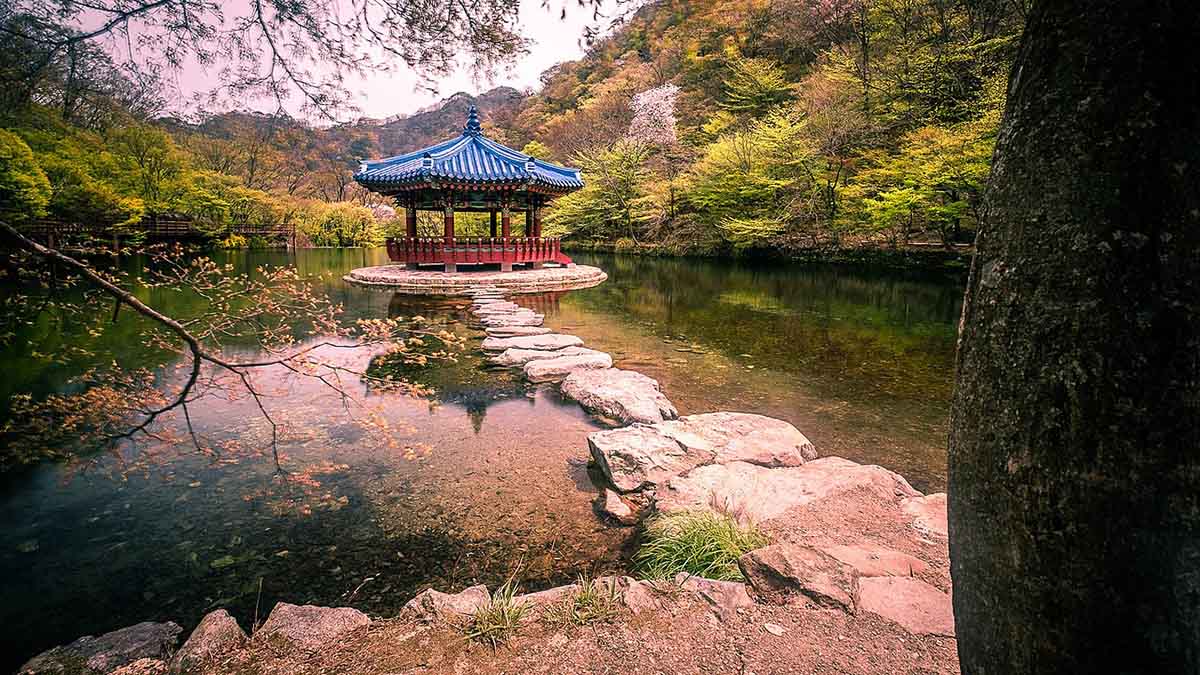
Autumn is widely regarded as the most balanced and visually striking season in Korea.
Weather overview:
- September: Pleasant warmth, clear skies
- October: Cool air, peak foliage
- November: Crisp weather, calm conditions
- Around 10°C to 22°C, cool, dry, and pleasant
Things to do in autumn:
- Autumn foliage viewing in the mountains and parks
- Cultural sightseeing and heritage tours
- Long-distance walking and hiking
- Scenic train journeys
- Seasonal food experiences
Autumn offers the best combination of weather stability, scenery, and travel comfort.
Winter Months (December – February)
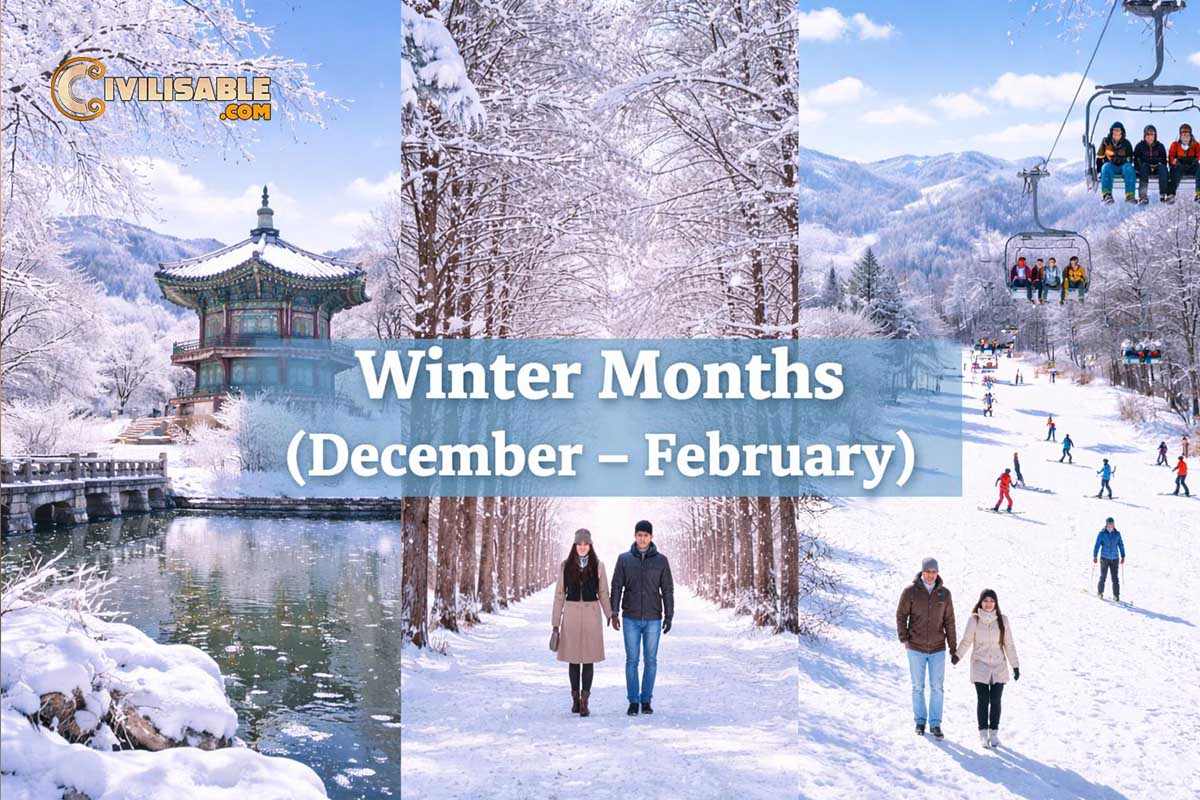
Winter presents a quieter, more atmospheric side of Korea.
Weather overview:
- December: Cold, festive ambiance
- January: Coldest temperatures, snowfall possible
- February: Gradual warming toward month’s end
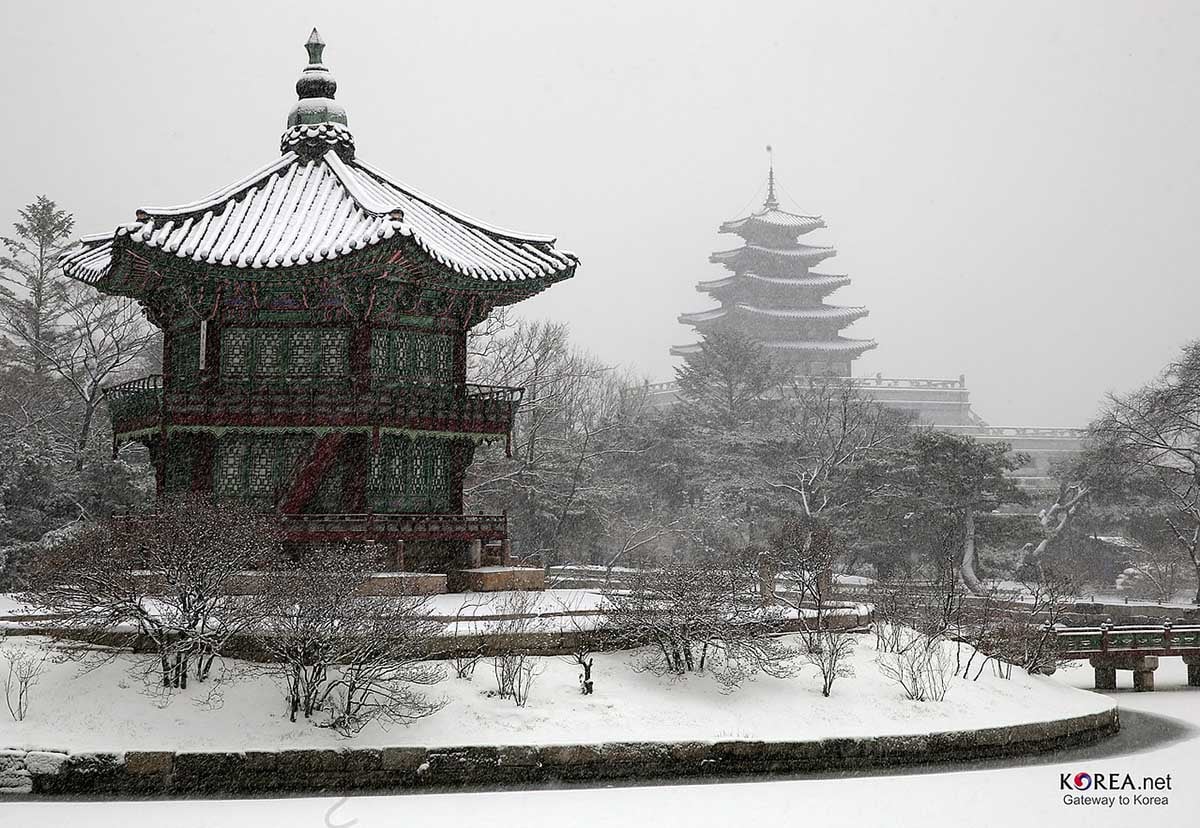
- Around -5°C to 5°C, cold and mostly dry
Things to do in winter:
- Skiing and snowboarding in mountain resorts
- Visiting winter festivals
- Enjoying Korean spas and bathhouses
- Trying seasonal comfort food
- Urban sightseeing with fewer crowds
Winter is ideal for travelers seeking cultural depth, snow experiences, or lower tourist density.
According to Weather and Temperatures in South Korea (Planet Escape), South Korea experiences four clearly defined seasons influenced by monsoon systems and continental air masses.
Spring and autumn offer the most comfortable temperatures for travel, while summers are hot and humid with rainfall, and winters are cold and dry, shaping tourism patterns throughout the year.
See Also Best Time to Travel to Brazil
3. Best Time to Visit Korea for Sightseeing and Nature
Sightseeing in Korea often involves extensive walking, outdoor attractions, and nature-focused experiences.
Best seasons:
- Spring (April–May)
- Autumn (September–October)
Why these seasons are ideal:
- Comfortable temperatures for long exploration days
- Minimal weather disruptions
- Clear visibility for photography
- Landscapes at peak beauty
Travelers focused on visual beauty and cultural landmarks benefit most from these periods.
Here are some top locations for sightseeing and nature in South Korea:
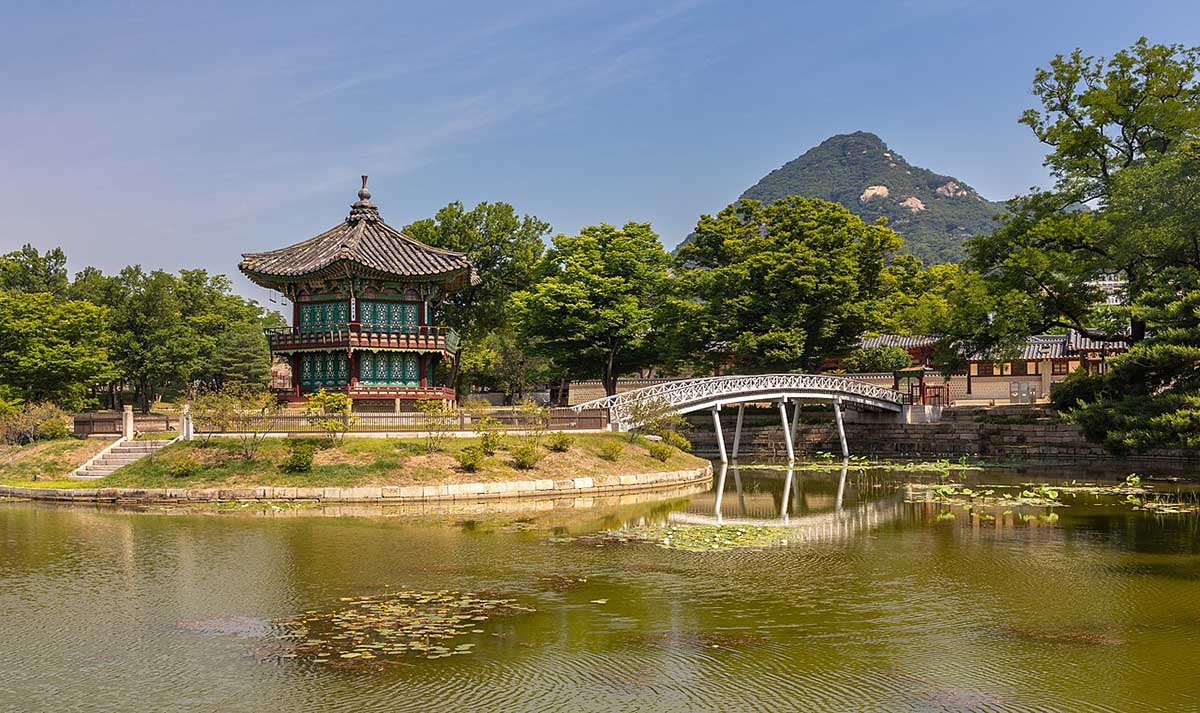
- Gyeongbokgung Palace: The largest royal palace in Seoul, known for its grand traditional architecture, historical ceremonies, and scenic backdrop of mountains within the city.
- Bukchon Hanok Village: A historic neighborhood with well-preserved traditional houses, offering charming alleyways and a glimpse into Korea’s cultural heritage.
- N Seoul Tower: Situated on Namsan Mountain, this landmark provides panoramic views of Seoul along with walking paths and green surroundings.
- Seoraksan National Park: One of Korea’s most famous natural areas, featuring dramatic mountain peaks, waterfalls, and hiking trails, especially stunning during autumn.
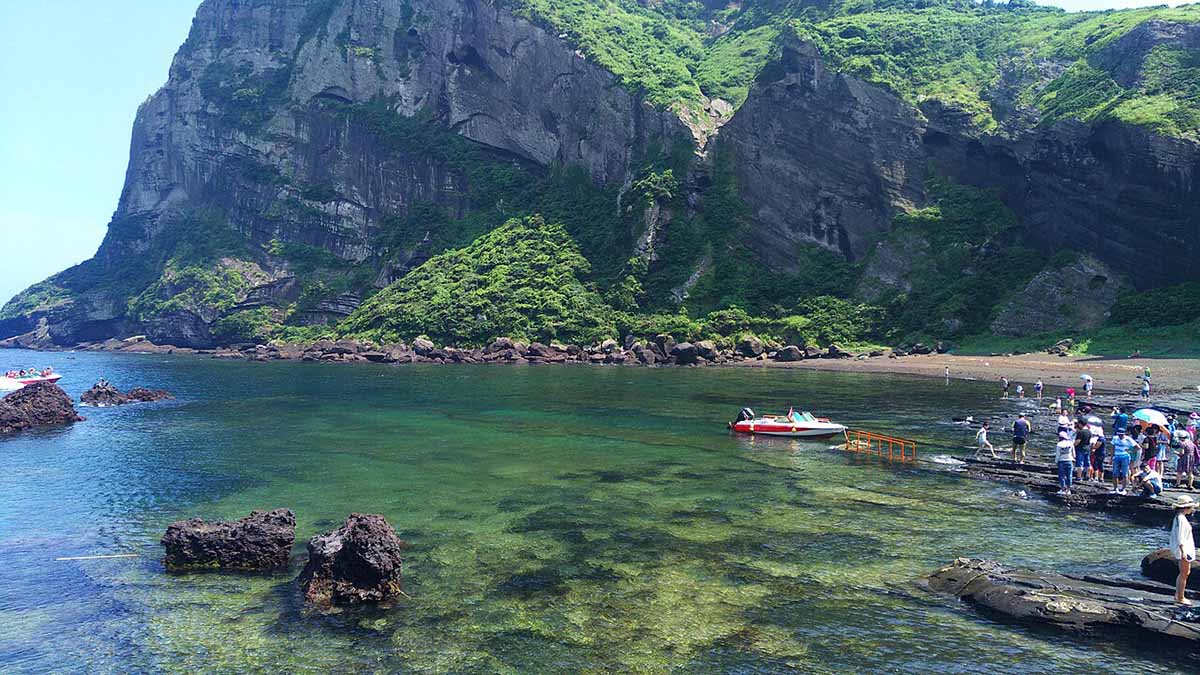
- Jeju Island: A volcanic island offering waterfalls, lava tubes, coastal cliffs, and varied landscapes, with a climate milder than mainland Korea.
- Haeundae Beach: Korea’s most well-known beach area, combining ocean scenery, coastal walks, nearby parks, and a modern city skyline.
- Gamcheon Culture Village: A colorful hillside village filled with murals and art installations, offering scenic viewpoints and cultural storytelling.
- Boseong Green Tea Fields: Rolling tea plantations creating peaceful countryside views, ideal for photography and relaxed nature walks.
- Andong Hahoe Folk Village: A traditional village preserving historic architecture and riverside scenery, recognized for its cultural and historical significance.
- Hallasan National Park: Home to South Korea’s highest mountain, offering hiking trails, crater lakes, and seasonal natural beauty across Jeju Island.
Visiting Korea for sightseeing and nature means walking through royal palaces in Seoul, hiking forested trails in national parks, and enjoying coastal views in cities like Busan or Jeju. The short distances between landmarks make it easy to experience mountains, history, and seaside landscapes in one trip.
4. Best Time to Visit Korea for Festivals and Culture
Korea’s cultural calendar is deeply seasonal, with major events tied to climate and agricultural cycles.
Seasonal highlights:
- Spring: Flower festivals, lantern events, traditional celebrations
- Summer: Music festivals, beach events, night markets
- Autumn: Harvest festivals, cultural heritage events
- Winter: Snow festivals, light displays, New Year traditions
Best seasons for culture lovers:
- Spring and autumn for traditional culture
- Summer for contemporary festivals
- Winter for seasonal traditions and ceremonies
Festival timing can significantly enhance the travel experience when planned correctly.
Here are some of the most famous festivals in South Korea:
- Jinhae Cherry Blossom Festival (Jinhae, Changwon): A spring festival famous for cherry blossom-lined streets, riverside walks, cultural performances, and evening illuminations.
- Boryeong Mud Festival (Boryeong): A lively summer festival held on the west coast, featuring mud-based activities, beach events, live music, and international visitors.
- Andong Mask Dance Festival (Andong): A traditional cultural festival celebrating Korean mask dances, folk performances, and rituals rooted in local heritage.
- Busan International Film Festival (Busan): One of Asia’s most prestigious film festivals, hosting international premieres, red-carpet events, and cultural screenings each autumn.
- Jinju Namgang Yudeung Festival (Jinju): A historic lantern festival along the Namgang River, known for floating lanterns, night performances, and symbolic storytelling.
- Seoul Lantern Festival (Seoul): A winter festival displaying large illuminated lanterns along urban rivers, blending traditional stories with modern artistic designs.
- Hwacheon Sancheoneo Ice Festival (Hwacheon): A winter festival centered on ice fishing, snow activities, and seasonal games held in a mountainous northern town.
- Chuseok – Korean Harvest Festival (Nationwide, major cities include Seoul, Busan, Daegu): A national holiday celebrated across the country with family gatherings, traditional food, and cultural customs.
- Seoul Kimchi Making & Sharing Festival (Seoul): A culinary festival focused on making and sharing kimchi, highlighting Korean food culture and community traditions.
- Jeonju Bibimbap Festival (Jeonju): A food festival celebrating the city’s signature dish through tastings, cooking demonstrations, and cultural programs.
According to UNESCO Heritage in Korea, South Korea preserves exceptional cultural sites such as royal palaces, temples, and traditional villages that reflect Confucian values, historical continuity, and harmony with nature. These heritage sites represent centuries of architectural achievement and living traditions that continue to shape Korea’s cultural identity today.
See Also National Food of South Korea
5. Best Time to Visit Korea for Budget and Crowds
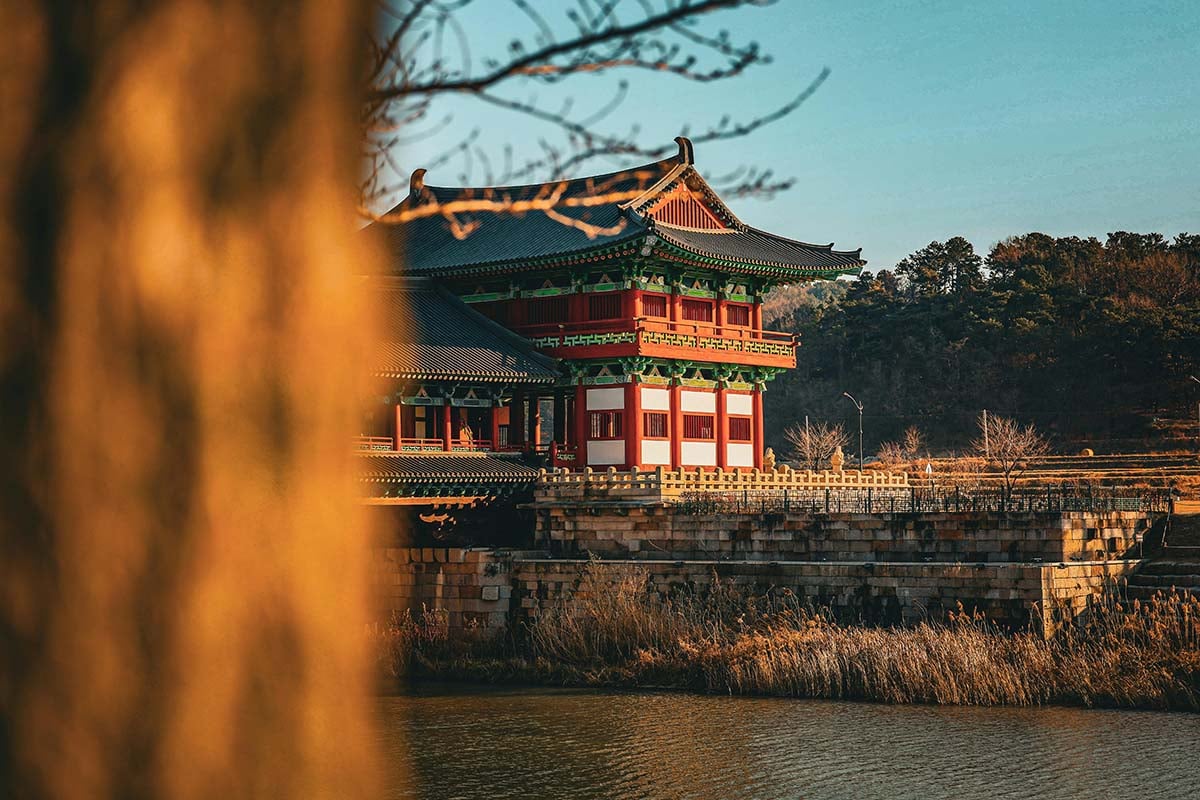
Travel costs and crowd density fluctuate throughout the year.
Most expensive periods:
- April (cherry blossom season)
- October (autumn foliage)
- National holidays
Best budget periods:
- January to February (excluding holidays)
- July outside major festivals
- Late November
Crowd patterns:
- Spring: High tourist volume
- Summer: Moderate crowds
- Autumn: High demand
- Winter: Lowest crowd levels
Budget-conscious travelers may benefit from winter or shoulder-season travel.
See Also Best Time to Travel to Punta Cana
6. Korea Travel Tips
(Essential Information for Travelers)
Entry & documents:
- Passport validity of at least six months
- Visa requirements depend on nationality
- Digital arrival systems may apply
Money & payments:
- Currency: Korean Won (KRW)
- Credit cards widely accepted
- Cash useful for markets and transport
Transportation:
- Extensive subway and bus networks
- High-speed rail connects major cities
- Taxis are affordable and reliable
Connectivity:
- Pocket Wi-Fi or SIM cards recommended
- Widespread public Wi-Fi in cities
Language:
- English common in tourist areas
- Translation apps highly useful
- Basic Korean phrases appreciated
Food & dining:
- Street food is safe and regulated
- Spicy food is common but adjustable
- Vegetarian options available with planning
Cultural etiquette:
- Respect the age hierarchy
- Remove shoes when required
- Politeness and quiet public behavior valued
Safety & health:
- Very safe country
- Excellent healthcare infrastructure
- Travel insurance recommended
Clothing & packing essentials (by season):
- Spring (March–May): Light jacket, layers for changing temperatures, comfortable walking shoes
- Summer (June–August): Breathable clothing, sunscreen, hat, umbrella or rain jacket
- Autumn (September–November): Light sweaters, jackets, walking shoes for outdoor activities
- Winter (December–February): Warm coat, thermal layers, gloves, scarf, insulated shoes
General packing tips:
- Comfortable shoes for walking and public transport
- Portable power bank for long sightseeing days
- Reusable water bottle
- Small backpack for daily outings
See Also Tallest Buildings in South Korea
Best Time to Travel to South Korea: A Recap
South Korea offers a balanced travel experience shaped by four distinct seasons, diverse landscapes, and deep cultural heritage. The best time to travel is spring (April–May) andautumn (September–October), when temperatures are mild and skies are clear.
These seasons are ideal for sightseeing, hiking, and cultural festivals. Efficient transportation makes it easy to explore royal palaces in Seoul, mountain trails, and coastal cities like Busan or Jeju.
One of the most memorable experiences is walking beneath cherry blossom trees along a riverside path in spring, where soft light, fresh air, and falling petals create a calm, immersive atmosphere that perfectly captures the country’s seasonal beauty.