

Are you planning a trip and wondering how Bali travel guide can help you experience the island in the best possible way? With so many temples, beaches, rice terraces, and cultural highlights, organizing a Bali trip can quickly feel overwhelming—but it doesn’t have to be.
At Civilisable, we guide you through the ultimate Bali travel experience, covering everything from pristine beaches and lush rice terraces to cultural temples, local cuisine, and adventure activities, helping you plan a memorable, safe, and immersive trip to this tropical paradise.
Read on to explore Bali the smart way and create a trip you’ll never forget.
- 1. Best Time to Visit Bali
- 2. Visa Requirements for Bali
- 3. Getting to Bali
- 4. Getting Around Bali
- 5. Where to Stay in Bali
- 6. Top Places to Visit in Bali
- 7. Things to Do in Bali
- 8. Bali Food Guide
- 9. Travel Costs and Budget in Bali
- 10. What to Pack for Bali
- 11. Health and Safety in Bali
- 12. Cultural Etiquette and Local Customs
- 13. Internet, SIM Cards, and Connectivity
- 14. Bali Travel Tips
- 15. Suggested Bali Itineraries
- 16. Common Mistakes to Avoid in Bali
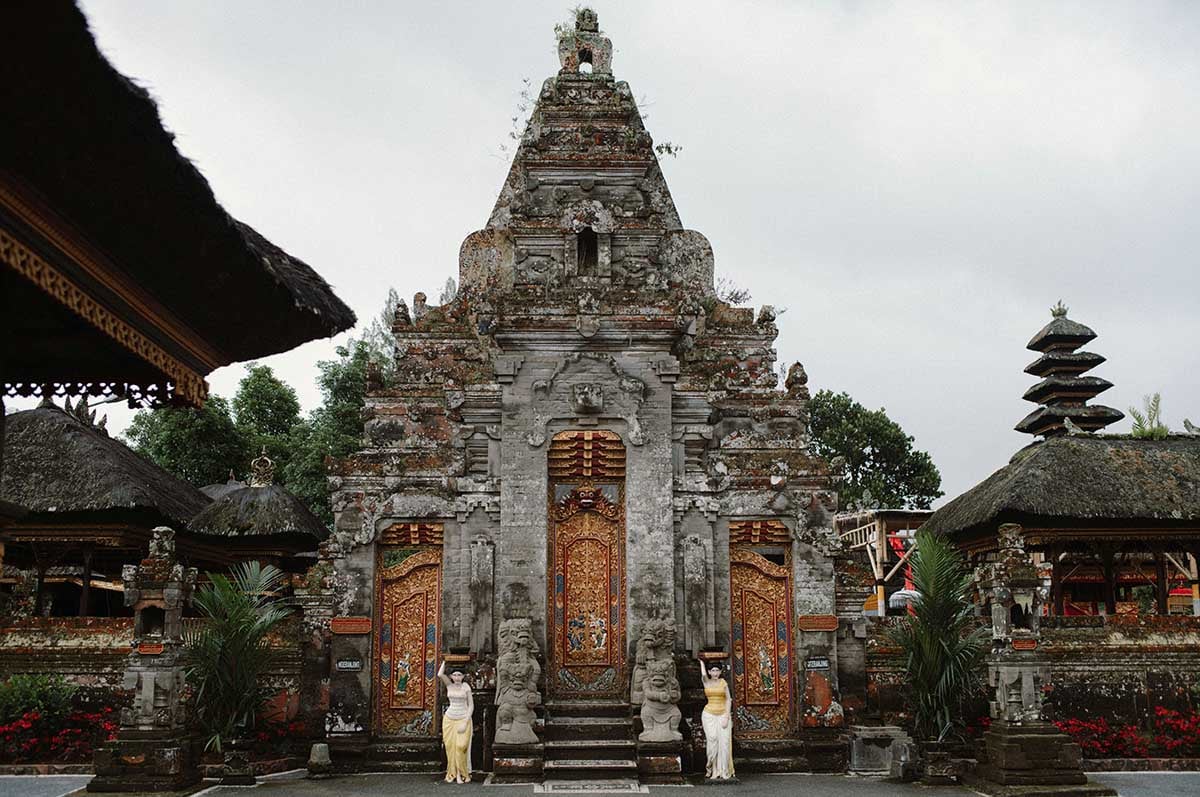


| Category | Key Details | Tips | Notes |
|---|---|---|---|
| Best Time | April–October (dry season) | April–June & September for fewer crowds | Rainy season: Nov–Mar, brief showers |
| Visa | Visa on Arrival: 30 days (+30-day extension) | Passport valid 6+ months, proof of onward travel | B211A visa for longer stays |
| Airport | Ngurah Rai International Airport (DPS) | Pre-book taxis, Grab, or hotel transfer | Main international gateway |
| Getting Around | Scooter, Grab/Gojek, private driver | Allow extra time for traffic | Limited public transport |
| Where to Stay | Seminyak, Ubud, Nusa Dua, Canggu | Choose area based on travel style | Book early during peak season |
| Top Attractions | Uluwatu, Tanah Lot, Rice Terraces, Nusa Penida | Visit early to avoid crowds | Wear modest clothing at temples |
| Food & Dining | Nasi Goreng, Satay, Babi Guling | Try street food for authentic flavors | Drink bottled water |
| Budget | Budget: $30–50/day, Mid-range: $60–120/day, Luxury: $200+/day | Eat local for savings | Accommodation varies by season |
| Health & Safety | Generally safe | Travel insurance recommended | Avoid tap water, protect against sun & mosquitoes |
| Connectivity | SIM/eSIM, free Wi-Fi in hotels & cafes | Telkomsel, XL, Indosat Ooredoo | eSIM convenient for digital nomads |
1. Best Time to Visit Bali

Bali enjoys a tropical climate with two main seasons: dry and rainy. The dry season (April–October) is ideal for sightseeing, beach days, outdoor activities, and water sports, while the rainy season (November–March) brings brief heavy showers, greener landscapes, fewer tourists, and lower prices.
The dry season (April–October) is ideal for sightseeing, beach days, outdoor activities, and water sports.
Choosing the right months depends on your priorities, such as avoiding crowds or enjoying calm seas.
Seasonal Breakdown:
- April–June: Pleasant weather, fewer crowds, ideal for outdoor activities and temples
- July–August: Peak tourist season, sunny skies, higher accommodation prices, busy beaches
- September: Warm, fewer visitors, excellent conditions for snorkeling and hiking
- October: Dry weather continues, fewer crowds, ideal for photography
- November–March: Rainy season, short showers, lush scenery, lower costs, some water sports affected
See Also Best Places to Visit in Thailand
2. Visa Requirements for Bali
Bali’s visa system is traveler-friendly but knowing the rules is essential to avoid fines or denied entry. Most tourists enter using a Visa on Arrival (VoA), while longer stays require other visa options.
Visa on Arrival (VoA):
- Valid for 30 days, extendable once for another 30 days
- Fee: IDR 500,000 (~$35 USD), payable at airport or online
- Requirements: passport valid 6+ months, proof of onward travel
Tourist Visa Options:
- B211A Tourist Visa: Valid for 60 days, extendable up to 180 days
- Applied online or at an Indonesian consulate before arrival
- Suitable for digital nomads or long-term travelers
Visa Extensions & Rules:
- Overstaying results in daily fines (~$10/day)
- Passport must have two blank pages
- Keep track of visa expiration to avoid penalties
Always check official Indonesian immigration updates, as rules can change unexpectedly.
3. Getting to Bali

Bali is served by Ngurah Rai International Airport (DPS), located in South Bali near Kuta and Seminyak. It is the main gateway for international travelers, connecting the island to Asia, Australia, Europe, and the Middle East.
Multiple airlines operate flights, from budget carriers to full-service international airlines, with one-stop options common from Europe or the Americas. Flight prices vary depending on season and departure city, ranging $500–$1,200 for economy round-trips from Europe or the US.
Tips for arriving at DPS:
- Immigration: Have passport valid for 6+ months, return ticket, and VoA ready
- Baggage & Customs: Declare items if needed, carry small cash for fees
- Airport Transfers: Pre-book taxis, Grab/Gojek, or hotel shuttles for safety and convenience
- Airlines: Singapore Airlines, Emirates, Qatar Airways, Garuda Indonesia, AirAsia
4. Getting Around Bali
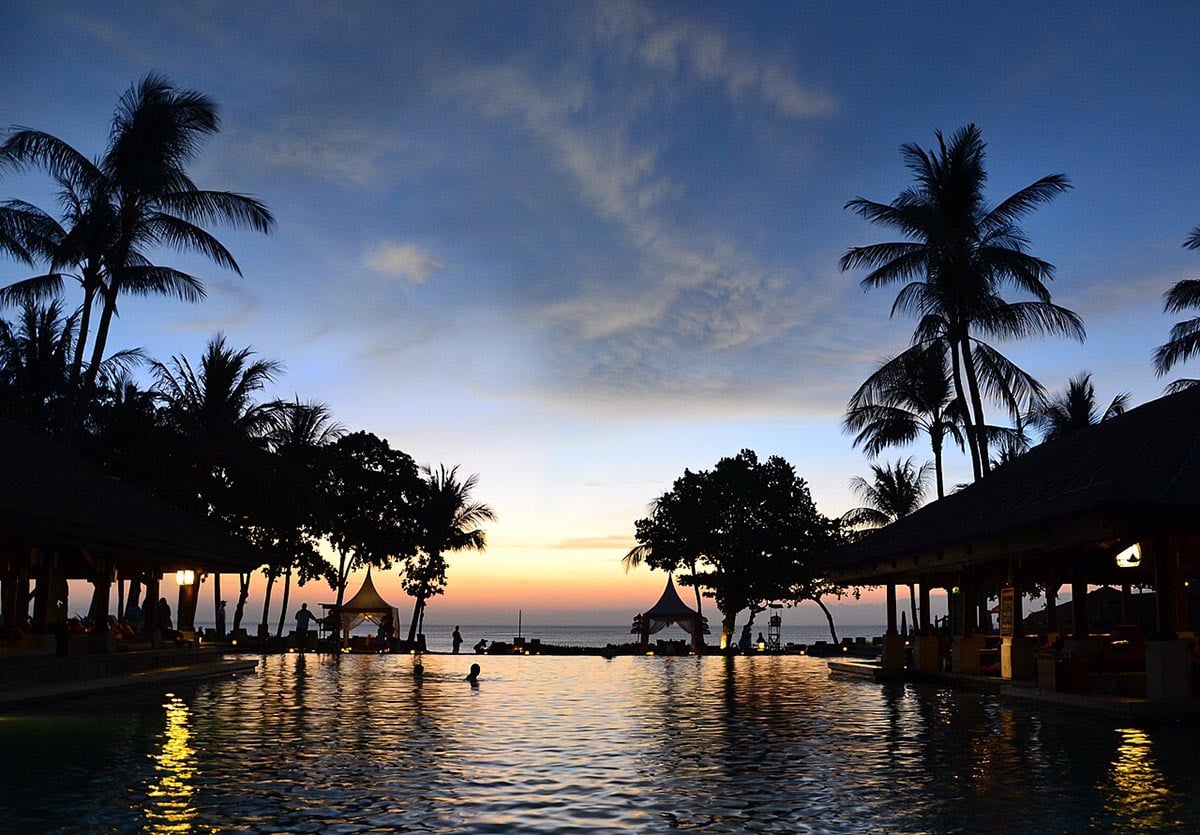
Bali has limited public transportation, so understanding travel options is crucial. Most visitors rely on scooters, ride-hailing apps, or private drivers to explore the island. Traffic can be heavy in tourist areas, so planning extra travel time is important.
Transportation options:
- Scooters & Motorbikes: Rent for ~$5–10/day; convenient for short trips but requires experience and an international driving permit
- Taxis & Ride-Hailing Apps: Grab and Gojek are widely used; fares start around $1–2/km for short rides
- Private Drivers: Cost ~$40–60/day for sightseeing trips; ideal for families or day tours
- Public Transport Reality: Limited buses and shuttle services; often unreliable for tourists, better for locals
Choosing the right transport depends on safety, comfort, and travel style.
5. Where to Stay in Bali
Choosing the right area in Bali shapes your experience. Different regions cater to different travel styles, from first-time visitors to families and honeymooners, with options ranging from budget stays to luxury resorts.
Best Areas for First-Time Visitors:
- Seminyak: Stylish shops, dining, and beaches; ideal for exploring Bali’s modern side
- Hotel Recommendations: The Legian Bali (€€€–€€€€), luxury beachfront hotel; Dash Hotel (€€), modern mid-range option
Best Areas for Families:
- Nusa Dua: Calm, safe beaches and family-friendly resorts
- Accommodation: Grand Mirage Resort (€€€€), all-inclusive; Novotel Bali Nusa Dua (€€–€€€), mid-range
Best Areas for Couples & Honeymooners:
- Ubud: Lush rice terraces, yoga retreats, serene atmosphere
- Accommodation: Alaya Resort Ubud (€€€€), luxury spa retreat; Champlung Sari Hotel (€€–€€€), cozy mid-range
Best Areas for Nightlife:
- Canggu & Kuta: Surf beaches, bars, and cafes; vibrant evening scenes
- Accommodation: Lv8 Resort Hotel (€€€€), luxury modern stay; Kos One Hostel (€€), budget-friendly option
Budget, Mid-Range & Luxury Tips:
- Budget: Guesthouses and hostels €10–€30/night
- Mid-range: Boutique hotels €50–€120/night
- Luxury: Villas and resorts €200–€500+/night
When booking, check proximity to attractions, transport options, and reviews. Family areas benefit from kitchens and pools, while couples may prefer villas with privacy and spa services. Early bookings are recommended during peak season (July–August).
See Also Best Beaches in Spain
6. Top Places to Visit in Bali
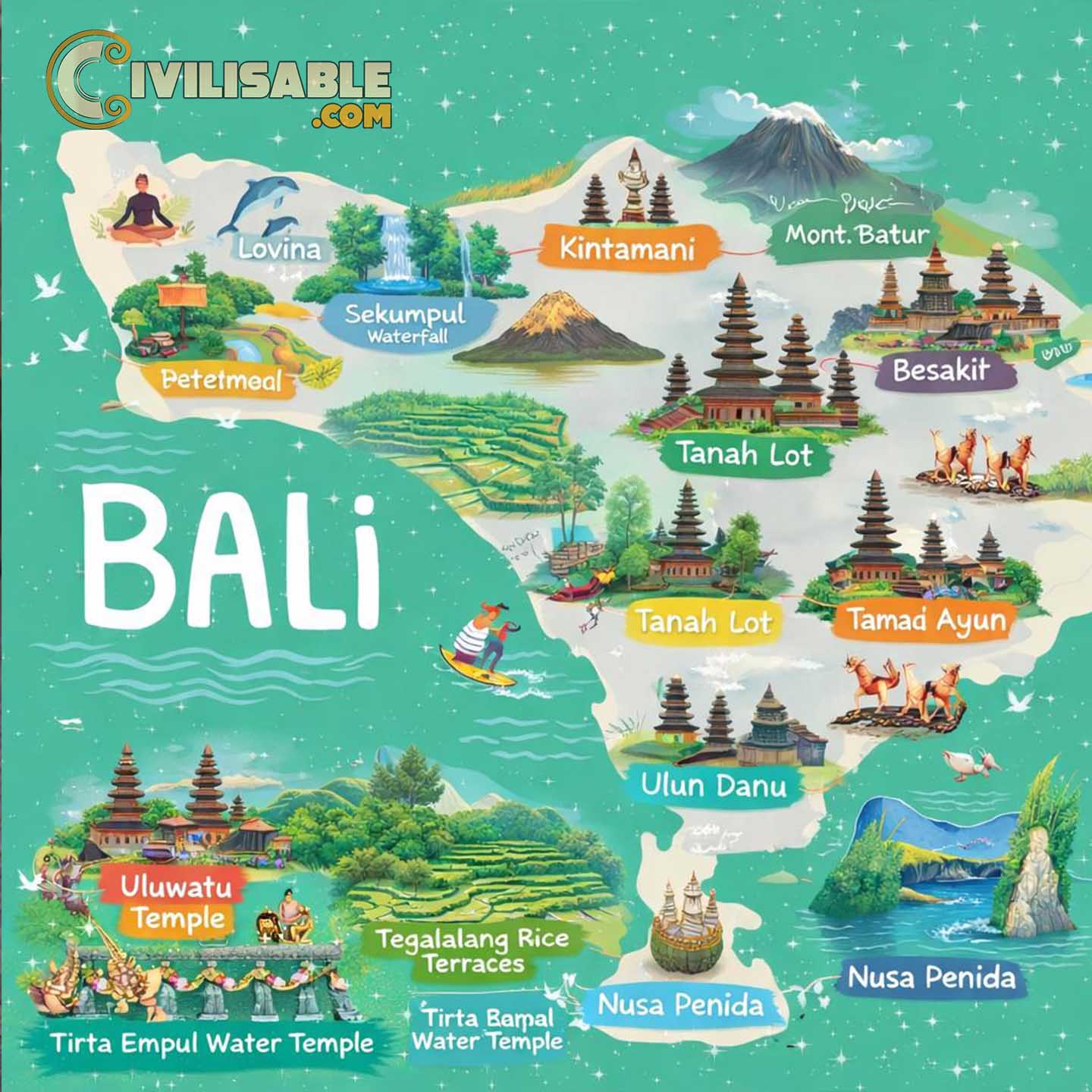
Bali is rich in culture, natural beauty, and adventure, offering a wide variety of experiences for every type of traveler. From iconic temples to scenic rice terraces, pristine beaches, and waterfalls, the island has something for everyone.
Temples and Cultural Sites:
- Uluwatu Temple: Perched on cliffs overlooking the Indian Ocean; famous for Kecak sunset dances
- Tanah Lot Temple: Iconic sea temple; perfect for photography during high tide
- Tirta Empul Water Temple: Holy spring water temple; visitors can participate in purification rituals
- Besakih Temple: Bali’s “Mother Temple,” located on Mount Agung; largest and most sacred
Rice Terraces and Nature:
- Tegallalang Rice Terraces: Iconic green terraces near Ubud; great for photography and short hikes
- Jatiluwih Rice Terraces: UNESCO World Heritage site; expansive Subak irrigation system
- Campuhan Ridge Walk: Scenic hill walk with lush landscapes; ideal for sunrise or sunset strolls
Beaches and Coastal Areas:
- Kuta Beach: Famous for surfing and lively atmosphere
- Seminyak Beach: Stylish area with dining, shopping, and sunset views
- Nusa Dua: Calm waters, perfect for swimming and family-friendly resorts
- Padang Padang Beach: Small cove with clear water and cliffside views
Waterfalls and Scenic Spots:
- Tegenungan Waterfall: Easily accessible waterfall near Ubud; swimming permitted
- Sekumpul Waterfall: Remote multi-tier waterfall; ideal for adventurous visitors
- Gitgit Waterfall: Surrounded by lush jungle; easy walk from parking area
- Mount Batur Sunrise Hike: Active volcano offering panoramic sunrise views
When visiting temples, wear modest clothing. For rice terraces and waterfalls, bring comfortable shoes, water, and insect repellent. Early mornings are best to avoid crowds and enjoy cooler temperatures.
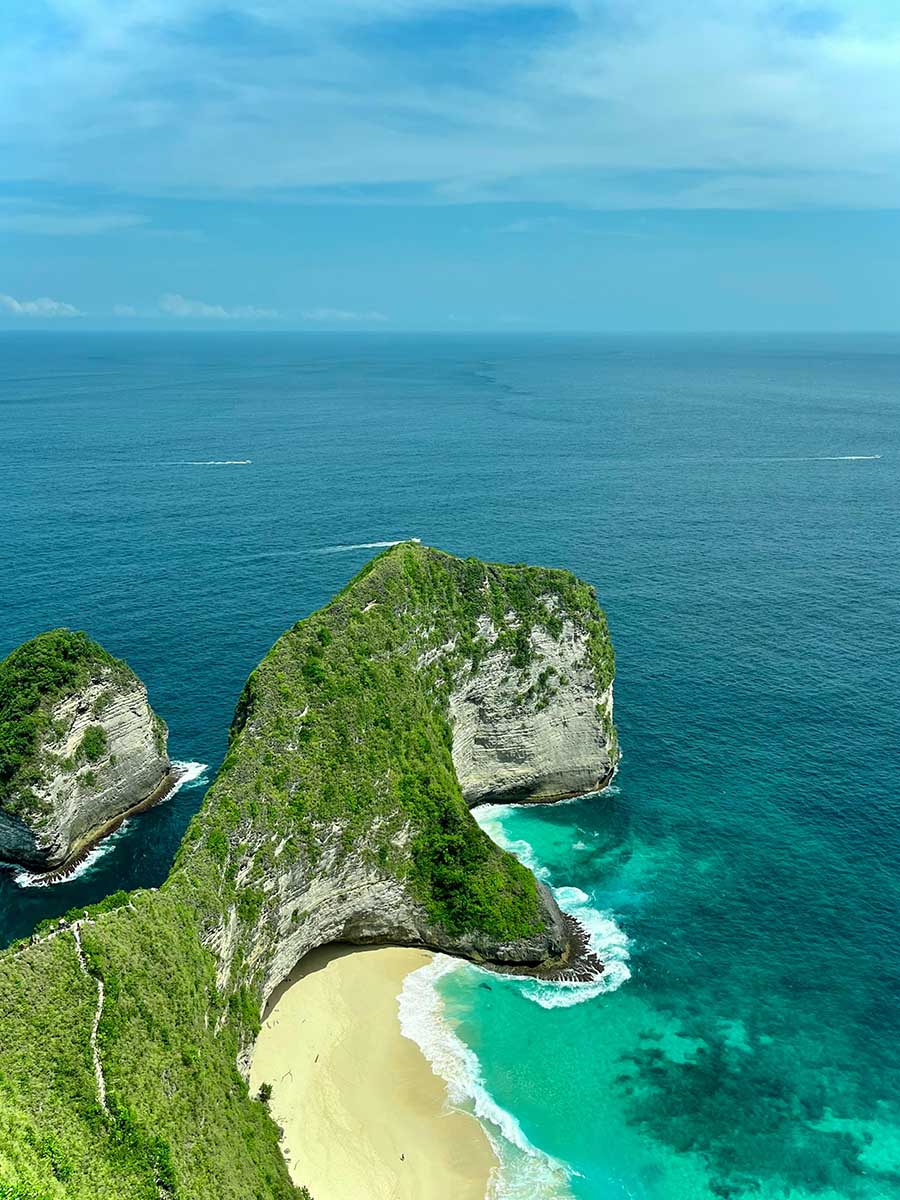
According to the “Top Tourist Attractions in Bali – Complete Guide 2026” article, Bali’s must‑see sights include iconic temples like Uluwatu and Tanah Lot, cultural sanctuaries such as Ubud Monkey Forest, dramatic coastal views at Kelingking Beach on Nusa Penida, and scenic rice terraces like Tegallalang & Jatiluwih — all offering a rich blend of culture, nature, and adventure.
7. Things to Do in Bali
Bali offers an incredible mix of cultural, adventurous, and relaxing activities, making it perfect for every traveler. Whether you want to explore traditional customs, enjoy adrenaline-filled adventures, or simply unwind, Bali delivers unforgettable experiences.
Cultural Experiences:
- Visit Ubud Monkey Forest and local temples
- Attend a Kecak dance performance at Uluwatu
- Explore traditional Balinese villages to learn crafts and ceremonies
Adventure and Outdoor Activities:
- Surfing at Kuta or Canggu beaches
- Snorkeling and diving around Nusa Penida or Menjangan Island
- Mount Batur sunrise hike for panoramic volcanic views
- ATV rides through rice terraces and jungle trails
Wellness, Yoga, and Spas:
- Take yoga classes in Ubud or Canggu
- Enjoy traditional Balinese massages and spa treatments
- Wellness retreats offering detox programs and meditation sessions
Shopping and Markets:
- Ubud Art Market for handmade crafts and souvenirs
- Seminyak boutiques for designer clothing and home décor
- Local night markets for street food and affordable gifts
Bali’s mix of culture, adventure, wellness, and shopping ensures travelers can tailor their experiences to match their interests and energy levels.
8. Bali Food Guide
Bali’s culinary scene is vibrant, combining traditional Indonesian flavors with international influences. From local warungs (small eateries) to upscale restaurants, the island offers a wide variety of dining experiences for all budgets and tastes.
Must-Try Local Dishes:
- Nasi Goreng: Indonesian fried rice, often served with a fried egg
- Mie Goreng: Stir-fried noodles with vegetables and meat or seafood
- Babi Guling: Balinese-style roast pork, a ceremonial specialty
- Satay: Skewered grilled meat with peanut sauce
Street Food vs Restaurants:
- Street food: Affordable, authentic, available at warungs and night markets; popular for snacks and local dishes
- Restaurants: Offer international cuisine, air-conditioned comfort, and a wider menu; prices vary from mid-range to luxury
Vegetarian and Vegan Options:
- Bali has a growing plant-based scene, especially in Ubud and Canggu
- Many cafes offer smoothie bowls, tempeh dishes, and vegan Balinese meals
Food Safety Tips:
- Drink bottled or filtered water only
- Choose busy vendors for freshness
- Wash hands before eating
- Avoid raw salads and ice from unknown sources
Bali’s food is an essential part of the travel experience, providing authentic flavors, diverse options, and healthy plant-based choices.
9. Travel Costs and Budget in Bali

Bali is widely regarded as an affordable destination, but expenses vary depending on travel style, season, and activities. Understanding costs ahead of time helps you plan a realistic budget and enjoy the island without surprises.
Daily Budget Breakdown:
- Budget travelers: $30–$50/day. Ideal for hostels, local food, and scooters.
- Mid-range travelers: $60–$120/day. Covers boutique hotels, mid-range restaurants, day trips, and occasional private driver hire.
- Luxury travelers: $200+/day. Includes private villas, spa treatments, guided tours, and fine dining experiences.
Accommodation Costs:
- Hostels & guesthouses: $10–$30/night for shared rooms or basic private rooms
- Mid-range hotels & boutique stays: $50–$120/night, often with breakfast and modern amenities
- Luxury resorts & private villas: $200–$500+/night, with pools, ocean views, and concierge services
Food and Transport Costs:
- Local food: $1–$3 per meal at warungs (street food)
- Restaurants: $5–$20 per meal, depending on location and type of cuisine
- Scooter rentals: $5–$10/day, fuel extra
- Taxis/Grab/Gojek: $1–$2/km; convenient for short distances
- Private driver for day trips: $40–$60/day
Money-Saving Tips:
- Eat at local warungs for cheap and authentic meals
- Rent scooters for flexibility and lower transport costs
- Travel during shoulder season (April–June, September) to avoid high accommodation prices
- Book accommodation and tours in advance online for discounts
- Avoid high-priced tourist areas like Seminyak and Ubud’s main streets for dining
- Share private drivers or join small group tours to reduce daily costs
With careful planning, Bali can suit a wide range of budgets. Budget travelers can enjoy beaches, temples, and cultural activities for under $50/day, while mid-range travelers can experience boutique hotels, excursions, and spa treatments comfortably. Luxury travelers benefit from private villas, exclusive tours, and premium dining, making Bali flexible for all types of travelers.
10. What to Pack for Bali
Packing smart is essential for Bali’s tropical climate, diverse activities, and cultural sites. The right gear ensures comfort, safety, and readiness for adventure, while respecting local customs.
Clothing Essentials:
- Lightweight, breathable clothes for hot and humid weather
- Modest outfits (long skirts or pants, covered shoulders) for visiting temples
- Swimwear for beaches and pools
- Light jacket or raincoat for sudden showers
Beach and Adventure Gear:
- Flip-flops or sandals for beaches
- Comfortable walking shoes for hiking, rice terraces, and waterfalls
- Snorkeling gear if you prefer using your own
- Water shoes for rocky beaches or waterfalls
Health and Personal Items:
- Reef-safe sunscreen and insect repellent
- Personal medications and basic first-aid kit
- Hand sanitizer and wet wipes
- Reusable water bottle to stay hydrated
Electronics and Travel Gear:
- Power adapter (Type C/F, 220V)
- Camera or GoPro for capturing landscapes and underwater scenes
- Portable power bank for long days exploring
- Waterproof phone case for beaches and waterfalls
Optional items include lightweight daypacks, sarongs for temples, and snorkeling fins. Bali’s hot, humid climate makes breathable, quick-dry clothing essential. Respecting temple dress codes, staying sun-safe, and being prepared for water activities ensures a smooth and enjoyable trip. With careful packing, you can enjoy beaches, cultural sites, adventure, and relaxation without inconvenience.
See Also Best Places to Travel With Kids
11. Health and Safety in Bali
Bali is generally safe, but travelers should take precautions to ensure a smooth trip. Proper preparation helps avoid common issues and emergencies.
Travel Insurance:
- Essential for accidents, medical emergencies, theft, or cancellations
- Covers scooter accidents, hospital visits, and adventure activities
Common Scams:
- Overpriced taxis or unlicensed drivers
- Tour guides charging extra for standard services
- Vendors inflating prices for tourists; always confirm costs beforehand
Medical Facilities:
- Private hospitals and clinics in tourist areas offer reliable care
- Pharmacies widely available for minor ailments
- Emergency services are accessible, but remote areas may have limited options
Water and Food Safety:
- Drink bottled or filtered water only
- Avoid ice from untrusted sources
- Eat freshly cooked food from reputable warungs and restaurants
- Wash hands regularly
By staying aware, following basic precautions, and using travel insurance, travelers can enjoy Bali safely and comfortably.
12. Cultural Etiquette and Local Customs

Bali is a deeply spiritual island, and respecting local customs enhances your travel experience. Understanding temple etiquette, daily rituals, and social norms helps avoid misunderstandings and shows respect to Balinese culture.
Temple Dress Code:
- Wear modest clothing covering shoulders and knees
- Sarongs and sashes are often provided at major temples
- Remove hats and shoes before entering sacred areas
Do’s and Don’ts:
- Do: Greet locals politely, use right hand for giving or receiving items
- Don’t: Touch someone’s head, step over offerings, or point feet at religious artifacts
- Do: Take off shoes when entering homes or temples
- Don’t: Public displays of anger or disrespectful gestures
Respecting Balinese Traditions:
- Observe daily offerings placed on streets and entrances
- Participate in ceremonies respectfully if invited
- Avoid interfering with religious rituals or photography without permission
Following these guidelines ensures a culturally immersive and respectful Bali experience.
13. Internet, SIM Cards, and Connectivity
Staying connected in Bali is relatively easy, whether for navigation, communication, or work. Both locals and tourists rely on mobile data, Wi-Fi, and eSIMs to stay online, but understanding options helps save money and avoid frustration.
SIM Card Options:
- Main providers: Telkomsel, XL, Indosat Ooredoo
- Prepaid SIMs widely available at the airport, convenience stores, or official shops
- Packages start around $5–10 for 5–10 GB, valid 7–30 days
eSIM vs Physical SIM:
- eSIM: Convenient for travelers with compatible phones; easy activation via QR code
- Physical SIM: Traditional option; can be swapped in your device and shared easily with multiple phones
Wi-Fi Availability:
- Most hotels, cafes, and restaurants offer free Wi-Fi
- Speeds vary, slower in remote areas
- Cafes in Ubud, Canggu, and Seminyak often provide reliable connections for digital nomads
Carrying both options ensures uninterrupted connectivity throughout your Bali trip.
14. Bali Travel Tips

Bali is an enchanting destination, but first-time visitors can benefit greatly from practical guidance. Understanding transportation, money, and responsible tourism ensures a smooth and enjoyable trip while respecting local culture.
First-Time Visitor Tips:
- Plan your itinerary: Balance temples, beaches, and cultural experiences to avoid burnout
- Start early: Popular attractions like Uluwatu Temple, Tegallalang Rice Terraces, and Mount Batur sunrise hikes are best visited early to avoid crowds and heat
- Respect local customs: Dress modestly at temples and always use the right hand for giving or receiving items
- Stay hydrated and sun-protected: Bali is hot and humid year-round
Transportation Advice:
- Scooter rentals: ~$5–10/day, convenient for short trips, but always wear a helmet and carry an international driving permit
- Ride-hailing apps: Grab and Gojek are inexpensive and safe for taxis, food delivery, or short rides
- Private drivers: ~$40–60/day for sightseeing; ideal for families or full-day tours
- Traffic tips: Allow extra travel time, especially in Seminyak, Kuta, and Ubud
Money and Payment Tips:
- Cash vs cards: Cash (IDR) is widely used; ATMs are available in tourist areas
- Budgeting: Expect $30–50/day for budget travelers, $60–120 for mid-range, $200+ for luxury
- Bargaining: Common in markets, but avoid aggressive haggling
- Currency exchange: Use licensed money changers or banks to avoid scams
Responsible Tourism Tips:
- Avoid touching sacred offerings or stepping over them
- Respect wildlife, especially monkeys in Ubud Monkey Forest
- Limit plastic usage; carry a reusable water bottle and eco-friendly bags
- Support local businesses by buying handicrafts directly from artisans
- Follow trail markers and stay on paths at rice terraces and waterfalls
By following these travel tips, visitors can navigate Bali efficiently, enjoy its cultural and natural attractions safely, and leave a positive impact on the local community and environment. Planning, awareness, and respect make Bali a magical and stress-free destination.
According to the “Bali Travel Tips: Things to Know Before You Go” article by Rough Guides, Bali is a traveler-friendly destination where understanding seasons, local transport, and basic health precautions makes a big difference. The article highlights the dry season as ideal, recommends caution with scooters, and emphasizes respecting local customs for a smoother trip.
15. Suggested Bali Itineraries
Bali offers endless experiences, but planning your trip based on duration helps maximize sightseeing, relaxation, and adventure. Below are suggested itineraries for different lengths of stay.
3 Days in Bali:
- Day 1: Explore Ubud Monkey Forest, Tegallalang Rice Terraces, and Ubud Palace; enjoy local cafes and art markets
- Day 2: Visit Tanah Lot and Taman Ayun Temple, then relax at Seminyak Beach or Canggu for sunset
- Day 3: Sunrise hike at Mount Batur, followed by a visit to Tirta Empul Water Temple and nearby hot springs
5 Days in Bali:
- Follow the 3-day itinerary, then:
- Day 4: Day trip to Nusa Penida for Kelingking Beach and Angel’s Billabong
- Day 5: Explore southern beaches like Uluwatu, enjoy the Kecak Dance at sunset, and try local seafood
7–10 Days in Bali:
- Extend the 5-day itinerary with:
- Visits to north Bali waterfalls (Sekumpul, Gitgit)
- Time in Amed or Lovina for snorkeling and dolphin watching
- Wellness and yoga retreat days in Ubud or Canggu
- Optional trips to neighboring islands such as Lembongan or Menjangan for diving
Tips: Start early to avoid crowds, hire private drivers for full-day trips, and allow downtime to enjoy beaches or spa sessions. Longer stays let you balance culture, adventure, relaxation, and wellness without feeling rushed.
See Also Beaches in Mexico
16. Common Mistakes to Avoid in Bali

Bali is a dream destination, but first-time travelers often make avoidable mistakes that can affect their experience. Being aware of these pitfalls ensures a smoother, safer, and more enjoyable trip.
Ignoring Cultural Etiquette:
- Dressing inappropriately at temples, such as wearing shorts or sleeveless tops, can be disrespectful
- Touching sacred offerings or stepping over them is considered rude
- Not removing shoes when entering homes or certain temples
Overpacking or Underpacking:
- Carrying heavy luggage while exploring rice terraces, beaches, and waterfalls is inconvenient
- Forgetting essentials like sunscreen, insect repellent, or a reusable water bottle can disrupt your trip
- Not bringing proper shoes for hiking, trekking, or temple visits
Transportation Missteps:
- Renting a scooter without experience or an international driving permit increases accident risk
- Ignoring traffic congestion in areas like Seminyak or Kuta can lead to delays
- Overreliance on taxis in remote areas can be costly; ride-hailing apps or private drivers are often cheaper
Money and Budget Mistakes:
- Failing to carry enough cash for smaller vendors or rural areas
- Using unlicensed money changers increases risk of scams
- Not checking exchange rates or ignoring local bargaining etiquette
Health and Safety Errors:
- Drinking tap water instead of bottled or filtered water
- Swimming at unsafe beaches or during rough tides
- Ignoring mosquito protection or sun exposure
Tourist Behavior:
- Disrespecting wildlife, especially monkeys at Ubud Monkey Forest
- Crowding popular attractions without patience
By avoiding these mistakes, travelers can enjoy Bali safely, respectfully, and fully, making the most of its beaches, culture, adventure, and natural beauty without unnecessary stress or mishaps.
Bali Travel Guide: A Recap
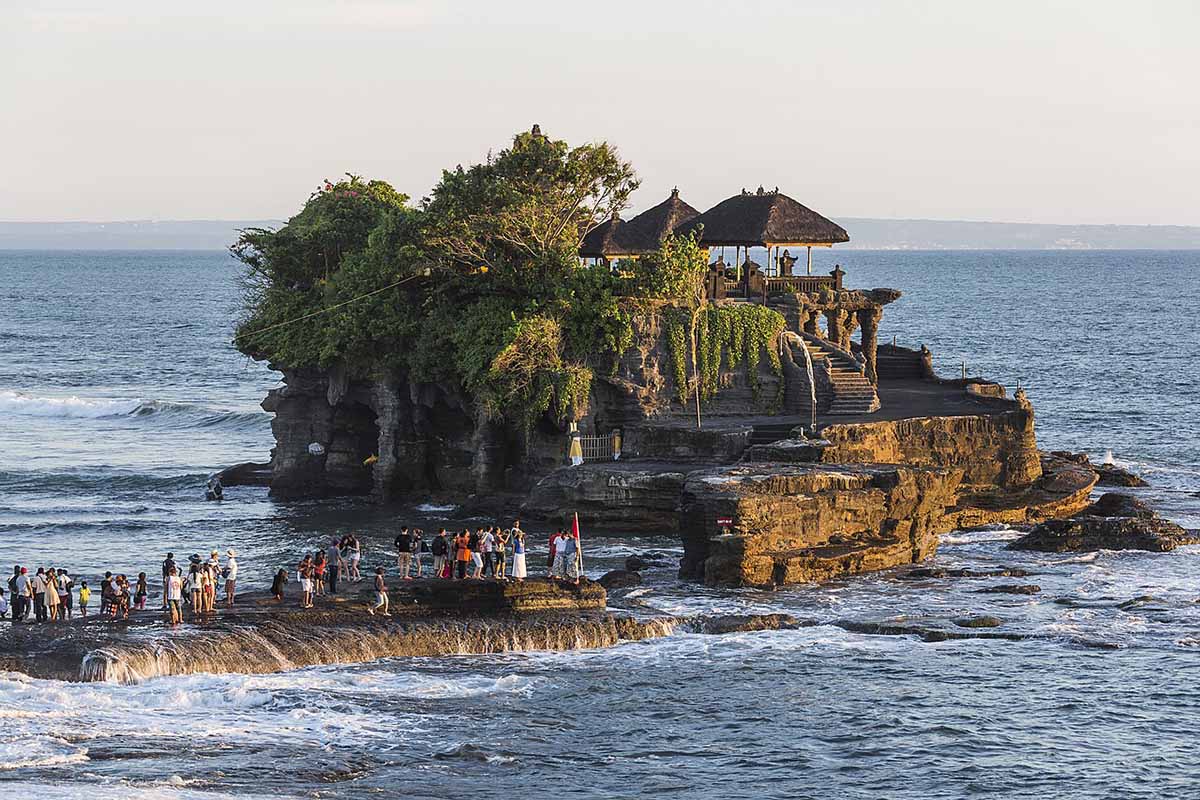
Bali is a destination that offers a perfect mix of culture, nature, adventure, and relaxation. From ancient temples and lush rice terraces to stunning beaches and vibrant local markets, the island suits every type of traveler.
With affordable accommodation, diverse food options, and flexible transport choices, Bali is easy to explore on any budget. Planning ahead—knowing when to visit, what to pack, and how to respect local customs—makes the experience smoother and more rewarding.
During my stay in Ubud, waking up to misty rice fields and the sound of temple bells was unforgettable. It felt peaceful yet deeply cultural, reminding me why Bali leaves such a lasting impression on visitors.
FAQ