

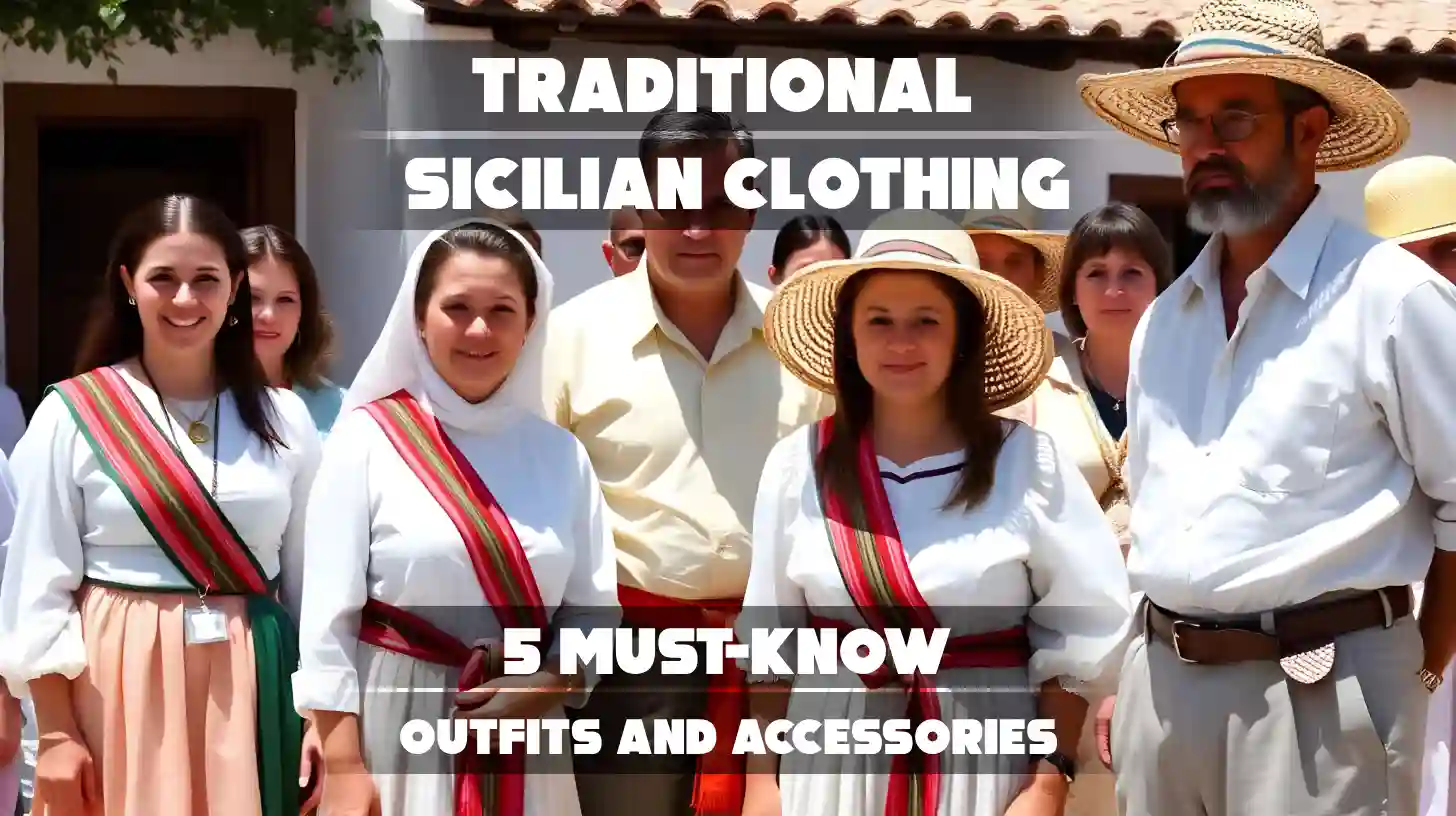

Have you ever been captivated by the vibrant traditional Sicilian clothing, wondering what those colorful garments truly represent? Do you feel curious about your roots or eager to explore your Italian heritage on a deeper level?
You’re not alone. Many people today are seeking to reconnect with their family history, but they’re unsure where to start.
That’s where this guide comes in. With a deep knowledge of traditional Sicilian clothing, we’ll walk you through:
- The significance behind the clothing
- How styles varied across regions
- What men and women traditionally wore
- The artistry and materials used
I remember once visiting a small Sicilian village and seeing a local elderly woman wearing a beautifully embroidered apron. It wasn’t just a piece of clothing—it told a story.
By the end of this guide, you’ll understand how these garments are not just fabric, but living pieces of Sicilian history.
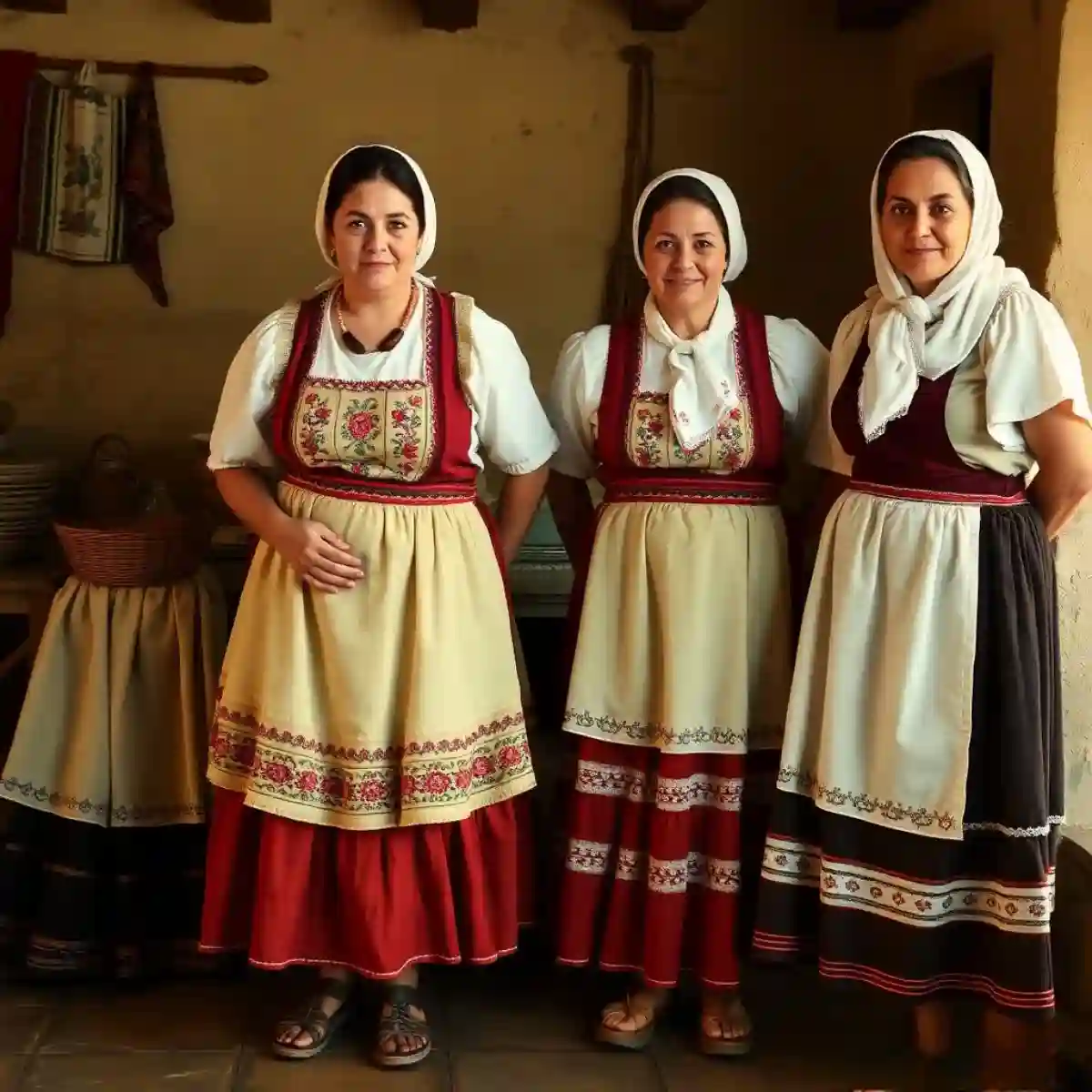
Origins of Traditional Sicilian Clothing
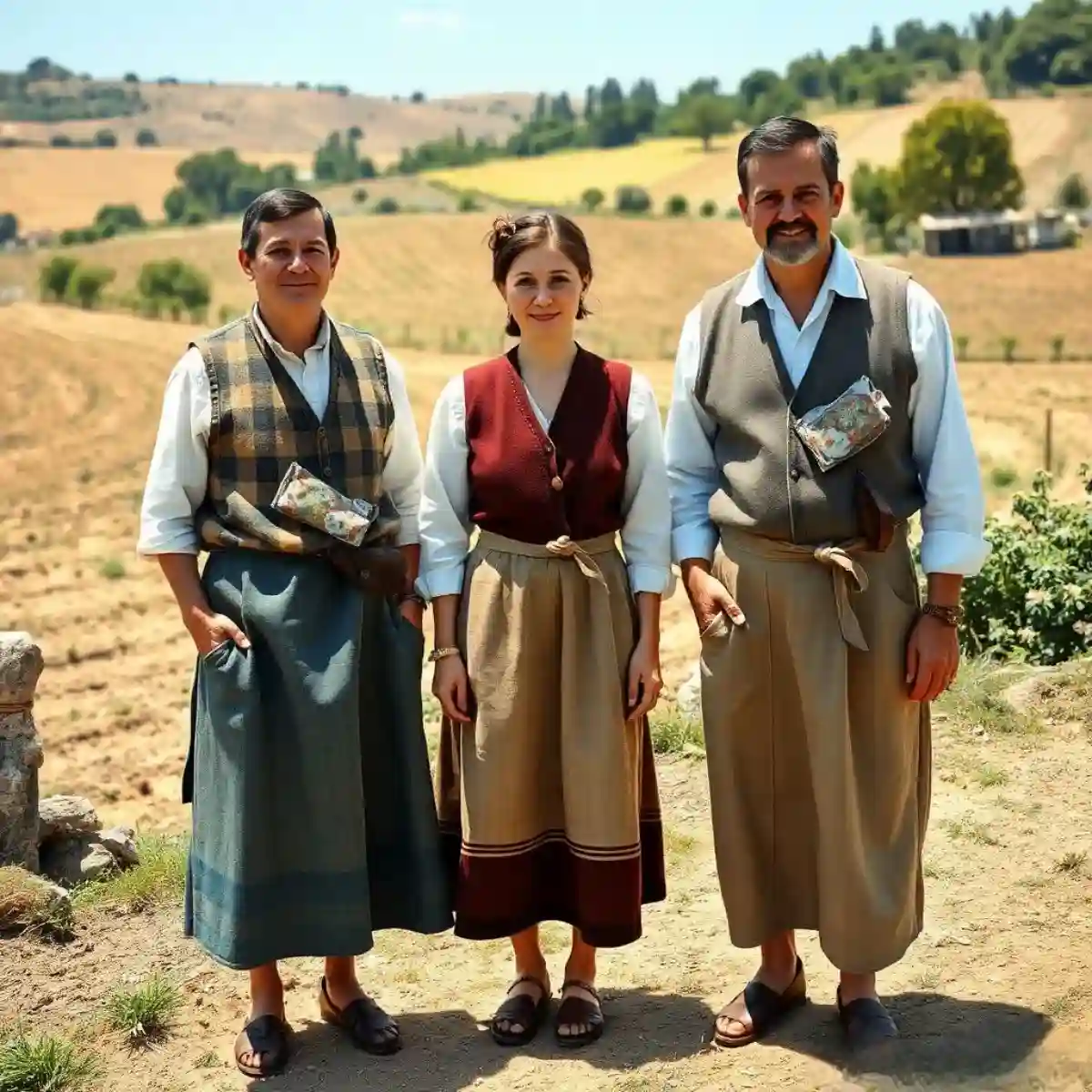
Traditional Sicilian clothing has evolved through centuries of cultural influences, shaped by the island’s unique geography and complex history of invasions and cultural exchange. Initially influenced by the ancient Greeks, who brought draped garments like tunics made of linen and wool, traditional Sicilian attire began to take form.
The Greek presence in Sicily during the 8th century BC introduced lightweight fabrics suited to the island’s warm climate.
The Arab rule in the 9th century left a significant mark, with the introduction of luxurious fabrics such as silk and cotton, intricate embroidery, and vibrant colors that continue to feature prominently in traditional Sicilian clothing today.
Following the Arab period, Norman and Spanish influences brought about more structured and aristocratic styles, with the wealthy wearing fine velvet and brocade. This led to the development of more formal garments, including corsets for women and elaborate headpieces.

Sicilian peasant clothing, designed for daily labor, featured practical long skirts, shawls, aprons, and loose shirts for men, made from durable materials like wool and linen. The Catholic Church also influenced attire, especially during religious ceremonies and festivals. Regional diversity in Sicily further shaped clothing styles, with coastal areas adopting lighter fabrics and mountainous regions favoring heavier layers.
Traditional Sicilian clothing comes from the rural life of Sicily. It was shaped by farming, religion, and local customs. Clothes were often handmade using linen and wool. Men wore short pants, shirts, and vests. Women dressed in skirts, aprons, and blouses. A kerchief was usually worn on the head.
The style changed slightly in each town. In places like Palermo and Piana degli Albanesi, you can still see these clothes during festivals. This traditional dress shows the strong connection between Sicilian people, their land, and their past.
According to the study Textile Activity and Cultural Identity in Sicily, textile production in ancient Sicily was deeply intertwined with cultural identity. The article examines how weaving techniques and textile practices reflected social status, gender roles, and regional interactions, highlighting the significance of clothing as an expression of cultural heritage.
See Also Italian Women’s Fashion
Notable Traditional Sicilian Costume
1. The Coppola and Traditional Headwear
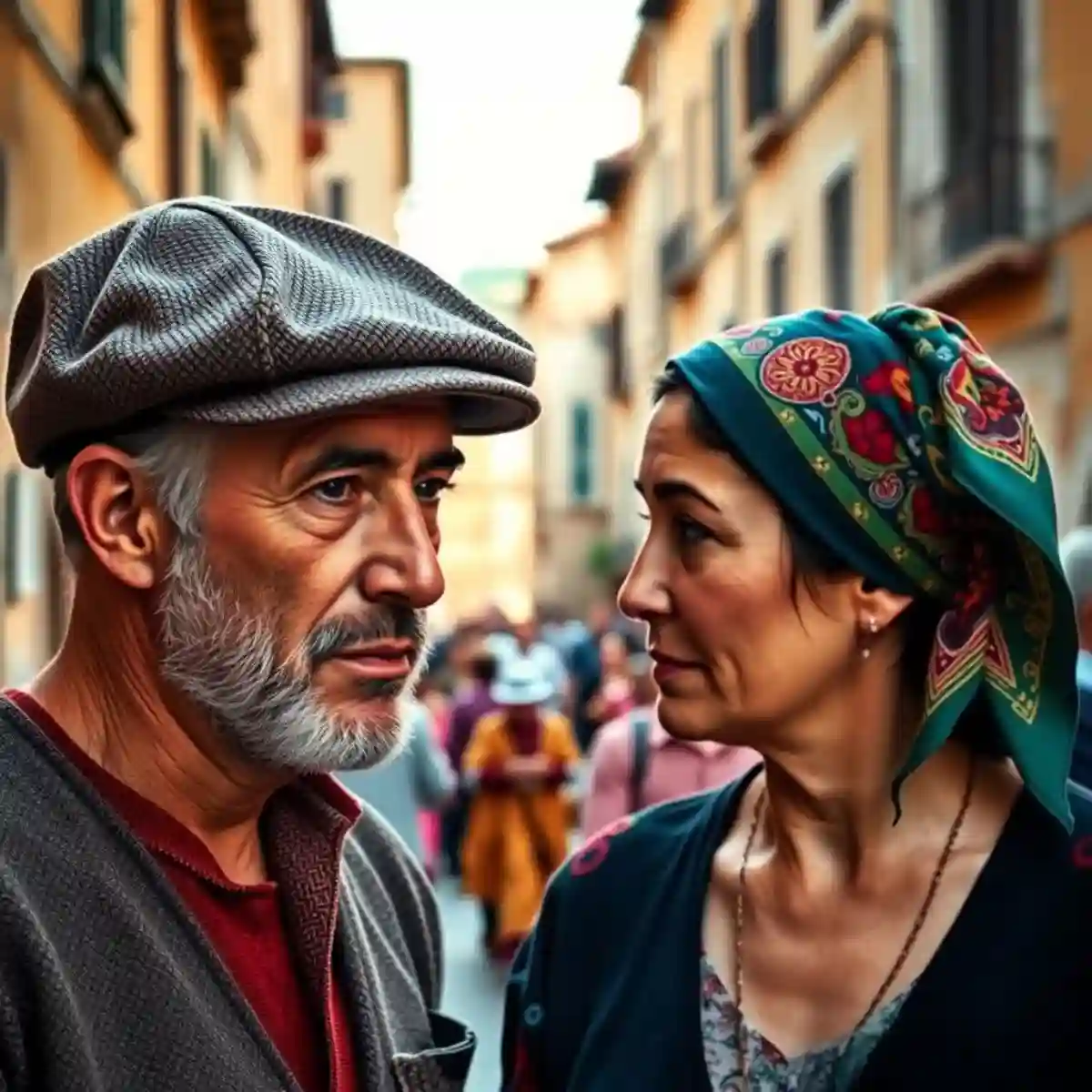
The Coppola is a classic flat cap worn by Sicilian men, made from wool or cotton. It became popular in the 19th century and remains a symbol of Sicilian style and pride. Women traditionally wore a kerchief, called a “fazzoletto,” tied around their heads, which was both practical and respectful during festivals and church.
In places like Palermo and Piana degli Albanesi, these pieces of traditional Sicilian clothing are still worn today during cultural events. These items represent the true roots and peasant art of Sicily’s rich heritage.
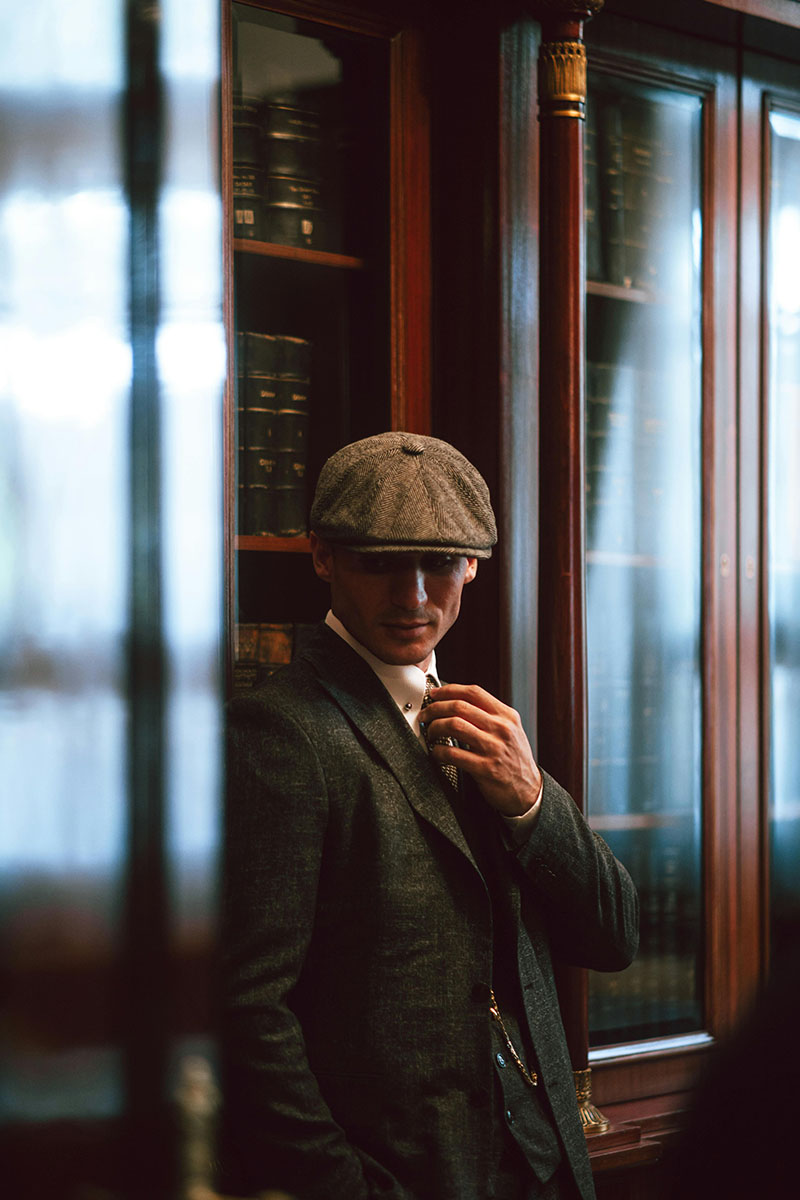
At a traditional Sicilian event, I noticed a man wearing a classic Coppola cap. His attire was simple yet elegant, with a dark vest and loose pants. The Coppola added a touch of authenticity, embodying the essence of Sicilian pride and heritage.
2. The Sicilian Folk Dress (Costume Tradizionale)
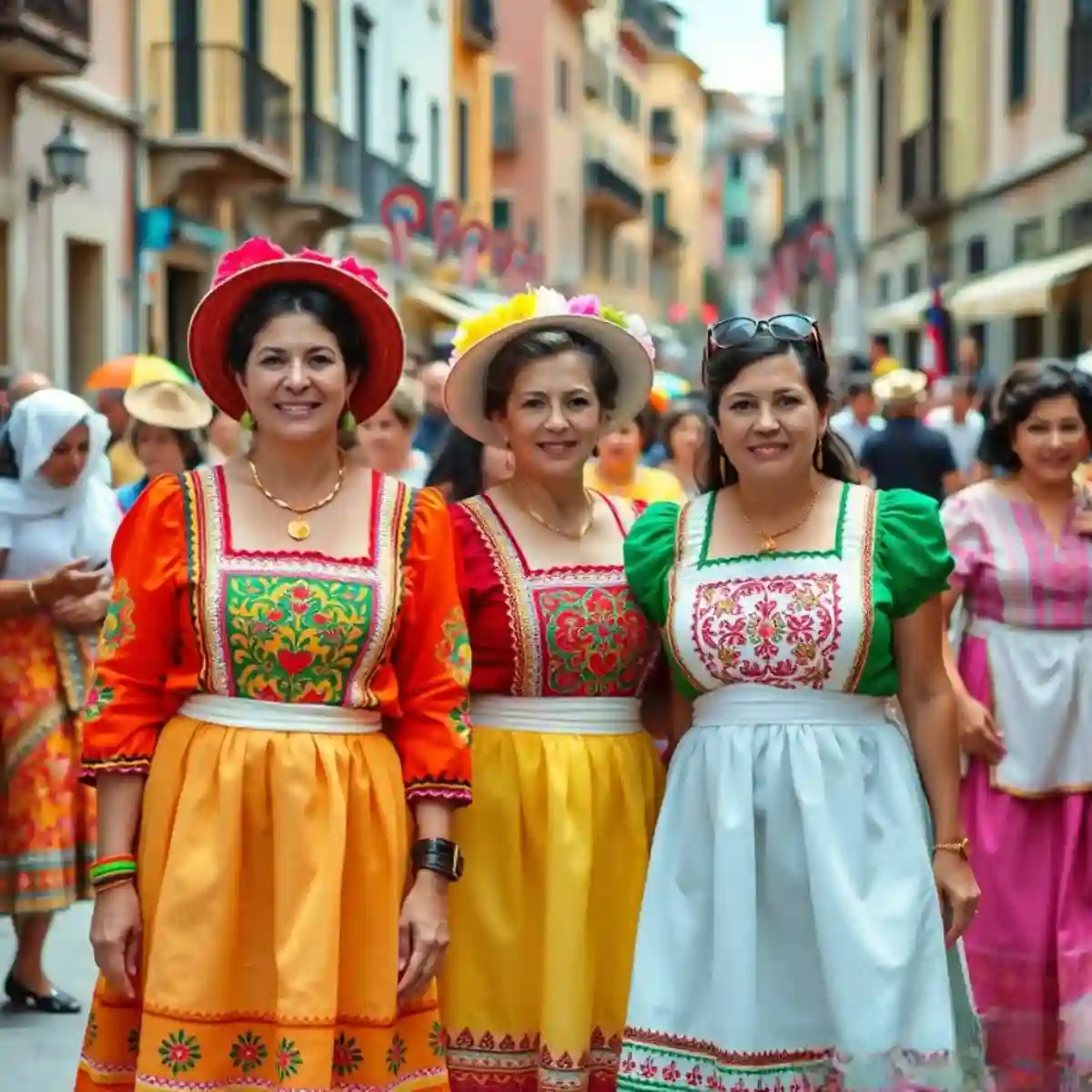
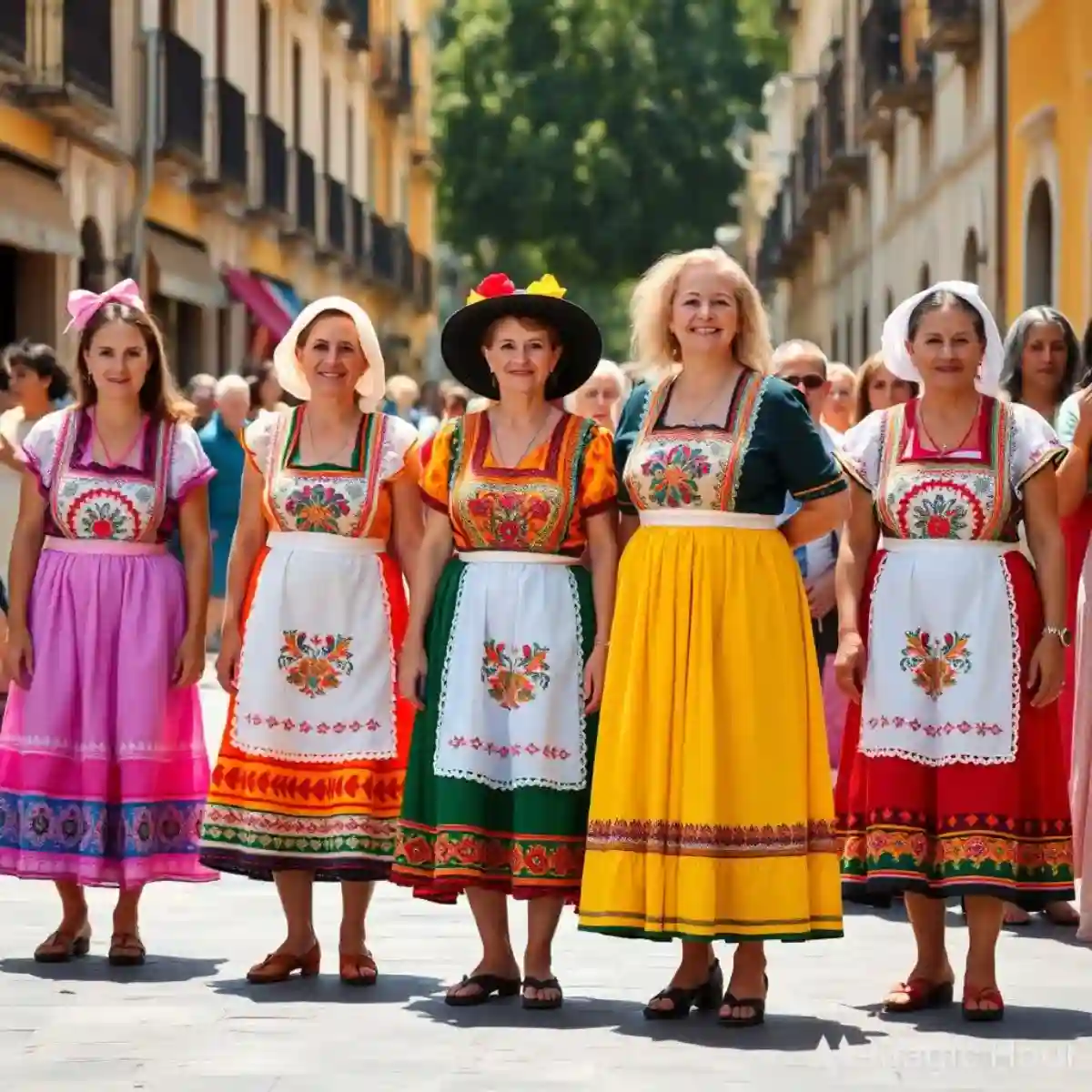
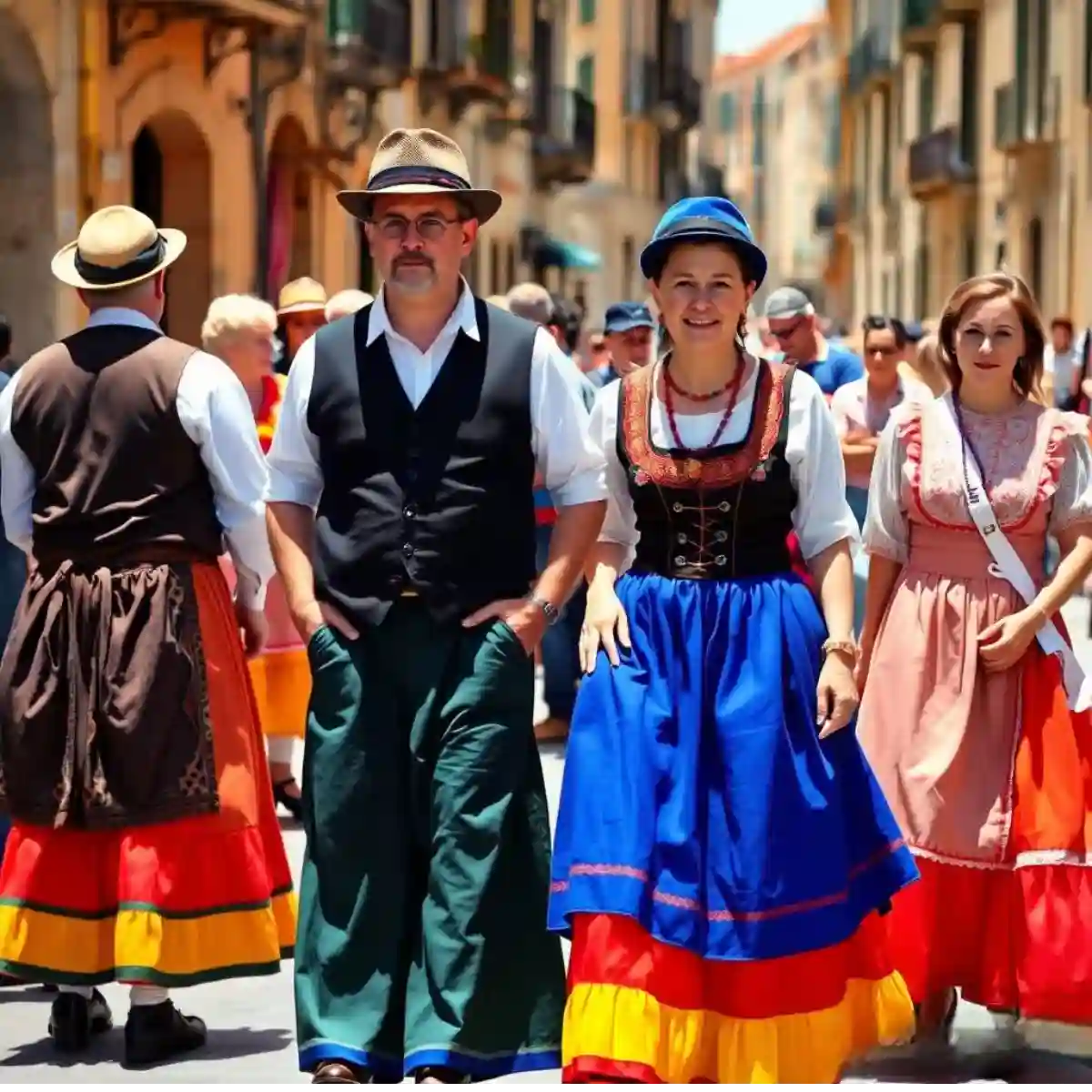
The Sicilian costume shows how people dressed in old Sicily. It often includes handmade clothes with colorful embroidery, made from local fabric. This traditional Sicilian clothing was worn during festivals and special days. The clothes changed by town but shared the same base: strong, simple materials and bright colors.
Women wore skirts, aprons, and blouses. Men had vests, shirts, and short pants. In Palermo and nearby towns, this traditional dress is still worn today. The costume tells a story of peasant costume, family, and daily life in Sicily. It keeps the history and spirit of Sicilian clothing alive.
3. The Sicilian Men’s Attire
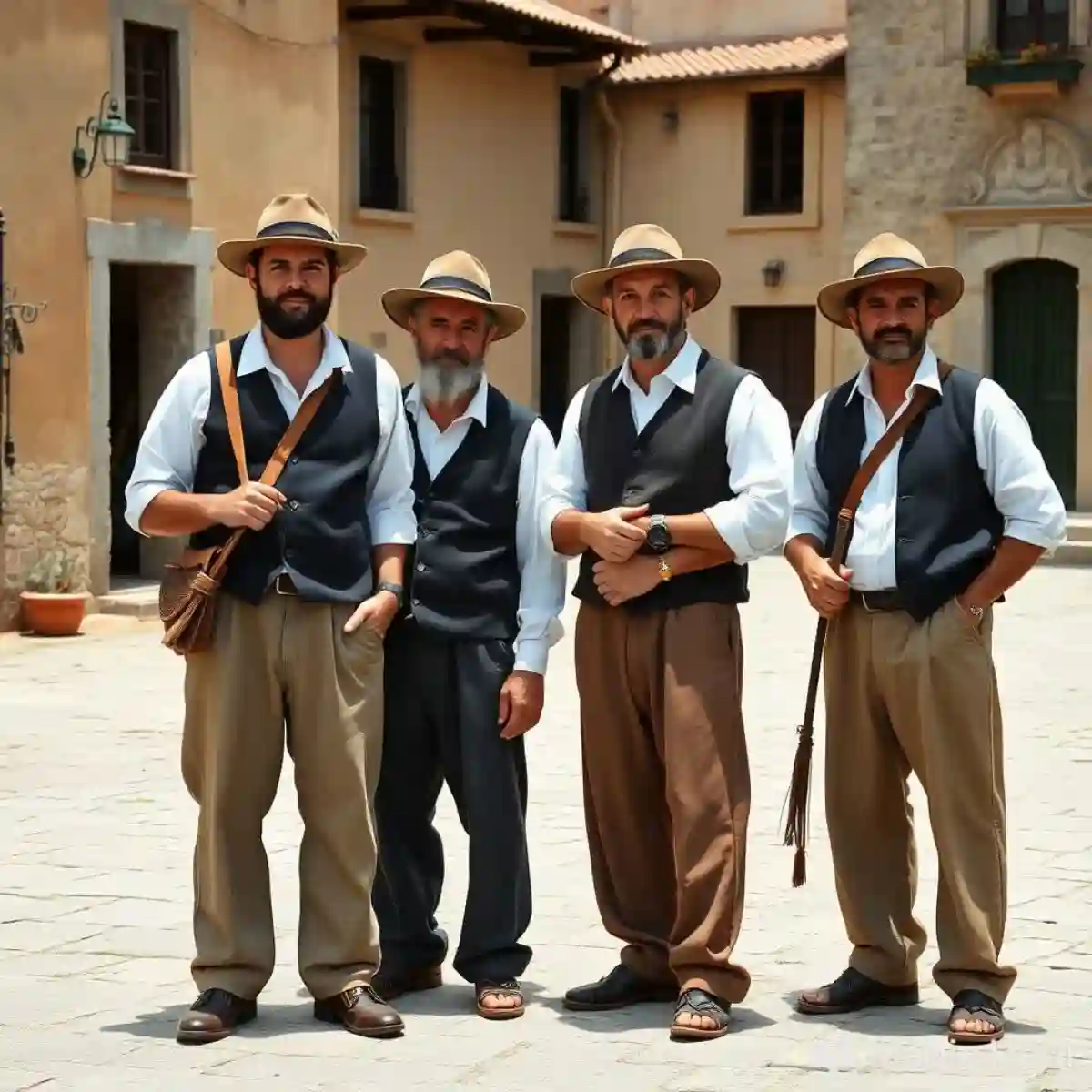
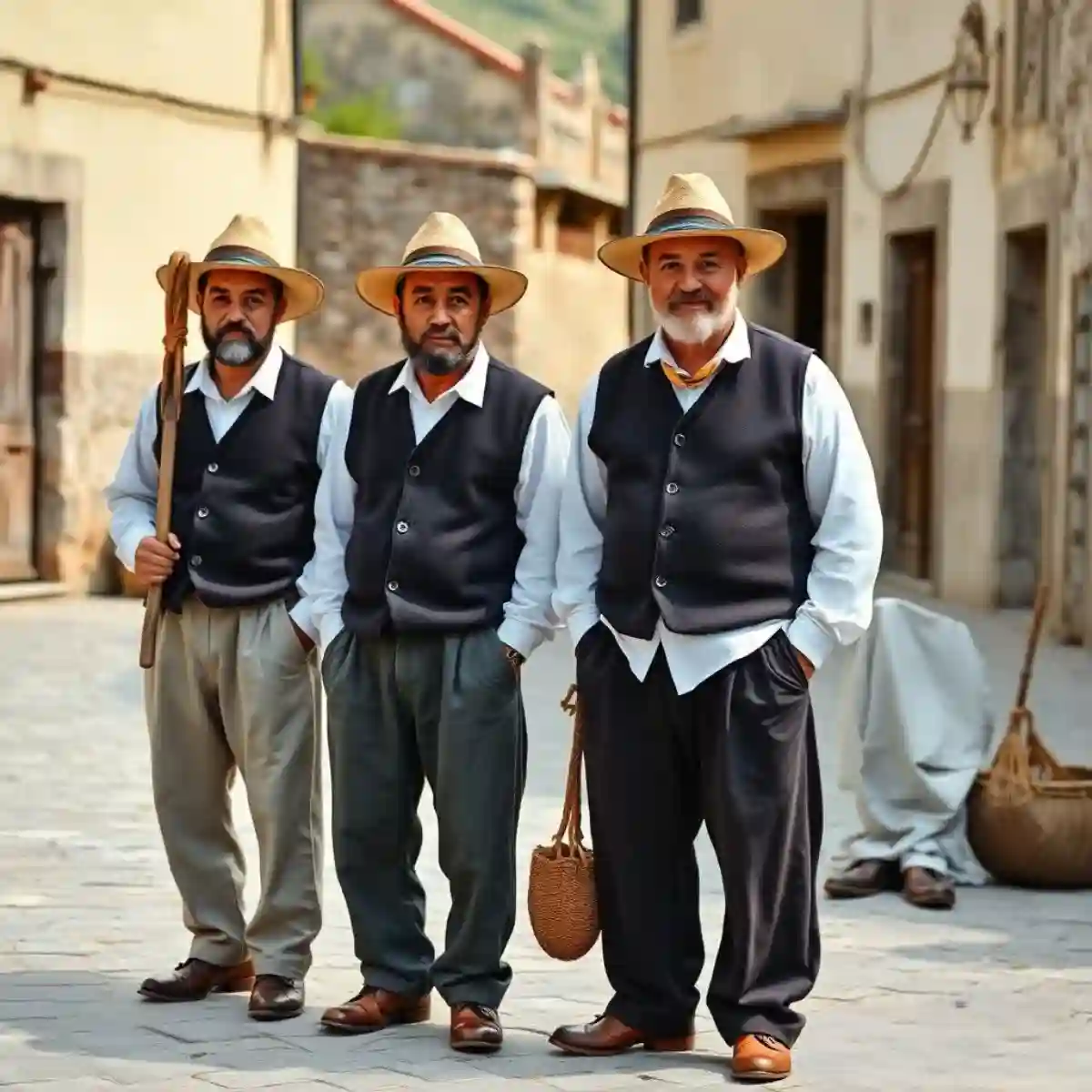
Here are the key elements of the Sicilian men’s attire with their traditional names:
- Camicia (White Shirt): A basic, practical garment often worn as a base layer.
- Gilet (Dark Vest): Typically worn over the shirt, providing an extra layer of warmth and formality.
- Pantaloni larghi (Loose Pants): Comfortable for work, especially in agricultural settings, allowing ease of movement.
- Cintura (Belt) or Fascia (Sash): Added color and functionality, holding tools or small items while emphasizing the waist.
- Giacca o Cappa (Thick Jackets or Cloaks): Worn in cooler months for warmth and protection from the elements.
- Scarpe robuste (Simple, Strong Shoes): Designed for durability, suited for daily work in the fields.
- Coppola: A traditional cap worn daily, especially when outdoors or in the field, signifying cultural identity and pride.
- Costume contadino (Peasant Costume): Reflects the working-class identity and the importance of family heritage, commonly seen across towns like Palermo and Piana degli Albanesi.
This attire represents the hard-working Sicilian man’s life, blending functionality with pride, and is deeply rooted in cultural traditions.
4. The Sicilian Women’s Dress and Aprons

Here are the key elements of the Sicilian women’s attire with their traditional names:
- Camicia (White Blouse): A simple, modest garment worn as a base layer, typically made of cotton or linen.
- Gonna (Skirt): A long, full skirt often made of wool or cotton, reflecting the working-class aesthetic and rural life.
- Corsetto (Corset): Worn over the blouse, it provided structure and was often decorated with intricate embroidery or lace.
- Fascia (Sash) or Cintura (Belt): A brightly colored sash or belt, used to cinch the waist and sometimes to hold small items.
- Sciarpa (Scarf): A headscarf tied around the head, sometimes covering the hair, representing modesty and cultural identity.
- Gilet (Vest): A sleeveless garment worn over the blouse, often made of wool or patterned fabric, adding warmth and style.
- Scarpe robuste (Sturdy Shoes): Practical shoes, often leather, suited for daily work and outdoor activities.
- Mantello o Cappa (Cloak or Mantle): A long cloak or mantle worn during cooler months, adding warmth and protection.
- Collana (Necklace): Traditional jewelry, often silver, worn as a symbol of wealth, status, or cultural pride.
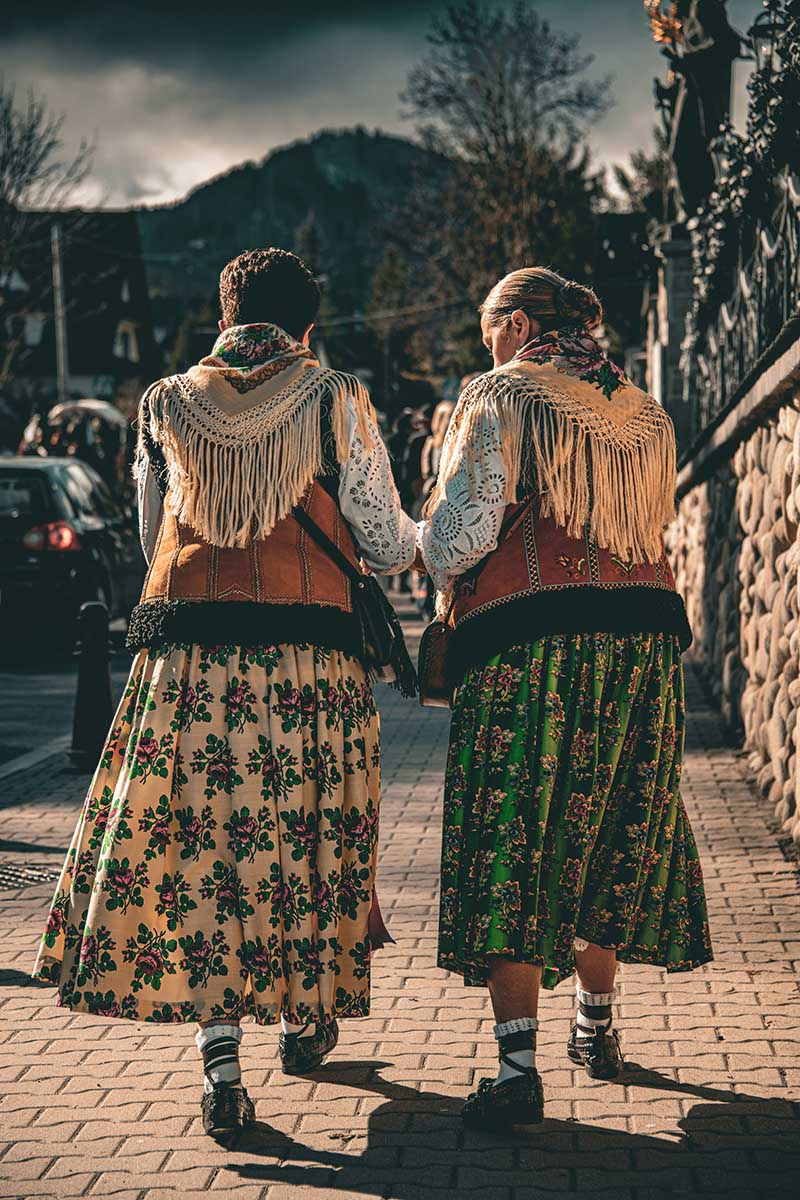
Sicilian women’s attire was designed for both practicality and cultural pride, reflecting their connection to rural life and family heritage. The clothing was symbolic of tradition and social respect, worn across many regions of Sicily.
At a local festival in Sicily, I saw a lady dressed in a vibrant, traditional Sicilian gown, complete with intricate embroidery and a decorative headscarf. Her graceful movements and radiant smile brought the history and beauty of Sicilian culture to life.
See Also Traditional Iraqi Wedding Dress
5. Accessories and Jewelry

Here is a list of Sicilian traditional accessories and jewelry:
- Coppola (Cap): A traditional woolen cap worn daily by both men and women, symbolizing local pride and tradition.
- Sciarpa (Headscarf): A fabric head covering worn by women, often tied under the chin to represent modesty and cultural heritage.
- Fascia (Sash/Belt): A colorful fabric belt worn by both men and women, cinching the waist and adding vibrant accents to the outfit.
- Collana (Necklace): Silver or gold jewelry worn by women, often featuring intricate designs or religious symbols, reflecting wealth and status.
- Orecchini (Earrings): Traditional earrings made from silver or gold, sometimes featuring intricate designs, worn by women to complement their attire.
- Bracciale (Bracelet): Decorative bracelets, often made of silver or metal, worn as accessories to add elegance.
- Anello (Ring): A wedding ring or ornamental rings, symbolizing commitment, family status, or cultural identity.
- Ciondolo (Pendant): Small charms or pendants worn around the neck, often depicting religious symbols like crosses or hearts, representing faith and protection.
- Borsetta (Small Bag): A small purse or bag, often woven or made of fabric, used to carry small personal items and complement the overall outfit.
- Cammeo (Cameo): A piece of jewelry, often a brooch, featuring a carved image, traditionally worn as a decorative item and family heirloom.
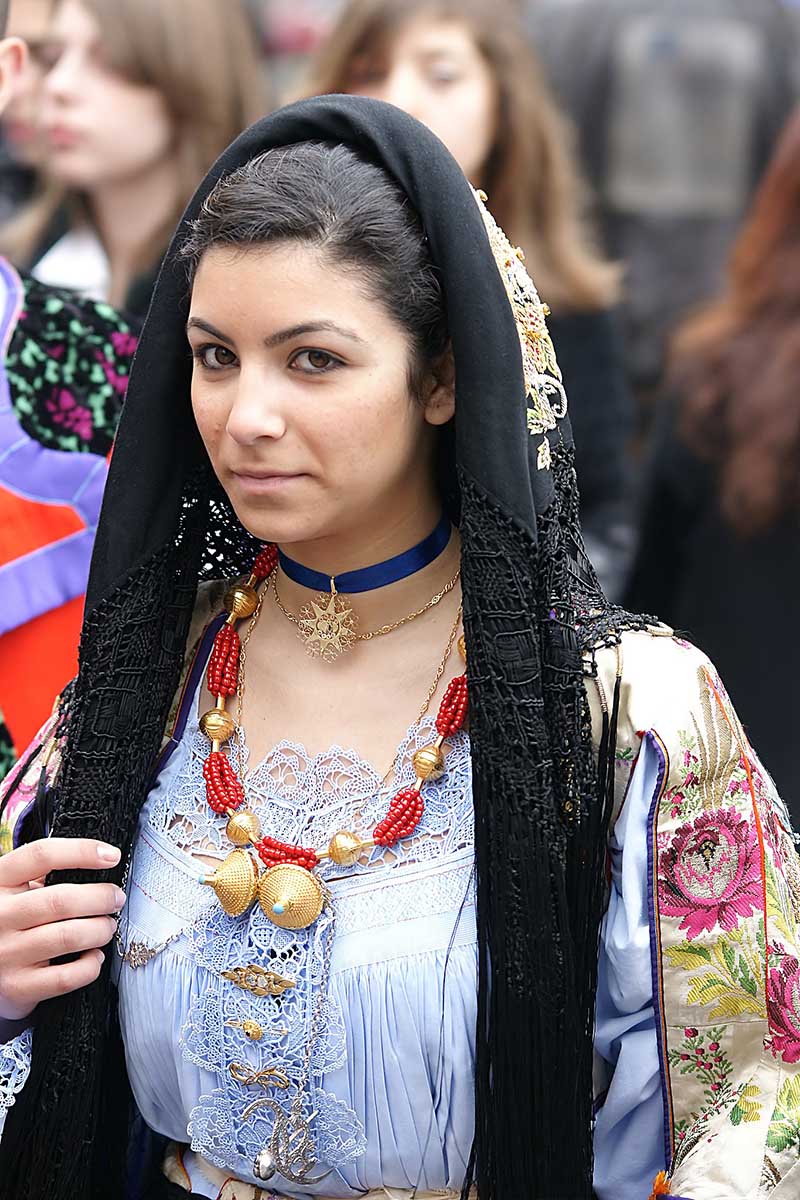
These accessories not only served practical purposes but also symbolized tradition, cultural identity, and status in Sicilian society.
See Also Italian Male Fashion
Regional Variations of Sicilian Folk Costumes
Western Sicily
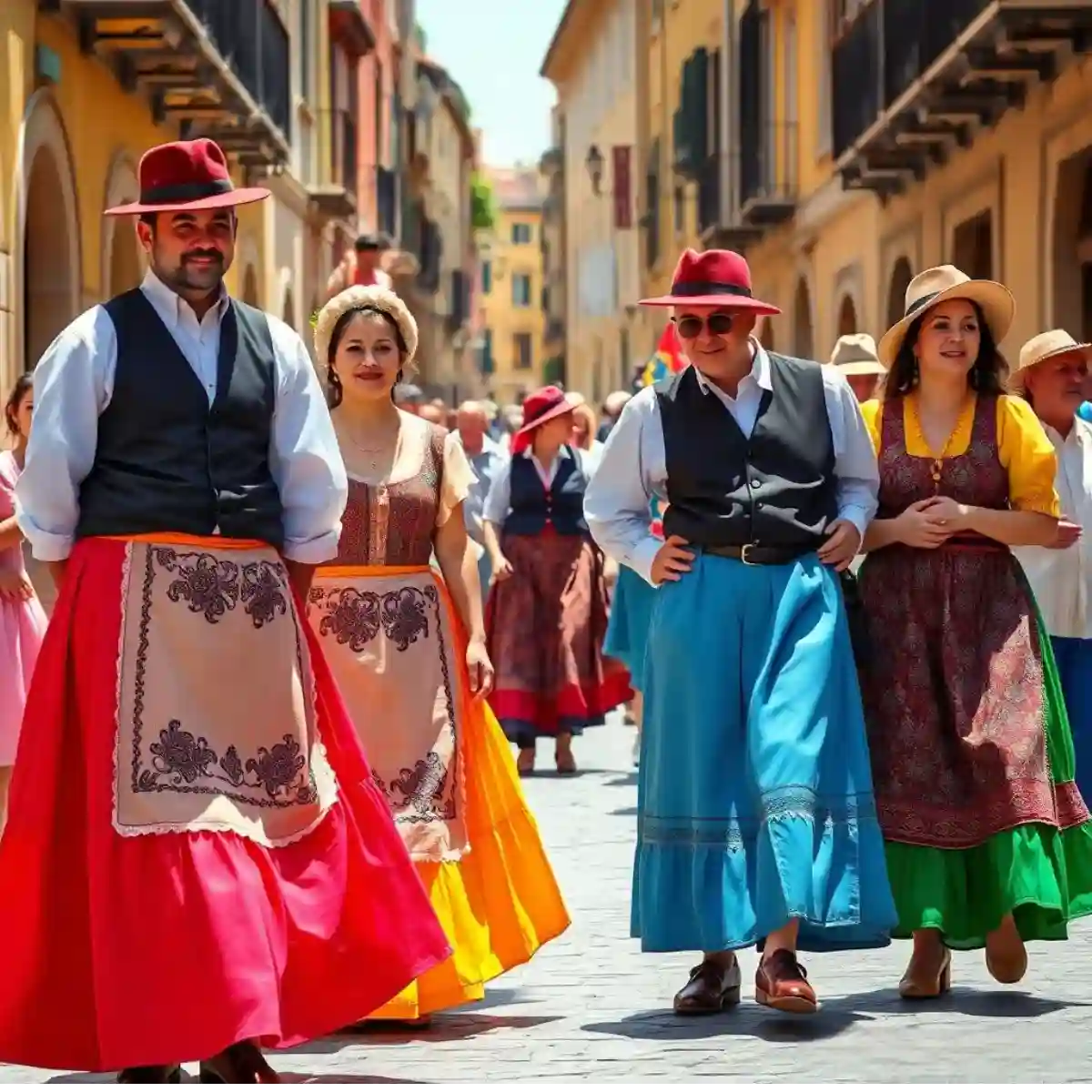
Western Sicily has its look when it comes to traditional Sicilian clothing. In towns like Palermo and Trapani, costumes had bright colors and strong fabrics. Women wore wide skirts, detailed aprons, and soft shawls. Men often dressed in dark vests, short pants, and the famous Coppola cap.
Clothes were made for daily use but looked special on feast days. You can still find these styles in photos and street festivals. Western styles kept older peasant costume traditions alive. These outfits show the hard-working life of the people and how Sicilian clothing helped them face each day with pride.
According to the Piana degli Albanesi cultural profile, the traditional female costume of this Sicilian Arbëreshë community is a distinctive regional variation that represents local identity and heritage. The attire preserves Byzantine and Arbëreshë elements, and its evolution over time reflects the community’s desire to retain cultural traditions while highlighting unique stylistic features compared to other Sicilian costumes.
Eastern Sicily
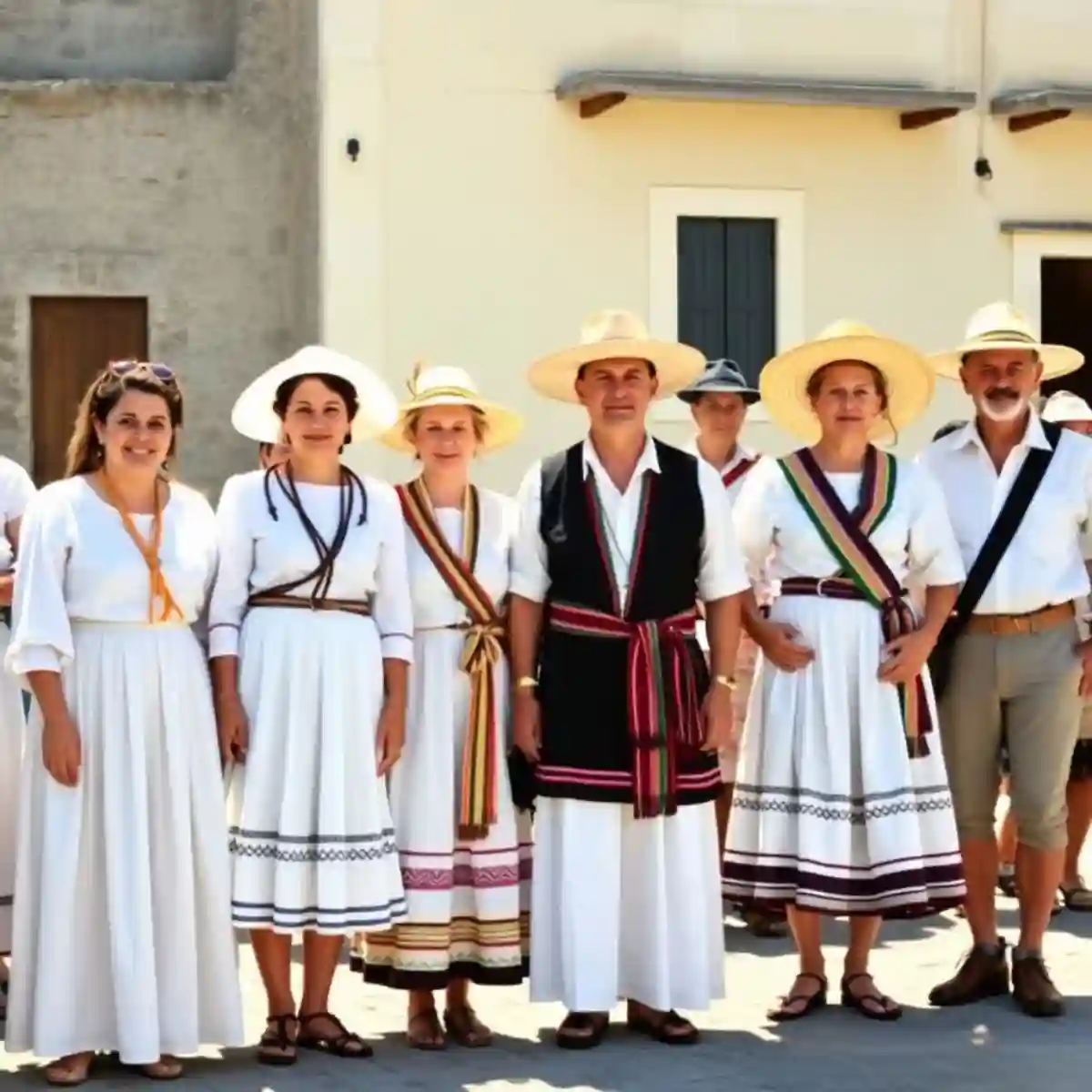
In Eastern Sicily, traditional Sicilian clothing shows a different style with lighter fabrics because of the warmer weather. Women wore simple skirts, white blouses, and colorful sashes. Men often chose loose shirts, wide belts, and sometimes a straw hat instead of the Coppola cap.
Cities like Catania and Messina added their local details, such as lace or bright kerchiefs for women. These clothes reflect the Italian way of dressing, but keep the unique Sicilian touch. You can still see these styles at local events and festivals.
This variety shows how Italian artists and people adapted the peasant costume to fit the land and climate of Eastern Sicily.
Rural vs. Urban Styles
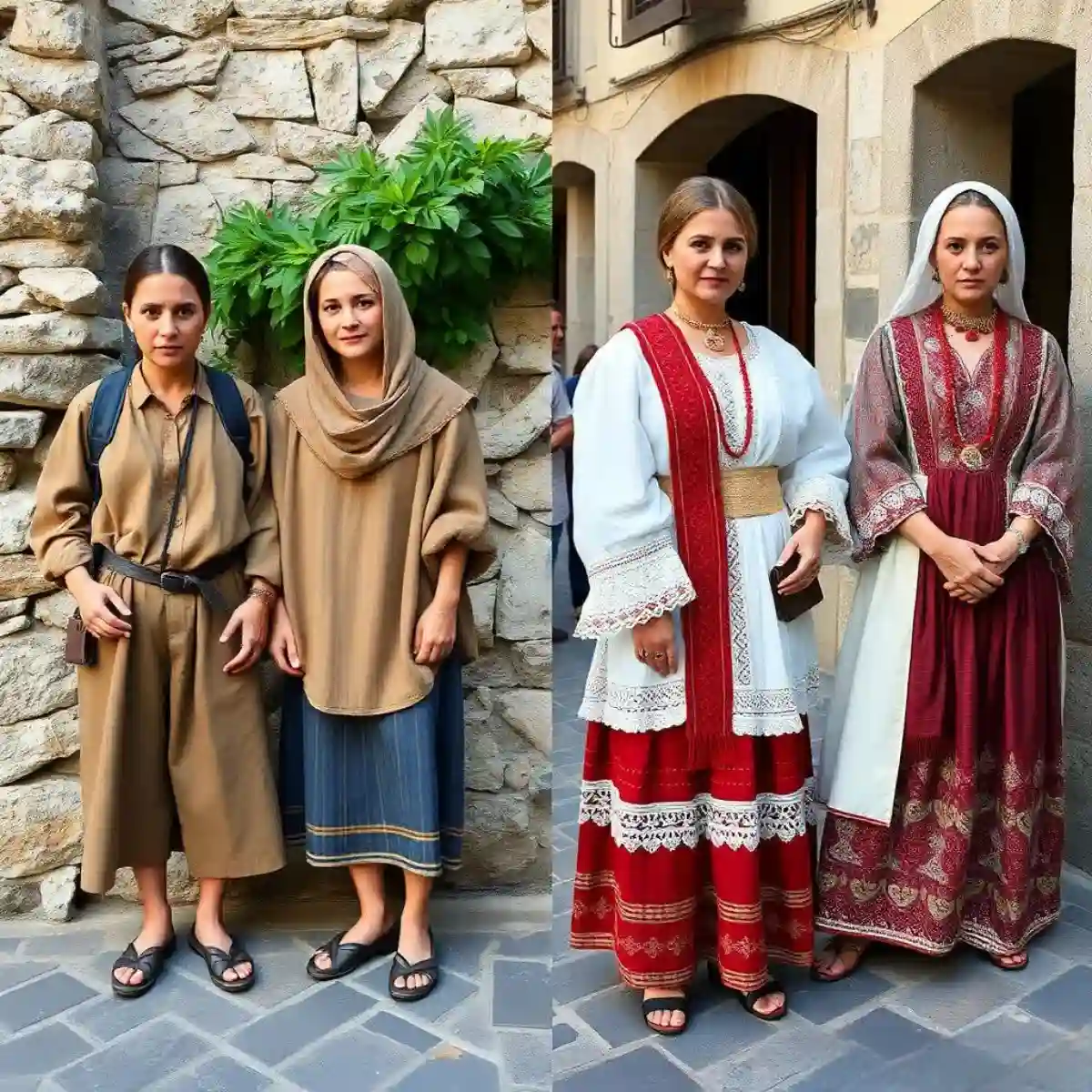
Rural Sicilian clothing was made for work, using thick fabric and strong shoes to last the year. Women dressed in dark skirts and aprons, while men wore vests and wide pants.
In places like Palermo, styles were cleaner and more decorative, with better fabrics and more jewelry, following Italian fashion trends.
Despite these differences, the core of traditional Sicilian clothing stayed the same, based on peasant costume and local art. This order of styles helps tell the story of daily life across Sicily.
See Also Italian Old Fashion Clothing
Cultural Symbolism and Materials in Traditional Sicilian Clothing
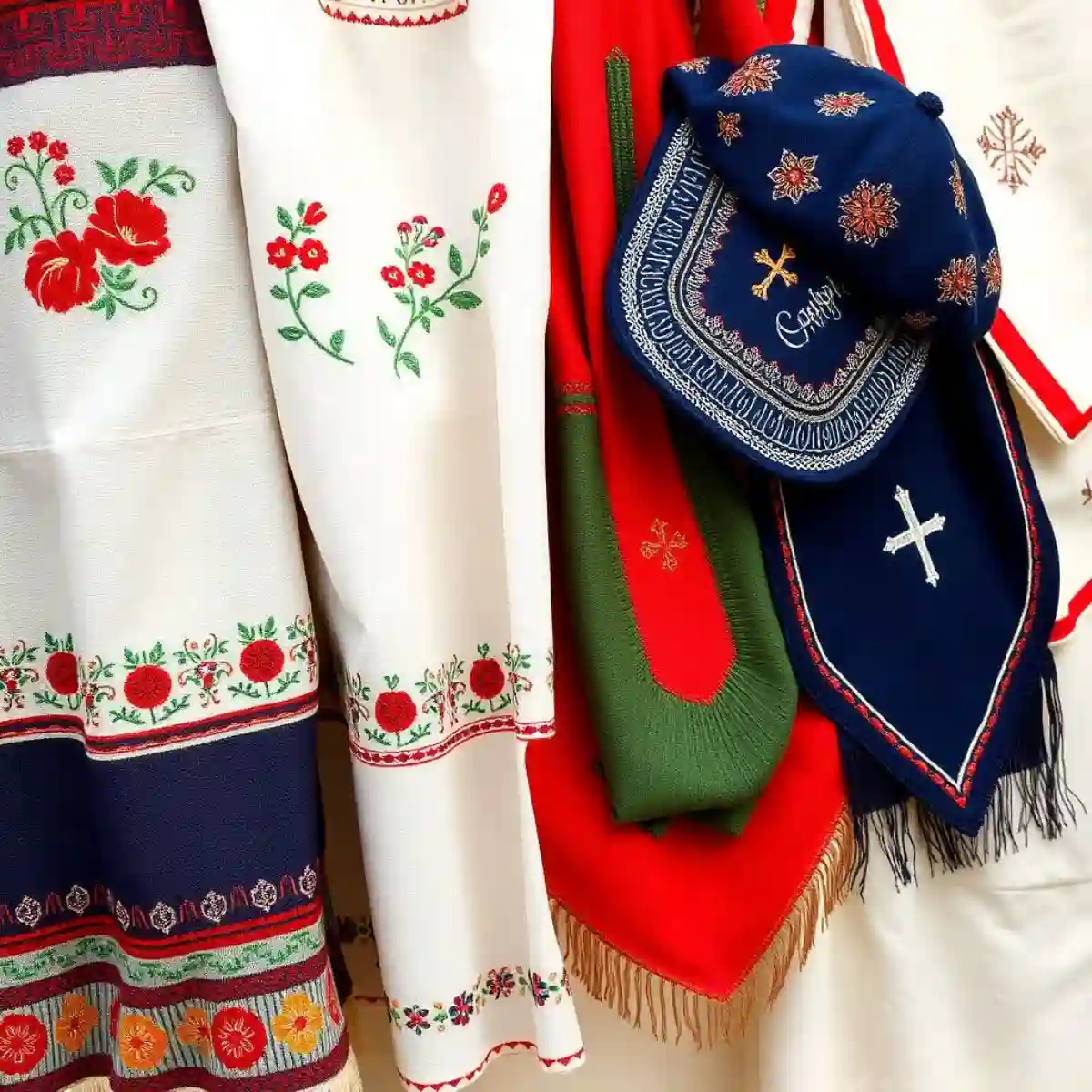
Cultural Symbolism in Traditional Sicilian Clothing:
- White Shirt: Symbolizes purity, simplicity, and the hardworking nature of Sicilian men.
- Coppola (Cap): Represents local identity and pride, worn daily by men as a symbol of connection to the community.
- Fascia (Sash/Belt): Adds color and vibrancy, representing both style and function in Sicilian culture, often worn to hold tools.
- Sash for Women: Worn to reflect femininity, family pride, and elegance, often tying the ensemble together.
- Headscarves for Women: Symbolizes modesty and tradition, especially in rural areas.
- Aprons (for Women): Represents the domestic role, often adorned with lace or embroidery, reflecting the women’s hardworking spirit.
- Gold Jewelry (Earrings, Necklaces): Signifies wealth, social status, and family heritage.
- Religious Symbols (Crosses, Medals): Worn as a spiritual symbol of protection and devotion, commonly featured in both men’s and women’s attire.
- Embroidery: Often features floral motifs, symbolizing fertility, beauty, and nature.
- Handmade Fabrics: Reflect the pride of Sicilian craftsmanship, symbolizing both skill and connection to ancestral heritage.

Materials Used in Traditional Sicilian Clothing:
- Wool: Commonly used in coats, shawls, and caps (such as the Coppola), symbolizing warmth and practicality, especially for farming.
- Linen: Used for shirts and dresses, symbolizing simplicity, comfort, and practicality in warmer weather.
- Cotton: A common fabric for summer wear, reflecting comfort and everyday use.
- Silk: Used for higher-end or formal attire, especially in women’s dresses and accessories, symbolizing wealth and luxury.
- Leather: Common in belts, shoes, and some accessories, symbolizing durability and functionality.
- Embroidery Threads: Typically silk or cotton, used to create intricate floral or religious patterns in dresses and accessories, symbolizing craftsmanship.
- Velvet: Sometimes used for more formal attire, representing luxury, wealth, and high status.
- Lace: A decorative fabric used in women’s dresses and aprons, symbolizing femininity and elegance.
These materials and symbols carry a deep sense of history, culture, and tradition, making Sicilian clothing not just a style choice but a way to honor heritage and identity.

Traditional Sicilian Clothing: A Recap
Traditional Sicilian clothing is more than just fashion—it’s a vibrant reflection of Sicily’s daily life, customs, and rich cultural heritage. Each piece, from the iconic Coppola cap to the intricately hand-embroidered aprons, tells a story of Sicilian pride, history, and beliefs, shaped by the island’s weather, work, and deep-rooted regional traditions.
Whether it’s the distinct styles from Western or Eastern Sicily, or the practical needs tied to rural and urban life, each variation highlights the island’s diversity and social nuances.
The peasant costume, with its history of peasant art, has played a pivotal role in preserving these traditions. Even today, these authentic outfits are worn with pride during festivals, parades, and public events, especially in places like Palermo and Piana degli Albanesi, areas where the culture remains alive and celebrated.
I remember attending a local festival in Palermo and being awestruck by the vibrant colors and intricate details of the traditional Sicilian dresses. Seeing a woman in a beautifully embroidered dress, complete with the Coppola cap, instantly connected me to the island’s history and the pride that these traditional outfits represent. It was a powerful reminder of how Sicilian clothing continues to carry the island’s past into the present.
those ai generated pictures look nothing like sicilian traditional clothing plus I want to point out that Piana degli Albanesi is an ALBANIAN town in sicily so their traditional clothes weren’t worn by sicilians