


What do Austrian people look like? Is it the timeless elegance inspired by Empress Sisi, or the understated, natural charm that Austrians have today?
In Austria, beauty centers on subtle sophistication, healthy, glowing skin, neatly styled hair, and clothing that is elegant yet effortless. It’s a look that combines refinement with natural ease.
When I visited Vienna and met my Austrian friend, I noticed how effortlessly she carried herself—simple, polished hairstyle, minimal yet elegant outfit, and a quiet confidence that perfectly reflected Austrian beauty standards. It’s clear that elegance here is as much about attitude as appearance.
What you’ll discover in this article:
- The Austrian approach to beauty
- Hair and clothing preferences
- Vienna’s refined influence
- Historical beauty ideals
Join us as we explore Austria’s unique beauty culture and what makes it stand out in Europe.

What Do Austrian People Look Like?
Austrians have a wide range of physical appearances, so it’s hard to define a single “look.” Yet, one thing stands out: they take pride in their appearance, often dressing neatly and thoughtfully for daily life, social events, or even a casual outing.
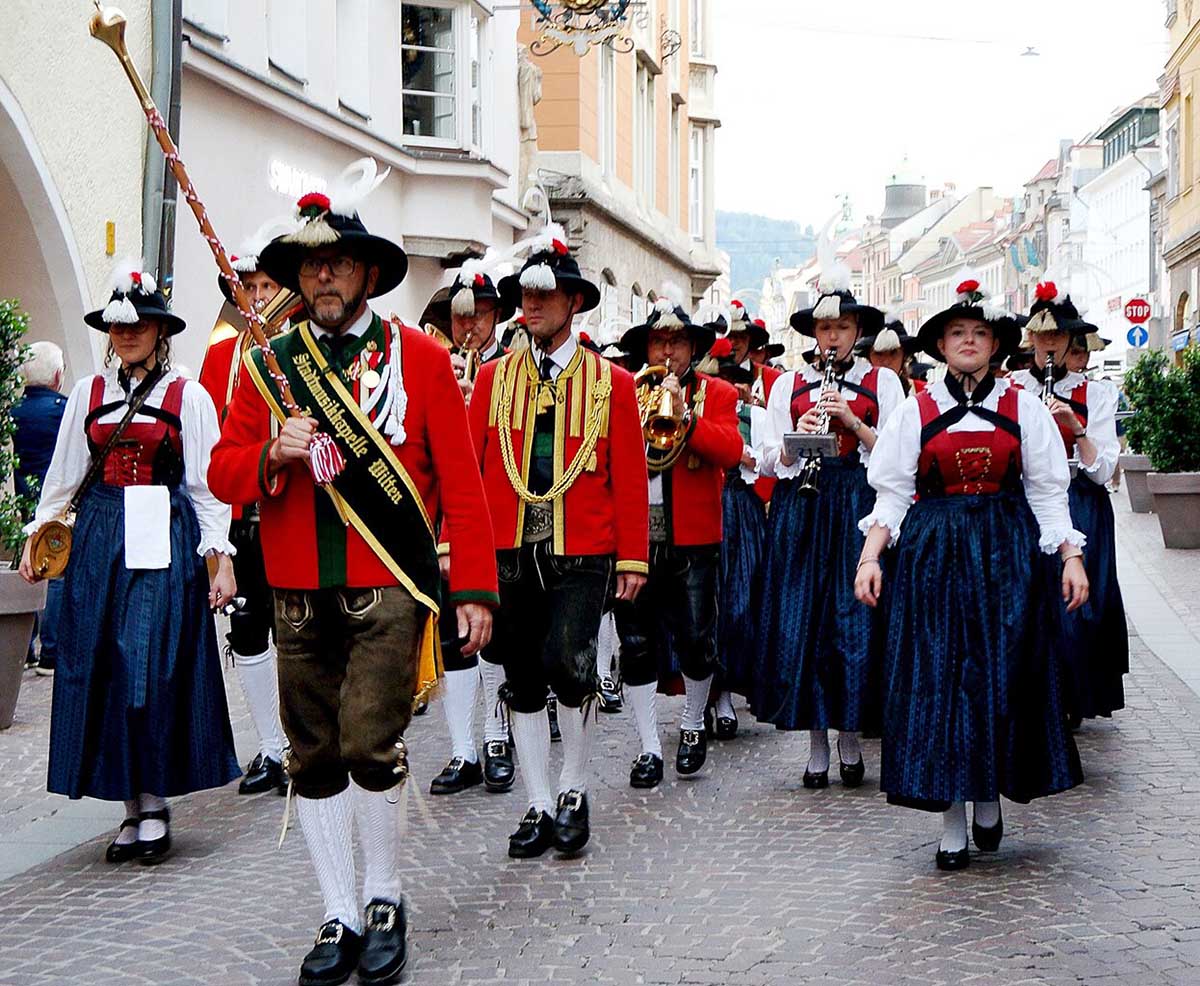
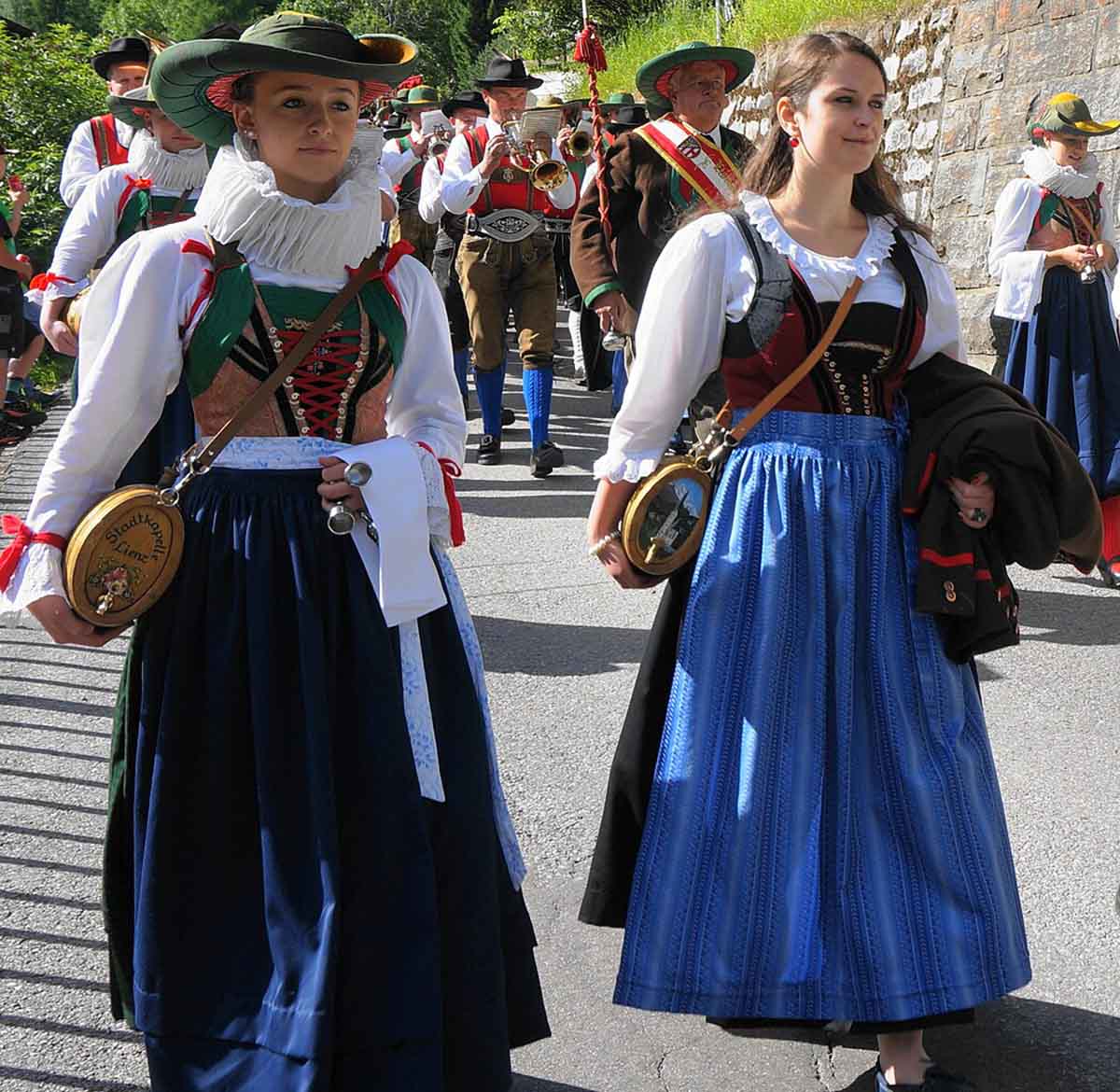
Traditional Austrian Clothing, like Lederhosen for men and Dirndls for women, is still cherished during festivals, weddings, and national holidays, while everyday fashion reflects elegant, understated European styles.
Austrians display diverse appearances, often with light to medium skin tones, straight or wavy hair ranging from blonde to brown, and eyes in shades of blue, green, or hazel. They typically have narrow to oval faces, straight noses, and a polished, elegant style.

When I met my Austrian friend, I was struck by how effortlessly polished her look was—simple, well-fitted clothing paired with a neat hairstyle that exuded quiet sophistication. This attention to detail mirrors Austrian beauty standards, where elegance, poise, and subtle refinement are valued.
According to the article Austrian Physical Traits: What Makes Austrians Unique?, Austrians are generally tall, with men averaging 5’11” (180 cm) and women 5’7″ (170 cm). They often have fair to light skin, straight or slightly wavy hair ranging from blonde to dark brown, blue or green eyes, broad shoulders, and well-proportioned, sturdy builds. Their style is neat, conservative, and elegant, reflecting both natural beauty and cultural pride.
Beyond appearance, Austrian culture prizes modesty, punctuality, and order. Social life is warm and lively, yet public displays of anger are rare. Austrians also take pride in their rich musical heritage, especially classical and folk music, maintain strong Catholic traditions, and primarily speak German, reflecting the country’s deep-rooted cultural identity.
See Also Day Trips from Munich
Austrian People Genetics
Austrian genetics reflect a rich tapestry of Celtic, Roman, Germanic, and Slavic ancestry, giving the population remarkable diversity. Austria’s central location in Europe made it a crossroads of migration, trade, and cultural exchange, shaping its complex genetic history over centuries.

While most Austrians share broad European roots, regional differences are noticeable. Some areas carry traces of East Asian ancestry, revealing surprising chapters in Austria’s genetic story. Despite these variations, shared culture and traditions have fostered a strong sense of unity. Austrians are closely related to Bavarians and other German groups, while southeastern regions show historical ties to peoples from the former Austria-Hungary.
Ethnic minorities, including Burgenland Croats, Slovenes, and Hungarians, further enrich Austria’s genetic mosaic. This blend of ancestry not only shapes Austrian physical traits but also reflects the country’s vibrant and interconnected history.
1. Austrian Appearance
Austrians generally have a well-proportioned, mesomorphic body type, with broad shoulders, narrow waists, and balanced builds, although some individuals are ectomorphic. Their facial features are often narrow to oval, with defined jawlines, straight or slightly prominent noses, and high cheekbones, giving a refined and elegant appearance.

Skin tones typically range from fair to light olive, reflecting European ancestry, with healthy, clear complexions being common. Subtle regional variations exist, influenced by historical migrations and ethnic diversity, including ties to Central European and southeastern populations.
Overall, Austrian physical traits convey a sense of natural refinement and understated elegance, reflecting both genetics and cultural appreciation for neatness, health, and balanced proportions.
2. Austrian Physical Features
Austrians often display naturally strong and balanced physiques, with well-defined torsos, muscular yet proportional limbs, and a healthy, athletic frame. Their posture is typically upright, reflecting confidence and poise, and their movements tend to appear graceful and controlled.
Facial bone structures are usually symmetric, with prominent cheekbones and subtly angular jaws adding to a refined appearance. Skin tones vary from fair to light olive, generally smooth and healthy, indicative of a lifestyle that values good nutrition and outdoor activity.

Austrians are generally not overweight, as many maintain healthy, balanced bodies through an active lifestyle and nutritious diet. Their physiques tend to be lean to athletic, with firm, well-proportioned builds, reflecting both genetics and cultural emphasis on wellness.
Regular engagement in sports, hiking, and walking contributes to firm, toned bodies. Even within Austria, regional differences influence body shape, with some southeastern areas showing slightly more slender or elongated proportions. Overall, Austrian physical features convey natural strength, elegance, and vitality.
See Also What Do British People Look Like?
3. Austrian Eyes & Hair Color
Austrians have a diverse range of eye and hair colors, reflecting their rich genetic history. Brown eyes are the most common, followed by blue, while green and hazel are less frequent. The presence of lighter eye colors, such as blue and gray, is influenced by Northern European ancestry.
Similarly, hair colors vary, with brown being the most common, while blonde, black, and even red hair are also found among the population.

Many Austrians have fair to light skin tones, ranging from pale to olive complexions. This complements the country’s mix of light and dark hair shades, with light brown and blonde being common. Though red hair is rare, it exists as part of Austria’s genetic diversity.
Overall, Austria’s population shows a blend of Central and Northern European traits, making for a wide variety of appearances.
4. How Tall Are Austrian People?
Austrians are generally of average to above-average height, similar to many Northern European populations. The average height for men in Austria is approximately 5 feet 10 inches (178.5 cm), while women typically stand at around 5 feet 6 inches (166.9 cm).
This places Austrians among the taller populations in Europe, reflecting a mix of Central and Northern European genetic influences. While individual heights vary, these averages indicate that Austrians tend to be relatively tall compared to global standards.

According to the study Secular trends and regional pattern in body height of Austrian conscripts born between 1961 and 2002, Austrian men’s average height increased steadily over four decades. Regional differences persisted, with previously shorter regions showing the largest gains, reflecting improvements in nutrition, health, and socioeconomic conditions across the country.
Factors such as genetics, nutrition, and overall health contribute to height differences within the population. Like in many European countries, Austrian men and women maintain a stature that agrees with regional trends.
5. What Do Austrians Wear?
Austrians are proud of their traditional clothes called “Tracht.” Women wear dirndls, which include a fitted top, a blouse, and an apron. Men wear lederhosen, which are knee-length leather pants with simple shoes and wool socks.
These clothes are usually worn at festivals or special events like Oktoberfest. In winter, Austrians often wear loden, a strong wool fabric, for jackets, coats, and vests.

While traditional clothes are worn on special days, Austrians usually dress neatly and simply in everyday life. They like wearing dark, solid colors or simple patterns and avoid clothes like sneakers or sportswear.
For work, people dress formally. Men wear suits and shirts, and women wear dresses or skirts in summer and pants and sweaters in winter to look elegant.
See Also What Do Hungarian People Look Like?
6. Austrian Beauty Standards
Natural Beauty: Austrians favor a natural, elegant look with minimal makeup, clear skin, and a healthy, radiant appearance.
Hair: Well-maintained hair, usually long or medium-length, in natural shades, styled simply, is highly appreciated.
Clothing: Quiet elegance dominates, with dark, solid colors, subtle patterns, and tailored fits preferred.
Dress Sense: Conservative and tasteful, avoiding overly flashy, revealing, or eccentric outfits.
Accessories: Simple, understated jewelry or scarves are common, reflecting refinement without excess.
Footwear: Classic shoes, often leather or minimalistic designs, complement the overall elegant style.

Historical Influence: Empress Sisi’s ideals of natural beauty, grace, and healthy living still shape standards today.
Vienna’s Influence: Vienna encourages formal and polished dressing for cultural events, opera, and theatre outings.
Seasonal Style: Austrians adapt clothing to seasons, favoring wool, cashmere, and high-quality fabrics in winter.
Genetics & Physical Traits: Diverse ancestry including Celtic, Roman, Germanic, and Slavic roots contributes to balanced body types, refined facial features, and healthy builds.
Fitness & Health: Austrians maintain fitness through outdoor activities, balanced diets, and active lifestyles, which supports naturally strong, lean, and healthy bodies.
Overall Impression: Understated elegance, refinement, and a well-maintained, healthy appearance are valued more than bold or trendy fashion statements.
What Do Austrian People Look Like? A Recap
Austrians display a fascinating mix of physical features, shaped by Celtic, Roman, Germanic, and Slavic ancestry. Most have balanced, athletic bodies, fair to light olive skin, upright posture, and refined facial structures with high cheekbones and defined jaws.
Their natural beauty emphasizes clear skin, subtle elegance, and healthy physiques, supported by active lifestyles and balanced diets. Clothing is understated, conservative, and well-tailored, with Vienna setting trends for formal occasions.
When I met my Austrian friend at a local café, I noticed how her poised posture, graceful movements, and effortless style perfectly reflected these traits—combining natural genetics, cultural refinement, and attention to health. Overall, Austrian physical features showcase elegance, vitality, and a timeless, understated charm that sets Austrians apart in Europe.