


Have you ever wondered what do Swiss people look like? From the snow-capped peaks of the Alps to the peaceful lakeshores, Switzerland’s landscape isn’t the only thing that’s diverse, its people are too. With a blend of ethnic backgrounds, Swiss individuals have a fascinating range of physical features.
Whether you’re curious about their hair, eyes, and skin tones, or you want to understand how the country’s geography might influence their appearance, you’re in the right place!
I remember visiting Switzerland and being struck by how different each region felt—not just in its culture, but in the people too. It’s like the land shapes them in unique ways.
In this guide, we’ll explore:
- The physical features of Swiss people
- Fashion and beauty standards
- Height and regional differences
By the end, you’ll get a deeper sense of what it means to look Swiss, and you’ll have a new appreciation for the variety and beauty of this Alpine nation.
Ready to start? Let’s go!


1. Swiss Appearance
Swiss people embody a unique mix of traits, shaped by the country’s rich and varied history. With influences from German, French, and Italian regions, the Swiss population displays a fascinating range of physical features. It’s like the land itself has molded them in different ways—whether it’s the tall, athletic build common in the northern cantons or the more Mediterranean influences you’ll find down south.
Each of Switzerland’s cantons has its own cultural identity, and you can often see this reflected in people’s appearances. For example, those from the Italian-speaking region of Ticino might have darker features, like olive skin and darker hair, while people from places like Zurich or Geneva might have lighter complexions with blonde or brown hair and blue or green eyes. Many Swiss people also have fair skin, a natural trait of the region, though you’ll find some variations based on where they come from.

If you venture into the Swiss Alps, you’ll notice that people from these rugged, mountainous regions often have stockier builds, perfect for life in the high altitudes where physical strength is key. In general, Swiss people are known for their tall stature and fit, athletic appearance, thanks to the active lifestyles many lead, whether it’s hiking, skiing, or simply enjoying the outdoors.
But beyond just physical appearance, there’s something that stands out about Swiss culture: pride. No matter where they’re from, Swiss people share a strong sense of national pride and respect for their heritage. There’s also a deep appreciation for good manners, cleanliness, and a love for staying active. And when they travel abroad, it’s not uncommon to hear Swiss people speaking fluent English, reflecting their adaptability and global connections.
The study “Genetic Structure of Switzerland’s Population” explores the diverse genetic makeup of Swiss people, highlighting how migration patterns and regional differences have shaped their genetic and physical traits.
2. Swiss People’s Physical Characteristics
Swiss people have a wide range of physical features, shaped by the country’s diverse heritage, blending influences from Germany, France, and Italy. For example, people from Zurich and Bern often have lighter hair, ranging from blonde to light brown, and blue or green eyes.
In contrast, those from the Alpine regions or Ticino tend to have darker features, with brown eyes and darker hair.

Physical Characteristics of Swiss People:
- Hair: Varies from light blonde in the northern cantons (Zurich, Bern) to darker shades (brown, black) in the southern regions (Ticino).
- Eyes: Commonly blue or green in the northern areas, while brown eyes are more frequent in the Alpine and southern regions.
- Skin Tone: Fairer skin is typical in the northern cantons, while those in the southern regions, especially Ticino, may have a darker complexion, influenced by Mediterranean heritage.
- Height: Generally, Swiss people are of average to tall stature, with no significant differences between regions.
- Build: A fit and athletic appearance is common, particularly due to Switzerland’s active outdoor lifestyle and mountainous terrain.
- Facial Features: A mix of facial traits influenced by the country’s diverse ethnic background, including Germanic, Romance, and Celtic features.

In everyday Swiss life, physical traits play a role, but Swiss people are also deeply defined by their character. Known for being great storytellers, honesty and eye contact are essential in personal and professional interactions. This culture is rooted in mutual respect—whether in a political debate, at a party, or simply talking to a neighbor.
Maintaining good manners and a sense of pride in their culture is important to Swiss people. They are highly aware of their environment, whether walking through a train station or properly disposing of garbage.
This combination of physical traits and strong values reflects the Swiss people’s deep connection to their land, their culture, and their sense of community. Respect and courtesy are central to everyday life, fostering a society where people care for each other and their surroundings.
See Also Swiss Folk Art
3. Swiss People’s Facial Features
Swiss people’s facial features reflect the country’s diverse regional influences, shaped by its multicultural heritage:
- Zurich and Bern: People from these northern cantons typically have lighter skin, with blonde to light brown hair and blue or green eyes. These features are common in Germanic-influenced regions.
- Ticino: The southern canton, with its Mediterranean influence, is home to people with darker skin tones, brown eyes, and darker hair. This reflects the region’s proximity to Italy.
- Alpine Regions: In the mountain areas, people often have stockier builds and facial features adapted to colder environments. Hair color and eye color vary, but darker features are common.
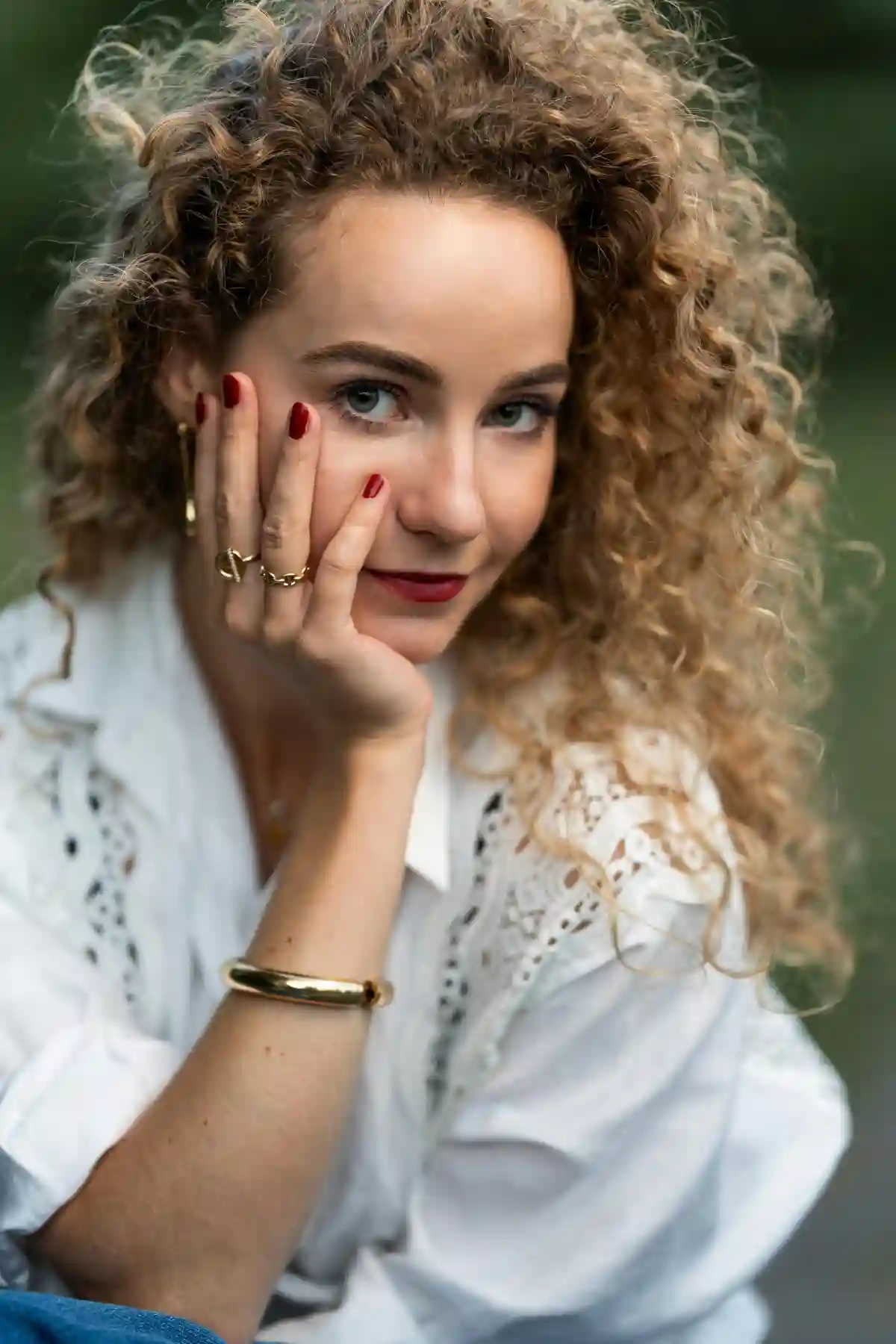
This variety of physical traits is a result of centuries of migration and cultural exchange across the country’s different regions.
See Also Modern Swiss Clothing
4. How Tall Are Swiss People?
Swiss people are generally of average to slightly above average height compared to the global population. The average height is:
- Swiss men: 177 cm (5 ft 9.5 in)
- Swiss women: 165 cm (5 ft 5 in)

Swiss height trends remain relatively stable, with only slight increases over recent decades. However, regional differences can exist, especially between the Alpine regions and urban areas.
Many factors, like nutrition, lifestyle, and genetics, influence these heights. In cities like Zurich and Geneva, some taller individuals may come from foreign backgrounds or be the result of migration. Meanwhile, Swiss genetic traits in more remote areas have remained consistent.
Despite variations, the overall Swiss population maintains a healthy lifestyle, which contributes to their physical features, such as a strong build and good posture.
See Also Swiss Dining Etiquette
5. What Do Swiss People Wear?
Swiss people generally wear modern, Western-style clothing. Everyday outfits often include jeans, t-shirts, and jackets, with popular brands like Adidas, Nike, and Puma.
In business settings, Swiss professionals tend to dress smart casual. Swiss men often opt for sports jackets instead of suits, while Swiss women wear smart casual clothing. This relaxed yet polished style is common across many Swiss cities, like Zurich and Basel.

For cultural events, traditional Swiss clothing is worn. Dirndls for women and lederhosen for men are typically seen at festivals, celebrating Swiss heritage.
These outfits reflect the pride in their cultural roots and nature, with Swiss communities in both urban and rural areas keeping traditions alive through festivals and special occasions.
6. Beauty Standards in Switzerland
Beauty standards in Switzerland are deeply influenced by broader European ideals, but there’s been a shift toward celebrating more diversity and natural beauty in recent years. Traditionally, Swiss beauty has been closely linked with healthy, glowing skin and a slim physique.
A lot of people still hold onto these traits, seeing them as markers of attractiveness, but there’s growing appreciation for different looks that go beyond the conventional.
Swiss Beauty Standards:
- Healthy, glowing skin
- Slim physique
- Fair skin tone (historically idealized)
- Straight hair and thin features
- Natural skincare products, subtle makeup

Swiss women, in particular, have long been expected to maintain fair skin, straight hair, and delicate features. These traits have been associated with beauty, but the way people approach beauty is starting to change. Today, there’s a noticeable trend towards natural skincare and minimal makeup, with many Swiss choosing products with simple, safe ingredients.
Although some traditional European beauty ideals still have influence, the cultural landscape in Switzerland is shifting. There’s an increasing celebration of body diversity, whether it’s having curves or different facial features. Women who may not fit the “classic” Swiss beauty mold are being celebrated more now, highlighting the movement toward inclusivity.
Regional Variations in Appearance (Switzerland & Sweden):
Northern Sweden
- Lighter hair
- Fairer skin
Southern Sweden
- Darker hair
- More diverse features
Urban Areas (e.g., Stockholm)
- Blend of traditional and cosmopolitan features, embracing both local and global influences
For example, younger Swiss people are more open to challenging conventional standards. This has led to a broader cultural embrace of varied beauty, signaling a growing acceptance of individuality. Swiss beauty standards are evolving, and the country’s aesthetic values are becoming less rigid and more flexible.
Swedish Beauty Standards:
- Admired Appearance: Globally admired for health, nature, and vitality
- Youthful Look: Fresh-faced appearance attributed to a healthy diet and outdoor activities
Changing Trends:
- Growing movement toward body diversity, with curves and different facial features gaining recognition
- Emphasis on inclusivity, questioning traditional beauty ideals, especially among the younger generation in both Switzerland and Sweden
In both countries, the evolution of beauty standards is a clear sign of the increasing acceptance of individuality and different expressions of beauty. Whether it’s having different body types, skin tones, Swiss fashion or facial features, the traditional notions of beauty are becoming more inclusive and diverse.

What Do Swiss People Look Like? A Recap
Switzerland is a cultural blend, shaped by its Italian, French, German, and Romansh roots. Known for their honesty and storytelling, the Swiss take pride in their diverse heritage. Swiss women often wear a smart-casual style influenced by European fashion, with regional variations reflecting ancestral influences.
From the Alps to Zurich, the Swiss value education, nature, and a high standard of living, enjoying free public transport and a clean environment. Swiss culture, rich in regional differences, is united by shared values of respect and tradition.
Swiss costumes highlight this connection to heritage, while the Swiss passport symbolizes strength and global opportunity, showcasing the nation’s unique place in Europe and the world.