


Have you ever wondered why Italians seem to radiate a unique charm wherever you go? You’re curious about Italian beauty, seeking to understand more than just hair and eye color — you want the story behind the look, the regional differences, and the cultural pride.
While wandering the piazzas of Rome, I noticed how casual outings revealed both style and grace — young couples laughing over gelato, elderly men in crisp suits, all carrying themselves with effortless poise. It became clear that Italian beauty is as much about attitude and presence as it is about appearance.
With experience exploring Italian culture and observing locals across the country, I’ll guide you through the fascinating traits that define Italians, showing you what makes them stand out in Europe and beyond.
Together, we’ll explore:
- Regional variations in Italian appearances
- Distinctive facial features
- The influence of heritage on looks
- Fashion, style, and self-expression
Keep reading to explore Italian beauty from every angle, discovering how regional traits, heritage, and style combine to create the charm and individuality that make Italian people truly unforgettable.
By the end, you’ll not only recognize Italian facial and physical traits but also understand the confidence, elegance, and individuality that make Italians so captivating.

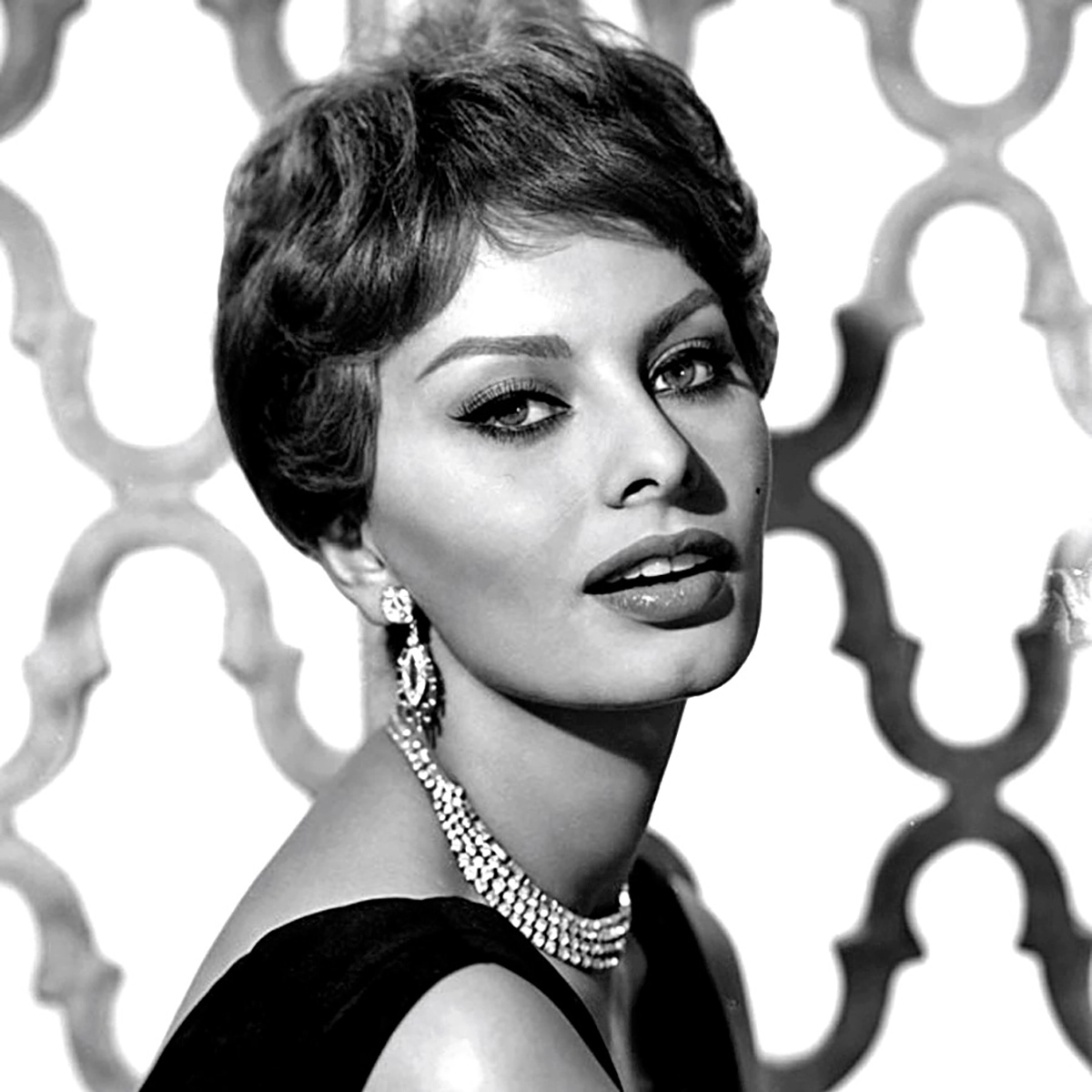
What Do Italians Look Like?

The appearance of Italians varies across regions due to centuries of history, geography, and climate. In northern Italy, people often have lighter hair and eye colors, influenced by Germanic and Alpine migrations, while southern Italians typically have darker hair, brown eyes, and sun-kissed skin shaped by the Mediterranean climate.
Despite these differences, Italians share common ancestral traits, allowing for continuity across the country. Some areas also show historical traces of French, Slavic, or German presence, though their impact on the gene pool is minor.
In the 2016 study “The Italian genome reflects the history of Europe and the Mediterranean basin” published in European Journal of Human Genetics, researchers confirmed that both northern and southern Italians are predominantly of European ancestry, with subtle regional variations reflecting historical migrations. This genetic diversity contributes to the wide spectrum of distinctive Italian looks.
1. Italian Appearance

Italian facial features are often associated with a classic Mediterranean look, including olive skin, dark hair, and brown eyes. While these traits appear throughout the country, regional differences are noticeable. Southern Italians often have darker skin from sun exposure and their strong Mediterranean heritage, while Northern Italians may display lighter hair and eye colors influenced by Celtic and Germanic ancestry.
Distinctive facial shapes also stand out. Many Italians have a high-bridged, slightly curved “Roman nose,” sharp cheekbones, and strong jawlines, creating a striking profile. These features, combined with Italy’s centuries of migration and regional diversity, mean there is no single Italian look.
During a trip to Naples, I noticed a group of locals laughing together at a café. Their diverse features—from deep olive skin to lighter complexions—highlighted the beauty of Italy’s regional variety and how shared warmth and expression can connect people beyond appearances.
See Also Italian Business Etiquette
2. Italian People’s Physical Features

Italians often display a classic Mediterranean appearance, with dark hair, brown eyes, and olive to medium-toned skin. Dark hair is the most common, though lighter shades like blonde appear more often in northern regions.
Eye colors vary as well. Brown and black dominate, but hazel and blue eyes are more frequent in the north, reflecting Italy’s mix of historical influences. Skin tones follow a similar pattern, with fairer complexions in the north and sun-kissed, darker tones in the south, shaped by climate and centuries of regional heritage.
Italian facial features often include a medium to large nose, full lips, and a soft but defined profile. Height is generally average, with men around 1.76 meters (5’9”) and women about 1.63 meters (5’4”).
These regional differences, from lighter northern features to the rich Mediterranean look in the south, highlight Italy’s diverse ancestry and the unique beauty that emerges from its geography and history.
3. Italian Eyes & Hair Colors

Hair and eye colors in Italy display a wide and fascinating range, even though dark shades are most common. Around 90% of Italians have dark hair, usually brown or black, while about 70% have dark eyes, primarily brown or black. Lighter eye colors, like hazel, blue, or green, appear less often, seen in roughly 30% of the population.
Blonde hair is relatively uncommon, found in about 8 to 9% of Italians, and red hair is rare at just 0.6%. These traits vary across regions, with Northern Italy showing more lighter features due to historical Germanic influences.
The common stereotype that all Italians have dark hair and eyes does not tell the full story. Northern Italians often have lighter hair and eye colors, including blue eyes, while Southern Italians, shaped by Mediterranean and Arabic heritage, generally have darker, sun-kissed features.
See Also Italian Family Culture
4. How Tall are Italian People?

Italian men generally average around 5 feet 8 inches (173.3 cm), while women are about 5 feet 3.5 inches (161.5 cm). Over time, heights have gradually increased, with men born in the 1980s nearly 7 cm taller than those born in the 1930s. In cities, young men today average closer to 5 feet 9 inches (175 cm), reflecting improved nutrition and healthcare.
Globally, Italian women, averaging 5 feet 4.5 inches (164–165 cm), are taller than many women in Asia, Africa, and Latin America, and are comparable to American women. Individual height differences are influenced by genetics, region, and lifestyle, illustrating Italy’s diverse heritage and the impact of modern living.
In the study “Secular changes in height and weight in Italy” published in Annals of Human Biology, researchers highlighted how nutrition, health, and regional differences have contributed to gradual height increases across generations.

5. Northern vs Southern Italian Appearance

Northern and Southern Italians share a common ethnic background, but there are slight variations in appearance due to historical and geographical influences. In Northern Italy, people tend to have fairer skin, lighter eye colors, and a higher occurrence of blonde hair, which can be attributed to minor Germanic influences.
Meanwhile, Southern Italians often have slightly darker skin due to stronger sun exposure and a Mediterranean climate. However, these differences are minimal, and Italians from both regions generally share the same Mediterranean features, such as dark hair, brown eyes, and a similar bone structure.
Despite common stereotypes, genetic studies show that all Italians are ethnically indigenous Europeans. Northern Italians have some genetic similarity with Spaniards, Portuguese, and Southern French, while Southern Italians are slightly closer to modern Greeks.
However, these differences do not create distinct “Northern” or “Southern” Italian looks. Many Italians from different regions can pass as locals anywhere in the country, demonstrating the overall unity of Italian physical characteristics.
6. What Do Italians Wear?

Italians are admired for their polished and timeless sense of style, favoring well tailored clothing in classic colors like black, beige, and navy. They focus on quality over quantity, often choosing natural fabrics such as cotton, linen, and cashmere for both comfort and durability.
Their outfits usually feature fitted silhouettes that look sleek and elegant, complemented by subtle accessories like scarves, handbags, and delicate jewelry. Footwear is equally important, with leather shoes, loafers, and elegant pumps completing the look. Even casual outings reflect this care, with button down shirts, fitted jeans, and blazers being common choices, while evenings call for more formal attire.
During a trip to Florence, I noticed a street musician casually performing while dressed in a tailored jacket and polished shoes. His effortless elegance blended perfectly with the city’s historic streets, showing how fashion and daily life intersect in Italy.
Traditional Italian clothing still thrives in festivals and special occasions, with adorned skirts, bodices, and decorative headwear celebrating the country’s rich cultural heritage.
7. Beauty Standards in Italy

Facial Features: Italians like natural beauty. Soft lips, high cheekbones, and small noses are preferred. Features like big lips or very pointed cheekbones from fillers are not as attractive.
Blondes vs. Brunettes: Brunettes with dark eyes and a nice tan are often seen as more attractive, but blondes are also liked. Naturally, fewer Italians have blonde hair.
Body Shape: Slim or skinny body types are traditionally preferred. A well-kept, toned body is important. Curvier women, like Diletta Leotta, are becoming more accepted, but being thin is still the norm.
Beauty Beyond Looks: Italian beauty is not only about looks. Confidence and self-love matter a lot. The idea of “bella figura” means showing oneself in a graceful and confident way.
Makeup: Italians like to use a little makeup to highlight their natural features, not to change them. They value looking natural and aging gracefully.
See Also Italian Dating Culture
What Do Italians Look Like? A Recap
Italian appearance display a wide range of looks, reflecting the country’s rich history and regional diversity. Northern Italians often have lighter hair and eyes due to Germanic influences, while southern Italians typically have darker hair, brown eyes, and olive skin from their Mediterranean heritage.
Despite these differences, many Italians share defining features such as the “Roman nose” and high cheekbones. The cultural idea of fare bella figura emphasizes making a good impression, combining style, friendliness, and confidence. Italian beauty standards value natural looks, a fit body, and poise, often reflected by celebrities and public figures.
A colleague of mine, who is Italian, always embodies this elegance effortlessly. Her sense of style and confidence in meetings and social events perfectly reflect how Italians merge appearance with grace and cultural pride.
Overall, Italian beauty is more than physical traits—it’s a harmonious mix of history, regional influences, and self-assured character.