


Are you curious about the vibrant art of Peru? Do you want to explore the works of famous Peruvian painters who have shaped the country’s rich cultural heritage? The journey through Peru’s artistic history can be exciting, and you don’t have to do it alone.
As an art enthusiast, you’re at the heart of this exploration. With a little guidance, you’ll dive into the world of Peruvian art. We’ll introduce you to the works of influential artists like José Sabogal, Fernando de Szyszlo, and Pablo Amaringo.
In this article, you will discover:
- The lives of famous Peruvian painters, their artistic styles, and notable works
- How their art reflects Peru’s history, culture, and identity
- Fun facts that highlight the uniqueness of their contributions
I saw one of Fernando de Szyszlo’s paintings, and the abstract forms immediately connected me to Peru’s cultural depth and history.
By the end, you’ll feel inspired to appreciate the rich art of Peru and its place on the global art scene.
Keep reading to uncover the stories behind these incredible artists!


History and Overview of Peruvian Painters
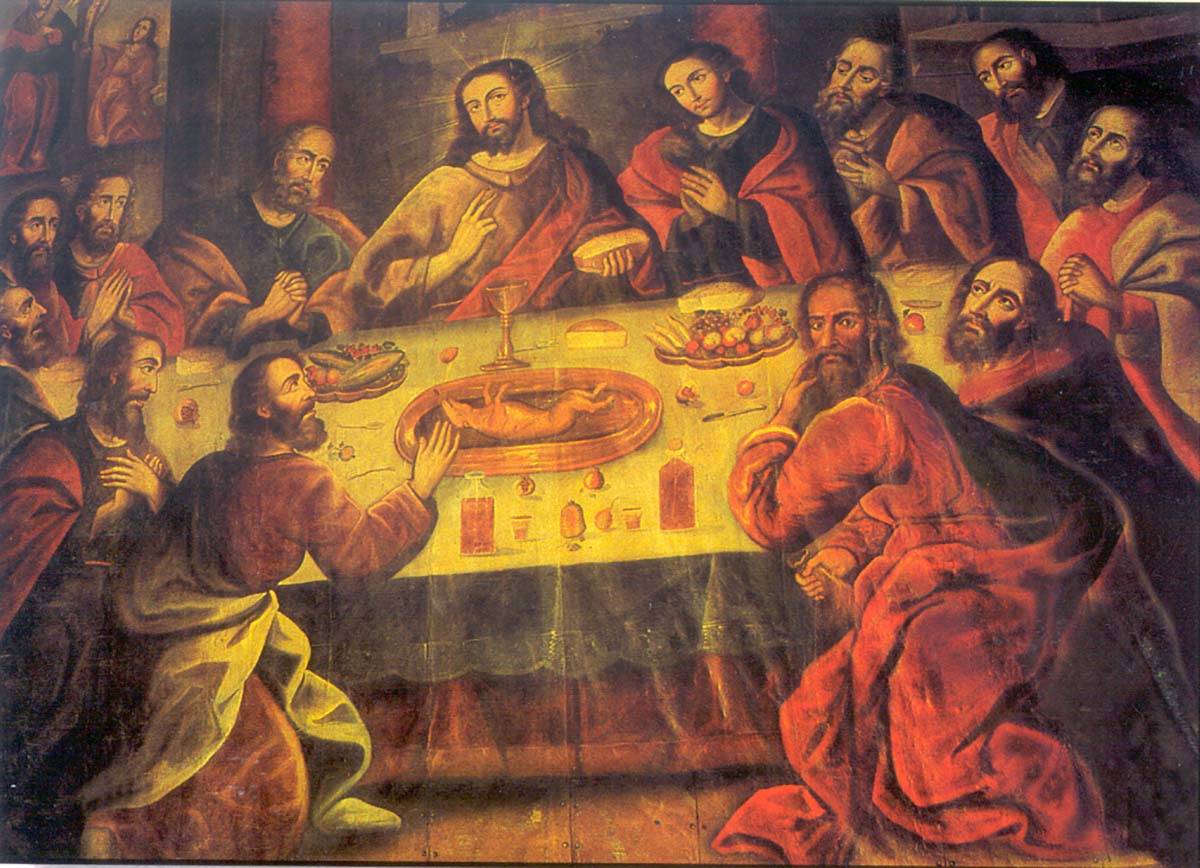
Peruvian painters have made profound contributions to the art world, shaping both regional and global artistic movements. Throughout history, famous artists in Peru have blended indigenous, colonial, and modern influences, creating a unique and dynamic visual language.
With the arrival of Spanish colonizers in the 16th century, Peruvian art was shaped by European techniques and religious themes, with Cuzco School artists leading the way in religious painting. This Baroque style mixed indigenous motifs with Catholic iconography, producing works that reflected the syncretism between the two cultures.
In the 19th and early 20th centuries, Peruvian painters began embracing modernism, with artistic production moving towards abstraction and realism. Influenced by European movements such as Impressionism and Post-Impressionism, artists like José Sabogal and Guillermo Lohmann worked to establish a national identity in art, focusing on Peruvian landscapes and indigenous people.
Throughout the 20th century, Peruvian art saw a flourishing of experimental styles, including abstract art and Surrealism, with many artists reflecting on the social and political changes within the country. By the mid-20th century, Peru was contributing significantly to the global art scene, with artists like Fernando de Szyszlo and Vicente Romero Redondo gaining international recognition for their unique styles.
According to The Development of Painting in Peru, 1520–1820, Peruvian painting during this period blended indigenous artistic traditions with European colonial influences. Artists incorporated religious themes, native iconography, and European techniques. This fusion created a distinctive style, particularly evident in the Cuzco School, which combined local culture with Catholicism.
Today, Peruvian artists continue to captivate the global art scene, attracting the attention of art enthusiasts and collectors worldwide. Their contributions celebrate the intersection of tradition and innovation, securing Peru’s place as a key player in the evolving narrative of contemporary art.
| Painter | Birth–Death | Era | Painting Style | Notable Works |
|---|---|---|---|---|
| Marcos Zapata | 1710–1773 | Old | Baroque, Religious, Colonial | The Last Supper (Cuzco School), Virgin of the Rosary |
| Pancho Fierro | 1807–1879 | Modern | Watercolor, Costumbrismo | Costumbrista Paintings, Scenes of Lima’s Social Life |
| Luis Alberto Hidalgo | 1927–2015 | Modern | Surrealism, Abstract | La Batalla de los Andes, La Cena del Juez |
| Teodoro Núñez Uceda | 1927–1983 | Modern | Abstract, Geometric, Symbolic | La Mujer Andina, El Hombre y la Tierra |
| César Vallejo | 1892–1938 | Modern | Expressionism, Surrealism | El Resplandor de la Tierra |
| Ricardo Estévez | 1929–2012 | Modern | Abstract, Geometric | La Calle de la Ciudad, Estudio de la Forma |
| Julio Galán | 1953–2003 | Contemporary | Abstract, Symbolism, Pop Art | El Retorno de los Dioses, El Mundo de los Colores |
Top 6 Peruvian Painters
1. Fernando de Szyszlo

Fernando de Szyszlo (1925-2017) was a renowned Peruvian painter and sculptor, widely recognized for his significant contributions to contemporary art both in Peru and globally. Born in Lima, Peru, he honed his craft at the Pontifical Catholic University of Peru and the School of Plastic Arts in Lima.
Throughout his illustrious career, Szyszlo’s paintings and sculptures have been exhibited extensively across Latin America, Europe, and the United States, solidifying his status as one of Peru’s foremost modern artists.
Fun Facts about Fernando de Szyszlo:
- He became one of Peru’s most celebrated modern artists, showcasing his work in international exhibitions, including in New York and Paris.
- Before becoming a painter, Szyszlo studied architecture at the Pontifical Catholic University of Peru, which influenced his approach to geometric abstraction.
- He spent significant time in Paris, where he was inspired by the Surrealist movement and primitive art.
- Szyszlo was deeply influenced by pre-Columbian Andean culture, incorporating ritualistic symbols into his artwork.
- His background in architecture allowed him to bring unique structural and spatial dynamics to his paintings, blending art and design.


Szyszlo’s art skillfully merges abstract forms with Peruvian cultural motifs and indigenous symbolism, establishing him as a prominent figure among Peruvian artists. His artworks, exploring themes of identity, spirituality, and the human condition, have garnered international acclaim, showcasing Peru’s rich artistic heritage on a global scale:
“Composición” (Composition): This artwork showcases Szyszlo’s unique blend of geometric forms and vibrant colors, inviting viewers to ponder their emotionalresonance.
“El Reino de la Noche” (The Kingdom of the Night): Drawing from darkness and mystery, this painting enthralls with its dynamic hues and swirling forms, inviting viewers into an enigmatic world.
“La Caza del Hombre” (The Hunt for Man): This powerful piece explores primal themes with bold brushwork and stark contrasts, encouraging reflection on human nature.
“Los Mitos del Tiempo” (The Myths of Time): In this masterpiece, Szyszlo explores timeless themes, prompting viewers to contemplate the mysteries of life and time.
According to the Centenary of Fernando de Szyszlo (1925–2025) exhibition, Szyszlo is celebrated for revolutionizing Peruvian art with abstract modernism, blending pre‑Hispanic forms with European influences. His work, rooted in Peruvian cultural identity, reshaped Latin American art and continues to influence contemporary visual art worldwide.
2. Pablo Amaringo

Pablo Amaringo (1938–2009) emerged as a distinguished Peruvian artist renowned for his vibrant paintings influenced by his encounters with ayahuasca, an indigenous Amazonian plant medicine.
He co-established the Usko-Ayar School of Amazonian Painting in Pucallpa, Peru, contributing to the advancement of contemporary art in the region. Collaborating with writer Luis Eduardo Luna, Amaringo produced insightful books exploring the religious iconography of ayahuasca.
Fun Facts about Pablo Amaringo:
- Pablo Amaringo was a shaman before becoming a painter, and his art was heavily influenced by his experiences with ayahuasca ceremonies in the Amazon.
- His paintings often depict visions from altered states of consciousness, blending spiritual and psychedelic elements with traditional Amazonian symbolism.
- Amaringo’s work gained international recognition, particularly among art enthusiasts fascinated by visionary art, but he initially began as a self-taught artist.
- He was instrumental in founding the “Usko-Ayar” art school in Pucallpa, where he taught young indigenous artists to preserve traditional Amazonian art forms while embracing their spiritual heritage.
- Many of his pieces are complex and colorful, portraying the mystical landscapes and beings that exist in the spiritual realms, inspired by his shamanic journeys.


Hailing from the Peruvian Amazon and of Shipibo-Conibo descent, Amaringo’s intricate artworks portrayed spiritual revelations from ayahuasca ceremonies. Here are brief descriptions of some notable paintings by Pablo Amaringo:
“Visiones de Ayahuasca” (Visions of Ayahuasca): Depicts the artist’s experiences with ayahuasca, showcasing intricate patterns, vibrant colors, and mystical beings.
“El Chamán y la Serpiente” (The Shaman and the Serpent): Portrays a shaman communing with a serpent, symbolizing the connection between humans and nature.
“El Mundo de los Espíritus” (The World of Spirits): Explores the spiritual realm perceived by the artist during ayahuasca ceremonies, featuring ethereal landscapes and celestial beings.
“La Danza del Jaguar” (The Dance of the Jaguar): Inspired by Amazonian folklore, it illustrates a ritualistic dance performed by shamans and jaguar spirits.
“El Árbol de la Vida” (The Tree of Life): Represents the interconnectedness of all living beings through a sprawling tree adorned with diverse flora and fauna.
See Also Traditional Peruvian Clothing
3. José Sabogal

José Sabogal (1888–1956) was a renowned Peruvian artist credited with initiating the Indigenist movement in Peruvian art. Notable for his depictions of indigenous culture and rural life in Peru, his paintings encapsulate the nation’s rich cultural heritage.
Born in Cajabamba, Peru, Sabogal’s influence extended as director of the National School of Fine Arts in Lima, shaping the trajectory of Peruvian artists. He advocated for the integration of indigenous themes into contemporary art, leaving an indelible mark on the Peruvian art scene and inspiring generations of artists worldwide.
Fun Facts about José Sabogal:
- José Sabogal is considered the father of Peruvian modernism and was a key figure in the indigenist movement, which sought to promote indigenous Peruvian culture through art.
- He was inspired by Andean traditions, often depicting indigenous people, their rituals, and landscapes in his paintings, blending folk and modernist styles.
- Sabogal spent time in Europe, particularly Spain, where he was influenced by Spanish Renaissance painting, but always remained focused on promoting Peruvian identity in his art.
- He founded the National School of Fine Arts in Lima, where he shaped the next generation of Peruvian artists, advocating for the integration of Peruvian traditions with contemporary techniques.
- His indigenous portraits and landscape paintings are still regarded as some of the most iconic works in Peruvian art, symbolizing the beauty and strength of indigenous culture.


Here’s José Sabogal famous artwork:
“Rostros Peruanos” (Peruvian Faces): Showcases the variety and beauty of Peruvian people, depicting individuals from different indigenous communities with dignity and respect.
“Paisajes Andinos” (Andean Landscapes): Illustrates the stunning beauty of Peru’s mountains, valleys, and villages, highlighting the harmony between nature and human habitation.
“Tradiciones Rurales” (Rural Traditions): Celebrates the lively customs of rural life in Peru, portraying scenes of agricultural activities, festivals, and daily life in the countryside.
“Retratos Ilustres” (Illustrious Portraits): Honors notable figures in Peruvian history and culture, preserving their legacy for future generations.
“Mitos y Leyendas” (Myths and Legends): Explores the rich tapestry of myths and legends in Peru’s cultural heritage, drawing inspiration from indigenous folklore and mythology.
See Also Traditional Peruvian Wedding Dress
4. Alberto Vargas

Alberto Vargas (1896–1982) stood as a prominent Peruvian-American artist renowned for his iconic pin-up illustrations. Originally from Lima, he ventured to the United States in 1916, swiftly becoming a leading figure in the pin-up art scene of the 20th century.
Additionally, he explored Hollywood costume design and crafted commissioned portraits for celebrities, cementing his influence on American art and culture.
Fun Facts about Alberto Vargas:
- Later in his career, he experimented with abstract art, which was a departure from his earlier pin-up style, revealing his versatility as an artist.
- Alberto Vargas, born in Peru, became world-famous for his iconic pin-up art in the mid-20th century, but his early career was shaped by his artistic training in Paris and South America.
- His most famous works are his sensual illustrations of women, which appeared in magazines, such as Esquire, and on military nose art during World War II.
- Vargas was known for his meticulous attention to detail, often capturing elegance, beauty, and femininity in his paintings, blending realism with glamour.
- Despite being associated with the American pin-up genre, Vargas’ Peruvian roots influenced his use of vibrant colors and bold expressions.
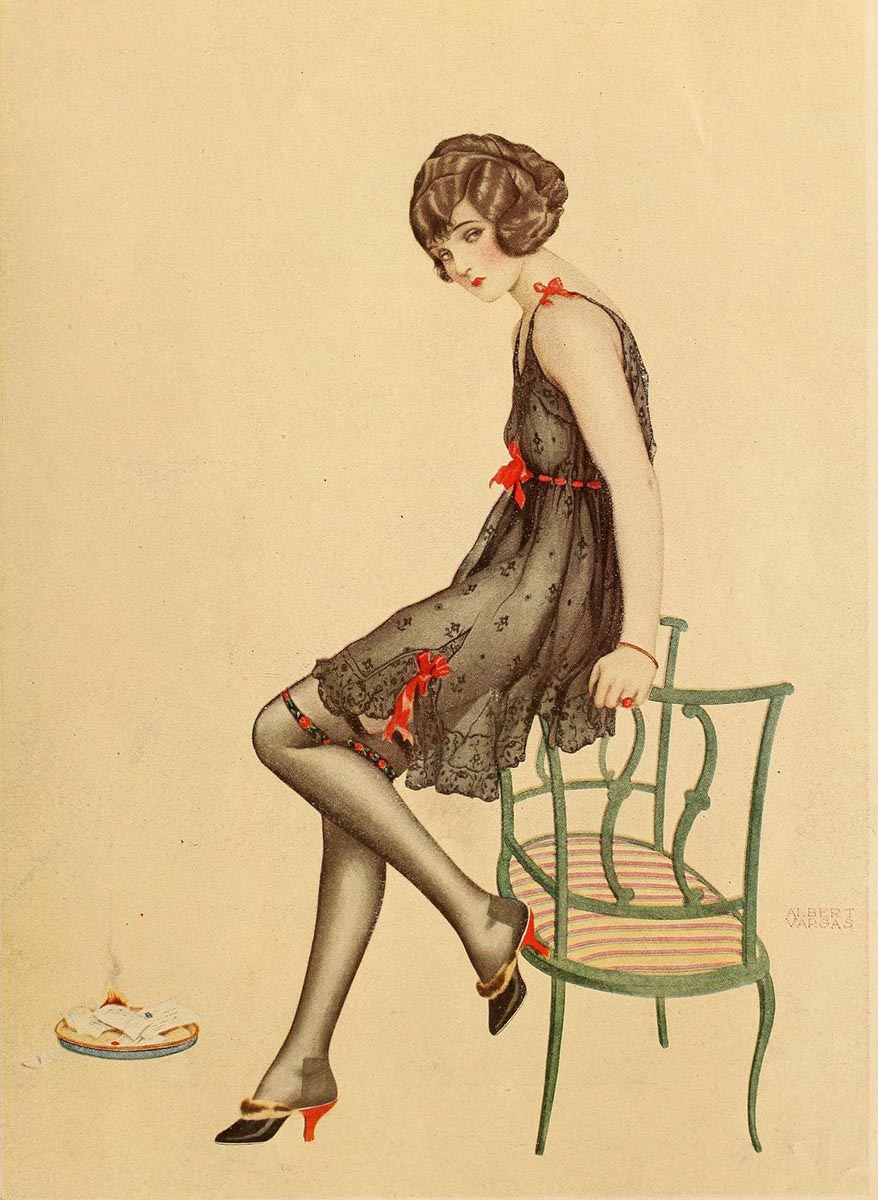
His glamorous and enchanting artworks adorned magazines like Playboy and Esquire, leaving an enduring impact on the visual landscape of the era from the 1920s to the 1940s. Vargas’ meticulous attention to detail and soft-focus technique defined a lasting standard of beauty globally. Here are some notable works and their descriptions:
“Varga Girls”: This series epitomizes Vargas’ signature style, showcasing elegant and alluring portrayals of women with meticulous attention to detail.
“Memories of Olive”: Among his most famous pieces, this painting captures the essence of the 1940s pin-up aesthetic, featuring a seductive female figure lounging in luxurious attire.
“Esquire Covers”: Vargas produced numerous cover illustrations for Esquire magazine, known for their sophistication and sensuality, often featuring beautiful women in glamorous poses.
“Vargas Calendar Girls”: These calendar illustrations encompass a wide range of themes and styles, from playful and flirtatious to elegant and sophisticated, making them highly sought-after collector’s items.
5. Daniel Hernández Morillo

Daniel Hernández Morillo (1856–1932) emerged as a prominent Peruvian painter, renowned for his notable contributions to the country’s art scene during the late 19th and early 20th centuries. Hailing from Lima, Peru, Morillo underwent formal training at the Academy of San Fernando in Madrid, Spain, where he cultivated his unique artistic style.
He played a pivotal role in advocating for Peruvian cultural heritage through his artistry and held positions as both a professor and director at the National School of Fine Arts in Peru.
Fun Facts about Daniel Hernández Morillo:
- Daniel Hernández Morillo was a renowned Peruvian painter known for his work in expressionism and figurative art, often reflecting Peruvian identity and social issues through his paintings.
- He was deeply influenced by European avant-garde movements during his time in France, where he interacted with other renowned artists.
- Unlike many artists of his time, Hernández Morillo explored human emotions and psychological depth, often focusing on the inner lives of his subjects.
- His vibrant use of color and bold brushwork made his pieces stand out, blending Peruvian symbolism with modernist techniques.
- Hernández Morillo’s legacy continues to inspire contemporary Peruvian artists, as his works are celebrated for their contribution to the development of Latin American modernism.


Morillo’s artworks predominantly depicted various aspects of Peruvian culture, including historical events, landscapes, and portraits, characterized by their realism and evocative qualities. Some of his renowned works include:
“El Vuelo del Cóndor” (The Flight of the Condor): This piece depicts the Andean condor soaring over Peru’s landscape, symbolizing freedom and the spirit of the Andes.
“Retrato de un Campesino” (Portrait of a Peasant): Here, Morillo portrays the dignity and resilience of Peru’s rural population, showcasing their daily lives and struggles.
“La Fiesta del Inti Raymi” (The Feast of Inti Raymi): Celebrating the traditional Inca festival, this painting features vibrant colors and scenes of cultural pride.
“El Valle Sagrado” (The Sacred Valley): Morillo’s interpretation of this revered landscape emphasizes its spiritual significance in Peruvian history.
According to the article Daniel Hernández Morillo – Biography, Daniel Hernández Morillo not only achieved success in Europe’s prestigious art salons, but he also won a Gold Medal at the 1900 Exposition Universelle in Paris and was decorated with the French Legion of Honour in 1901 for works like La Perezosa and Amor Cruel.
His elegant narrative paintings, often featuring women at leisure, helped bridge Peruvian art with European academic traditions, marking him as one of the few Latin American painters of his generation to gain such high distinction abroad.
6. Jorge Vinatea Reinoso

Jorge Vinatea Reinoso (1900–1931) stood out as a prominent Peruvian painter, born in Arequipa. Despite his relatively brief life, he left a lasting mark on Peruvian folk art during the early 20th century. Though his career was short-lived, his impact on Peruvian art remains significant, earning him recognition among the country’s revered artists.
Fun Facts about Jorge Vinatea Reinoso:
- Jorge Vinatea Reinoso was a pioneer of modernism in Peru, known for blending impressionist techniques with Peruvian cultural themes.
- He was one of the first Peruvian artists to study in Europe, particularly in Paris, where he was influenced by Post-Impressionism and Fauvism.
- Vinatea Reinoso’s work often depicted Peruvian landscapes, but he also focused on social realism, highlighting the daily lives of the working class and indigenous communities.
- Despite facing financial difficulties throughout his career, his contributions to Peruvian art earned him recognition as one of the country’s most influential artists.
- His legacy continues to influence Peruvian modernism, and his works are still featured in museums and galleries celebrating the intersection of global modernism and local culture.


His paintings portrayed everyday scenes of Peru, blending indigenous and European influences. Reinoso’s work reflects a profound connection to Peruvian culture and heritage, characterized by vibrant colors and meticulous detail. Here are brief descriptions of some notable paintings by Jorge Vinatea Reinoso:
“Market Day in Arequipa”: Portrays the lively scene of a local market, highlighting the vibrant colors and bustling atmosphere of daily life in Peru.
“Andean Landscape”: Showcases the majestic beauty of Peru’s mountains and valleys, evoking a sense of awe and admiration for the country’s natural scenery.
“Traditional Festivities”: Depicts the joyous celebrations of Peru, with dancers adorned in vibrant costumes and musicians enlivening the scene.
“Faces of Peru” : Celebrates the country’s people through portraits of individuals from various regions and backgrounds, each with their own unique stories.
“Colonial Architecture”: Paintings showcase Peru’s rich cultural heritage, portraying historical buildings with meticulous detail.

Famous Peruvian Painters: A Recap
Peru has produced a remarkable list of Peruvian artists who have greatly impacted the global art scene. Among these, Juan Francisco González stands out, along with other famous painters from Peru like Fernando de Szyszlo and José Sabogal.
These artists have helped shape Latin American art, blending traditional Peruvian themes with modern techniques. Their works are showcased in esteemed venues like the Venice Biennale, Tate Modern’s Turbine Hall, and galleries in New York, cementing their place in visual arts history.
One of my personal experiences seeing Juan Francisco González’s landscapes was unforgettable; the depth and emotion in his work felt like a direct link to Peru’s rich cultural landscape. His ability to bring Peruvian identity to life left a lasting impression.
These artists, whose works now feature in private collections worldwide, continue to inspire art enthusiasts and are key figures in contemporary Latin American art.