

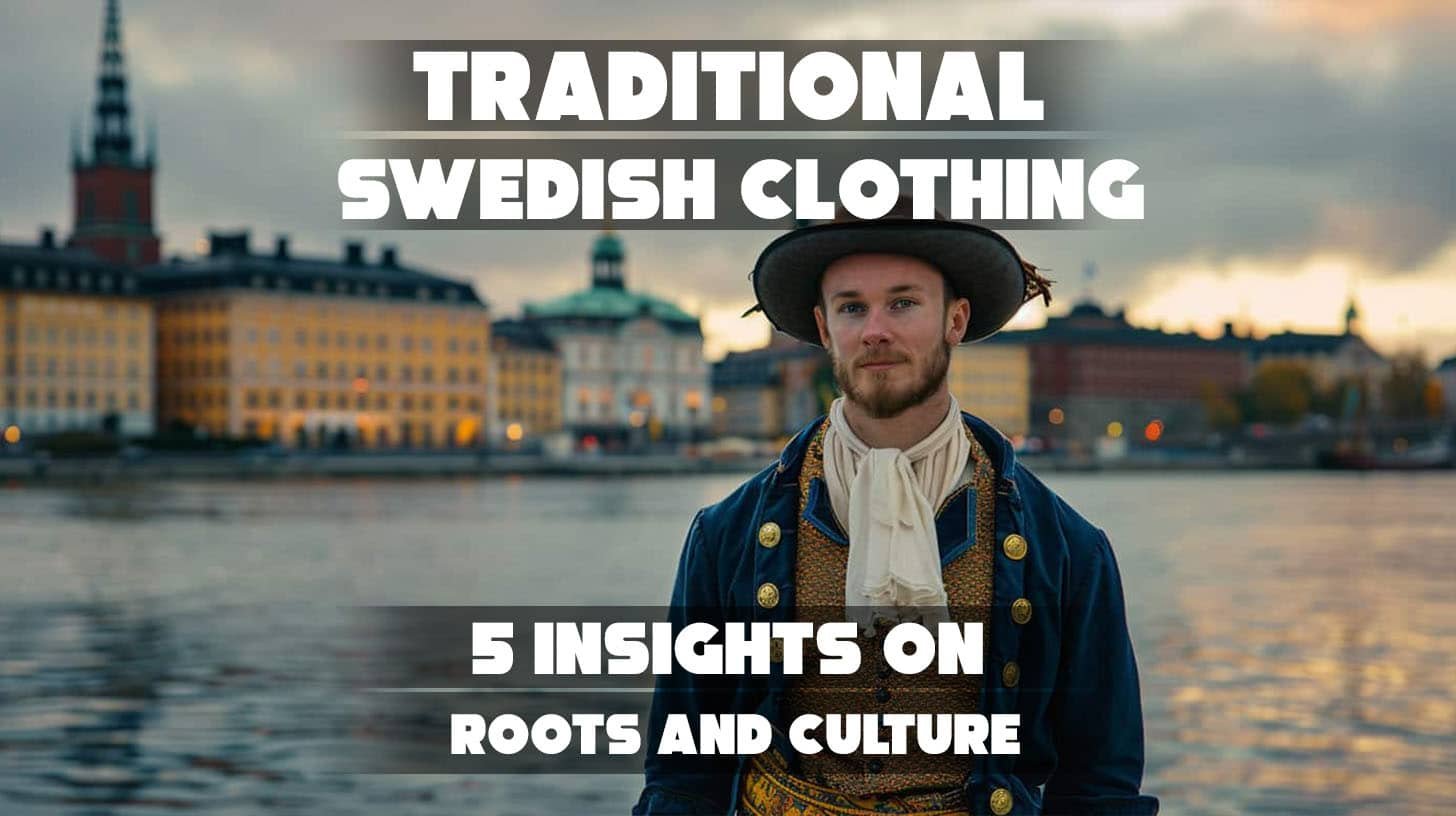

What if understanding Swedish traditional clothing could unlock a deeper connection to the country’s history, style, and identity? Many curious learners wonder what these garments really represent, and I felt the same the first time I attended a summer festival outside Stockholm, watching families proudly wear folk costumes passed down for generations.
You are the explorer here, and We are simply your guide, bringing research, experience, and cultural insight to make this journey effortless.
In this article, you’ll learn:
- The origins of Swedish folk costumes
- Male vs. female clothing styles
- Regional symbolism and meaning
Keep reading, take the first step, and soon you’ll recognise Swedish garments not just as clothing, but as living history woven into fabric.


1. History of Traditional Swedish Clothing

The evolution of traditional Swedish clothing represents more than a change in appearance. It reflects Swedish culture, identity, and the cultural influences that shaped the nation. Traditional attire began in the cold and rugged landscapes of Scandinavia, where clothing was designed for survival.
Thick wool, layered fabrics, and practical footwear helped people endure long winters, showing the strength and resilience of earlier generations.
As time passed, Sweden came into contact with neighboring regions through trade and travel. These exchanges introduced new materials, detailed embroidery, and creative design techniques that eventually blended with existing traditions.
This mixture of influences led to a wide range of clothing styles, from simple and rustic folk garments worn daily in rural areas to ornate dresses and tailored pieces associated with royal life. Every region formed its own identity through clothing, using different colors, patterns, and symbols to express local culture and craftsmanship.
Swedish clothing continued to change with modern trends, reflecting new preferences while still preserving tradition. Some styles remained richly decorated and handmade, while others became more practical and minimal. Even as everyday dress became more international, traditional Swedish attire remained important during celebrations such as Midsummer, National Day, and cultural festivals.
Members of the royal family, including Crown Princess Victoria and Queen Silvia, have played a role in maintaining the visibility of national dress. Their use of updated traditional garments during official events has drawn attention to the cultural value of Swedish clothing. People around the world admire the beauty, history, and skilled craftsmanship behind these garments.
” Clothing Economy and Clothing Culture: The Farm Wardrobe from a Gendered Perspective in Nineteenth-Century Sweden” by Marie Ulväng’s explores how rural wardrobes changed with industrialization. She highlights differences between men’s and women’s clothing, showing how fabric, cost and social expectations shaped what people wore. Her work reveals that traditional Swedish dress was practical, gender-defined and influenced by economic conditions.
See Also Swedish Folk Art
2. Swedish National Costume
Swedish National Costume for Women

Traditional Swedish fashion varies by region and occasion, often reflecting local identity and craftsmanship. Key components include:
- Linnetröja (Linen Blouse): A breathable, long-sleeved blouse forming the base of the outfit, often plain or subtly decorated.
- Livstycke (Bodice): A fitted vest-like garment worn over the blouse, usually embroidered or patterned to add color and structure.
- Kjol (Striped Skirt): A full, striped skirt that creates volume and movement, often made from durable, colorful fabrics.
- Förkläde (Apron): Worn over the skirt, aprons are practical but also decorative, sometimes featuring embroidery or lace.
- Huva (Kerchief or Bonnet): Headwear that completes the outfit, ranging from simple kerchiefs to elaborately decorated bonnets, often tied or pinned in place.
These elements combine to create an ensemble that is both functional and rich in cultural meaning, reflecting Sweden’s regional traditions and festive spirit.
Swedish National Costume for Men

Traditional Swedish men’s clothing varies by region and historical period, reflecting local customs and practical needs. Like women, men often wear Folkdräkt, a combination of garments designed for both function and style.
- Linneskjorta (Linen Shirt): A lightweight, durable shirt forming the base of the outfit, often plain or subtly decorated.
- Väst (Wool Vest): Worn over the shirt for warmth and style, sometimes featuring simple embroidery or decorative buttons.
- Knäbyxor (Knee-Breeches): Knee-length trousers made from wool or sturdy fabrics, designed for comfort and movement.
- Strumpor (Stockings): Long wool or cotton socks that keep the legs warm and complement the knee-breeches.
- Mössa (Woolen Cap): Practical headwear, ranging from simple caps to more decorated styles depending on region and occasion.
Additional pieces like jackets, belts, scarves, and discreet jewelry complete the look. Sturdy leather shoes or boots are standard footwear. Men’s Folkdräkt is worn during festivals, cultural celebrations, and sometimes formal events, preserving a connection to Swedish heritage while inspiring modern interpretations.
3. Notable Vintage Swedish Outfits
The Sámi Gákti

The Sámi Gákti, the traditional clothing of the Sámi people, is far more than simple attire. It is a powerful symbol of indigenous identity, cultural heritage, and centuries of tradition. Worn with pride during festivals, ceremonies, weddings, confirmations, reindeer‑herding events, and other cultural gatherings, the Gákti connects the Sámi to their ancestors and expresses a sense of belonging and continuity.
Originally, the Gákti was made from reindeer hide, fur, and sinew — materials drawn directly from the Arctic environment. Over time, wool, linen, cotton, silk, and felt were incorporated, balancing practicality with beauty. The clothing is highly distinctive for its bright colors, intricate patterns, and detailed embroidery, which often indicate the wearer’s gender, age, marital status, family, and region of origin. This makes each Gákti a unique reflection of personal and regional identity.
For Sámi women, the Gákti usually consists of a long-sleeved tunic or dress adorned with bold embroidery, often complemented by a matching shawl, scarf, or sash made from linen, wool, or flax. Accessories such as silver jewelry, belts with decorative buttons, and hand‑woven ribbons complete the ensemble. These details are not only decorative but carry symbolic meaning, such as indicating marital status or family ties.
For Sámi men, the Gákti typically includes a richly decorated shirt and trousers, often accompanied by a belt, traditional boots made of reindeer hide or leather, and a hat. In colder regions, men may wear a thick hooded cape called a luhkka over the outfit. The embroidery, ribbon work, and metal accents on the garments are carefully crafted, making the clothing both functional and a statement of cultural pride.
The Gákti remains a living tradition today. While modern life means the Sámi do not wear it daily, it continues to play a central role in ceremonies, cultural celebrations, and festivals. Regional and family variations ensure that every Gákti is unique, maintaining a strong link between the individual, their community, and Sámi heritage. More than just clothing, the Gákti embodies resilience, artistry, and the enduring spirit of the Sámi people.
The Dala Costume

The Dala Costume is steeped in history and symbolism, reflecting the customs and traditions of the people of central Sweden. The Dala Costume, worn in central Sweden, symbolizes the region’s cultural heritage. This traditional Swedish clothing consists of key elements for both men and women.
Women wear a long-sleeved blouse with floral embroidery, a full skirt, an apron, and a shawl. Men don a similarly embroidered shirt, trousers, vest, and leather accessories.
The attire’s colors and patterns draw inspiration from nature, with earthy tones and floral motifs prevailing. Crafted with meticulous attention to detail, the outfit showcases the skill of local artisans.
The Bohus Stickning

Bohus Stickning, a celebrated knitting tradition from western Sweden, is an important part of the country’s textile heritage. Developed in the mid-20th century, it quickly became known worldwide for its exquisite craftsmanship, intricate patterns, and the exceptional quality of its garments.
Bohus Stickning is characterized by its use of fine yarns such as mohair, angora, and high-quality wool, which give the finished pieces remarkable softness, warmth, and elegance. Sweaters, cardigans, and accessories are adorned with complex colorwork, often inspired by the natural landscapes of Sweden, including flowers, leaves, and geometric motifs. These designs highlight both the creativity and the precision of the knitters, turning each garment into a wearable work of art.
The technique itself is highly meticulous. Knitters carefully select the finest yarns and follow elaborate patterns that require advanced skill and concentration. Many Bohus Stickning pieces feature multi-colored stranded knitting, where different shades are blended seamlessly to create subtle gradients and intricate designs. This attention to detail ensures that every garment is not only beautiful but also durable, functional, and timeless.
Bohus Stickning represents more than a knitting style, it is a symbol of Swedish artistry, innovation, and the dedication of the women who preserved and promoted this craft. Today, these garments remain treasured by collectors and fashion enthusiasts worldwide, reflecting a proud tradition of Scandinavian textile mastery.
See Also Famous Swedish Painters
The Folkdräkt

Folkdräkt is the traditional Swedish national costume, varying by region, occasion, and social context. Women’s ensembles typically include a blouse, bodice, skirt, apron, and headwear, often decorated with colorful embroidery, patterns, and silver jewelry.
Men’s outfits feature a shirt, vest, knee-breeches, stockings, and a cap, with subtle embellishments. These garments reflect local identity, craftsmanship, and heritage. Worn during festivals, cultural events, and celebrations, Folkdräkt preserves regional traditions while showcasing Sweden’s rich history and artistry in clothing design.
The Viking Tunics

The Viking tunics reflect the attire worn by the legendary Norse people, embodying Sweden’s rich cultural heritage. Inspired by ancient Norse clothing, these garments symbolize the resilience and ingenuity of Scandinavian ancestors.
Made from durable materials like wool or linen, Viking tunics are designed to withstand harsh climates. Their simple yet functional design features loose-fitting silhouettes and straight-cut sleeves.
Distinctive embroidery and embellishments adorn Viking tunics, often showcasing geometric patterns, animal motifs, and runic symbols. Each decoration holds symbolic significance, reflecting the cultural values of the Norse people.
The Sámi Leather Boots

Sámi leather boots are an essential part of traditional Sámi clothing, combining practicality with cultural significance. Handmade from durable reindeer hide, these boots are designed to endure the extreme cold and rugged terrain of Arctic and sub-Arctic regions, providing warmth, flexibility, and long-lasting protection.
Unique features include sturdy soles and upturned toes, originally made to secure skis or snowshoes, as well as decorative touches such as colorful wool bands, woven straps, or beadwork that often reflect regional identity and craftsmanship.
Sámi boots are more than functional footwear; they are a symbol of resilience, tradition, and the deep connection of the Sámi people to their ancestral lands.
The Bonnets

Bonnets is a traditional head covering worn in Sweden, designed to protect the wearer from the sun, wind, and cold. Typically made from linen or cotton, bonnets combine practicality with charm, adding a delicate finishing touch to an outfit.
They are made in various styles influenced by regional traditions. Some feature intricate embroidery, lace trimmings, or colorful ribbons, making them both decorative and functional.
Worn by men and women, especially in rural areas and during festivals, bonnets symbolize Swedish cultural heritage, regional identity, and the artistry of traditional craftsmanship.
“Swedish Traditional Women’s Bonnets – Fancy Headdresses That Would Perfectly Suit Modern Fashionistas” explores the history and variety of Swedish women’s bonnets. Made from linen or cotton, often decorated with lace, embroidery, or ribbons, bonnets reflect regional traditions, social status, and practical needs, combining functionality with charm in Swedish folk costume.
Accessories

Swedish accessories are a beautiful reflection of the country’s rich traditions, craftsmanship, and cultural stories. Each piece tells a tale of history, heritage, and artistry, from the delicate creations of the Sámi people to symbols of friendship and hospitality across Sweden.
Notable Swedish accessories include:
- Sámi Jewelry: Crafted from reindeer antlers, bone, and silver, these pieces feature intricate designs that reflect Sámi culture, identity, and connection to nature.
- Rättvik Bracelets: Made from pewter or silver, often engraved with traditional patterns, these bracelets are cherished as symbols of friendship, love, and regional heritage.
- Silver Spoons: Traditionally given as gifts, these spoons symbolize Swedish hospitality and are treasured family heirlooms passed through generations.
- Viking Brooches: Inspired by Sweden’s Viking past, these brooches are made from bronze or silver and often feature historic motifs and patterns.
Seeing these accessories in person, especially at a Swedish folk museum, left me in awe. The craftsmanship is incredible, every detail, from the fine engravings on a bracelet to the patterns on a brooch, tells a story that connects the past to the present.
4. Regional Swedish Traditional Attire
Traditional Dress in Northern Sweden

In Northern Sweden, traditional clothing carries a deep sense of history, shaped strongly by the Indigenous Sámi people and their enduring cultural heritage. Sámi influences can be seen in the materials and craftsmanship of the region’s attire, garments made from reindeer hide, wool, and fur, all perfectly suited to life in the Arctic climate.
One of the most recognizable traditional outfits is the gákti, worn by both Sámi men and women. It’s a brightly colored tunic decorated with detailed embroidery, typically paired with pants or a skirt, and completed with a belt, boots, and a distinct hat. Every element of the gákti can reflect personal identity, from family roots to geographic background.
Beyond Sámi clothing, Northern Sweden’s traditional dress also includes practical winter garments like knitted sweaters, wool mittens, and fur-lined coats designed to handle long, snowy winters.
Further south, in the Dalarna region, traditional Swedish attire carries its own charm. Folk costumes from this area are known for their vivid colors, detailed embroidery, and decorative aprons, often worn during festivals and national celebrations. Dalarna’s clothing traditions highlight a different but equally meaningful side of Sweden’s cultural tapestry.
Traditional Dress in Central Sweden

In central Sweden, the national costume embodies the region’s rich cultural heritage. One iconic element of traditional dress in this region is the Dala Costume, deeply rooted in local customs and artistry.
The Dala Costume, also known as the Dalecarlian Costume, features vibrant colors and intricate patterns. Typically comprising a bodice, skirt, apron, and headscarf for women, and a shirt, vest, trousers, and hat for men, these garments are often adorned with detailed embroidery, reflecting the region’s artistic traditions.
The Dala Costume holds particular significance in central Sweden, especially in Dalarna province, where it symbolizes local identity and pride.
Traditional Dress in Southern Sweden

In southern Sweden, the Scanian folk dress, or Skånedräkten, deeply rooted in local traditions, mirrors the rich history and rural lifestyle of the area.
Characterized by vibrant colors, intricate patterns, and unique accessories, the Scanian folk dress typically comprises a blouse, skirt, apron, and shawl for women, and a shirt, vest, trousers, and hat for men. These Swedish outfits often feature elaborate embroidery, lace, and other decorative elements, showcasing the region’s skilled handiwork.
The Scanian folk dress holds notable cultural importance in southern Sweden, particularly in the province of Scania (Skåne), where it serves as a symbol of regional identity and pride.
See Also Traditional Irish Clothing
Traditional Dress in Western Sweden

In Western Sweden, traditional clothing reflects the coastal influences of Halland, blending maritime heritage with rural traditions. It is characterized by practicality and simplicity, designed to withstand the coastal climate and rugged terrain.
Halland’s traditional dress includes blouses, skirts, aprons, and shawls for Swedish women, and shirts, trousers, and jackets for men. Bohuslän is crafted from durable fabrics like wool and linen, offering warmth and protection.
Distinctive features of Halland’s traditional clothing include colors and patterns inspired by the sea and nature, such as blue and white hues reminiscent of ocean waves and sandy beaches, along with stripes and geometric designs.
Accessories like scarves, hats, and belts play a significant role, adding both functionality and style to the ensemble.
5. Pattern of Swedish Attire
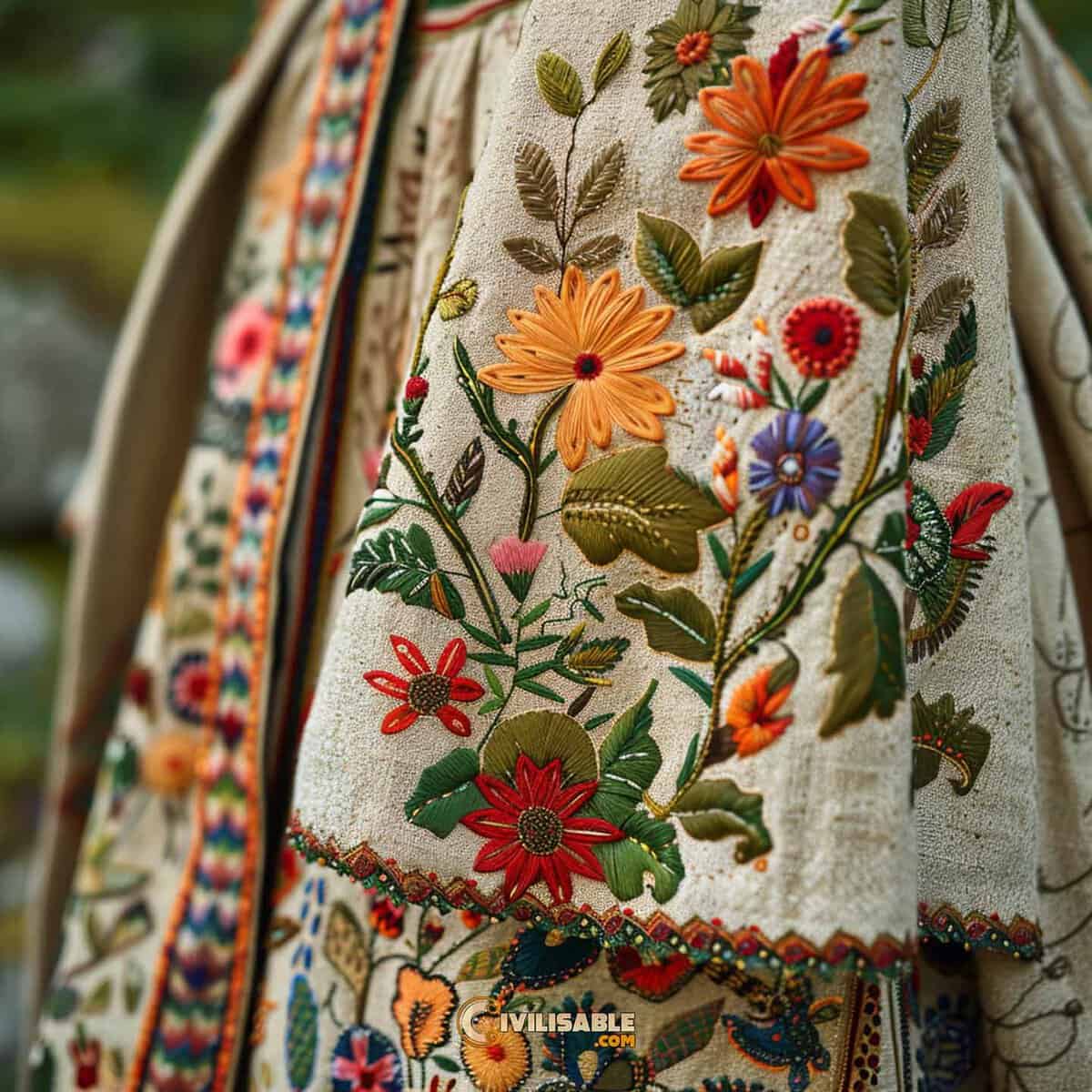
Traditional Swedish clothing is rich in patterns, textures, and symbolism, reflecting the country’s history, regional identities, and cultural values. Garments such as the folkdräkt and national dress often feature detailed embroidery, with motifs inspired by nature, local folklore, and traditional symbols, making each outfit unique.
Stripes, checks, and plaids are common patterns woven into wool and linen fabrics, chosen for their warmth, durability, and practical use in daily life.
Colors and patterns carry symbolic meaning: red, blue, and yellow are frequently used, while specific motifs may indicate regional origin or social status. Natural materials such as wool, linen, and cotton are preferred, combining comfort with longevity.
Traditional Swedish clothing is worn during festivals like Midsummer and Christmas, as well as weddings and other special occasions, highlighting cultural pride and continuity. Each ensemble not only serves a practical purpose but also tells a story about the wearer’s community, heritage, and the artistry of Swedish textile craftsmanship.
Traditional Swedish Clothing: A Recap
Traditional Swedish clothing is a beautiful reflection of the country’s rich cultural heritage, showcasing a vibrant mix of regional customs and historical influences. From the bold colors and intricate patterns of folk costumes (or folkdräkt) to the refined elegance of the traditional Swedish wedding dress, each piece tells a story of the land and its people.
The designs are deeply connected to the landscapes they come from. Whether it’s the sturdy, weathered garments of Northern Sweden or the floral motifs of costumes from Dalarna, Swedish attire embodies a spirit of resilience, creativity, and pride. The unique blend of craftsmanship and artistry in these outfits speaks to a tradition that values both beauty and functionality.
Wearing these costumes isn’t just about style—it’s about preserving a piece of history. During festivals, when Swedes gather in their Swedish costumes, like the Korsett (a type of bodice) or the colorful Midsommarkrans (Midsummer crown), there’s an undeniable sense of unity and celebration. I once visited Sweden during one of their Midsummer celebrations, and seeing people of all ages wearing their traditional clothes, dancing and singing together, was an unforgettable experience. It felt like stepping into a living tradition, where every garment connects people to their roots and to one another.
By honoring these customs, Sweden keeps its cultural legacy alive. Traditional clothing is more than just fabric—it’s a symbol of belonging, community, and shared history.