


Are you intrigued by the fascinating history of traditional Chilean clothing? You’re not alone—many people are fascinated by how these garments seamlessly combine Mapuche culture with Spanish influences.
As someone who has lived in Chile and experienced its cultural richness firsthand, I’ve always admired how clothing tells a story of the country’s history and identity. Chilean garments, like the Chamanto and Poncho, are more than just clothing; they symbolize heritage and tradition.
In this article, we’ll explore:
- The evolution of Chilean clothing styles
- 8 Iconic garments and their cultural significance
- How these garments reflect Latin American heritage
By the end, you’ll gain a deeper appreciation for Chilean clothing and how it connects the past with the present, preserving a timeless cultural legacy.
Historical Overview of Chilean Traditional Clothing

Chilean traditional clothing reflects the country’s rich cultural history, blending indigenous Mapuche heritage with Spanish influences. Early Chilean garments were crafted from natural fibers like wool and cotton, used for practical purposes in harsh climates.
The Mapuche, the largest indigenous group, contributed the iconic poncho, a symbol of their identity. Spanish colonialism introduced European styles, leading to the fusion of European and indigenous elements in clothing.
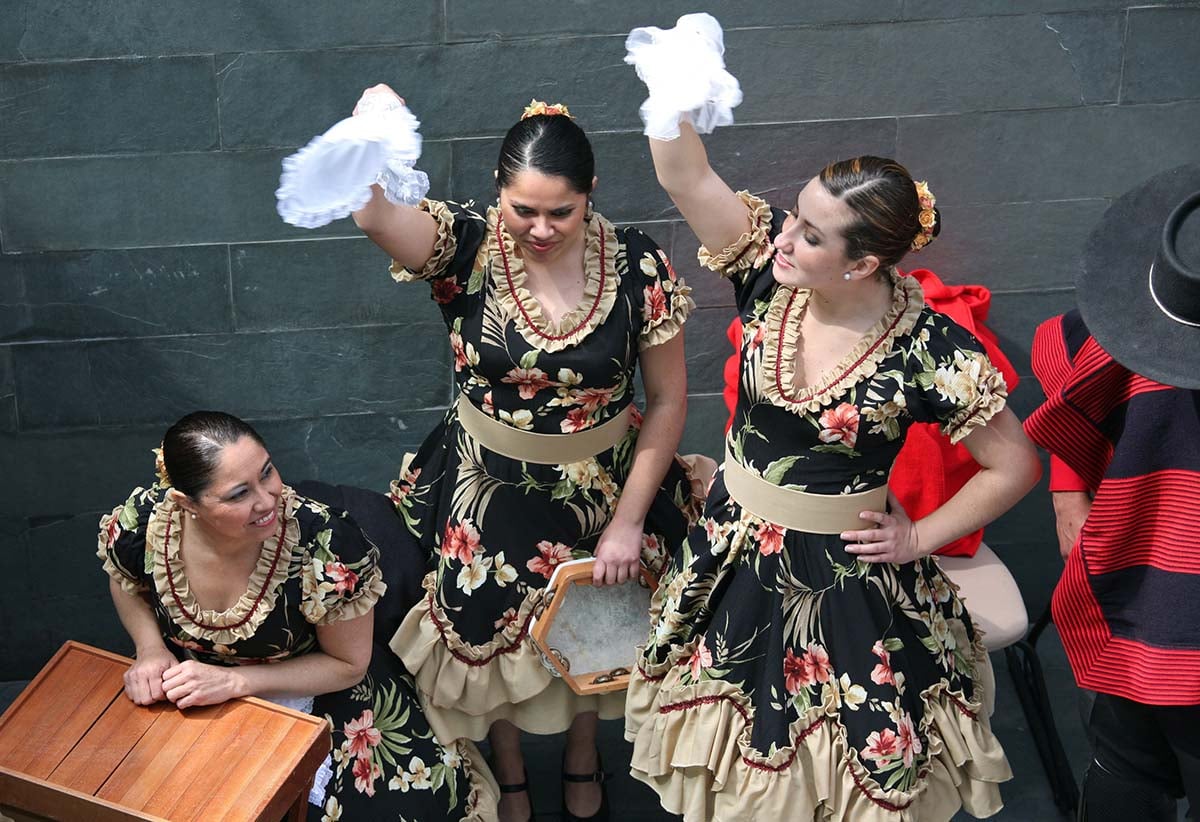
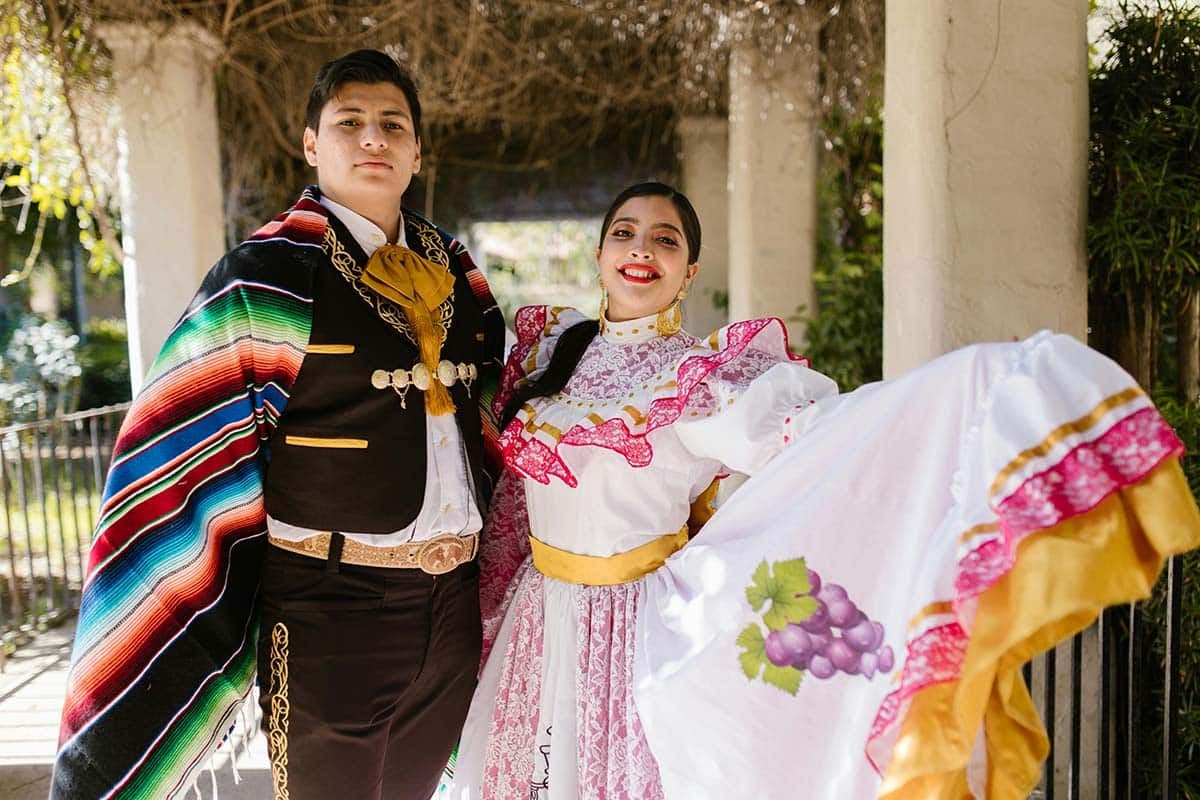
During the 19th century, the huaso attire, worn by Chilean cowboys, became a symbol of national pride, characterized by wide-brimmed hats, boots, and intricate belts. Today, traditional Chilean clothing is often worn during national festivals, such as Fiestas Patrias, reflecting the country’s rich history and cultural pride.
The influence of both indigenous and European cultures remains evident in Chile’s traditional garments.
According to A History of Chile Traditional Clothing And Where To Find it, Chile’s traditional attire ranges from huaso ponchos and cowboy outfits to ornate Mapuche garments, reflecting rural and indigenous styles that are most visible during national celebrations like Fiestas Patrias, where cueca dancers wear traditional outfits.
See Also Traditional Peruvian Clothing
Classic Chilean Style

Chilean traditional clothing for women:
- Chamanto: A silk or woolen cloak worn by women, often decorated with intricate patterns, symbolizing wealth and cultural pride.
- Pollera: A traditional skirt, usually made from cotton or wool, often worn with colorful embroidery, representing Chilean folk traditions.
- Blusa: A blouse, often paired with a pollera, featuring delicate lace or embroidery, worn for both casual and formal occasions.
- Mantón: A shawl worn over the shoulders, usually made of wool or silk, adding elegance and warmth to women’s attire.
- Huasa Dress: A dress worn by women in rural areas, reflecting the traditional huaso cowboy style, often with a fitted bodice and flowing skirt.
- Diademas: Decorative headpieces, often adorned with flowers or jewels, worn during national celebrations and traditional dances.
Chilean traditional clothing for men:
- Poncho: A traditional garment made of wool, worn over the shoulders, representing Chilean identity and Mapuche heritage.
- Chamanto: A decorative, fine silk or wool cloak worn by men, often associated with high social status during festivals or formal events.
- Huarache: Traditional leather sandals, often worn in rural areas, designed for comfort and durability.
- Cinturón de Huaso: A wide, intricately decorated belt worn by Chilean cowboys, symbolizing their connection to rural life and heritage.
- Sombrero: A wide-brimmed hat, often made of felt or straw, worn by men during traditional events or as part of rural attire.
- Chaqueta de Huaso: A short, fitted jacket worn by men, typically made of wool or cotton, reflecting the Chilean cowboy (huaso) lifestyle.
See Also Traditional Brazilian Clothing
Notable Vintage Chilean Outfits
1. Chamanto
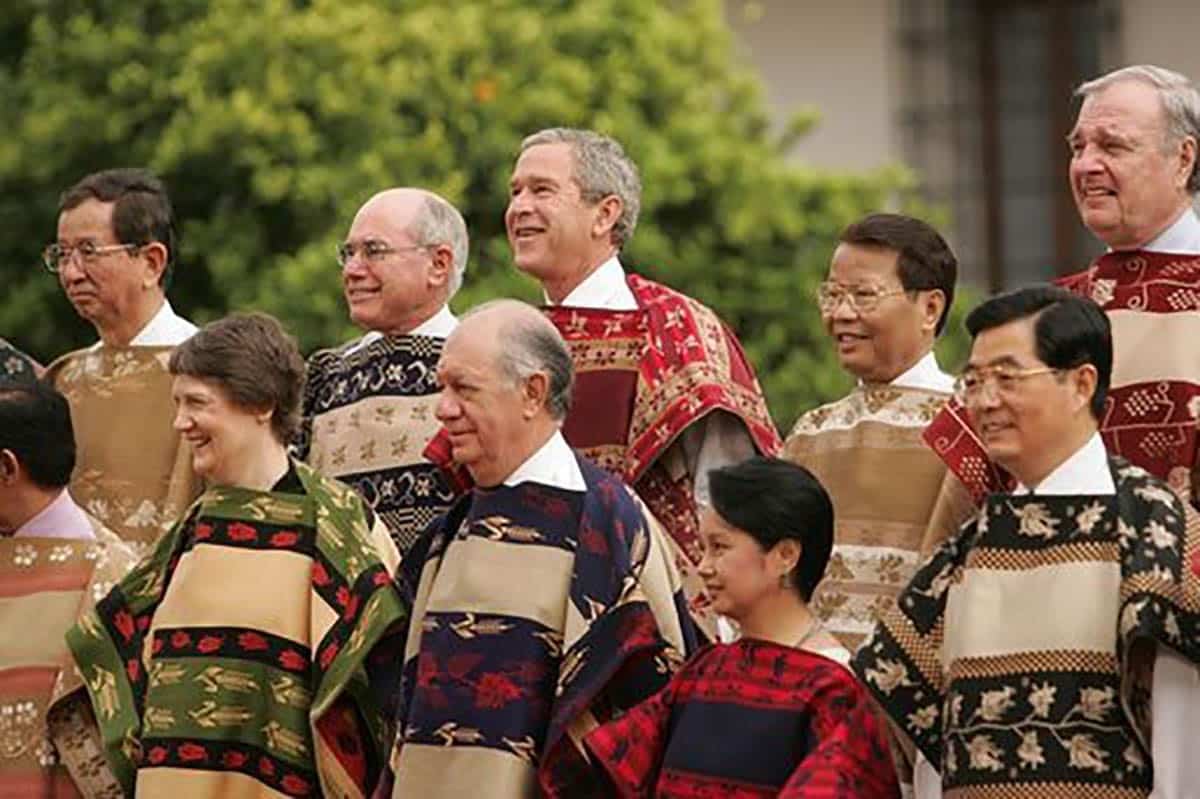
The chamanto, a traditional Chilean garment, holds deep cultural significance, showcasing the country’s rich heritage. This large, brightly colored poncho-like cloak is often made from wool or llama fabric. Traditional Chilean clothing, like the chamanto, reflects a fusion of Mapuche culture and Spanish influences.
Chamantos are woven with intricate patterns, displaying the craftsmanship of Chilean weavers. Using techniques like backstrap loom weaving, each chamanto features unique motifs that honor the blend of indigenous Mapuche traditions and Chilean history.
Originally worn by Mapuche leaders, the chamanto was later adopted by the Chilean aristocracy, becoming a cherished symbol in families. Its bright colors, created with natural dyes, represent the country’s cultural heritage. More than just a warm garment, the chamarra remains a meaningful piece of Chilean traditional clothing worn by women across generations.
2. Huaso Attire
Huaso attire represents the spirit of Chilean cowboys, known as huasos, who play an important role in Chile’s rural culture. This traditional clothing reflects a deep connection to the countryside, made from strong materials like wool and cotton.
A huaso’s attire usually includes a wide-brimmed straw hat called a “chupalla,” a colorful woven poncho or jacket, a handcrafted leather belt with silver buckles, and durable leather boots.
Beyond its practical use for the tough demands of rural life, Huaso attire carries deep symbolic meaning, representing the resilience and independence of the Chilean people.
3. Pollera Pintada
The pollera pintada is a traditional skirt worn by women in northern Chile. Made from cotton or wool, it showcases the artistic skill of Chilean artisans.
The unique feature of the pollera pintada is its hand-painted designs, with each pattern telling a story from the region’s folklore and traditions. More than just a skirt, the pollera pintada symbolizes femininity, grace, and cultural pride, representing the heart of Chilean womanhood.
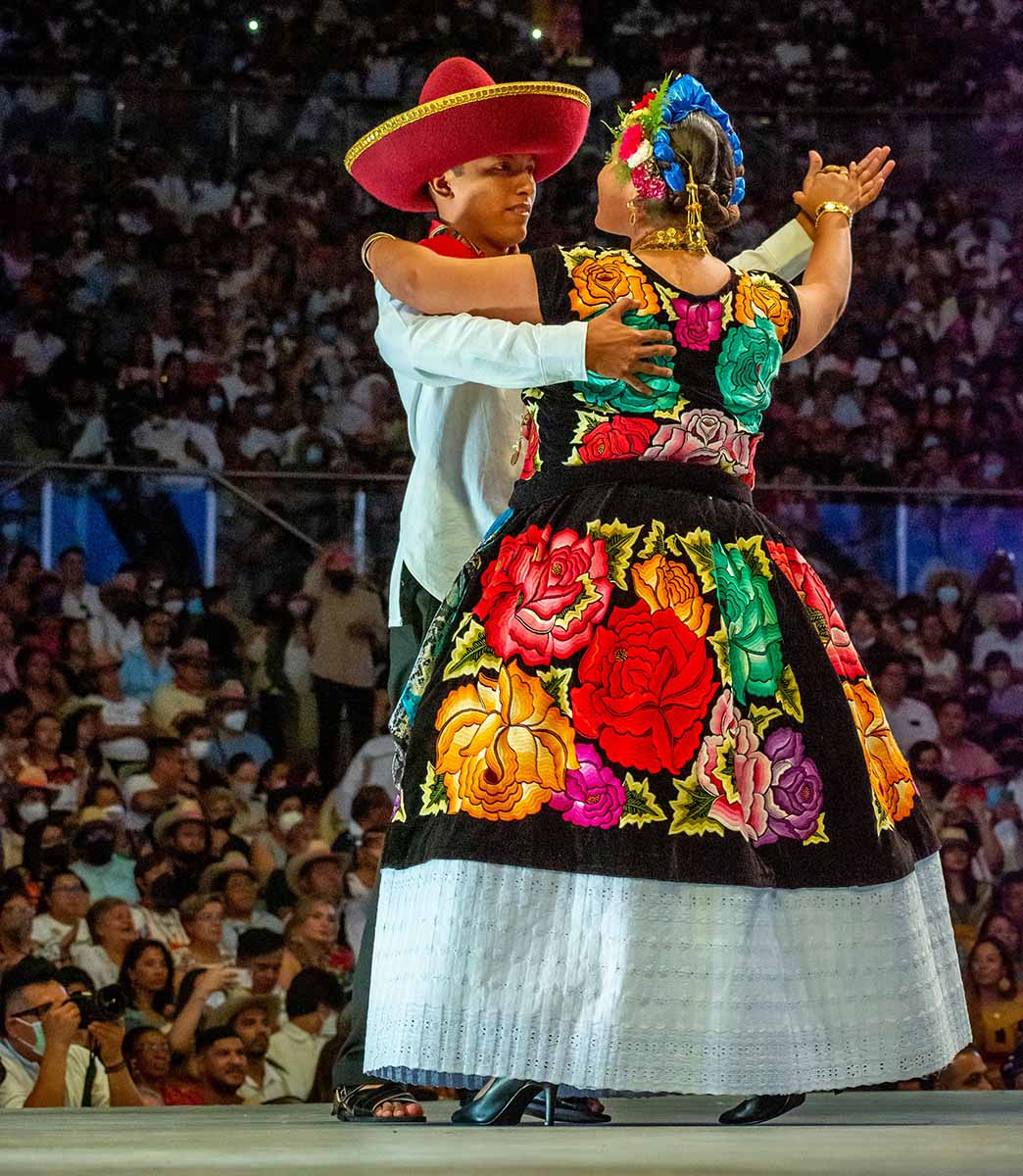
At a Chilean cultural event, I saw women in Pollera Pintada, with vibrant floral designs that beautifully showcased the rich artistry and cultural significance of this traditional garment.
See Also Chilean Fashion
4. Rari Blanket

The Rari blanket, a key piece of traditional Chilean clothing, comes from the Rari community in central Chile. Woven from wool or cotton, it features vibrant colors like red, black, and white, showcasing the artistic heritage of the Mapuche people.
Passed down through centuries, this blanket is more than just practical; it’s a symbol of Chilean culture. It’s often seen during rodeos and celebrations, and pairs well with accessories like silver earrings or a sash. The Rari blanket represents the pride and traditions of Chilean families, whether in Santiago or Temuco.
5. Poncho
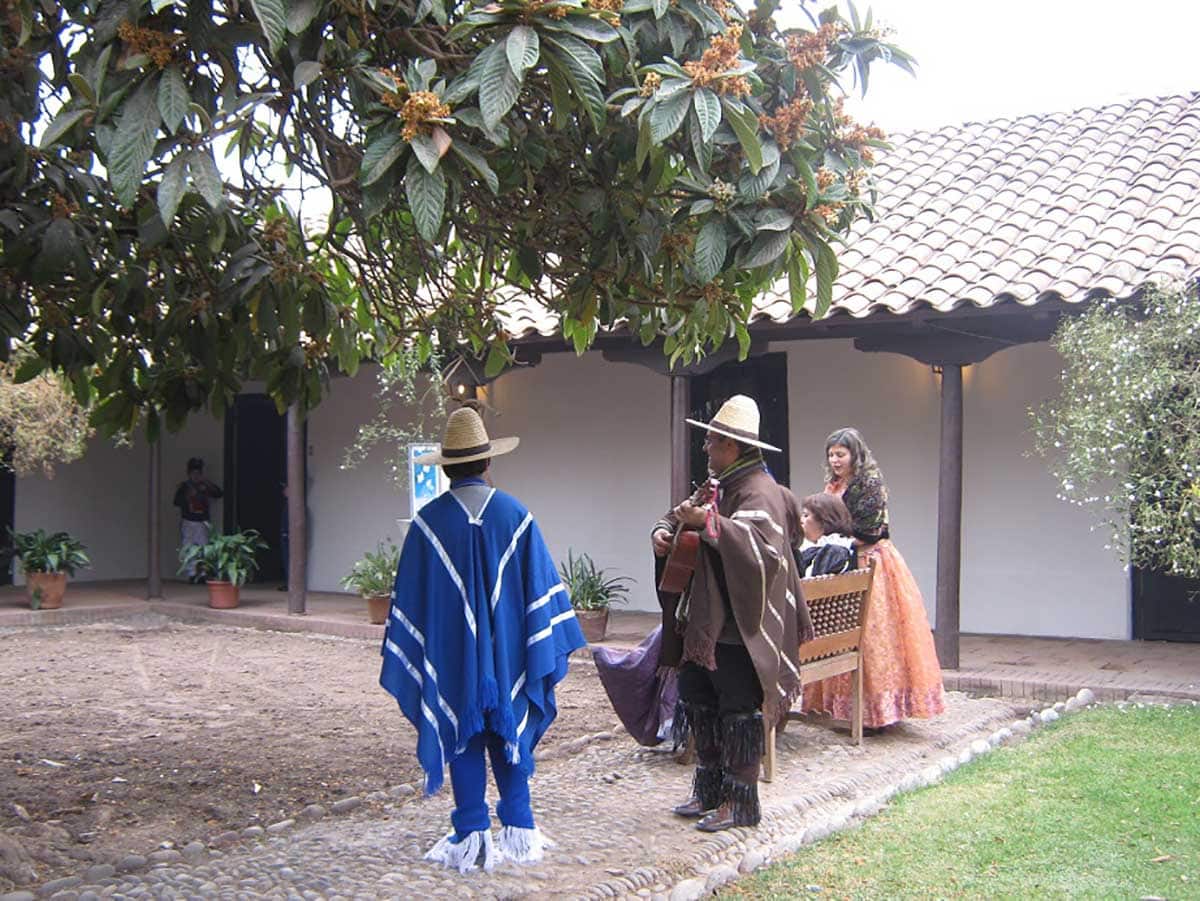
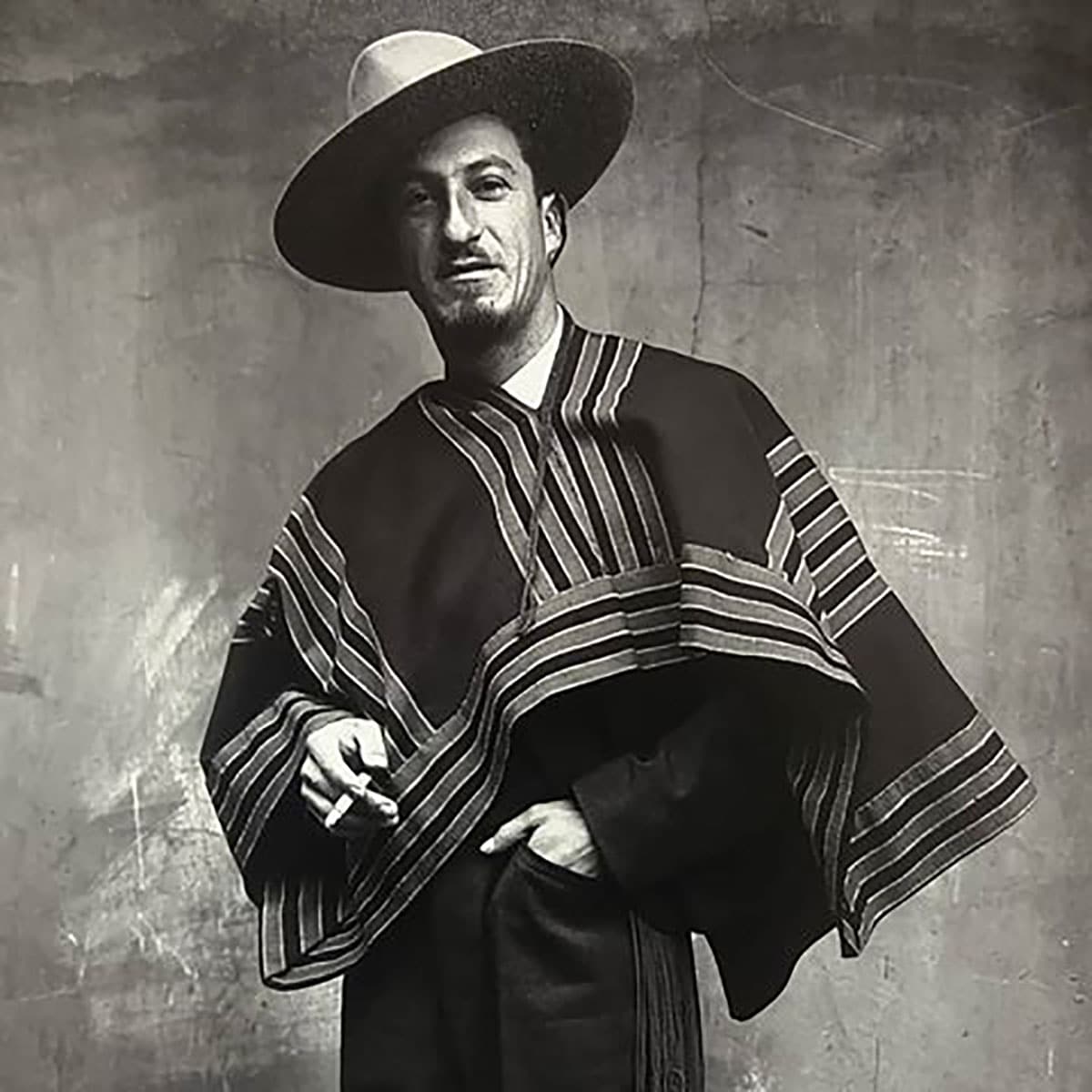
The poncho is a vital piece of Chilean traditional clothing, representing the spirit of Chile’s rugged landscapes. Worn by both men and women, it is crafted from materials like wool or llama fabric and is often adorned with intricate patterns in colors such as red, black, and white.
This garment, worn with a sash around the waist, offers protection and warmth while reflecting the rich cultural identity of Chile. In Temuco and beyond, the poncho plays an essential role in traditional celebrations, especially during rodeos or Cueca dances, where it adds flair to performances.
According to Complete Guide to Chilean Clothing, the poncho Mapuche, also known as Poncho Chilote, is a traditional Chilean garment woven from thick wool with simple, geometric patterns designed for warmth and protection in the colder southern regions of Chile. The guide highlights how ponchos and similar traditional attire blend indigenous customs with Spanish colonial influences, forming an essential part of Chile’s cultural dress tradition.
The poncho, a symbol of Mapuche heritage, has been worn for centuries by Chilean men and women, making it a key element of Chilean national dress. It’s not just about function; the poncho symbolizes the pride and strength of the indigenous Mapuche people and is cherished across generations in Chilean families.
6. Huaso Boots (Chupallas)

Huaso boots, also called “Chupallas”, are traditional leather footwear worn by Chilean men known as “Huasos”. These boots are a vital part of Chilean traditional clothing and hold deep cultural value within Chilean society.
Crafted from strong leather, Huaso boots are made to withstand the demands of ranching and horseback riding. Their durable design offers support and protection during long hours of labor in the countryside, whether on the plains of Temuco or at rodeos.
The boots are a symbol of the rugged lifestyle and independence of the Mapuche and Chilean cowboys.
7. Chilote Cap (Gorro Chilote)
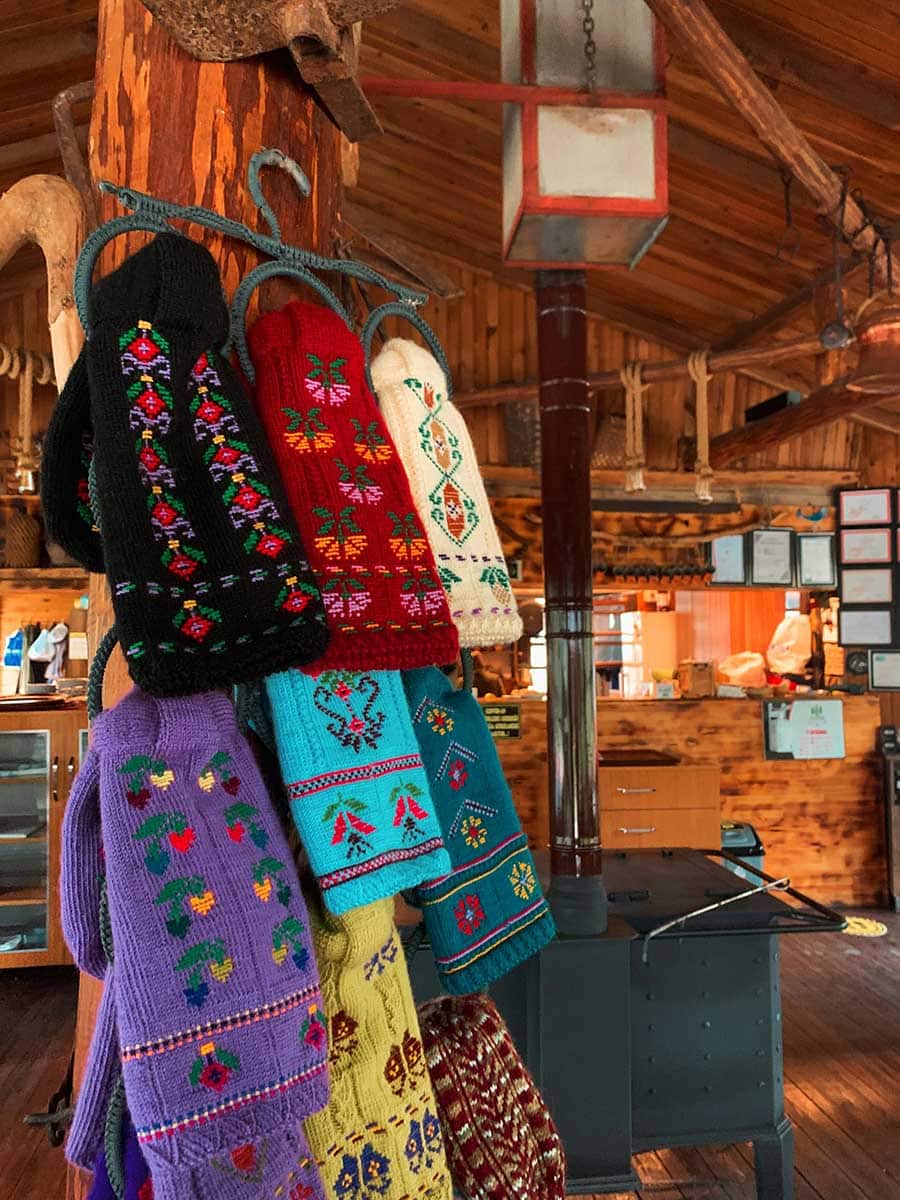
The Chilote cap, or “Gorro Chilote,” is a traditional woolen headwear worn by people from the Chiloé Archipelago in southern Chile. This iconic cap is an important piece of Chilean traditional clothing, serving both practical and cultural purposes.
Made from locally sourced wool, the Chilote cap provides warmth and durability, perfect for Chile’s cool and damp climate. Its design often features ear flaps that can be tied under the chin, offering extra protection from the elements. This cap is a symbol of the unique heritage of Chiloé and the resilience of its people.
At a traditional festival in southern Chile, I saw the Chilote Cap worn by locals, and its unique design stood out, reflecting the rich Chilote heritage. It added a special touch to the vibrant festivities.
8. Accessories

- Rari Jewelry: Traditional Mapuche jewelry made from silver, often adorned with intricate designs symbolizing protection and cultural heritage.
- Trarilonko: A traditional Mapuche headdress, worn by both men and women, symbolizing pride and their connection to their ancestry.
- Chamanto Pins: Decorative pins used to secure the Chamanto cloak, often featuring intricate patterns and serving as a symbol of status and cultural identity.
- Huaso Belt: A wide, ornate belt worn by Chilean cowboys (huasos) to hold up trousers, reflecting rural traditions.
- Gorra: A traditional hat worn by men, usually made from wool or straw, often seen in rural areas as part of the huaso attire.
- Lazo: A decorative necktie or sash worn with the huaso attire, often intricately embroidered.
- Poncho Tassels: Decorative fringes or tassels attached to ponchos, often showcasing the weaver’s skill and regional style.
- Wool Scarves: Handwoven scarves made from wool, worn by both men and women for warmth and style, especially in colder regions.
Folk Costumes in Chile’s Different Regions
Norte Grande
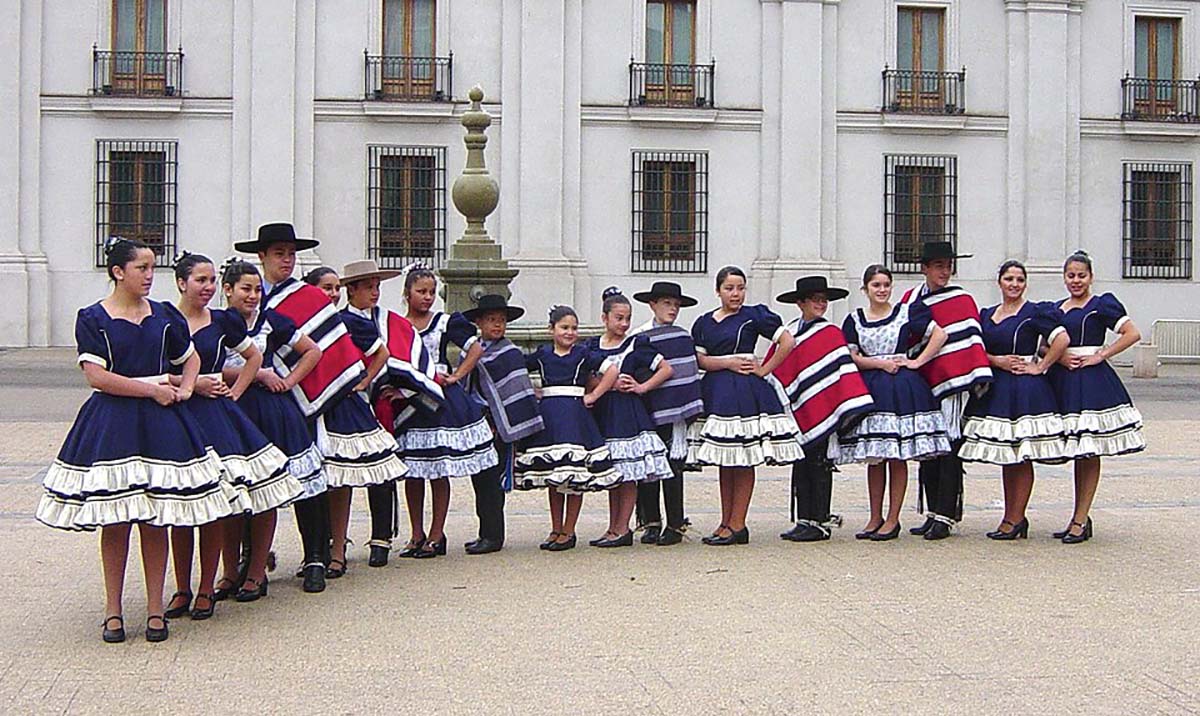
In Norte Grande, Chilean clothing blends indigenous Mapuche influences with Spanish colonial elements. Women wear the chiripa, a colorful skirt with patterns and embroidery, symbolizing cultural pride. Men wear ponchos made from llama or alpaca wool, offering warmth and protection.
Both Mapuche men and women wear silver earrings, and the attire often includes a sash around the waist, especially during rodeos. The vibrant colors—red, black, and blue—are typical, reflecting the region’s cultural heritage.
Norte Chico
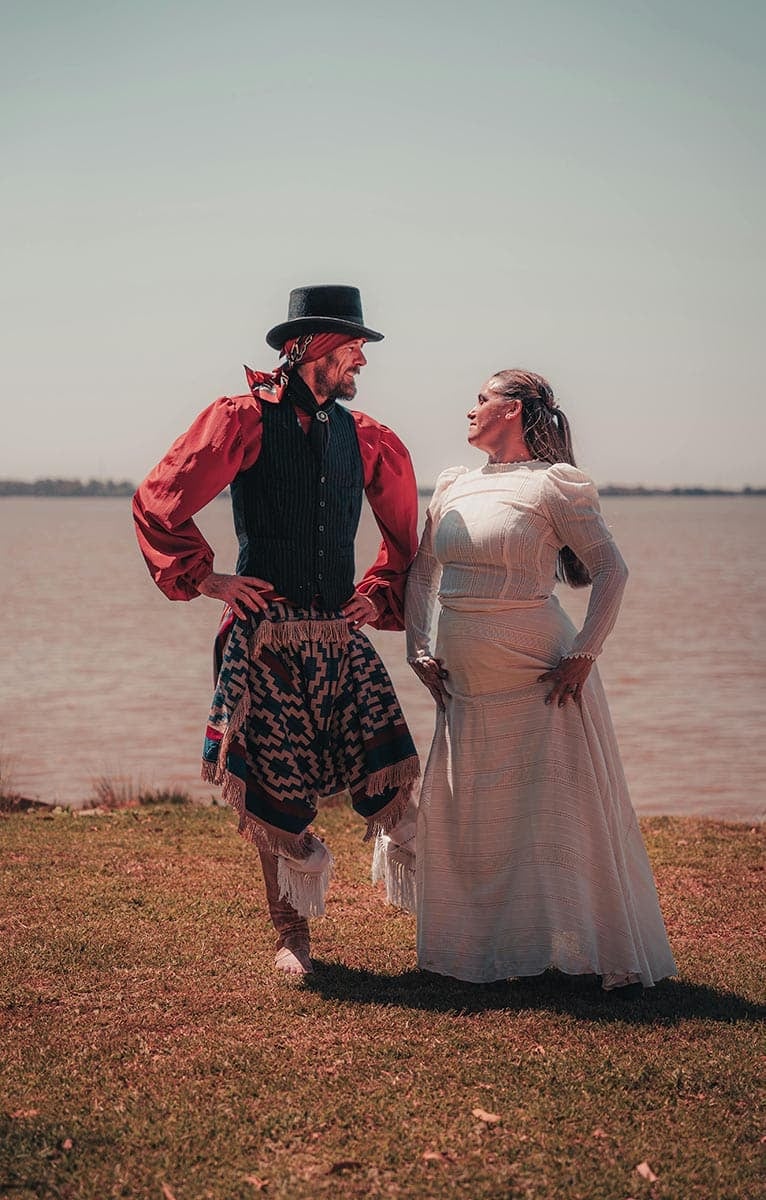
In Norte Chico, the coastal region of Chile, traditional Chilean clothing reflects a mix of coastal influences and Spanish heritage. Chilean clothing is designed for the warm, breezy climate, with lightweight fabrics like cotton or linen, perfect for coastal conditions.
Women in Norte Chico often wear flowing dresses or skirts, adorned with patterns or embroidery, showcasing the region’s natural beauty. Men typically wear lightweight shirts and trousers, complemented by wide-brimmed hats for sun protection. The clothing embodies the fusion of Spanish colonial style with indigenous influences.
Southern Regions
In the southern regions of Chile, traditional Chilean clothing embodies the rich heritage of the indigenous Mapuche people. The Mapuche garments, like the kurta for women and the Trarilonko for both men and women, are often handmade using natural materials such as wool and cotton. These dresses feature intricate patterns that highlight the cultural significance of Mapuche traditions.
Traditional Mapuche attire is also influenced by Spanish colonial elements, incorporating ponchos made from wool or llama fabric and wide-brimmed hats. Additionally, accessories such as silver earrings further emphasize the vibrant colors of Chilean clothing in this region.
This attire celebrates the deep-rooted traditions of Latin America and reflects the fusion of Mapuche culture with Chilean and Spanish influences.
Central Valley
In the Central Valley of Chile, traditional Chilean clothing highlights the region’s agricultural lifestyle and cultural identity. The Huaso attire, worn by Chilean men or huasos, typically includes a poncho, wide-brimmed hats, and leather boots, making it ideal for the outdoor work common in the region’s agricultural setting.
Women in the Central Valley may wear dresses or colorful skirts made from lightweight fabrics like cotton or wool, often paired with embroidered blouses or shawls. These garments reflect the Mapuche cultural heritage and are worn with pride across generations, connecting the people to their rural roots.
See Also Traditional Chilean Wedding Dress
Pattern of Chilean Attire

Traditional Chilean clothing is a vibrant expression of cultural identity, weaving together the legacy of the indigenous Mapuche people and Spanish colonial influences. The Mapuche have contributed significantly to the patterns and colors seen in Chilean garments, especially in ponchos and dresses.
Notable pieces like the chamanto, with its intricate designs, and the pollera pintada, known for its bold, colorful patterns, are symbolic of the country’s deep connection to both indigenous roots and Latin American traditions. These garments often feature intricate embroidery or sashes around the waist, capturing the vibrancy of Chile’s rural landscapes.
Chile’s rodeo culture also influences traditional Chilean clothing, with garments designed for practicality and durability, such as ponchos worn by men during rodeos, a celebration of Chile’s rural heritage. Silver earrings and other accessories add a finishing touch, completing the ensemble with symbolic meaning.
In cities like Santiago, these traditional styles are often seen during festivals, where the historical influences of red, blue, and black create a beautiful mosaic of cultural pride.

Traditional Chilean Clothing: A Recap
Chilean traditional dress vividly combines indigenous Mapuche heritage with the practical elegance of rural attire, reflecting the country’s diverse cultural history. Chilean traditional clothing for female and male alike features intricate patterns and meaningful designs, such as the poncho and chamanto, which embody both colonial and indigenous influences.
I had the opportunity to witness this rich heritage at a local rodeo, where the beauty of Chilean traditional dress was on full display. The vibrant colors and detailed embroidery worn by participants gave me a deeper appreciation of how these garments symbolize cultural pride and community.
Whether in everyday life or special celebrations, Chilean traditional clothing plays a significant role in preserving the nation’s identity. These timeless garments not only connect people to their past but also ensure that Chile’s cultural legacy is passed on to future generations.