


What makes traditional Pakistani clothing so significant? It’s more than just fabric, it’s a powerful expression of identity, heritage, and pride, woven into every piece. I remember the first time I walked through a market in Lahore, captivated by the vivid colors and intricate patterns.
Each garment told a unique story, reflecting the region’s culture and history. Have you ever wondered how clothes can carry the weight of a nation’s history and identity? If so, this article is for you.
In this article, you’ll learn about:
- The roots of traditional Pakistani clothing
- Key styles worn by men and women
- Regional variations like Sindhi, Punjabi, and Saraiki dress
- Meaningful details in embroidery, fabrics, and accessories
By the end, you’ll understand why traditional Pakistani clothing still matters today—and what it reveals about the people who wear it.

Historical Overview and Evolution of Pakistani Outfit

The traditional clothing of Pakistan has a rich history that dates back thousands of years. The Indus Valley Civilization, one of the world’s earliest urban cultures, played a significant role in shaping early fashion.
Cotton became widely used, and people wore loose, comfortable garments suitable for the region’s climate. These early styles laid the foundation for many elements seen in modern Pakistani traditional clothing.
With the rise of the Mughal Empire, trade routes expanded, bringing influences from Persia, Central Asia, and beyond. This period introduced more intricate designs, luxurious fabrics, and the art of embroidery, which became key features of Pakistani attire. The arrival of Islam further infused Persian-inspired elements into the clothing styles, adding richness and diversity to the fashion landscape.
Today, the traditional clothing of Pakistan continues to honor its historical roots. Despite modern influences, these outfits remain a symbol of respect for the country’s culture and heritage, maintaining a strong connection to the past.
According to the article History of Pakistani Clothing: Everything You Must Know, the attire evolved through cultural exchanges, especially during the Mughal era, with Persian and Central Asian influences. Regional styles and fabrics merged with Islamic traditions, and the shalwar kameez became Pakistan’s national dress, reflecting a rich cultural heritage and diverse regional variations.
Classic Traditional Pakistani Fashion
Here’s the list of traditional clothes worn by women in Pakistan:
- Chadar: A large piece of cloth or shawl, often draped over the shoulders and around the body for modesty, particularly in rural areas
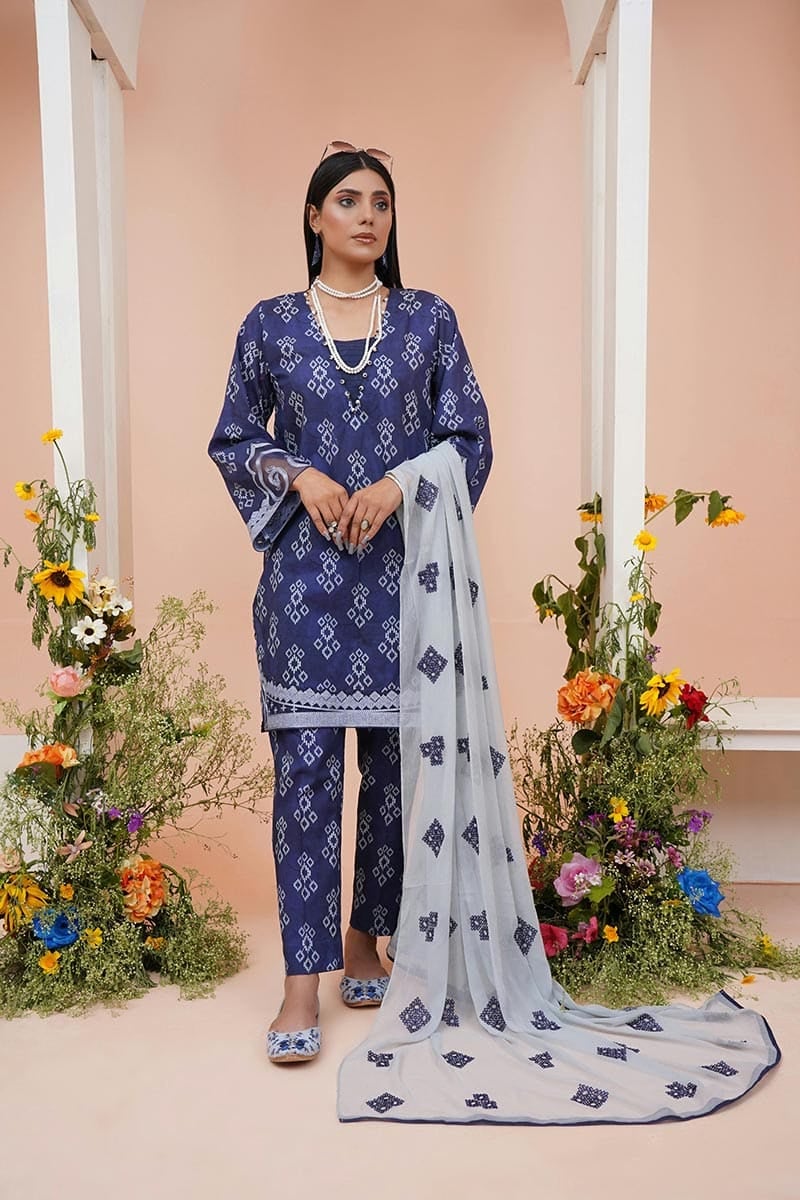
- Shalwar Kameez: The most iconic attire, consisting of a long tunic (kameez) paired with loose trousers (shalwar), worn for both casual and formal occasions.
- Sari: A long piece of fabric draped around the body, popular in Sindh and worn for special occasions.
- Dupatta: A long scarf or shawl worn over the shoulders or head, often paired with shalwar kameez or sari for added elegance and modesty.
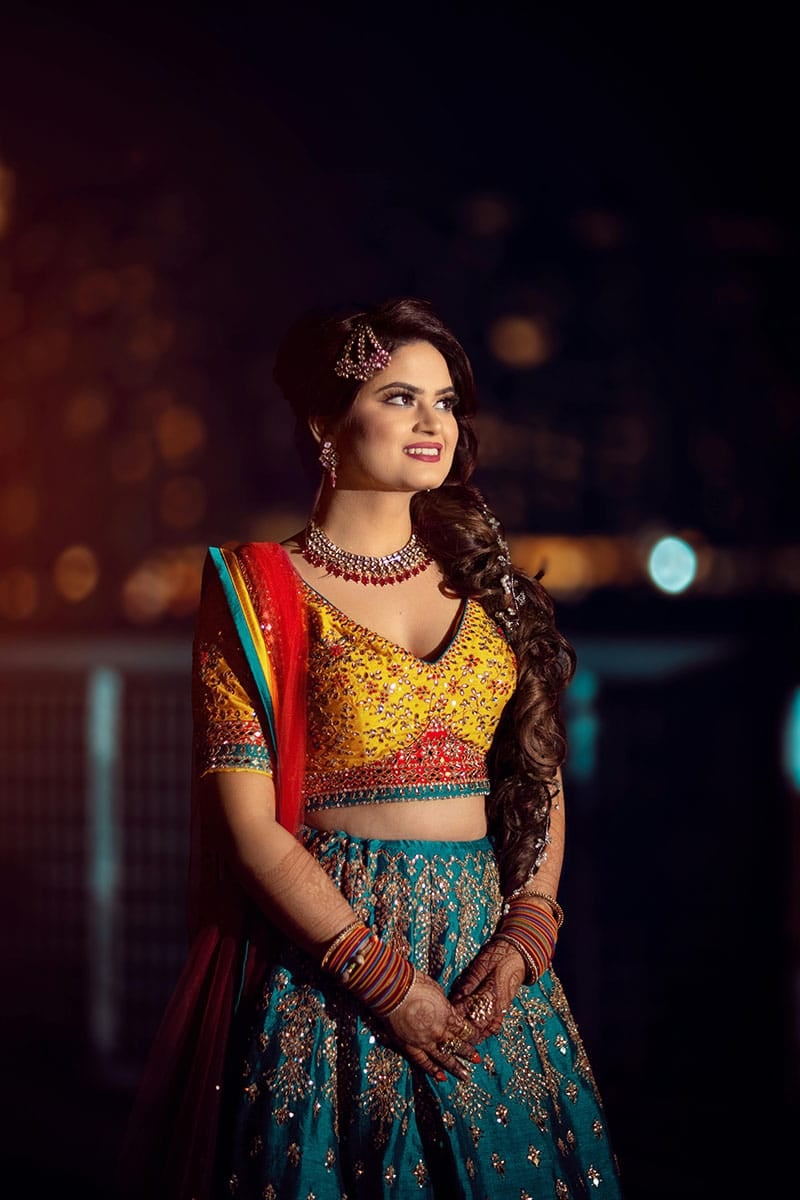
- Lehenga Choli: Worn at weddings and festivals, consisting of a long skirt (lehenga) paired with a short blouse (choli) and a dupatta.
- Kaftan: A loose, flowing garment worn for casual occasions or evening wear, popular for its comfort.
- Anarkali Suit: A long dress with a fitted bodice and a flared skirt, often worn for festive occasions like weddings.
- Churidar: Tight-fitting trousers worn under a long shirt or kameez, with pleats around the ankles.
- Frock: A Western-inspired garment, often knee-length or longer, worn for casual or semi-formal occasions.
- Pashmina Shawl: A luxurious woolen shawl worn during colder months for warmth and elegance.
Wearing traditional attire is more than just fashion; it helps women stay connected to their roots and culture, embodying the significance of Pakistani traditional dress for females.
Many women wear these clothes daily or during special occasions to honor their heritage, and it speaks to the significance of traditional attire in Pakistani culture.
Here’s the list of traditional clothes worn by men in Pakistan:
- Balochi Dress: Traditional attire worn by men in Balochistan, consisting of a loose tunic with intricate embroidery and a head covering, reflecting the region’s rich cultural heritage.
- Shalwar Kameez: The most common attire, consisting of a long tunic (kameez) paired with loose trousers (shalwar), worn for both daily and formal occasions.
- Kurta: A long, loose shirt, often worn with shalwar or churidar. It is a staple of casual and semi-formal attire, particularly for festivals and celebrations.
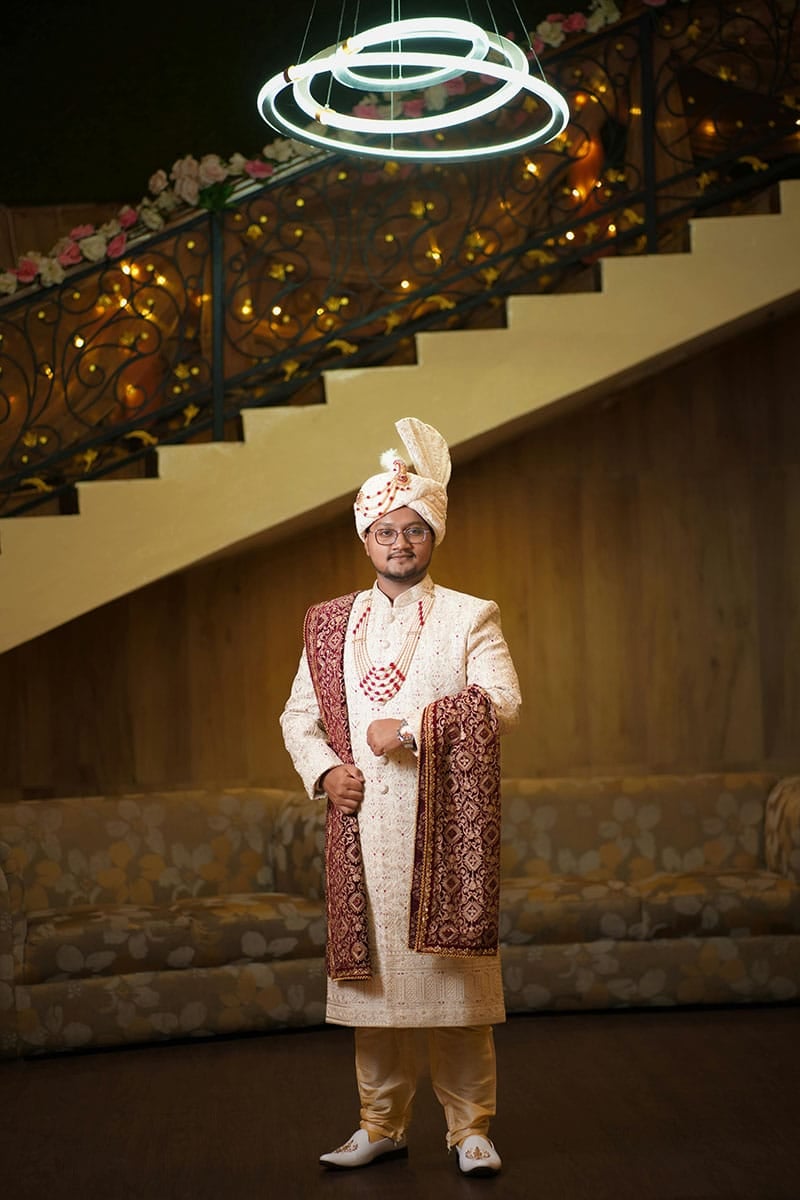
- Sherwani: A formal, long coat-like garment worn with a churidar or shalwar, often worn by grooms at weddings or for other ceremonial occasions.
- Chitrali Cap: A traditional woolen cap worn by men, particularly in the northern regions of Pakistan, offering warmth and representing regional heritage.
- Lungi: A simple garment worn in rural areas, consisting of a cloth wrapped around the waist and tied, often worn during hot weather for comfort.
- Pathani Suit: A long tunic (pathani) paired with loose trousers, popular for its comfortable fit and worn during casual events or festivals.
- Jinnah Cap: A soft, white cap, traditionally worn by leaders, named after Pakistan’s founder, Muhammad Ali Jinnah, representing sophistication and nationalism.
- Waistcoat: A sleeveless garment worn over a shirt or kurta, typically worn with shalwar kameez or suits for formal occasions.
- Pajama: A comfortable, loose-fitting pant worn with a kurta or sherwani, ideal for casual or festive events.
The shalwar kameez is a comfortable and practical outfit for daily life, while the sherwani is worn on special occasions to symbolize status and highlight the significance of traditional attire in Pakistan.
These garments help preserve Pakistan’s cultural heritage and showcase the strength of Pakistani men.
Wearing traditional clothes like these also speaks to the significance of the dupatta in Pakistani culture and overall cultural connection.
See Also Pakistani Costumes
Iconic Vintage Outfit in Pakistan
1. Salwar Kameez
Shalwar Kameez is a traditional outfit worn by both men and women in Pakistan and other South Asian countries. It consists of two main parts:
- Shalwar: Loose-fitting trousers that gather at the ankle, providing comfort and ease of movement.
- Kameez: A long tunic or shirt that falls to the knees or longer, often with side slits for comfort. It is worn over the shalwar.
The shalwar kameez is versatile and can be made from various fabrics, ranging from casual cotton to more formal silks or embroidered materials. It is worn for daily use, special occasions, and even formal events, making it national dress of Pakistan.
Seeing the Salwar Kameez at a wedding, I was amazed by its elegance. The intricate embroidery and vibrant colors beautifully reflected the cultural essence and joy of the celebration.
2. Sharara
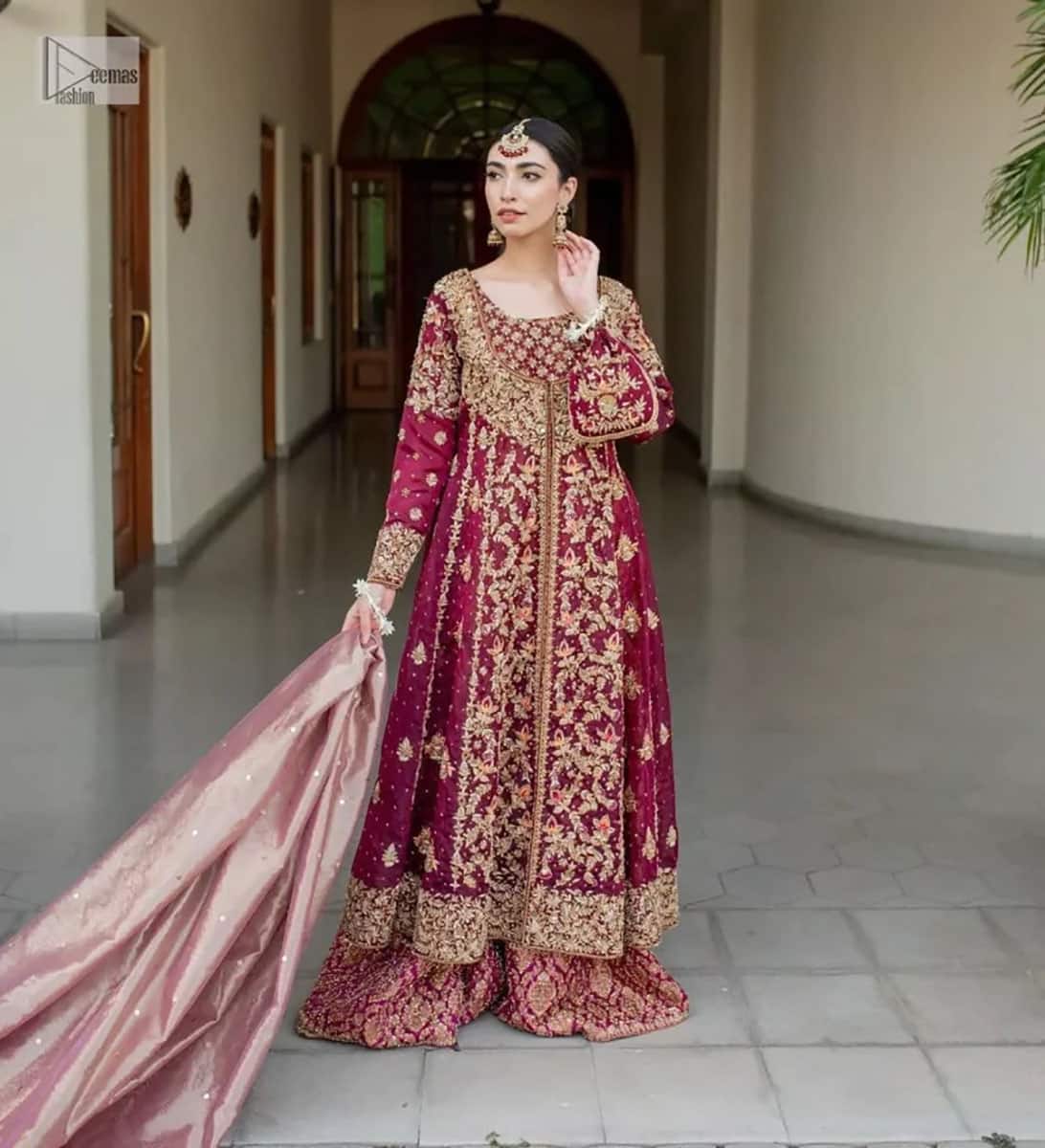
A Sharara is a traditional garment worn by women, primarily in South Asia, including Pakistan, India, and Bangladesh. It consists of a pair of wide-legged, flared trousers that are often heavily embellished with intricate embroidery, beads, or sequins.
The Sharara is usually worn as part of a two-piece ensemble with a long tunic or kurti, often paired with a dupatta (scarf).
It has historical roots in Mughal-era fashion and is typically worn during festive occasions like weddings or cultural celebrations. The design features a flowing, elegant silhouette and is known for its elaborate craftsmanship, making it a popular choice for formal wear.
3. The Sherwan Kamer
Sherwani is a traditional, formal outfit worn by men, especially in South Asia, including Pakistan, India, and Bangladesh. It is a long coat-like garment, typically reaching just below the knees, and is often heavily embroidered. The sherwani is worn over a kurta (a long shirt) and paired with trousers, often churidar (tight-fitting pants) or shalwar (loose trousers).
The Sherwani is commonly worn for weddings, formal events, and cultural ceremonies. It gained popularity during the Mughal era, blending Persian influences with Indian traditions.
Today, it remains an important part of wedding attire, often chosen by grooms due to its regal and sophisticated look. The sherwani is typically made from luxurious fabrics like silk, brocade, or velvet, and adorned with intricate designs, such as floral patterns, beads, and zari (gold or silver thread embroidery).
According to the study The Birth of the Sherwani: An Influence of the British Raj, the sherwani became a traditional South Asian garment not directly from Mughal times but through British colonial influence in the late 19th century. It evolved as elite menswear that blended British tailoring with local styles, later becoming a ceremonial tradition.
4. Lehenga Choli
The Lehenga Choli is a well-known part of Pakistani traditional clothing, mostly worn by brides. It has a long, embroidered skirt called a Lehenga and a fitted blouse called a Choli.
Made from fabrics like silk or velvet, this outfit is often decorated with fine embroidery and shiny work. The matching blouse and skirt make it a favorite choice for special occasions like weddings.
5. Anarkali Suit
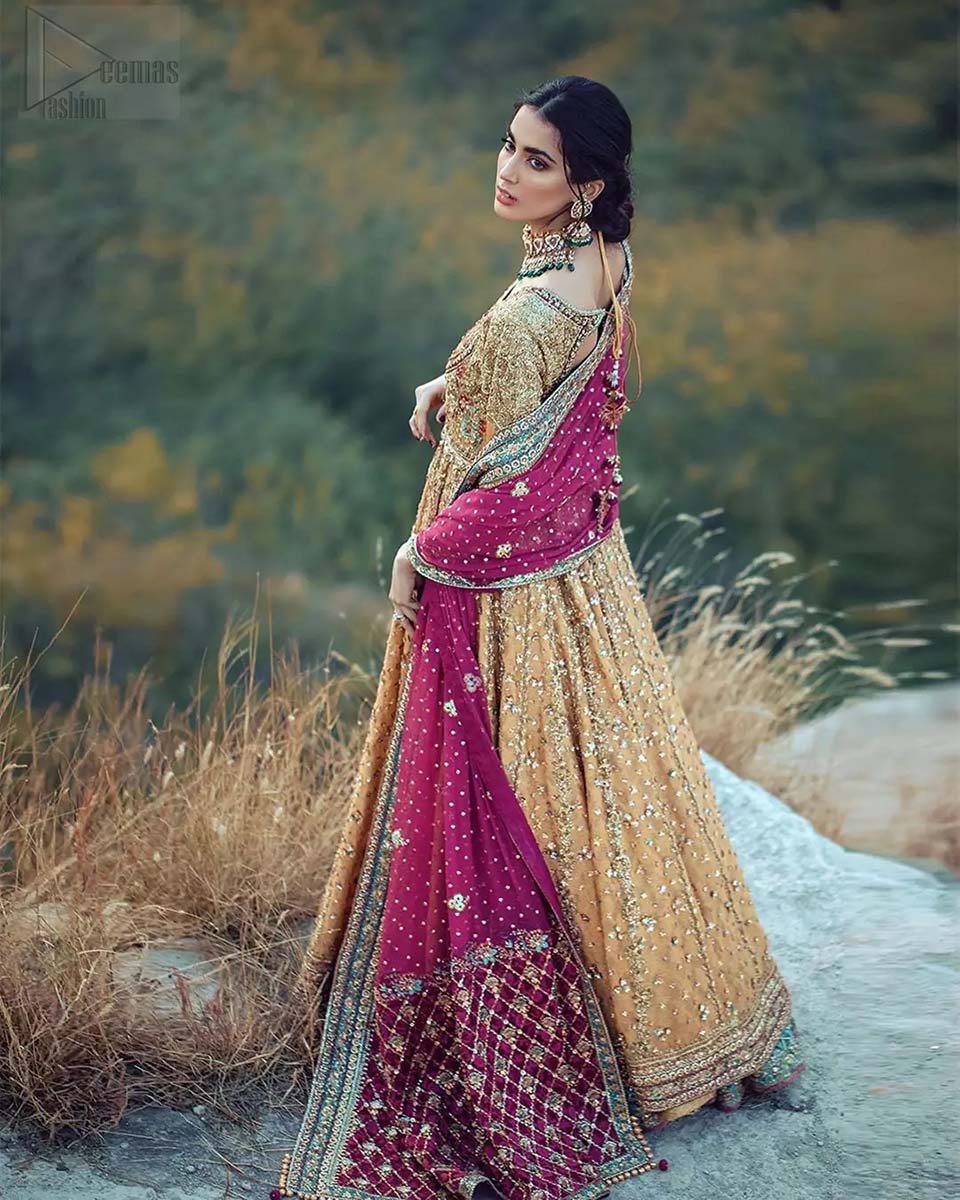
The Anarkali Suit is a graceful part of traditional Pakistani clothing. It has a long, flared kurta made from soft fabrics like chiffon or georgette, decorated with fine embroidery and sequins.
This outfit is worn with tight trousers or churidars and is often seen at formal events and celebrations. The Anarkali Suit is known for its stylish look and elegant design.
6. Khussa Shoes
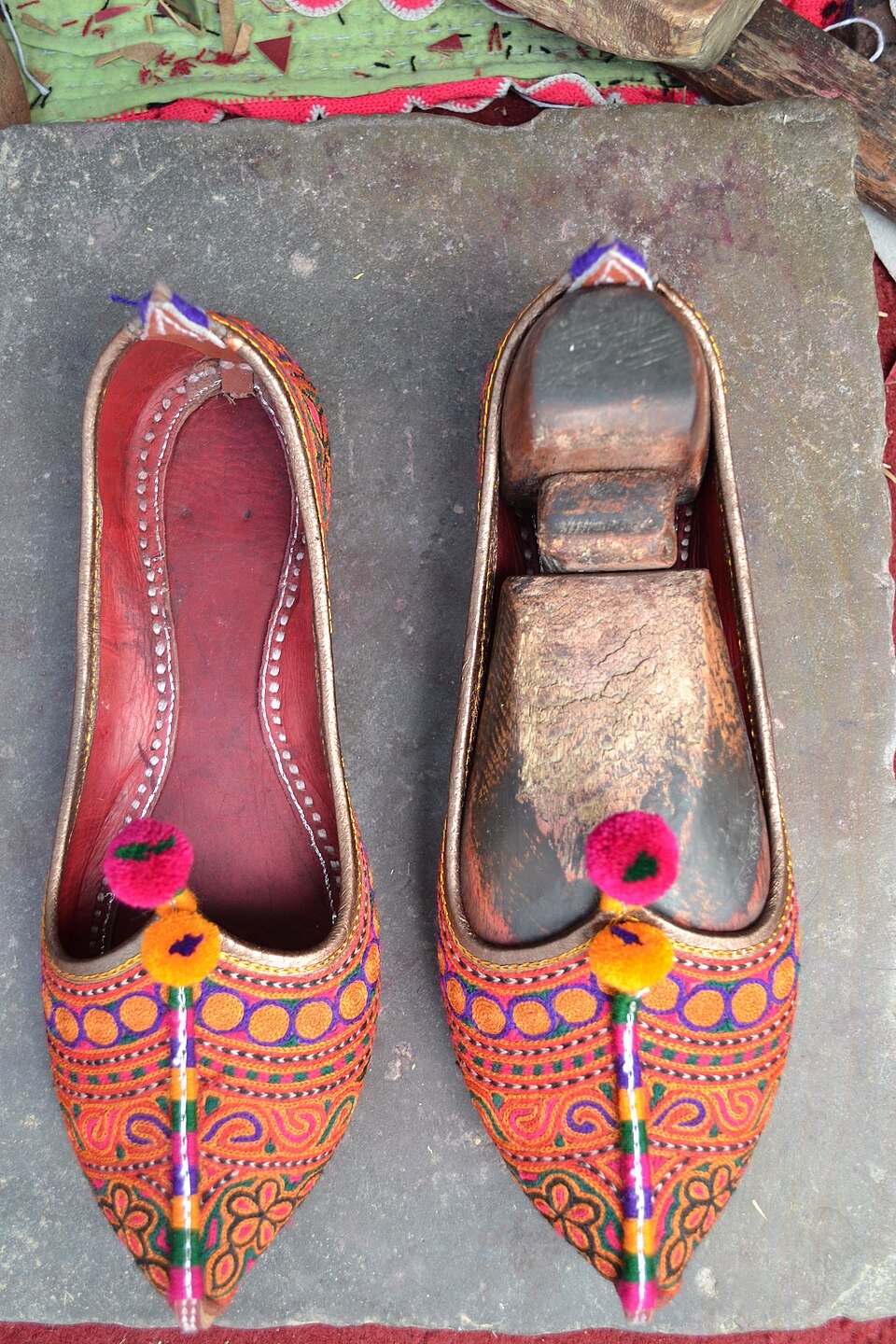
Khussa shoes are a key part of traditional Pakistani clothing. They have pointed toes and curved fronts, giving them a unique look. Decorated with embroidery, beads, and mirrors, they reflect Pakistan’s rich cultural heritage.
People wear Khussa shoes at weddings, festive occasions, and formal events. They are more than just footwear—they complete the look and connect people to their traditional Pakistani style.
Seeing Khussa shoes displayed in a museum, I was struck by their intricate craftsmanship. The vibrant embroidery and delicate beadwork reflected the rich cultural heritage of Pakistan, showcasing traditional artistry in every stitch.
7. Accessories
- Khussa: Traditional footwear, often made of leather, adorned with embroidery or beadwork. Khussa is worn with both casual and formal Pakistani attire, known for its comfort and intricate craftsmanship.
- Jhumka Earrings: Large, traditional, and ornate earrings, often in a bell shape. They are popular for weddings and cultural events, adding a royal touch to the outfit with intricate designs and usually made from gold or silver.
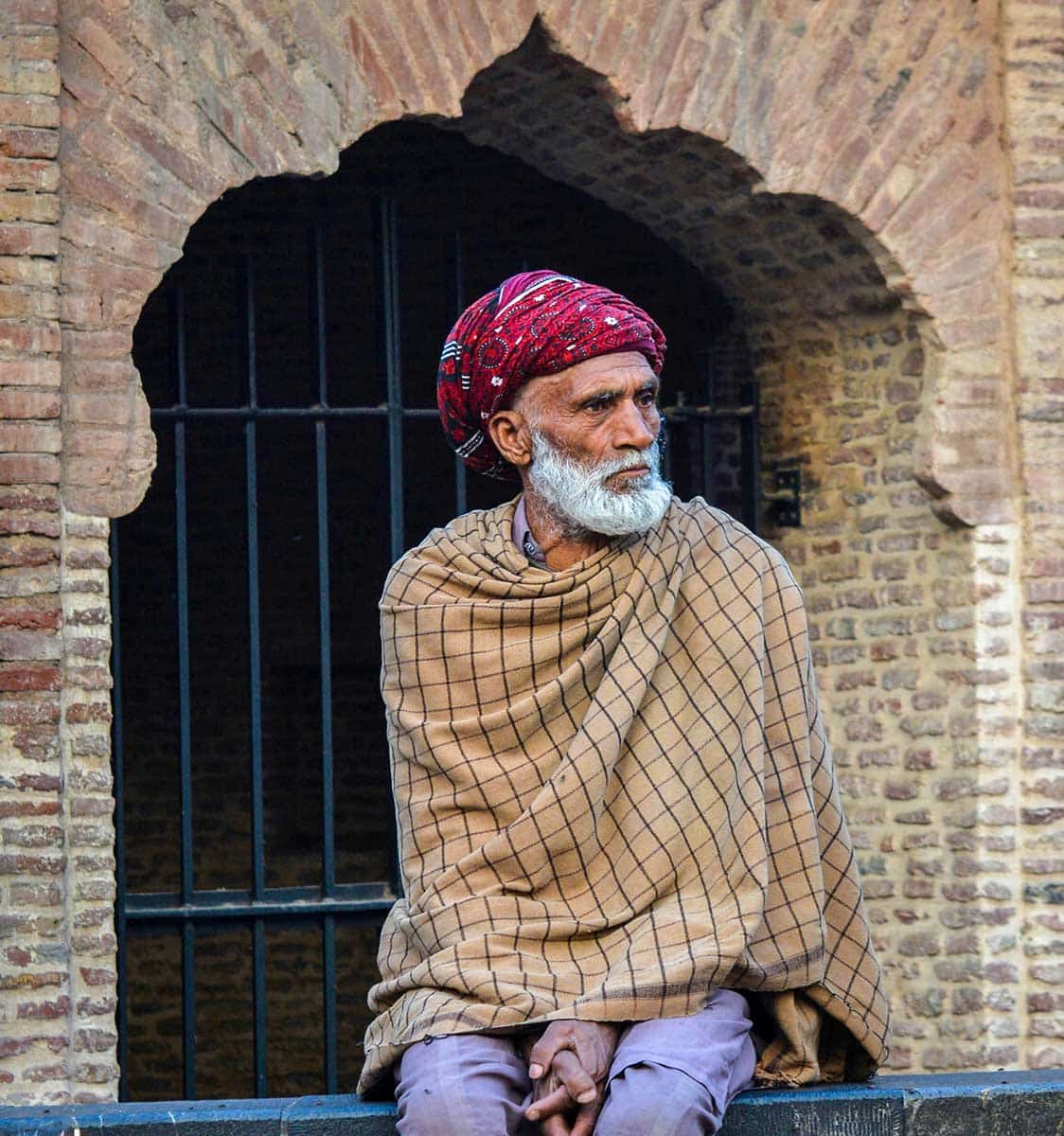
- Turbans or Pagris: A long piece of cloth wrapped around the head, traditionally worn by men, especially in Punjab and other regions. The turban signifies status, respect, and cultural identity, with various styles based on region, occasion, and community.
- Khanja: A traditional dagger or knife, usually worn as a decorative accessory. It is often paired with a formal outfit like a sherwani or a kurta, adding an element of grandeur and reflecting historical martial traditions.
- Bangles: A common accessory for women, these circular ornaments are worn in multiples around the wrist. They are made of glass, gold, or metal and often have intricate designs. Bangles symbolize femininity, beauty, and are worn during weddings and festivals.
- Necklaces (Har): Long, decorative necklaces worn by women, typically made of gold or silver. They are adorned with gemstones, beads, or intricate carvings and are often worn with formal or bridal attire.
- Chandbali Earrings: Traditional, crescent-shaped earrings, often made of gold and adorned with gemstones or pearls. They are especially popular during weddings or cultural ceremonies and provide an elegant look.
- Maang Tikka: A headpiece worn by women, typically during weddings or festive occasions. It is placed in the center of the forehead and connected to the hair, adding a regal touch to the traditional outfit.
- Rings (Anguthi): Worn on fingers, rings are made of precious metals like gold or silver and often feature gemstones. They are worn for both fashion and cultural significance, symbolizing wealth and status.
- Kamarband (Waistband): A traditional belt or ornamental waistband worn by women, especially with sarees or lehengas. Made of metal or embellished fabric, it accentuates the waist and adds a decorative touch to the outfit.
See Also Pakistani Fashion
Regional Timeless Attire in Pakistan
Punjab
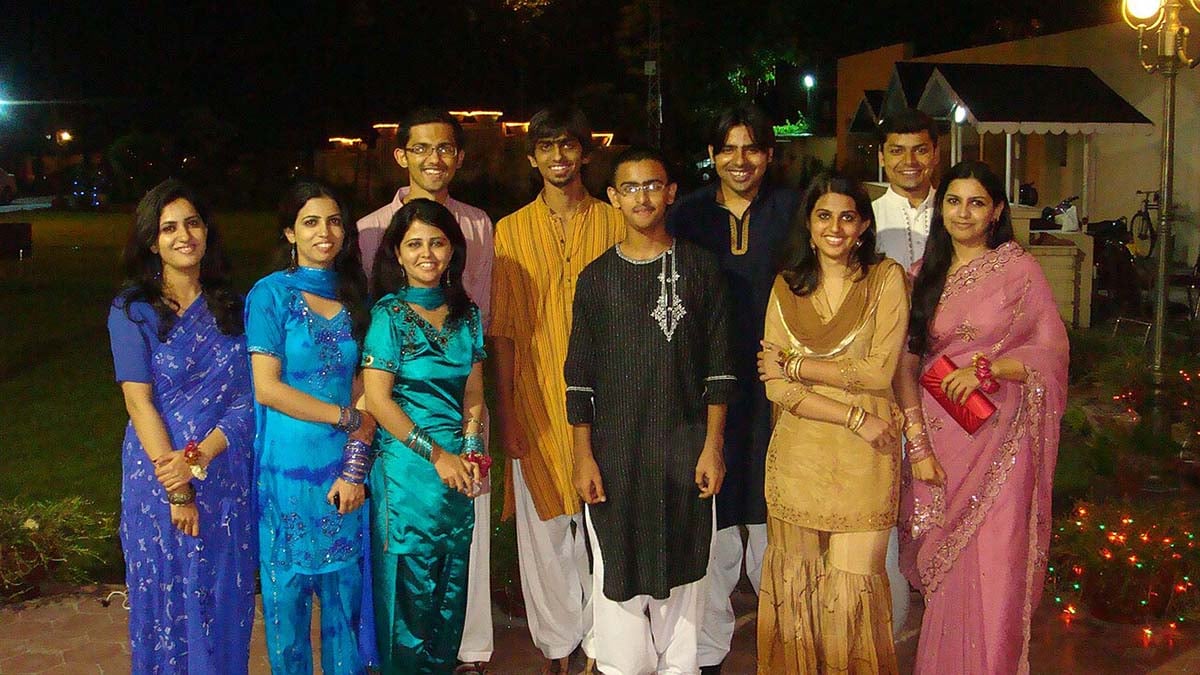
In Punjab, traditional Pakistani clothing reflects local culture through bright colors and detailed embroidery. Many ask, what is the significance of traditional attire in Pakistani culture? Punjab’s dress offers a clear answer.
Outfits are often made from cotton or chiffon, which are light and comfortable. A typical look includes a long kurta with salwar or churidar pants, decorated with paisleys, floral, or geometric patterns.
A matching dupatta, made of soft fabric and finished with embroidery or lace, completes the traditional look.
Sindh
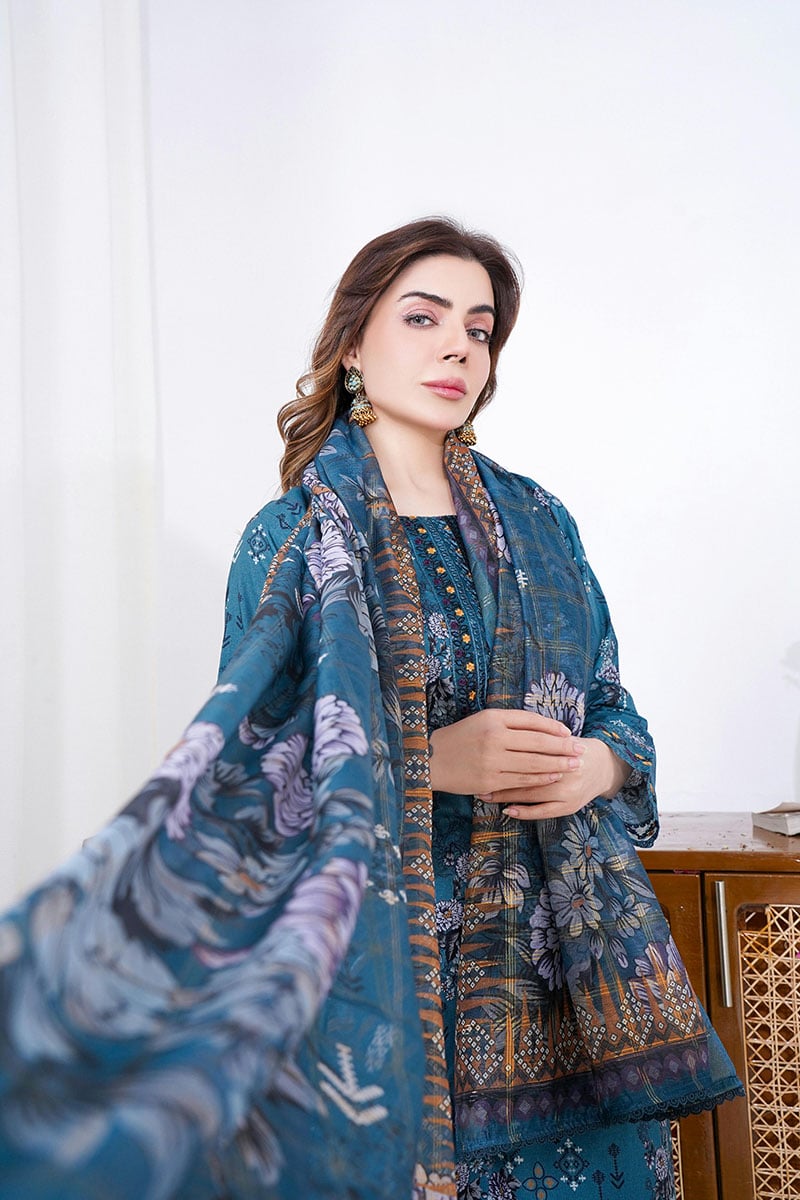
In Sindh, traditional Pakistani clothing highlights rich fabrics and detailed patterns that reflect the region’s cultural heritage. Clothes are made from soft cotton and bright chiffon for comfort and style.
A common outfit includes loose bottoms and embroidered tops. Sindhi clothes answer this with Ajrak prints, mirror work, and Sindhi embroidery.
People also wear colorful accessories with traditional designs to complete their look.
Balochistan
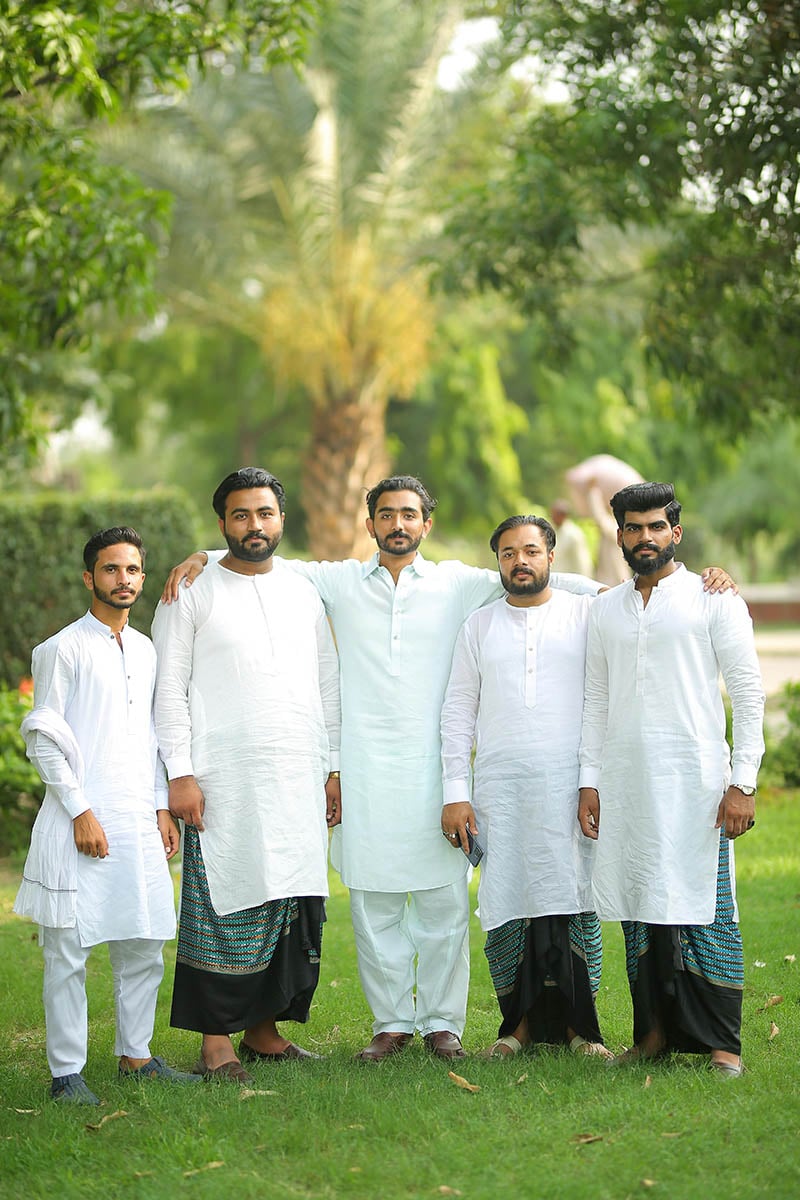
In Balochistan (Pakistan), traditional clothes show the nomadic lifestyle and natural colors of the region. People often ask what the significance of traditional attire is in Pakistani culture, and Balochistan’s dress gives a clear answer.
These clothes are simple but useful, made from strong fabrics like cotton or wool to handle the desert weather.
The outfits have traditional patterns inspired by nature, adding meaning to the clothes. Accessories like turbans, shawls, and belts are worn too. They are both useful and beautiful, completing the look.
See Also Traditional Indian Clothing
Tribal and Rural Traditions
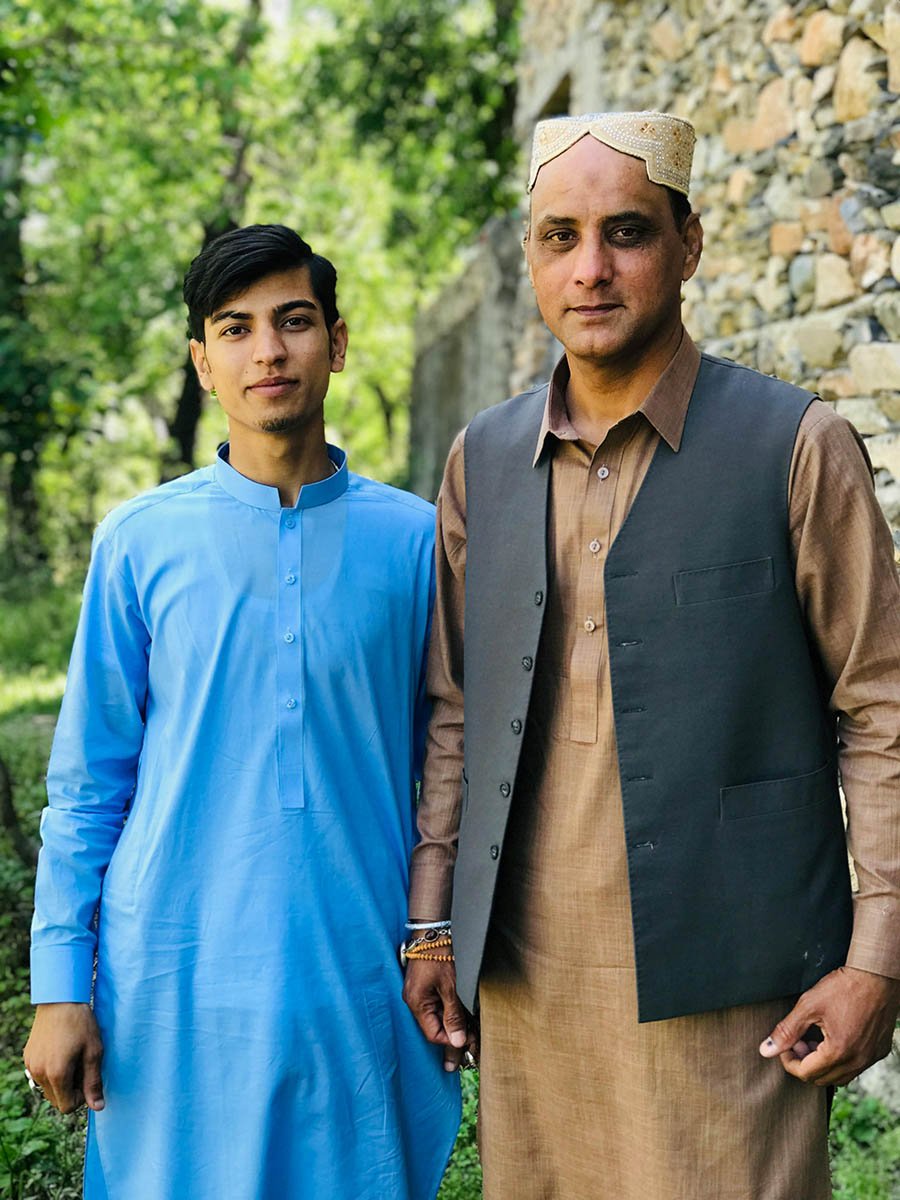
In tribal and rural areas, traditional Pakistani clothing is both practical and meaningful. In these regions, clothes are made from wool or cotton to suit the tough climate and nomadic lifestyle.
Each outfit has special patterns that carry local meaning. Accessories like turbans, scarves, and belts are also important. They are useful and add beauty to the traditional look.
See Also Traditional Pakistani Wedding Dress
Pattern of Pakistani Attire

Traditional Pakistani clothing is known for its beautiful patterns and rich textures. You may ask, What is the significance of traditional attire in Pakistani culture? The answer lies in the detailed embroidery, featuring floral designs, paisleys, and geometric shapes, crafted by skilled hands.
These clothes often use bold colors like deep red, royal blue, and golden yellow, and are made from soft fabrics like silk and chiffon, making them elegant and comfortable.
According to the article The art of embroidery: a timeless tradition in Pakistani fashion, embroidery in traditional Pakistani clothing is not just decorative; it holds deep cultural significance. Intricate patterns, including floral and geometric designs, symbolize heritage, identity, and social status, showcasing craftsmanship that has been passed down through generations.

Traditional Pakistani Clothing: A Recap
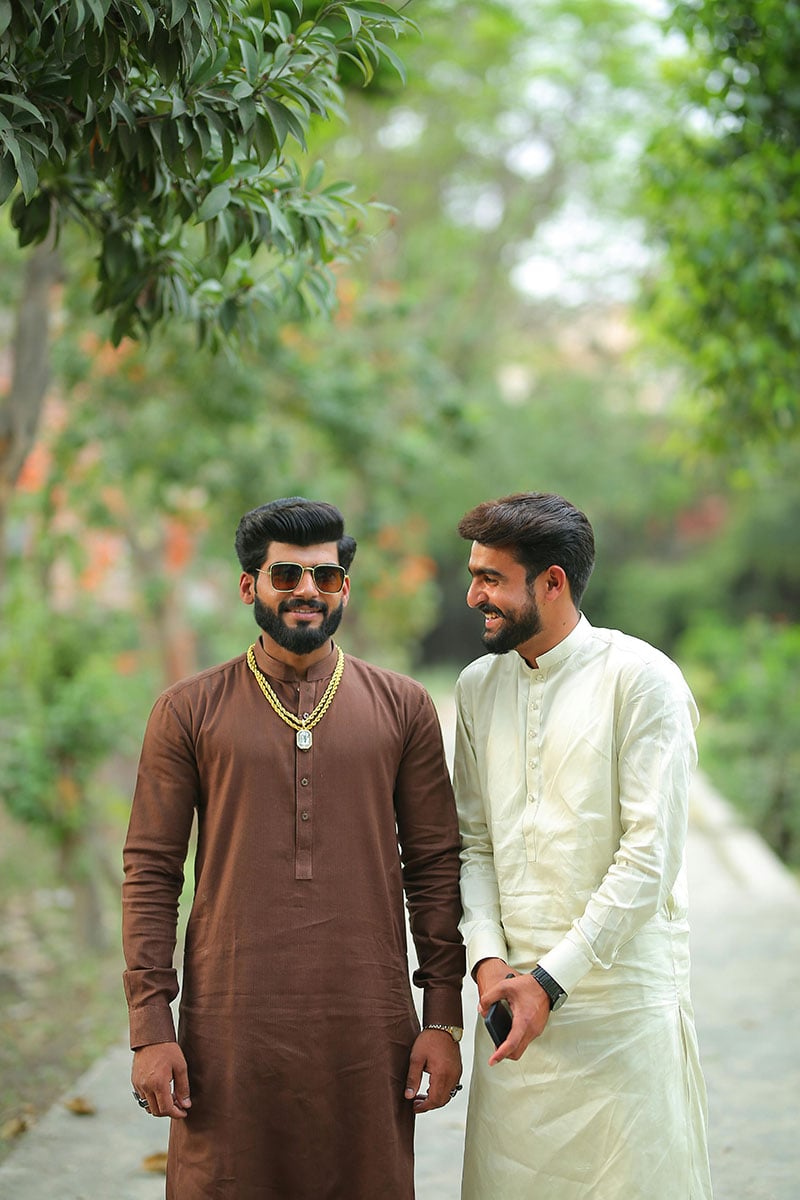
Traditional Pakistani clothing is a beautiful reflection of the country’s rich history, geography, and cultural identity. I remember attending a local festival in Pakistan, where I was mesmerized by the vibrant display of traditional outfits.
From the daily wear of shalwar kameez to the elaborate lehenga choli at weddings, every piece told a unique story. Regional variations, like those from Punjab and Balochistan, showcased the diversity while maintaining common roots. The intricate embroidery, luxurious fabrics, and carefully tailored cuts were a testament to skilled craftsmanship.
Accessories like Khussa shoes, turbans, and dupattas carried deep cultural significance, representing both heritage and status. Even with modern influences, traditional Pakistani attire remains an essential part of daily life and special celebrations, preserving the culture in every thread.