


Have you ever wondered about the stories woven into traditional Syrian clothing? You’re not alone. These garments carry centuries of history, Syrian culture, and identity, from the elegant Thoub to the symbolic Keffiyeh.
As someone who once admired a friend wearing a hand-embroidered Thoub at a festival, I felt instantly connected to Syria’s rich heritage. You are about to start a similar journey, discovering the meaning and craftsmanship behind each piece.
In this article, you’ll explore:
- Iconic garments like the Thoub and Keffiyeh
- Unique embroidery styles
- Regional influences shaping the attire
Join us as we uncover how traditional Syrian clothing celebrates identity, pride, and timeless tradition.


Historical Roots of Traditional Syrian Clothing

Traditional Syrian clothing opens a window into the country’s rich history and cultural heritage. Dating back centuries, these garments reflect influences from the Byzantine, Ottoman, and Arab traditions, blending elegance with practicality.
Materials such as fine silk, cotton, and wool were commonly used, often adorned with intricate geometric and floral embroidery, which varied by region and indicated social status, wealth, or marital condition.
Syrian women historically crafted these outfits for weddings, holidays, and daily life, carefully embedding symbols and patterns that represented their family, community, and cultural identity. Men’s traditional attire, including long robes and embroidered vests, also showcased social rank and regional style.
A notable study, “Preserving Cultural Craft Heritage: Digitizing a Traditional Syrian Clothing Collection”, explores over 100 traditional Syrian garments, emphasizing how each piece carries generational stories and cultural meaning. The study highlights the importance of preserving these unique textile traditions for future generations.
Even today, handmade Syrian dresses and embroidery remain widely appreciated, not only during festivals and weddings but also as symbols of pride, artistry, and the enduring resilience of Syrian culture.
See Also Traditional Emirati Clothing
Enduring Syrian Garments
Women’s Attire

Syrian Costumes for young women beautifully reflect cultural heritage and identity, combining elegance with centuries of craftsmanship. Outfits such as the Thoub, a long, flowing dress, and the smaller, delicate scarf known as the Asbeh, are still worn today, often made from fine silk, cotton, or mixed fabrics.
Coats and kaftans add layers of style and practicality, while veils and headscarves complete the ensemble, reflecting modesty and tradition.
Stitching plays a central role in these garments, with narrow stitches, cross-stitch patterns, and intricate motifs carefully handcrafted to represent family, regional identity, and artistry. Each piece tells a story, connecting wearers to generations before them.
Many Syrian women proudly wear these traditional outfits during weddings or cultural celebrations, showing the beauty, skill, and pride of Syrian heritage. Whether for daily life or special occasions, these garments continue to highlight tradition, identity, and the artistry of Syrian clothing.
Men’s Attire

Traditional Syrian clothing for men reflects cultural heritage, pride, and the values passed down through generations. These outfits often feature dark colors, geometric patterns, and carefully crafted stitching that adds a personal touch to each garment.
Men typically wear shirt-like garments called Thawb, which are long robes, paired with Sirwal pants that are loose and comfortable. Coats and cloaks, like the Bisht, provide warmth and convey respect. Headdresses, including the Keffiyeh, are often worn folded diagonally, sometimes adorned with tassels, completing the traditional look.
I remember visiting a Syrian friend’s family celebration, and seeing the men in these traditional garments made me feel the deep connection they have to their history and culture.
See Also Syrian Folk Art
Remarkable Traditional Costumes in Syria
1. Thoub (Robe)


The Thoub is a central piece of traditional Syrian clothing, reflecting both style and cultural heritage. It is crafted from fabrics like velvet, cotton, wool, or artificial silk, combining comfort with elegance.
For men, the Thoub is a long robe often decorated with traditional Syrian stitching and geometric patterns. It is usually paired with a Kufi headdress or a colorful Shemagh scarf, completing the classic Syrian look.
Women’s traditional Syrian attire features fitted bodices or wide skirts in rich, dark colors, often accented with narrow stitching, cross-stitch patterns, and delicate details. Fabrics like silk or cotton provide both comfort and beauty. These garments are cherished today, worn with pride to celebrate Syrian culture and heritage.
2. Keffiyeh

The Keffiyeh is a traditional Syrian headscarf worn by both men and women, symbolizing cultural heritage and national identity. Made from cotton or blended fabrics, it is lightweight, breathable, and comfortable for everyday use.
The scarf often features a classic checkered pattern and can be styled in many ways. Men typically fold it diagonally and secure it with an Agal, while women may wear it loosely or wrap it around their head, sometimes as a smaller, thinner scarf.
More than just a piece of clothing, the Keffiyeh represents unity, resilience, and pride in Syrian traditions, connecting generations through its enduring cultural significance.
3. Sirwal

The Sirwal is an important part of traditional Syrian clothing, often worn under the Thoub, especially by men. It helps keep the Syrian outfit comfortable and traditional.
The Sirwal pants are made from light fabrics like cotton blends, which are good for hot weather. They have a relaxed fit with a gathered waistband, so they are easy to wear.
Some styles include pleats or drawstrings for a better fit. This simple piece adds both comfort and cultural value to Syrian traditional clothing.
See Also Traditional Indian Clothing
4. Abaya

The Abaya is an essential piece of Syrian fashion for women, designed for modesty and comfort. Made from lightweight fabrics like linen or polyester blends, it is perfectly suited to Syria’s warm climate. Its long, wide sleeves and loose-fitting shape offer both elegance and ease of movement, while subtle decorations add a delicate, refined touch.
Seeing a colleague wear a beautifully tailored Abaya during a cultural event highlighted how this garment reflects not only tradition but also pride, identity, and the enduring elegance of Syrian heritage.
5. Bisht

The Bisht is a distinguished element of traditional Syrian clothing for men, typically worn over the Thoub during important ceremonies and events. This flowing cloak, made from luxurious fabrics like velvet, silk, or blended silk, exudes elegance and reflects cultural prestige.
Its detailed stitching and embroidery, sometimes enhanced with metallic thread or chain stitch, highlight the craftsmanship passed down through generations.
A study by Khyrah Awad Awadh Alzahrani, “Analysis of the tools and materials used in tailoring, embroidering and weaving the Bisht” , explores these techniques, showing how intricate patterns and quality materials contribute to the garment’s symbolic value. In Syria, the Bisht continues to signify tradition, identity, and regional heritage, keeping alive centuries of cultural expression.
6. Farashah


The Farashah is a graceful and meaningful part of traditional Syrian clothing for women. It is a soft, flowing skirt worn under garments like the Thoub or Abaya, adding comfort, movement, and elegance to the outfit. Carefully made from light fabrics such as linen or cotton, it keeps the wearer cool in warm climates and allows the dress to fall beautifully as she walks.
Some Farashah skirts are simple and practical for everyday use, while others feature delicate stitching or satin-styled needlework, reserved for celebrations and family gatherings. The layers it creates beneath the dress give shape, volume, and a subtle charm that feels both modest and refined.
Whether worn casually at home or paired with traditional Syrian wedding dress, holidays, or cultural events, the Farashah plays a quiet but essential role in completing the beauty of Syrian dress and preserving generations of heritage through style.
7. Headscarves

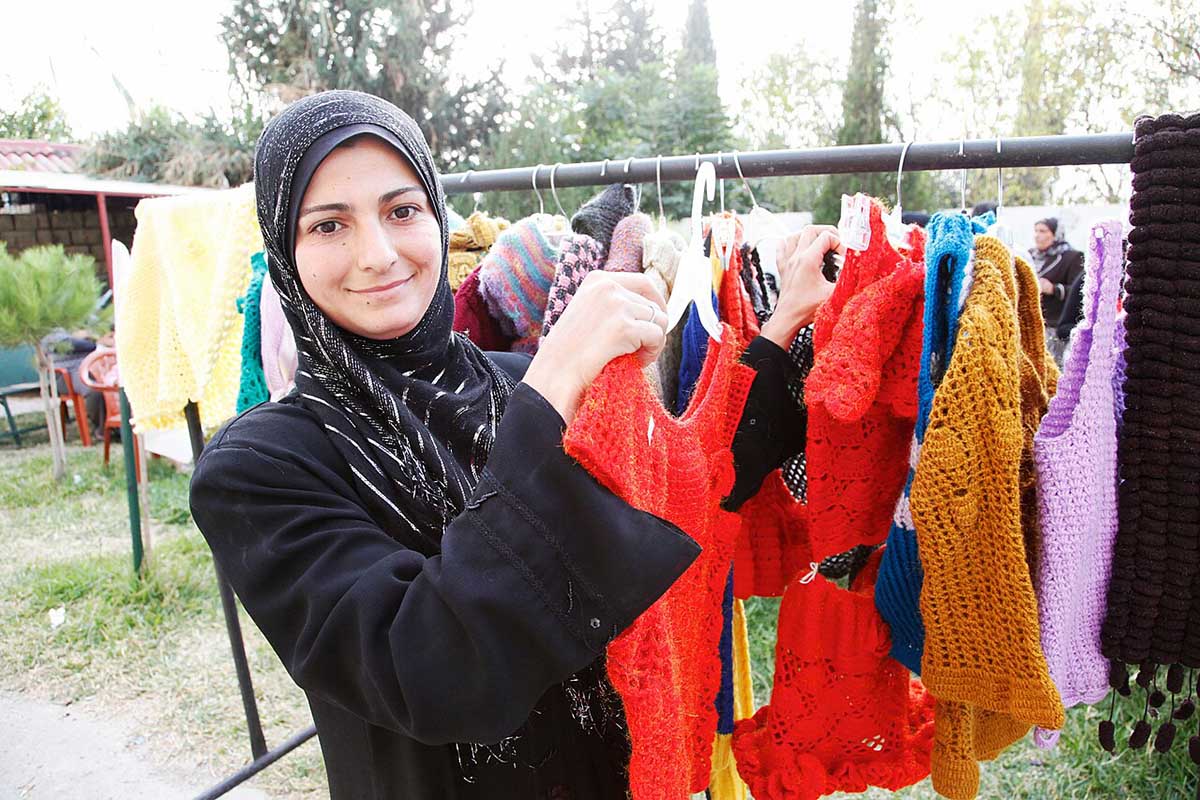
Headscarves are a meaningful part of traditional Syrian women’s clothing, each style reflecting modesty, heritage and personal expression. They are worn with care and pride across generations, often matched with dresses like the Thoub or Abaya to complete the outfit.
Common Syrian headscarf styles include:
- Hijab: Light and breathable, often chiffon or cotton. It covers the hair and neck while leaving the face visible, symbolizing modesty and cultural identity.
- Shayla: A long, rectangular satin or polyester scarf. It drapes beautifully and is often chosen for celebrations and formal attire. I once tried a shayla at a cultural event, it felt soft, elegant, and surprisingly easy to style, helping me appreciate the grace it brings to an outfit.
- Khimar: Slightly longer and made from viscose or other soft fabrics. It covers the shoulders and upper body, offering comfort for daily wear while still looking gentle and refined.
During a cultural festival, I once tried a shayla myself and was surprised by how gracefully it flowed — light, soft and effortlessly elegant, it helped me understand why so many women enjoy wearing it.
Each of these pieces is more than just fabric. Headscarves in Syria are living symbols of culture, identity and pride, timeless traditions that continue to move gracefully through the modern day.
8. Accessories

Accessories play a big role in traditional Syrian clothing, they are the final touch that turns a simple outfit into something full of personality, history, and beauty. Whether worn with a Thoub, Abaya, or everyday dress, they add life, sparkle, and meaning.
Common accessories in traditional Syrian clothing include:
- Handbags or small embroidered pouches: Often matching the embroidered patterns of the dress, used to carry small personal items but also to complete the appearance with style.
- Fabric Belts (Mhzam): Often embroidered by hand and tied beautifully around the waist. They bring shape to the Thoub and add a touch of elegance and strength to the overall look.
- Decorative Scarves: Light scarves with sequins, beading, or chain stitch embroidery are worn over the head or around the shoulders, especially during weddings and celebrations. They shimmer beautifully as the wearer moves.
- Silver Jewelry: One of the most iconic parts of Syrian fashion. Necklaces, earrings, bracelets and rings are often made from silver and sometimes decorated with turquoise, coral, or semi-precious stones. They represent tradition, craftsmanship, and pride.
- Coin Jewelry & Mirrors: Many traditional outfits include coins, tiny mirrors, or metal pieces sewn onto clothing or accessories. They symbolize blessing, good fortune, and protection — especially for brides.
- Hair Accessories (such as Tikka-style forehead pieces or decorative pins): These small details can turn a hairstyle into something special, especially during festivals or weddings.
- Anklets (Kholkhal): A soft metallic sound that follows each step — delicate, feminine, and deeply cultural.
See Also Traditional Egyptian Clothing
9. Footwear

Footwear is an important part of traditional Syrian clothing for both men and women. Popular styles include babouche slippers and sandals. These shoes show Syrian cultural clothes and are made carefully for comfort and tradition.
Babouche are classic leather slippers with a curved toe and soft heel that folds for easy wearing. They often have detailed decorative stitching or colorful Syrian embroidery, adding beauty to the Syrian outfit.
Sandals are also popular for their breathability and strength. Made from strong materials like leather, Syrian sandals come in many styles, giving comfort and support for daily use.
Traditional Syrian footwear includes the Qabq/Qubqab, a wooden sandal once popular in hammams; the Markoub, a soft handmade leather shoe worn mostly by men; and the Na’lah, a simple open sandal used widely for everyday comfort and practicality.
Syrian Outfit in Different Regions
Northern Syria

In Northern Syria, traditional Syrian clothing blends Turkish and Kurdish styles, enriching Syrian cultural clothing.
Turkish influence shows in bright colors and rich fabrics like fine transparent silk and velvet. The Thoub and headscarves often have detailed cross-stitch embroidery with floral and geometric patterns, highlighting Turkish skills.
Kurdish style uses earthy colors and fabrics such as wool and cotton. Bold geometric patterns like stripes and checkerboards appear on Sirwal pants and traditional vests. The loose, draped shapes of Kurdish clothes add to the variety in traditional Syrian clothing.
Eastern Syria

In Eastern Syria, traditional clothing reflects Bedouin and nomadic heritage, crafted from natural materials like wool, mixed silk, cotton, and camel hair for protection in the desert climate. Loose-fitting thobes or dishdashas provide comfort and ventilation, suited for the harsh environment.
Keffiyehs and scarves shield the head from sun, sand, and wind, essential in desert life. Embellished with intricate cross-stitch embroidery and tribal motifs, accessories such as belts, sashes, and shawls add both flair and function, securing garments and carrying essentials.
This attire combines practicality with cultural expression, symbolizing the resilience and identity of Eastern Syria’s Bedouin and nomadic communities, preserving tradition amid challenging surroundings.
Central Syria

Central Syrian traditional attire blends modern fashion with cultural heritage, showcasing the region’s cosmopolitan character. While maintaining classic silhouettes, modern fabrics like cotton and linen are used for comfort and style.
Elegant robes and dresses dominate, exuding sophistication and grace with tailored fits.
Cross-stitch embroidery and intricate patterns are common, highlighting exquisite craftsmanship. Accessories, including waist belts, silk headscarves, and intricate jewelry, elevate the look with glamour, completing the ensemble with elegance.
Central Syrian dress beautifully balances tradition and modernity, reflecting both timeless craftsmanship and contemporary influences.
Southern Syria

Southern traditional Syrian dress merges Bedouin and Palestinian influences, offering a blend of unique silhouettes and designs. Made from natural materials like wool, cotton, and linen, these garments provide comfort and durability, ideal for the arid climate.
The Bedouin influence is evident in the loose-fitting robes and headscarves, offering protection from the sun and sand. The Palestinian influence shines through intricate cross-stitch embroidery and vibrant patterns, adding elegance and color to the garments.
Accessories, including belts, beaded jewelry, and traditional footwear, are essential elements. These accessories not only enhance the look but also symbolize cultural identity and heritage, giving the attire deep significance and connection to the region’s rich history.
Regional Variations in Syrian Traditional Clothing
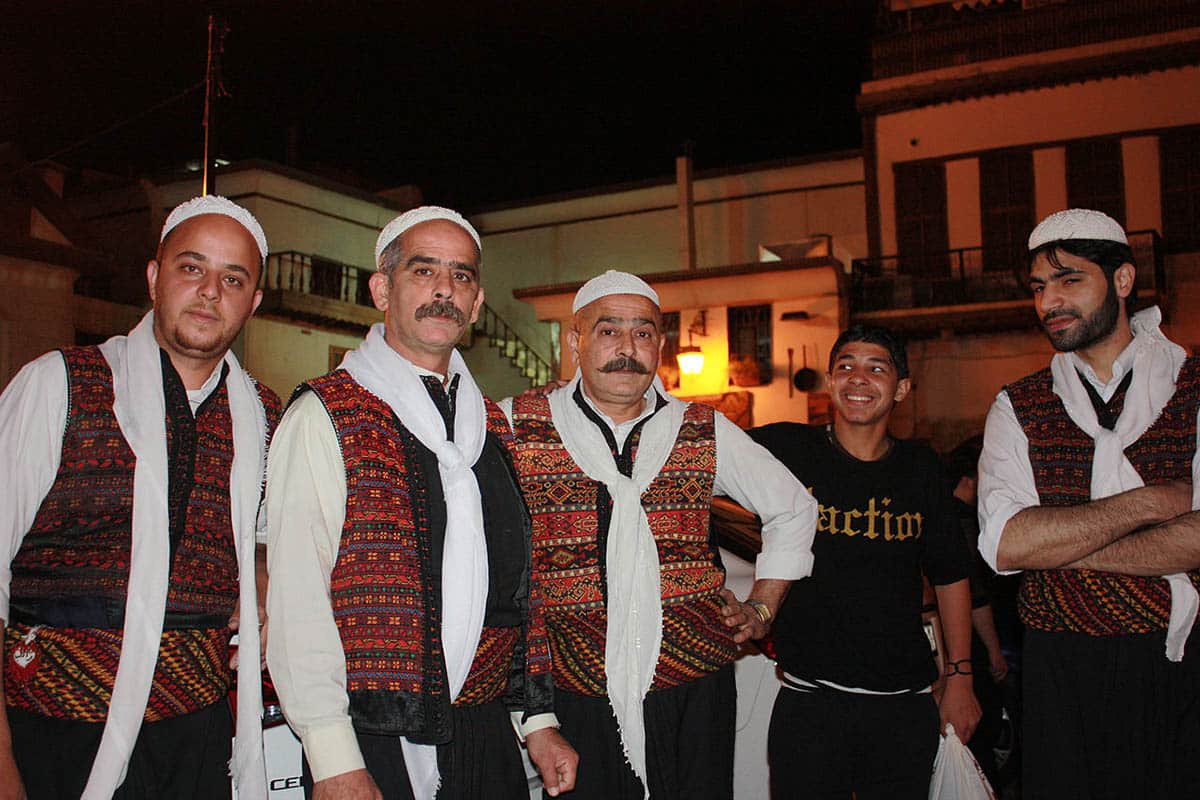
Aleppo
Aleppo is known for elegant velvet Thoubs decorated with gold thread and paired with embroidered Farashah underskirts. Men often wear a Bisht over a plain Thoub, finished with a traditional Keffiyeh or Agal during formal celebrations.
Hama
Hama favors lighter everyday clothing. Women commonly wear cotton Thoub dresses with gentle stitched patterns and complement them with a modest Hijab or Shayla. Men dress in loose Sirwal trousers, simple long shirts, and occasionally a Keffiyeh for sun protection.
Saraqeb
Traditional clothing in Saraqeb reflects modesty and function. Women wear plain cotton Thoubs paired with a soft Asbeh scarf. Men usually wear thin Thawb robes and a draped Keffiyeh, secured with an Agal during social gatherings.
Es Suchne
Es Suchne embraces earth-toned textiles. Women typically wear layered Abayas over simple dresses with minimal stitching. Men choose plain wool or cotton Thawbs and light headscarves, suitable for rural work and warm weather.
Qalamoun
Qalamoun stands out for its cross-stitched Thoubs and colorful woven waist belts. Women wear flowing gowns with traditional patterned stitching, while men often layer a warm cloak or coat over their Thoub in colder seasons.
Qalaat Samaan
Clothing here reflects history and religion. Women wear darker Thoubs decorated with metallic thread and layered with Farashah skirts. Men usually wear long Thawbs with a Kufi or Shemagh, especially during cultural and religious festivals.
Kafr Tacharim
This region is known for vivid colors and tribal details. Women often wear brightly patterned Thoubs with tassels and traditional beadwork, while men dress in wool Sirwal pants, cotton Thawbs, and a regional Keffiyeh draped for identity and pride.
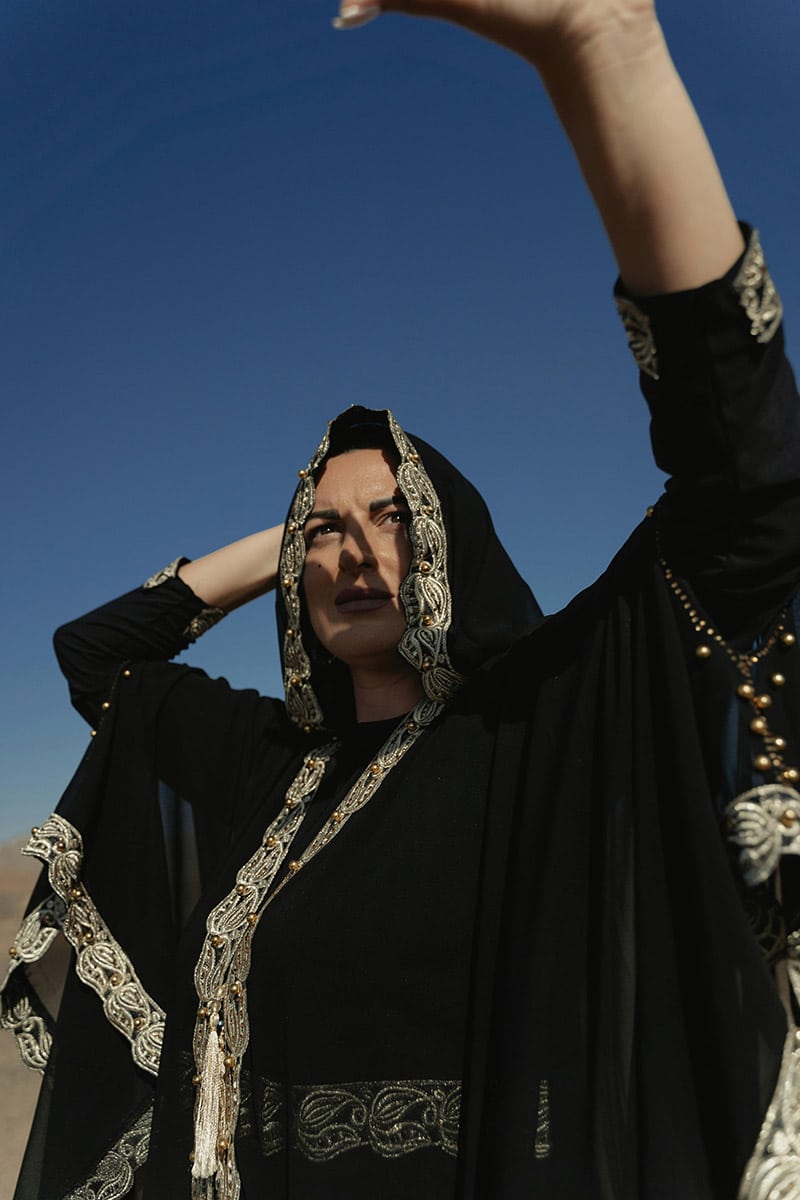
Tourists visiting Syria are welcomed when they dress with modesty and respect. Men can wear shirts, long trousers, and avoid overly tight clothing, especially in religious or rural areas. Women are encouraged to choose long skirts, loose dresses, or trousers with covered shoulders. A light scarf can be helpful when entering mosques or historical religious spaces.
Clothing in Syria is influenced by religion and tradition. Islamic culture promotes modest dress, while Christian and Druze communities often add unique colors and accessories. Rural and peasant clothing remains practical, with loose garments for men and flowing dresses for women.
Bedouins wear distinctive robes, cloaks, and keffiyehs suited for desert life. For formal events, women wear decorated Thoubs and children often dress in elegant embroidered outfits.

Traditional Syrian Clothing: A Recap
Traditional Syrian clothing is more than fabric and thread, it is a living story that carries generations of history, artistry, and identity. From the cross-stitched beauty of the Thoub to the elegant flow of the Abaya, clothing in Syria reflects both regional differences and a shared cultural spirit. Each stitch, color, and pattern speaks to traditions that have survived through time.
These garments are still proudly worn at weddings, festivals, and religious celebrations, keeping heritage alive for younger generations. Watching families dressed in full Syrian attire at a local festival once felt like stepping into a moving museum, every color and pattern full of meaning, yet vibrant and alive.
Traditional clothing continues to unite Syrians and celebrate diversity across regions. Preserving these garments not only honors the past but also carries Syria’s cultural heartbeat confidently into the future.