

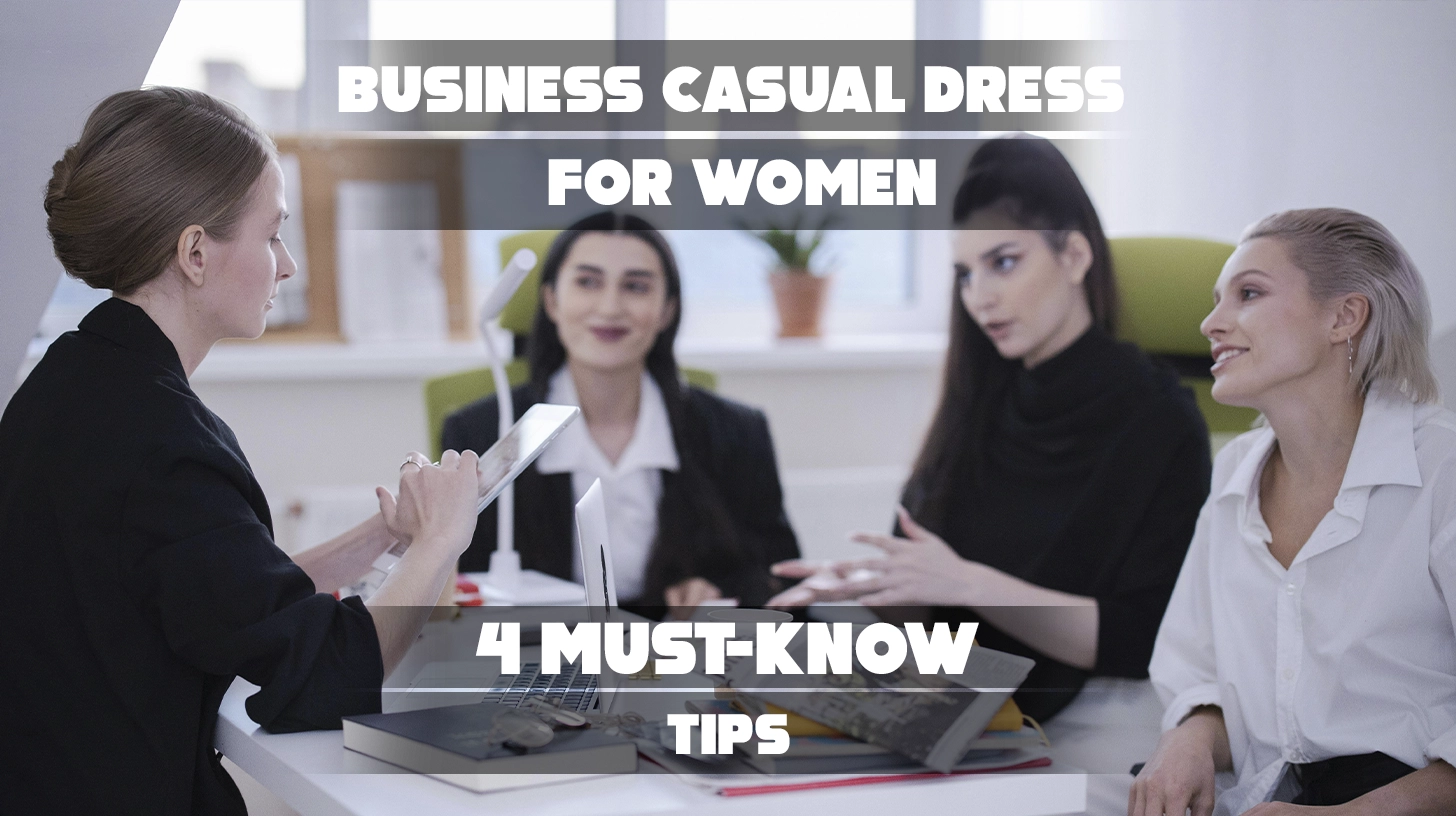

Business Casual Dress for Women can feel confusing at first. I remember wondering what to wear to the office—wanting to look professional but still feel comfortable.
At Civilisable, we’ve created this guide to help you understand business casual style. By reading it, you can learn the key pieces, get practical tips, and have your questions about office outfits answered.
By the end, you’ll feel comfortable, stylish, and confident in your own business casual outfits—and you can explore more tips and guides to keep learning and improving your style.
1. What Is Business Casual Dress for Women?
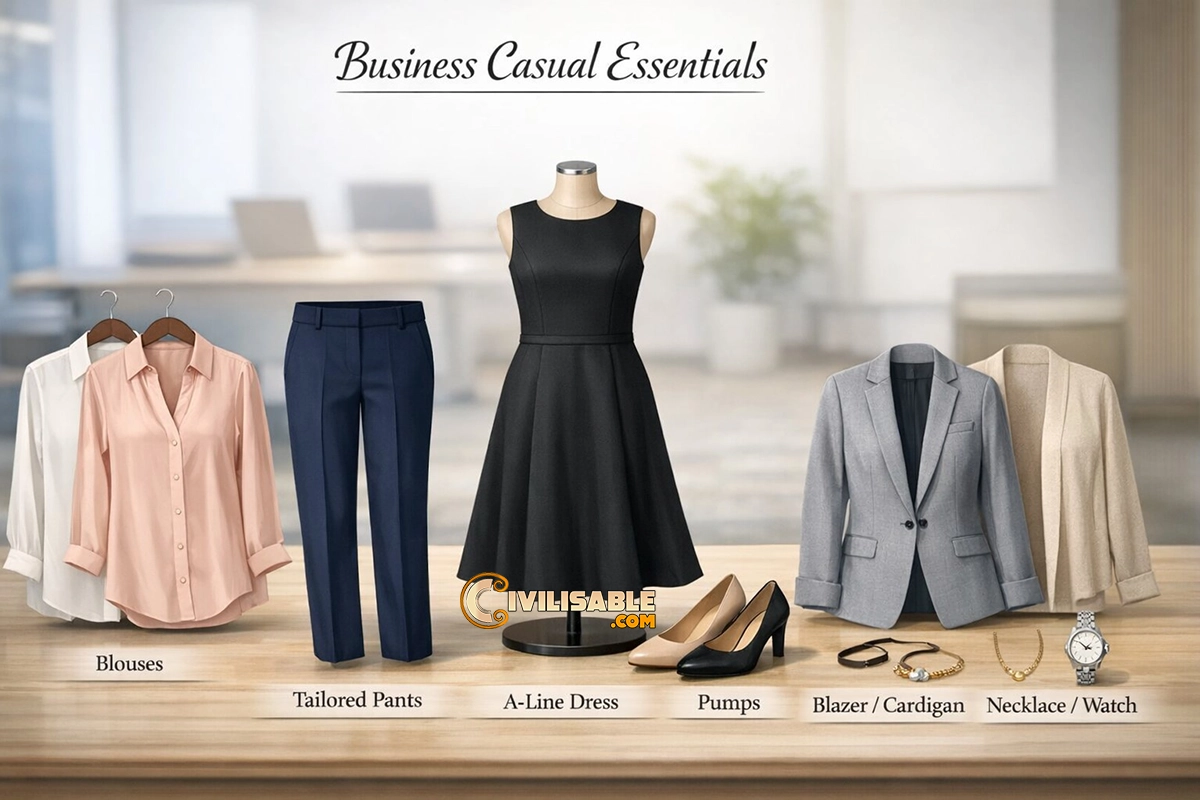
Business casual is a style that lets you look professional while staying comfortable. It is less formal than a suit but more polished than weekend clothes. Women can wear tailored pants, blouses, or flats to create a neat office look without being too strict.
This style started in the 1980s and 1990s. Before that, men wore suits and ties, and women wore dresses or skirt suits. Companies wanted workers to feel comfortable while still looking professional. Business casual helped make this possible.
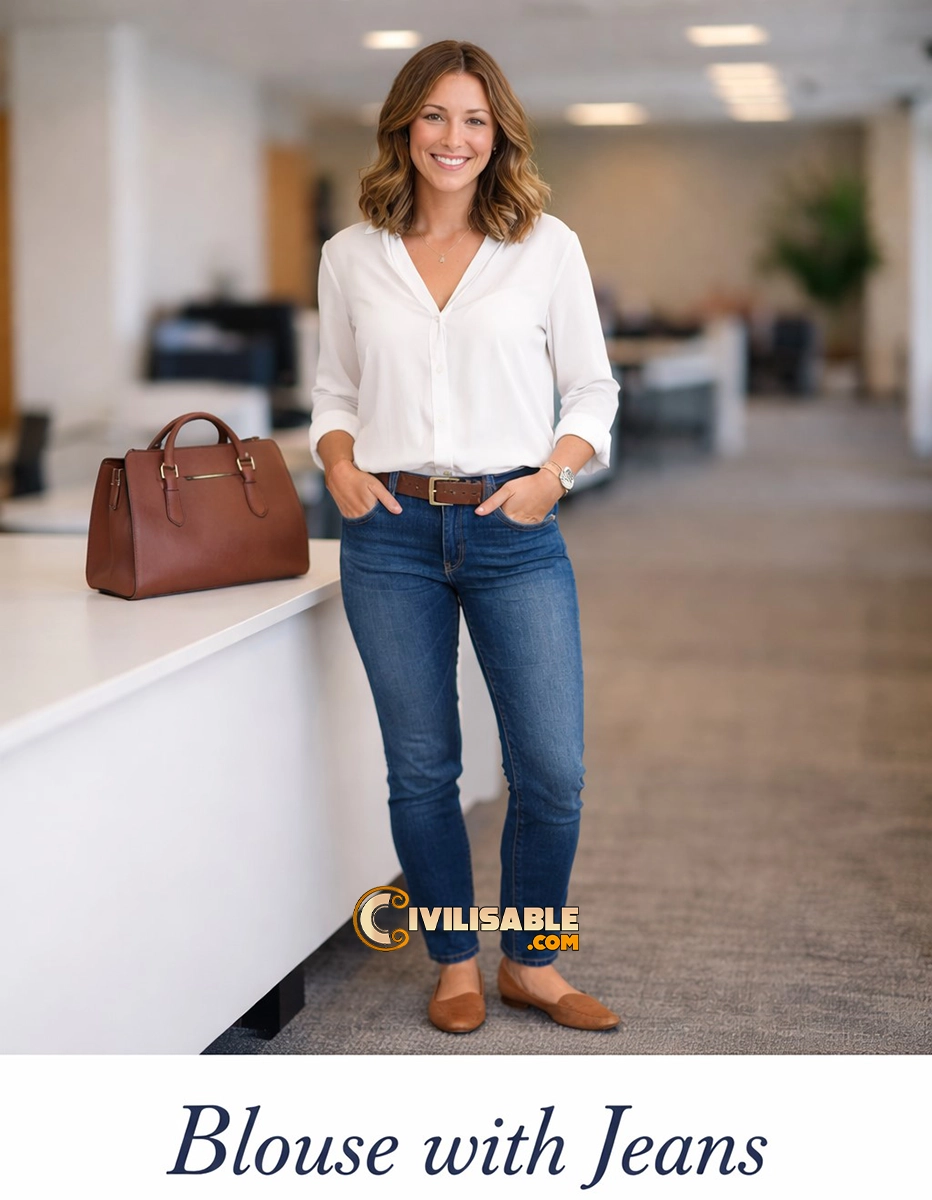
Over time, it became easier to adapt. Today, it can include dark jeans with a blouse or a simple dress with flats. Each workplace may have its own rules about what is allowed.
2. Key Pieces in Women’s Business Casual
Business casual helps women look smart and stay comfortable. This style allows women to show personal style while staying office-appropriate.
Tops
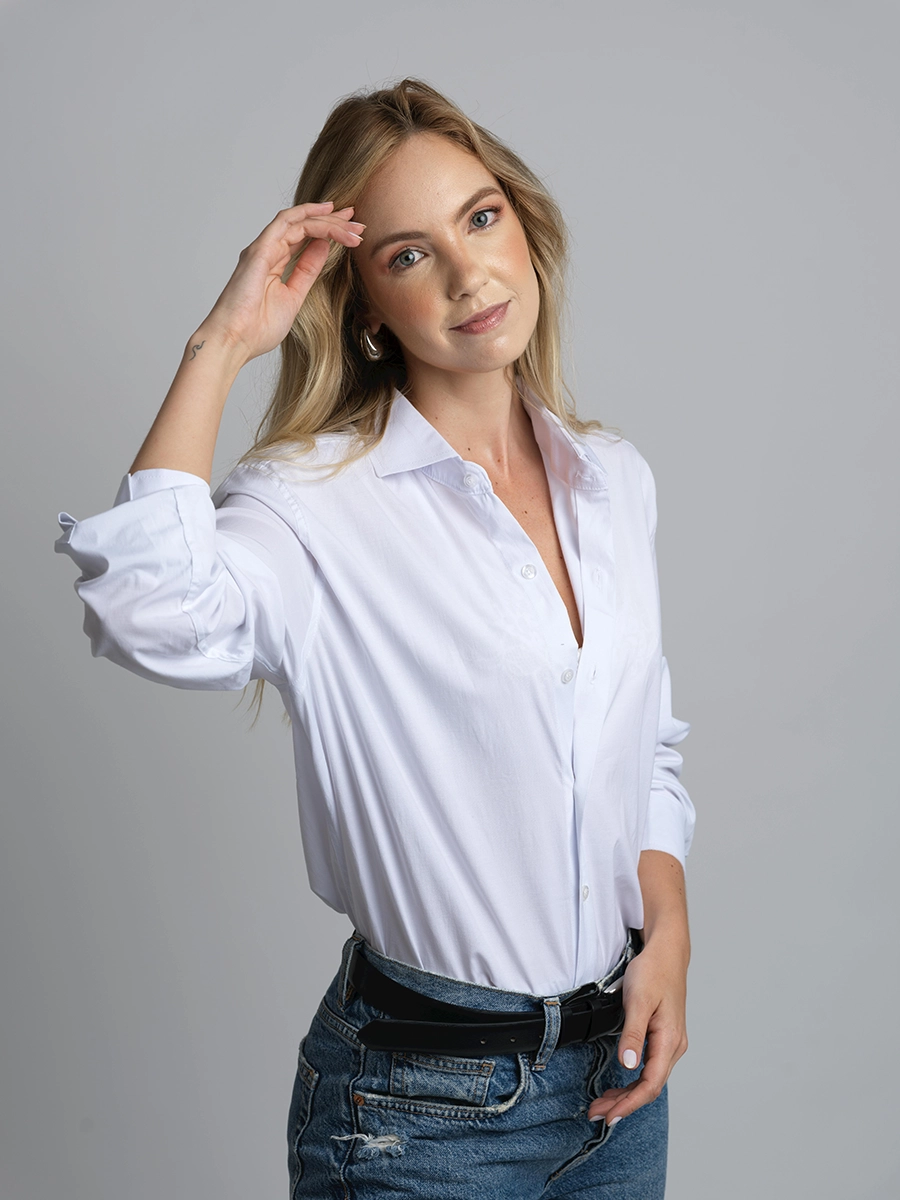
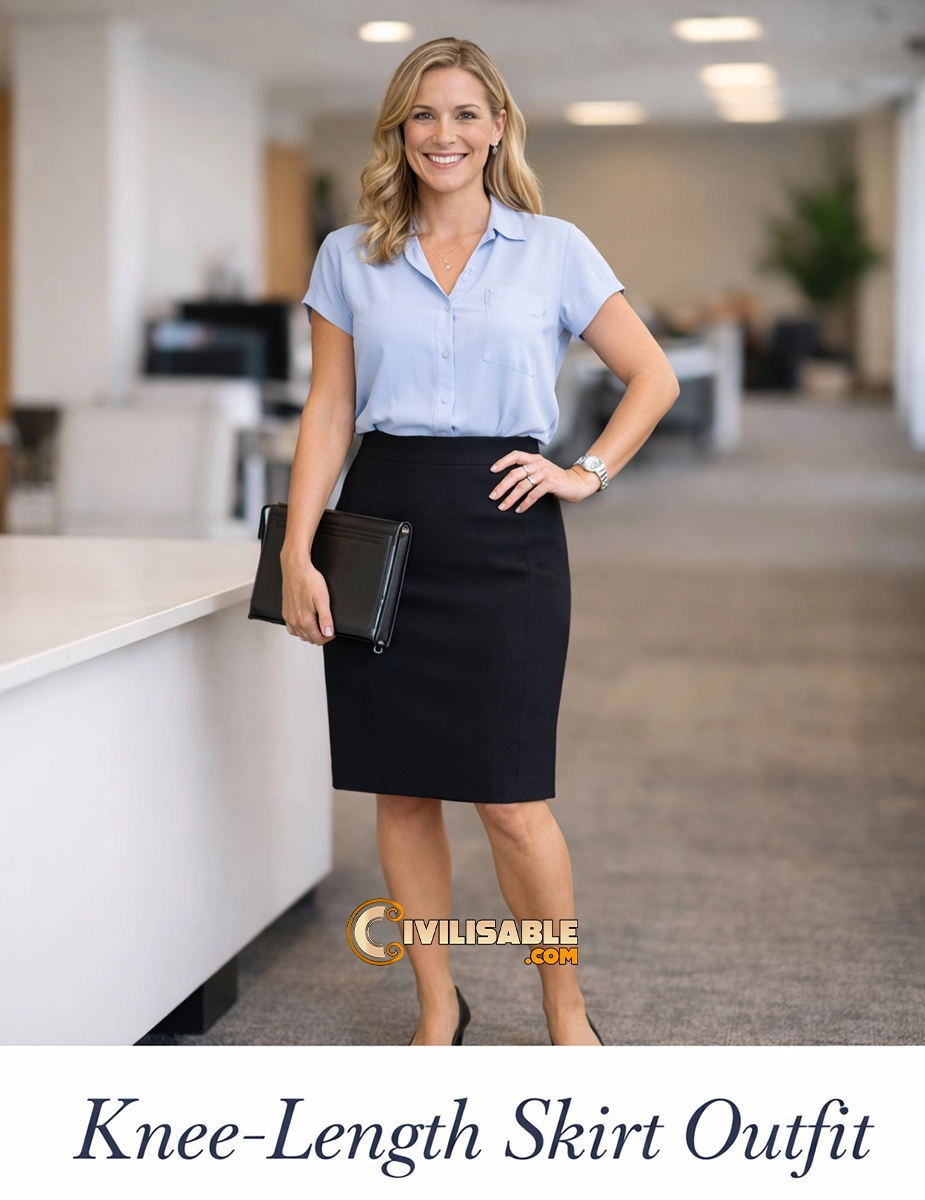
Blouses, button-down shirts, and tailored tops work best. Solid colors or soft patterns are recommended. Tops should fit well, cover the shoulders, and have modest necklines. T-shirts are usually too casual unless the company allows them.
Bottoms
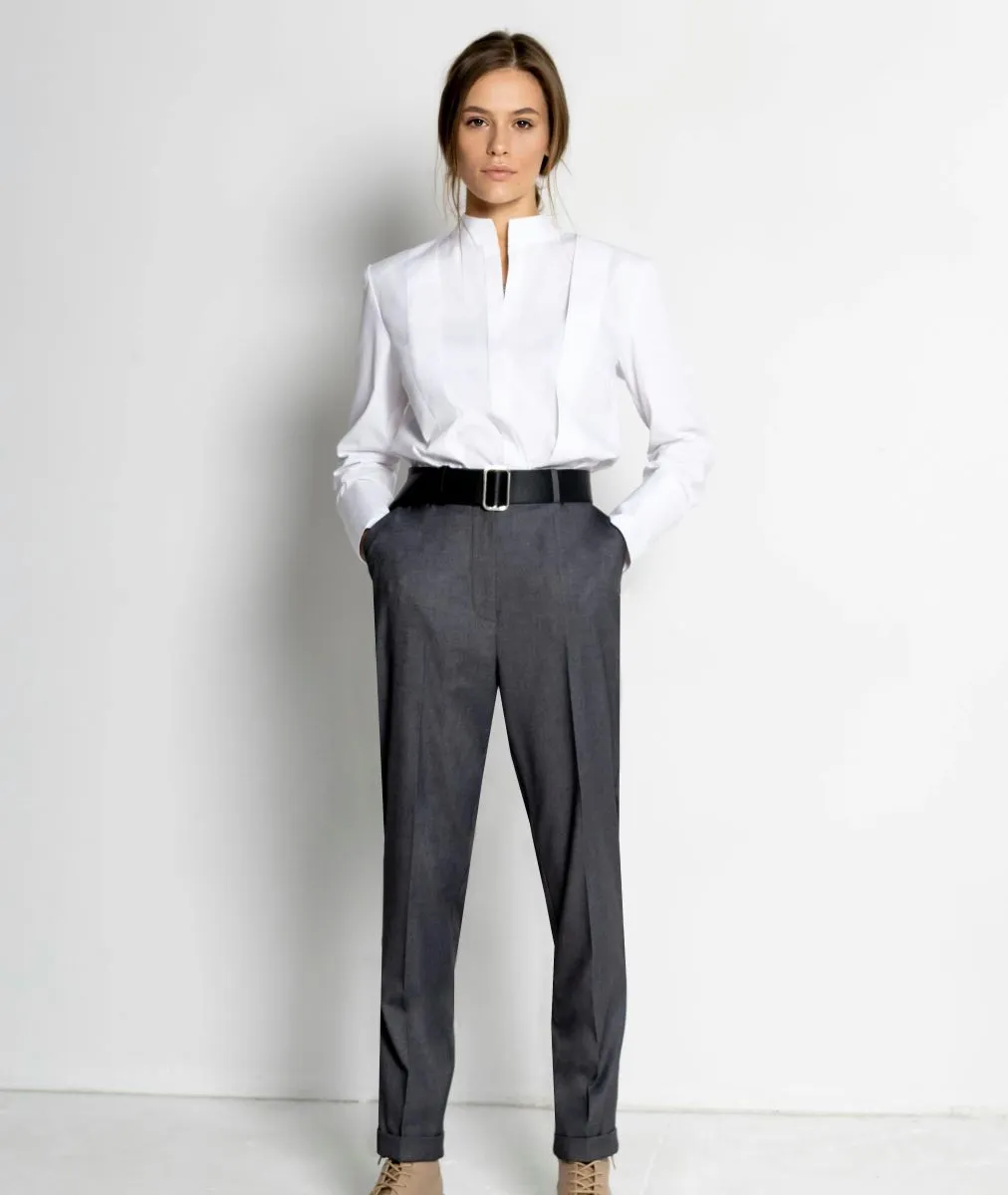
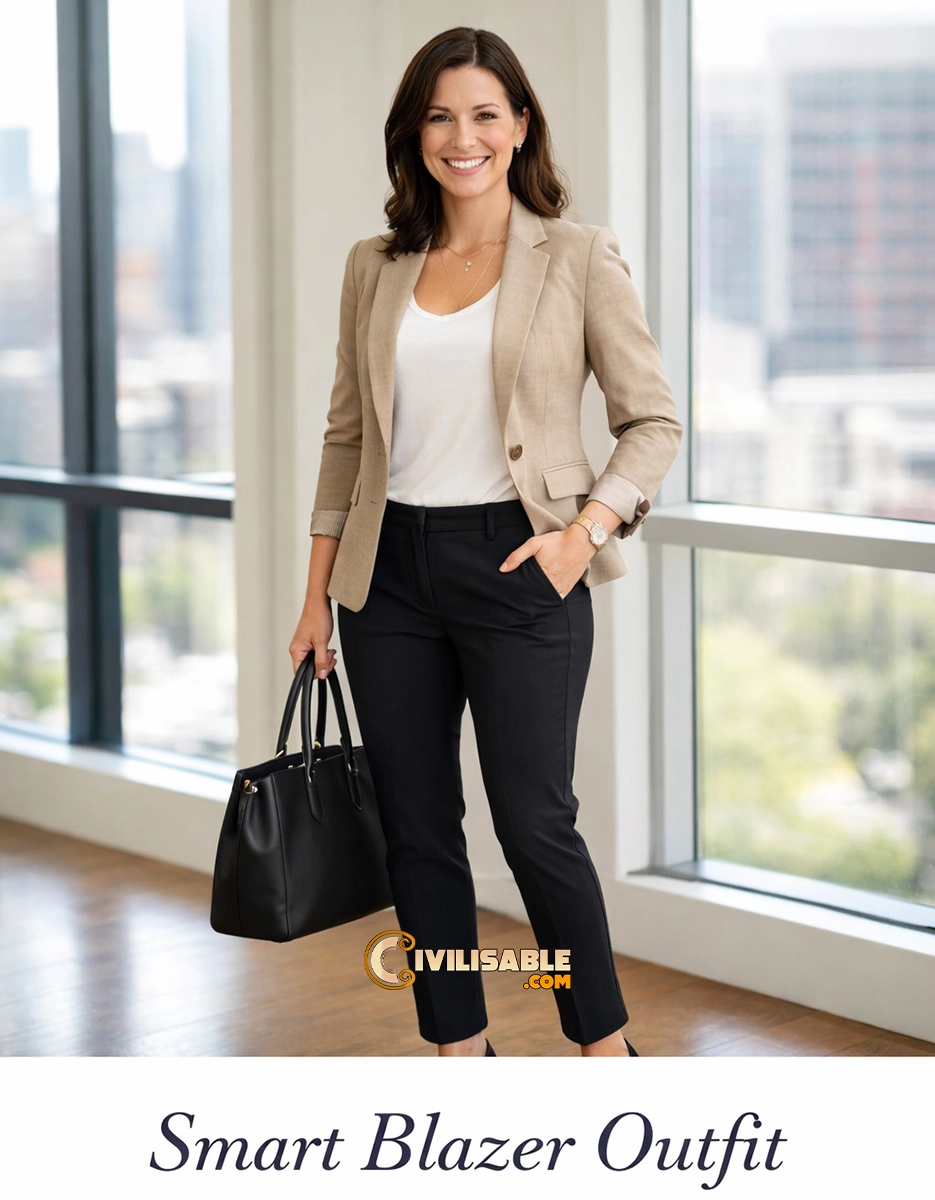
Dress slacks, tailored pants, or trousers in neutral colors like black, navy, or gray are ideal. Skirts are fine if they reach the knee or below. Avoid jeans, shorts, or very tight clothing.
Dresses

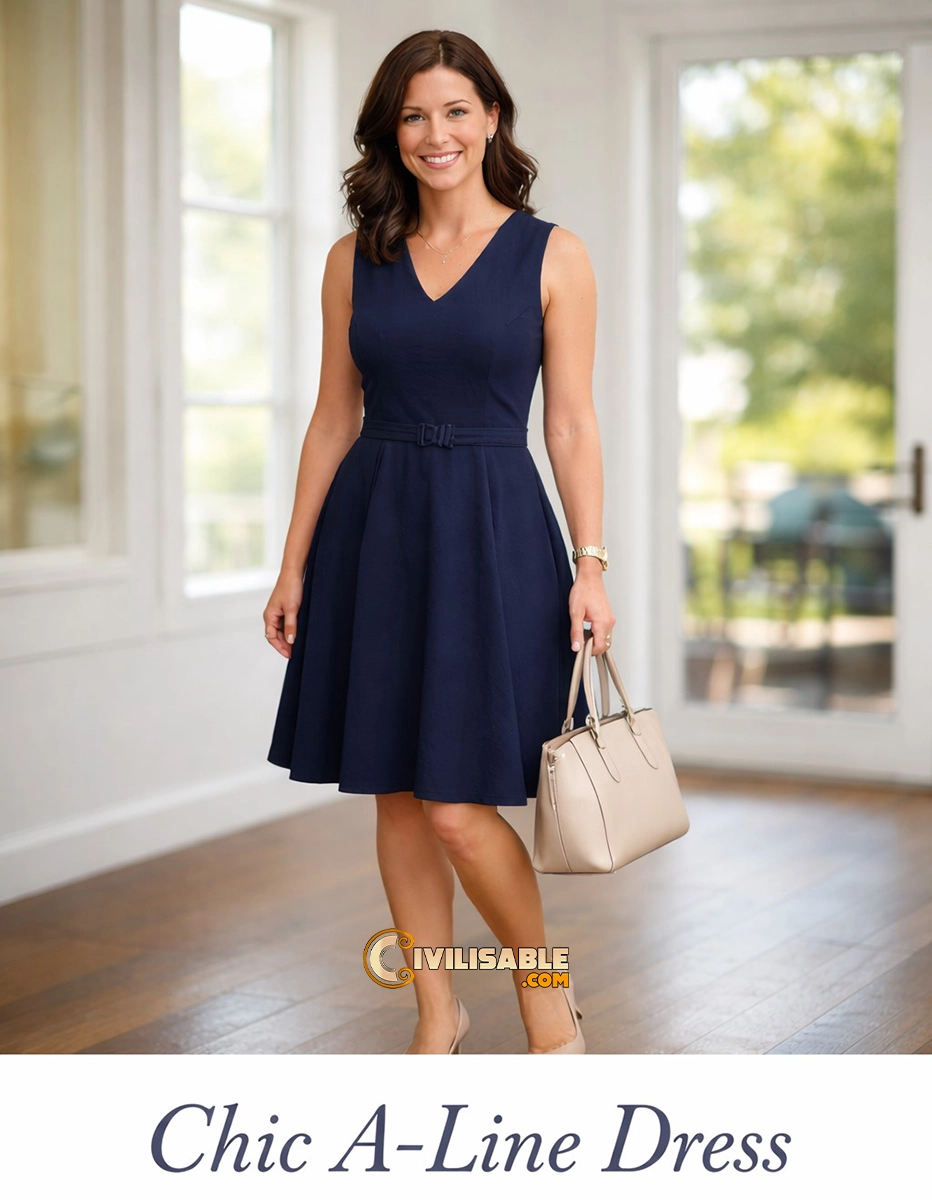
Simple dresses like A-line or sheath styles, are a good choice. They should fit well and have modest hemlines. Subtle patterns are fine, but very bright or loud prints should be avoided.
Footwear
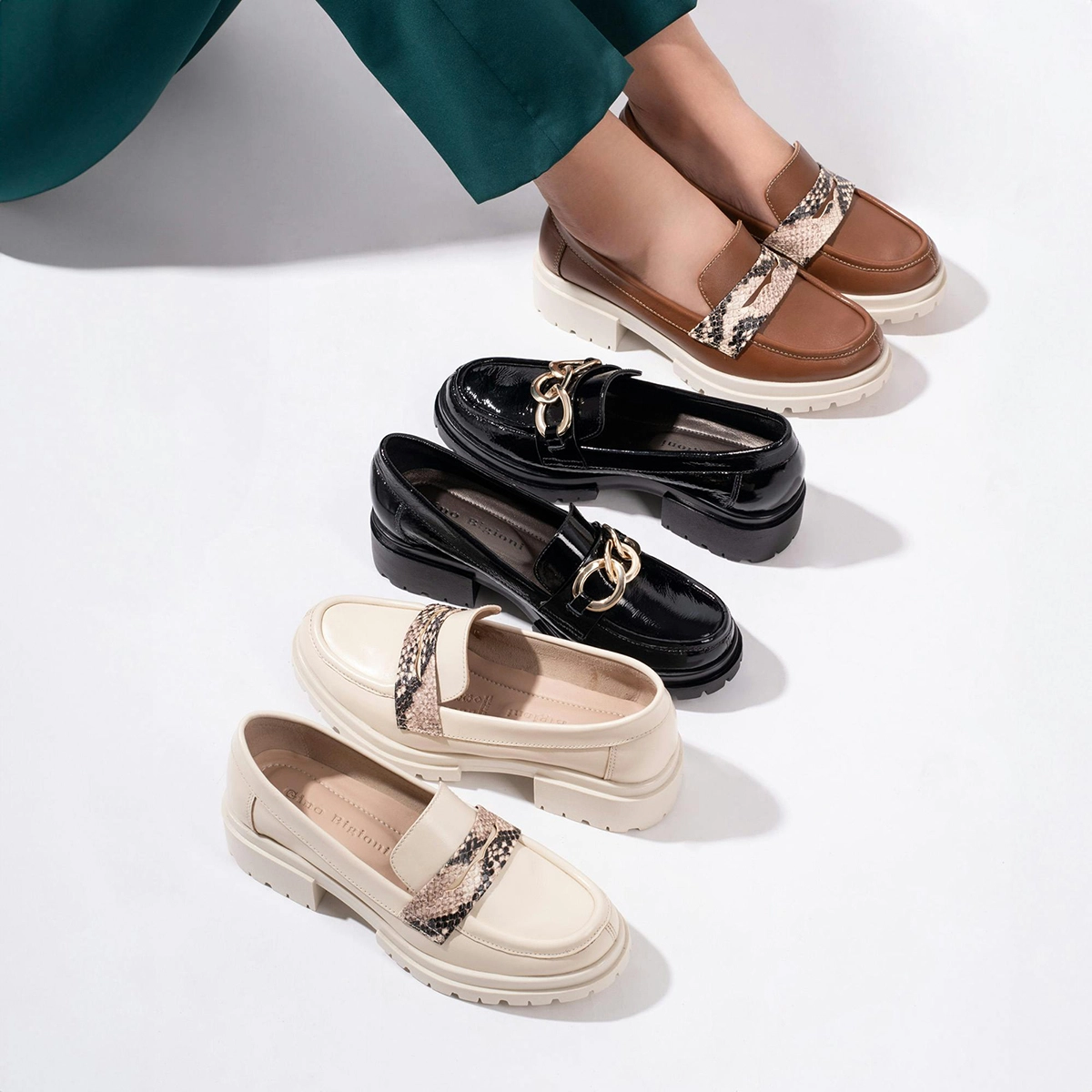
Shoes should be clean and professional. Closed-toe shoes like pumps, flats, or loafers in leather or suede are best. Avoid sneakers, sandals, or very high shoes that are hard to wear all day.
Optional Layers

Layers can add comfort and style. Blazers, cardigans, or light sweaters work well. Neutral colors like black, navy, or gray are easy to match. Layers help make an outfit look polished and professional.
Accessories

Keep accessories simple. Small earrings, a delicate necklace, or a classic watch are ideal. Belts can add shape and complete the outfit. Avoid bright or flashy jewelry.
3. Business Casual in Different Industries
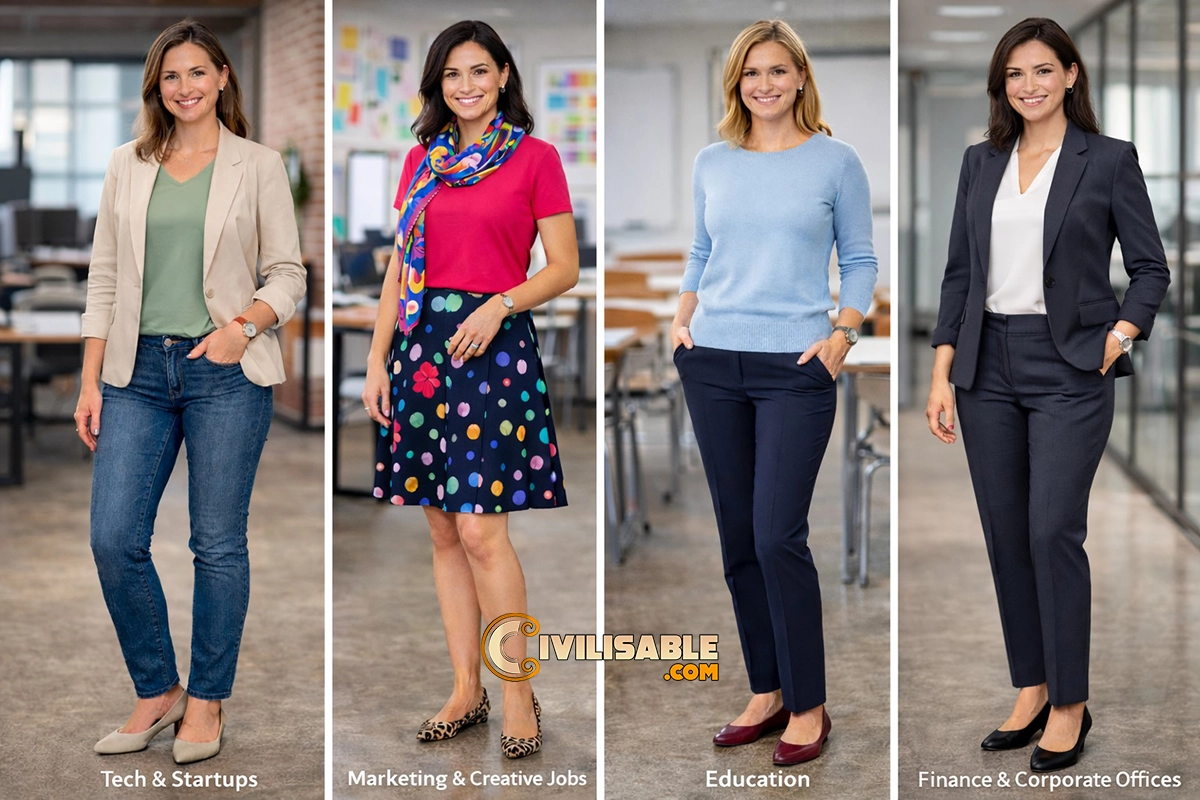
The meaning of “business casual” can vary depending on the industry or company. Some workplaces allow a more relaxed style, while others keep it more formal. As fashion designer Giorgio Armani once said, “Always dress for the position you want, not the one you already have.” This highlights how dressing well can help you succeed.
- In tech and startups, women often wear nice jeans with a blazer or a stylish top. The rules are usually flexible.
- Marketing and creative jobs let you show personality. Bright colors, patterns, and unique accessories are common.
- In education, clothes should be professional and practical. Comfort matters for long workdays.
- Finance and corporate offices are slightly more formal. Women often wear structured pants and neat blouses.
Knowing what your workplace expects helps you choose the right clothes. You can stay comfortable while looking professional every day.
4. Business Casual Tips for Women
Dressing for business casual does not have to be hard. With a few simple tips, you can look professional, feel comfortable, and show your own style. Here are some ideas to help you put together office outfits.
Matching Colors

Start with neutral colors like black, white, gray, or navy. These colors make a strong base for your outfit. Add a small pop of color, like a red scarf or a green blouse. This makes your outfit look fresh and interesting without being too bright.
Prints and Textures

Patterns and textures make your outfit more fun. Small patterns like pinstripes or houndstooth add style without being too bold. Mixing textures like silk, cotton, or wool gives your outfit more depth and makes it look neat.
Fit and Shape

Clothes that fit well make you look confident. Choose clothes that suit your body and feel comfortable. When your clothes fit right, you naturally look professional and tidy.
Layers and Accessories
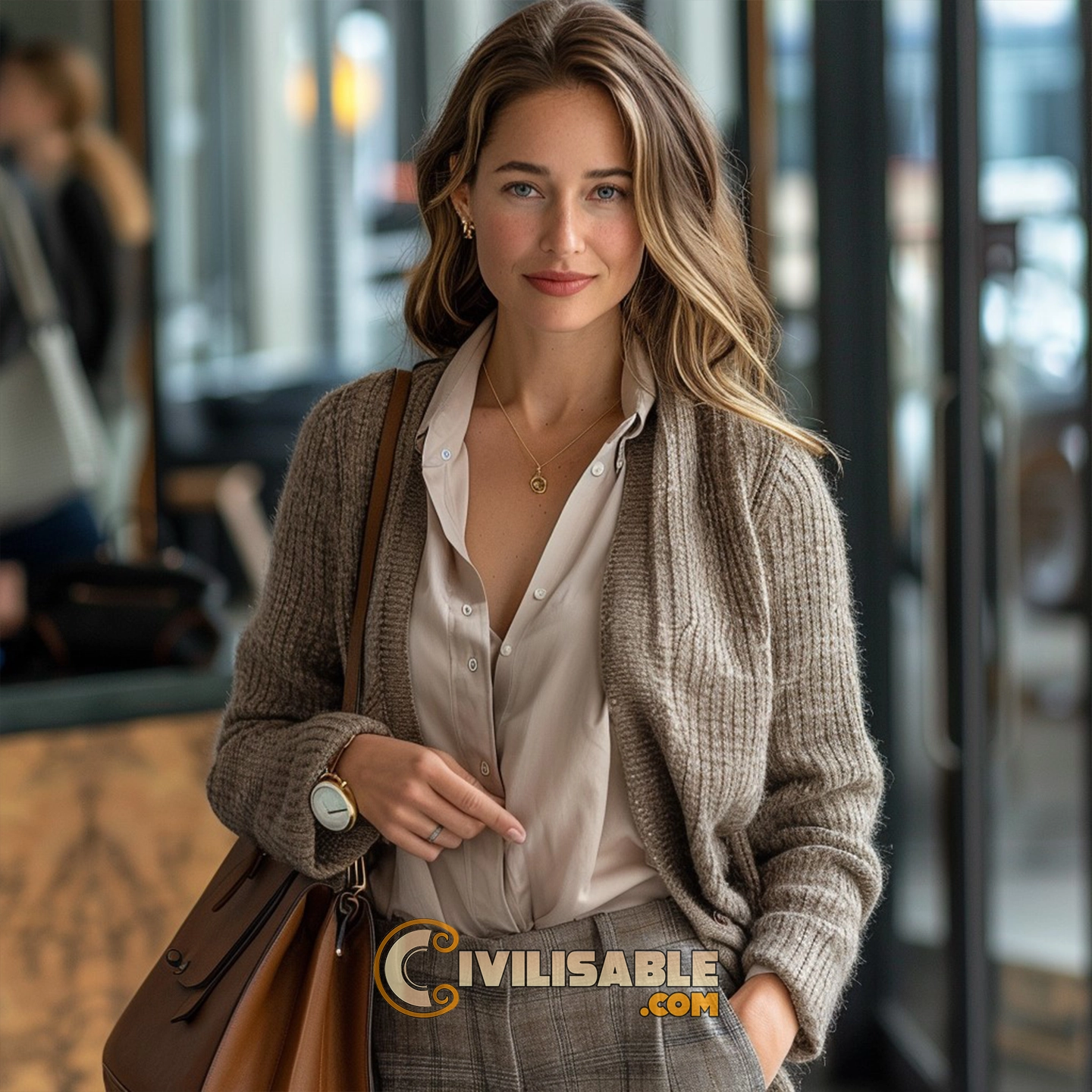
Layers and accessories finish your outfit. A blazer or cardigan can add style and warmth. Simple jewelry or a classic handbag completes your look. These small details make you appear polished and ready for work.
Business Casual Dress for Women: A Recap
Business casual for women is more than work clothes. Each outfit can show your personality while still looking professional. There are no strict rules, but your clothes should always look neat and office-ready.
I like business casual because it is flexible. You can mix dressy and relaxed pieces. A blouse with tailored pants, a simple dress with flats, or a blazer over a top can all work. Accessories and layers let you add small touches of style without overdoing it.
From my experience, dressing business casual makes you feel more confident. Choosing the right shoes, tops, or jackets can change how you feel and how others see you. Business casual can be practical, professional, and personal at the same time.
FAQ