

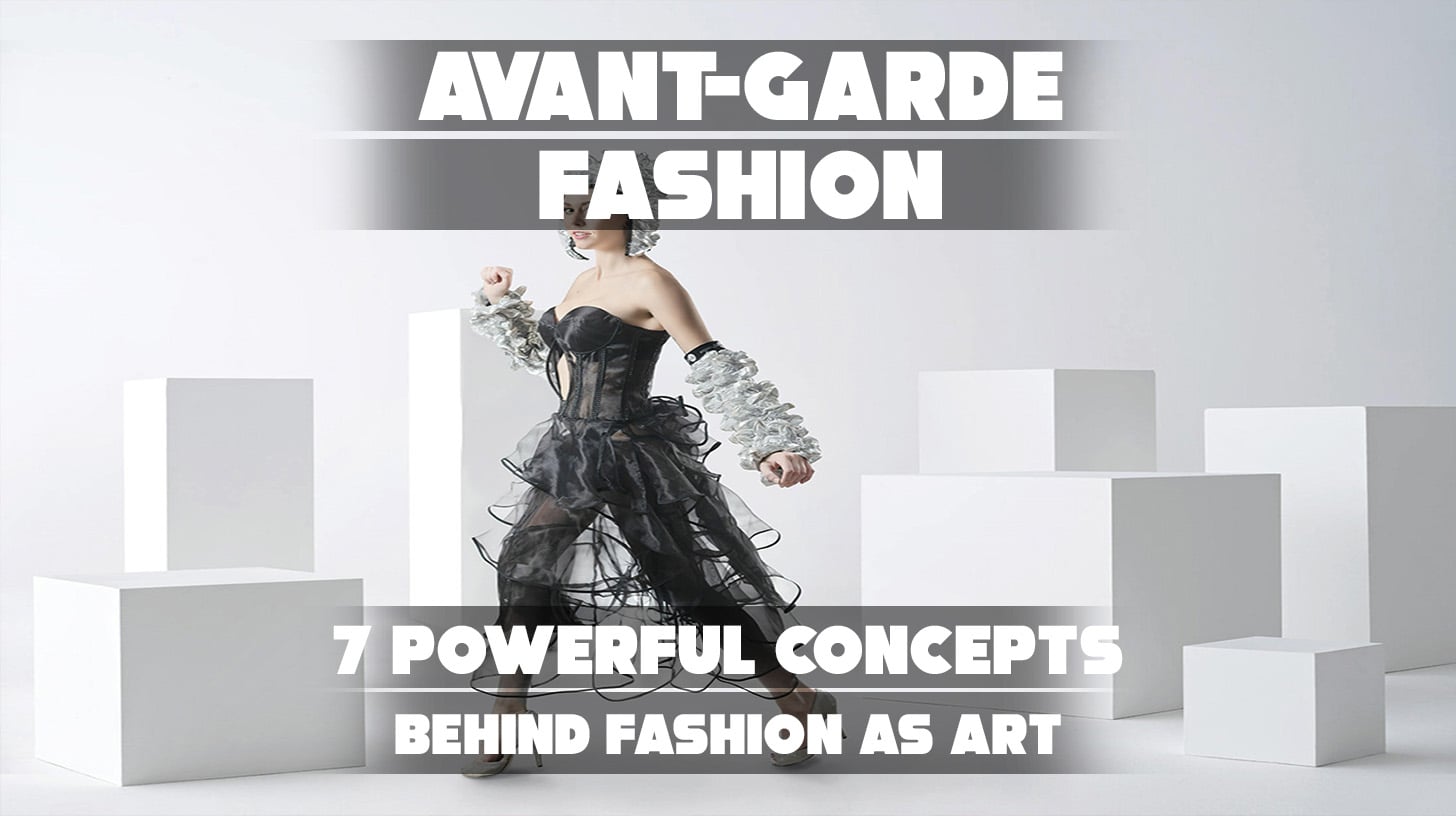

Have you ever looked at a runway outfit and wondered, “Is this art or fashion?” If so, you’re already engaging with Avant-garde fashion.
I remember the first time I saw an avant-garde collection at a fashion exhibition; the silhouettes felt shocking at first, but I couldn’t stop thinking about them afterward.
At Civilisable, we explore Avant-Garde Fashion, uncovering bold, experimental styles that push boundaries and redefine the art of dressing.
By the end, you’ll see how innovation, creativity, and self-expression transform fashion into wearable art—and how that perspective can change the way you view style forever.
1. What Is Avant-Garde Fashion?
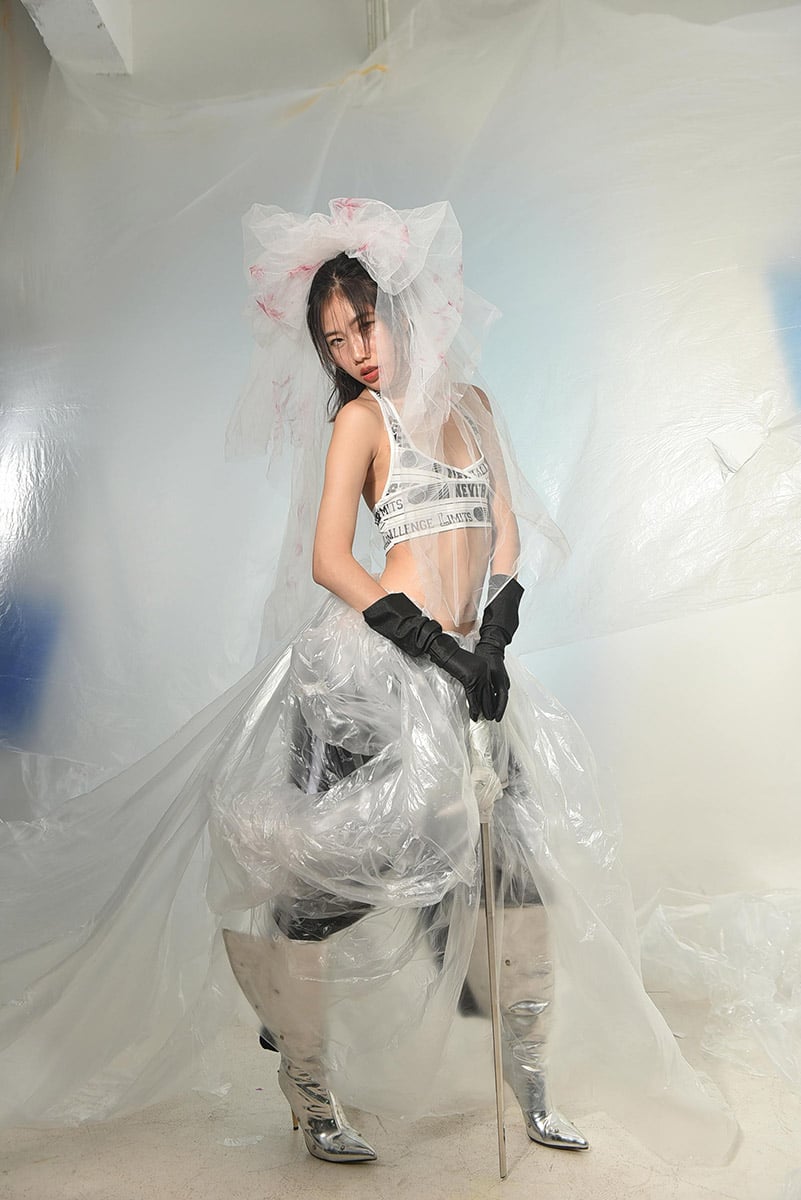
Avant-garde fashion (from the French for “advance guard” or “vanguard”) is a bold, boundary-pushing approach to style that challenges traditional ideas of clothing. The term originally comes from the military, referring to the troops sent ahead of the main army to explore, innovate, and lead the way. Similarly, avant-garde fashion leads and explores the frontlines of creativity, experimenting with unconventional designs, forms, and concepts before they influence mainstream fashion.
Unlike traditional fashion, which prioritizes practicality or trends, avant-garde emphasizes creativity, conceptual design, and artistic expression. It’s not just about clothing—it’s about making a statement, telling a story, and pushing boundaries. Understanding avant-garde principles enhances appreciation for both runway artistry and wearable fashion, inspiring innovation and self-expression.
See Also Korean Winter Fashion
2. History and Evolution of Avant-Garde Fashion
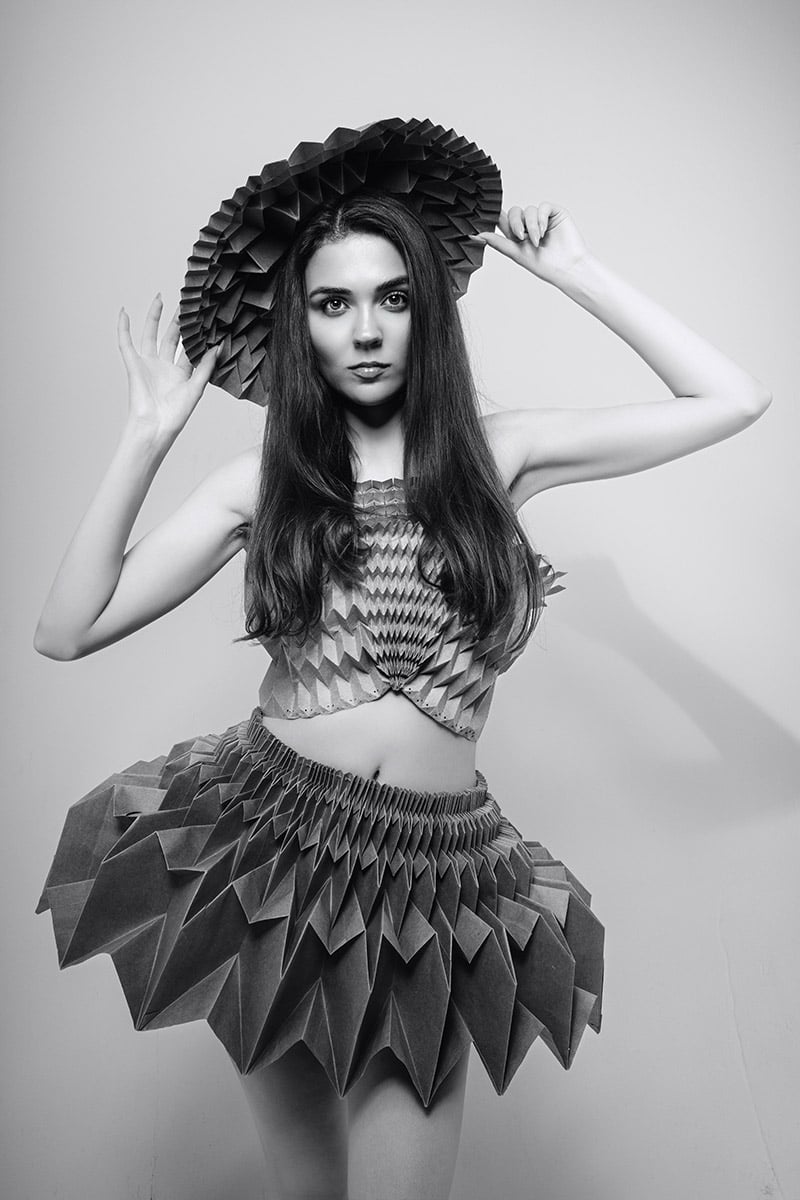
Avant-garde fashion has roots in 20th-century art movements such as Surrealism, Dada, and Futurism, where artists rejected conventional aesthetics to explore radical creativity. Early fashion designers began translating these concepts into clothing, producing garments that were unconventional, artistic, and provocative.
In the 1980s and 1990s, designers like Rei Kawakubo of Comme des Garçons and Yohji Yamamoto brought avant-garde fashion to global attention. Their creations featured asymmetry, oversized silhouettes, and dark, minimalist palettes, challenging the traditional expectations of beauty and wearability.
Over the decades, avant-garde evolved to include new materials, technology, and conceptual storytelling. Designers like Iris van Herpen introduced 3D-printed fabrics, fluid designs, and sculptural textures, blending fashion with science and technology. Today, avant-garde continues to push creative boundaries, influencing mainstream trends while remaining concept-driven, daring, and experimental.
3. Key Characteristics and Principles
Avant-garde fashion is defined by distinctive characteristics that set it apart from conventional clothing. Understanding these principles helps both designers and enthusiasts appreciate the art behind the fashion.
- Unconventional Silhouettes
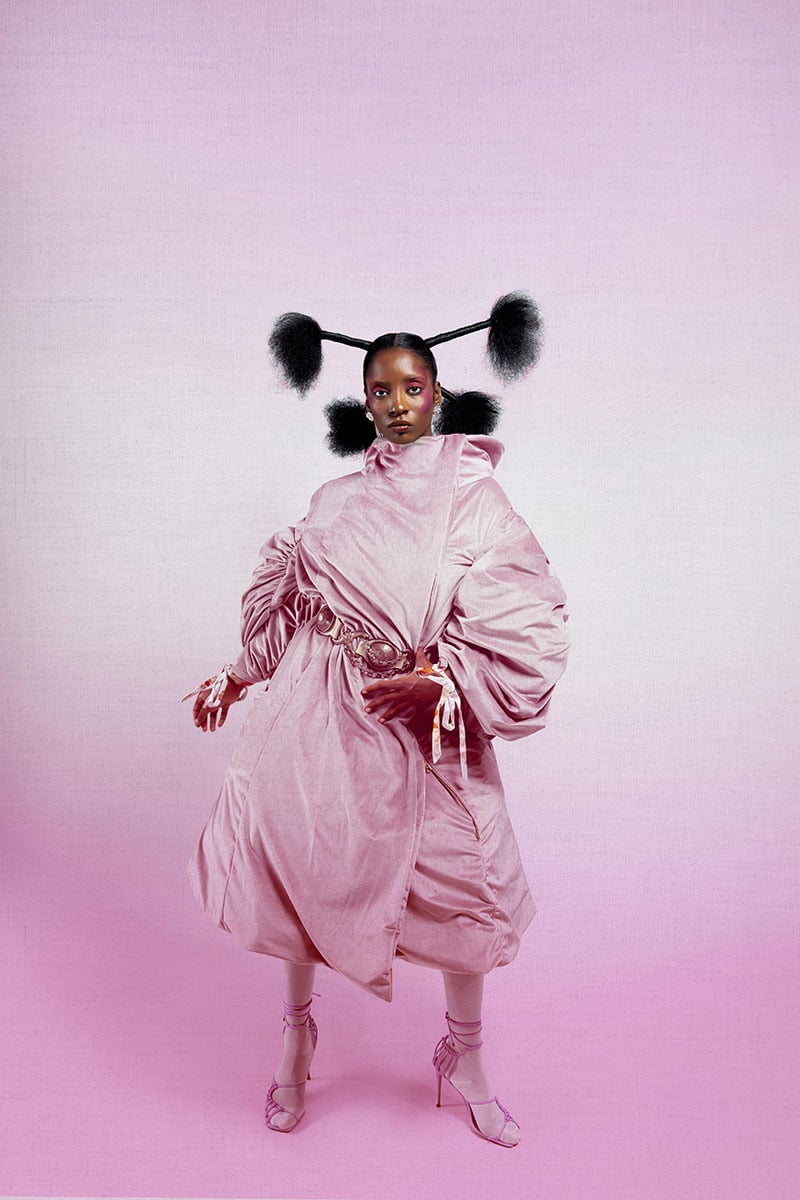
Avant-garde garments often defy traditional body shapes. This includes oversized jackets, asymmetric hemlines, exaggerated proportions, and sculptural forms. These silhouettes challenge the idea of what “flattering” clothing should look like, prioritizing artistic expression over conformity. - Experimental Fabrics and Textures
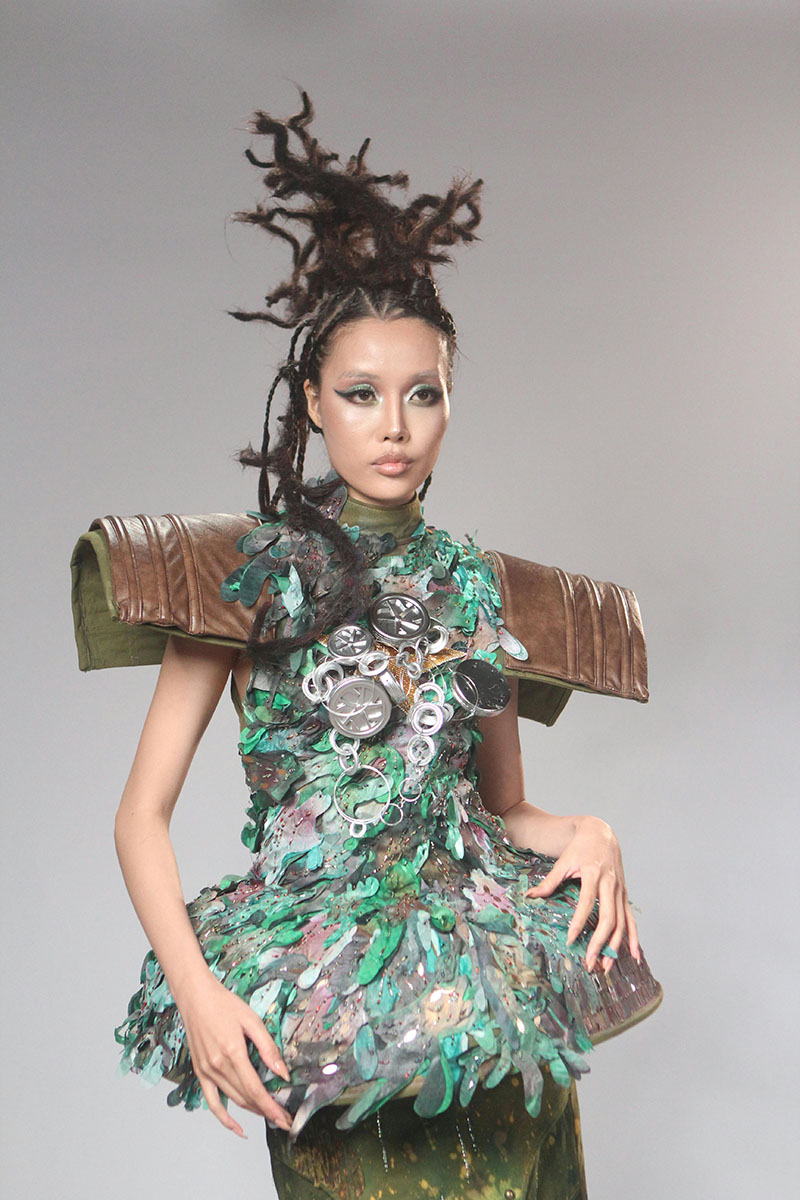
Designers frequently use unexpected materials like plastics, metallics, 3D-printed textiles, and hybrid fabrics. Textures may include layering, folding, or sculpting fabric to create a tactile, visually stimulating effect. Experimentation allows garments to look futuristic or conceptual, emphasizing innovation. - Bold Colors and Patterns
Avant-garde fashion often features extreme color contrasts, abstract prints, or monochrome schemes. Patterns may be layered or distorted to evoke emotion or visual tension. Color becomes a tool for expressing personality and conceptual ideas. - Deconstruction and Reconstruction
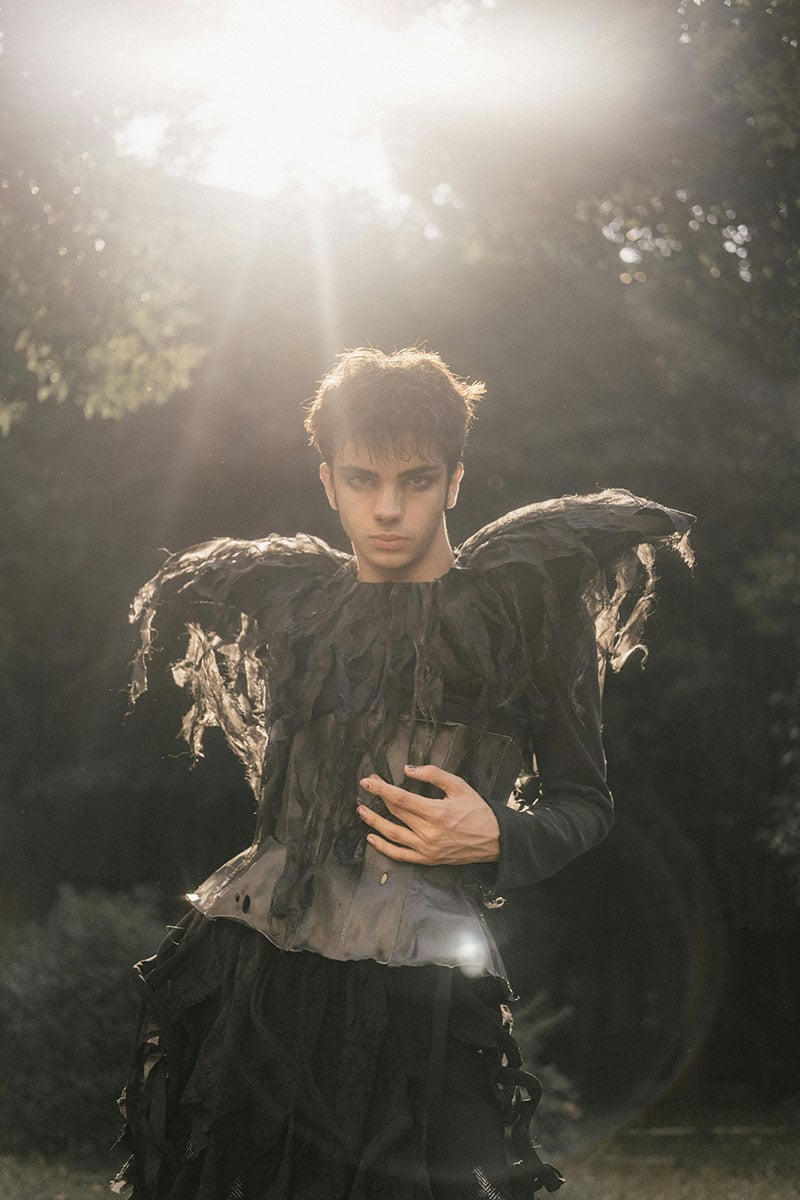
Many pieces are intentionally unfinished or reconstructed, exposing seams, raw edges, or unexpected stitching. This highlights the garment’s construction and turns clothing into an artistic exploration, challenging traditional fashion expectations. - Conceptual and Artistic Designs
Avant-garde fashion treats clothing as wearable art. Pieces often tell a story or provoke thought, emphasizing creativity over function. Designers aim to evoke emotion, convey a message, or challenge societal norms. - Theatrical and Performance Elements
Runway presentations often incorporate dramatic elements: exaggerated collars, flowing trains, sculptural accessories, or even interactive components. These elements create impact and highlight innovation, making each piece unforgettable. - Focus on Innovation Over Commercial Appeal
Avant-garde fashion prioritizes conceptual exploration over mass-market trends. Designers experiment freely, often producing limited collections that push boundaries, inspire mainstream fashion, and influence future trends.
Tips:
- Observing avant-garde pieces helps develop creativity in personal styling.
- Even if not wearing runway pieces, incorporating one avant-garde element into your outfit adds originality.
- Understanding the story behind a garment enhances appreciation for fashion as art.
4. Influential Avant-Garde Designers
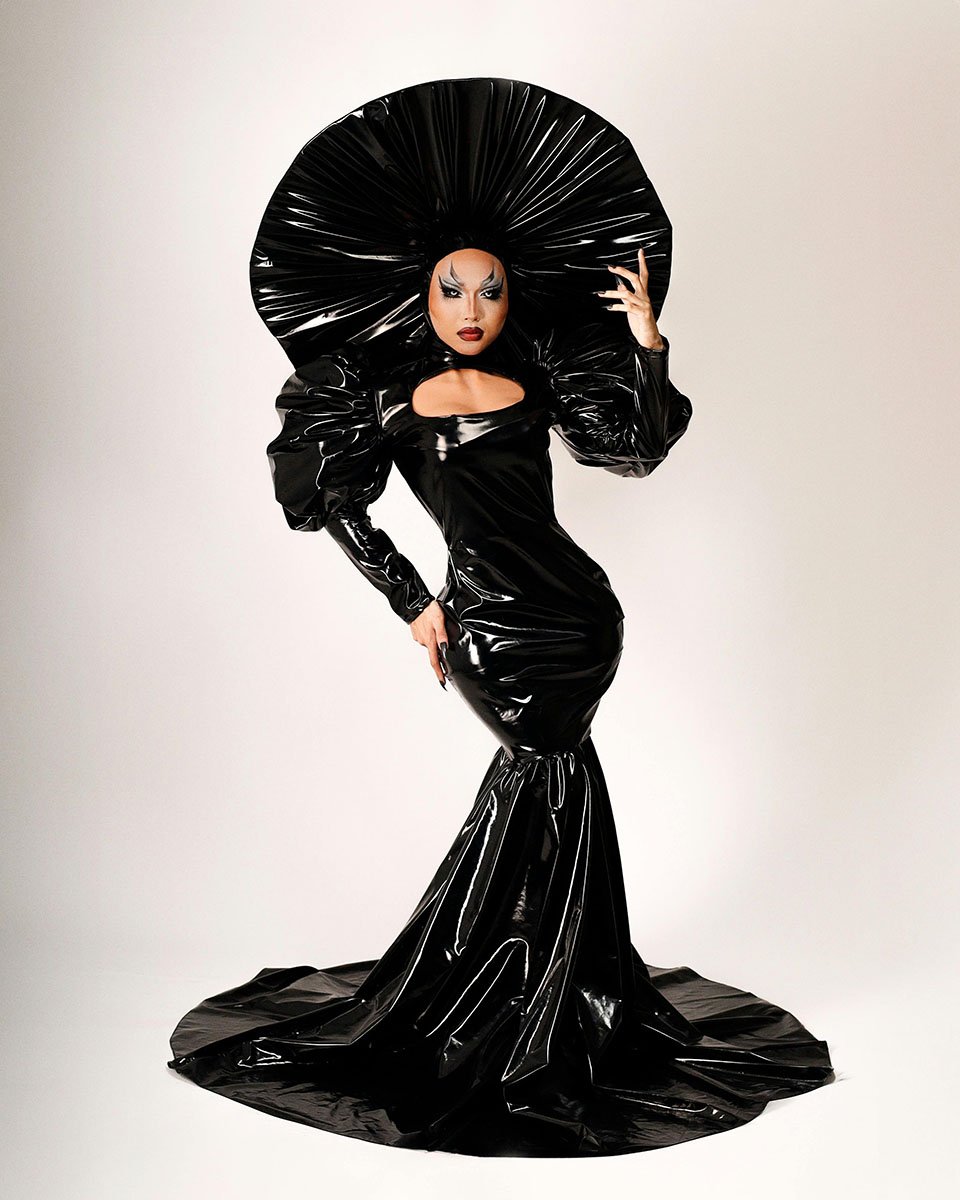
Avant-garde fashion has been shaped by designers who challenge conventional norms and innovate constantly.
- Rei Kawakubo (Comme des Garçons)
Known for asymmetry, minimalism, and radical silhouettes, Kawakubo’s designs question traditional beauty standards. Her pieces often appear unfinished or sculptural, blending fashion with conceptual art. - Alexander McQueen
Famous for theatrical, dark, and romantic designs, McQueen combined precision tailoring with dramatic narratives, creating pieces that were both wearable and deeply expressive. - Iris van Herpen
A pioneer in 3D-printed fashion and futuristic textures, van Herpen transforms technology and craftsmanship into wearable sculpture, blurring the line between fashion and science. - Yohji Yamamoto
Yamamoto’s work emphasizes oversized, fluid silhouettes, monochrome palettes, and Japanese aesthetic principles, redefining elegance and nonconformity. - Maison Margiela & Hussein Chalayan
Known for deconstruction, experimentation, and conceptual storytelling, they continue to inspire avant-garde and mainstream designers worldwide.
Additional Tip: Study these designers’ collections to see how conceptual ideas translate into fashion, helping you understand how avant-garde principles are applied in practice.
See Also Hippie Fashion
5. Techniques, Materials, and Innovation
Avant-garde fashion relies on creative techniques, experimental materials, and technological innovation to create unique, concept-driven pieces.
- Innovative Fabrics
Designers often use synthetics, 3D-printed textiles, metallics, latex, or hybrid materials. This experimentation gives garments unexpected texture, weight, and movement. - Construction Techniques
Techniques like layering, sculpting, pleating, draping, or asymmetric stitching are common. Many garments are intentionally deconstructed, exposing seams or structural elements as part of the design. - Technology Integration
Avant-garde fashion increasingly incorporates laser cutting, 3D printing, and wearable tech, merging creativity with innovation. These techniques expand possibilities beyond conventional fabric manipulation. - Sustainability and Experimental Practices
Many avant-garde designers focus on eco-conscious experimentation, reusing materials, exploring biodegradable fabrics, and creating concept-driven, limited collections that challenge traditional production methods.
Tip: Even if you’re a fashion enthusiast and not a designer, noticing these techniques enhances appreciation for avant-garde collections and informs how to incorporate experimental elements into wearable outfits.
6. Impact on Mainstream Fashion and Pop Culture
Avant-garde fashion is not confined to the runway; it influences mainstream fashion and culture.
- Trend Inspiration
Elements like asymmetry, exaggerated shapes, and bold textures often appear in high-street fashion, runway collections, and capsule wardrobe designs. - Celebrity Fashion and Red Carpet Looks
Celebrities frequently wear avant-garde-inspired pieces for impactful, memorable appearances. Think of Lady Gaga, Rihanna, and Björk, who integrate avant-garde statements into public events. - Cross-Industry Collaborations
Avant-garde fashion collaborates with film, music, and performance art, creating visual storytelling that pushes boundaries. - Cultural Influence
These designs shape ideas of beauty, individuality, and creativity, inspiring new generations of designers, stylists, and enthusiasts to experiment beyond conventional norms.
Tip: Even adopting small avant-garde elements like sculptural accessories, unusual silhouettes, or dramatic textures can add personality and uniqueness to mainstream outfits.
7. How to Appreciate and Wear Avant-Garde Fashion
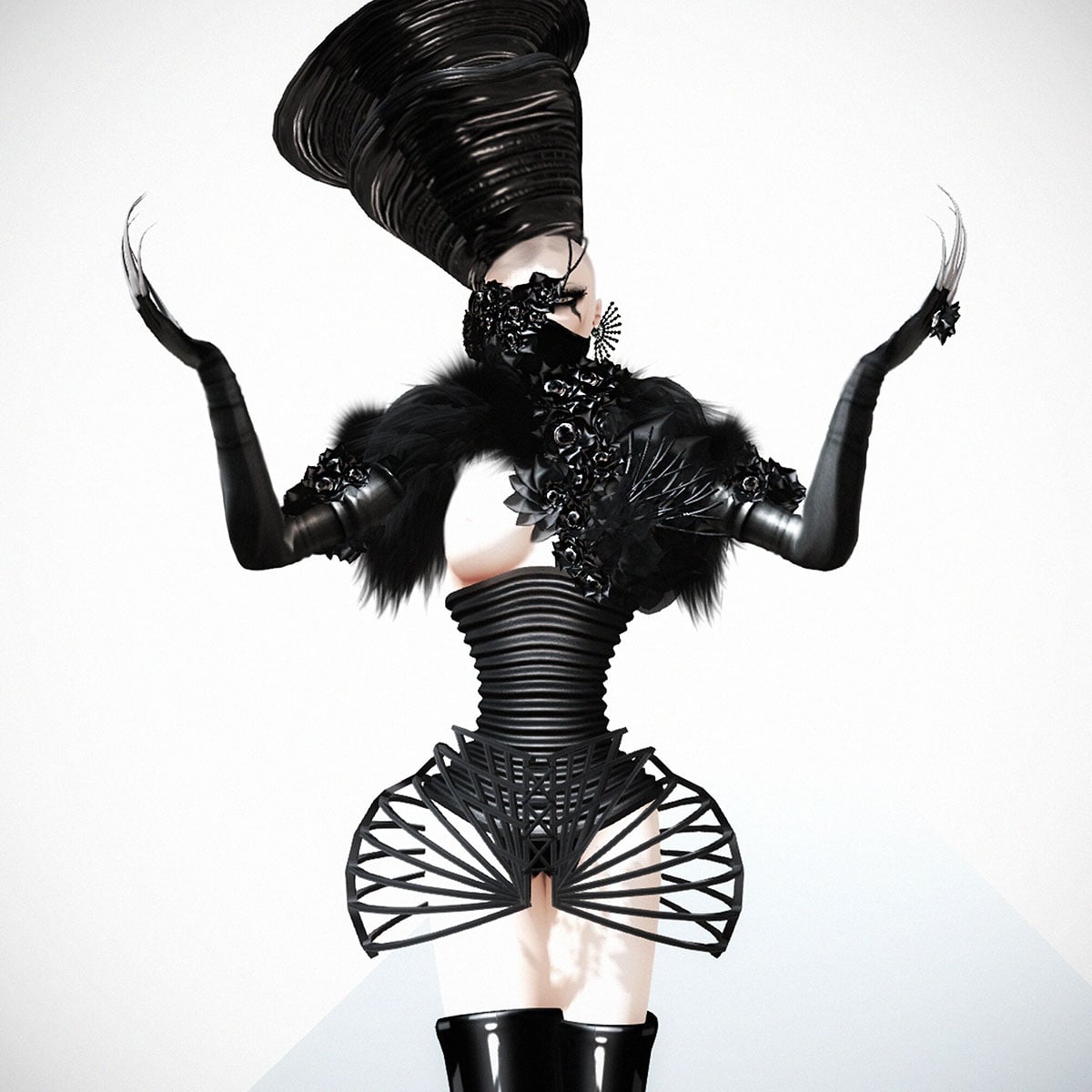
Wearing avant-garde fashion can feel intimidating, but understanding its principles makes it approachable.
- Start Small
Incorporate one statement piece, like an oversized jacket, sculptural accessory, or bold print, into your everyday look. - Mix Avant-Garde with Wearable Pieces
Pair experimental garments with basics to maintain balance while embracing creativity. - Understand the Concept
Take time to learn the story or idea behind a piece — avant-garde is as much about conceptual storytelling as style. - Confidence is Key
Avant-garde fashion requires boldness and self-expression. Wearing it confidently is essential for impact. - Experiment and Personalize
Don’t be afraid to combine textures, asymmetry, and unexpected colors in ways that reflect your personality.
Tip: Treat avant-garde fashion as art you wear, not just clothes. Observing designer collections online or at exhibitions helps develop intuition for balance, proportion, and creativity.
See Also Modern Greek Fashion
Avant-Garde Fashion: A Recap
Avant-garde fashion, derived from the French for “advance guard” or “vanguard”, pushes boundaries like a military vanguard leading the way, exploring innovative silhouettes, experimental fabrics, and conceptual designs.
It values creativity, artistic expression, and innovation over mainstream appeal. Iconic designers like Rei Kawakubo, Alexander McQueen, and Iris van Herpen have shaped its evolution, blending technology, performance, and sculptural artistry.
I remember the first time I saw a 3D-printed Iris van Herpen dress in person—it completely changed how I think about clothing as wearable art. Understanding avant-garde principles helps one appreciate runway artistry, incorporate bold elements into personal style, and view fashion not just as clothing, but as a form of self-expression and creative exploration.
FAQ