



Have you ever wondered how to say “Hello” in Russian? Whether you’re learning the language, traveling to Russia, or simply engaging with Russian-speaking communities, mastering common greetings is key to meaningful interactions.
In this article, we’ll explore 9 essential Russian greetings and 11 additional ways to say “hello.”
I remember the first time a Russian friend greeted me with a friendly “Привет” (Privet). It felt so natural, and it instantly made me feel at ease with the relaxed and welcoming atmosphere.
Keep reading to discover how to confidently use these greetings in everyday conversations and enhance your cultural understanding.



| Greeting | Meaning | Formality Level | When to Use | Time of Day | Best Context |
|---|---|---|---|---|---|
| Привет (Privet) | Hi / Hello | Informal | Used among friends, family, or people of the same age | Any time | Casual social settings, among peers |
| Здравствуйте (Zdravstvuyte) | Hello / Good day | Formal | Used in formal situations, with strangers or elders | Any time | Professional, respectful settings, formal introductions |
| Добрый день (Dobryy den’) | Good afternoon | Semi-formal | Used when greeting someone in the afternoon | Afternoon | Business meetings, professional interactions |
| Как дела? (Kak dela?) | How are you? | Informal | Asking a friend or close acquaintance how they’re doing | Any time | Casual check-ins with friends or family |
| Что новенького? (Shto novenkogo?) | What’s new? / What’s up? | Informal | Used to ask about recent news or updates | Any time | Casual conversation, often between friends |
| Приветик (Privetik) | Hi (affectionate) | Very informal | Used in a friendly, affectionate tone | Any time | Close friends, family, or young people |
| Здорово (Zdorovo) | Hey / What’s up? | Informal | Used among close friends or acquaintances | Any time | Informal, energetic greeting among peers |
| Шалом (Shalom) | Hello / Peace | Informal (cultural) | Used by Jewish communities in Russia | Any time | Community settings, among Jewish people |
| Доброе утро (Dobroye utro) | Good morning | Formal | Used in the morning when greeting someone | Morning | Formal or polite greeting in the morning |
Main Ways to Say Hello in Russian
The main ways to say hello in Russian offer insight into the culture, formality levels, and common social interactions. Understanding these greetings will help you communicate effectively with native speakers.
1. Привет (Privet)
Привет (Privet) is a widely used informal greeting in Russian, equivalent to “Hi” or “Hello” in English. It’s typically used among friends, family, and people of the same age or younger.
Pronounced “Pree-VYET,” Привет conveys a casual, friendly tone, making it a go-to greeting for everyday conversations. While it’s not appropriate in formal settings or with people of higher social status, Привет is the most common way to say hello in relaxed social situations.
It’s important to remember that Russian culture values formality in communication, so Привет should be reserved for familiar, informal exchanges.
According to the study Linguocultural Analysis of the Most Common Greetings in the Russian, greetings in Russian are a reflection of cultural norms and communication patterns. The study explores the distinction between formal and informal greetings and how these forms express respect and social hierarchy in Russian culture.
See Also Hello in Spanish
2. Здравствуйте (Zdravstvuyte)

Здравствуйте (Zdravstvuyte) is the formal greeting in Russian, used in professional or respectful settings. It translates to “Hello” or “Good day” and is typically used when addressing strangers, elders, or superiors.
The pronunciation is “Z-DRAST-vooy-tye,” with emphasis on the first syllable. Understanding when to use Здравствуйте versus more casual greetings like Привет (Privet) is essential for cultural awareness and communication in Russian-speaking environments.
Native Russian speakers value respect and politeness, especially in formal interactions. Correct pronunciation is crucial for maintaining a respectful tone when using formal greetings in the Russian language.
3. Добрый день (Dobryy den’)
Добрый день (Dobryy den’) translates to “Good day” and is a formal way to say hello in Russian, typically used in professional settings, during business meetings, or when addressing someone you don’t know well.
It is often used by younger individuals to show respect and formality in social interactions. Understanding when to use Добрый день instead of other greetings like Привет (Privet) or Здравствуйте (Zdravstvuyte) is important for effective communication.
This greeting is widely used in daily life, especially when you need to greet someone politely and establish a respectful tone in conversations, especially with elders or superiors.
Casual and Modern Ways to Say Hello in Russian
In Russia, casual and modern greetings reflect the relaxed tone of everyday interactions. These greetings are often used among friends, family, and peers, offering a friendly and informal way to start conversations.
4. Как дела? (Kak dela?)

Как дела? (Kak dela?) is an informal and friendly way to ask “How are you?” in Russian. It is commonly used among friends, family, or people of the same age. The phrase literally translates to “How are things?” and reflects a casual tone, making it suitable for social situations.
Pronounced as “Kahk deh-LAH?”, it is often followed by answers like “Хорошо” (Khorosho) meaning “Good” or “Так себе” (Tak sebe) meaning “So-so.”
Understanding when to use Как дела? instead of more formal greetings is important for effective communication in casual settings and for building relationships with native Russian speakers.
5. Что новенького? (Shto novenkogo?)

Что новенького? (Shto novenkogo?) is a casual and friendly way to ask “What’s new?” or “What’s up?” in Russian. It is commonly used among friends, family, or acquaintances to inquire about recent events or updates in someone’s life. The phrase is informal and conveys a sense of curiosity about what has happened since the last conversation.
Pronounced as “Shto NO-ven-kee-go?”, it is often followed by responses like “Ничего нового” (Nichego novogo) meaning “Nothing new” or “Все по-старому” (Vse po-staromu) meaning “Same as usual.”
This greeting is great for social interactions and maintaining a relaxed and friendly tone when conversing with younger individuals or peers.
See Also Hello in Greek
6. Приветик (Privetik)
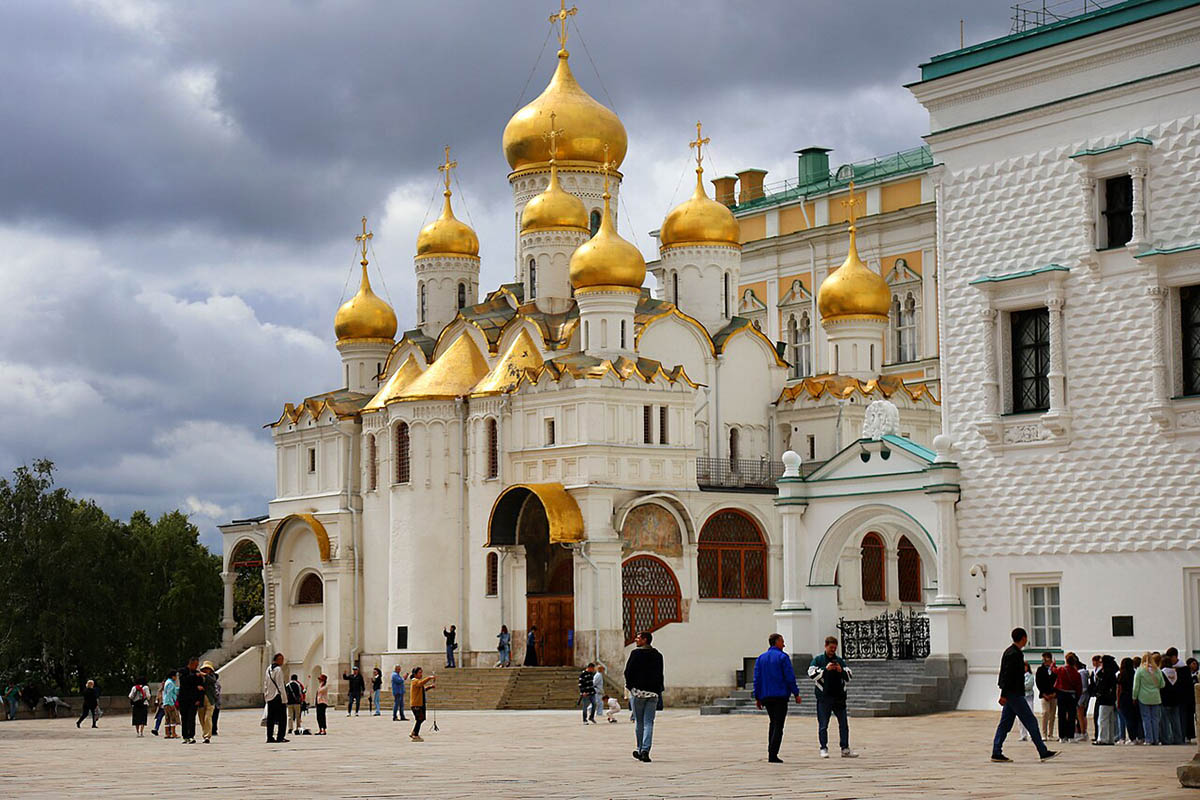
Приветик (Privetik) is an affectionate, informal variation of Привет (Privet), meaning “Hi” or “Hello” in Russian. The diminutive form adds a sense of warmth or friendliness, making it suitable for close friends, family, or young people. It’s a more playful and softer way to greet someone, often used in relaxed social settings.
Pronounced “Pree-VYE-teek,” it’s not commonly used in formal situations. Instead, it’s perfect for casual social interactions when you want to express familiarity or affection. Using Приветик can help establish a friendly atmosphere and shows your comfort with the person you’re speaking to, especially among native Russian speakers.
Regional and Cultural Variants of Greetings in Russia
Regional and cultural variants of greetings in Russia reflect the diverse linguistic and social traditions across the country. Depending on the region, these greetings may differ in formality, tone, and usage, offering a deeper connection to local customs.
7. Здорово (Zdorovo)
Здорово (Zdorovo) is an informal Russian greeting that translates to “Hey” or “Hi” and is often used among family members or close friends. It conveys a sense of casual excitement or friendliness, similar to saying “What’s up?” in English.
Pronounced as “ZDOH-rah-vah,” Здорово is typically used in social interactions with people you’re familiar with, rather than in formal or professional settings.
Understanding when and how to use it helps enhance cultural awareness when communicating in Russian language. It’s important to practice correct pronunciation to ensure it feels natural in conversation, especially when greeting others during relaxed moments or even in good evening situations.
8. Шалом (Shalom)
Шалом (Shalom) is a Hebrew greeting that means “Hello,” “Peace,” or “Welcome.” Although it’s not originally Russian, it is used by Jewish communities in Russia and other Russian-speaking regions. Шалом is a warm, friendly greeting and can be used both for saying hello and offering peace to others.
Pronounced as “Sha-LOM,” it is commonly used in informal settings among friends, family members, or fellow community members. Шалом reflects a deep cultural and religious significance, symbolizing peace, harmony, and goodwill.
9. Доброе утро (Dobroye utro)

Доброе утро (Dobroye utro) translates to “Good morning” in Russian. It’s a formal and polite greeting, typically used to wish someone a pleasant start to their day. It is often said in the morning hours, from the moment people wake up until around noon.
Pronounced as “DOH-broh-yeh OO-trah,” Доброе утро is a courteous and respectful way to greet others, especially in professional settings or when addressing someone older or of higher status. It can be used with friends, colleagues, or even strangers, making it a versatile greeting to start conversations in the morning.
According to Russian Greetings Through the Ages: Vocabulary and History, Russian greetings have evolved over centuries, rooted in traditions of showing respect, building community, and offering blessings of health. These greetings reflect historical cultural values and have adapted through time, maintaining their role as essential elements of social interaction in the Russian language.
Additional Ways to Say Hello in Russian
- Добрый вечер (Dobryy vecher) – “Good evening”
Pronunciation: Doh-bree ve-chyer
A polite greeting used in the evening, typically after 6 PM. - Спокойной ночи (Spokoynoy nochi) – “Good night”
Pronunciation: Spah-koy-noy noh-chee
A common way to wish someone a peaceful sleep or to say goodbye before going to bed. - Здравствуй (Zdravstvuy) – “Hello” (informal, singular)
Pronunciation: Z-DRAST-vwee
A more informal version of “Здравствуйте,” used when addressing one person casually. - Как ты? (Kak ty?) – “How are you?” (informal)
Pronunciation: Kahk tye
A casual way to ask someone how they’re doing, typically used with friends. - Хай (Khai) – “Hi” (informal)
Pronunciation: Hai
Borrowed from English, it’s used casually, especially by younger people. - Салют (Salyut) – “Hi” / “Hello”
Pronunciation: Sah-loot
A playful and informal greeting, mostly used by younger people or in relaxed settings. - Приветствую (Privetstvuyu) – “I greet you”
Pronunciation: Pree-vyet-stvoo-yu
A more formal or old-fashioned way of greeting someone, often used in written language. - На здоровье (Na zdorovye) – “Cheers” / “To your health”
Pronunciation: Nah z-doh-ROH-vye
Used to greet someone before a toast or to wish them good health. - Чем могу помочь? (Chem mogu pomoch?) – “How can I help?”
Pronunciation: Chem moh-goo poh-mohch
While not directly a greeting, it’s commonly used to start a conversation, especially in a service or formal context. - Здравствуй, друг (Zdravstvuy, droog) – “Hello, friend”
Pronunciation: Z-DRAST-vwee, droog
A warm and friendly greeting used among close friends, meaning “Hello, friend.” - Какие новости? (Kakiye novosti?) – “What’s the news?”
Pronunciation: Kah-kee-yeh noh-VOH-stee
A casual way to greet someone and ask what’s new, often used when catching up.
See Also Hello in Italian
Hello in Russian: A Recap
Understanding Russian greetings offers deep insight into the culture and communication style of the country. From the formal Здравствуйте (Zdravstvuyte) to the casual Привет (Privet), each greeting serves a specific purpose depending on the situation and relationship.
Доброе утро (Dobroye utro) is commonly used in the morning, while Как дела? (Kak dela?) invites a casual check-in among friends. These greetings not only express respect and care but also reflect Russia’s social hierarchy and values.
As someone who observed a Russian friend greet their elder with Здравствуйте during a visit, I felt the strong emphasis on respect within their social interactions, reinforcing the importance of greetings in Russian culture.