



Are you excited to visit Thailand and connect with the locals? Knowing how to say hello in Thai properly can make a big difference in your experience. You’re not alone in wanting to understand these essential cultural norms.
At Civilisable, we specialize in helping travelers, learning local cultures with respect and ease.
In this article, we will explore:
- 9 main greetings in Thai
- Regional variations
- 20 additional expressions
During my first visit to Chiang Mai, I witnessed how people greeted their elders with a respectful wai, chest-level, which highlighted the importance of showing respect in Thai culture.
By following this guide, you’ll navigate Thai greetings with confidence and enjoy your journey even more.
Keep reading to unlock the beauty of Thai culture through language!



| Greeting | Meaning | Translation | Usage | Notes |
|---|---|---|---|---|
| สวัสดี (Sawasdee) | Standard greeting | Hello | Used for both formal and informal greetings | Most common greeting in Thailand, suitable for all times of the day. |
| สวัสดีครับ (Sawasdee krap) | Formal greeting (male) | Hello (male) | Used by men in formal settings or with elders | Adds respect; only used by men, particularly for elders. |
| สวัสดีค่ะ (Sawasdee kha) | Formal greeting (female) | Hello (female) | Used by women in formal settings or with elders | Adds respect; only used by women. |
| หวัดดี (Wai dee) | Informal greeting | Hello (informal) | Casual greeting, often among friends | More relaxed, used between peers and friends. |
| เฮ้ (Hey) | Informal greeting | Hey | Casual greeting, used among close friends | Typically used in relaxed environments. |
| สบายดีไหม (Sabaidee mai?) | How are you? | How are you? | A friendly greeting asking about well-being | Commonly used to inquire about someone’s health. |
| สวัสดีเจ้า (Sawasdee jao) | Southern dialect greeting | Hello (Southern) | Used in Southern Thailand | Traditional greeting, typically used in the southern regions. |
| หวัดดีจ้า (Wai dee ja) | Southern informal greeting | Hello (Southern) | Informal greeting, used by women in the South | Common in Southern Thailand, adds a friendly tone. |
| อรุณสวัสดิ์ (Arun Sawasdee) | Good morning | Good morning | Used to greet people in the morning | Formal or respectful greeting, used early in the day. |
Main Ways to Say Hello in Thai
Thai has several common ways to say hello, depending on formality, time of day, and social context. These greetings are widely used in everyday conversations across Thailand:
1. สวัสดี (Sawasdee)

สวัสดี (Sawasdee) is the most common and basic greeting in Thai culture. Pronounced “sa-wat-dee“, it translates to “hello” or “hi” in English. Used by Thai people of all ages, it can be employed in both formal and informal settings.
When greeting, people often place their palms together in a prayer-like gesture and give a slight bow, with fingertips pointing towards their chest. This act shows respect, especially towards elders. Sawasdee is the go-to greeting for Thai friends, family, and even strangers.
It’s also used at any time of day, though you can add “good morning” or “good evening” for more context in Thai greetings.
According to the study The Wai in Thai Culture: Greeting, Status‑Marking and National Identity Functions, the wai gesture, commonly paired with สวัสดี (Sawasdee), holds significant cultural value in Thai greetings. It symbolizes respect and is often used to mark social status, reflecting traditional Thai culture and customs in everyday interactions.
See Also Hello in Dutch
2. สวัสดีครับ (Sawasdee krap)
สวัสดีครับ (Sawasdee krap) is a common Thai greeting used by men. Pronounced “sah-wah-dee krap,” it translates to “Hello” or “Good day.” The word “krap” is added for respect, especially in formal settings or when addressing elders, reflecting Thai cultural norms.
The high tone on “sawasdee” emphasizes politeness. In Thai language, tone is crucial, there are five tones, each changing a word’s meaning. Sawasdee krap is used in daily interactions, such as greeting friends, strangers, or colleagues.
A slight bow with palms pressed together often accompanies the greeting, showing respect in Thai culture.
3. สวัสดีค่ะ (Sawasdee kha)
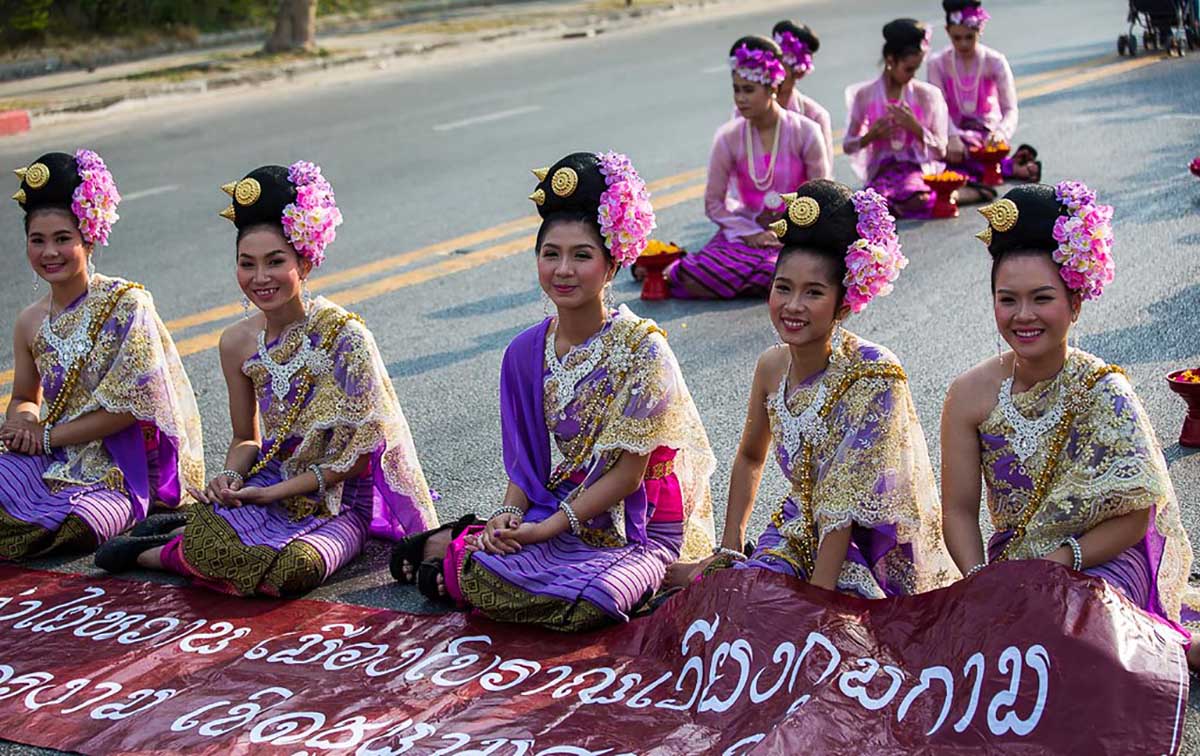
สวัสดีค่ะ (Sawasdee kha) is the Thai greeting used by women, pronounced as “sah-wah-dee kah.” It translates to “Hello” or “Good day,” with “kha” adding a polite tone. This greeting shows respect in daily interactions and is commonly used when meeting people, whether strangers or friends.
The word “kha” is part of the basic Thai etiquette, signaling respect, especially in formal or professional contexts. The greeting is accompanied by a slight bow, often with the hands pressed together in the traditional wat gesture.
When asked “How are you?” in return, “fine” or “khob khun kha” (thank you) is a typical response. Sawasdee kha is an essential part of Thai culture and sound etiquette, frequently heard in search for mutual respect and understanding.
Casual and Modern Ways to Say Hello in Thai
Beyond traditional greetings, Thai speakers often use casual and modern hellos influenced by slang, youth culture, and media, making conversations feel relaxed, friendly, and natural in everyday social situations today.
4. หวัดดี (Wai dee)
หวัดดี (Wai dee) is an informal and casual Thai greeting, pronounced as “wah-dee.” It translates to “Hi” or “Hello.” This greeting is commonly used among Thai friends and peers, particularly in less formal settings.
Unlike สวัสดี (Sawasdee), “Wai dee” is used in more relaxed interactions, often when addressing people of the same age or social status. It lacks the politeness and respect that comes with the more formal sawasdee greetings.
Responding to “Wai dee” is simply returning the greeting with the same phrase. This casual greeting is often used in daily interactions within Thai culture.
See Also Hello in Italian
5. เฮ้ (Hey)
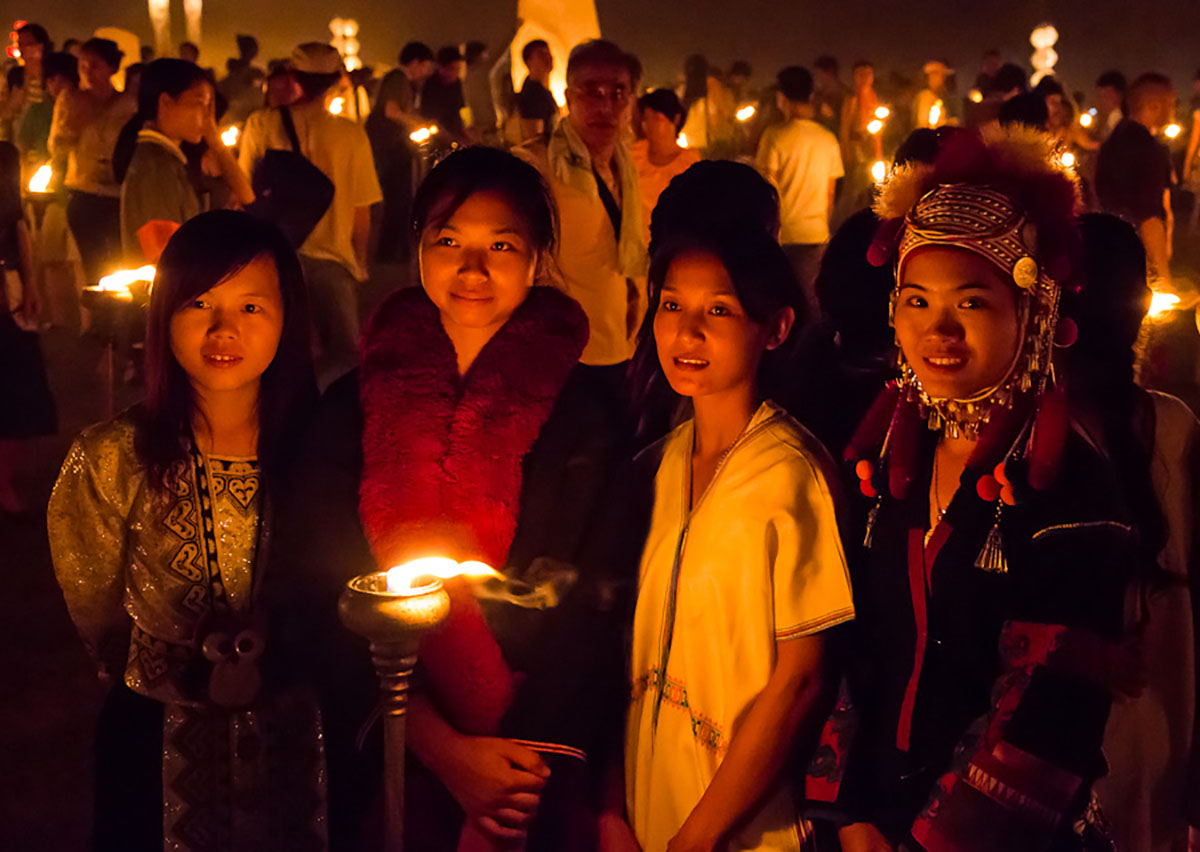
เฮ้ (Hey) is an informal, casual greeting used in Thailand, similar to the English “Hey.” Pronounced as “hey,” it’s commonly used among friends or people you know well. It carries a relaxed tone and is frequently heard in daily interactions.
While it lacks the formal structure of traditional Thai greetings, “เฮ้” is perfect for light, friendly exchanges. I remember when I met a Thai friend at a cafe, and we casually greeted each other with “เฮ้.”
It felt so easy and natural, capturing the essence of friendly, laid-back Thai culture. It’s always nice to see how such a simple greeting can make you feel welcomed.
6. สบายดีไหม (Sabaidee mai?)
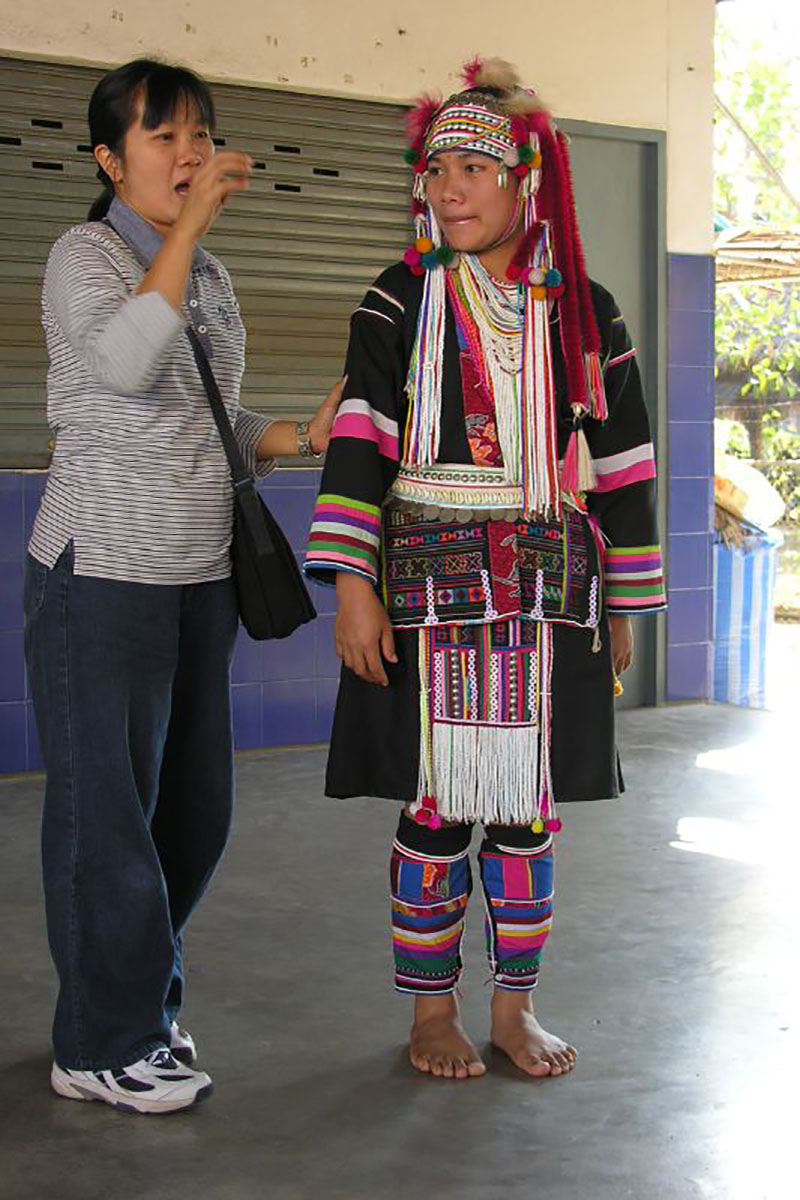
สบายดีไหม (Sabaidee mai?) translates to “How are you?” in English. Pronounced as “sa-bai dee mai,” this phrase is a friendly and polite way to ask about someone’s well-being in Thai. It’s commonly used in both casual and formal settings, typically after the initial greeting.
สบายดีไหม is a way to show genuine concern for someone’s health or mood, especially among friends and acquaintances. The expected response is usually “สบายดี” (sabai dee), meaning “I’m fine.” It’s a common and widely used phrase in daily interactions, reflecting the Thai culture’s emphasis on politeness and care for others’ feelings.
Regional and Cultural Variants of Greetings in Thailand
Thailand’s diverse regions and cultures influence how people greet each other, with local expressions, accents, and traditions adding unique flavors to greetings used in different parts of the country.
7. สวัสดีเจ้า (Sawasdee jao)
สวัสดีเจ้า (Sawasdee jao) is a traditional greeting used in Northern Thailand, particularly in the Lanna region. Pronounced as “sah-wah-dee-jow,” it carries a slightly more formal tone compared to the common “สวัสดี” (Sawasdee).
“เจ้า” (jao) is a respectful particle used when addressing others in a polite or endearing manner, typically used by women or when speaking to someone with greater status. The greeting is widely used in rural areas and formal settings, often accompanied by a slight bow.
8. หวัดดีจ้า (Wai dee ja)

หวัดดีจ้า (Wai dee ja) is a casual and friendly greeting commonly used in Southern dialect of Thailand. Pronounced as “wàt dee jâ,” it’s an informal version of สวัสดี (Sawasdee), typically used among friends or those of the same age group.
The “จ้า” (ja) particle adds a polite and affectionate tone, often used by women in daily interactions. This greeting is widely used in Southern Thailand and among the local community in informal settings. A response to this greeting would generally be another friendly “หวัดดีจ้า” (Wai dee ja).
9. อรุณสวัสดิ์ (Arun Sawasdee)

อรุณสวัสดิ์ (Arun Sawasdee) is a formal greeting in Thai, typically used to say “Good morning.” Pronounced as “a-roon sa-wat-dee,” it combines อรุณ (Arun) meaning “morning” and สวัสดิ์ (Sawasdee), meaning “greeting” or “hello.”
This phrase is used primarily in formal contexts, such as in workplaces or when addressing elders. The response is often “อรุณสวัสดิ์ครับ/ค่ะ” (Arun sawasdee krap/kha), with “ครับ” (krap) for men and “ค่ะ” (kha) for women, adding respect to the greeting.
According to the article “Greetings in Thailand? How to say hello and thank you in Thai?“, greetings such as “อรุณสวัสดิ์ (Arun Sawasdee)” are essential in Thai culture, particularly for the morning. This formal greeting reflects respect, commonly used to start the day with good wishes, showcasing the Thai emphasis on politeness and social harmony.
See Also Hello in French
Additional Ways to Say Hello in Thai
Here are additional ways to say “hello” in Thai, along with their translations and pronunciations:
- สวัสดีตอนเช้า (Sawasdee ton chao) – Good morning
- สวัสดีตอนบ่าย (Sawasdee ton bai) – Good afternoon
- สวัสดีตอนเย็น (Sawasdee ton yen) – Good evening
- สวัสดีปีใหม่ (Sawasdee pee mai) – Happy New Year
- ยินดีต้อนรับ (Yindi ton rap) – Welcome
- สวัสดีครับผม (Sawasdee krap pom) – Hello (formal, for men, more respectful)
- สวัสดีค่ะคุณ (Sawasdee kha khun) – Hello (polite, to a person you respect)
- พี่สวัสดี (Pee Sawasdee) – Hello, to an older person or someone of higher status
- สวัสดีที่รัก (Sawasdee tee rak) – Hello, my love
- สวัสดีครับทุกคน (Sawasdee krap tuk khon) – Hello, everyone (for men)
- สวัสดีค่ะทุกคน (Sawasdee kha tuk khon) – Hello, everyone (for women)
- สวัสดีที่ทำงาน (Sawasdee tee tham ngaan) – Hello at work
- สวัสดีตอนเช้า ๆ (Sawasdee ton chao chao) – Good morning (casual, cheerful)
- ไง (Ngai) – Hey, informal greeting
- โหล (Lo) – Hello (informal, commonly used in phone conversations)
- หวัดดีนะ (Wai dee na) – Hi there (casual)
- ยินดีพบคุณ (Yindi phob khun) – Nice to meet you
- ไปทำอะไรครับ (Pai tham arai krap)? – What are you up to? (informal)
- กลับบ้านกันเถอะ (Klap baan kan the) – Let’s go home (friendly, informal)
- ขอโทษค่ะ (Kho thot kha) – Excuse me (polite way to get attention)
These greetings represent various levels of formality and cultural context, reflecting the versatility and politeness embedded in Thai language and society.
Hello in Thai: A Recap
In Thailand, greetings are deeply rooted in respect and cultural traditions. Whether you’re visiting Thailand or learning Thai, you’ll quickly notice the importance of greetings like the respectful wai, often performed at chest level to show reverence, especially to elders.
Each greeting carries meaning, from sabai dee (how are you?) to the polite sawasdee. I recall witnessing the vibrant Thai New Year celebration in Chiang Mai, where everyone exchanged warm greetings, showcasing the differences in customs between Western and Thai culture.
The heartfelt wai and polite gestures left a lasting impression, making me appreciate the meaningful exchanges in Thai society. Understanding these nuances enriches your experience when interacting with locals and adds respect to your travels.