


Have you ever wondered how to say hello in Tagalog correctly and respectfully? Learning the right greetings helps you connect with others and show genuine Filipino appreciation.
In this article, we explored 9 different ways Filipinos greet, from casual exchanges to polite, formal interactions using kayo po and friendly replies like okay lang ako, including magandang gabi in daily conversations.
The history behind each Tagalog word reveals the richness of the Filipino language. During a family gathering in Manila, I noticed how elders and children naturally switched greetings, making every interaction warm and personal.
So let’s learn about Tagalog words!


Main & Traditional Tagalog Hellos
1. Kumusta
Kumusta is the most natural way Filipinos say hello, and its roots go back to the Spanish phrase “¿Cómo está?” Over time, it blended into daily Filipino greetings, carrying a tone of warmth and genuine interest.
People use kumusta kayo (how are you all?) when speaking to elders or groups, often followed by polite replies such as magandang umaga rin (good morning to you as well) or other familiar Tagalog greetings like magandang umaga (good morning). In Filipino culture, Kumusta does more than open a conversation; it signals care, respect, and a genuine willingness to connect.
Whether used at home, in markets, or during casual visits, it reflects the deep interpersonal nature of Filipino communication.
According to TagalogJourney – The Influence of Spanish on Tagalog, Spanish expressions deeply shaped everyday Filipino communication. The analysis explains how borrowed phrases like kumusta evolved into natural, heartfelt greetings that Filipinos still use to express warmth and connection today.
2. Magandang Araw
Magandang Araw is a warm and polite Tagalog greeting that means “Good day.” It’s one of the more flexible Tagalog greetings, used in both formal and casual situations, especially when the time of day is unclear.
In Filipino culture, it carries a friendly tone similar to magandang hapon po or other respectful Filipino greetings that include po when addressing elders. It’s also a helpful greeting when answering unexpected calls, often paired with sino ito (who is this?).
I first learned this Tagalog word from Filipino friends who used it whenever they wanted to sound extra warm and welcoming.
See Also Hello in Hindi
Informal and Modern Hellos in Tagalog
3. Hi / Hello
Hi and Hello are two of the most common English greetings used in the Philippines, and they’ve become completely natural in everyday conversations. Filipinos use Hi with a casual friend, while Hello is more common in cities, phone calls, and customer service settings.
Even though both come from English, native speakers use them in ways that feel distinctly Filipino, often adding warmth through tone or pairing them with friendly questions. These expressions also appear on social media, messaging apps, and quick check-ins, making them convenient and modern ways to say hello across all ages.
4. Hoy / Uy
Hoy and Uy are casual Tagalog greetings used to get a friend’s attention or start a conversation. Unlike formal greetings like Kumusta or Magandang Araw, these are playful, informal, and perfect for daily interactions with peers or casual friends.
You might hear them on the street, in classrooms, or among colleagues joking around. Though short, they carry warmth, friendliness, and immediacy, making them an essential part of everyday conversations. For native speakers, using Hoy or Uy signals familiarity and comfort, reflecting the lively, social, and communal aspects of Filipino culture.
See Also Hello in Different Languages
Regional and Cultural Variants
5. Mabuhay
Mabuhay is a traditional Filipino greeting meaning “Long live” or “Welcome.” Rooted in Tagalog culture, it conveys warmth, goodwill, and respect, often used when welcoming guests, tourists, or during national celebrations.
Historically, it emerged as an expression of hope and prosperity, reflecting the Philippines’ communal and hospitable values. Beyond a simple hello, Mabuhay symbolizes joy, blessing, and a shared sense of optimism.
It appears in formal events, cultural performances, and even in Filipino tourism campaigns. Its repeated use strengthens connections, spreads positivity, and embodies the pride and Filipino culture embedded in everyday greetings.
6. Kamusta po kayo?
Kamusta po kayo? is a polite and respectful way to greet someone in Tagalog, often used when addressing elders or strangers.
The phrase combines tao po / po to show courtesy, with Kamusta meaning “How are you?” A typical response is mabuti naman (“I’m fine”), and the conversation may continue with tuloy po kayo (“please come in”) or hello po. Its direct translation emphasizes both care and respect, reflecting Filipino social etiquette.
According to the article “How to Use Politeness Words With Elders in Filipino” – Fluent Filipino, using po in greetings like Kamusta po kayo? shows respect and proper etiquette in Filipino culture.
7. Assalamu Alaikum
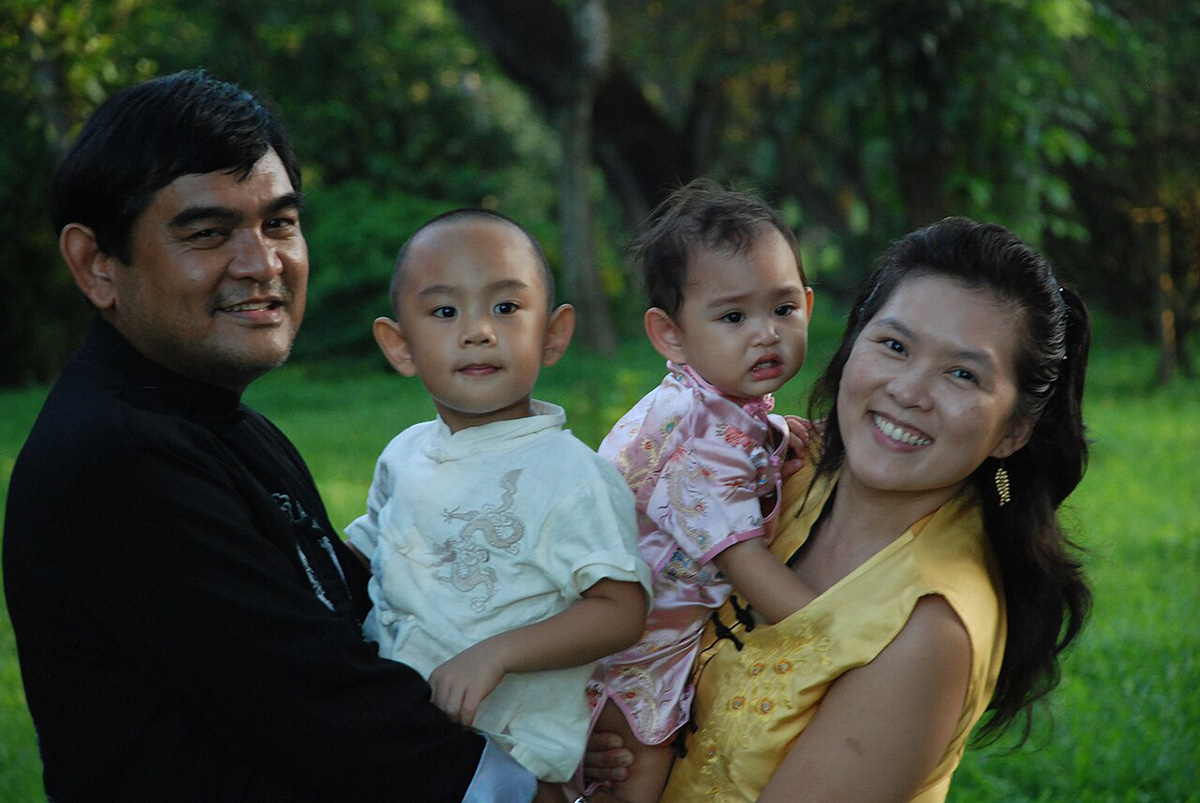
Assalamu Alaikum is an Islamic greeting used widely among Filipino Muslims, meaning “Peace be upon you.” It is both a greeting and a prayer, reflecting respect, goodwill, and spiritual connection. The proper reply is Wa Alaikum Assalam, meaning “And peace be upon you too.”
In the Philippines, it’s commonly heard in Muslim-majority areas, during festivals, or in everyday interactions. Once, while visiting a friend’s family in Mindanao, they greeted me with Assalamu Alaikum, and the warmth and sincerity in their voices immediately made me feel welcomed. This greeting highlights the spiritual and communal aspects of Filipino culture.
8. Maayong Adlaw (Cebuano)

Maayong Adlaw is a traditional Cebuano greeting that means “Good day.” It is widely used in the Visayas and Mindanao regions of the Philippines, especially among native Cebuano speakers. Unlike universal greetings such as Hi or Hello, Maayong Adlaw carries a polite, friendly tone suitable for both casual and semi-formal situations.
It can be used when meeting friends, neighbors, or strangers, and is often paired with gestures like a nod or smile to express warmth. In daily life, it reflects Filipino culture’s emphasis on respect, friendliness, and social harmony. Its usage demonstrates regional diversity in Tagalog greetings and showcases the Philippines’ rich linguistic heritage.
9. Naimbag a Aldaw (Ilocano)
Naimbag a Aldaw is a traditional Ilocano greeting meaning “Good day”, commonly used in Northern Philippines. While similar in purpose to Tagalog greetings like magandang hapon, it is specific to Ilocano-speaking regions and reflects local linguistic and cultural identity.
It is often used in verbal greetings among Filipino friends, family, and elders, sometimes accompanied by the respectful mano po gesture. This greeting can also be paired with Kumusta po kayo to ask “How are you?” politely.
Like other Filipino greetings, Naimbag a Aldaw emphasizes warmth, respect, and social connection, blending regional identity with the broader practice of Filipino culture and hospitality.
See Also Chinese Greetings
Hello in Tagalog: A Recap
Exploring Hello in Tagalog reveals the rich diversity of Filipino greetings and their cultural significance. Greetings range from polite and respectful forms like Kumusta po kayo and Magandang Araw to casual expressions such as Hi, Hello, Hoy, and Uy, as well as regional variations like Mabuhay, Maayong Adlaw, and Naimbag a Aldaw.
Each form reflects the relationship, setting, and social norms of Filipino life. Religious greetings, including Assalamu Alaikum, highlight spiritual and community values. During a visit to a local market in Davao, I noticed how seamlessly Filipino friends and elders combined these greetings, showcasing the warmth, respect, and vibrant Filipino culture embedded in everyday interactions.