



Have you ever wondered how to say Hello in Hindi language the right way, formally, casually, or spiritually? You’re not alone. Many language learners struggle to understand when to use Namaste, Namaskār, or even a simple Hāy. Having spent time with Hindi speakers in Delhi, I noticed how greetings reveal warmth, respect, and culture.
In this article, we’ll explore 10 different ways to say hello, each carrying its own story and social meaning. Keep reading to master these greetings and connect more deeply with Hindi speakers everywhere.

Main & Traditional Hindi Hellos
1. नमस्ते (Namaste)

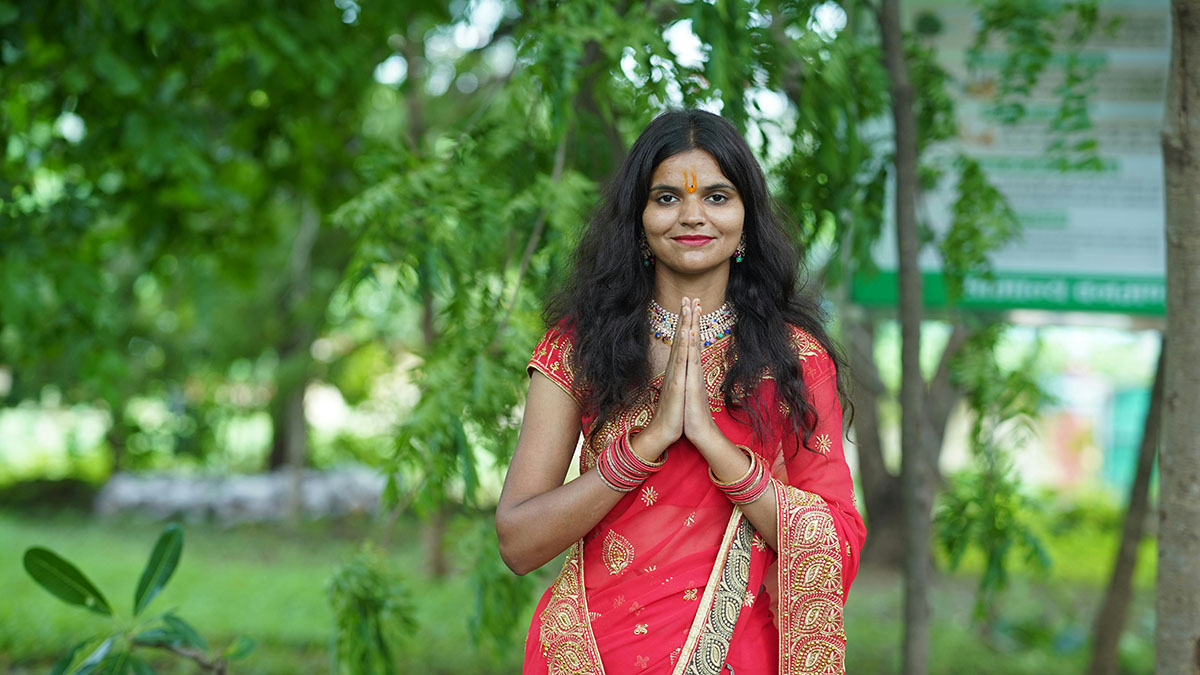
नमस्ते (Namaste) derives from the Sanskrit words namas (bow or salute) and te (to you), originally meaning “I bow to you.” The gesture—hands pressed together at the chest and a slight bow—appears in ancient Vedic texts and became integral to Indian culture.
Today, it is a respectful greeting used in formal, spiritual, and everyday settings. You say Namaste when meeting elders, guests, or in yoga classes, and the replied gesture signifies mutual recognition.
According to the study “Namaste: The Traditional Indian Way of Greeting” published in the Journal of the Anatomical Society of India (2020), नमस्ते (Namaste) reflects India’s deep cultural philosophy of mutual respect and mindfulness. The research explains that this greeting connects spiritual awareness with social harmony, promoting peace and positive human interaction.
See Also Indian Statues
2. नमस्कार (Namaskār)
नमस्कार (Namaskār) is a more formal and polite version of नमस्ते (Namaste), rooted in Sanskrit traditions. It carries the same meaning — “I bow to you” — but is often reserved for official, respectful, or spiritual settings. You’ll frequently hear it in news broadcasts, formal speeches, or when addressing elders and teachers.
The gesture is the same, palms pressed together near the chest, but the tone conveys extra reverence. In temples and cultural events, Namaskār embodies respect for wisdom and community spirit. I once heard it at an award ceremony in Delhi, and the word’s calm dignity left a lasting impression on me.
Informal and Modern Hellos in Hindi
3. हाय (Hāy)
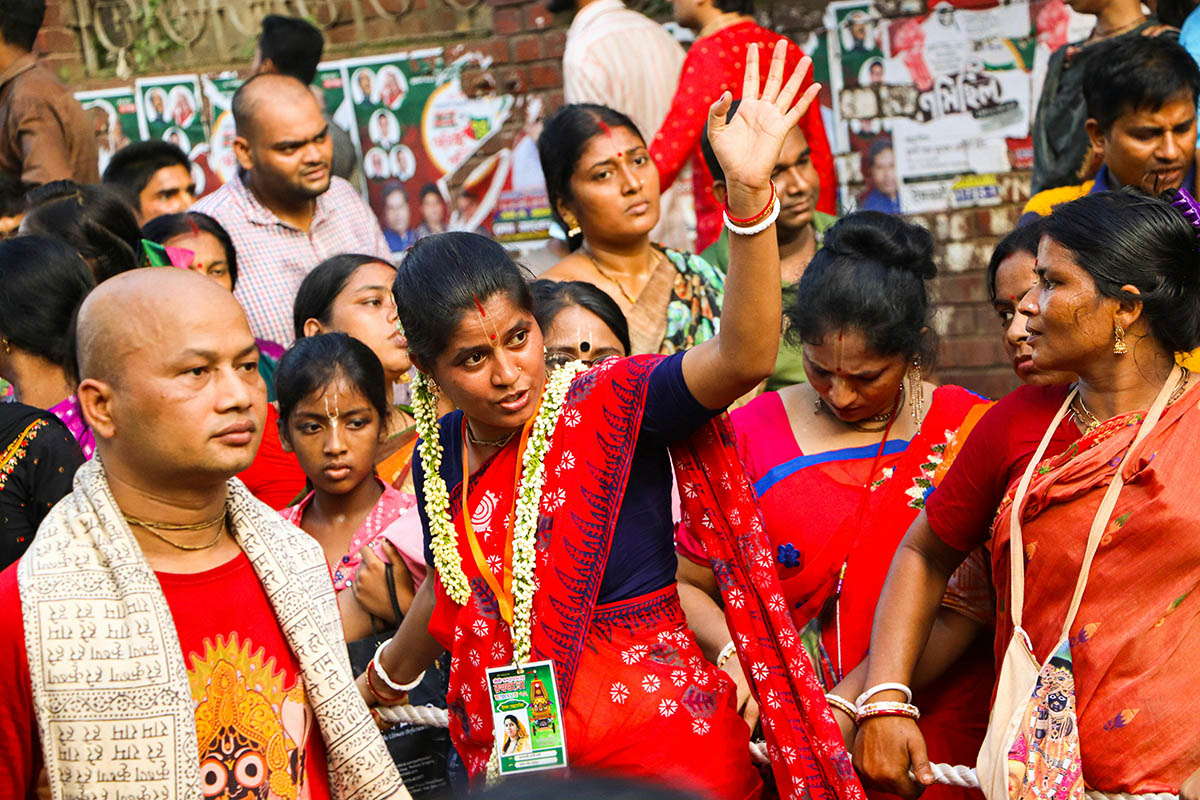
हाय (Hāy) is a casual, friendly greeting in Hindi, directly borrowed from the English word “Hi.” It’s most commonly used among friends, classmates, or young people in informal settings, especially in urban areas and on social media. Unlike Namaste or Namaskār, which carry formality and respect, हाय expresses warmth, ease, and modern connection.
It’s often followed by a name or quick question, like “हाय, क्या हाल है?” (“Hi, how are you?”). You’ll hear it in casual conversations, text messages, or workplaces with relaxed atmospheres.
4. हेलो (Helō)

हेलो (Helō) is the Hindi adaptation of the English “Hello,” widely used in urban speech, phone conversations, and informal settings. Unlike traditional greetings like नमस्ते (Namaste), it’s casual and reflects modern, globalized communication.
People often use it when answering calls, texting, or chatting with friends. While it lacks the spiritual or cultural depth of नमस्ते (Namaste) or नमस्कार (Namaskār), it conveys friendliness and immediacy, making it a convenient, everyday greeting in cities and among youth across India.
5. क्या हाल है? (Kya haal hai?)
क्या हाल है? (Kya haal hai?) literally means “How are you?” and is used as an informal greeting among friends, peers, or younger people. Unlike (नमस्ते) or (नमस्कार), it conveys friendliness rather than formal respect. Often combined with a casual हाय (Hāy) or हेलो (Helō), it opens conversations naturally.
In spoken Hindi, tone, facial expressions, and context matter — a cheerful “क्या हाल है?” signals warmth and interest in the other person’s well-being. This greeting is especially common in urban areas, social media chats, and casual phone calls.
Regional and Religious Variants
6. राम राम (Rām Rām)
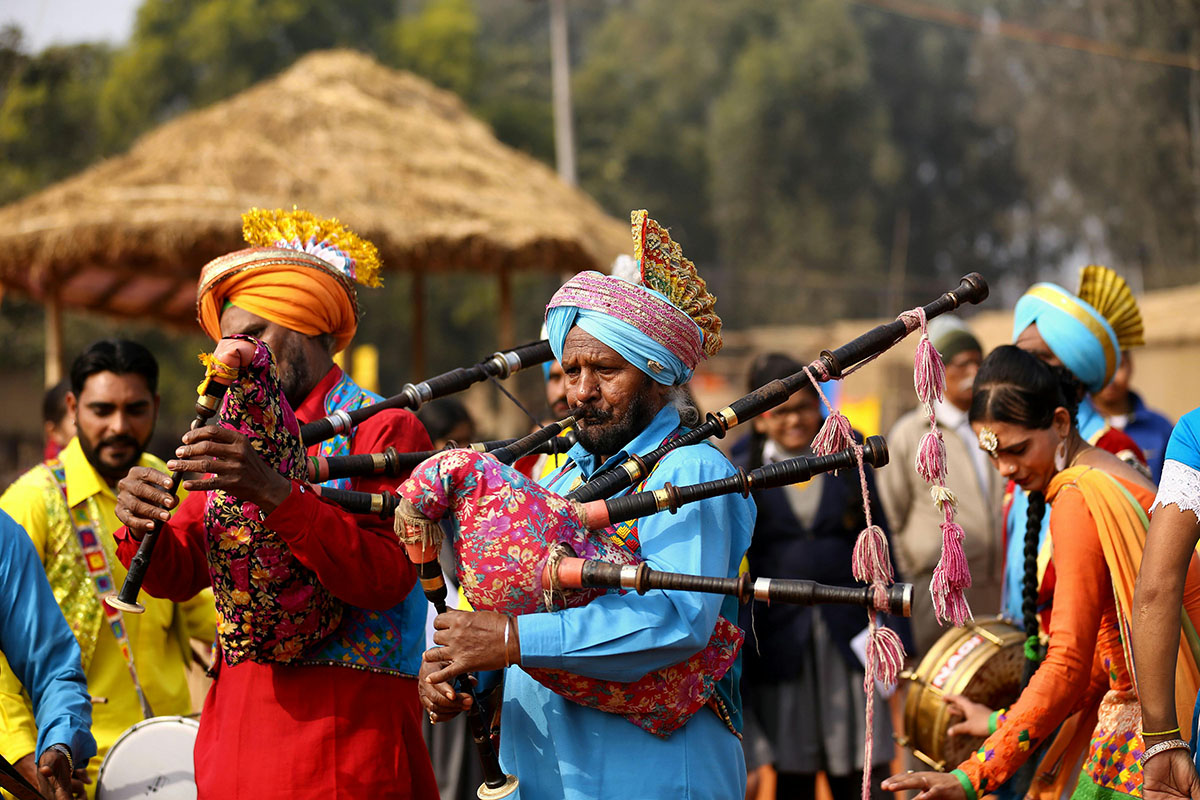
राम राम (Rām Rām) is a traditional greeting commonly used in North India, especially in Uttar Pradesh, Haryana, and rural regions. Rooted in Hindu culture, it invokes Lord Rama’s name as a sign of respect and goodwill. Unlike casual greetings, Rām Rām conveys both reverence and friendliness, often used with elders or neighbors.
During a visit to a village fair in Haryana, I heard locals greet each other with Rām Rām, and the warmth and spiritual connection in their voices made me feel instantly welcomed into the community. It reflects India’s spiritual heritage and social harmony.
See Also Indian Dating Culture
7. जय श्री कृष्ण (Jai Shri Krishna)

जय श्री कृष्ण (Jai Shri Krishna) translates to “Victory to Lord Krishna” and serves as both a greeting and invocation of spiritual connection. Widely used among Gujarati and Vaishnavite communities, it blends devotion with warmth when meeting or parting.
Wearing folded hands or a slight nod, the greeter signals respect, joy, and the divine presence in the other person. This greeting often appears in temple visits, family gatherings, or festive moments. According to the study “Jai Shree Krishna Meaning” on InBrindavan, it “helps us make some kind of a connection … by allowing Krishna within us to win over our ego.”
8. सत श्री अकाल (Sat Sri Akal)
सत श्री अकाल (Sat Sri Akal) is a traditional Punjabi Sikh greeting meaning “God is the eternal truth.” It is commonly used when meeting or parting with fellow Sikhs and conveys respect, spiritual awareness, and community solidarity.
Unlike casual greetings, it carries religious and cultural significance, often accompanied by folded hands or a slight bow. This greeting emphasizes humility, devotion, and acknowledgment of divine presence in others, reflecting Sikh values of equality, honesty, and moral living in daily interactions.
9. अस्सलामु अलेकुम (Assalāmu alaikum)

अस्सलामु अलैकुम (Assalāmu alaikum) is a traditional Urdu/Islamic greeting meaning “Peace be upon you.” It is widely used in Hindi-speaking Muslim communities across India and signifies respect, goodwill, and spiritual blessing. The proper response is वालेइकुम अस्सलाम (Wa alaikum assalām), meaning “And peace be upon you too.”
Often accompanied by a slight bow or hand gesture, this greeting reinforces social harmony and mutual respect. It is commonly used in homes, mosques, marketplaces, and casual conversations, emphasizing both cultural and religious connection in daily interactions.
10. नमो बुद्धाय (Namo Buddhāya)
नमो बुद्धाय (Namo Buddhāya) is a traditional greeting used by Buddhists in Hindi-speaking regions, meaning “I bow to the Buddha.” It reflects deep respect, mindfulness, and spiritual awareness, often used when meeting monks, elders, or fellow practitioners.
The greeting can be accompanied by a slight bow or folded hands, symbolizing devotion and humility. Beyond its religious significance, it helps a sense of inner peace and community harmony. In everyday interactions within Buddhist communities, Namo Buddhāya serves as both a respectful acknowledgment and a reminder of Buddhist teachings.
See Also Indian Fashion
Hello in Hindi: A Recap
Learning how to say Hello in Hindi language opens a window into Indian culture, social etiquette, and human connection. Traditional greetings like (Namaste) and (Namaskār) convey respect and spiritual awareness, while casual expressions like (Hāy) or (Helō) bring warmth to everyday interactions.
Regional and religious variations add depth and reflect the country’s diversity. During a cultural workshop in Jaipur, I noticed children greeting elders with (Namaskār) while casually saying (Hāy) to friends, showing how context influences communication.
Mastering these greetings not only helps in polite conversation but also helps cultural understanding, strengthens relationships, and makes anyone feel welcomed in Hindi-speaking communities.