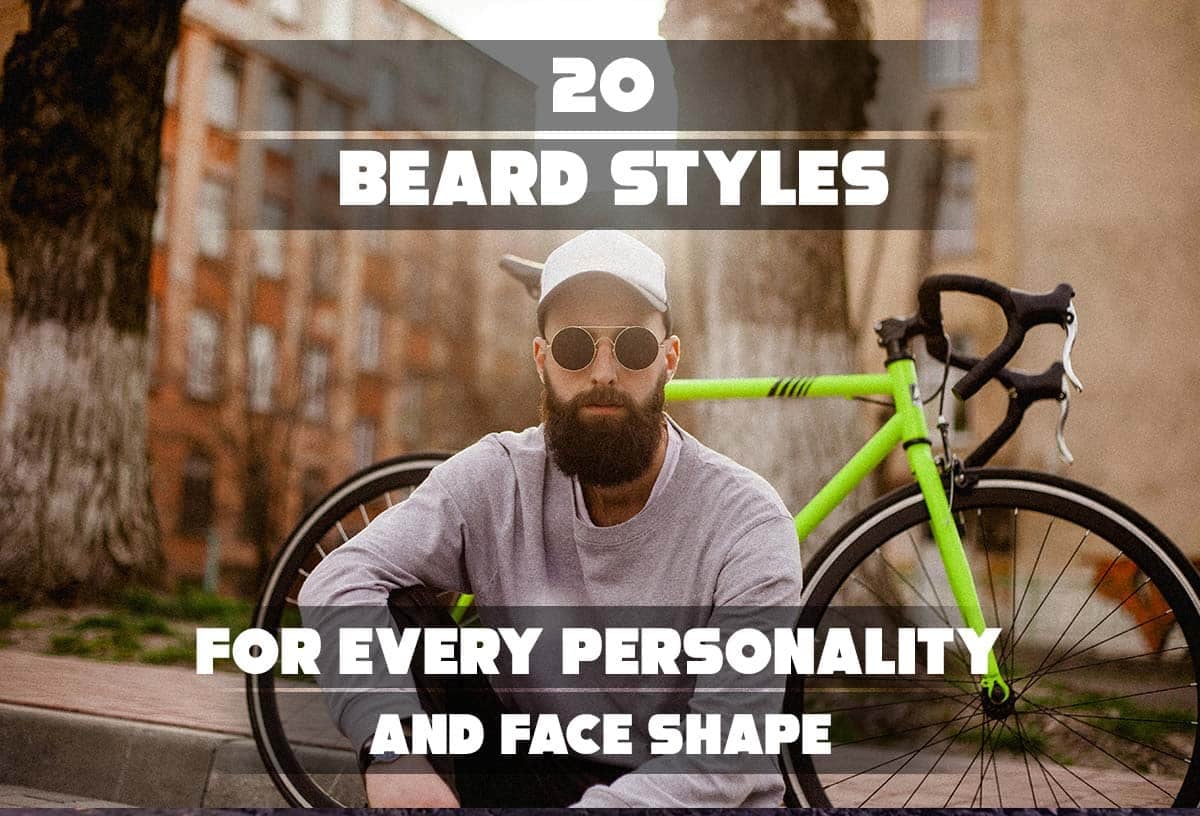

Ever wondered which beard styles can completely transform your look and personality?
At Civilisable, we are dedicated to helping modern men master the art of grooming, offering expert advice, style inspiration, and tips to choose the perfect beard that reflects confidence, individuality, and sophistication.
Read on to discover your perfect beard style and elevate your grooming game today!
- 20 Beard Styles for Men
- 1. Full Beard
- 2. Stubble (Designer Stubble)
- 3. Heavy Stubble
- 4. Short Boxed Beard
- 5. Long Beard
- 6. Ducktail Beard
- 7. Garibaldi Beard
- 8. Corporate Beard
- 9. Goatee
- 10. Circle Beard
- 11. Van Dyke Beard
- 12. Balbo Beard
- 13. Anchor Beard
- 14. French Fork Beard
- 15. Mutton Chops
- 16. Chin Strap Beard
- 17. Soul Patch
- 18. Verdi Beard
- 19. Bandholz Beard
- 20. Clean Shaven
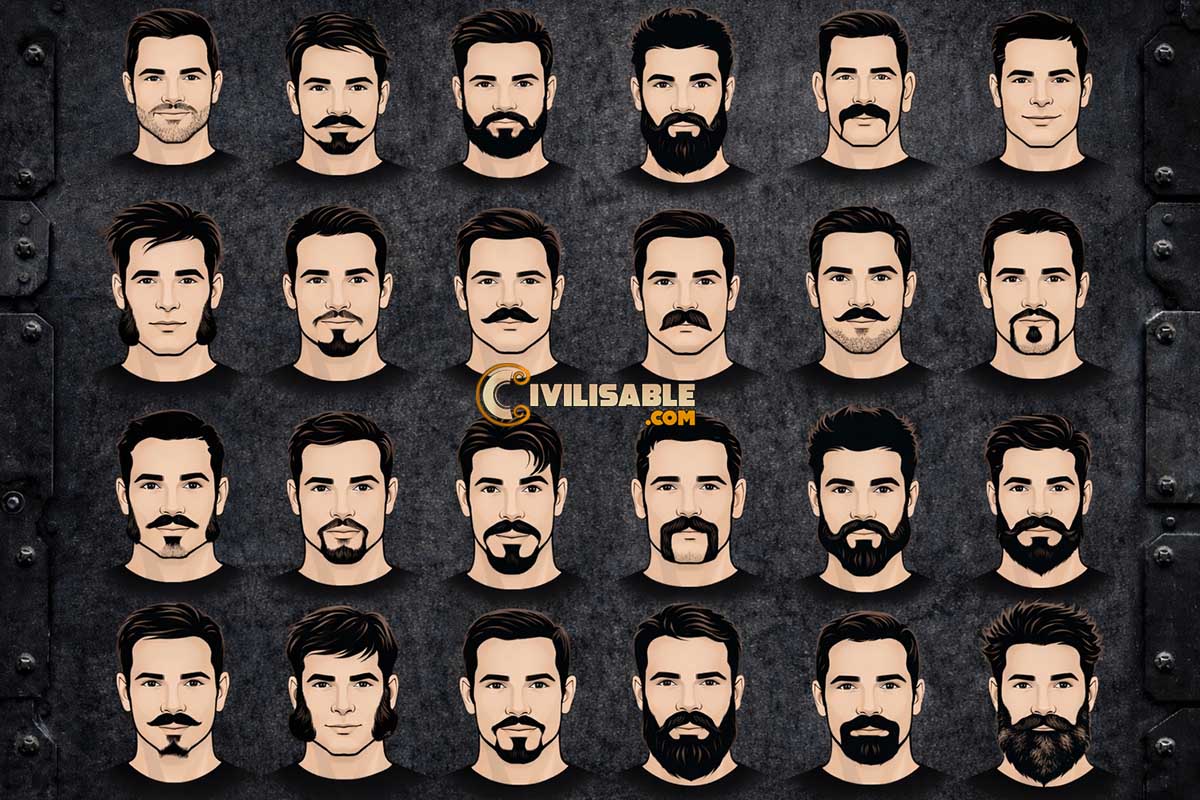
20 Beard Styles for Men
1. Full Beard
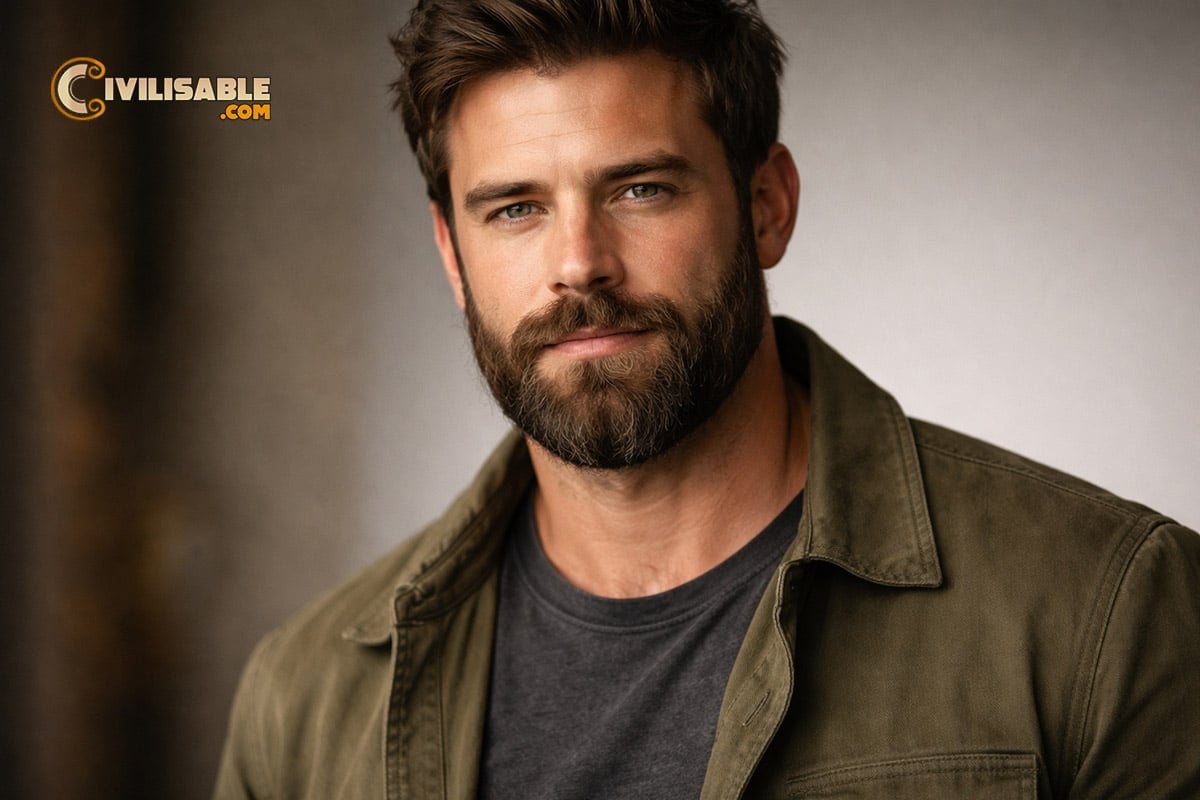
The Full Beard is one of the oldest and most universal beard styles, worn across cultures from the Middle East to Europe. It features natural growth along the cheeks, jaw, chin, and mustache, creating a strong and masculine look. Though it appears effortless, it requires consistent grooming to maintain shape and density without looking unkempt.
- Tools Needed: Beard trimmer with guards, beard scissors, beard oil, comb, and neckline razor for clean edges.
- How to Do It: Let facial hair grow 4–6 weeks evenly, then define cheek lines and trim the neckline just above the Adam’s apple.
- Best Face Shape: Oval and rectangle face shapes.
See Also Renaissance Hairstyles
2. Stubble (Designer Stubble)
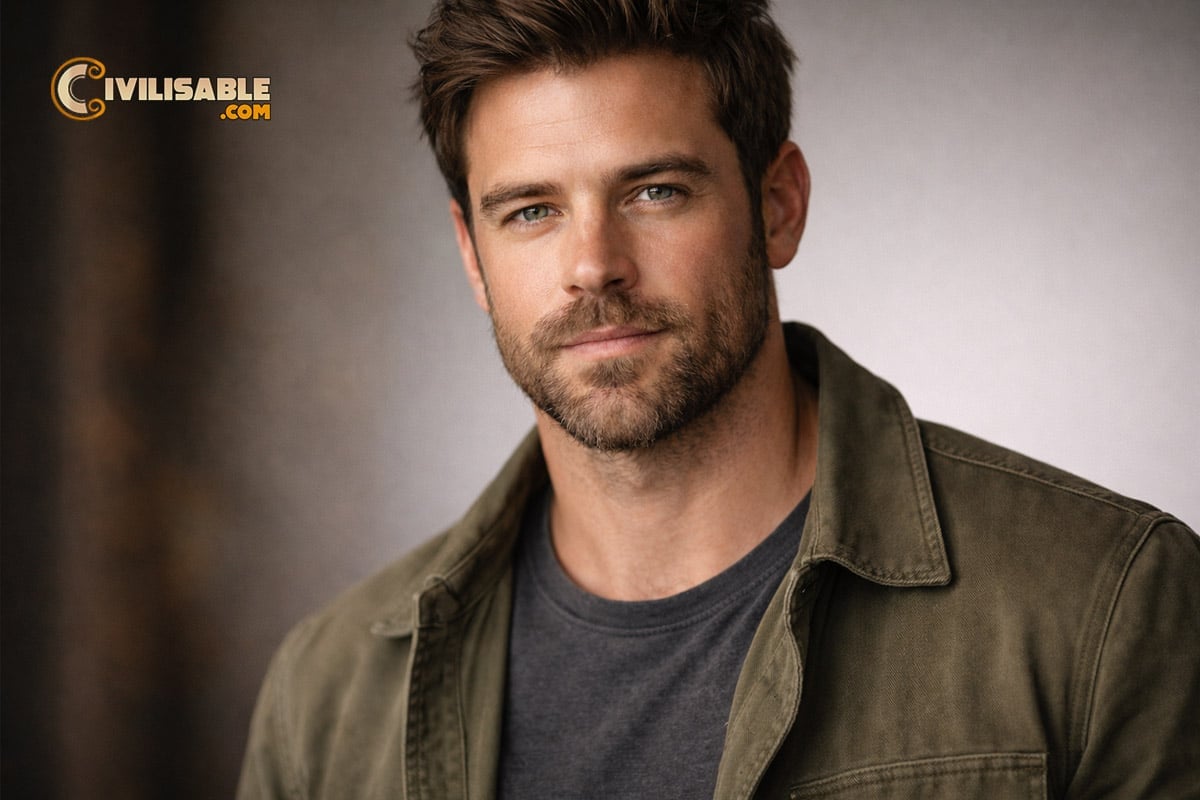
Stubble, often called Designer Stubble, became globally popular through modern Hollywood actors and European fashion trends. It sits between clean-shaven and a short beard, giving a rugged yet controlled appearance. This style enhances jaw definition without requiring full beard growth. It’s ideal for men who want a masculine look with minimal commitment, while still maintaining a sharp and intentional grooming style.
- Tools Needed: Use an adjustable beard trimmer (0.5–3mm guard), a precision razor for neckline cleanup, and a light moisturizer to prevent skin irritation.
- How to Do It: Let facial hair grow for 3–5 days, trim evenly across the face, and clean the neckline just above the Adam’s apple for a defined finish.
- Best Face Shape: Square, oval, and heart-shaped faces.
3. Heavy Stubble
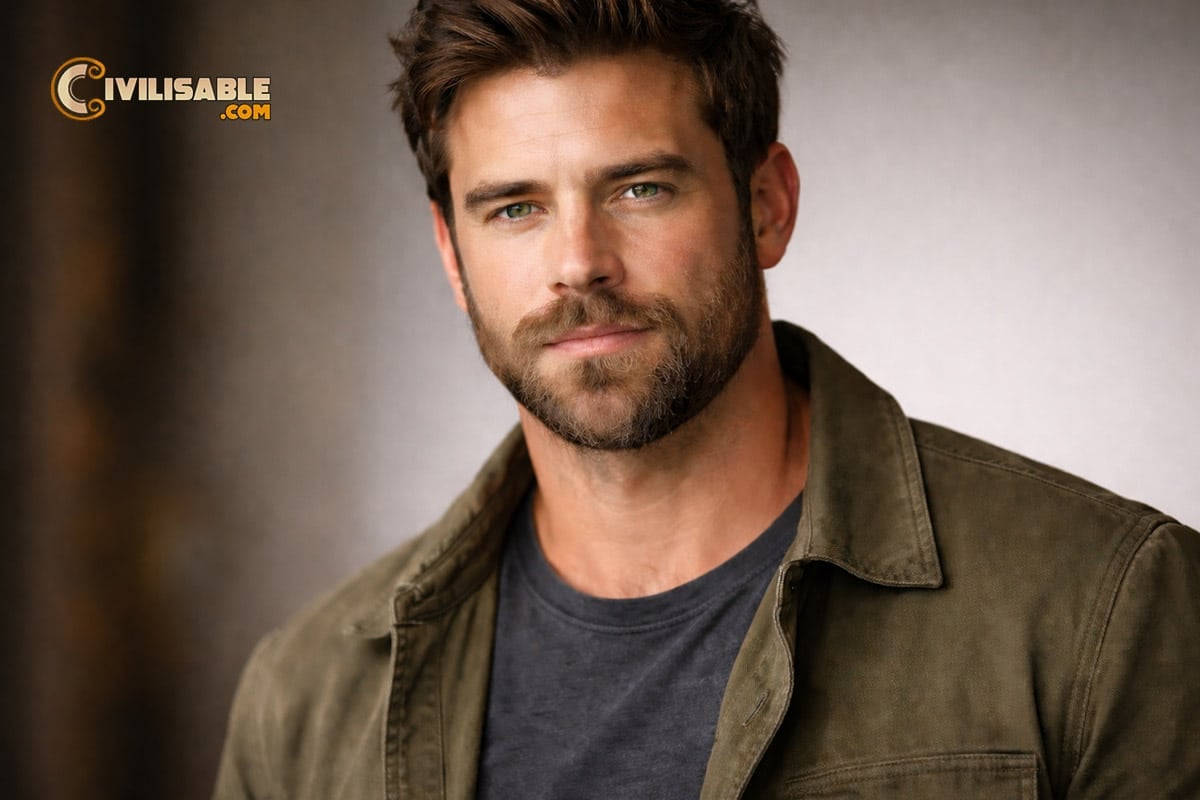
Heavy stubble is a thicker and more noticeable version of standard stubble, offering a stronger and more mature presence. It became widely recognized in Western fashion and celebrity grooming trends.
This style gives structure to the lower face without committing to a full beard. It works well for men with dense facial hair growth who want something bold yet easy to maintain.
- Tools Needed: A beard trimmer with a 3–5mm guard, edging razor for clean lines, and beard conditioner to soften coarse texture.
- How to Do It: Allow hair to grow for about 7–10 days, then trim uniformly while maintaining clean cheek and neckline edges.
- Best Face Shape: Round and oval faces.
4. Short Boxed Beard
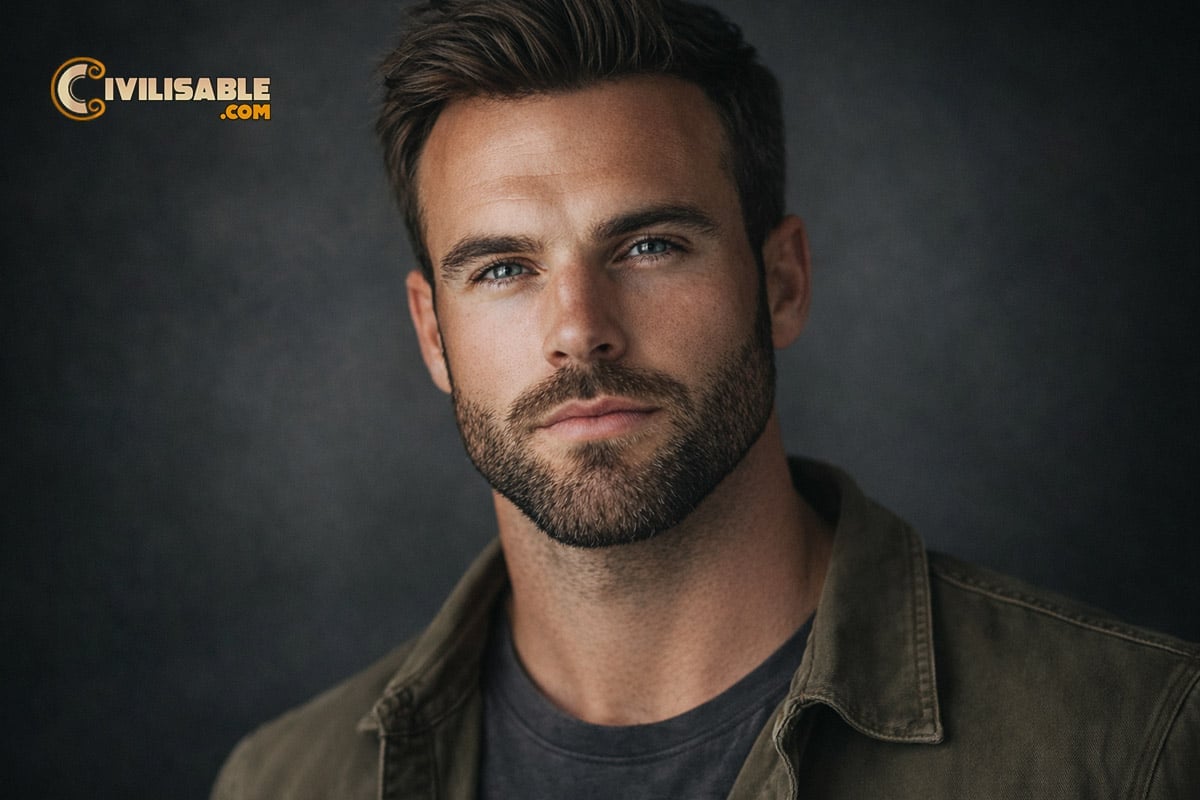
The Short Boxed Beard is a structured and polished version of the full beard, commonly seen in corporate and professional environments. It features trimmed sides and sharp, clean edges that frame the jawline neatly.
Originating from classic barbershop grooming traditions, this style offers balance between masculinity and refinement. It’s ideal for men who want a full beard look that remains tidy and workplace-appropriate.
- Tools Needed: Precision trimmer with multiple guards, sharp razor for lining, beard comb, and nourishing beard oil.
- How to Do It: Keep the sides slightly shorter than the chin, define straight cheek lines, and trim the neckline carefully for a boxed appearance.
- Best Face Shape: Round and square faces.
5. Long Beard
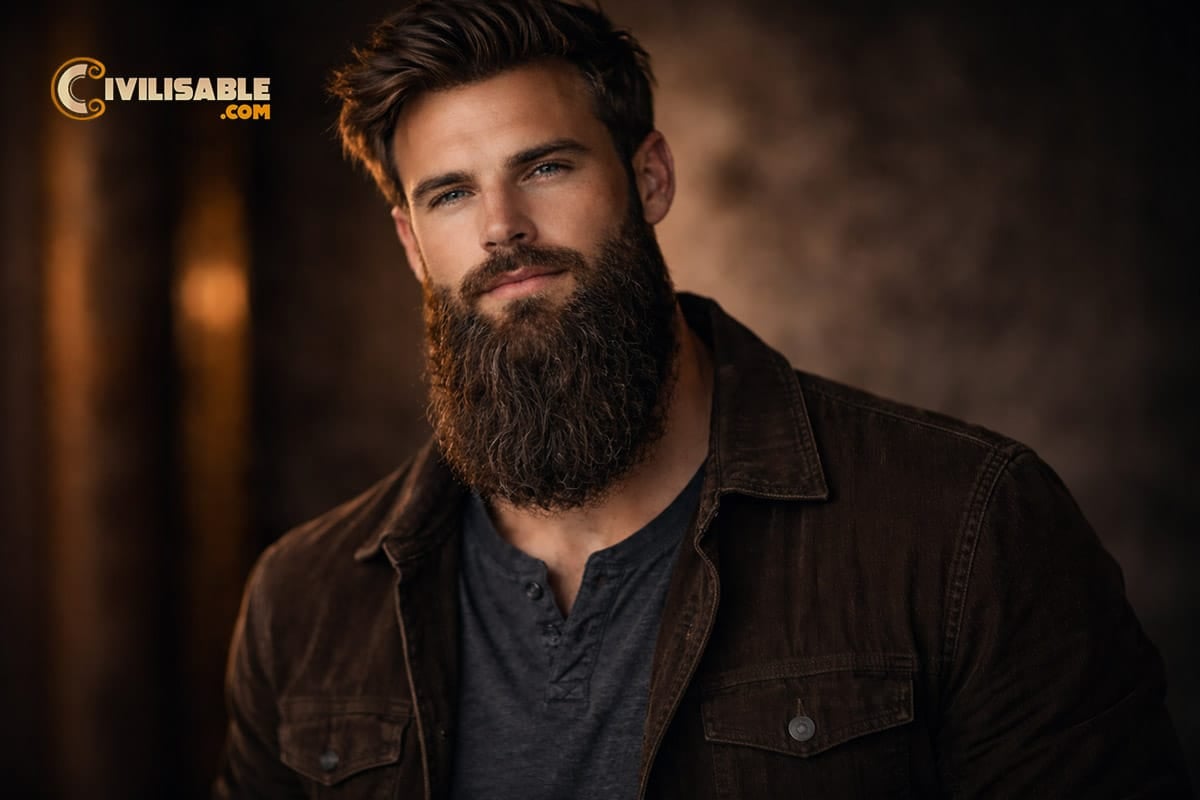
The Long Beard has historical roots in Viking, Middle Eastern, and South Asian cultures, symbolizing strength and maturity. It involves growing facial hair several inches long while maintaining health and shape.
Although it appears natural and rugged, proper grooming is essential to avoid tangling and split ends. This style makes a bold statement and requires patience and consistent care.
- Tools Needed: Beard brush, wide-tooth comb, beard oil, balm for hold, and trimming scissors for maintenance.
- How to Do It: Allow several months of uninterrupted growth, trim lightly for shape, and apply oil daily to maintain softness and shine.
- Best Face Shape: Oval and diamond faces.
6. Ducktail Beard
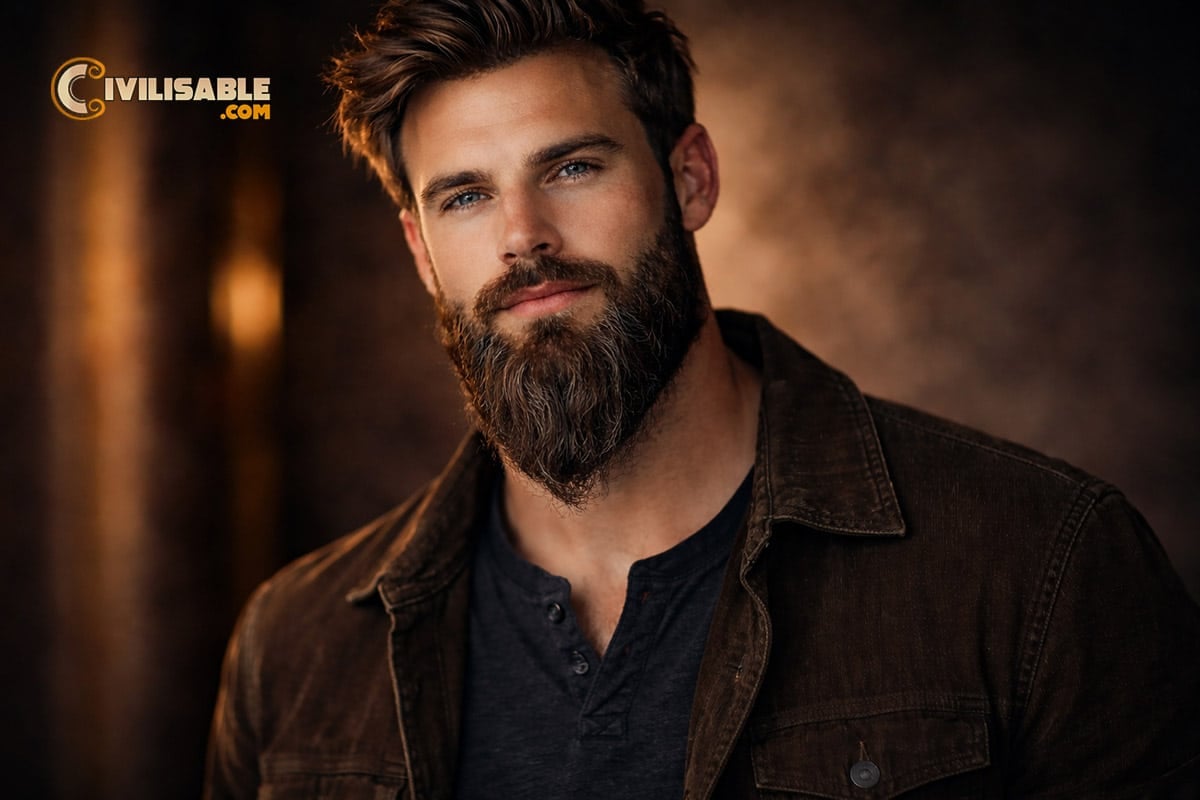
The Ducktail Beard is a modern variation of the full beard that tapers into a pointed shape at the chin, resembling a duck’s tail. Popular in contemporary barbershops across Europe and North America, it adds structure and sharpness to a traditional beard.
The sides remain fuller while the chin gradually narrows, creating a stylish and masculine silhouette that enhances jaw definition without appearing overly dramatic.
- Tools Needed: Adjustable beard trimmer, precision scissors, razor for clean cheek lines, and beard balm for shaping.
- How to Do It: Grow a full beard first, then gradually taper the sides shorter while shaping the chin into a defined point.
- Best Face Shape: Round and oval faces.
See Also Fashion Capital of Italy
7. Garibaldi Beard
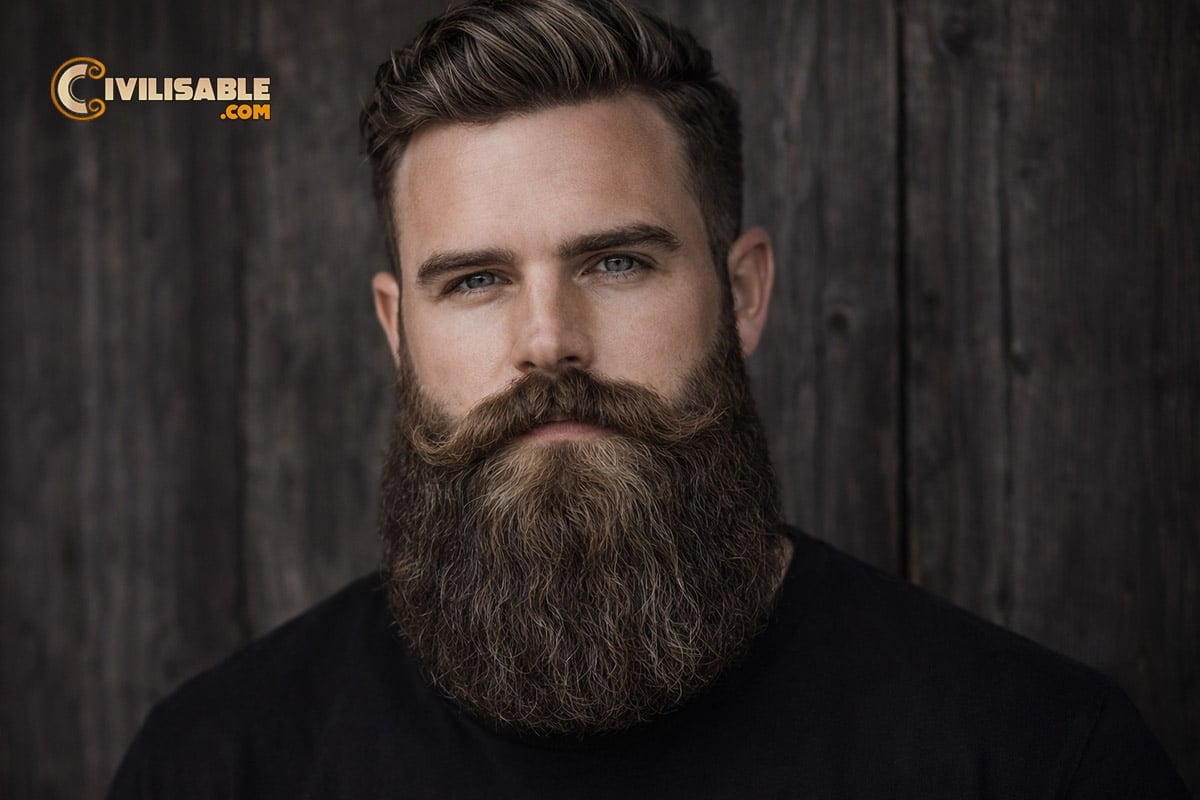
The Garibaldi Beard is named after Italian general Giuseppe Garibaldi and represents a bold, natural long beard with a rounded bottom. It became popular in European grooming culture and is known for its wide, full appearance.
Unlike sharply sculpted styles, the Garibaldi embraces a more organic shape while still maintaining a controlled outline. It’s ideal for men who want a strong, rugged presence without excessive detailing.
- Tools Needed: Beard brush, trimming scissors, beard oil, and beard shampoo for regular care.
- How to Do It: Grow your beard for several months and trim the bottom into a rounded shape while keeping the width full.
- Best Face Shape: Oval faces.
8. Corporate Beard
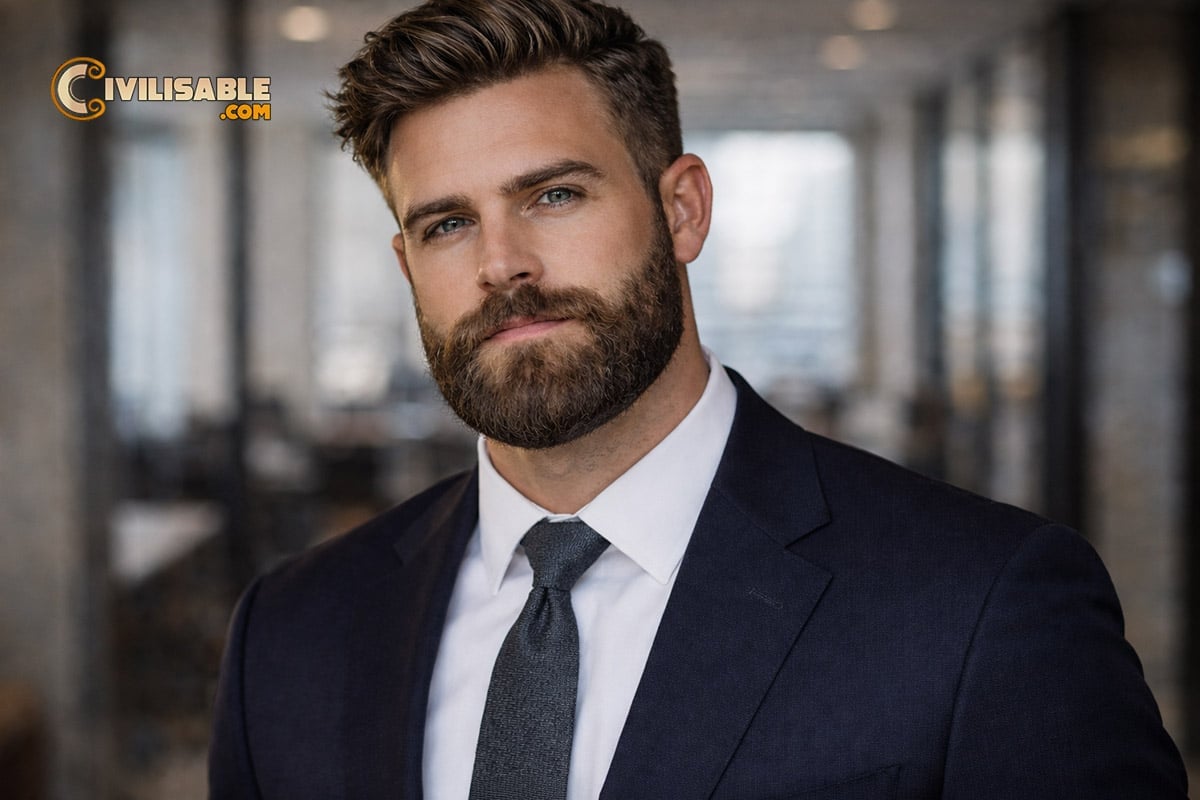
The Corporate Beard is a refined, medium-length beard designed for professional environments. It offers the masculinity of a full beard while remaining neat and workplace-appropriate.
This style is especially popular in Western business culture, where grooming standards emphasize sharp lines and controlled volume. It maintains symmetry and clean edges, making it suitable for formal and semi-formal settings.
- Tools Needed: High-quality trimmer with guards (10–15mm), razor for precise edges, beard oil, and comb.
- How to Do It: Keep the beard evenly trimmed at a moderate length and define both cheek and neckline sharply.
- Best Face Shape: Round and oval faces.
9. Goatee
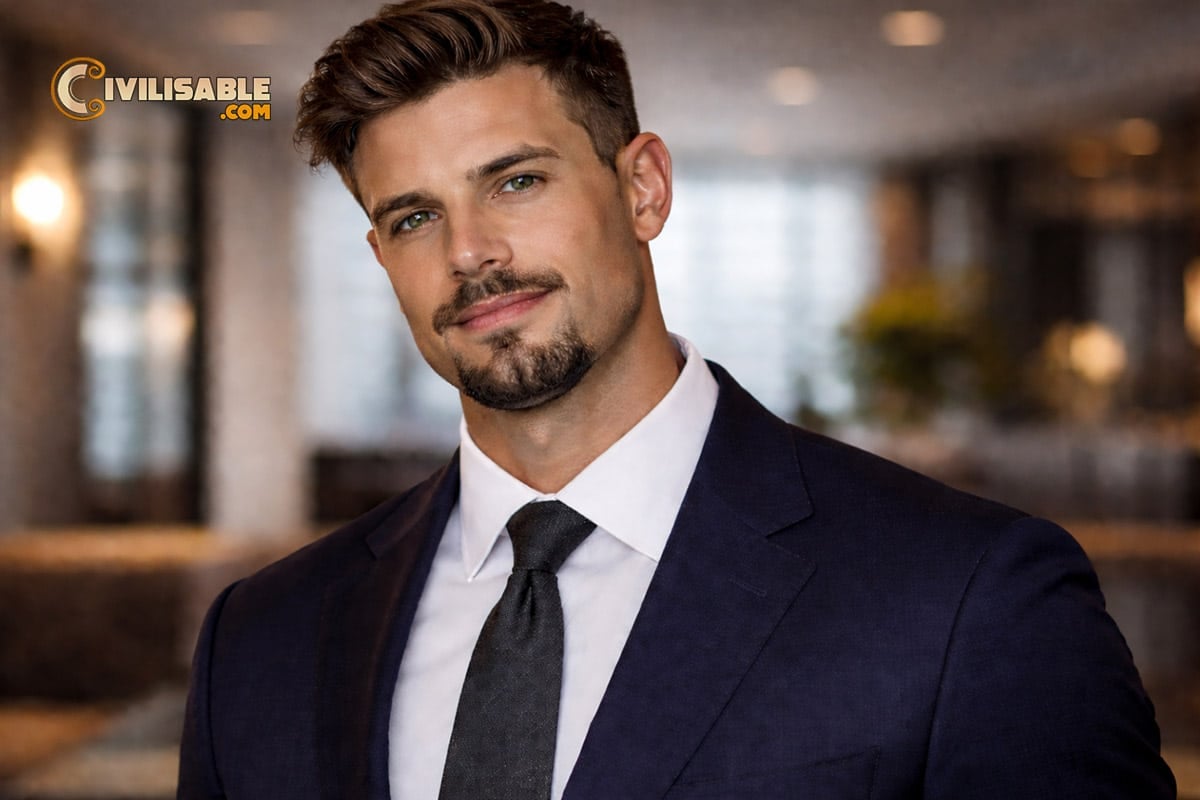
The Goatee focuses facial hair on the chin area and has been popular in Western fashion and pop culture for decades. It removes cheek hair completely, drawing attention to the mouth and chin.
This style can range from narrow and subtle to slightly wider and fuller. It’s a practical option for men who struggle with patchy cheek growth but want a defined facial hair style.
- Tools Needed: Precision trimmer, clean razor for cheeks, small detailing comb.
- How to Do It: Shave both cheeks entirely and carefully shape the chin hair into your desired width and length.
- Best Face Shape: Round and square faces.
10. Circle Beard
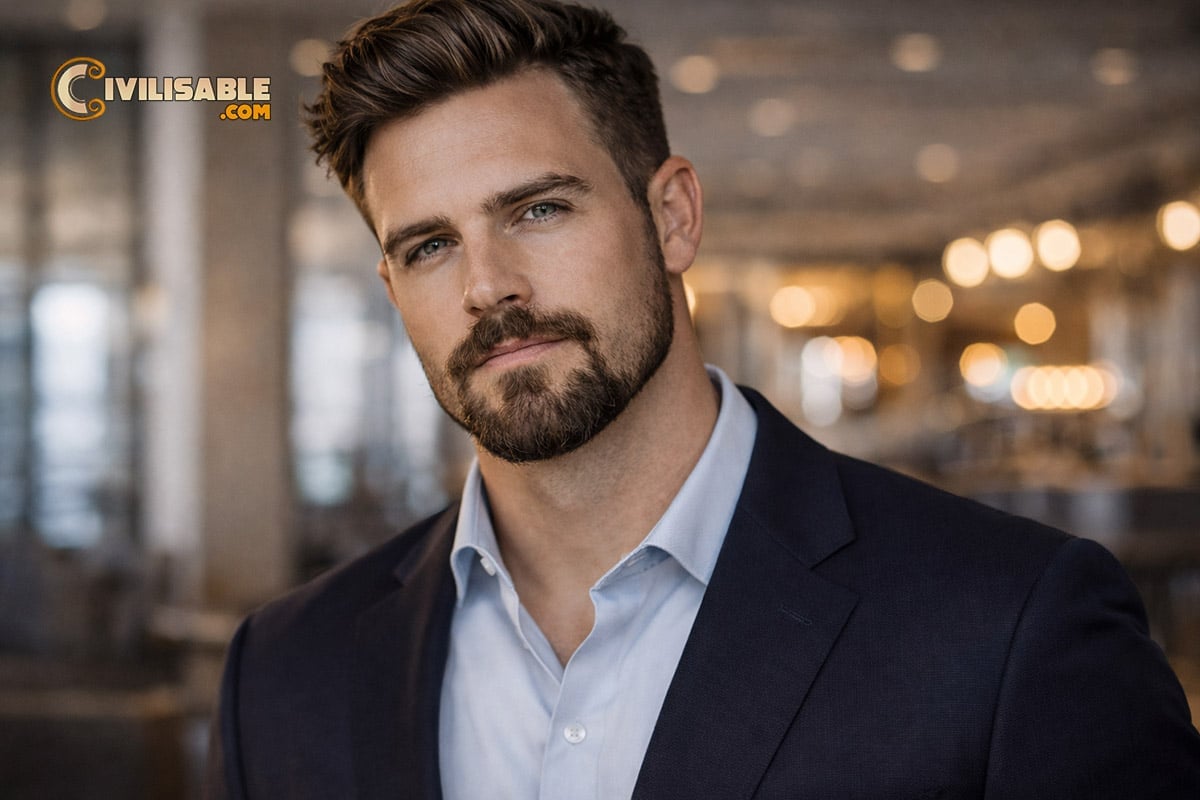
The Circle Beard combines a rounded goatee with a connected mustache, forming a clean circular shape around the mouth. It is a structured and polished look that gained popularity in modern grooming trends.
This beard style offers balance and symmetry, making it a safe yet stylish choice. It defines without requiring full facial hair growth on the cheeks.
- Tools Needed: Detail trimmer, razor for outer cleanup, mirror for symmetry precision.
- How to Do It: Connect the mustache to the chin beard evenly and shave all surrounding cheek hair clean.
- Best Face Shape: Oval and rectangular faces.
11. Van Dyke Beard
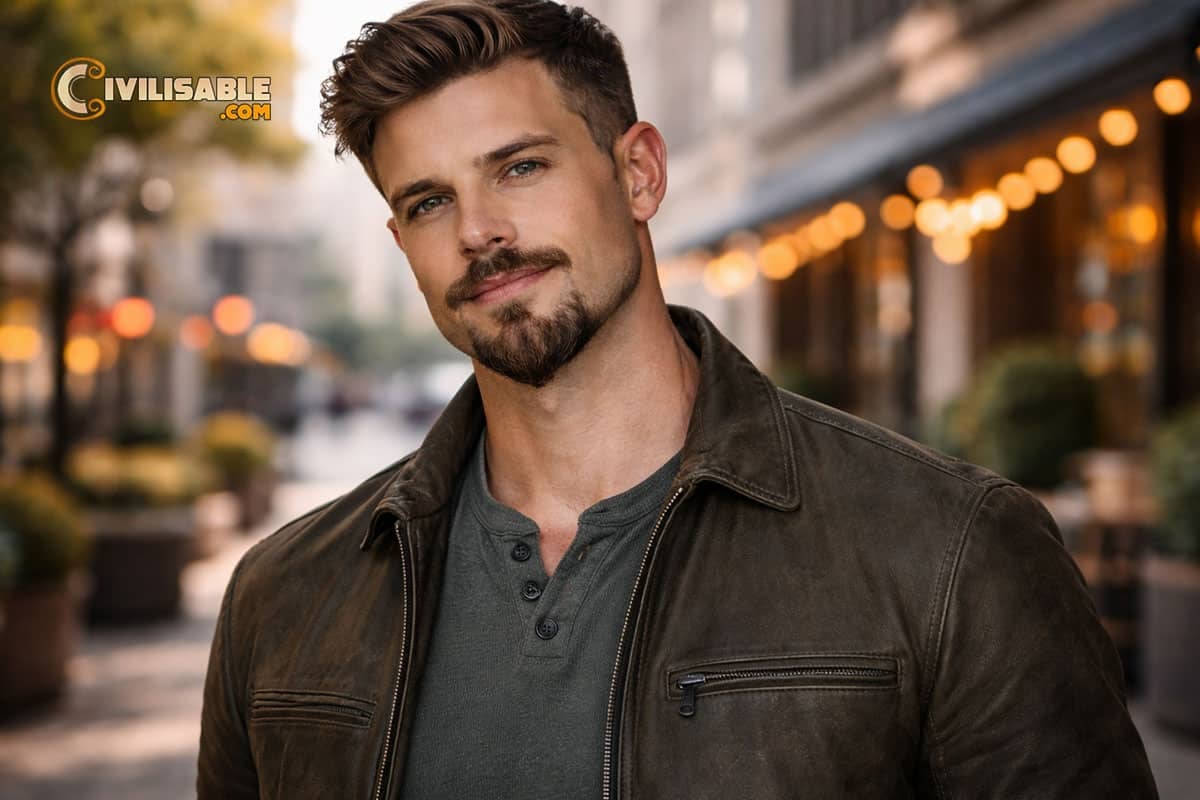
The Van Dyke Beard is named after Flemish painter Anthony van Dyck, who popularized the look in 17th-century Europe. It features a pointed goatee paired with a detached mustache.
The separation between the two elements creates a dramatic and artistic effect. This style works well for men who prefer sharp detailing and a slightly vintage aesthetic.
- Tools Needed: Precision trimmer, razor for clean separation lines, mustache scissors.
- How to Do It: Grow mustache and chin hair separately, shave the connecting areas, and keep the goatee slightly pointed.
- Best Face Shape: Square and oval faces.
12. Balbo Beard
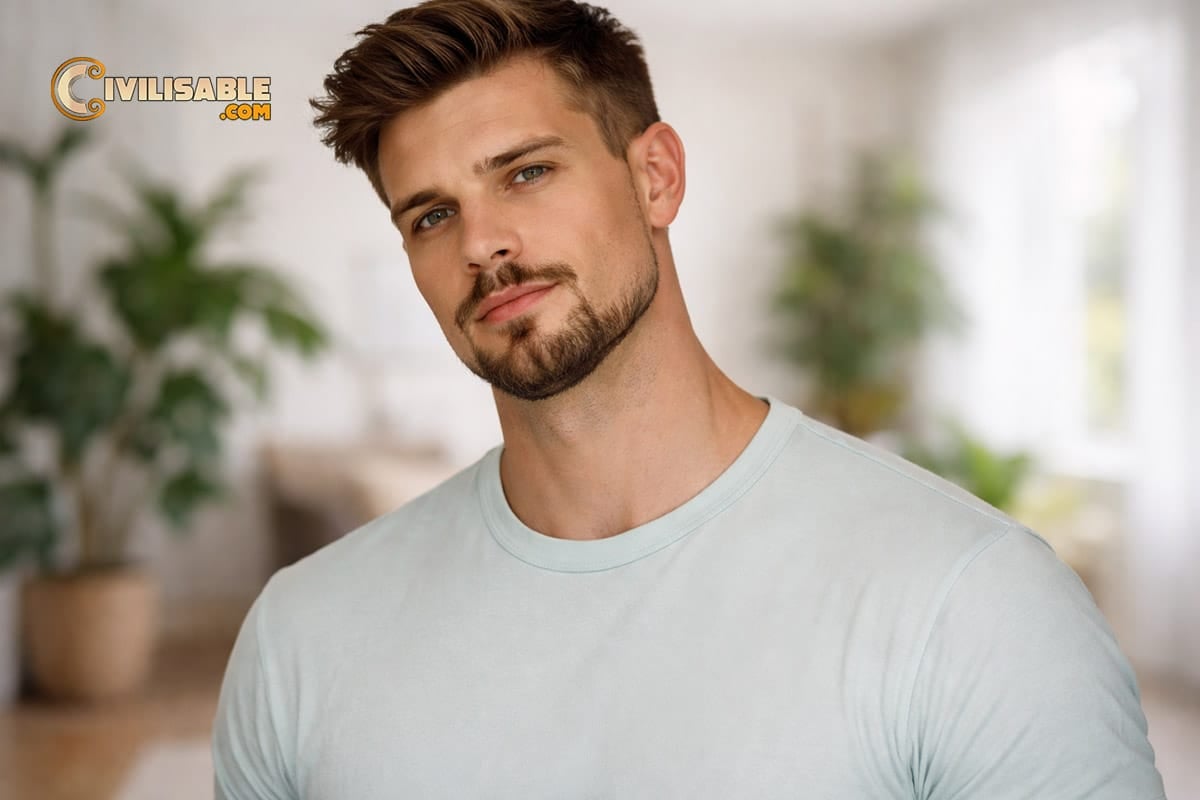
The Balbo Beard consists of a floating mustache and a separated chin beard without connected sideburns. It became widely recognized in modern celebrity grooming and fashion circles.
This style offers a structured and contemporary appearance while maintaining individuality. It works especially well for men who want facial hair but prefer not to grow a full beard.
- Tools Needed: Adjustable trimmer, razor for clean cheek removal, detailing scissors.
- How to Do It: Remove sideburn connections entirely and shape the chin beard neatly beneath a styled mustache.
- Best Face Shape: Narrow and angular faces.
See Also Italian Male Fashion
13. Anchor Beard
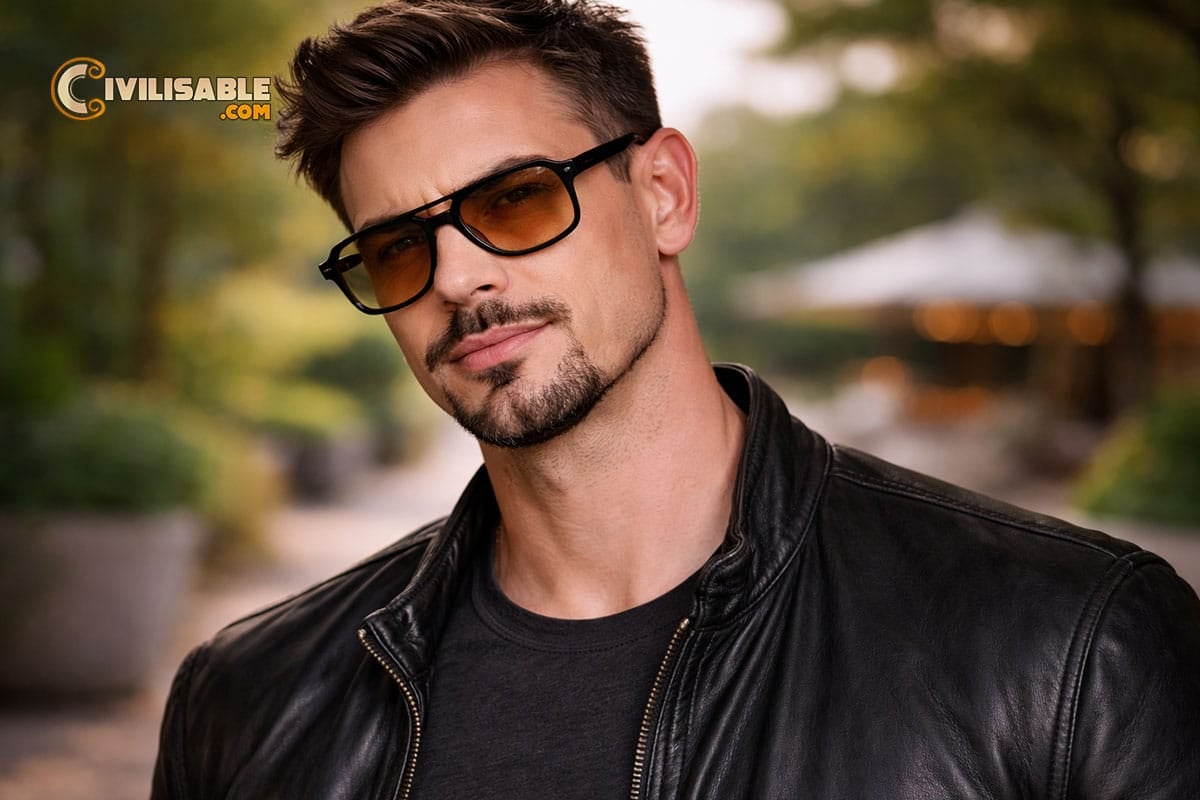
The Anchor Beard is shaped like a ship’s anchor, combining a pointed chin beard with a defined mustache and thin jawline extensions. It is a bold and fashion-forward style often seen in modern European grooming. The sharp angles create a distinctive and confident look that stands out compared to more natural beard styles.
- Tools Needed: Detail trimmer, razor for precise outlines, beard balm for hold.
- How to Do It: Shape the chin into a pointed base and carefully trim thin lines extending along the jaw.
- Best Face Shape: Round faces.
14. French Fork Beard
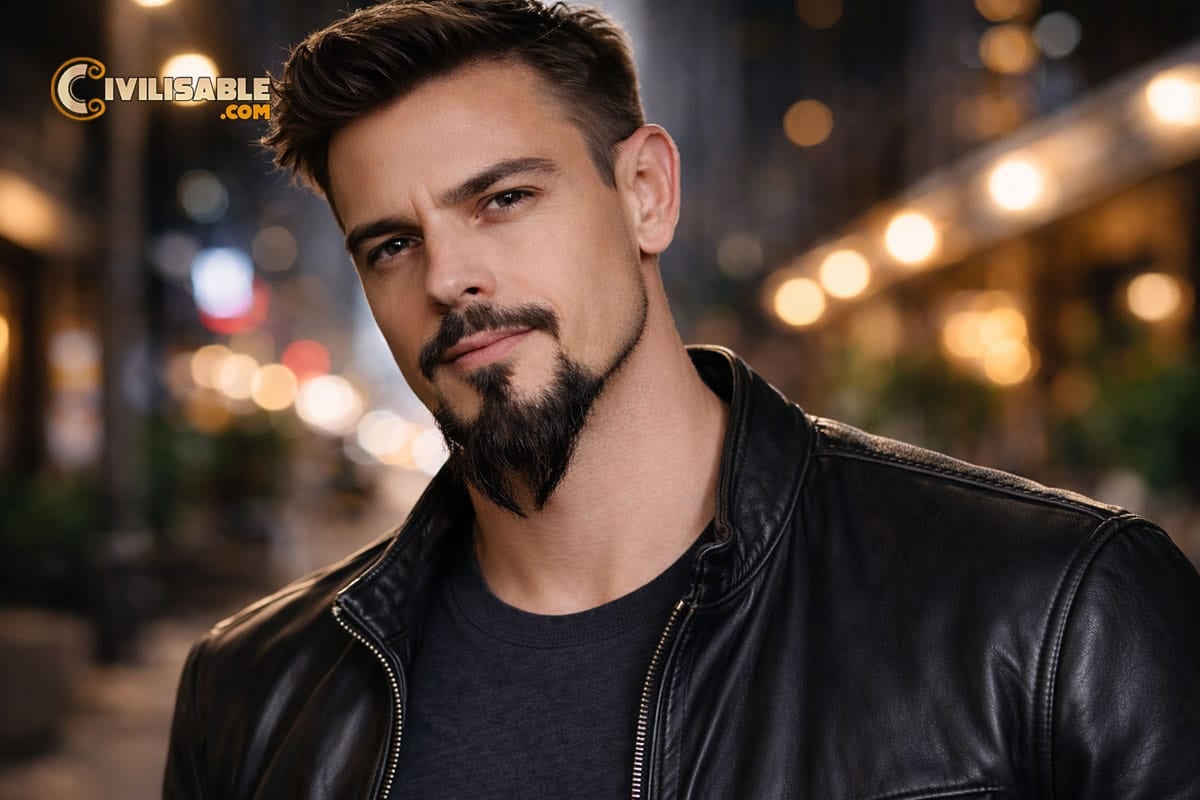
The French Fork Beard dates back to medieval Europe and features a long beard split into two distinct sections at the bottom. It offers a unique and dramatic appearance while maintaining a historical charm. This style requires patience and length but allows creative shaping at the chin.
- Tools Needed: Beard comb, trimming scissors, beard balm for separation control.
- How to Do It: Grow a long beard first, then carefully divide the bottom center into two equal sections.
- Best Face Shape: Oval and rectangular faces.
15. Mutton Chops
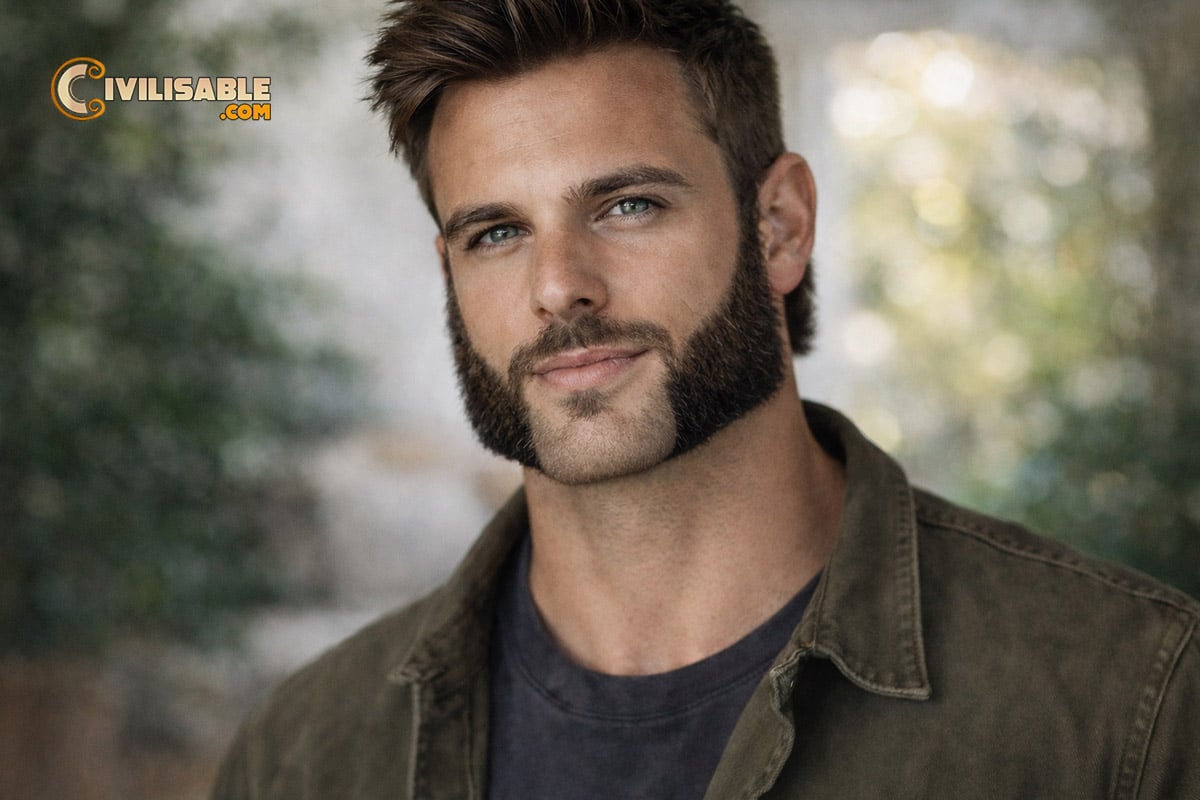
Mutton Chops were widely worn in 19th-century Europe and America, featuring thick sideburns extending toward the mouth while the chin remains shaved. This bold style emphasizes the cheeks rather than the jaw. It creates a vintage yet attention-grabbing look that stands apart from modern full-beard trends.
- Tools Needed: Beard trimmer, razor for chin cleanup, comb for shaping sideburns.
- How to Do It: Grow heavy sideburns and shave the chin completely for strong contrast.
- Best Face Shape: Diamond and oval faces.
16. Chin Strap Beard
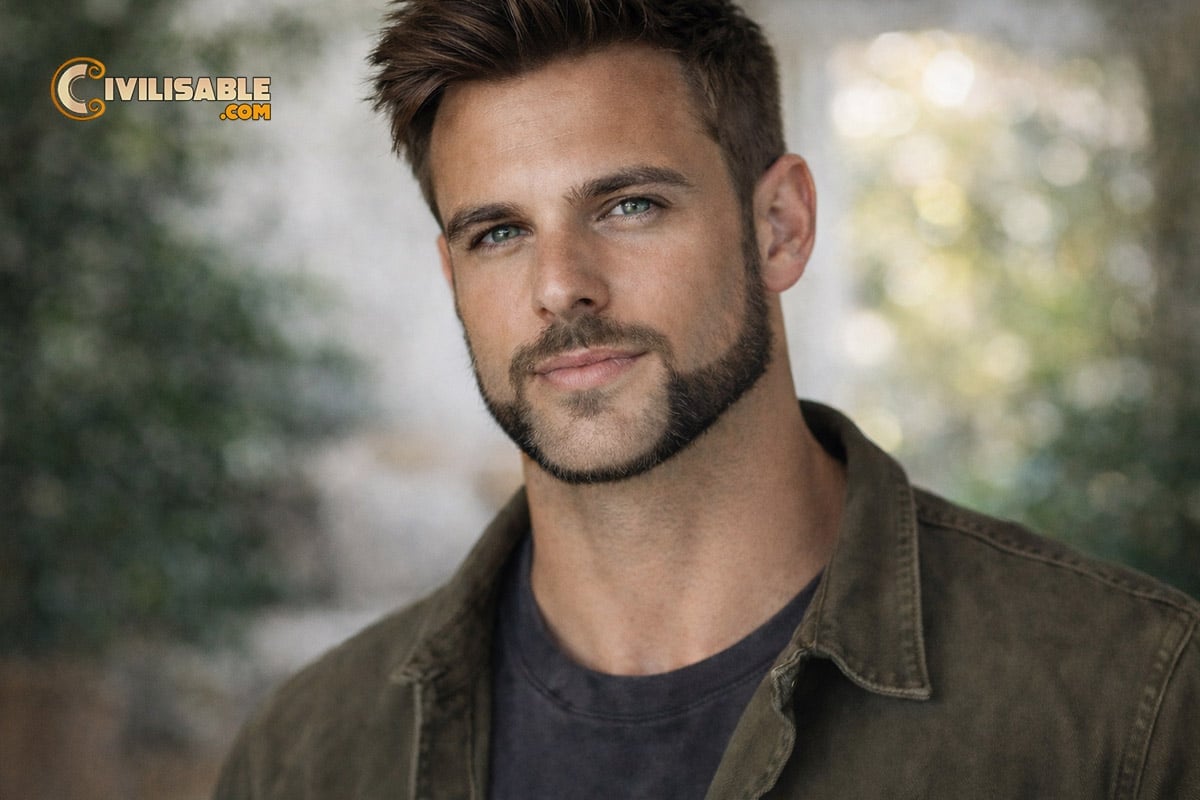
The Chin Strap Beard is a thin line of facial hair that follows the jawline from one sideburn to the other. Popular in early 2000s fashion, it creates sharp facial definition. This style requires precision and works best with consistent trimming to maintain symmetry.
- Tools Needed: Precision trimmer, razor for clean cheeks, handheld mirror for alignment.
- How to Do It: Trim beard into a narrow strip along the jaw while shaving cheeks completely smooth.
- Best Face Shape: Round faces.
17. Soul Patch
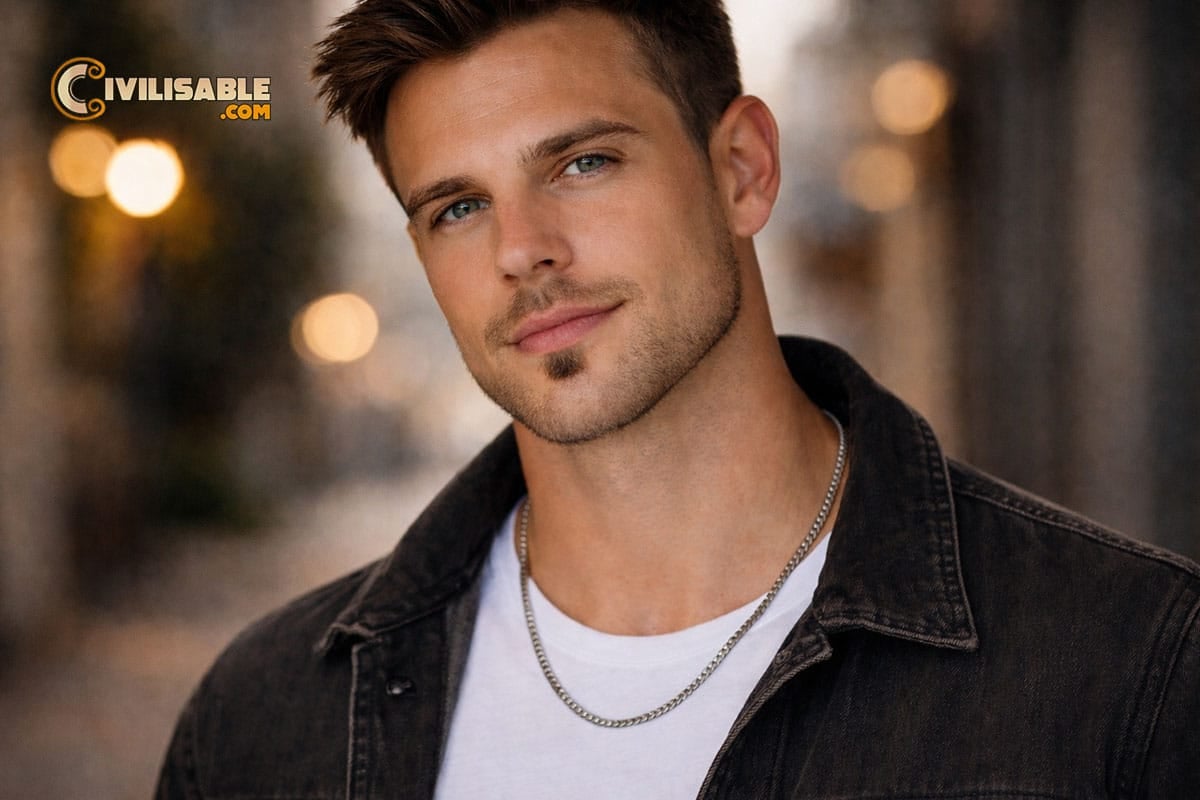
The Soul Patch is a small patch of hair located just below the lower lip. It became associated with jazz musicians and artistic subcultures in the mid-20th century. Though minimal, it adds subtle personality without requiring full facial hair growth.
- Tools Needed: Detail trimmer, razor for full face cleanup, small mirror for accuracy.
- How to Do It: Shave the entire face clean except for a small centered patch beneath the lower lip.
- Best Face Shape: Suitable for most face shapes.
18. Verdi Beard
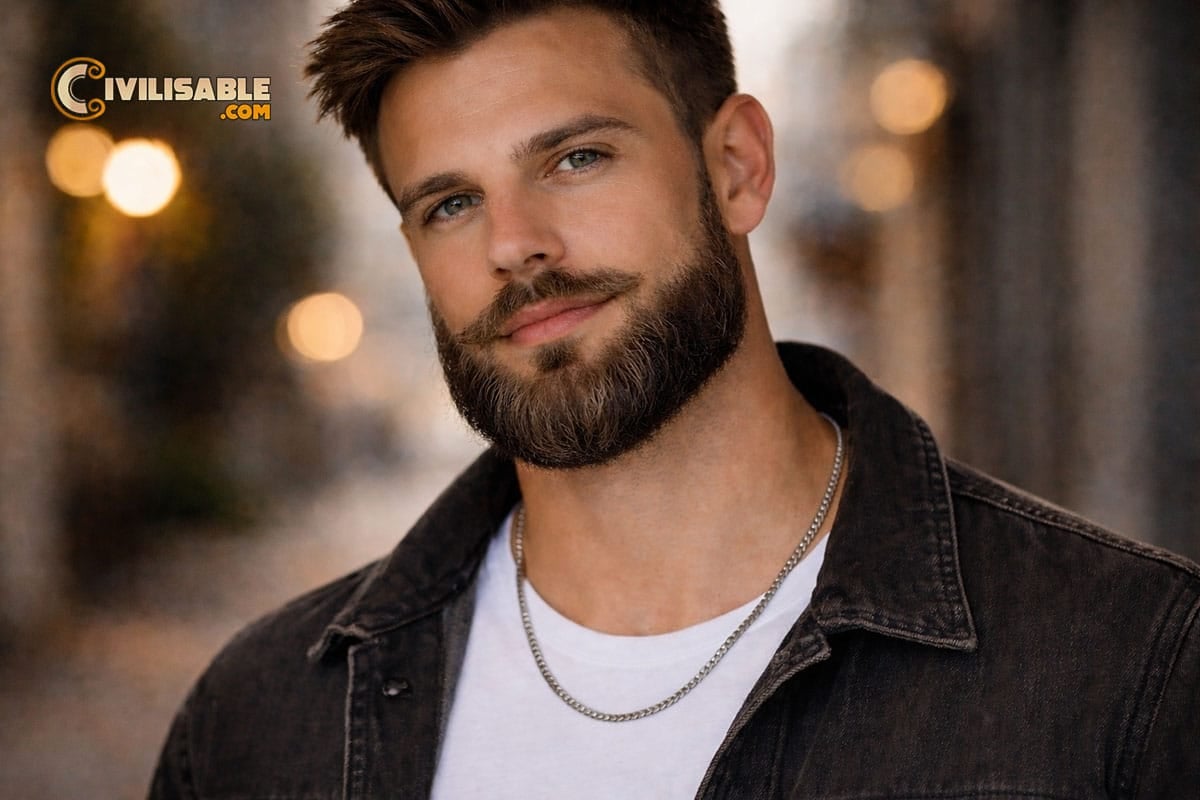
The Verdi Beard is inspired by Italian composer Giuseppe Verdi and features a short rounded beard paired with a styled mustache. It blends elegance with masculinity, offering a slightly classic European aesthetic. The mustache is often styled outward for extra flair.
- Tools Needed: Beard trimmer, mustache wax, comb, and trimming scissors.
- How to Do It: Keep beard moderately short and rounded while styling the mustache outward using wax.
- Best Face Shape: Oval faces.
19. Bandholz Beard
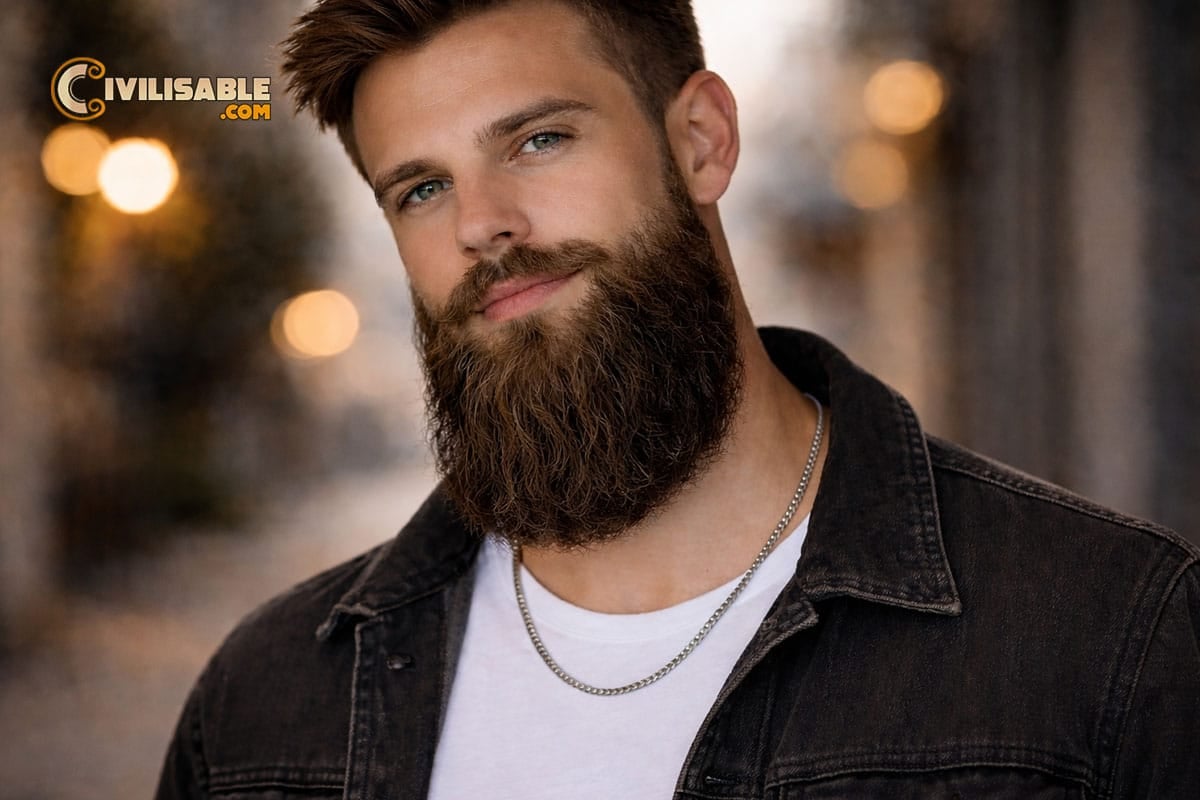
The Bandholz Beard is a large, natural beard style popularized by modern beard culture and grooming communities. It emphasizes full, untouched growth with minimal shaping. This bold style symbolizes patience and confidence, requiring dedication to proper care and conditioning.
- Tools Needed: Beard brush, beard oil, balm, and scissors for occasional light shaping.
- How to Do It: Allow several months of natural growth with minimal trimming, focusing mainly on health and conditioning.
- Best Face Shape: Triangle and oval faces.
20. Clean Shaven
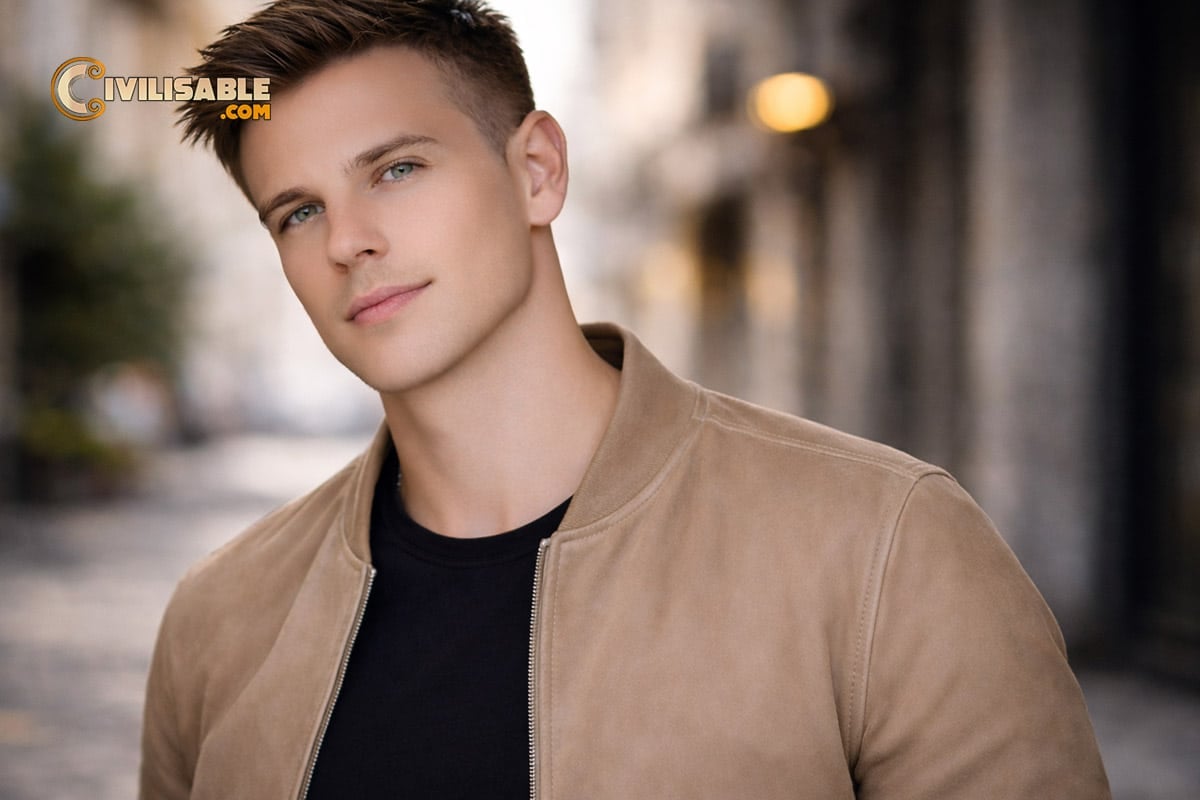
Clean Shaven remains one of the most timeless grooming choices worldwide. While not technically a beard, it is often included in style comparisons. This look highlights natural facial structure and requires consistent shaving to maintain smoothness. It is common in professional and military settings.
- Tools Needed: Quality razor or electric shaver, shaving cream, aftershave balm for skin care.
- How to Do It: Shave regularly following the direction of hair growth and moisturize afterward to prevent irritation.
- Best Face Shape: All face shapes.
See Also 70s Black Fashion
20 Beard Styles: A Recap
Beard styles offer men a versatile way to express personality, enhance facial features, and adapt to fashion trends. From the rugged Full Beard and Bandholz to the sleek 3-Day Beard or clean-shaven look, each style suits different face shapes and lifestyles. With proper grooming tools, maintenance, and knowledge of what fits your face, any man can confidently choose a beard that complements his look and boosts his style.